Genetic Modification
Early Forms of Genetic Manipulation
- Selection: choosing organisms with favored traits and allowing them to reproduce.
- Hybridization: breeding dissimilar organisms to produce hybrids.
- Inbreeding: breeding similar or related organisms.
- Mutation breeding: subjecting plant seeds to UV rays and growing the seeds.
Modern Techniques in Genetic Modification
- Recombinant DNA
- Genetically modifying plants
- Gene gun
- Micropropagation
- Xenotransplantation
Recombinant DNA
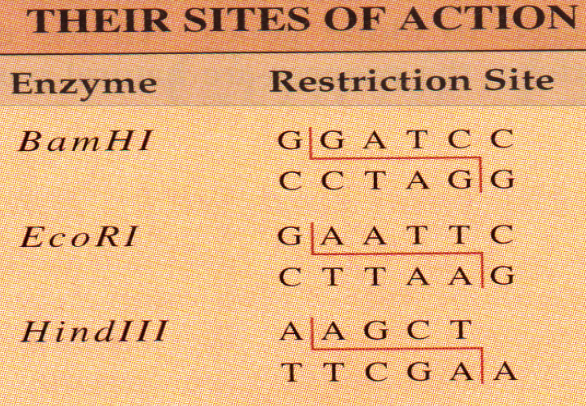
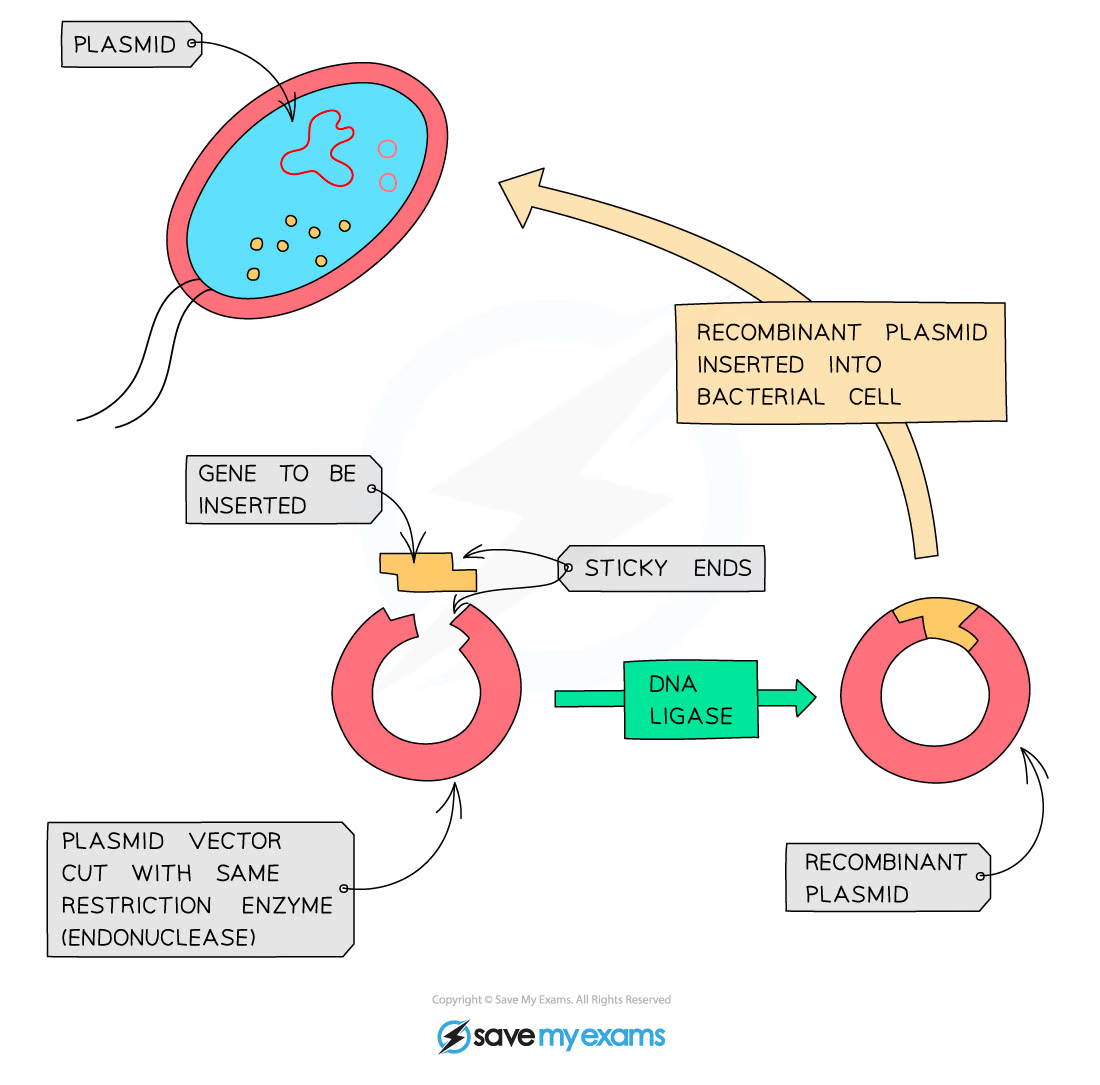
- Restriction Enzymes: enzymes that cut DNA at particular sequences.
- DNA Ligase Enzyme: enzymes that join the cut ends of DNA molecules.
- Plasmids: small circles of DNA found in bacteria
Inserting Foreign Genes
- Isolate a gene and cut it out with a restriction enzyme.
- Cut plasmids with the same restriction enzyme.
- Allow “sticky ends” to join.
- Bacteriophage: viruses that infect bacteria
- Can be used to insert foreign genes into bacteria
Applications of Genetic Engineering
- Transgenic Bacteria: engineered biomolecules like insulin and other pharmaceutics can be harvested from them.
- Transgenic Plants: crops are genetically engineered for higher yield, pesticide resistance, and producing their own fertilizer.
- Transgenic Animals: used for farming, ranching, or genetic research.
Transgenic Bacteria
- Involves fusion of foreign DNA fragments with bacteria to manufacture:
- Human insulin
- Enzymes for washing powders
- Enzymes in the food industry
- Human growth hormone
- Bovine Somatotropin (BST)
- Human vaccines
Transgenic Plants
- Involves the insertion of foreign DNA into plants for the following reasons:
- Higher yield
- Pesticide resistance
- Producing own fertilizer
- Heat and drought tolerance
- Salt tolerance
- Better nutrient balance
- Involves the insertion of foreign DNA into plants using the following:
- Agrobacterium - soil bacteria that regularly insert plasmids into plant cells.
- Gene Gun - fires a gene-coated gold pellet into plant cells.
Transformation
- Involves fusion of foreign DNA fragments with “plasmids” of Agrobacterium.
- Plasmid leaves bacteria and invades plant cells, inserting itself into its DNA.
Moral, Ethical, and Social Concerns
- Moral concerns - “playing God” and the unforeseen consequences of these alterations.
- Ethical concerns - contamination of “wild” plants and animals, development of superweeds.
- Social concerns - genetically engineered seeds may not be available except for those who can afford them.