Pre-work Week 2 Composition of substances
Composition of Substances and Solutions
Elements and the periodic table
Emphasis on interactive, engaging, and applied knowledge with case studies
Learning Objectives
Describe the basic properties of each physical state of matter: solid, liquid, gas
Provide examples illustrating macroscopic, microscopic, and symbolic domains.
Classify matter as an element, compound, homogeneous or heterogeneous mixture regarding its physical state and composition
Define and give examples of atoms and molecules
Identify properties of and changes in matter as physical or chemical
Composition of Matter: Atoms
Quote by Richard Feynman: "All things are made up of atoms—little particles that move around in perpetual motion, attracting each other when a distance apart, repelling upon being squeezed together."
Feynman contributed to theoretical physics, quantum computing, and nanotechnology.
Definition of Atom
Atom: the smallest particle of an element that retains its properties and can chemically react
Historical context: proposed by Greek philosophers (Leucippus and Democritus), supported by John Dalton in the 19th century with quantitative measurements.
Key postulates:
All matter is composed of atoms.
Atoms cannot be created, destroyed, or subdivided.
Atoms of the same element are identical in size, weight, and properties.
Atoms of different elements differ in size, weight, and properties.
Atoms combine in simple whole-number ratios to form compounds.
Atoms can combine, separate, or rearrange in chemical reactions.
Dalton's Atomic Theory and Postulates
Each element consists of small particles called atoms.
Atoms of one element are identical; different from other elements.
Atoms cannot be created or destroyed during chemical reactions.
Compounds are formed when atoms combine, maintaining the same total number of particles in reactants and products.
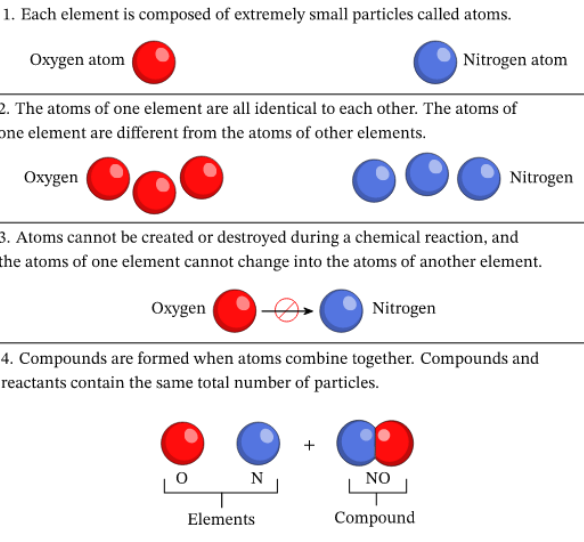
Modern Atomic Model
Various models of the atom over time:
Solid Sphere Model (Dalton, 1803): Atoms as indivisible, identical for each element.
Plum Pudding Model (J.J. Thomson, 1904): Electrons distributed in a positively charged sphere.
Nuclear Model (Ernest Rutherford, 1911): Atoms mostly empty space with a dense nucleus.
Planetary Model (Niels Bohr, 1913): Electrons orbit the nucleus at specific energy levels.
Quantum Model (Erwin Schrödinger, 1926): Electrons exist in clouds of probability rather than fixed orbits.
The Atom
The nucleus contains most mass (protons and neutrons), while electrons occupy much of the atom’s volume.
Protons: +1, 1 amu
Neutrons: 0, 1 amu
Electrons: -1, negligible mass
Atomic Mass Units
1 amu = 1.6605 × 10^-24 g
Mass of a carbon-12 (12C) atom is 12 amu, 1 mole of 12C weighs 12 g, containing 6.022 × 10^23 atoms.
Subatomic Particle Properties

Atomic Number and Mass Number
Atomic Number (Z): number of protons.
Mass Number (A): total number of protons and neutrons.
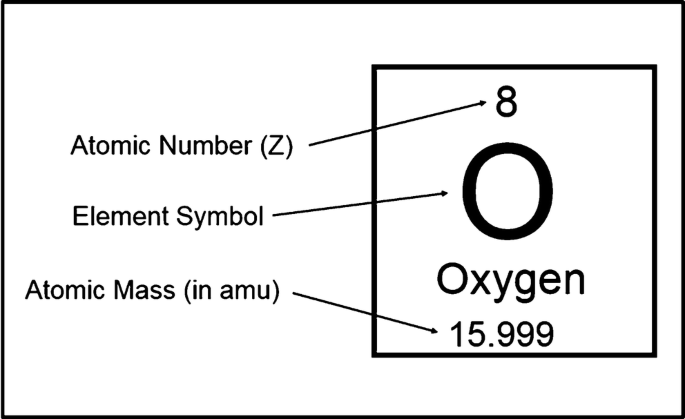
Composition of Matter: Elements
Elements arranged in groups and periods in the periodic table.
Element Groups and Periods
Groups: Vertical columns with similar chemical properties.
Periods: Horizontal rows indicating energy levels of electrons.
Includes categories: Alkali metals, Alkaline-earth metals, Noble gases, Transition metals, Rare-earth elements, Other metals, Nonmetals, Metalloids, Halogens.
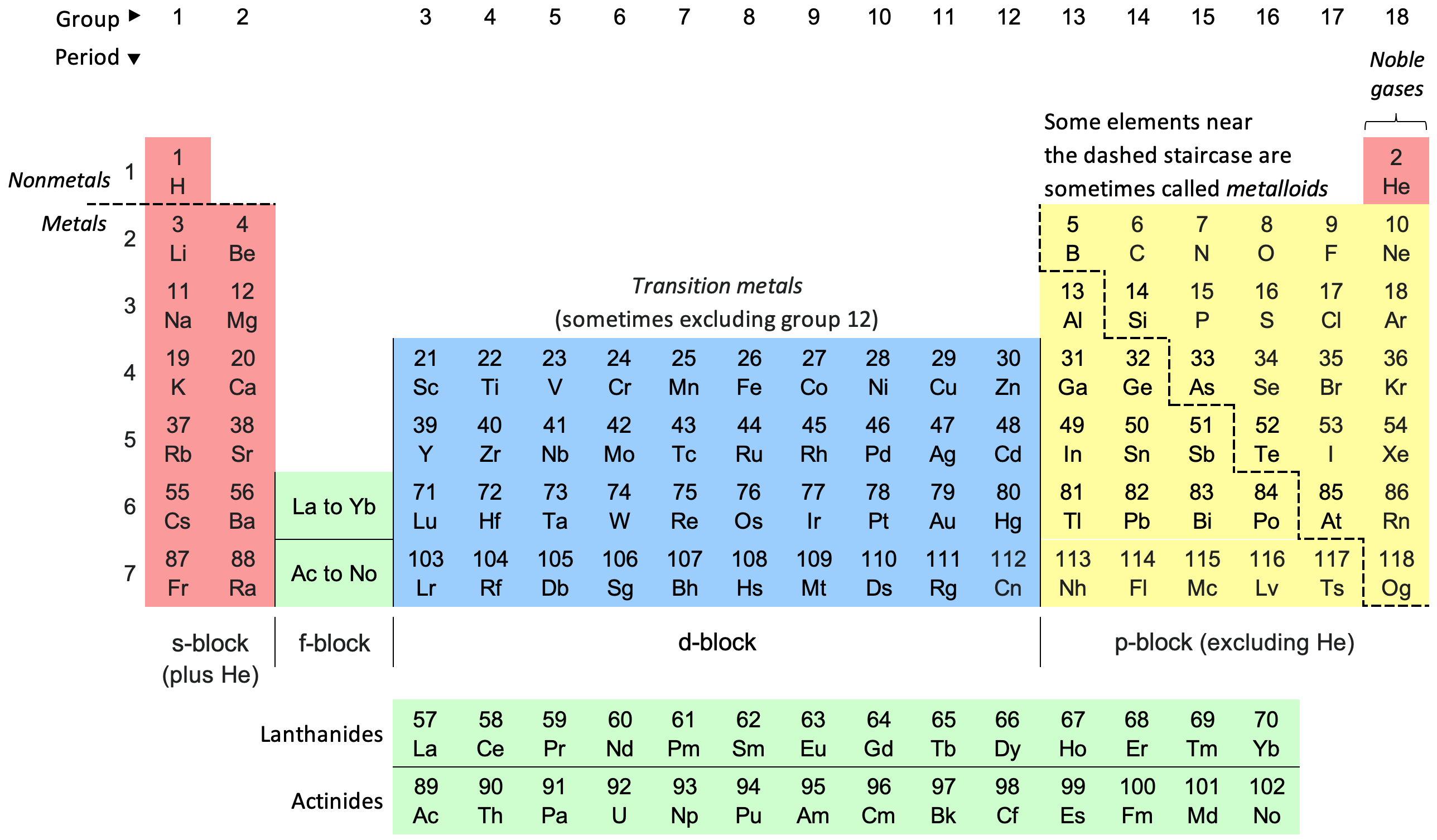
Chemical Symbols
Example symbols for commonly known elements:
Aluminum (Al), Copper (Cu), Mercury (Hg), Bromine (Br), He (Helium), Nitrogen (N), C (Carbon), O (Oxygen), I (Iodine), and so on.
Isotopes
Atoms of the same element with different atomic masses due to differing neutron counts.
Introduced and named by Frederick Soddy (Nobel Prize 1921).
Take Away Message
Placement of elements in groups/periods affects chemical reactivity and properties.
Solutions and Molarity
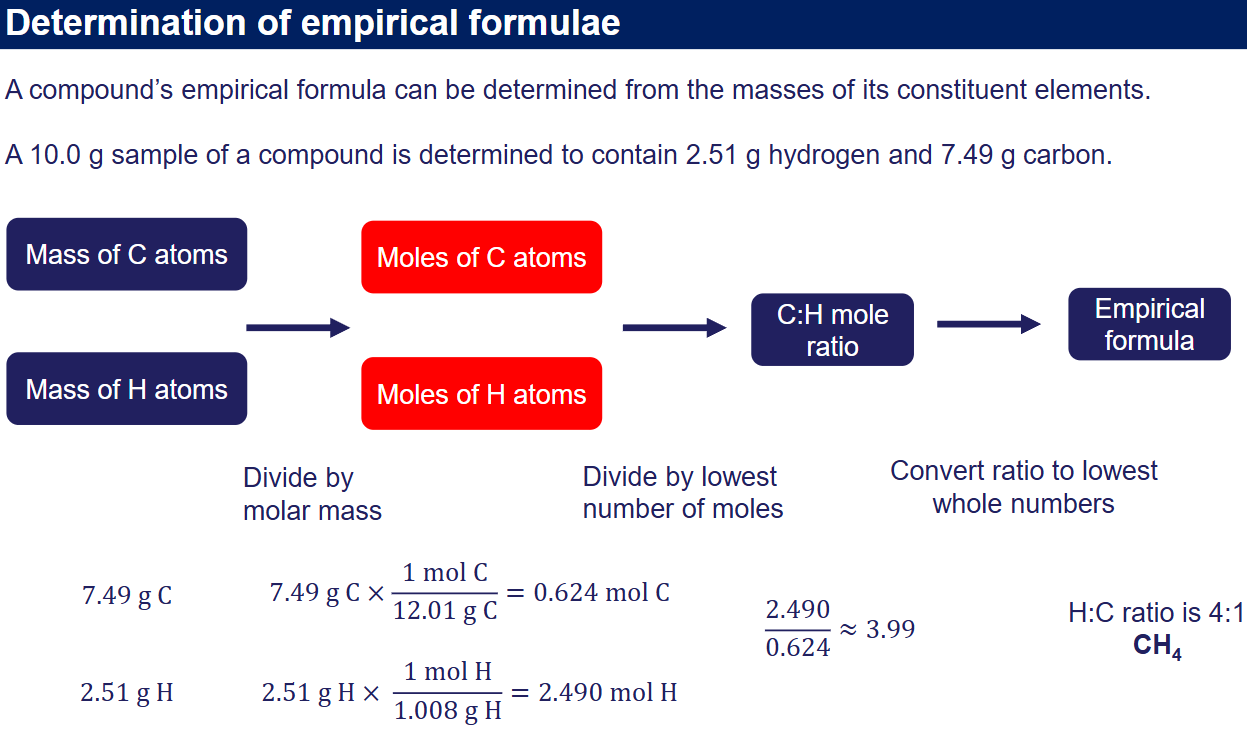
Focus on the concentration of a substance in mixtures.
Case Study: Environmental Impact
Discussion about a sulfuric acid spill and its effects on waterways.
Formula Mass and Mole
The formula mass is the sum of atomic masses of elements in a compound.
Mole: a unit representing 6.022 × 10^23 entities (Avogadro's number)
Molar mass: mass in grams of one mole of a substance.
Concentration of Solutions
Molarity: moles of solute per liter of solution.
Dilution: reducing concentration by adding solvent, denoted by n1 = n2 in equations.
Other Units for Concentration
Mass percentage, volume percentage, mass-volume percentage, and parts per million/billion.
Take Away Message
Concentration can be defined and determined in various ways using different formulas.