SIE Exam Prep: Part 15 (Order Types)
Order Types in Trading
Order types are instructions given to a broker or an exchange to buy or sell a security. They allow traders to specify conditions under which their trades will be executed.
1. Market Order
Definition: An order to buy or sell a security immediately at the best available current price.
Characteristics:
Ensures immediate execution.
Does not guarantee a specific execution price, as prices can fluctuate rapidly (price Slippage).
Use Case: When certainty of execution is more important than the exact price.
2. Limit Order
Definition: An order to buy or sell a security at a specific price or better.
Buy Limit Order: Can only be executed at the limit price or lower.
Sell Limit Order: Can only be executed at the limit price or higher.
Characteristics:
Guarantees the price (or better), but does not guarantee execution.
May not be filled if the market price never reaches the specified limit.
Use Case: When certainty of price is more important than certainty of execution.
3. Stop Order (Stop-Loss Order)
Definition: An order to buy or sell a security once its price reaches a specified stop price.
Once the stop price is triggered, the stop order becomes a market order.
Types:
Stop-Loss Sell Order: Placed below the current market price to limit potential losses on a long position.
Stop-Loss Buy Order: Placed above the current market price to limit potential losses on a short position.
Characteristics:
Helps protect profits or limit losses.
Does not guarantee the execution price, as it becomes a market order once triggered.
Use Case: Risk management.
4. Stop-Limit Order
Definition: A combination of a stop order and a limit order. It has two prices: a stop price and a limit price.
Once the stop price is reached, the order becomes a limit order, not a market order.
Characteristics:
Guarantees the execution price is at or better than the limit price, but still does not guarantee execution.
Offers more control over the execution price than a simple stop order.
Use Case: To gain price protection while avoiding potential slippage inherent in stop (market) orders.
5. Trailing Stop Order
Definition: A stop order that automatically adjusts its stop price based on the security's movement.
For a long position, the trailing stop is set at a fixed percentage or dollar amount below the market price and moves up as the price rises, but does not move down.
Characteristics:
Allows a trade to remain open and continue to profit as long as the price is moving in the investor's favor.
Closes the position if the price changes direction by a specified amount.
Use Case: To protect gains without setting a fixed limit on potential profit.
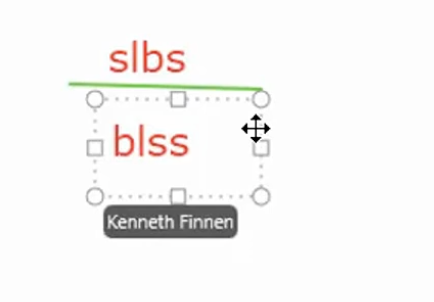
Above Market Price: Sell Limits and Buy Stops
Below Market Price: Buy Limits and Sell Stops
Stops protect and limits do not.