Chapter 11: Sculpture & Installation
Sculpture
a three-dimensional art made in the round or in relief and has a relationship with the space around it
Carving is an ancient, subtractive method of making sculpture, usually in stone and
wood
Modeling and molds are direct, additive sculptural processes, frequently done in
clay
Casting
an indirect sculptural process, involves liquified material and a hollow mold, as in the lost wax process and investment casting

Assemblage
process puts together found objects to create sculpture
Digital processes
involving special tools, printers, and computers are now used to create sculptures with precise cuts
Earthwork sculpture
engages the natural world around it and is subjected to the forces of nature

Installation art
modifies a space and can be an immersive or interactive experience for viewers

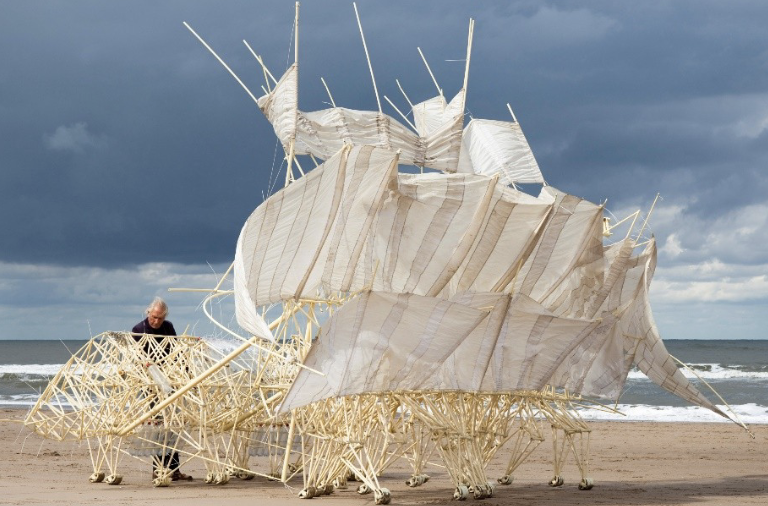
Kinetic sculpture moves to underscore the passage of time
The human figure is one of the most common subjects for sculpture, although how the
figure is represented varies widely
Sculpted portraits of rulers may promote their rulership
Heroes and the dead are commonly commemorated through sculptures
Holy figures are often represented as sculptures
Sculpture can make the human experience vivid and real
are not always representative of specific people
Contrapposto was an ancient Greek technique for making lifelike sculptures
EX:
