Unit 6: Internet and Electronic Commerce
Information Technology Management
Internet
Worldwide collection of millions of computers and networks of all sizes
Derived from the term ‘inter-networking’ which meant connecting networks
Advanced Research Projects Agency Network (ARPANET)
Project started in 1969 by the U.S. Department of Defense was the beginning of the Internet
World Wide Web
World Wide Web (WWW or “the Web”) changed the Internet in 1989 by:
Introducing graphical user interface (GUI) to the text-based Internet
Hypermedia
Documents include embedded references to audio, text, images, video, and other documents
Hypertext
Embedded references in hypermedia documents
Consists of links users can click to follow a thread
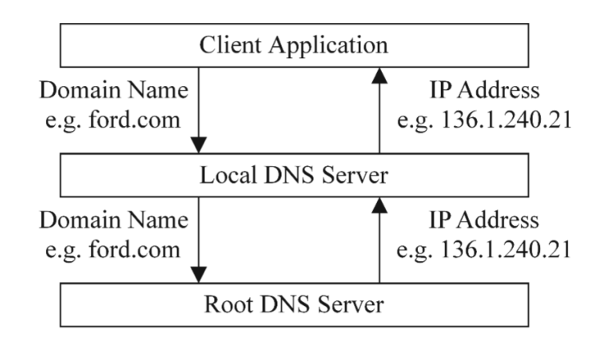
Domain Name System (DNS)
Protocol which converts domain names into IP addresses when information is transferred from one network to another
Domain names: Unique identifiers of computer or network addresses on the Internet
Internet Protocol (IP) address
Assigned by the Internet Corporation for Assigned Names and Numbers (ICANN)
Uniform resource locators (URLs)
Address of a document or site on the Internet
Otherwise known as universal resource locators (URLs), identify a Web page
Top-level Domain (TLD)
Denotes the types of organization or country the address specifies
Generic (gTLDs)
Country-code (ccTLDs)
Generic Top-Level Domains
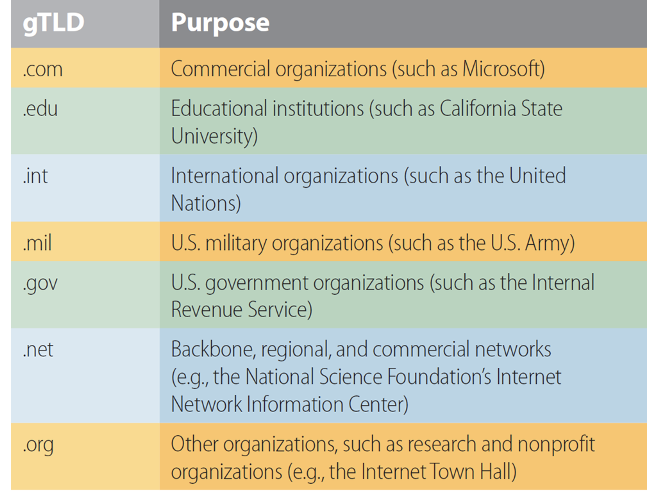
Process of Domain Name Resolution
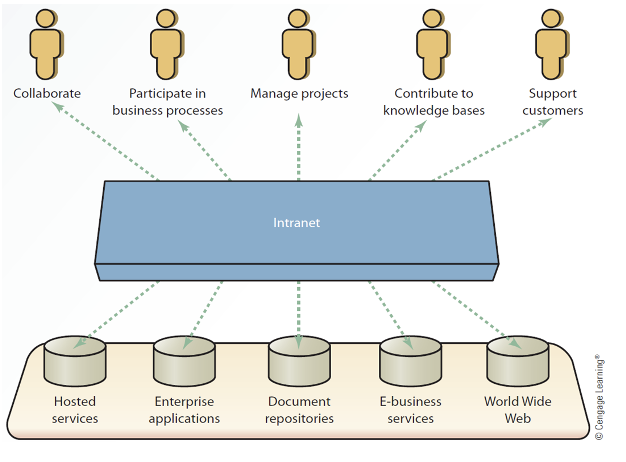
Intranet
Private internal network using Internet technologies
Business value of intranets - an enterprise information portal supporting communications and collaboration
Web publishing - developing and publishing hyperlinked multimedia documents
Business operations and management - develop/deploy critical applications supporting operations and managerial decision making
Intranet portal management - managed by IS/IT professionals
Simple Intranet Structure
Extranet
A private network using Internet technologies opened to select external entities for purposes of communications
Purpose - interconnect the business with its suppliers/customers/business partners
Simple Entranet Structure
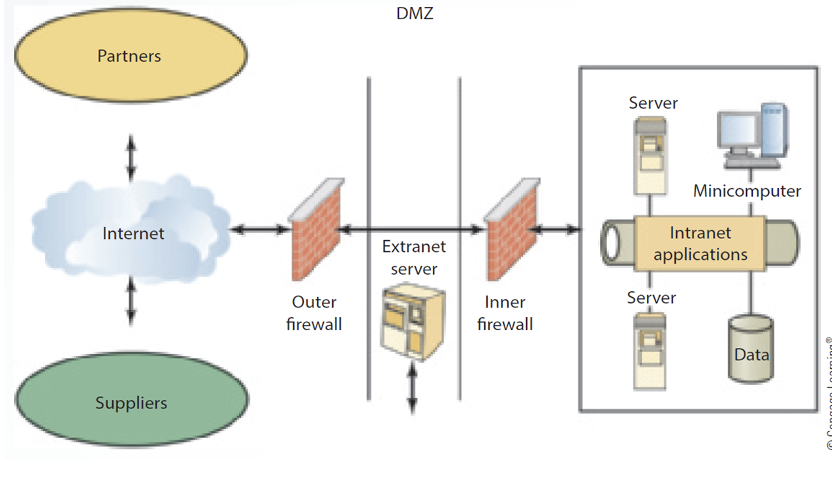
Extranet
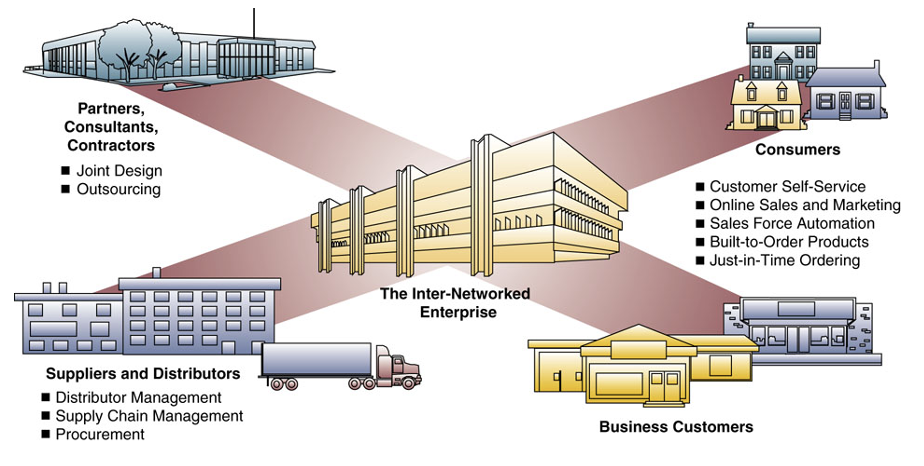
Electric Commerce
The entire online process of developing, marketing, selling, delivering, servicing, and paying for products and services transacted on networked global marketplaces; more than just buying and selling online
Involves most information and Internet technologies
Enhances a value chain - offers new ways to reduce costs or improve operations
Scope of Electronic Commerce
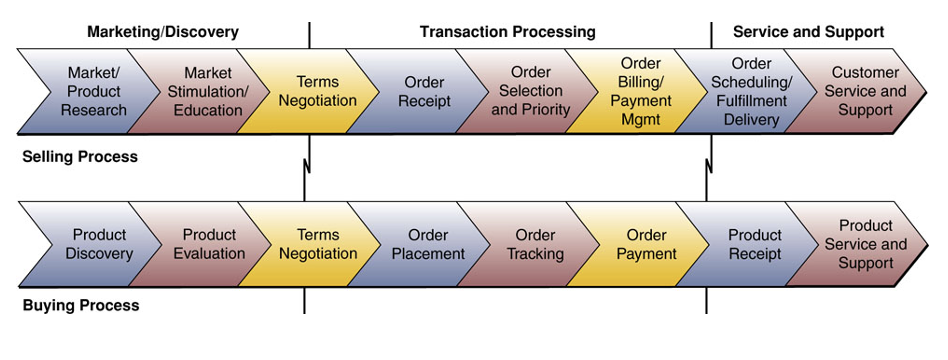
Trends in Electronic Commerce
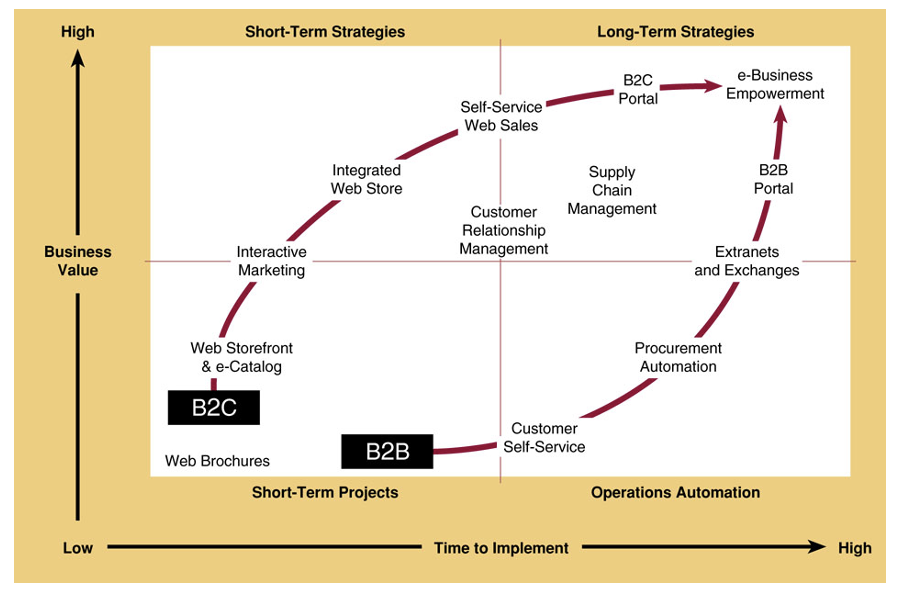
Issues of Electronic Commerce
Bandwidth capacity
Security
Privacy
Mobile Commerce
Using mobile devices to conduct business transactions
Technologies supported
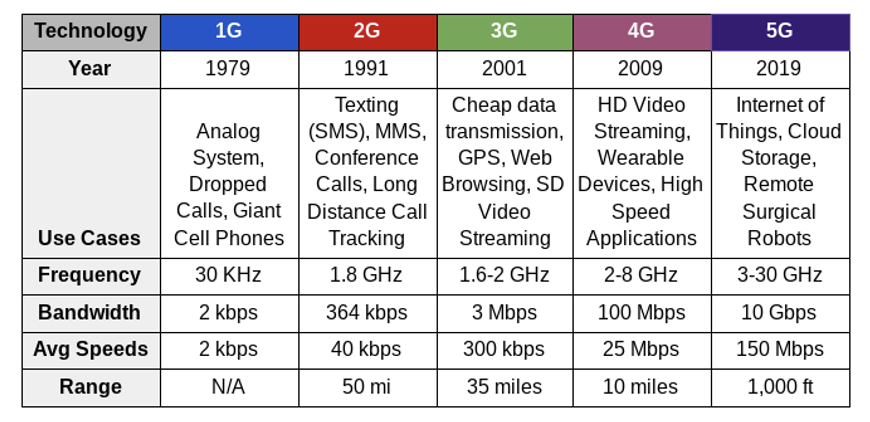
Wireless wide-area networks and 3G/4G/5G networks
Short-range wireless communication technologies, e.g., near-field communication (NFC)
Evolution of Wireless Technology
Here are some true or false questions based on the notes: 1. **True or False:** The Internet is a worldwide collection of computers and networks of all sizes. 2. **True or False:** The term "inter-networking" refers to the process of connecting computers to each other. 3. **True or False:** The Advanced Research Projects Agency Network (ARPANET) was initiated by the U.S. Department of Defense in 1969 as the beginning of the Internet. 4. **True or False:** The World Wide Web was introduced in 1999. 5. **True or False:** Hypermedia documents only include text and images, without references to audio or video. 6. **True or False:** Hypertext consists of links that allow users to navigate through hypermedia documents. 7. **True or False:** The Domain Name System (DNS) converts IP addresses into domain names. 8. **True or False:** An Internet Protocol (IP) address is assigned by the Internet Corporation for Assigned Names and Numbers (ICANN). 9. **True or False:** Uniform Resource Locators (URLs) are used to identify web pages on the Internet. 10. **True or False:** A top-level domain (TLD) indicates the type of organization or country associated with a website. 11. **True or False:** An intranet is an external network that connects businesses with their suppliers. 12. **True or False:** Extranets are used to open private networks to external entities for communication purposes. 13. **True or False:** Electronic commerce involves only buying and selling products online. 14. **True or False:** Mobile Commerce refers to conducting business transactions using mobile devices.