Social Psychology 3 - Prosocial Behaviour
Prosocial Behaviour
Definition: Actions intended to benefit others, contributing to positive social relationships and community welfare.
Factors Impacting Emergency Helping
Bystander Effect: The presence of others reduces an individual's likelihood to help due to diffusion of responsibility.
More bystanders = less personal responsibility to act.
Example: The Murder of Kitty Genovese in 1964 illustrates how individuals failed to intervene during an emergency.
Across studies involving more than 7,700 participants spanning 50 years, the bystander effect emerged. However, the bystander effect was smaller when situations were perceived as dangerous (compared with non-dangerous).
The Seizure Study (1968)
Participants talked about campus life to other participants over an intercom. Thought that they were either talking to
a) one other person, or
b) two, three, four, or five other people
Then, one of the “participants” had a seizure…
Students in group a) helped immediately and students in group b) helped less or less immediately. The more people there are the less likely people will help.
Decision Tree for Emergency Intervention: Developed by Latane & Darley (1973), identifies five steps in the decision-making process:
Notice the emergency. Many emergency situations are ambiguous and/or we don’t notice the cues indicating that it’s an emergency
Interpret the situation as an emergency. In the face of uncertainty, we look to others (Informational social influence)
Assume responsibility for helping. Bystander effect / Diffusion of responsibility
Know how to help. Expertise
Decide to help. Weigh costs of helping vs. not helping
If any step fails, it may lead to inaction.
How to get help when you need it
Counteract ambiguity
Make it clear that you need help
Reduce diffusion of responsibility
Single people out
“I need help! You, in the blue shirt, call Triple 0!”
Influences on Who is Likely to Help
Situational Factors: Context and environmental variables can significantly influence helping behavior.
Person Factors:
Helpful Personality: Individuals who are generally helpful are more likely to assist in emergencies.
Empathy: Ability to understand and share the feelings of others enhances the likelihood of helping.
Religiosity: Studies show a higher tendency to help among religious individuals, as evidenced by decision-making patterns related to civic engagement.
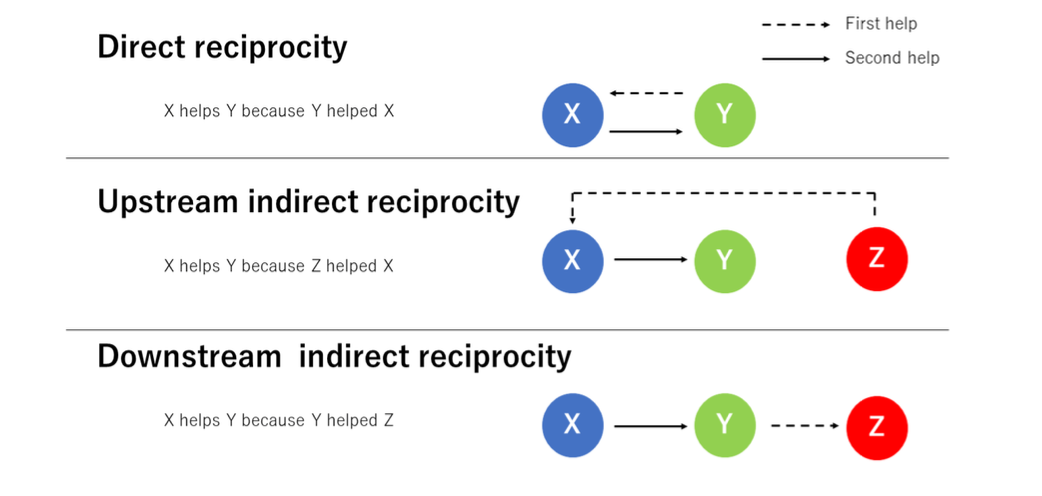
Reciprocity: People are more likely to help others if they have received help in the past (both direct and indirect reciprocity).
Similarity: Individuals are more inclined to help those they perceive as similar to themselves.
Moral Elevation: Witnessing acts of exceptional moral conduct can inspire individuals to engage in helping behaviors.
Enhancing Helping Behaviour
Education: Informing individuals about the bystander effect increases helpful behavior in subsequent emergencies (e.g., 67% vs. 27% likelihood of helping based on prior education).
People in similar groups are more likely to help
Physically attractive people are (apparently) more likely to help
Current Research Trends**
Continuous studies about the dynamics of bystander effects, with findings from various fields including psychology and sociobiology, show the complexity of social interactions and aiding behaviors over decades of research.
Review and Reflection**
Key Points to Remember:
Understand the definition and implications of prosocial behavior.
Familiarize with the barriers and facilitators of helping in emergency situations through the decision-making model.
Recognize the characteristics of individuals who are more likely to help.
Explore strategies on how to promote prosocial acts within communities.
Consider the context of providing help and factors that may influence both need for assistance and the will to help.