Ground Movement of Aircraft
Engine Starting
- There are a few safety precautions to take prior to starting an aircraft engine:
When practical, position aircraft to head into the prevailing wind. This maximizes airflow over the engine.
Always have a fireguard during engine start.
Keep area near the aircraft free of foreign objects and keep area rear of exhaust clear.
Always follow manufacturer checklists/instructions.
Reciprocating Engine
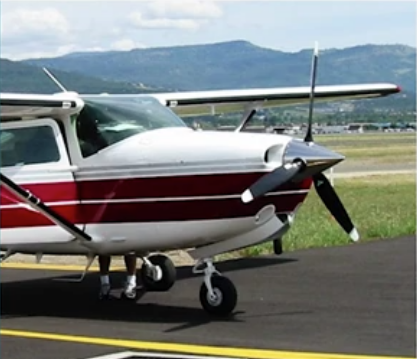
-There are wide variations in starting reciprocating engines. Therefore, always follow the aircraft manufacturer instructions.
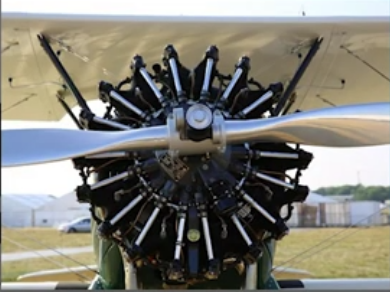
If an aircraft with a radial engine has been shut down for more than 30 minutes,
Check for a hydraulic lock
If there is a hydraulic lock, remove a bottom sparkplug to drain the oil
Starting an Engine
Mixture control should be in the “idle cut-off” for fuel injection or “full rich” for float-type carburetors.
Throttle position should provide 1,000 to 2,000 rpm.
Pre-heat or alternate air control should be in the cold position
Primer switch should be on or pumped as required.
Clear propeller!!
Energize the starter after propeller makes at least two complete revolutions and turn ignition switch on.
Watch oil pressure should have indication within 30 seconds.
After engine is operating smoothly, move the mixture control to “full rich” position if started in the “idle cutoff” position
Hand Cranking Engines
- Simple precautions will help to avoid accidents when hand propping the engine.
Assume ignition is on if touching propeller
Ensure firm footing; keep your body clear from the propeller and able to step away after pulling
Use palms to push downward; having fingers curled over edge can cause injury if kickback occurs
Avoid overpriming; gradually open throttle after start
Consider proper care for air cooling in ground operation
Engine Fires
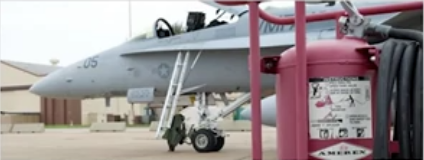
In all cases, during start operation a fireguard should stand by with a CO2 fire extinguisher
If an engine fire develops during the start procedure, continue cranking to start the engine and blow out the fire.
If the engine does not start immediately, continue cranking but place fuel lever to idle cutoff position
If the fire continues, extinguish the fire but realize cold CO2 can damage a warm engine
Turboprop Engines
-There are three general steps that must be in correct sequence when starting a turbo engine:
Starter turns main compressor to provide air flow through the engine.
At correct speed, igniters are turned on and provide a hot spark to light fuel which is engaged next.
As engine accelerates, it will reach a self-sustaining speed and starter is disengaged.
-Always refer to the detailed procedures contained in the manufacturer’s instructions.
-If exhaust gas temperature (EGT) is above 100 degrees C, allow motor engine to cool before attempting to start
Turn aircraft boost pumps on
Power lever and start switch in “start” position
Place ignition switch on
Turn power lever to idle after rpm stabilizes
Observe oil pressure fuel flow EGT or ITT temps
Ensure the starter disengages correctly
-ALWAYS refer to the detailed procedures contained in the manufacturer’s instructions
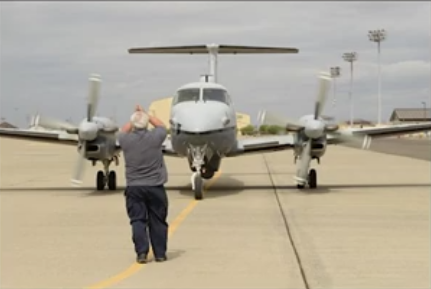
Turbofan Engines
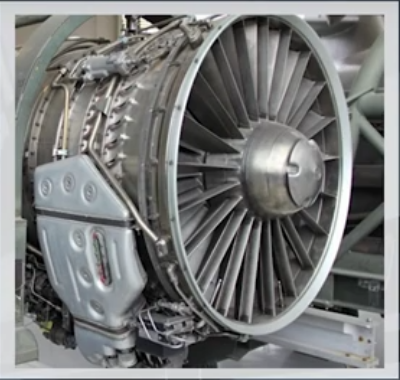
Before starting, be aware of the intake and exhaust hazard areas.
Engine inlet is clear of FOD
No obvious damage to front stage compressor blades
Hazard area in front of engine is 25 ft; behind is 100 ft
Be cautious of unsatisfactory turbine engine starts: hot start, hung start, or engine will not start.
In any of these cases, stop immediately and turn the fuel and ignition switch off until further investigation
Taxiing Aircraft
-Before towing an aircraft, you should:
Always check that aircraft brakes are working
Have a qualified person in the aircraft during towing to operate the brakes if needed
Verify the route is cleared before towing
Have wing and tail walkers in congested areas
Tow bars are used to pull and push aircraft and are not intended for torsional or twisting loads
-Typically pilots or qualified technicians are needed for taxi operations
Follow all local regulations during taxi operations
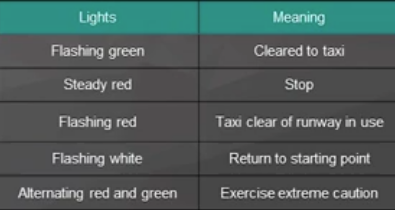
Be familiar with standard hand and tower light signals