Wk 3 Amplitude, Power and Intensity
Acoustic Shadowing
Represents areas where sound is absorbed or reflected rather than transmitted.
Example: Calcified plaque at the origin of the Internal Carotid Artery (ICA) presents an acoustic shadow, evident in imaging.
Acoustic Enhancement
Refers to regions beneath an anechoic mass (like a cyst) that appear brighter due to increased echo return.
Example: Anechoic mass in the liver causing brightness below it.
Key Definitions
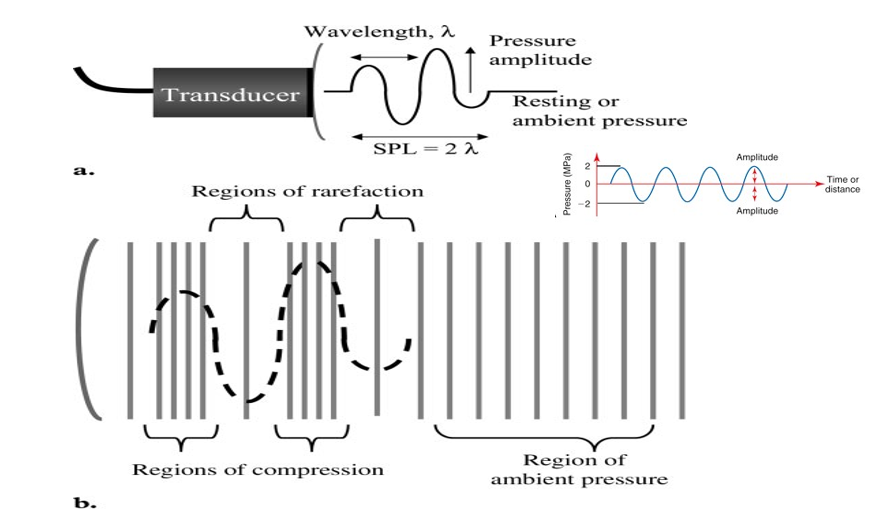
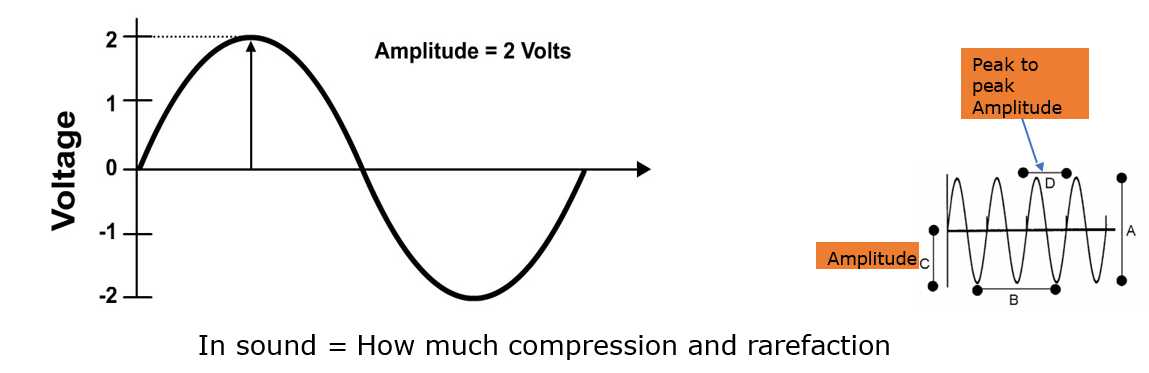
Amplitude: Measure of sound pressure variation; maximum change from mean value. Affects loudness.
Power: Amount of energy transferred per unit time; measured in Watts.
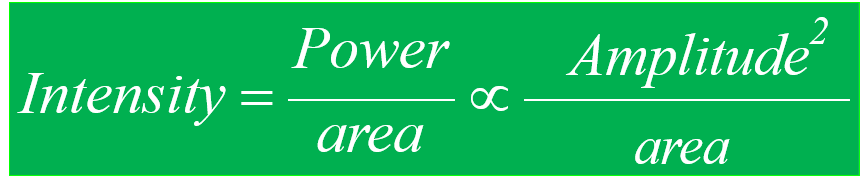
Intensity: Distribution of power over an area; measured in Watts per square meter (W/m²).
Amplitude verse Frequency
In terms of sound
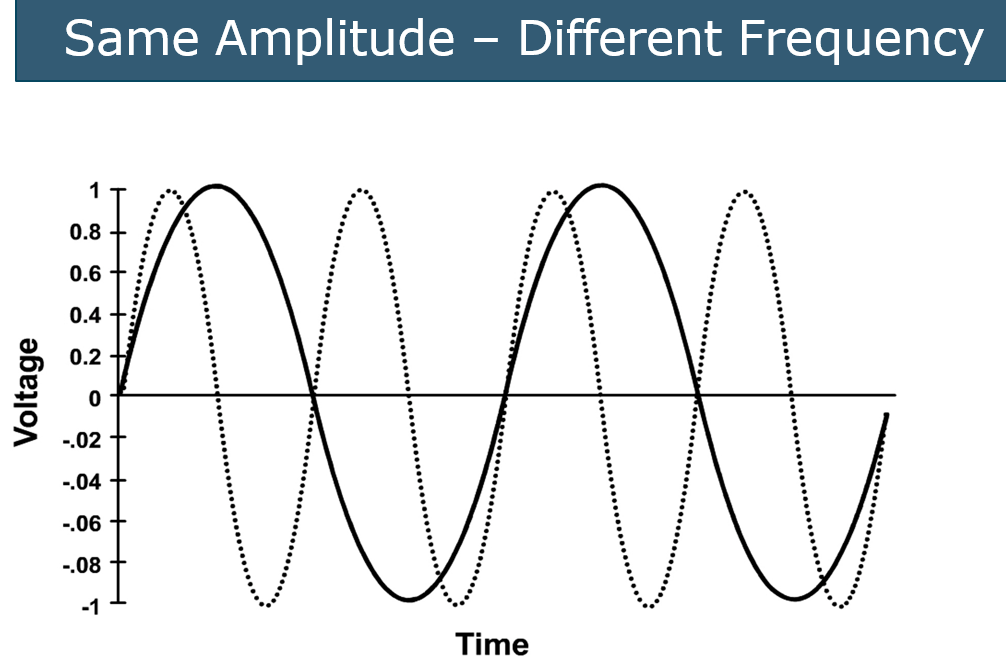
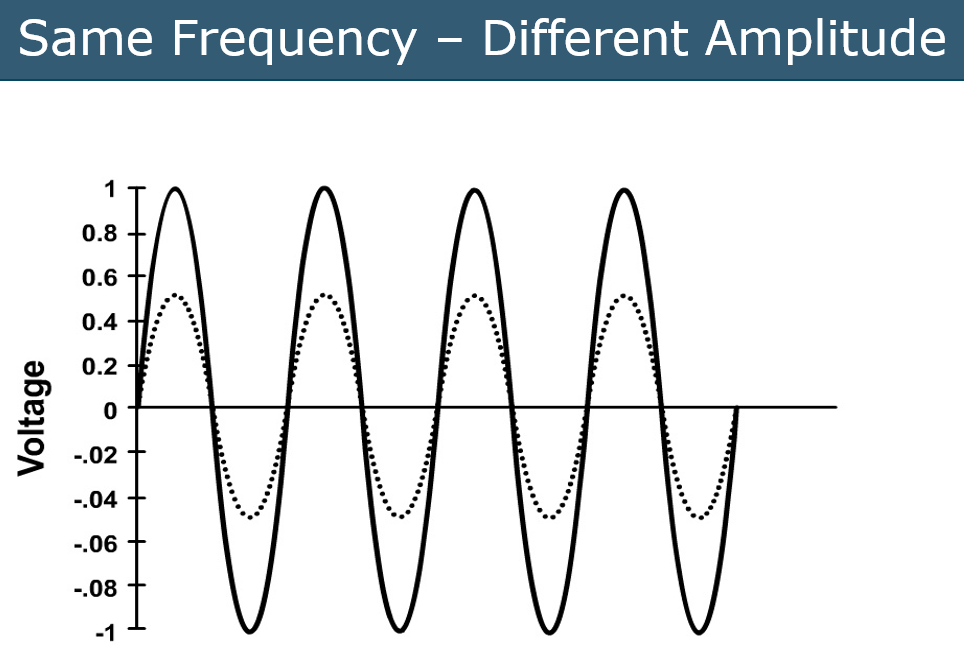
Amplitude refers to the maximum displacement of particles in the medium through which the sound wave is traveling, affecting the perceived loudness, while frequency indicates the number of oscillations (vibrations) of the wave per second, measured in Hertz (Hz), which influences the pitch of the sound.
Relationship between Power & Amplitude
Power is directly related to the square of the amplitude; as the amplitude increases, the power transmitted by the sound wave also increases exponentially.
example of non-linear relationship
Relationship Between Amplitude, Intensity, and Power
Power is proportional to the square of amplitude:
Intensity can be calculated as .
Doubling amplitude increases power by a factor of four and intensity by a factor of four also, assuming constant area.
Sound Wave Properties
A wave oscillates between compression (high pressure) and rarefaction (low pressure).
Frequency: Rate of oscillation, related to pitch.
Amplitude: Related to volume of sound.
Attenuation in Ultrasound
Loss of sound energy as it travels through tissue.
Factors influencing attenuation:
Tissue type (density and composition)
Frequency of the ultrasound (higher frequencies attenuate more).
Significant factors affecting ultrasound propagation are absorption, reflection, and scattering.
Absorption
Refers to the conversion of sound energy into other forms of energy, often thermal.
Considerations:
Tissue types absorb differently: fat, muscle, and bone exhibit varying absorption rates.
Concepts Related to Attenuation in Ultrasound
Anechoic: No echoes returning to the transducer, appears dark on images.
Posterior Shadowing: Dark area behind structures that strongly reflect or absorb sound.
Posterior Enhancement: Bright areas behind structures where attenuation is less than surrounding areas due to fluid-filled structures.
Penetration Limits: Maximum tissue depth that ultrasound can effectively visualize, affected by frequency and medium.
Diagram and Illustration Concepts
Draw sound waves, labeling amplitude and frequency to distinguish them visually.
Illustrate different amplitudes and frequencies to highlight their relationships and effects on sound characteristics.