Science : chromatography , body , moon
3 topics in one for end of term exam
Topic 1 : Chromatography
used to separate the substance in a mixture
different types but they all have 2 phases
a mobile phase - when molecules can move (always a liquid or a gas)
stationary phase - where molecules can’t move (can be a solid or a really thick liquid)
during chromatography experiment the substances in the sample constantly move between the mobile and stationary phase (an equilibrium is formed between the 2)
definition of equilibrium : equal balance between any powers, influences, etc.; equality of effect.
mobile phase moves through stationary phase and anything dissolved with the mobile phase is moved with it
how quickly a chemical moves depend on how it’s distributed between the two phase (whether it spends more time in the mobile phase or the stationary phase)
the chemical that spends more time in the mobile phase will move further through stationary phase
normally the components in the mixture will separate through the stationary phase
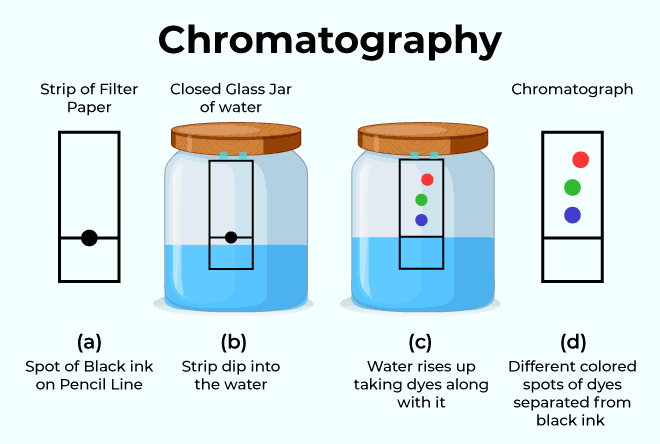
(the solute is the substance being dissolved and a solvent is what is dissolving it)
- filtration - crystallisation - evaporation - distillation -
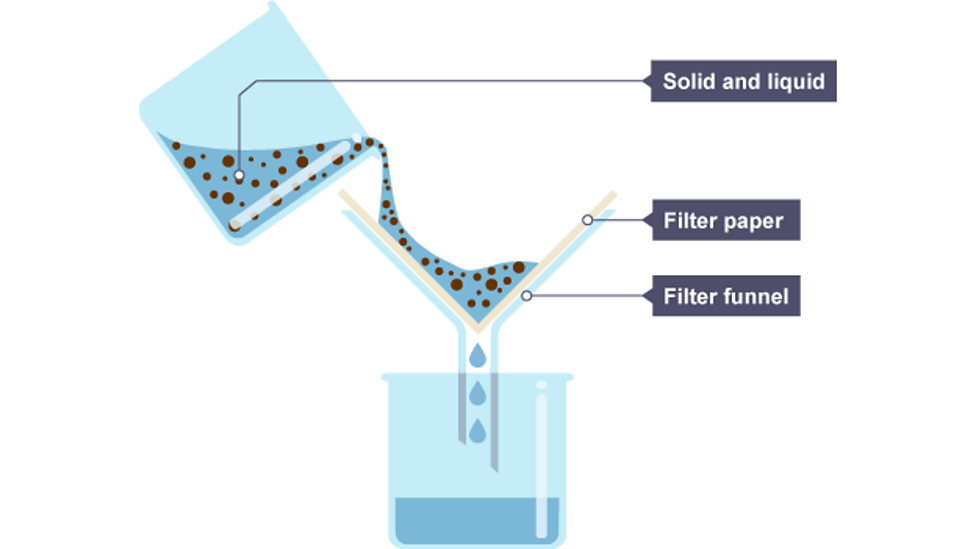
filtration separates insoluble solids from liquids
evaporation and crystallisation separates solubles from liquids
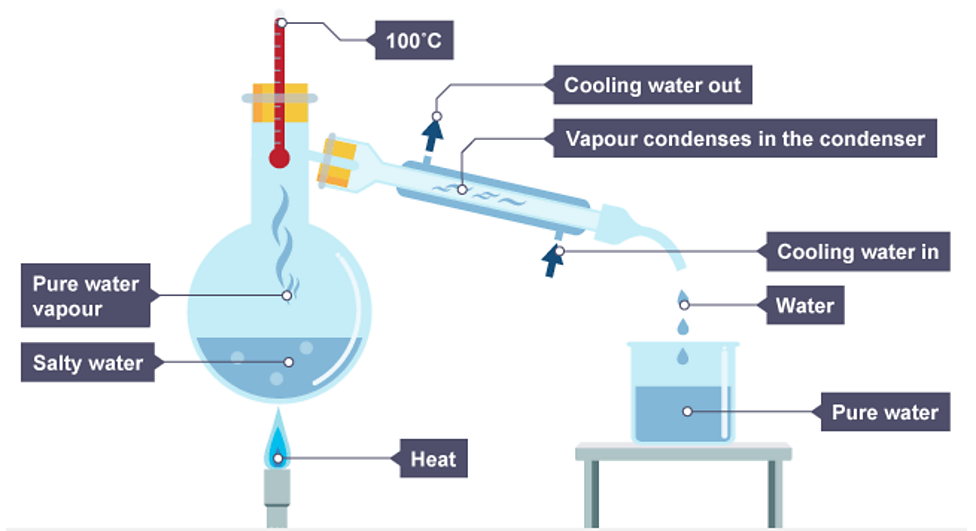
distillation is used to separate mixtures which contain liquid
(soluble substances can be dissolved and insoluble can’t)
evaporation method - pour solution into evaporating dish and heat the solution till the solvent eventually evaporates . Eventually , crystals will start t form
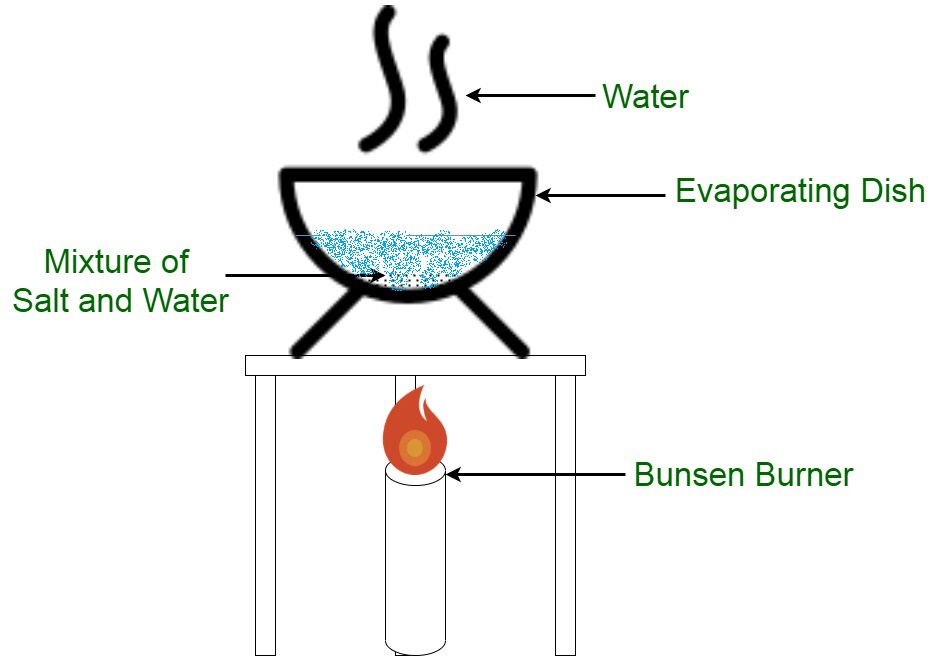
crystallisation method - pour solution in evaporating dish and gently heat . Once some of solvent evaporates or when u start to see crystals , remove from heat and leave too cool . The salt will start to form crystals .
distillation method - you purify the water by heating it and turn in git into a vapour that is then condensed back into a liquid
ok fine so basically pour solution into filtered paper and the solvent will go through into the glass and the solute will b on the filtered paper
Topic 2 : body (muscles , skeletal structure etc..)
bones stop u from being shapeless
bone is a living tissue with blood supply
calcium and other materials make the bone strong and slightly flexible
an average adult human contains 206 bones
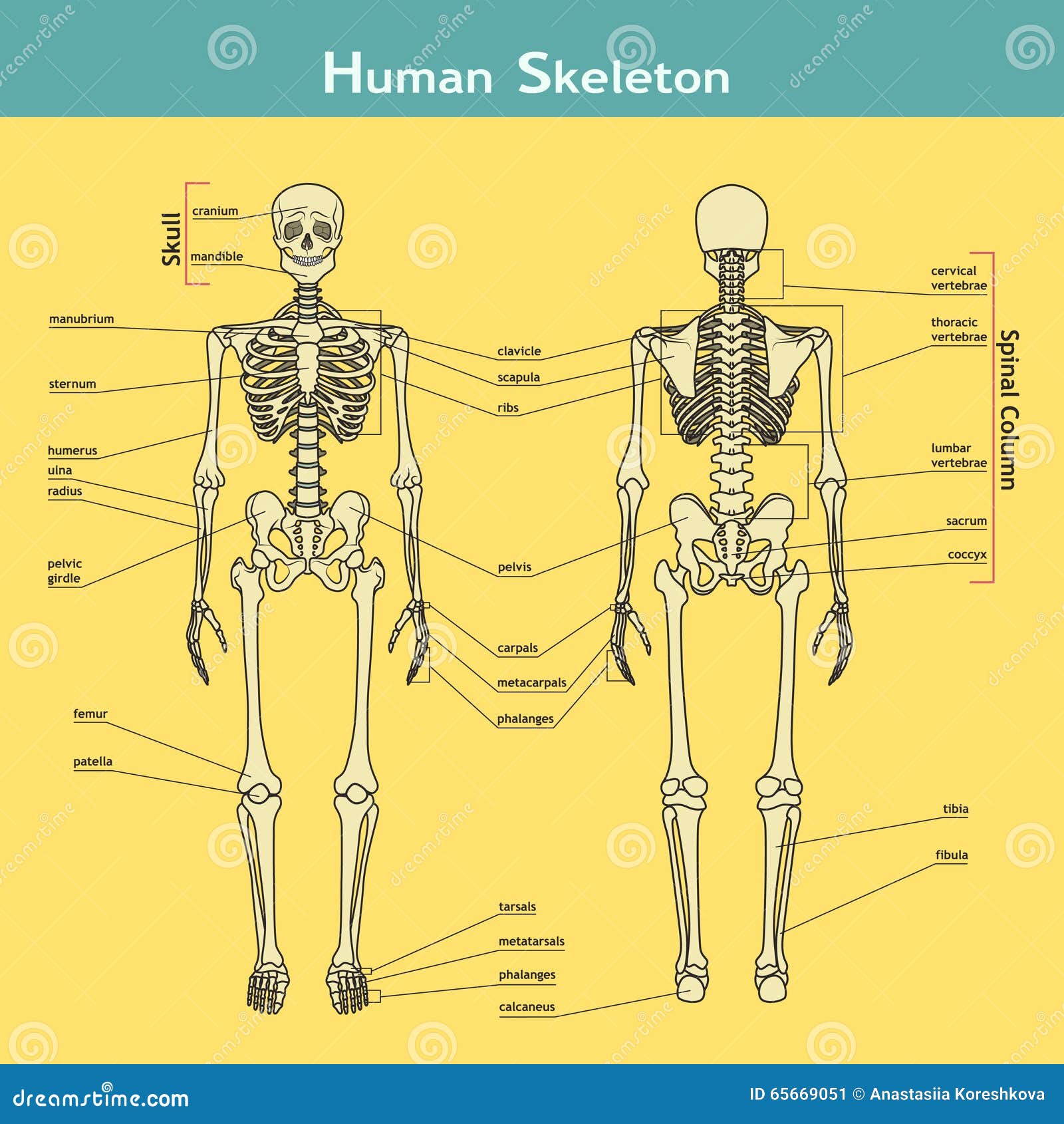

bones are hard and strong so they can protect vital organs like your skull protects your brain , your ribcage protects your heart and lungs and your backbone protects your spinal cord
bones support the body , protect vital organs , help the body move and make blood cells
joints are when 2 or more bones are joint together and most joints are flexible
hinge joints - to move backwards and forwards for example the knee and elbow
ball and socket joints - for movement in all direction for example the hip and shoulders
fixed joints - like the name don’t allow any movement for example the skull
if bones moved against each other they would rub and cause lots of pain and eventually the bone will wear away
to stop this from happening , the ends of the bones in a joint there is cartilage , a strong , smooth tissue and it is kept slippery by fluids in the joints
the two bones are held together by ligaments

muscles are a type of tissue and lots of muscles work together to cause movement
your heart is a muscle made of cardiac muscle tissue , the muscle pumps blood around the body
other muscles are found in your gut to help squeeze the food along
types of muscles :
neck muscles - holds the head up and move it in all directions
biceps - bend the arm
triceps - straighten the arm
shoulder muscles - raise and lower the arms
abdominal muscles - moves the torso and helps with breathing
thigh muscles - moves the lower leg
shin muscles - helps move foot up and down and side to side
calf muscles - pull the heel up and point toes
to make you move muscles work by getting shorter - they contract
tendons join the muscles and bone
muscles can only pull and cant push , this means two muscles have to work together to at a joint
if u only had one muscle in your arm u may be able to bend your arm but not straighten it
at each joint a pair of muscles work together to cause movement , these are known as antagonistic muscles
when one muscle contracts the other muscle relax
You can use newtons scale to measure the strength of many different muscles
Topic 3 : moon
the moon takes 27 days and 7 hours to orbit the sun once

half of the moon is lit up by the sun all the time but as the moon moves around the earth it looks different on earth
the changing shapes are called phases of the moon
when the moon is in position 1 you only see the side of the moon that is in the shadow
in position 5 the sun lights up the whole moon so you see the whole side of it
a lunar month is a period of time from one new moon to the next new moon
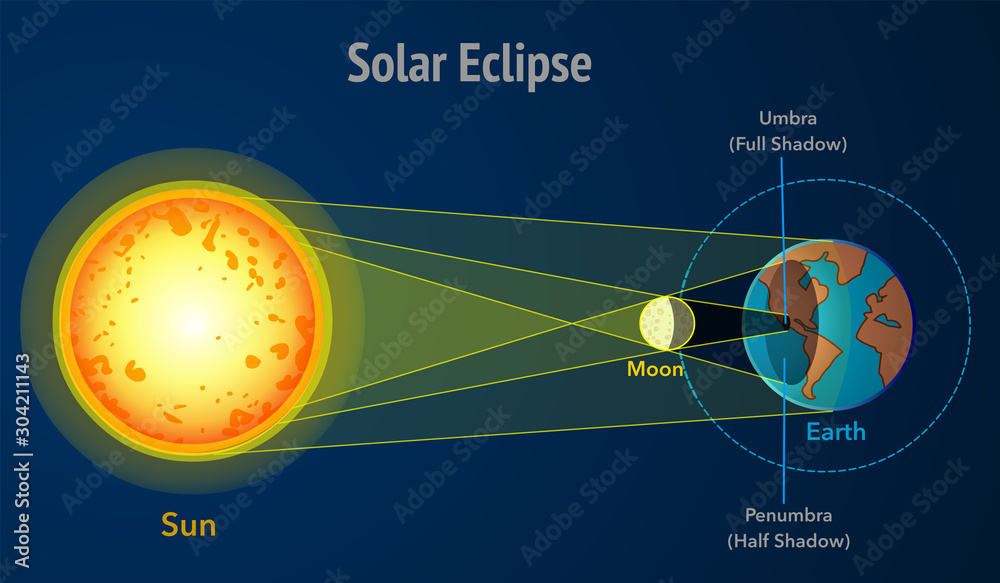
when the moon comes between the sun and the earth it creates a shadow on the earths surface
if you are standing in the umbra the moon completely blocks the light from the sun and you will see a total solar eclipse
if you are standing in the prenumbra where only part of the sun is blocked you will see a partial solar eclipse
a lunar eclipse is when the earth comes between the moon and the sun
the earth spins on its axis
the earth orbits the sun
it takes 365 days to orbit the sun
the sun rises in the east each morning and reaches its highest at noon and then sets in the west in the evening
the suns gravity pulls the planets to orbit around it