(NOT FINISHED 6.9-6.13) Unit 6: Energy Resources and Consumption
(6.1) Renewable + Nonrenewable Resources
nonrenewable energy sources: sources that exist in a fixed amount + involve energy transformation that can’t be replaced
when we run out, we run out forever
EX: nuclear (from uranium), fossil fuels (coal, oil, natural gas)
renewable energy sources: sources that replenish naturally at/near rate of consumption
EX: biomass, hydroelectric, solar, wind, waves, geothermal
(6.2) Global Energy Consumption
developed countries use more energy than developing countries
fossil fuels (coal, oil, natural gas) are the most used energy source
coal was first major source during industrial revolution → replaced by petrol
renewables will most likely be used after it’s finished
percent change formula = [(initial-final) / (initial)] * 100
add the percent in the answer or else you won’t get it right on an FRQ
as country develops → reliance on fossil fuels increases
as world becomes more industrialized → demand for energy increases
EX: manual labor → tractor → power plant
factors contributing to energy source use:
availability (what fuels are accessible to consumers?)
price (supply/demand)
gov regulation (what are consumers allowed to use?)
doubling time (in years) = (70) / (growth rate %)
asks how many years it takes for a unit to double
watt conversion rates
microwatt: 0.000001 W
milliwatt: 0.001 W
watt: 1 W
kilowatt: 1,000 W
megawatt: 1,000,000 W
(6.3) Fuel Types + Uses
types of fuels:
wood/charcoal
used in developing countries
charcoal = superheating wood to get rid of bad materials
drawbacks:
removing trees degrades soil → food security issues
precipitation decreases
CO2 is sequestered
peat (partially decomposed organic material that’s burned for fuel)
found by digging up 1-2 feet of topsoil
using without proper ventilation → respiratory illnesses
coal (worst → best)
lignite (worst)
least valuable
low heat capacity
low sulfur and more impurities → produces a lot of smoke
bituminous (mid)
most commonly used
highest sulfur amount → lots of sulfur emissions → acid deposition
anthracite (best)
most expensive
most valuable
most carbon → most heat capacity
least amount of impurities
lowest sulfur → low acid deposition
(6.4) Distribution of Natural Energy Resources
natural energy resources:
nuclear (from ores/uranium)
coal (or coke)
oil/petroleum products (from crude oil)
natural gas
resource distributions
just because a place has the most doesn’t mean they use it
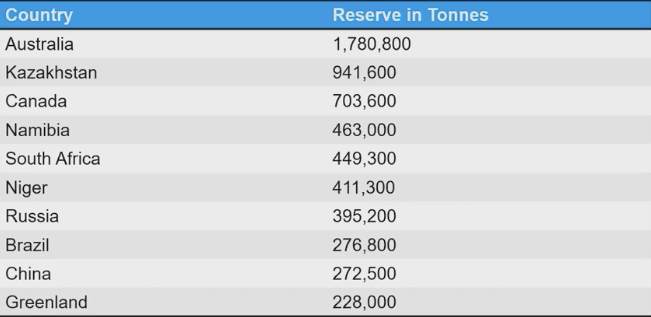
uranium reserves
australia has the most
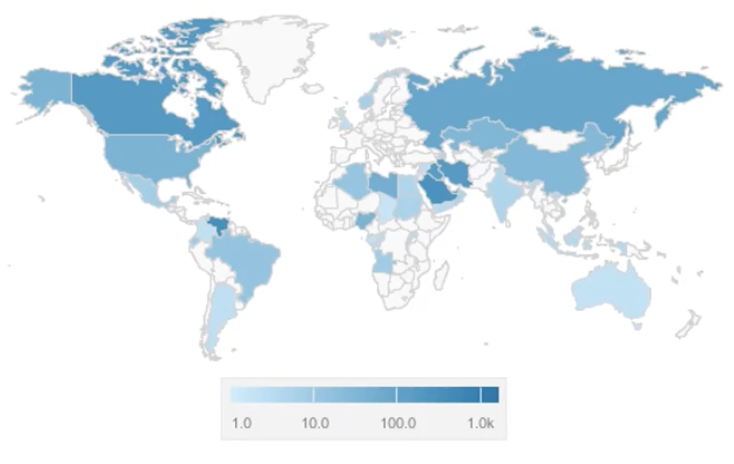
crude oil reserves
middle east, canada, venezuela are biggest producers
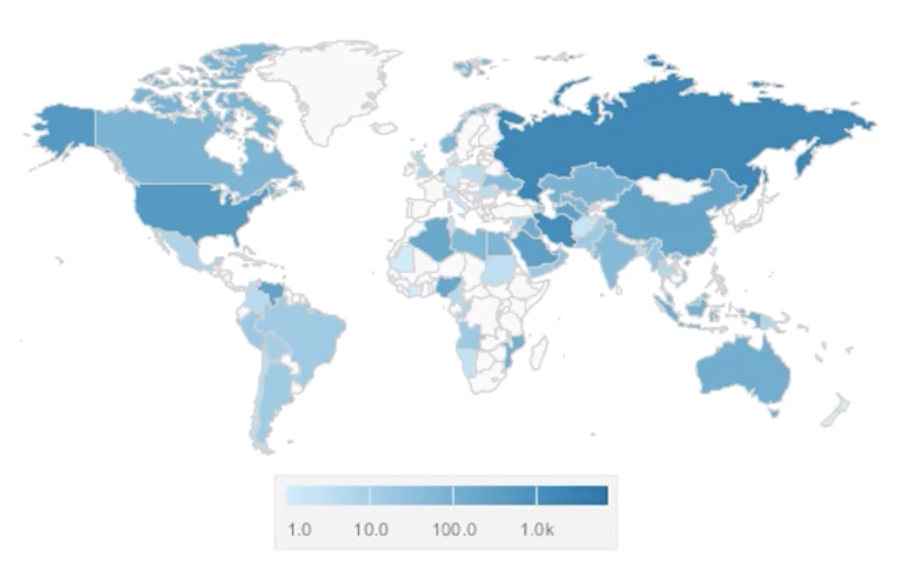
global natural gas reserves
russia, usa, middle east have the most
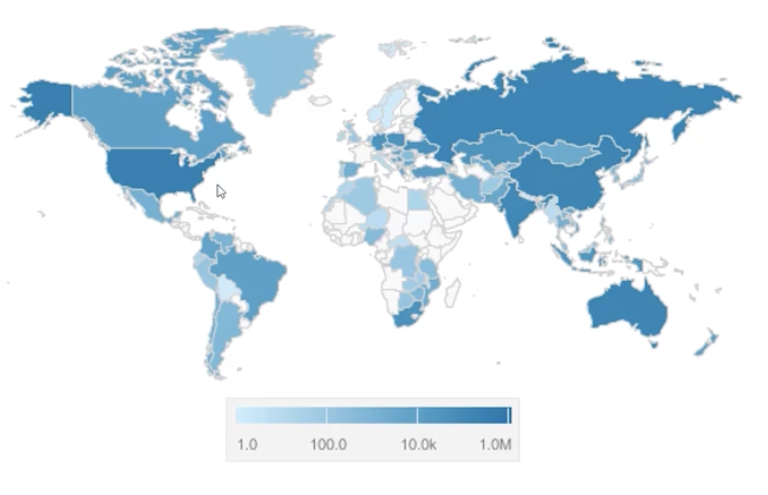
coal/coke reserves
usa, russia, china
remains of underwater organisms (plants/small animals) got buried under sediment/sands → heat + pressure forms oil + natural gas under land we inhabit
harvested by hydraulic fracking
takes millions of years (age of rock determines resources available)
(6.5) Fossil Fuels
fossil fuel combustion
chemical process
fuel + oxygen (O2) → carbon dioxide (CO2) + water (H2O)
fuels include coal, oil, natural gas
produces electricity from coal
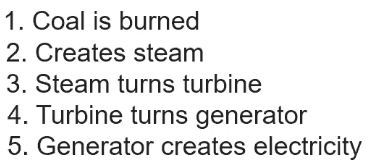
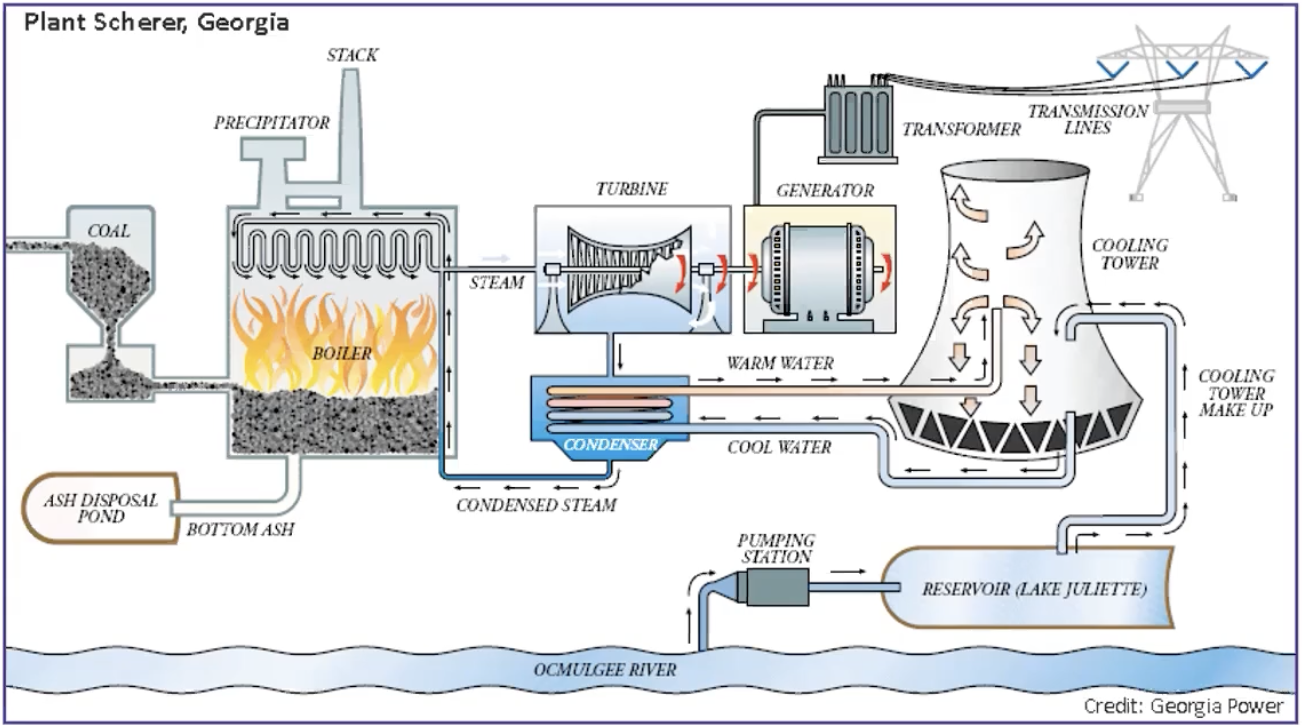
1. pulverizing coal
coal burns a lot better when powder
2. burning/combustion
done in a boiler
3. steam pushes turbine
taken from water in boiler
4. turbine powers generator → transformer
5. transformer → electricity
process is taken from water source (reservoirs, lakes, lakes, etc)
water for boiler
water for cooling (so that appliances don’t overheat)
problems:
mining (digging/extraction) → destruction of habitat, resources such as trucks are used
pulverizing coal = flammable/harmful to respiratory systems
heavy use of water needed for cooling → depletes habitats + water source
CO2 = climate change gas → increases greenhouse effect
other pollutants (mercury/sulfur) released into air → acid rain
hydrologic fracturing (way to get natural gas from underground)
extraction contaminates groundwater
fracking process:
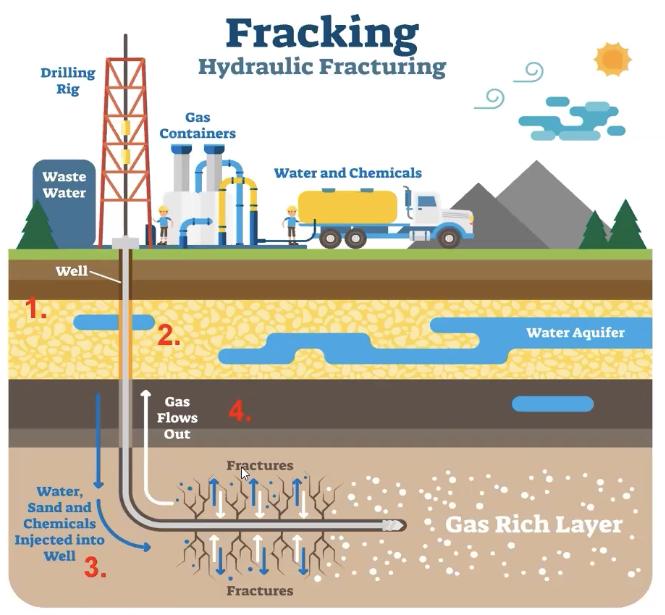
1. well is made (has clay lining so it doesn’t leak into groundwater)
2. pipe is inserted (to get natural gas out)
3. fracking fluid (water + chemicals) are inserted → breaks ground
4. ground is broken → gas flows out of fractures
problems:
well can contaminate water + destroy habitat
pipe is not lined properly → water is contaminated
fracking fluid has volatile organic compounds (VOCs, compounds that vaporize quickly) → contaminates water along the way up
natural gas (usually methane) can leak out → leaks into atmosphere
fracking → earthquakes
uses up water to get natural gas
(6.6) Nuclear Power
nuclear fission: nuclear chemical process using ore of uranium (u-235) → generate electricity
production process
1. u-235 placed into fuel rods
2. fuel rods are struck by outside neutron
3. u-235 begins to split into different metals → releases lots of heat
4. heat + water → steam
5. steam turns turbine
6. turbine powers generator
7. generator makes electricity
powerplant diagram:
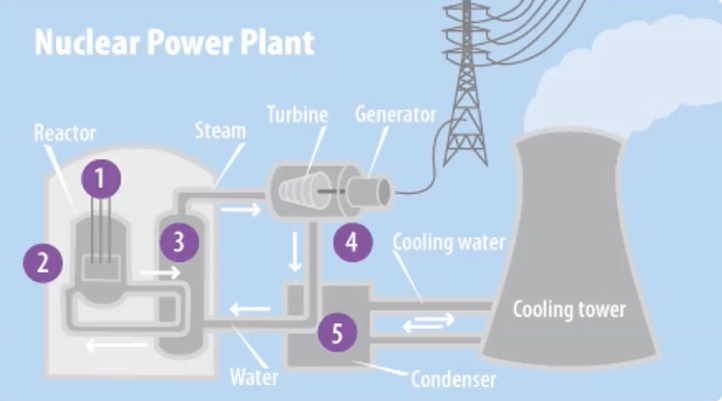
1. uranium pellets in water
2. (reactor) fission reaction
3. steam is generated
4. (turbine → generator) steam travels → turbine → generator
5. (cooling tower) steam cools and reused, heat is released
nuclear fission (chemical process)
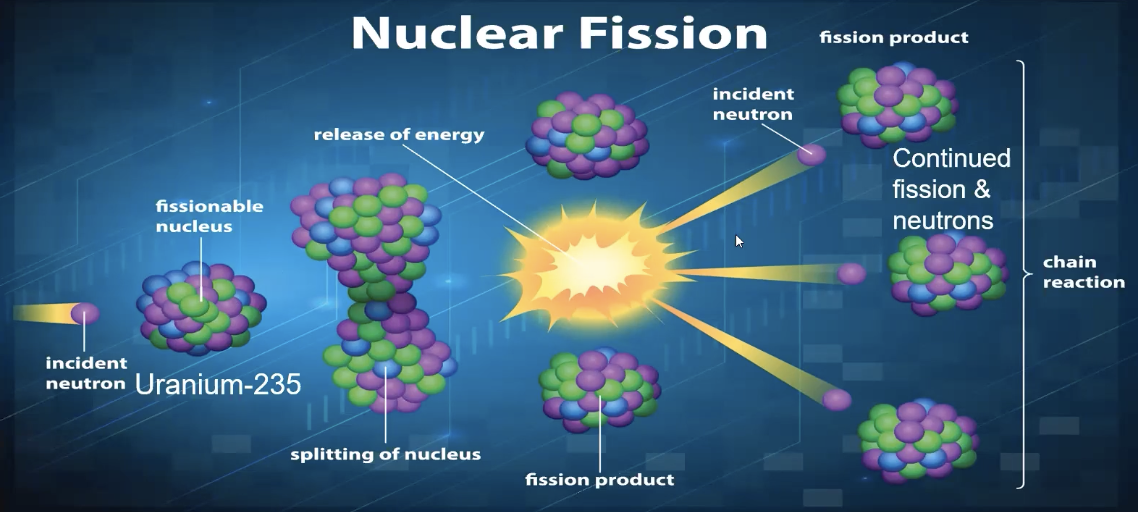
1. incident neutron is shot at u-235
2. u-235 nucleus is split → different metals (fission products)
3. split → energy (heat for steam)
energy doesn’t go away + isn’t safe
4. chain reaction (split → different metals → new incident neutron → breaks down products → repeats)
pros:
no greenhouse gas emissions (CH4, CO2)
high power output
low cost after initial construction
no mining for fossil fuels
no air pollutants
cons:
long lived hazardous waste → nuclear accidents
thermal pollutants (high temperature contamination of nearby water)
high initial cost
mining for uranium + construction materials
nonrenewable resource
radioactivity (from nuclear fission)
fission releases radioactive energy → energy doesn’t go away and isn’t safe
spent u-235 breaks down → gathers neutrons → becomes heavier (like plutonium) → remains radioactive for 24,000 years (aka 10 half lives)
stored in huge tanks (lined w lead + concrete)
cons:
storage happens on site → buried in ground → no one wants it around → more sites are commissioned → more chance radioactive wast is leaked into environment
half-life: measure of time taken for half of atomic nucleus to decay

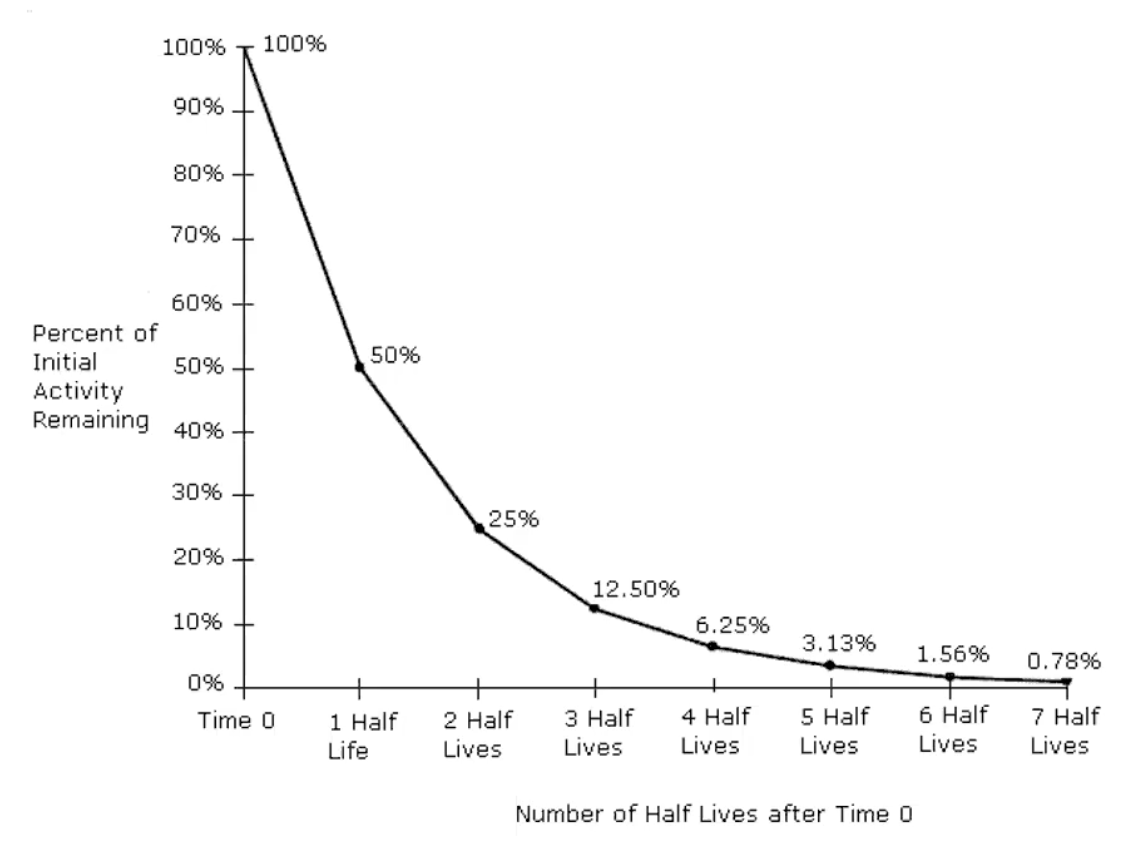
decays into another atom
takes 10 half-lives for material to be safe
nuclear powerplant accidents
can be caused by natural causes + human/mechanical errors
popular nuclear accidents:
three mile island accident (Pennsylvania, USA, 1979)
water pump failed to allow water in → reactor wasn’t cooled down → fuel partially melted down
no explosion/long term radiation exposure
chernobyl (Ukraine, 1986)
power turned off → extra power that was supposed to be from turbine was miscalculated → control rods didn’t drop → uncontrolled reaction → explosion
most radiation released ever from an accident
fukushima (Japan, 2011)
caused by natural disaster
earthquake → tsunami → flooded 4 reactors → 3 nuclear reactors melted down
accident was deemed preventable even though natural causes → measures were taken
flood preventions
seismic sensors
emergency shutdown drills/measures
(6.7) Energy from Biomass
biomass details:
leading energy source worldwide
is a fuel source, not an electricity source
burning → direct source of heat in developing nations
examples (as heat sources)
wood
charcoal
peat
crop residue
manure
pros:
easily accessible
relatively inexpensive
used for heating/cookie
cons:
produces air pollutants → health effects (respiratory problems)
carbon dioxide/monoxide, nitrogen oxides, particulates, VOCs
overharvesting → deforestation
biofuels: liquid fuels from plant matter that can substitute conventional petroleum products (gasoline, diesel)
examples:
ethanol: fermenting plant based starches → sugars + alcohol
mixed w/ gasoline → gasohol (90% gas 10% ethanol)
e-85 + flex fuel vehicles can run on mix of 85% ethanol, 15% gas
sources:
corn, sugar beets (us)
sugarcane, sugar beets (brazil)
biodiesel: extracted from plant oils
can be substitute of diesel
sources:
soybeans (brazil, us)
oil palms (southeast asia)
rapeseed (europe)
pros:
carbon neutral (modern carbon: carbon that’s cycling and in atmosphere)
potentially renewable
can be produced domestically
cons:
more gasohol is needed to go the same distance (net energy is low)
harvesting can cause
increase in fossil fuels
increase in deforestation
monoculture → less fertility
solutions:
(ethanol) switchgrass: crop that can be harvested year after year → better renewable source
(biodiesel) straight vegetable oil (SVO): filtering used vegetable oil from restaurants
(biodiesel) harvesting algae created in pouches in the sea
(6.8) Solar Energy
types of solar energy
photovoltaic: directly turns sunlight into electricity
pv cells: sunlight hits components in cells → electrons are released → electricity
pros
generates electricity
can reduce habitat destruction (depending on installation placement)
can be applied large and small scale (villages, cities)
cons:
limited by availability of sunlight
limited lifespan → non-renewable
expensive
can take up lots of space → fragile ecosystems
active solar: uses mechanical/electrical equipment to transfer solar heated liquid to create heat or electricity
concentrated solar power: liquid is heated up by solar beams → heats water → steam → turbine → generator
heat pump: liquid heats up in sunlight → passes heat exchanger → heater → liquid goes back up to get more heat
pros:
generates electricity/heat
can be large/small scale
cons:
expensive
needs maintenance
can impact fragile desert ecosystems
need high solar intensity for efficiency
passive solar: heat is directly absorbed from sun without mechanical/electric equipment
passive solar design
window faces direction of sun (in northern hemisphere → face southern hem)
overhang to block summer sun (higher elevation) + allow winter sun (lower elevation)
insulation in walls
floor holds on to heat for the night
pros
inexpensive
low maintenance
cons
difficult to implement after house is constructed
energy can’t be stored/collected longterm
FRQ TIPS: how to use data to explain patterns
use cardinal directions
identify countries, states, equator
identify similarities/differences
find out what data you need/don’t need
when asked to make a claim → use evidence provided