AP Econ Unit 2
Unit 2 Exsam 2.6, 2.7, 2.8

Consumer surplus: difference between your willingness to pay and the price you actually pay.
Demand curve = willingness to pay
Demand = Marginal Benefit/Utility
Supply Curve = willingness to sell
Supply=marginal cost, which indicates the minimum price producers are willing to accept for their goods.

Total surplus is maximized at equilibrium
Price Ceilings and Price Floors
Price Ceiling: The max price a product can be sold for
Price Ceiling has to be below market equilibrium to have an impact; otherwise, it becomes non-binding and does not affect the market outcome. By setting a ceiling, it can create shortages as the quantity demanded exceeds the quantity supplied at that price.
Price Floor: The minimum price a product can be sold for
Price floors must be set above the market equilibrium price to be effective; otherwise, they become non-binding. By implementing a price floor, surpluses can occur as the quantity supplied surpasses the quantity demanded at that price.
2.3-2.5 Elasticity
Elasticity: A measure of how much the quantity demanded or supplied of a good responds to changes in price.
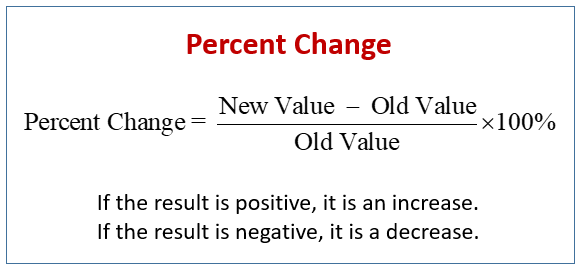
Price Elasticity of Demand: The responsiveness of the quantity demanded to a change in price, calculated as the percentage change in quantity demanded divided by the percentage change in price.
Elasticity = Responsiveness to a change in price
Price Elasticity of Supply: The responsiveness of the quantity supplied to a change in price, calculated in a similar manner.
Determinants of Elasticity: Factors that influence elasticity include the availability of substitutes, the necessity of the good, the proportion of income spent on the good, and the time horizon.

INelastic demand = quantity is INsensitive to a change in price
Elastic demand = quantity is sensitive to a change in price, characterized by a price elasticity greater than one.
The more its shaped like a letter I the more Inelastic
Characteristics of INelastic goods
Few Subs
Necessities
Elastic Demand = Quantity is sensitive to a change in price
If price increases quantity demanded will fall a lot.
If Price decreases, quantity demanded increases a lot.
0 coefficient is perfectly inelastic
1= unit elastic
greater than 1=relatively elastic
infinity = perfectly elastic