Trends, Technology, and Emerging Issues:
Healthcare Trends
Trends:
Technology
Epidemiology
Geriatric Care
Wellness
Cost Containment
Technology:
Computers and audiovisual devices
Telemedicine
Long distance surgery
Epidemiology:
The study of diseases
Many researchers are focusin on diseases that are influenced by lifestyle factors
Taking responsibility for one’s own health is a growing trend in today’s world.
Geriatric Care:
Because people are living longer, geriatric care is in high demand
Geriatric facilities have developed quickly in recent year: Adult day care centers, Independent living facilities, Retierment Communities, and Nursing homes
Wellness:
Change in focus from sick care to health care
Wellness canters includer: Weight control facilities, Health food stroes, nutritional services, Stress reduction counseling
Public Health:
Public health serves to procet the health of individual people and communities through: Preventiohn, education, treatment, research, safety standards and programs, tracking outbreaks, laws that help protect public health
Cost Conatinment:
Outpaitent: Reduce the legnth of hospital stays to reduce cost
Preventeative Care: Get regular check ups and vaccinations to prevent illness
Energy Conservation: Use energy efficent lighting, solar power, and automatic faucets
Consumer Responisbilities:
The same team:
Healthcare provides are patients are on the same team working towards teh same goal health people
healthcare providers are encouraged practice patient centered care
Patient centered care:
Partnership between the healthcare providers and the patient
empower patients
communicate with patients
Adovcate for patients
Patient Responsisbilities:
Patients should communicate with healthcare providers
Patients shoudl advocate for themselves
Patients should comply with their plan
Self-Advocacy:
Heere are some ways to practice self- advocacy:
request copies of your medical records
Review you medical records and use patient portals
ask questions
research treatment options
learn the pros and cons of options including costs
Patient Compliance:
Patient compliance is cooperation or obedience to a prescribed treatment plan
Patients bill or rights:
The patients bill of rights includes eight key points:
right to emergency treatment
right to respect
right to informed consent
Right to refuse treatment
Right to choose providers
Right to privacy
right to appeal
Patient responsibilites
Technology and Emerging Issues:
Impact of emerging issues:
Emerging issues and technologies results in changes in healthcare delivery systems
healthcare providers must be adaptable and learn new things quickly
Advencements in technology:
Mobile stock unit(MSU)
Wireless wearable sensors
miniature wireless pacemakers
spectral Ct
Bioethics:
Bioethics is the application of ehtics to healthcare. New discoveries must be considered throught these principles:
Autonomy
Justicfe
beneficence
Non- Malefincence
Addiction:
Addiction now viewed as a disease called substance abuse disorder
Treatments are broader and more accessible
Treated by a team of healthcare providers
Essential Lifelong Learning:
Emerging issues and new discoveries and technologies related to healthcare require that healthcare providers and patients be flexible and always willing to learn new things.
Healthcare Econimics:
Health Insurance:
rising cost of healthcare is good for the economy but the expesnes are a burden for most individual familes
in the 1920s the USA developed a system of health insurancfe to help cover the cost of medical expenses
The Patient Protection and Affordable Care Act (ACA) of 2010 was passed to reduce the number of uninsured in the USA
Health Insurance Terms:
Premium: the amount paid to an insuracne agency for a health insurance policy
Deductible: The amoun that must be paid by the patient before the insurance agency will begin to make payments
Co-Payment: an amount piad by the patient for a certainh servuce
Co-INsurance: The co-insurance is the percentage of costs of a healthcare service htat is paid by the patient after they have paid the deductible
Out of pocket payments: a medical bill that must be paid by the patient. many health insurance policies have a limit to the amount of out of pocket expenses to be paid by the patient during a year
Cost sharing reduction (CSR): This discount applies to deductibles, copament, copayment, and co insurance for qualified health palns. It lowers out of pocket expenses
Premium Tax Credit: Based on your annual income and household information this credit lowers your monthly insurance proemium payment on qualified health plans
Heath Insurance Portability and Accountability Act (HIPAA): law that protects patients health informatio and confidentiality. signed in 1996, HPAA makes it illegal to gian access to a patients health information without their permission. It also placed strict permissions on the transfer of personal health information (PHI) between organizations.
Healthcare Fraud:
a crime
using someones health info as if it were your own
billing for medical servies that were not provided
delivery of unnecessary medical serviecs
misrepresentation of medical serviecs provided for higher reimnursement
providng or recieveing money for partcipation in any of the above fraud schemes
Health Insurance then vs now:
First broad coverage was workers compensation in 1914 and provided cash payments to injured workers with job related injuries
Today the Affordable care act requires health insurance companies ot cover 10 essential Health benefits
10 Essesntial Health Benefits:
Outpatient care
emergnecy services
hospitilization
pregnacy, maternitity and new born care
mental health and substance abuse treatment
presription drugs
rehab and habilitatitve services and devices
laboratory services
preventative health services
pediatrics services
Individual Insurancfe: when a person purchases a policy and agress to pay the entire premium for health coverage
Group Insurance: Generally purchases througha an employer. The premium is split between the employer and the person being insured.
Indemnity Insurance:
patients must pay for all healthcare explenses out of their own pockets. afterwrds the insurance agency will reimburse the patient for a percentageof the expenses
doesnt work for everyone many people cant afford to pay for out of pocket payments
Managed Care:
two primary concepts are to promote good health and to practice preventive medicine
managaed care plans offer medical servies through a system though a system of healthcare provideers the sysetm of providers offers services at reduced rates.
differences between managed care and indemnity:
payment for medical servies
choosing a healthcare provider
Reimbursement:
health insurance agencies do not always reimburse the full amount charged for services
physicians will either absorb or loss or they will charge the patient for the amount that was not paid by the insurance agency
Types of Insurance Plans:
Managed Care
Health maintenancef organization
preffered provider organizations
point of service
Health Maintenance organizations:
Clients must pay a premium deductible and co payments
clients myst visit in network doctors and select a primary care physician
HMOs urge cliente to practice healthy livibng and to recieve preventive treatments
Preferred provider organization:
Clients must pay a premium deductible and co payments
clients do not have to choose a primary care physician
clients may visit non network physicians by coverage is greater with in network pysicians
PPOs oftern have other fees and co payements
Exclusive Provider Organizations:
Coverage for healthacare services is limited to care from providers or hospitals in the plan’s network, exept for emergencies
referral is not required to see a sepcialaist
no voerage for care from out of network providers
Point of Service:
Client must pay a premium
clients must choose a primary care physican
For in network physciacns there is usually no deductible and co payments are low
specialist may be non network physicians but coverage may be limited
Managed Care Comparisons:
Hmos, ppos, epos, and pos plans have similarites and differences it is important to know how these types of managed care compare with each other
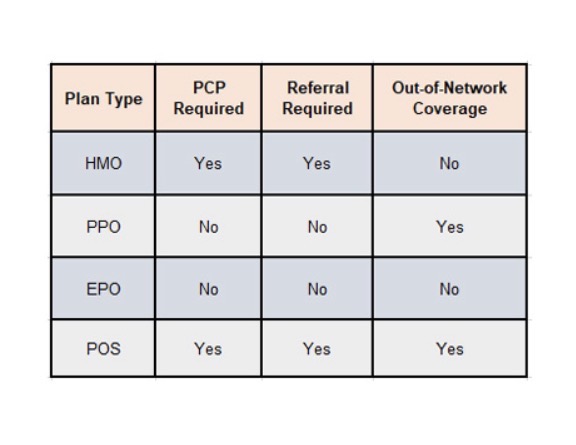
Making Informed Descisions:
The most cost effective plan dependes on an individuals healthacer need and the coverage included in the plan
anyone who buys health insurance should research and compare the types of plans that are available
People who know in advance that they will need extensive healthcare shoudl research prices for the expected care
Government Programs:
Public health inurance programs:
With public health insurance programs the federal gov finacnes healthcare services recieved by elgible groups of the population
medicare
medicaid
military health system
tricare
veterans health administraion
Government programs:
Public Medical assistance: medicaid and medicare
Affordable Care act (ACA): expanded eligibility criteria for medicaid and provided financial assistance for those who do not qualify for medicaid or lack insurance from employer
Medicaid:
Needs based program
Designes by the federal gov administered by stay gov
Provides medical assistance to individuals and families who the state determines to be medically needy
Medicaid Services:
Hospital services
prenatal care
child vaccines
pediatric services
physician services
diagnostic testing and x-rays
rehab and physical therpay
prescription drugs
home healthcare
Medicaid expansion:
The ACA provided the foundatiohn for medicaid expansion. Since it is a volunatary program and states may decide whether or not to participate, states also decide whether or not to expand meidcaid for their residents
as of may 2019, 37 states including washington DC have elected to expand mediciad
Medicare:
Entitlement program for any citizaen age 65 or older
administered be the federal gov
after deductible medicare will cover 80% of all medical expenses
medical services:
Hospital care: hospilization, skilled nursing facilites, home healthcare, hospise care, long term care facilites
Out patient services: medical, expenses, including therpay, medical equipmetn and testing, preventive care
Healthcare for the Military:
The US department of defense operates the military services to active duty and retires military members of the armed forces and their families
TRICARE is the health insurance program of the military health system
The veterans health administration(VHA) is the largest integrated health servies system in the United States