Module 8: Carbohydrate, Lipid, and Protein Metabolism
Catabolism of the ff:
Carbohydrates
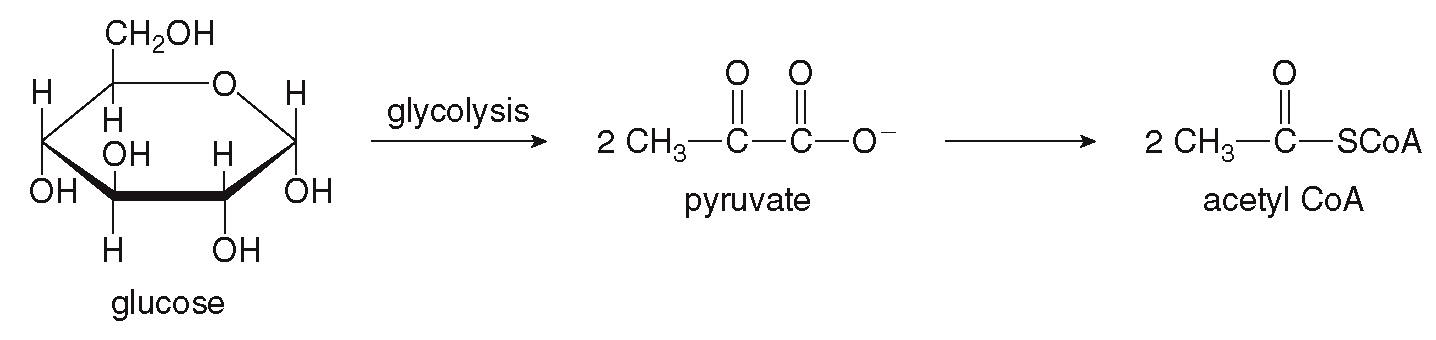
Glycolysis
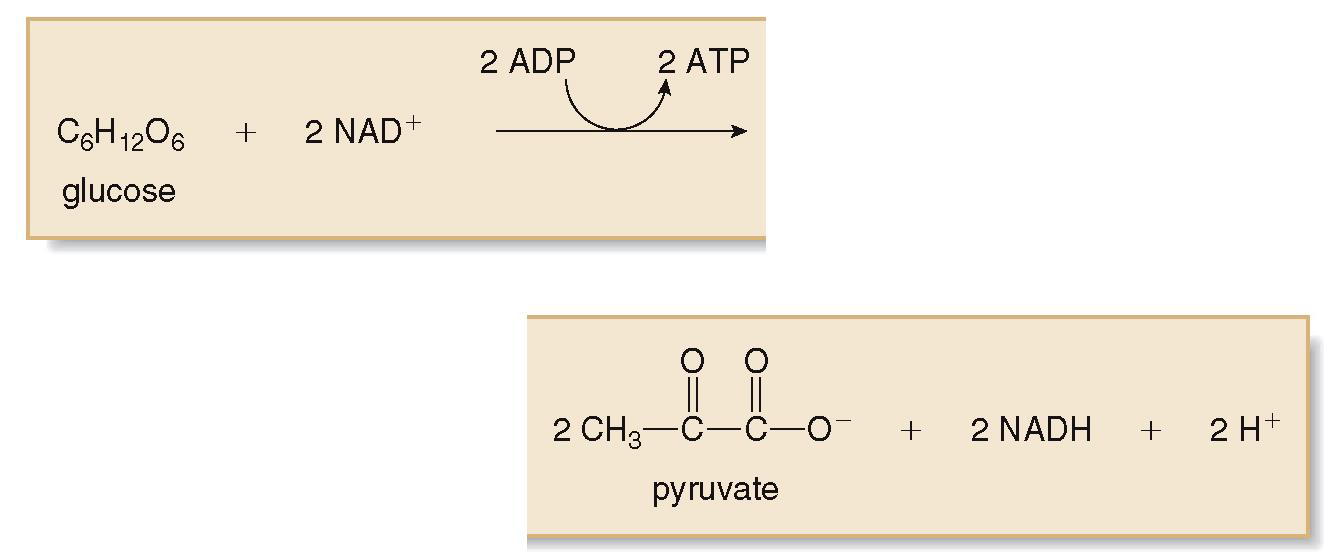
converts glucose into pyruvate
which is then metabolized into acetyl CoA
Lipids
Fatty Acids
are converted into thioesters
then cleaved into many acetyl CoA units

Amino acids
usually reassembled into new proteins
excess are not stored in the body, they are catabolized for energy
amino groups (NH2) are converted to urea [(NH2)2 C=O)
excreted in urine
Biochemical Reactions
Carboxylase
catalyzes the addition of a -COO^- (carboxylate)
Decarboxylase
catalyzes the removal of CO2
Dehydrogenase
catalyzes the removal of 2 H atoms
Isomerase
catalyzes isomerization of one isomer to another
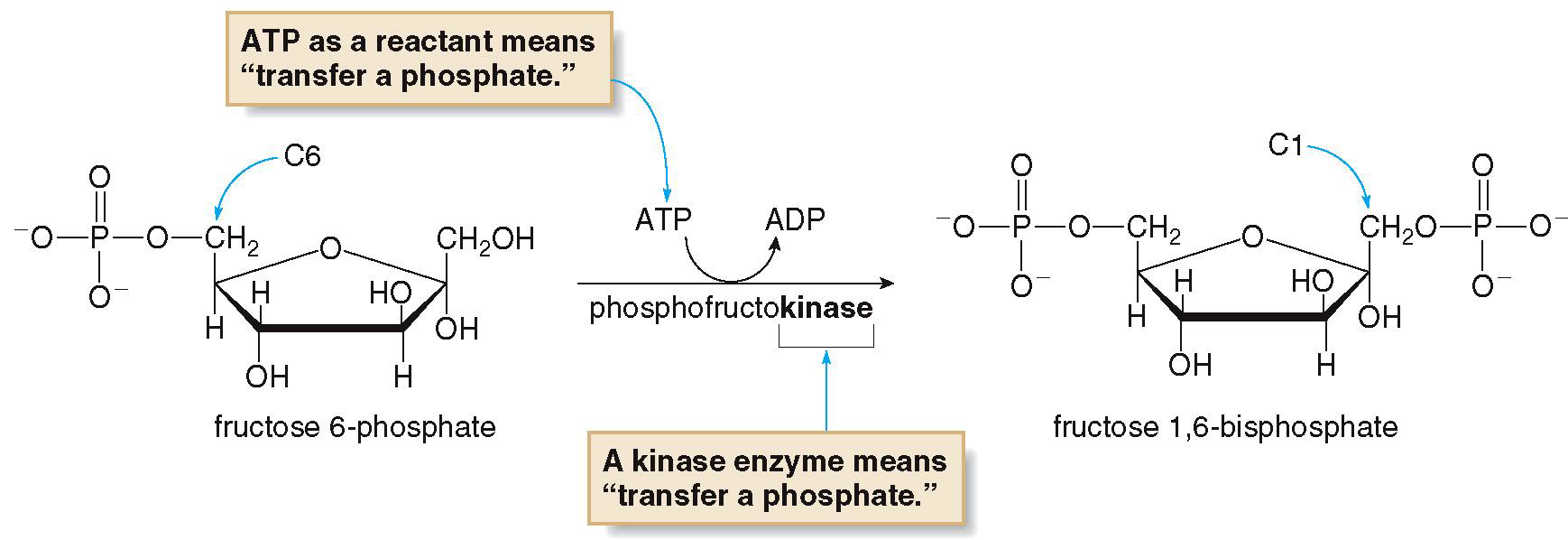
Kinase
catalyzes the transfer of a phosphate unit from ATP to the fructose 6-phosphate molecule
catalyzed by kinase enzyme
Glycolysis
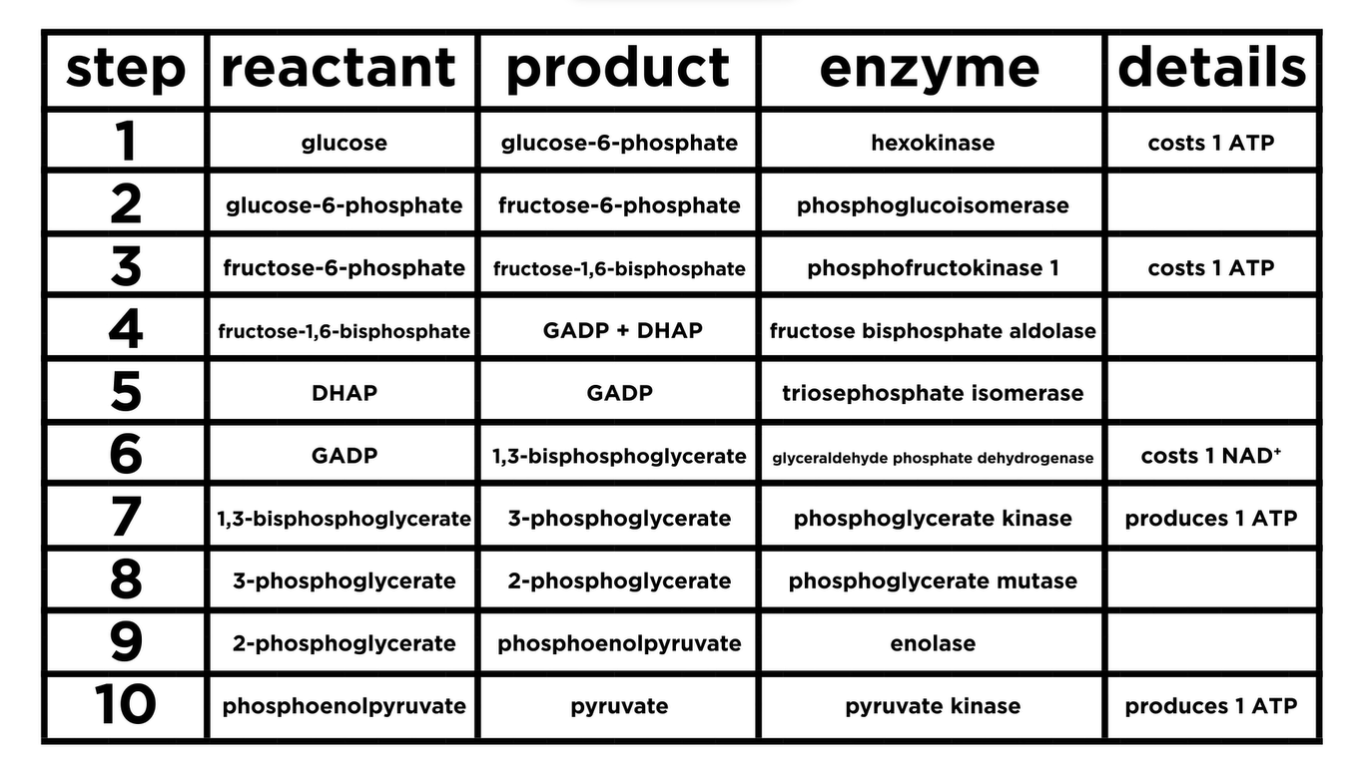
a linear 10-step pathway
converts glucose into two molecules of pyruvate
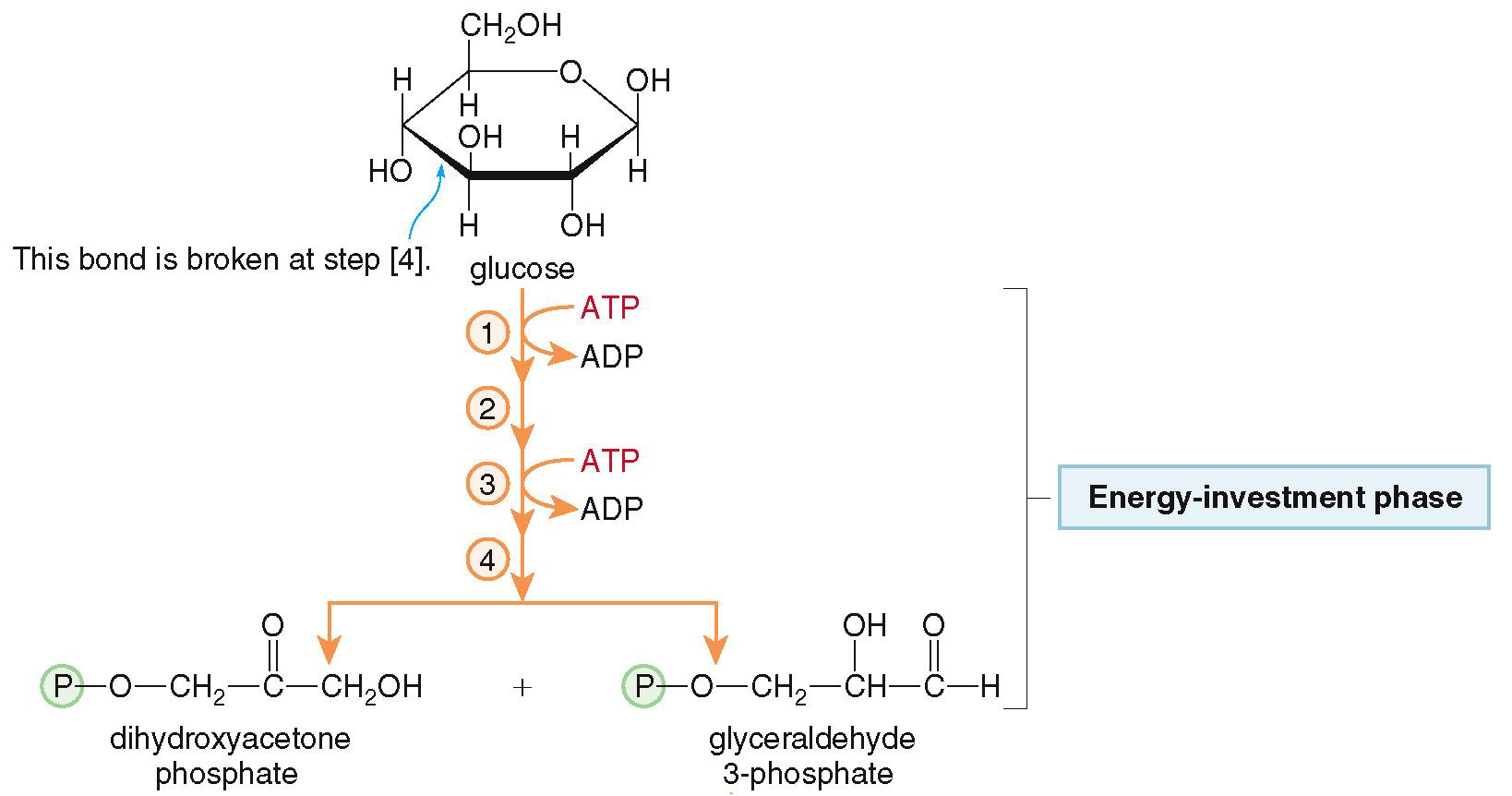
Steps [1]-[5]
energy investment phase
2 ATP molecules are hydrolyzed
6-carbon glucose is converted into two 3-carbon segments
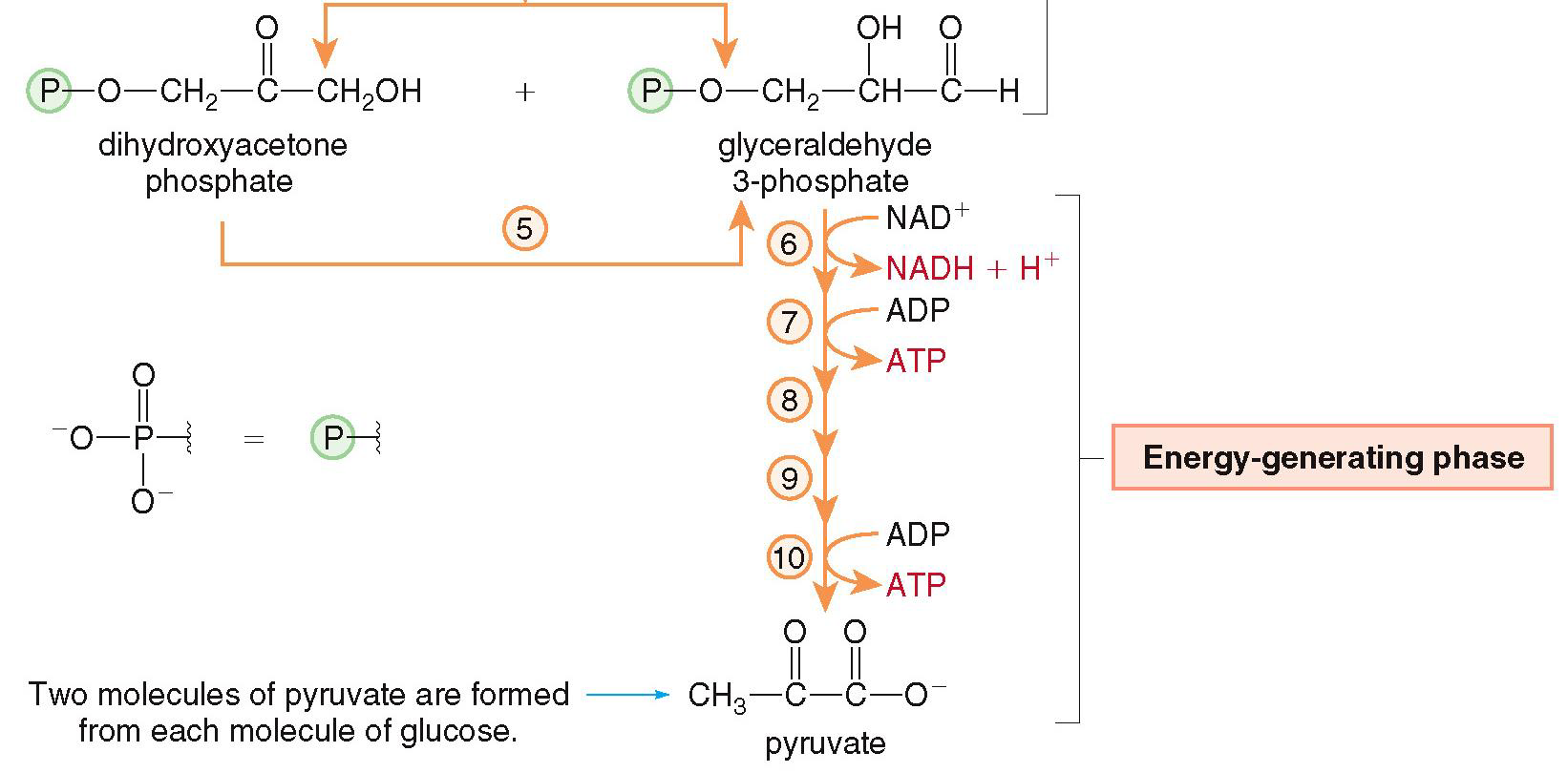
Steps [6]-[10]
energy-generating phase
producing 1 NADH and 2 ATPs for each pyruvate formed
Steps:
Phosphorylation (into glucose 6-phosphate using ATP and kinase)
Isomerization (glucose→ fructose 6-phosphate)
Phosphorylation (fructose→fructose 1,6-biphosphate with kinase)
First 3 steps add 2 phosphate group and isomerize 6-membered glucose ring into 5-membered fructose ring.
energy stored in 2 ATP molecules is utilized to modify the structure of glucose for the later steps that generate energy.
Cleavage (fructose→dihydrixyacetone phosphate & glyceraldehyde 3-phosphate)
Isomerization (dihydroxyacetone phosphate→glyceraldehyde 3-phosphate)
First phase: converts glucose into 2 glyceraldehyde 3-phosphate units.
Oxidation and Phosphorylation (aldehyde end of the molecule by a dehydrogenase & NAD+; produces 1,3-bisphosphoglycerate & NADH)
Phosphate transfer (onto ADP with kinase→3-phosphoglycerate & ATP)
Isomerization (into a new position in 2-phosphoglycerate)
Dehydration (water lost to form phosphoenolpyruvate)
Phosphate transfer (to an ADP yielding pyruvate & ATP with kinase)
Phase two: 2 glyceraldehyde 3-phosphate are converted into 2 pyruvate units
Overall, forms 2 NDAHs and 4 ATPs
Net Result
2 ATPs are used in phase one
4 ATPs are made in phase two
synthesis of 2 ATPs from glycolysis
2 NADHs formed are made in the cytoplasm and must be transported to the mitochondria to join electron transport chain and make ATP
fate of the 2 pyruvate molecules depend on Oxygen availability
Glycolysis and Other Hexoses
Fructose
obtained by the hydrolysis of the disaccharide sucrose(found in sugar beets and sugarcane)
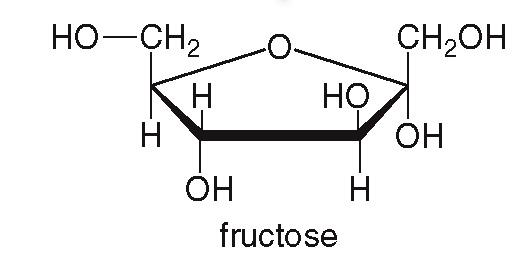
can be converted by muscle or kidney cells into fructose 6-phosphate and enter glycolysis at step [3]
can be converted by the liver to glyceraldehyde 3-phosphate and enter glycolysis at step [6]
Galactose
obtained by the hydrolysis of the disaccharide lactose in milk
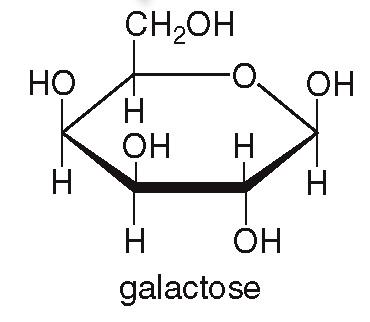
converted into glucose 6-phosphate and enters glycolysis in step [2]
Patients with galactosemia lack the enzyme to perform this conversion
Mannose
obtained from polysaccharides in fruits such as cranberries and currants
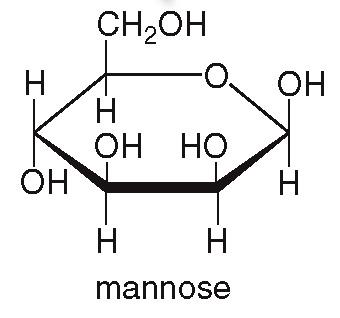
converted to fructose 6-phosphate and enters glycolysis at step [3]
Thus, all the common hexoses enter glycolysis and are metabolized into pyruvate.
Fate of Pyruvate
Pyruvate
can be converted into three possible products (depending on the conditions and the organism)
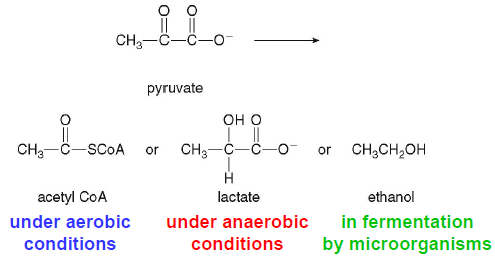
Conversion to Acetyl CoA
aerobic conditions (when O2 is plentiful)
oxidized b NAD+ in the presence of coenzyme A to form acetyl CoA
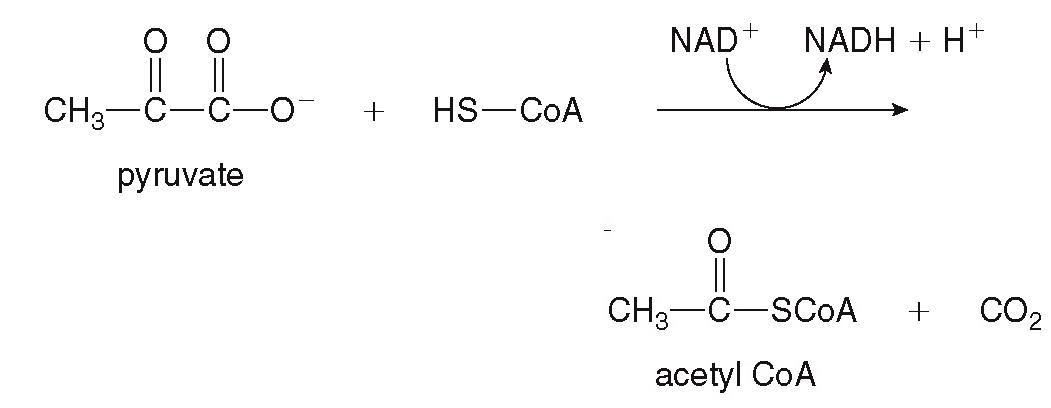
NADH formed needs O2 to return to NAD+
w/o O2 no additional pyruvate can be oxidized
Conversion to Lactate
anaerobic conditions (lack O2)
there is an abundance of NADH
NADH acts as a reducing agent
reducing pyruvate to lactate
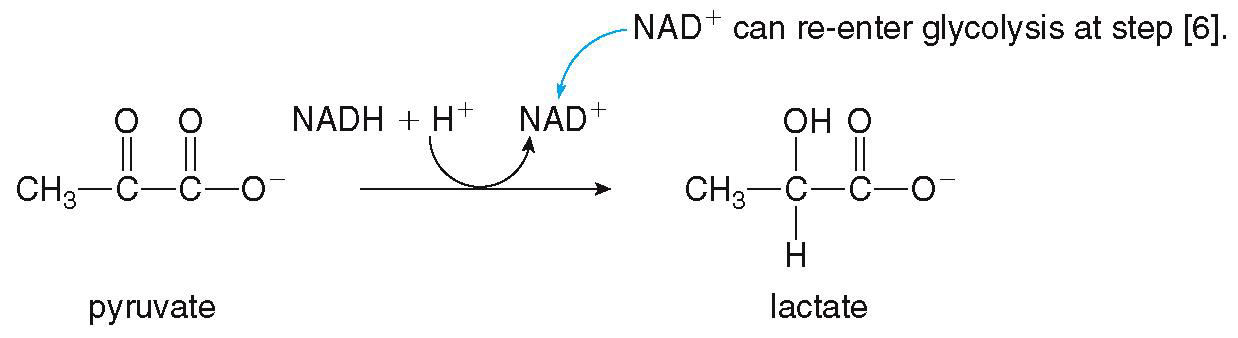
during strenuous exercise, when ATP needs are high, there is not enough O2 being inhaled to re-oxidize NADH in the electron transport chain
lactate formed by anaerobic metabolism of pyruvate builds up in the muscle cells
resulting soreness and cramping
“oxygen debt” is created, and when the vigorous activity decreases, the person must take deep breaths of air to repay this debt
the lactate in muscle is then re-oxidized to pyruvate, which can return to acetyl CoA and muscle soreness, fatigue, and shortness of breath resolves
pain felt during a heart attack is caused by an increase of lactate in the heart and areas near the heart cut off from oxygenated blood
a higher-than-norma blood lactate level can indicate lung disease, congestive heart failure, or serious infection
Conversion to Ethanol
Fermentation is the anaerobic conversion of glucose to ethanol and CO2 by yeast and other microorganisms

ethanol in alcoholic beverages is obtained by the fermentation of the sugars in grapes, barley malt, corn, rye, rice, or potatoes
ATP Yield from Glucose
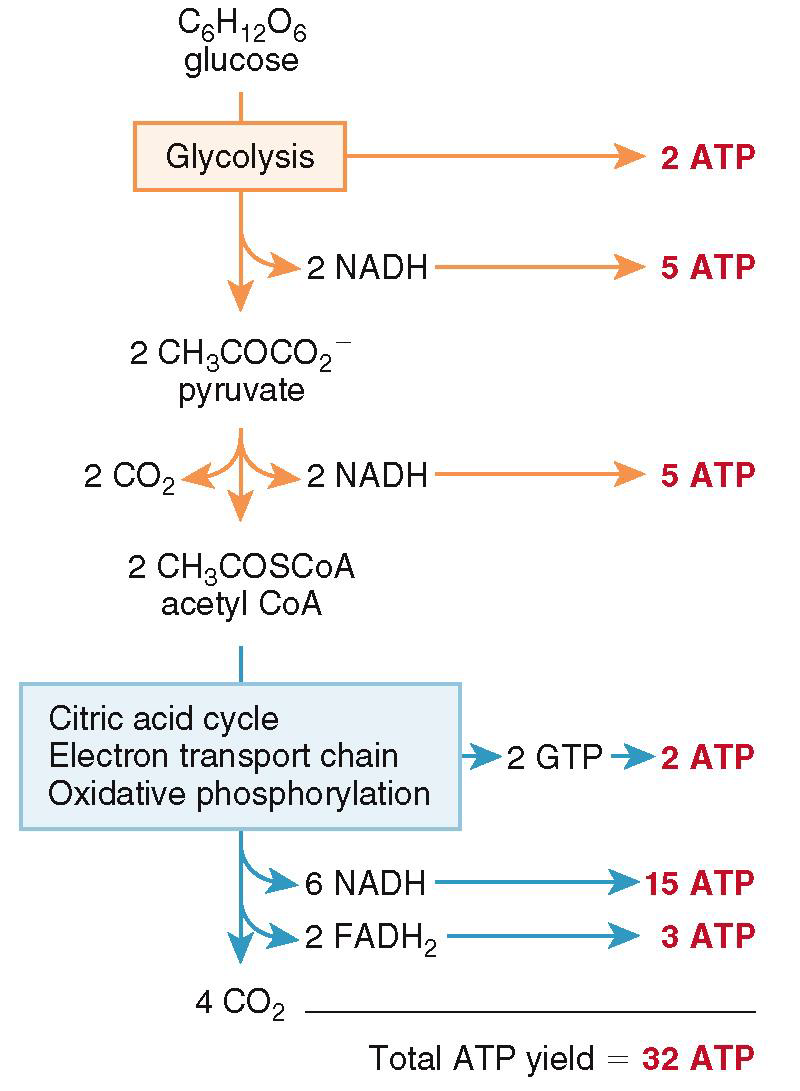
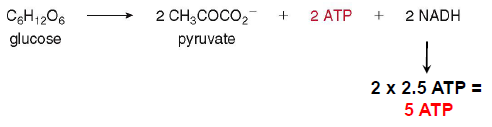
First, glycolysis yield a net of 2 ATPs and 2 NADHs (which will give 5 ATPs)
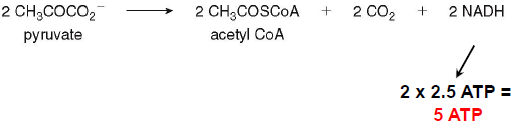
Second, oxidation of the 2 pyruvates yields 2 NADHs (which will give 5 ATPs)
Finally, the 2 acetyl CoAs proceed through the citric acid cycle
starting the electron transport chain and oxidative phosphorylation
yielding 10 ATPs x 2 = 20 ATPs
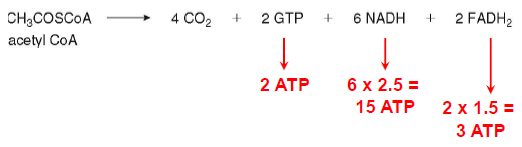
The final total is 1 glucose = 32 ATP
Blood glucose levels are carefully regulated by 2 hormones
Rise after a meal, insulin stimulates the passage of glucose into cells for metabolism
Low, Glucagon stimulates the conversion of stored glycogen to glucose
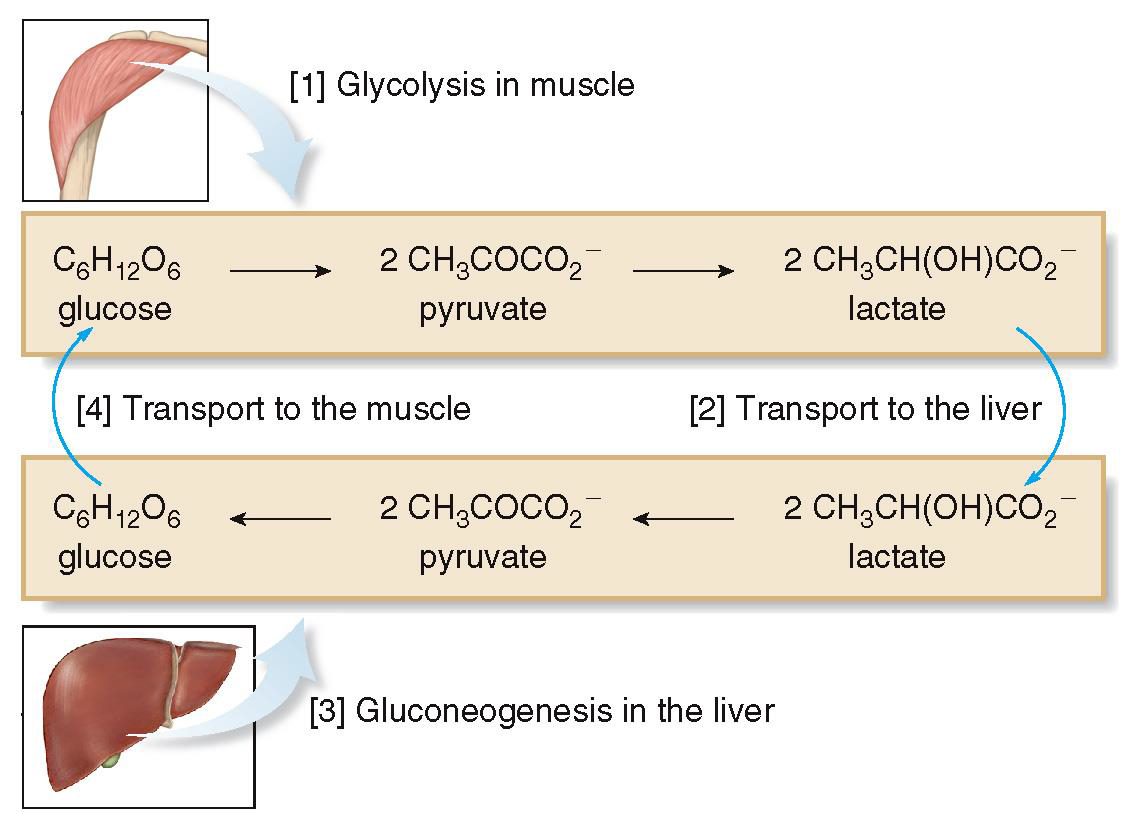
Gluconeogenesis
synthesis of glucose
from noncarbohydrate sources— lactate, amino acids, or glycerol
anabolic pathway since it results in the synthesis of larger molecules from smaller ones

The Cori Cycle
Catabolism of Triacylglycerols
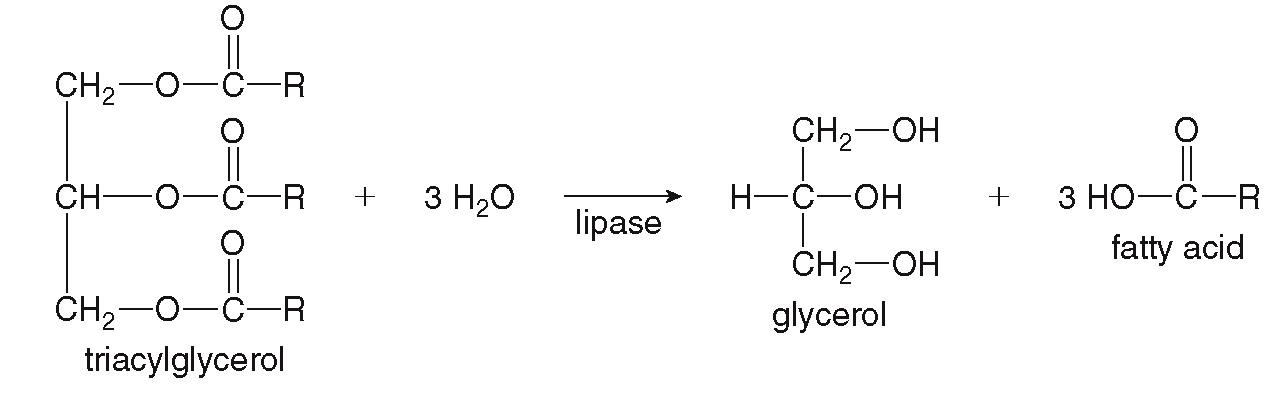
first step
hydrolysis of the three ester bonds to—
yield glycerol and 3 fatty acids
Glycerol Catabolism
glycerol backbone is converted to dihydroxyacetone phosphate
which can enter glycolysis
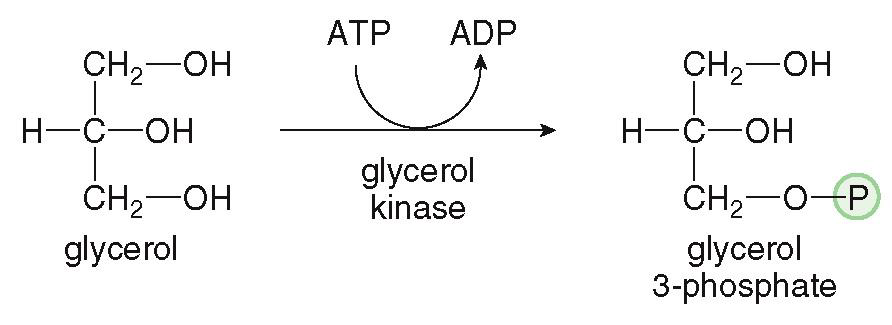
first step:
phosphorylation of glycerol to glycerol 3-phosphate
second step:
oxidation with NAD+ to yield dihydroxyacetone phosphate and NADH
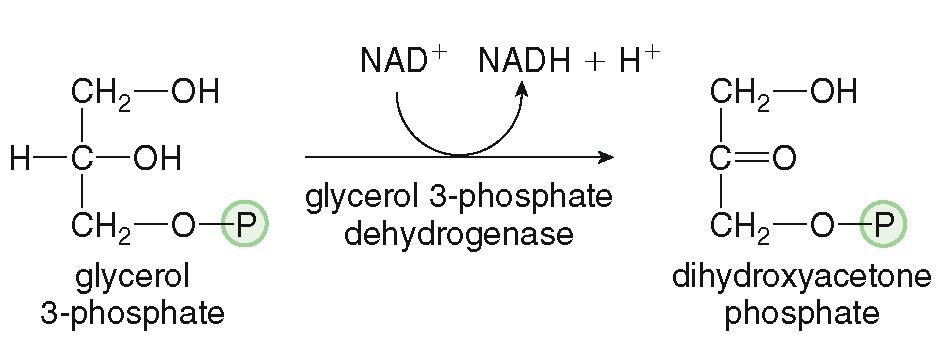
the product:
an intermediate in both glycolysis and gluconeogenesis
so, 2 pathways are available
Fatty Acid Catabolism by beta-Oxidation
a process whereby acetyl CoA units are sequentially cleaved from the fatty acid

first:
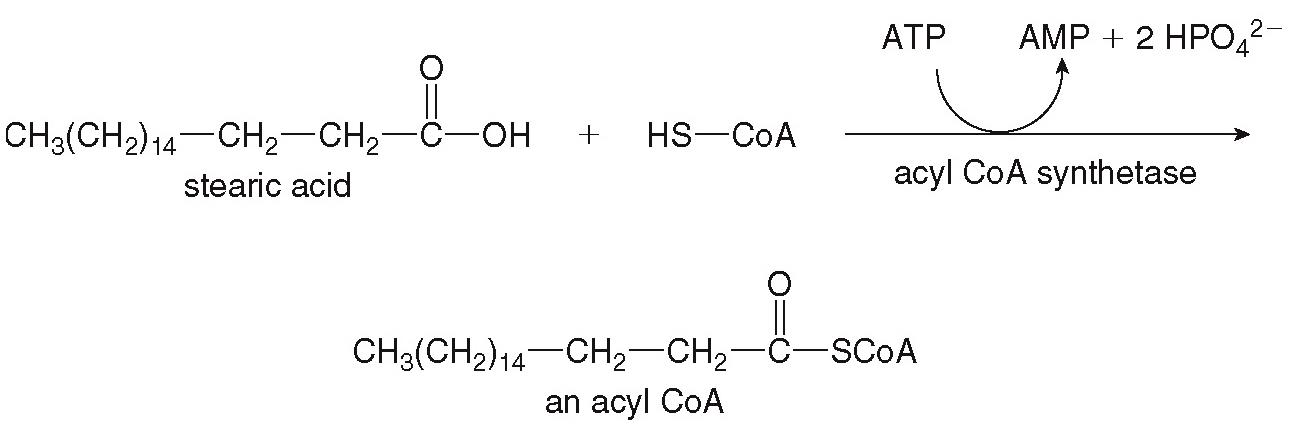
fatty acid is converted to a thioester with coenzyme A
then beta-oxidation begins
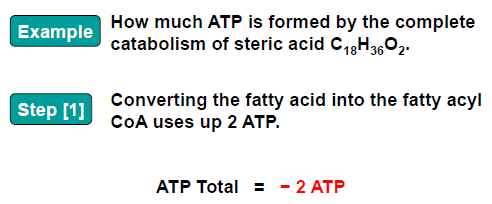
this requires energy, provided by the conversion of ATP to AMP
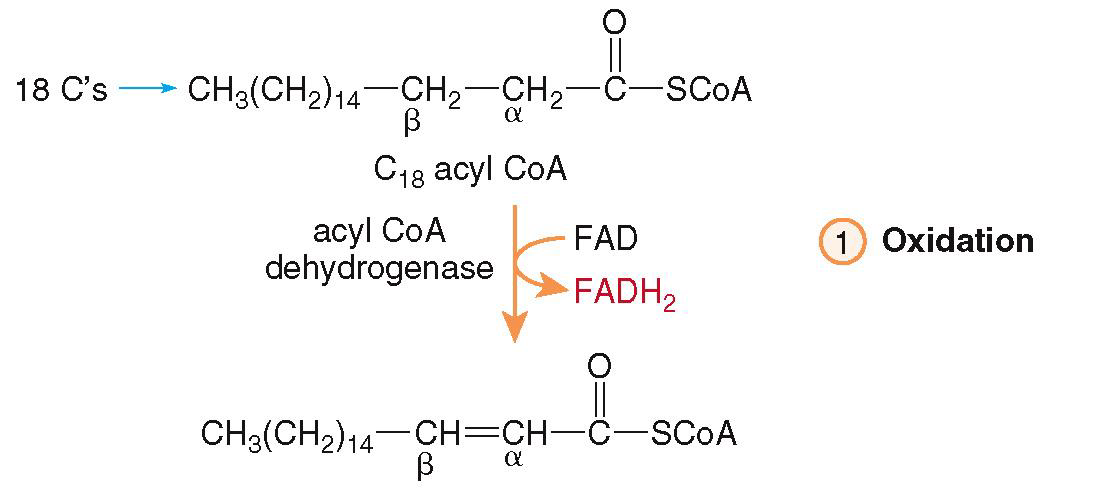
step [1]
Oxidation
FAD removes 2 H’S to form FADH2
double bond forms between the alpha and beta carbons
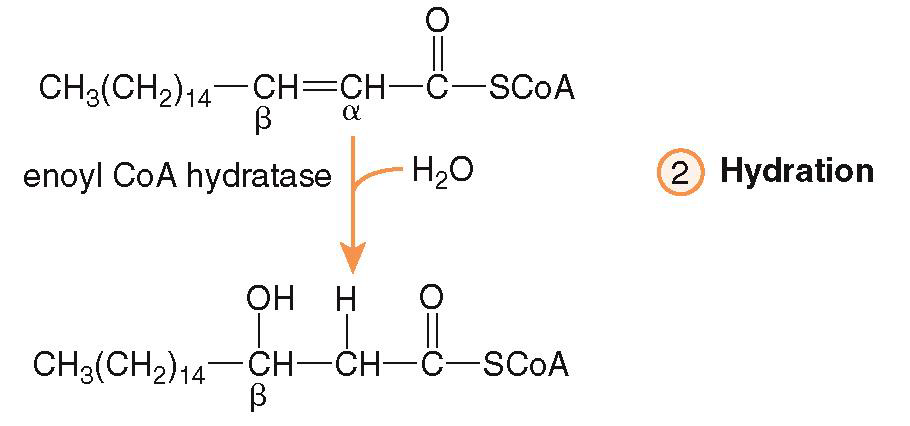
step [2]
Hydration
water is added to the double bond
this makes a beta-alcohol
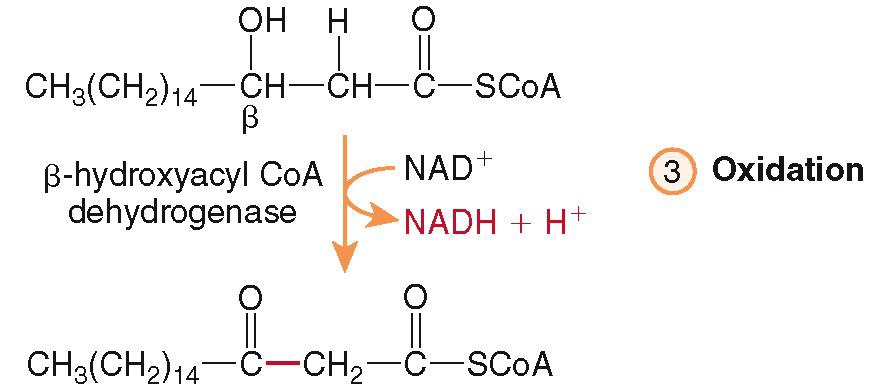
step [3]
Oxidation
the beta-alcohol is oxidized with NAD+ forming a beta-carbonyl group and NADH
step [4]
Cleavage
bond between alpha and beta carbons is cleaved with another coenzyme A
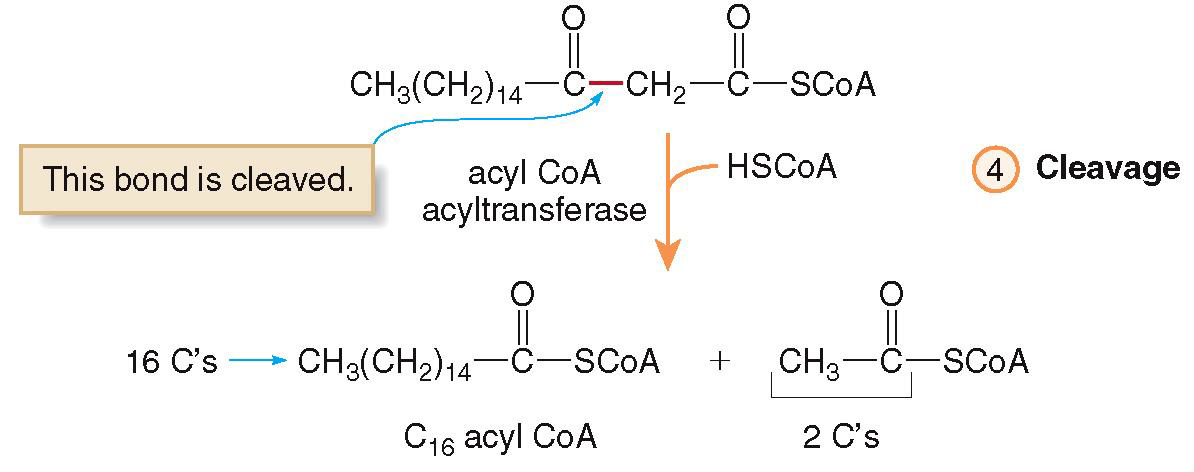
result:
a new acyl CoA having 2 fewer C’s than the original
new acyl CoA can then proceed through beta-oxidation again
cleaving off two more C’s
until only acetyl CoA molecules are present
example:
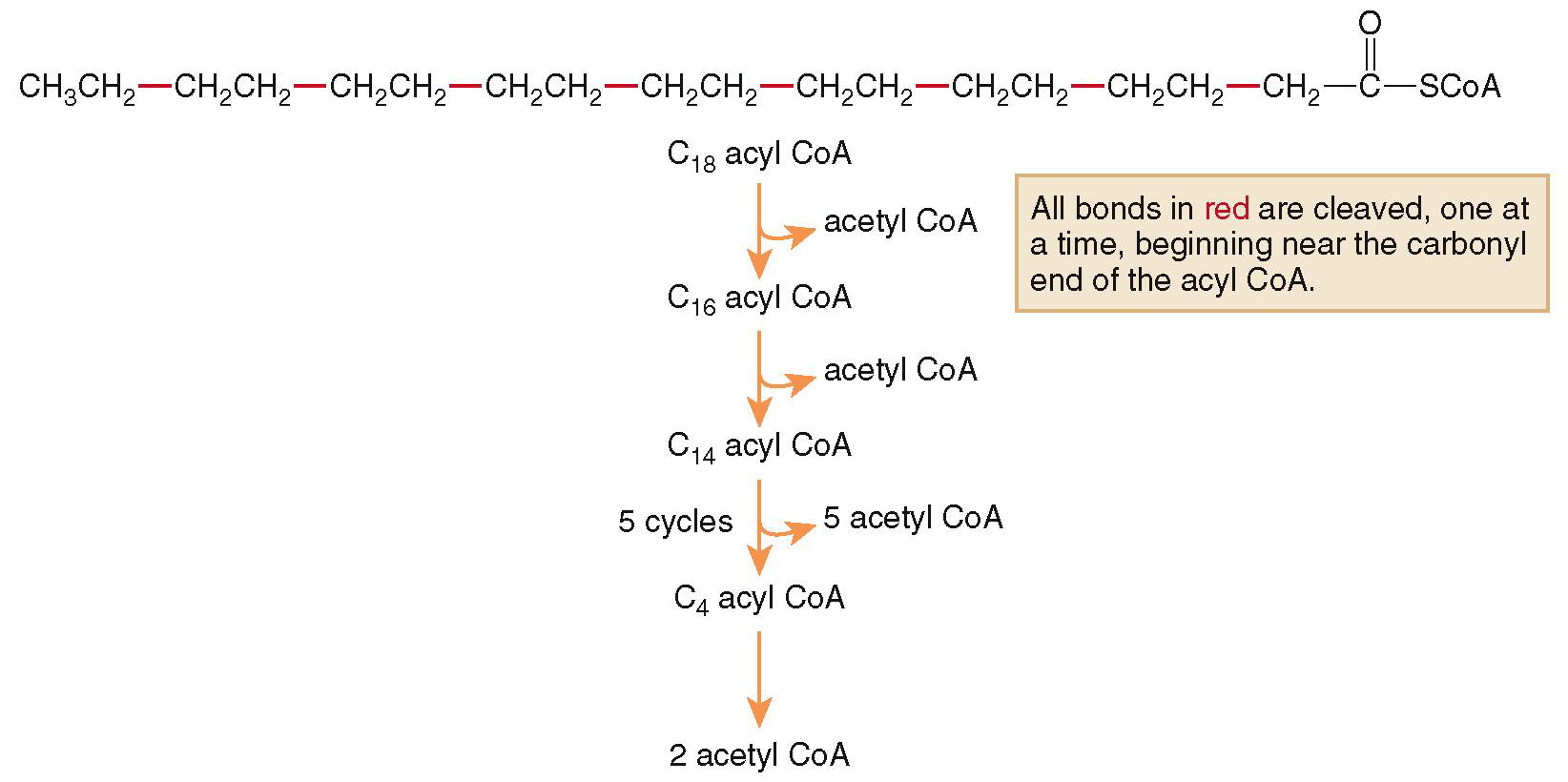
an 18-carbon acyl CoA is cleaved into 9 acetyl CoA molecules
a total of 8 cycles of beta-oxidation are needed to cleave the eight C-C bonds
such that every carbon of the original fatty acid ends up in an acetyl CoA
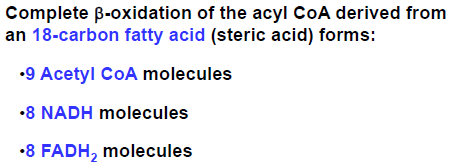
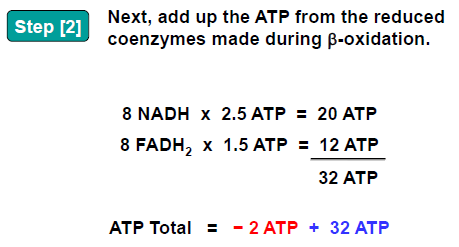
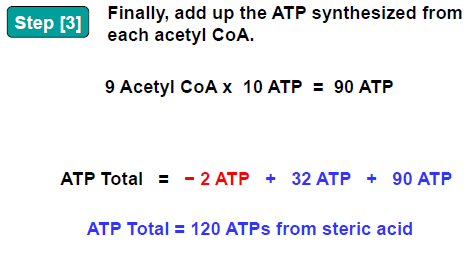
How to determine the number of ATPs formed from a Fatty Acid
Ketone Bodies
the body catabolizes stored triacylglycerol
when not enough carbohydrates
beta-oxidation of fatty acids releases a large amount of acetyl CoA molecules
if citric acid cycle cannot process all of the extra acetyl CoA
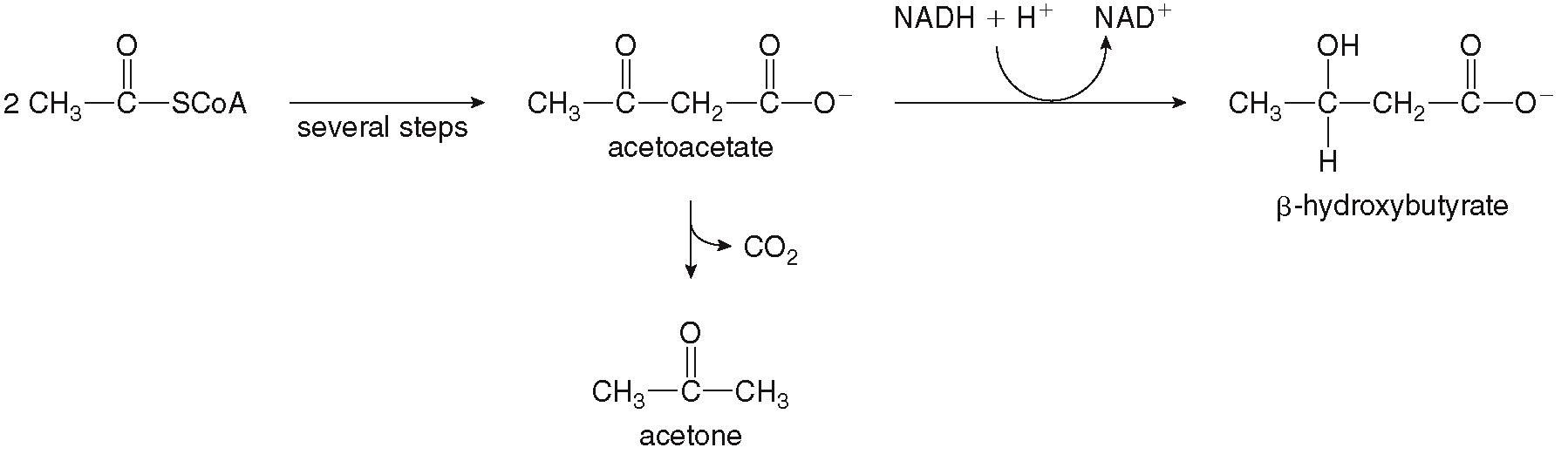
they are converted into compounds called ketone bodies through ketogenesis
ketone bodies:
acetoacetate
beta-hydroxybutyrate
acetone
ketone bodies are:
small molecules
readily soluble in blood and urine
ketosis
buildup of ketone bodies in urine
due to starvation, vigorous dieting and uncontrolled diabetes
ketoacidosis
developed ketosis
acidic ketone bodies actually lower the pH of the bloodstream
Amino Acid Metabolism
Catabolism of amino acids divided into two:
fate of the amino acid
fate of the carbon atoms
Fate of the Amino Group
amino group is first removed by transamination
transfer of amino group from an amino acid to an alpha-keto acid
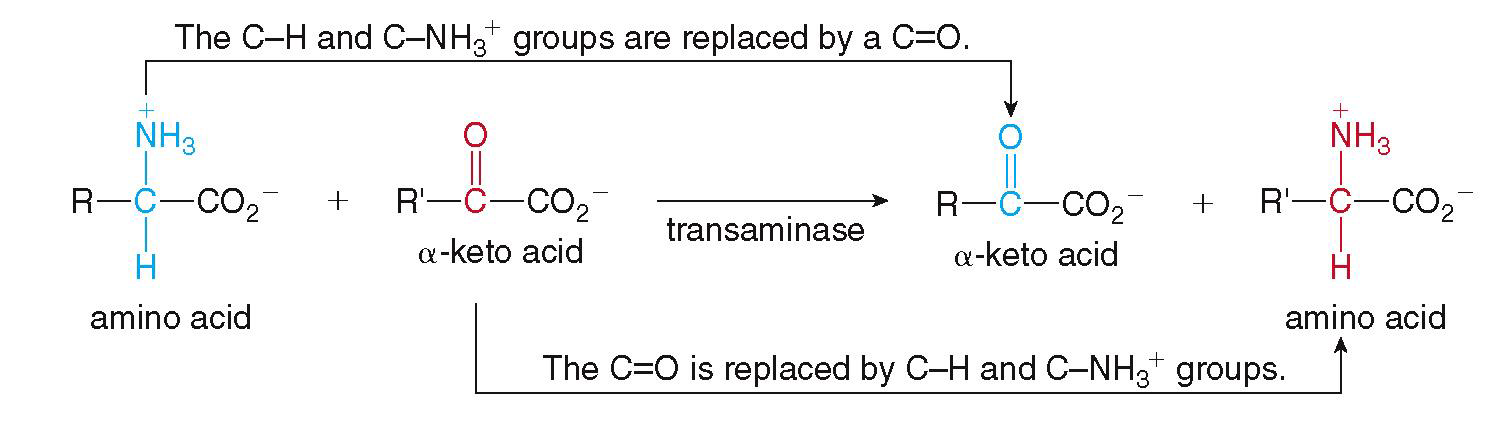
often uses alpa-ketoglutarate as the alpha-keto acid
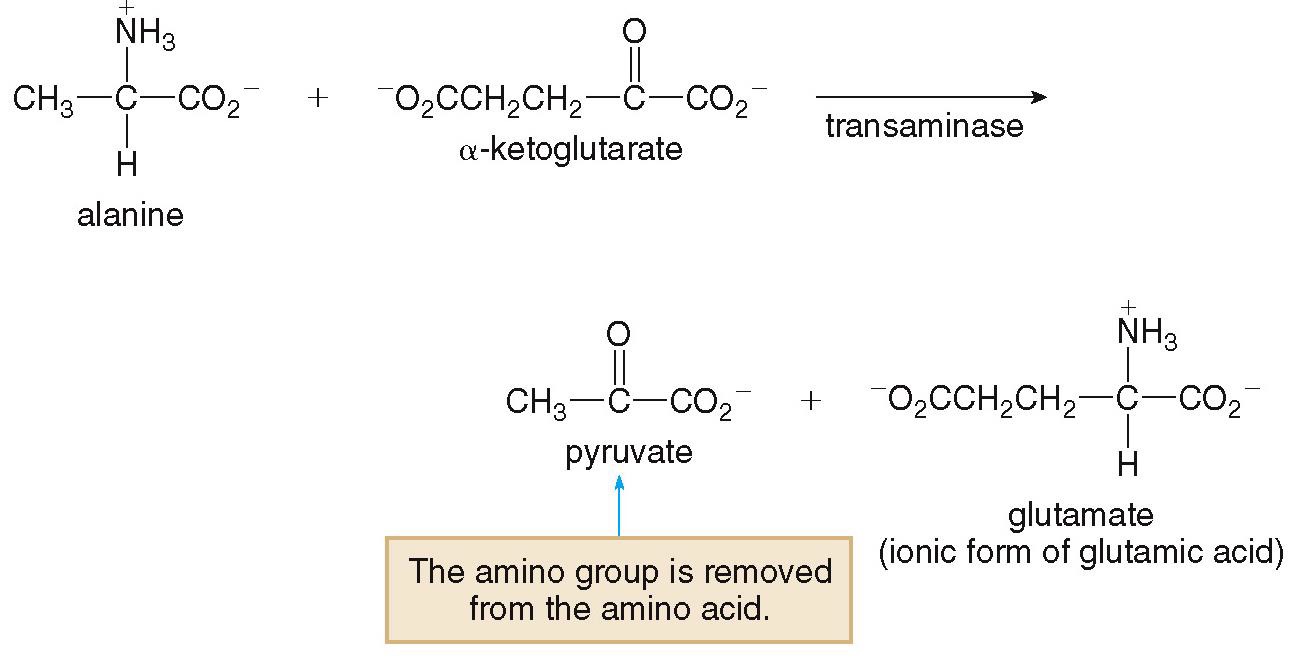
after transamination, the original amino acid contains only C, O, and H atoms
after accepting the amino group,
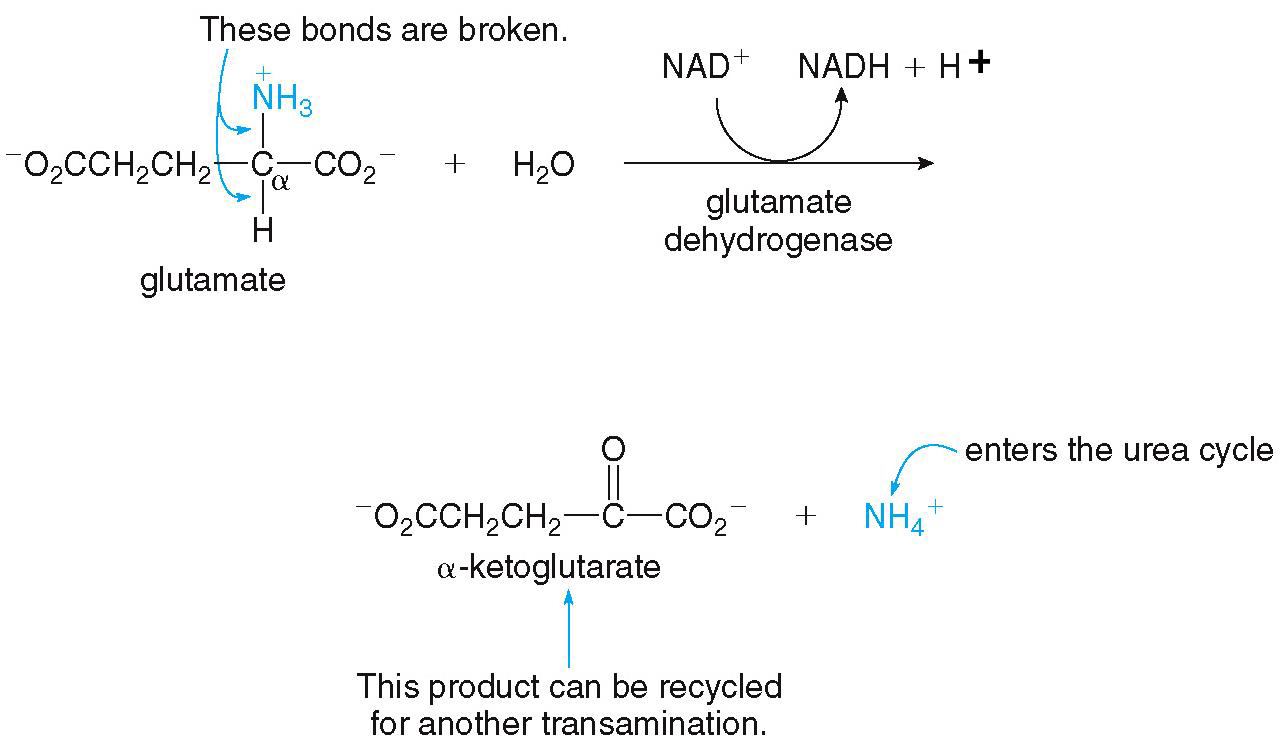
glutamate is degraded through oxidative deamination to regenerate alpha-ketoglutarate and to make NH4+
the NH4+, then enters the urea cycle
where it is converted into urea, (NH2)2 C=O, in the liver and excreted by the kidneys in urine
Oxidative deamination of glutamate
Fate of the Carbon Skeleton
Three common fates:
conversion to pyruvate
conversion to acetyl CoA
conversion to an intermediate in the citric acid cycle
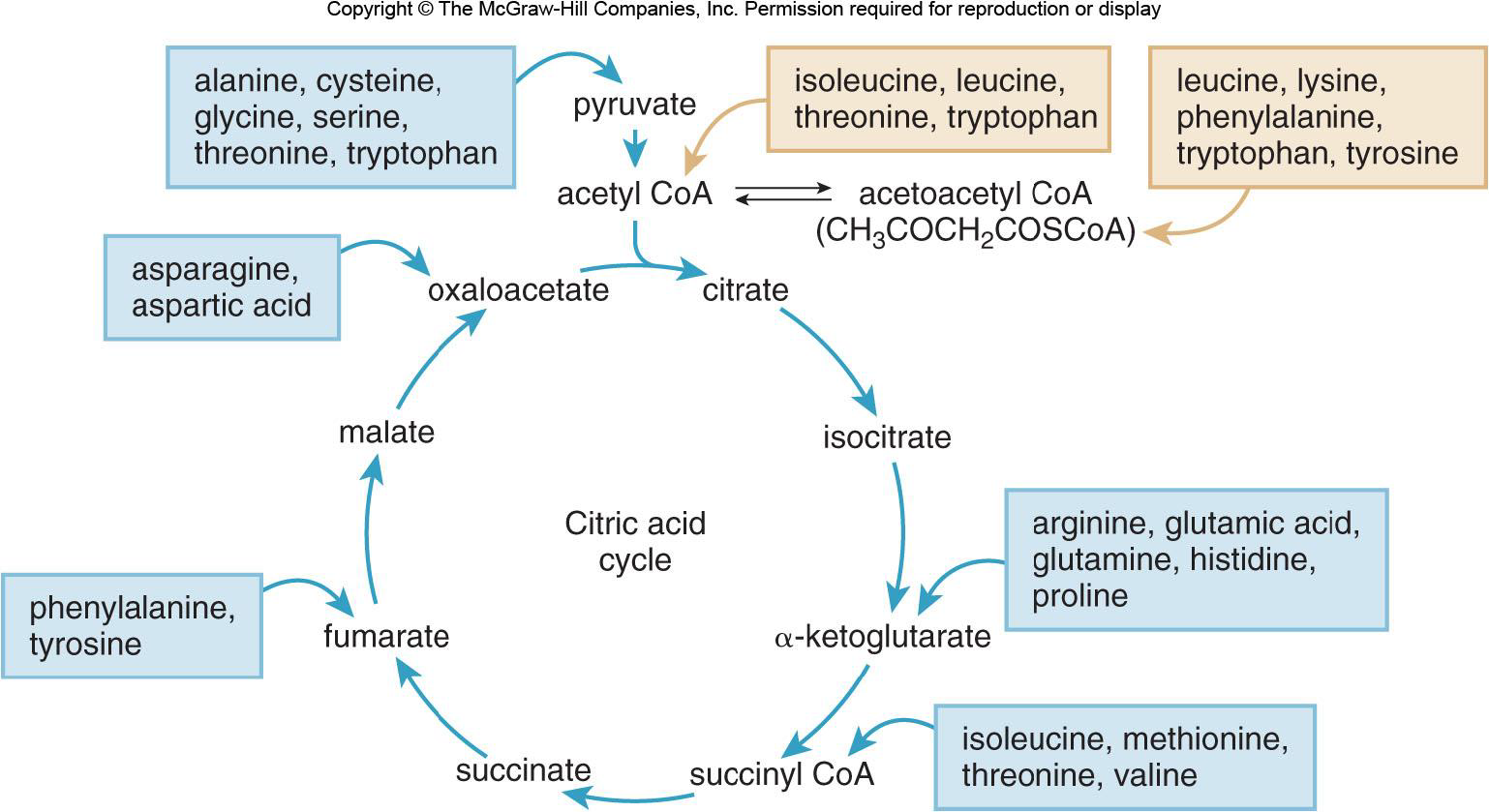
Glucogenic amino acids
catabolized to pyruvate or an intermediate of the citric acid cycle
these products can be used for gluconeogenesis (synthesizing glucose)
Ketogenic amino acids
converted to acetyl CoA or a related thioester acetoacetyl CoA
these products can be used to synthesize ketone bodies
and can yield energy on that path