Intro to Social Psychology - Exam 1
Introduction to Social Psychology
Test - definition of the concept (precise) and example (separate) elaboration (link concepts together)
https://quizlet.com/4401558/social-psychology-exam-1-flash-cards/
01/24/24: Lecture 2
Psychology as a Science
- Theory Based
- Trying to understand why something occurs (cause of emotion, health issue, etc)
- The reason why something occurs)
- Scientific Method
- Sound research methods
- Predict why something occurs
- Strong empirical support
- Statistical evidence, data-driven evidence for the thing you are predicting
- Measure behavior, emotion, etc.
- Sound research methods
Numer One: Formulate Theory
- Formulate hypothesis
- Ex. People who are intoxicated will show less motor coordination
- Design study
- Ex. Plan an experiment in which you give alcohol to one group and no alcohol to a control group. Alternatively, compare people before and after drinking alcohol.
- Collect the data
- Give people alcohol and measure motor coordination and balance. Select appropriate tasks and collect this information
- Analyze data
- Use statistical techniques to assess whether the results are genuine or probable due to chance
- Disseminate the results
- Report on the things in a research journal or at a conference
- Other avenues to disseminate research (more accessible)
- The motive of a writer is not to get it out to have an impact but to get more people to click and subscribe to the magazine
- As a researcher, one has to stick to the most important thing and not stray away from that
- Report on the things in a research journal or at a conference
Theory Definition:
- Theory vs. Phenomenon
- Phenomenon: showing why a difference occurs without understanding why
- You don’t have a theoretical explanation and don't know the “why”
- Theory research is more evaluated than phenomenal
- Phenomenon: showing why a difference occurs without understanding why
Theory Development:
Inductive
- specific observation to general theory (e.g. Kitty Genovese murder)
- Why did that occur → think about the why → general theory to think about the behavior
- Most common
- Kitty Genovese: coming home from work late at 2 am, from one end of the park to another. Brutally stalked, raped, stabbed, and murdered. 35 people saw and no one called the police.
- Assumed someone else would call. Social Psychologists theorized the bystander effect. Less likely to take responsibility for help
- Specific murder spawned the general research theory about the bystander effect
- Kitty Genovese: coming home from work late at 2 am, from one end of the park to another. Brutally stalked, raped, stabbed, and murdered. 35 people saw and no one called the police.
- Most common
Deductive
- Multiple observations to unifying theory (e.g. Ego-depletion theory)
- Observations that seem unconnected, social psychologists start seeing a thread (explain everything)
- Ego-depletion theory
- If you make someone do something difficult cognitively first and then make them do another difficult cognitive task but give them the option to give up → more likely to give up than if you first are given an easy task
- Memory studies: difficult first people will give up more easily
- Diet: people are most likely to cheat on a diet when under stress
- You only have so much mental energy → can be depleted.
- Things that will be hard that are depleting → have effects on behavior
01/26/24: Lecture 3
Theory Evaluation
- testable/falsifiable
- Does it predict what it should predict? If you can’t test it to be false → won’t know if it works
- If you can’t put a theory to the test, it will not be a well-respected theory
- Feurod theory
- Id vs. superego
- That unconscious battle can predict your behavior
- If it overpowers superegos, then you can act in violent, sexual ways
- Id vs. superego
- Fits data
- Can't get any data in support of the theory, you won’t get support for your theory
- Generates research
- How much does it create a buzz/ excitement (impact on the field)
- Parsimony
- Prefer the simpler explanation rather than the complex one
- Clever Haun (simple math questions)
- Interested because a horse can do math, but why?
- Got the question right - stamp out the answer
- Learning theory (look down start stamping, look up stop stomping → got a treat)
- testable/falsifiable
Research Methods for Social Psychology
Background Issues for Research Methods
- Design
- Experimental
- Manipulate (Independent Var.)
- Measure (Dependent Var. )
- Control
- Random Assignment
- Standardization
- How researchers interact with any one subject
- Give all interactions of how they act or what they say (identical across conditions accept things you are manipulating)
- Possibility to be blind to the manipulation being made
- Correlation
- Relation between Variables -1 0 +1
- Systematic relationship between the measured variables (a goes up, b goes down)
- Perfect positive correlation: a goes up one unit, b goes up one unit
- Ex. height and weight
- Perfect negative correlation: a goes up one unit, b goes down one unit
- Ex. consumption of alcohol, performance on an exam
- Perfect positive correlation: a goes up one unit, b goes up one unit
- Systematic relationship between the measured variables (a goes up, b goes down)
- No causation
- Path Analysis
- Relation between Variables -1 0 +1
1/29/2024: Lecture 4 
The Investment Model:
Broad Approaches to Social Research:
- Reductionistic Approach
- I want to isolate the independent variable (1-2 at a time)
- Hard sciences - isolate the causes
- Reduce the problem to the simplest variable
- Building a brick wall, brick by brick
- Systemic Approach
- More correlational, many variables within the complex system
- How they all relate and work with each other along the way
- Whole system
- Look at the entire wall at the same time, without necessarily caring 100% what the cause is
Background Issues for Research Methods
- Design: Experimental vs. Correlational
- Validity: Internal vs. External
- Internal Validity: the degree you are sure of the cause of the results in your study
- Experiments tend to be high in Internal validity (Experimental)
- Lower in internal validity (Correlational)
- Done in a lab (Reductionistic) more sure that if there is a difference in the independent variable
- External Validity: the degree to which the subject's behavior is naturally occurring
- Subjects know they are being evaluated - a threat to external validity
- More research out of the lab - increases external validity
- Ways to increase external validity in a controlled environment
- Some level of deception
- Ex. theory men raised in the southern US are more likely to follow a machismo model vs men raised in the north
- Some level of deception
- Internal Validity: the degree you are sure of the cause of the results in your study
Thought they were being tested for memory, walked down a hallway and a big guy bumped them calling them “asshole” - response is what they measured (behavior is naturally occurring)
- Representation of Variables: Operationalization
- Operationalization of Independent, dependent variable
- Does the way you manipulate the independent variable create the state you intended
- Am I making the person frustrated the way I want them (the psychological state they want the subjects to be)
01/31/24
Research Methods: Pros & Cons
- Laboratory Experiment
- Control over the environment
- Maximize internal validity
- Can compromise external validity
- Observational
- Trying to observe behavior out in the real world, everyday behavior
- Doesn’t even know a sociology is going on
- High external validity (people living their lives)
- Trained to be observers but not influencing the situation, observe can’t know they are being observed
- Ethically: observe public behavior
- A non-invasive, normal (everyday) behavior
- Ex. Study of either men or women or more likely to eat alone in a college cafeteria
- observation in a systematic matter
- Coding and measuring the variables same way for results to be accurate
- Men are more likely to eat alone than women
- Field Experiment
- A researcher conducts a study in the real world, manipulates an independent variable to measure a dependent variable
- High in external validity, trying to increase internal validity
- Having some control over the procedure
- Patient as a researcher, man power hours and logistics
- Ex. Field study- a truck would drive, stop at a red light, and a car behind them with one person
- People don’t know they are in a psychology experiment, not so much control, the only difference to be the one thing you manipulate (difficult to do)
- Same conditions for everyone
- Dependent variable: The person behind them responded to them not moving the truck (aggression signs)
- Independent variable: rack with a riffle or the other side at the contractor’s sign
- People will behave more aggressively if they see the riffle (riffle activates the aggression)
- People don’t know they are in a psychology experiment, not so much control, the only difference to be the one thing you manipulate (difficult to do)
- Surveys
- Questionnaires, attitudes 1-10. Common
- You can get a lot of data quickly
- Self-report about their behavior, but not measure their behavior
- Can be conscious behavior (not willing to admit it), unconscious bias (what does a 9 on a scale mean to you, then it means to me)
- Rather to measure actual behavior than self-report - subject to a lot of bias
- Surveys vs. Interview
- Compare across couples
- Open-ended questions
- Benefit: something will emerge from the subjects that allows what they think is important that you did not realize
- The researcher decided prompt, which can be compared
- Risks of people just skipping through the survey
02/02/2024
- Experience Sampling
- a structured diary technique to appraise subjective experiences in daily life
- Trying to get at behavior in the real world, a rolling snapshot of interactions
- Way trying to track interactions and recall the next week the interact
- Study: how much stress you are feeling for 30 days studying for the MCAT
- Receiving or seeking emotional support for the stress
- Findings: People who have had stress and had emotional support, had less stress the next day
- Accurate snapshot of people's behavior
- High external validity, but no independent variable
- Self-report, rely on subjects themselves
- David Watson study: study to agree that if you got ping by the app, within 5 minutes tell ur emotions and intensity of strength if emotions.
- Believes stable personality behavior: positive and negative affect
- High in one, low in one, high in both
- Randomly beep at random times of the day, cross a week, what most people were feeling during the week
- Findings: some stable types of the week (higher and positive affect on Monday morning, etc.)
- Some people were stably at positive affect when they got beat - capturing people's emotional state
- Believes stable personality behavior: positive and negative affect
- Simulation
- Population you want to study but don't have access to, play roles through that simulation
- These studies are actually: what do people think about how they are supposed to behave in those roles (those types of stereotypes)
- Sometimes random assignment (internal validity) - is not always the case
- Depending on how to the situation is set up
- Standford prison experiment: recruited male subjects from Stanford (similar to each other: background, financial, race, small cities, etc.), happen throughout spring break
- Created a prison and randomly assigned from the subjects for some to be prisoners and some to be guards (cells overnight, scheduled time for meals, etc.) - guards on rotating shifts can do whatever they wanted
- The only thing the researcher said: can't physically touch and harm the prisoners
- By day 3: shut it down, guards went nuts, called them derogatory nicknames, mess with them, bad pretty fast
- Archival
- The data collected has nothing to do with psychology, but got the data so they tested it
- No access to how the data was accessed
- Study: local public radio which gave them data from the weekend pledge drive, analyzed what they said on air and how much money they collected at that moment
- What sort of persuasive techniques are most effective
- Techniques seeing: Making them feel guilty, corporate match, get something for free, how often they said the phone number or the website (logistics of how to do it), notion of a big family, etc.
- The strongest effect is: the big family (inclusive), saying how to give people will give up more often
- Researchers had no say in how the data was collected (what they said on air, etc.)
- Just given access from the organization that gave the study
- The data collected has nothing to do with psychology, but got the data so they tested it
- Quasi-experimental
- A variable that is not manipulated, grouping is naturally occurring
- Ie. gender - not randomly assigned who is a man or who is a woman
- The purpose is to look at an important grouping variable that could not be manipulated
- Study: size and quality of someone’s social network - how it can change over the course of the semester
- Quasi-experimental - testing people in a relationship and people who are not (can’t force that variable), is there a change in a relationship would cause a change in your social network (are they related)
- Findings: change in relationship status, did cause a change in social network
- Is there a systematic difference between these variables that cause the results
- A variable that is not manipulated, grouping is naturally occurring
Multitrait - Multimethod!!!!
- Multimethod: demonstrate support for a theory under controlled testing, field experiment (different methods) → more likely that the theory is true
- Multitrait: demonstrate support for a theory using different ways of measuring variables → more likely to be true
02/06/24
Other Potential Biases:
- Design Problems
- Demand Characteristics: some sorta of clue within the procedure that allows the subjects to know what the study is about
- Helping study - more likely to help because it is socially acceptable
- How the subject chooses to support/or not is a threat to internal and external validity - behavior is not arriving from the independent variable – spotted what
- Internal: sure of the cause of the study
- External: the subject's behavior is not naturally occurring
- Pilot studies: go over the procedure to probe what subjects know about the procedure (what it is about) - how you should behave
- If they know what it is - problem, further probe how do they know what the study is about (what the hypothesis is)
- Deception: get the subjects to believe the study is about one thing, but actually be another
- Demand Characteristics: some sorta of clue within the procedure that allows the subjects to know what the study is about
- Experimental Bias
- Self Fulfilling prophecy: the extent to which someone expectations botu someone else, alter their behavior, but that altered behavior is the behavior you want to know
- Teachers given false expectations of who the smart kids are (randomly assigned), let teachers naturally teach - if a teacher expected you to be smart - treated you differently (positive feedback, individual attention) than the kids they thought were less smart.
- Results: effects of the teachers who thought were smarter - performed better (expectation created that reality
- The notion that researchers: tone , body language, and researchers getting subjects to behave how they want them to behave are problematic
- Act as the expectations you want them to
- And said no actually I want to to get used to just running suckers just the procedure the you know signing them in having them in the lab act professionally going through the instructions going through the procedure be briefing them I need to get used to doing it so he's basically tells them we're going to have you run a study and it's a study that's been well as established previously it's a very simple one but I just point so the cover story is that I'm a graduates can look at the headshot of another undergraduate but they don't know and be able to rate their intelligence accurately don't know how smart they are by just looking at a headshot 1211 and he basically says I'm using some headshots that another colleague at another university has that I can use television and he said basically just want to get used to be running two packets of headshots packet a and pack it be in the procedure is you will be at the table with a on the other side of you and you'll just hold up a picture and have the subject right there to tell you and you just do that picture after picture and it'll have on the back of the photo A or B right so you'll know what you're holding up but they won't know and they'll just be ready well for half of those driving students he told them the undergrads should find the people from group a and being more intelligent than the people from group view but the only half the subjects are graduate students randomly sign they were told the undergrads are going to find the students from Group B and being more intelligent than grouped they then head though go to jail those those run the study so they put a number into
- Teachers given false expectations of who the smart kids are (randomly assigned), let teachers naturally teach - if a teacher expected you to be smart - treated you differently (positive feedback, individual attention) than the kids they thought were less smart.
- Self Fulfilling prophecy: the extent to which someone expectations botu someone else, alter their behavior, but that altered behavior is the behavior you want to know
- Participant Bias
- Evaluation Apprehension
- Subjects know they are in a psychology study- which creates anxiety because they know they are being evaluated/measured
- Threat to external validity: not natural
- Threat to internal validity: alter in behavior
- Subjects know they are in a psychology study- which creates anxiety because they know they are being evaluated/measured
- Techniques to avoid bias:
- Make it clear that their identity won't be tied to the data collected (name won’t be tied to their identity)
- Make it clear that many subjects in the study so it's not a focus on them individually
- Use deception: anxiety will be about something else, rather than what you are trying to test
- Evaluation Apprehension
Research Methods: Issues of Ethics
- Pre Milgram Study
- Ethics was up to the researcher, no agencies, the free will of researchers
- No formal ethics review
- Some people pushed ethical boundaries, others protected them
- Watson - fear response to the rat, startling loud noise to a baby (albert) - created fear response to rats
- Milgram Study (obedience and authority study)
- Was a social psychologist interested in americans behavior to ethics
- What is it about Germans, how could they be so brutal
- Their response: my commanding officer told me to do this so I did it
- When people act they mean to do that - internal attributions
- Obedience to authority study:
- Study of learning and told them they were gonna be paid
- Tells the man that one of them will be a teacher and one will be a student (men) - supposedly randomly assigned but one subject is a trained actor
- Teacher: real subject
- Learner: actor
- Receive shocks every time they get the memory test wrong
- 100 volts - learner wants to stop
- The learner keeps screaming, telling him his heart hurts, etc.
- At one point learner stopped screaming - silence
- The researcher told them to continue
- 70% of people shocked the person to the last one despite believing that the person was in real pain
- Post Milgram Study
- Another researcher asked what would happen to the participants of the study disturbing to realize about yourself
- It was still seriously affetcign life after study - depression, nightmares, anxity, etc.
- Belmont report: experts from all fields, come up with standards of ethics what can and cannot be done
- Now any research done on human subjects has to pass IRB
- Another researcher asked what would happen to the participants of the study disturbing to realize about yourself
Institutional Review Board (IRB)
- Informed consent (voluntary)
- Form consent to being in the study, report the message of the study what it entails
- Cannot force people to stay in their studies
- Age consent (+18 or parental consent)
- Field experiment/observational study: no content, has to be public and normalized behavior (every day)
- Risks vs. benefits
- Layout the potential harms of the subject, if there are any
- Ask about the benefits of the research
- Debriefing
- At the end of the study, subjects were told what the study was about (oral or paper)
- What is being tested and why, hope to find, application of results, subjects get to ask questions and express their concerns
- Subjects leave in the same mental state as they came in
02/07/23
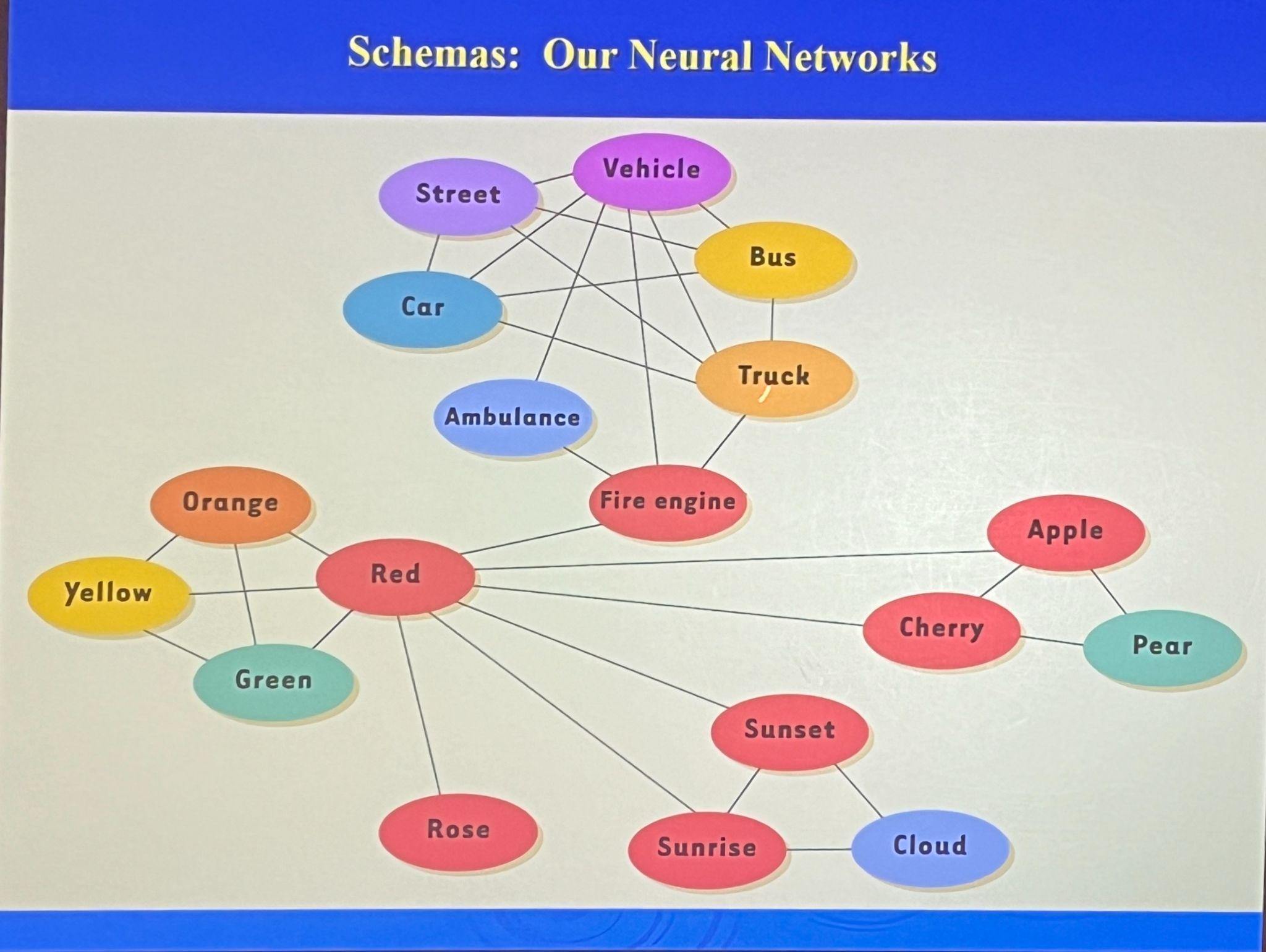
Social Cognition: How we think about the world around us (especially the social world)
Schemes: Organized knowledge structures that influence, memory, and behavior (the way things we have grouped)
- As we take in visual, auditory, and tactile information → brains are organized to group things together
Scheme Generation/ Development:
- Experience
- Operant Conditioning (learning theory)
- As a toddler learning concepts
- Ie. pointing at a dog but saying cat, mom tells u it is a cat - now you take in information that is a dog
- As a toddler learning concepts
- Modeling (Imitation)
- Especially powerful for kids when taking on information
- Modeling the behavior they see others as an imitation
- Social Comparison
- Based more on a motivational component
- If we do not have a schema about a situation, when we don’t know how to feel or behave we can look at other people to see how we should feel or act
- Different than modeling because we do that when we DONT KNOW how we are feeling :
Schemas: Structure Characteristics
- Dynamic
- Can change when we are young and influenced
- When they settle/ become established in they are relatively stable
- Hard to convince a Republican to become a Democrat
- Yet Stable
- Having to change a schema that takes a lot of mental effort - cognitive mizer (resistant)
- Central Nodes
- Knowing some information about someone might cause hard associations for the person
- Ex. Halo Effect
- What is beautiful is good; assume other positive characteristics of physically attractive people that is their central node
- Prettier people get treated better
- Warm/ Cold node - look for warm or cold things in them because they were described as that
- Fuzzy Boundaries
- Not clear where one schema ends and one schema begins
- Ex. Priming study in class (flashing words on the screen) assigned in 2 groups
- Flash desk for one and the other flash a chair
- Later asking what we were sitting in: half the people who saw a desk will say desk and the others would say chair
- That priming will change how we think about what we are sitting on
Evaluation Characteristics
- Seek Meaning
- Trying to take in information and use existing schemas to try to make new information fit
- Try to make sense of new information to see if it fits with existing schemas
- Trying to take in information and use existing schemas to try to make new information fit
- Categorize Quickly
- Seek Consistency
- Confirmation Bias
- Support the schemas we have labeled already
- Seek that information that confirms are schema and ignore the thing that denies it
- Takes a lot of cognitive energy to reconfigure the schema - consistency
- Confirmation Bias
Types of Schemas
- Person: characteristics associated we have on a certain person (ex. Donald Trump)
- Concept: schemas about concepts, how we represent that concept in our head (ie. Basketball - what we think of it)
- Self: very complex, access to information that no one else knows
- Kind of compartmentalized
- ie. high school friends vs. college friends - we go back to the role we played during that time
- Group: our representation of groups
- Ie. lacrosse players - how we think of him, schema associated with those groups
- Event (script): schemas of how we behave in a situation
- Ex. what we do when we go into a McDonalds
- How we are supposed to behave be knowable
- Ex. Schema about not knowing how to behave in a fancy restaurant
- Ex. Annual Doctor physical - we know how to act
- Knowing what to expect - decreases our anxiety
- Ex. what we do when we go into a McDonalds
02/09/2024
Schemas: Types & Influence
Organized knowledge structures that influence perception, memory, behavior, & decision making
Influence of Schemas
- Perception (activation, expectation, motives)
- What schema is activated will dramatically change what we are paying attention to
- Tactile, auditory, etc.
- Study with white males at college
- Task: telephone, how the description of the picture changes as the message is carried
- Picture: city bus with different ethnicities, ages, and races - a white man with overalls while holding a knife looking at the black man, a black man wearing a suit
- End of the message the roles were reversed
- Schemas: stereotypes of who is more likely to be wearing knives, suits, and overalls, change auditorially
- Hannah study: subjects would watch a videotape and be given an oral exam
- Some easy questions wrong, difficult questions right (mixed)
- Manipulated the house that Hannah came out of (rich person house vs. low social economic house - smaller house)
- Watch the video of her performance, asked 10 minutes after questions of the video: Hannah’s intelligence, house, how she did on the exam
- Different perceptions of hannahs intelligence depend on the house she came out of
- Rich house: more intelligence, subjects paid attention that she missed difficult questions
- Poor house: less intelligent, subjects paid attention that she missed easy questions
- Activation: What schema activated is what impression others have of it
- Expectations
- Expectations about being an introvert vs, extrovert
- Saw video tape and people who were told introvert vs extrovert and that's what they came away with based on what they were told
- If I expect extroverts - ask questions to lead them to show the extrovert in them (vice versa)
- Expectations affect the reality
- Expectations about being an introvert vs, extrovert
- What schema is activated will dramatically change what we are paying attention to
- Memory & Recall
- Can affect encoding (memory) and recall (how wer remember it later on)
- Study: Waitress/Librarian Study
- Create a videotape of half the things stereotypical of a waitress and half of a librarian
- Independent: schema activation Linda is a waitress and half librarian; do they get the schema before or after watching the video
- Recall 15 minutes later what she did
- Effects: if given schema about a librarian (remember more about that) - vice versa; people remembered a lot more when given the schema before than after
- Given before: an idea of what to look for; a way to interpret what you are seeing (easier to remember - context)
- Can we recreate memory by activating schemas?
- Study: Watch video of car driving
- Asked how fast the car was going when it “smashed” or “hit” the tress
- People who got “smashed” recalled a lot faster speeds and more debris
- What Shema is activated when the question is asked affects the recall because it is interpreted differently and goes back into long-term memory
- Asked how fast the car was going when it “smashed” or “hit” the tress
- Behavior: Priming - having a schema activated can affect your subsequent behavior
- Overt Priming (can lead to Behavioral Confirmation effects)
- Stimuli are at a level where there could be awareness
- Study - Rating if someone is Extroverted vs. Introverted
- Interviewees' expectations, got them to behave that way
- Study - Wine Store
- Change up the region of the world of the background music (Italian music playing, french music playing, …)
- Affect subsequent behavior - sales of Italian wine will go up)
- People tended to stay with other things rather than music
- Overt because you can hear the music, but are not consciously aware - schema activated is the Italian music
- Study - physical attractiveness
- Men and women signed up for a physical attractiveness
- 5 min convo with men and women
- Men - asked to complete the neutral survey and told them that the women were also doing the same survey and they could see the girls’ answers
- Men will see
- Half men were given 8/10 women vs. 4/10 women
- Physical attractiveness acts one way and vice versa
- They treated them better - physically attractive = positive affect, warmer, nicer
- Schema being primed also creates expectations that will get others to behave that way
- Covert Priming
- Priming at a level that you are not aware that is happening, but will activate your schema
- Study
- Visual Stimuli - shapes and colors pop up and you have to press a certain key
- Flashes in between colors that happen in milliseconds
- Old and young
- Next task -
- Study
- White subjects flash black faces in milliseconds
- 2nd phase: interaction game with others on the computer
- Choose a character a aggressive type of behavior
- People who flash black faces are more likely to choose a black character to act more aggressively
- Activates schema that you are not aware of
- Overt Priming (can lead to Behavioral Confirmation effects)
- Decision Making
02/14/23
Schemas Influence Decision-Making
- Assumption: we are logical decision-makers (rational & objective)
- Reality: we are often illogical/emotional
- Social cognitive errors or biases → tendencies we have depending on
Controlled vs. Automatic Processing
- Controlled: performance/thought concentration
- Requires cognitive effort - tasks
- Concentrated behavior
- Single task oriented
- Ex. first learning to drive (gas vs. break, mirrors)
- Put into controlled when:
- High motivation
- Difficult task
- Novel task
- Automatic: performance/thought with little awareness
- Requires less effort
- Often inflexible (automatic) behavior
- Multi-task
- Ex. drive a car and talk on the cell, sing with radio
- Put into automatic when:
- Low motivation
- routine /easy task
- Tired
- Distracted
Social: Cognitive Biases
- More likely under
- Automatic processing
- “Cognitive Miser” behavior in general
- Copier study
- Studiers planted a confederate flag before and after participant
- Confederate cut infront of you and ask 3 questions:
- Can i cut infront of you?
- Can I cut infront of toy because I have to make copies?
- Can I cut infront of you because I took someone’s notes and I have to give them back to them
- What influenced the decision of letting them cut is the word “because” → they had a reason didn’t matter what it was
- Mental shortcuts and not take cognitive energy → when tired and distracted
- Subject: a person using copier machine
- Copier study
- Small sample errors
- Make vast, overreacting generalizations and assumptions based on a small sample → think it is representative of all
- One example affects your assumptions
- Study - looking for colleges
- Tour guide was out of it - did not want to apply there because of that one experience that tainted the whole school
- Automatic processing of the sample
- Underuse baserate information
- Use wrong statistical info → look at the wrong information
- Vivid cases override→ Pay more attention to the vivid case than the whole information
- Choose which one: Plane crash vs. car crash
- Plane crashes because they are on the news
- The odds you die in a car crash are more likely
- Choose which one: Plane crash vs. car crash
- Ability heuristic
- we based our decisions on how easily examples come to mind
- More likely to choose brad pitt than Bill Murray because brad pit has been in movies that can come in mind - more famous
- Representativeness heuristic
- Base decisions on how much the descriptions matches the schema for the concept
- More likely to say feminist bank teller because the description sounds more like a feminist bank teller
- Limitations:
- Overconfidence; Dunning Kruger Effect
- People who are the worst at doing the task have an inflated perception that they are doing the best
- Everyone has something that we think we are good at something, but we are actually terrible at it
- Takes a while to figure out
- Ignore the evidence we aren’t good at it
Social Cognition: Attribution
- Assigning cause to people’s behavior
- For other people and ourselves
- Internal: something about them - link behavior tot hem (internal to them) meant to do it, or caused the behavior
- Stable: expect that behavior to be repeated
- Stable and external: professor is a bad professor and I did poorly, I am not the reason
- Unstable: not necessarily think that behwaivor will act like this in the future (one time behavior
Internal - our fault | External - others fault | |
|---|---|---|
Stable - repreated | Es. personality, traits | Ex. recurring situation |
Unstable - one time | Ex. temporary internal state - accidentally took the wrong medication and caused fogginess, internal because you made a mistake, | Ex. temporary situation - did bad because I sat next to someone who smelled bad or coughed that caused my bad grade, don’t expect that situation to be there in the future |
Attribution Theories
- 1. Heider’s Levels of Responsibility
- People want to make internal attribution → it was something about them
- You go through different steps: Ex. Someone throws a snowball at you and you turn around to see
- Association
- All 3 of them are associated with the behavior (throwing of the snowball) - could have been them only them
- Causation
- Who caused someone to throw the snowball. 2 of them have a snowball and one doesn’t. I'm pretty sure that the one without the snowball in their hand is the one who did it. THEY DID IT.
- Foreseeability
- Could they have foreseen that the snowball would hit me in the head? Outcome seeing that could have happened. Smiling at you - could have foreseen.
- Intentionality
- Smiling at you - trying to hurt me, motivation. (Stronger internal attribution) a person is a jerk
- Justifiability
- Mitigating circumstance that lessens the internal attribution. Maybe you were the one who started when you threw the snowball before. Kind of my fault, you set it up (set it motion)
- Association
- 2. Correspondent Inference Theory
- Wants to make an internal attribution
- We often know the array of choices (could have done), that information helps us navigate the if its internal or external attribution
- Common effects
- Things they could have done are similar across that behavioral array
- ***Non-common effects (17 mins)
- One uncommon effect that is different in a sea of things that are the same - internal attribution
- Common effects
Miss USA Contest
TEXAS | MAINE | CALIFORNIA |
|---|---|---|
attractive | attractive | attractive |
intelligent | intelligent | intelligent |
Sang | Sang | Sang |
- More internal attribution when there is one uncommon effect when there is a sea of uncommon effect
- To know hey that's the one
- Fact that she was from Maine made me root for her
- Personalism
- More likely to make an attribution about someone's behavior if it is directed at us
- They gave me flowers on Valentine’s day - strong internal attribution about them liking me
- Hedonism
- About whether someones behavior causes pleasure or pain, behavior doesn’t have to be directed to you
- Ex. Dog lover
- Walking down the street with your friend who doesn’t have much opinion about dogs
- Owner screams at the dogs and hates him
- You (love dogs) - negative attribution towards the owner
- Friend (indifferent about dogs) - doesn’t cause so much emotion when that occurs, does not feel the pain
- Personalism
- 3. Kelley’s Cube
- Allows for many types of attributions to be made and their intensities - how do people make attributions are not always absolute, we can together information from the other 3 behaviors - less likely to give absolute certainty
- Consencous (social desirability)
- How we are other people are behaving in a situation
- Ex. Professor was a psych major advisor
- Student arrived 10 minutes late - if he's the only one then make an internal attribution about him
- If many people are late then do not make a stronger internal attribution that maybe something happened on campus
- If someone is not acting how we want them to act we make stronger internal attributions
- Consistency
- Dan is late to social psych, information about if he is often late to class, knowledge of how he behaves in class
- Always late = learning more towards internal
- Once late = something happened/ not a stronger internal attribution
- Dan is late to social psych, information about if he is often late to class, knowledge of how he behaves in class
- Distnctiveness
- You have information about other instances if he is late to other situations
- Ex. late to other things not only class
- Late for lab meetings
- If dan is never late for the meetings and advisings but is late to class that one time
- Less strong internal attribution