Alteration in mobility
Learning Objectives
Explain the pathophysiology related to alterations in mobility.
Explore epidemiological and etiological risk factors that contribute to clients experiencing alterations in mobility.
Describe the impact of alterations in mobility on a client’s overall health.
Differentiate the clinical presentation of clients experiencing alterations in mobility.
Explore the role of the nurse when caring for clients experiencing alterations in mobility.
Apply the nursing process through use of the clinical judgment functions while providing care to clients experiencing alterations in mobility.
Scope of Practice Note
For differences in the scope of practice between RNs and PNs, Engage Adult Medical Surgical includes callout boxes focused on PN practice considerations. In addition, PN scope of practice varies by state. For example, some states may allow the PN to contribute directly to a plan of care, while other states limit PN participation to assisting the RN to develop the plan of care. Similarly, most states require the PN to be under the supervision of an RN. As such, PN students should reframe certain discussions in this product to align with their state’s scope of practice. Ultimately, the PN is responsible for functioning within their scope by knowing and abiding by state guidelines for safe practice.
Mobility is an important part of everyone’s daily life. Whether learning to crawl, walk, run, play catch, hold a pencil, or get dressed, mobilization is happening in some way. When an individual can no longer move freely, it affects the individual’s optimal health. This restriction on free movement can affect physiological responses, cognitive responses, and psychosocial well-being. The role of the nurse is to help promote optimal mobility. The nurse should understand common conditions that can impair movement and be prepared to implement interventions to optimize mobility.
mobility
Ability for free movement.
The ability to mobilize spans from being able to move completely freely to total immobility. Immobilization is the complete restriction of movement of a limb or joint. Immobilization may be caused by a medical condition or may be required for healing. Immobilization can lead to loss of function, higher financial costs, and other complications.
immobility
joint
An area in which two bones come together that are linked through fibrous structures, synovial tissues, or cartilage.
This module will cover the concept of mobility, including the causes, consequences, and complications: soft-tissue injuries, fractures, back pain, orthopedic surgeries, amputations, and compartment syndrome. The nurse’s role in interventions and treatment will also be discussed. Musculoskeletal Anatomy and Physiology
Optimal mobility is ensured by properly functioning anatomy and physiology of the musculoskeletal and nervous systems. The musculoskeletal system includes the bones, connective tissue, muscles, and joints. The functions of the musculoskeletal system include the following.
Maintaining body form and shape
Providing support and mobility
Protecting soft organs
Maintaining homeostasis of calcium, phosphate, and magnesium levels within the body
Formation of blood cells through stem cells in the red or yellow bone marrow
Reserving energy through triglyceride storage in the yellow marrow
Bones
The bony framework of the body is the skeleton. The adult skeleton is made up of 206 bones and is divided into the axial section and appendicular section.
The axial section is composed of the bones along the axis of the body, from the skull down the vertebral column, including the ribcage. The appendicular section is composed of the bones of the appendages, including the pelvic and shoulder girdles.
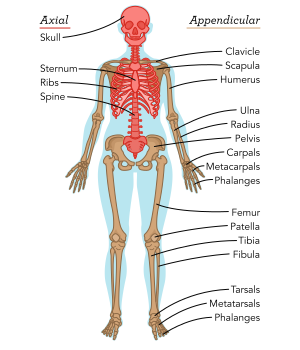
Skeletal anatomy showing the skull, sternum, ribs, and spine of the axial section and clavicle, scapula, humerus, ulnsa, radius, pelvis, carpals, metacarpals, phalanges, femur, patella, tibia, fibula, tarsals, metatarsals, and phalanges of the appendicular section.
SKELETAL ANATOMY
Bone Classification
Bones are classified according to their shape. Long bones, such as the humerus, radius, tibia, and femur, are in the appendicular skeleton. Functionally, the long bones function as levers in mobility. The long bones are composed of the diaphysis and epiphysis. The diaphysis is a long, cylindrical shaft. Within the shaft is the medullary cavity, which contains red and yellow bone marrow. The bone marrow in infants is primarily red. As the individual ages, the bone marrow is replaced by yellow marrow, and by adulthood the bone marrow is about 50% yellow marrow and 50% red marrow. Located at each end of the long bones are the epiphyses. These irregularly shaped ends are either proximal or distal to the shaft. The periosteum covers the bone structure. The primary purpose of the periosteum is to maintain and repair the bone structure. The periosteum is a highly vascular structure that provides nourishment to the bone. There are also many sensory fibers in the periosteum resulting in extreme pain in the event of fracture.
diaphysis
epiphysis
proximal
distal
periosteum
Short bones include the carpal bones in the hands, as well as the tarsal bones located in the feet. Short bones are small with a shape like a cube. The short bones contain mostly cancellous bone. Bones in the hands and the tarsal bones in the feet have a thin layer of cortical bone.
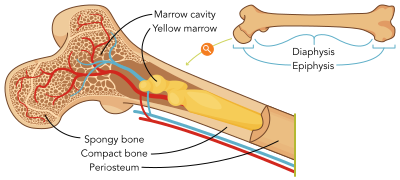
Bone structure anatomy showing the spongy bone, compact bone, periosteum, marrow cavity, yellow marrow, diaphysis, and epiphysis
BONE STRUCTURE
Flat bones, such as the bones of the skull, the ribs, and the scapula, are found in the axial skeleton. Flat bones are thin and may be slightly curved. Thin bones are primarily composed of cancellous bone, with cortical bone on the outer layer. Functionally, the flat bones provide protection for the soft organs.
Irregular bones, such as the vertebrae and the pelvis, are bones that do not fit into the other categories of bones. These irregular bones have different characteristics. The bones of the vertebrae contain spinous, lateral transverse, and articular processes, which allow each vertebra to articulate with the one above and below it. Another irregular bone structure is the pelvis. The pelvis is composed of a pair of hipbones that each have three parts: the ilium, the ischium, and the pubis, which unite into a triangular structure. As humans mature, the assigned sex can be differentiated by the pelvis, as the female pelvis adapts to allow for the presence of the birth canal. Sesamoid bones, such as the patella, are round in shape. The sesamoid bones develop in tendons.
articular
tendons
Bone Tissues and Cells
Bone tissue is classified as either cortical bone or cancellous bone. Cortical bone is compact tissue that is dense and hard. It forms the outside layer of protection for the cancellous bone, which is soft and spongy tissue located on the inside of the bone.
Another type of tissue in the bone is bone marrow. Marrow is a soft, connective tissue that produces red blood cells. In adults, red marrow is located in the skull, ribs, sternum, upper parts of the humerus, the pelvis, and upper parts of the femur. The other long bones have yellow marrow, which does not contribute to hematopoiesis. Yellow marrow is composed primarily of adipose tissues and stores triglycerides.
hematopoiesis
Bones maintain both their strength and flexibility through collagen fibers. This flexibility is needed to prevent bones from easily breaking due to the forces applied on them through day-to-day activities. Each bone also has its own neurovascular supply.
Bones contain several types of cells. Osteoblasts are single-nucleus cells. The osteoblasts have several functions, including forming a collagen compound to create the matrix and releasing calcium and phosphate into the matrix. The osteoblasts also participate in the mineralization of the matrix by producing hormones such as parathyroid hormone and estrogen. Osteocytes are derived from osteoblasts and are linked through gap junctions. The osteocytes help with bone tissue formation, regulation, and breakdown. Osteoclasts are multiple-nuclei cells. The osteoclasts’ functions include resorption of bone tissue, breakdown of bone, dissolution of minerals, and release of minerals into the bloodstream.
osteoblasts
matrix
osteocytes
osteoclasts
After the bone has matured, the osteoclasts and osteoblasts are constantly remodeling the bone. Each bone is completely remodeled every 10 years. The osteoclasts will resorb bone cells, while the osteoblasts will create new cells as part of the bone matrix. The purpose of remodeling is to repair damaged bone and help the body adjust to different loads, forces, and stresses to the bone.
Another function of remodeling is to mobilize calcium from the bone into the blood. Calcium is an essential mineral required for many activities, including muscle contraction and blood clotting. The blood contains a small amount of calcium. The rest of the body’s calcium supply is stored in the skeleton. The release of the calcium from the bones is regulated through hormonal control. The parathyroid hormone responds to low serum calcium levels by causing the release of calcium from the bone, which raises serum calcium levels. Calcitonin, a thyroid hormone, responds to high serum calcium levels by causing the deposit of excess calcium into the bones.
Human growth hormone (HGH) is the primary hormone that stimulates bone growth in children. HGH stimulates growth in the epiphyseal plates, which are located in the long bones. The cell division that causes the growth in the epiphyseal plates stops during puberty as levels of sex hormones increase.
In addition to calcium, other vitamins and minerals are important to bone health. Vitamin D is important for bone mineralization and the ability of the intestine to absorb calcium. Additional minerals important to bone health include phosphorous, fluoride, manganese, and iron.
Typical Laboratory Values Affecting Mobility
Lab | Reference Range | Implication for Mobility |
|---|---|---|
Calcium |
|
|
Vitamin D |
|
|
CK-MM (creatine kinase-MM) |
|
|
Lactate Dehydrogenase (LDH) |
|
|
AST |
|
|
Joints
To promote movement and mobility of the skeletal system, the bones are connected through joints.
Joints can be classified by how they connect (structurally) or by the type of movement they allow.
Joint Classifications
Structural Classification | Description | Movability | Examples |
|---|---|---|---|
Fibrous |
| Immovable | Cranial sutures and bones |
Cartilaginous |
| Partly movable | Intervertebral discs, pubic symphysis, sternocostal joints, and epiphyseal plates in children |
Synovial |
| Movable | Most of the joints in the body, including long bones in the foot, such as tarsals; hands, such as carpals; knees; hips; and shoulders, such as the clavicles |
Synovial joints are the most common joints in the body. The movement of these joints is supported by muscles, ligaments, and other structures. The synovial sacs, also known as bursa, contains synovial fluid and are located in connective tissue close to the joint, in areas where movement is likely to cause friction or shearing forces. The synovial fluid protects the joints by providing lubrication and cushioning, as well as providing nourishment to the cartilage. Synovial fluid is usually a thick fluid that may be colorless or a pale straw color.
ligaments
bursa
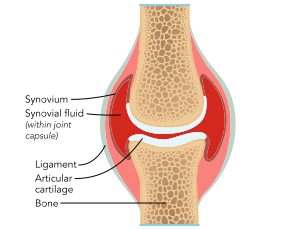
Synovial joint anatomy showing the synovium, synovial fluid with joint capsule, ligament, articular cartilage, and bone
SYNOVIAL JOINT
Types of Synovial Joints
Planar joints allow for side-to-side and back-and-forth motion, such as the bones in the hands.
Hinge joints allow for flexion and extension, such as in the elbow or ankle.
Pivot joints allow for rotational movement, such as the radioulnar joint.
Condyloid joints permit flexion and extension, abduction, adduction, and circumduction, such as in the wrist.
Saddle joints permit flexion and extension, abduction, adduction, and circumduction, such as in the thumb.
Ball-and-socket joints provide for the greatest range of motion and allow for multiaxial movement, such as in the hip.
abduction
adduction
circumduction
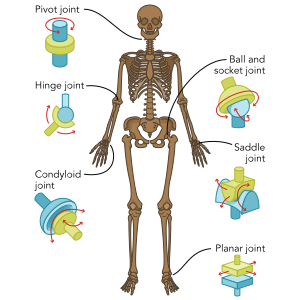
Skeletal illustration showing the type of joints and seven joint movements: pivot joint, hinge joint, condyloid joint, ball and socket joint, saddle joint, and planar joint.
TYPES OF JOINTS
Sort the following joints into the catergories based on their degree of mobility.
Drag the options on the left to their match on the right (or match pairs by first selecting the option on the left and then selecting its match on the right).
Hip joint
Sternocostal joint
Metacarpal joint
Pubic symphysis
Temporooccipital suture
Vertebrae
Fibrous
Cartilaginous
Synovial
Muscles
Muscles provide mobility to the skeletal system. Functions of the muscles include maintaining posture and balance, preventing skeletal deformation, and keeping joints stable. Muscle tissues involved in mobility include skeletal, or striated, muscles. All muscle tissues have the characteristic of excitability. The membranes change from polarized to depolarized and send the action potential along the entire length of the membrane. There are other characteristics of muscles, including elasticity, extensibility, and contractility.
excitability
elasticity
extensibility
contractility
Striated Muscle Structure
The striated, or skeletal, muscle fibers are long and cylindrical and run the entire length of the muscle. Muscle fibers are grouped together in fascicles. The fascicles are layered in connective tissue known as the perimysium and are grouped to form muscles. These muscles are tied together by connective tissue known as the epimysium. Within the muscle bundle are thick and thin filaments. The thick filaments contain myosin and the thin filaments contain actin, tropomyosin, and troponin. Muscle contraction and relaxation relies on actin and myosin, as well as calcium. Tendons attach muscle to bone and are formed by the merging of both the epimysium and perimysium.
fascicles
actin
If a muscle or tendon wraps around the edge of a bone, the area is protected by a bursa. During movement, the muscles and tendons glide over each other and the bursa, which prevents friction.
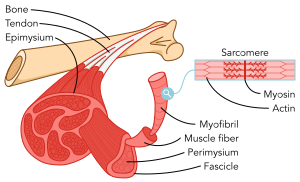
Cross-section of muscle fiber showing bone, tendon, epimysium, myofibril, muscle fiber, perimysium, fascicle, sarcomere, myosin and actin
CROSS-SECTION OF MUSCLE FIBER
Tendons and Ligaments
Tendons are bands of connective tissue that connect muscle to bone. Tendons are encased in lubricated sheaths that allow for movement without friction. Ligaments are cords that support the joints and connect bones to each other. The ligaments consist of elastic fibers and collagen, which allow for slight stretch. The ligaments stabilize the joints, allowing for movement in specific directions.
Neuromuscular Junction
For muscle contraction to occur, the initial impulse begins in the brain. Impulses are transmitted to the motor peripheral neurons located in the spinal cord and then to the targeted muscle through peripheral somatic nerves. Muscle contraction and relaxation relies on adenosine triphosphate (ATP). ATP is produced through the digestion of food and is used in the body for processes requiring energy, such as muscle contraction.
adenosine triphosphate (ATP)
Sequence of Muscle Contraction
Signal: A signal in the form of an action potential enters the neuromuscular junction.
ACh release: Action potential causes ACh release, which adheres to receptors and causes sodium ion channels to open, resulting in a further action potential in the sarcolemma.
Enters tubules: Action potential traverses the T-tubules.
Filament interaction: Thick and thin filaments work together to cause muscle contraction.
Fibers shorten: Contraction causes muscle shortening and produces movement or stability by tension.
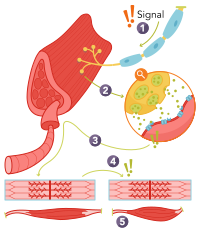
5 sequence of muscle contraction: first is the signal, second is ACh release, third is entering the tubules, fourth is filament interaction, and fifth is shortening of fibers.
SEQUENCE OF MUSCLE CONTRACTION
Muscle Tone
Muscle tonus (or tone) is the state of partial contraction of a muscle when not in active use and is needed for maintained posture. Muscle tone is a complex process requiring motor and nervous system control. Impaired muscle tone is due to a loss of control in the nervous system and may be attributed to hypertonia or hypotonia. Both rigidity and spasticity are considered hypertonia and may be caused by injury to the brain or spinal cord.
tone
hypertonia
hypotonia
Etiology and Risk Factors
The ability to move freely involves intact musculoskeletal and nervous systems; alterations in these systems result in immobility. Immobility may affect a single limb or may involve the body’s ability for free movement. Musculoskeletal alterations include sprains, strains, and fractures, as well as diseases of the bones, muscles, or joints. Conditions affecting the bones include disorders such as osteoporosis and osteopenia. An example of a condition that affects the muscles is sarcopenia.
sprains
strains
sarcopenia
Neurological conditions causing movement disorders may lead to excessive movement or limited or difficulty in movement. The underlying etiology of neurological movement disorders vary with the disease. Movement disorders such as Huntington’s disease and Wilson’s disease may be connected to an inherited or genetic cause. Conditions such as ataxia and multiple system atrophy may be due to degenerative disorders, while tardive dyskinesia results from long-term use of certain medications. Parkinson’s disease is a slowly progressive degenerative disease.
While conditions causing alterations in mobility can occur at any age, they are more likely to occur in older adults. Increasing age can lead to reduced movement due to less muscle tone, force, and power. This can lead to the older client having decreased mobility required for level walking or stair climbing.
Physical and psychosocial issues also may contribute to alterations in physical mobility. Pain is one of the physical factors affecting mobility. Pain may be caused by an initial injury, the disease process, or a surgical repair. Clients who are critically ill or confined to the hospital are at risk for immobility due to medical devices that restrict movement such as monitoring cords and intravenous pumps. Additionally, clients may worry about being a burden to staff, which contributes to their immobility. Psychological risk factors due to loss of mobility include depression and anger, low confidence in ability to mobilize, as well as a lack of dignity.
Which of the following neurological conditions may cause a problem with mobility?
Select all that apply.
A
Parkinson’s disease
B
Huntington’s disease
C
Epilepsy
D
Ataxia
E
Adult attention deficit disorder
Comorbidities
Problems with mobility may be present without any concurrent disease or may result from an existing disease or procedure. A client undergoing a surgical procedure, regardless of the cause, is at risk for developing problems with mobility. The existence of chronic respiratory or cardiovascular conditions, such as chronic obstructive pulmonary disease or heart failure, may restrict the client’s endurance during movement.
Chronic neurological problems such as Parkinson’s disease may lead to immobility. Immobility can lead to an increased risk of comorbidities such as cardiovascular disease, venous thromboembolism, respiratory complications, and respiratory conditions.
venous thromboembolism
Epidemiology
Worldwide data shows that about 1.7 billion people live with some type of movement disorder. Aging increases the likelihood of experiencing movement disorders, but they can affect people of any age. Musculoskeletal disorders are the leading contributor to workforce concerns, as many musculoskeletal disorders lead to disability and early retirement. The cost of immobility includes the financial concerns of prolonged hospital stays, along with the psychosocial concern of a lower quality of life.
Impact on Client’s Overall Health
There are many physiological and psychosocial health challenges clients with alterations in mobility may experience. Both mental and physical decline can occur quickly.
Physiological
Clients experiencing alterations in mobility may face several physiological impacts on their overall health. These challenges include loss of function and physical conditioning. The longer the period of immobility, the greater the risk for loss of muscle mass.
Psychosocial
Clients coping with alterations in mobility face many psychosocial concerns. The client may experience frustration and depression at the loss of independence. With prolonged immobility, the client may also experience a loss of cognitive function. A loss of confidence may lead to further problems with mobility as it increases the risk for falls.
Effects of Immobility
Nervous System
Confusion
Depression
Loss of confidence
Loss of cognitive function
Cardiovascular System
Decreased cardiac output
Venous stasis
Orthostatic hypotension
Deep vein thrombosis (DVT)
Pulmonary System
Pneumonia
Decreased cough reflex
Pulmonary secretion pooling
Hypoventilation
Atelectasis
Decreased lung expansion
Gastrointestinal System
Swallowing difficulties
Incontinence
Constipation
Fecal impaction
Bowel dysfunction
Anorexia
Increased intestinal gas
Heartburn
Aspiration
Malnutrition
Genitourinary
Incontinence
Urinary tract infections (UTIs)
Urinary retention
Integumentary System
Skin breakdown
Pressure injuries
Infections
Abrasions
Tissue damage
Inflammation over bony prominences
Friction and shear
venous stasis
deep vein thrombosis (DVT)
Considerations of the Aging Adult
The musculoskeletal system goes through many changes throughout life. Bone density begins to decrease after age 30. Clients experiencing menopause may have accelerated loss of bone mass, making their bones more fragile.
Aging also causes changes to connective tissue and cartilage in the joints. Cartilage becomes thinner and resilience in the joint declines. Because of this, the joints are more susceptible to damage. In some clients, this may lead to osteoarthritis due to the joints’ inability to glide or slide over each other. Ligaments and tendons are also made of connective tissue, and aging causes them to become more rigid and brittle. The aging individual may also experience a loss in range of motion.
Like bones, muscles also experience a loss of mass starting at age 30, which progresses throughout the rest of life. This is known as sarcopenia. Because of loss of muscle mass, sarcopenia also results in a loss of strength. This muscle loss adds stress to some of the joints and can lead to an increased risk for falling and arthritis. Loss of muscle mass can be overcome or delayed with regular physical activity.
A nurse is caring for an older adult client who has an alteration in mobility. Which of the following are physiological changes that commonly occur in the older adult?
Select all that apply.
A
Thinner and less resilient cartilage
B
Increased range of motion
C
Rigid and brittle tendons
D
Loss of muscle mass
E
Fewer bursa sacs
Consequences of Immobility on Other Body Systems
Clients may experience a variation in range of mobility, depending on their age and overall health. Immobility may be caused by an acute problem, such as a fracture or sprain, or due to a chronic problem, such as Parkinson’s disease or multiple sclerosis. Mobility changes can lead to a variety of complications systemically.
Whether it is because of the aging process, chronic disease, or an acute injury, the effects of immobility can be profound. The effects can go beyond the musculoskeletal system and affect a client’s everyday life. A decrease in ability to have an active lifestyle, socialize with others, and perform activities of daily living are ways that immobility affects the psychosocial aspects of the individual.
Connections
Traumatic Injuries in Young Adults
The risk of immobility to young adults is generally related to unintentional injuries. These may be sports-related injuries or inadequate rest time or hydration during activity. Many young adults may sustain injuries causing immobility in motor vehicle crashes.
Home Environment Hazards
Safety at home is essential to prevent injuries that can result in alterations to mobility. This is especially important for older adults. Ways to prevent falls at home include repairing broken or uneven steps, removing throw rugs, and clearing other clutter. Other risk factors include side effects from medications, sensory problems, and poorly fitted footwear.
Safety Concerns for Young Adults
Young adults are at risk for experiencing violence, including interpersonal violence and bullying. In addition, depression is a concern with young adults. The risk for depression may lead to unsuccessful suicide attempts, which may result in problems with mobility. Early recognition of these risks along with ongoing support for clients facing these problems help to improve outcomes. Another safety concern for young adults is substance use. Substance use can lead to reduced inhibitions, which can cause risky behaviors and an increased risk for injury and mobility concerns.
Clinical Presentation
Synovitis
Clinical Presentation
Synovitis involves an inflammation of the synovial membrane. Synovitis may be caused by a contusion or sprain, repetitive motion, or disease processes such as rheumatologic diseases or infection. The manifestations include painful joints that worsen with movement and swelling at night. Full extension of the affected limb is not possible without an increase in pain. Diagnostics will include ultrasound, possible MRI, and aspiration of synovial fluid.
synovitis
This condition is managed symptomatically. The client may use heat or ice to improve comfort and reduce pain. The client may need anti-inflammatory agents to reduce inflammation and improve pain.
Arthritis
Clinical Presentation
Arthritis is an inflammatory condition of the joints. The manifestations of arthritis include joint pain and stiffness, swelling, and decreased mobility. As there are more than one hundred types of arthritis, there are many different causes. These causes include aging, autoimmune disorders, viral and bacterial infections, or damage to the articular cartilage. Additionally, sometimes the cause is unknown.
articular cartilage
Fluid can accumulate in the intra-articular spaces of synovial joints. The fluid in the intra-articular space is known as joint effusion. Effusions can be small and asymptomatic or large and symptomatic. In larger joints, such as the knee joint, the effusion may be caused by overuse, trauma, changes in osteoarthritis, and infections. Osteoarthritis, gout, and trauma are the conditions most frequently seen in practice. The presenting manifestations of effusion include swelling of the affected joint, restricted movement, and pain. In larger joints such as the knee, the client may have difficulty bearing weight and their gait should be evaluated.
joint effusion
gout
If the client who has mobility problems develops a raised temperature, it may be an indication of a septic joint from septic arthritis. Management of arthritis includes immobilization of the joint with a brace, anti-inflammatory agents or acetaminophen, and cold packs.
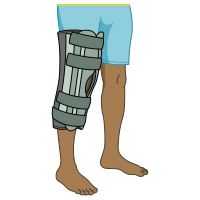
IMMOBILIZATION WITH A BRACE
Lab Testing and Diagnostic Studies
Diagnostics for arthritis include radiographic imaging (x-rays) of the affected joint, looking at both the anterior-posterior and lateral views. An ultrasound may be used for diagnostic purposes and to assist in removing the fluid through arthrocentesis.
arthrocentesis
Muscle Atrophy
Clinical Presentation
Muscle atrophy is the loss of muscle tissue from disuse. Causes of muscle atrophy include prolonged bedrest, aging, or medical conditions, such as multiple sclerosis or stroke. Prolonged immobilization of a limb or muscle group can lead to muscle atrophy. Early resumption of activity, when able, can strengthen the muscle and reduce the risk of atrophy.
Lab Testing and Diagnostics
Diagnostic testing will include x-rays to rule out fractures. Panoramic ultrasound as well as MRI may be used to evaluate muscle atrophy . A neuromuscular electrical stimulation (NMES) device can be used by a physical therapist to cause involuntary muscle contractions.
Bedside evaluation is the most frequent tool used for evaluating muscle atrophy. The clinician evaluates muscle strength, balance, and coordination. Disuse syndrome is a consequence of rapid muscle atrophy and can lead to long-term functional disability. Early interventions of rehabilitation through either a low-to-moderate intensity program or a higher-intensity program accelerate muscle and functional recovery.
Osteoporosis
Clinical Presentation
Osteoporosis is a softening of the bones often associated with aging, specifically with postmenopausal clients. This bone loss occurs in the cortical and cancellous bones and can lead to fractures with minimal to no trauma. Osteoporosis can be either primary or secondary. Primary causes include aging, gonadal insufficiency, decreased calcium intake, and low vitamin D levels. During bone remodeling there is an increase in bone resorption, resulting in a decreased bone mass. Secondary osteoporosis may be caused by different disease processes such as chronic kidney disease (CKD), chronic obstructive pulmonary disease (COPD), multiple myeloma, endocrine disorders, rheumatoid arthritis, and malabsorption syndromes.
Osteoporosis is generally an asymptomatic disorder and is not often diagnosed until a fracture occurs. When osteoporosis causes fractures in the vertebral bones, there may be acute pain with a result of residual pain for several months. When osteoporosis causes thoracic compression, it can lead to kyphosis, cervical lordosis, and shortness of breath and compression on the abdominal cavity.
kyphosis
cervical lordosis
Lab Testing and Diagnostics
A dual-energy x-ray absorptiometry (DXA) is used to screen for and diagnose osteoporosis. DXA measures bone density and can look for osteopenia and osteoporosis. Plain x-rays may be ordered but are not considered diagnostic for osteoporosis. Other evaluations will include serum levels of calcium, magnesium, phosphorous, liver enzymes, PTH levels, thyroid levels, and tests to rule out cancer.
Osteoarthritis
Osteoarthritis is the most common disease of the joints. It is a chronic degenerative disease typified by loss of joint cartilage. The loss of joint cartilage leads to bone-on-bone contact, resulting in bone hypertrophy. The joints most often affected are those that sustain the most repetitive use or weight-bearing forces such as the hands, hips, knees, and the disks in the cervical and lumbar vertebrae.
The effects of osteoarthritis on mobility vary depending on the affected joint and the extent of the disease. Osteoarthritis in the cervical or lumbar vertebrae may lead to back or leg pain, aggravated by walking. Osteoarthritis in the hip can lead to a loss of range of motion of the hip and pain, which is aggravated by weight-bearing activities. Osteoarthritis of the knee can lead to an unstable joint as the ligaments become lax. Osteoarthritis in the hands, also described as erosive osteoarthritis, primarily affects the distal interphalangeal and proximal interphalangeal joints. (For more information on osteoarthritis, see lesson on Alterations in Immunity and Inflammatory Process.)
Connections
Clients may experience complications due to immobility. Many of the complications result from the stasis of the blood. Complications such as pressure injuries, atelectasis, alterations in elimination, and venous thromboembolism are all are results of the stasis of blood.
atelectasis
Integumentary (Pressure Injury)
Pressure injuries most often occur in the areas that sustain the most pressure, such as the sacrum, heels, and other bony prominences. Tissue damage due to high pressure can occur after just a few hours of immobilization. For clients who develop pressure injuries due to immobilization, positioning may be limited to areas free from pressure injuries, thus increasing their risk for pressure injuries in those areas, as well.
Respiratory (Atelectasis)
Immobilization puts the client at risk for developing respiratory problems, including pneumonia and atelectasis. Older clients are at the greatest risk for development of pneumonia due to anatomical changes associated with aging. The use of anesthetic and sedating agents, along with prolonged bedrest, put clients with mobility problems at a greater risk for compromised respiratory function.
Elimination
The client with alterations in mobility is at risk for problems with both bowel and bladder elimination. Immobilization increases the risk for development of urinary calculi and UTIs. Normal urinary function relies on gravity for elimination of urine from the bladder. For the client on bedrest, the urine continues to form and be transported to the bladder, but the bladder may not empty completely or the client may not notice the pressure on the urinary sphincter. These contribute to the development of renal calculi, UTIs, and also urinary incontinence.
Constipation is a concern for a client with immobility. There are many contributing factors, including bowel immobility, use of sedating agents, lack of privacy, dehydration, and changes in normal dietary habits and routines.
Nervous System
Prolonged immobility may result in alterations in the nervous system, including a reduction in production of serotonin. As a result of decreased serotonin, the client may experience alterations in mood such as depression and changes in their cognitive skills.
When the prolonged immobility occurs in a hospitalized setting, the client is at risk of developing sensory deprivation due to the lights, sounds, and frequent assessments required in the hospital. This can lead to changes in behavior such as restlessness and aggression. Anxiety and hopelessness may occur due to prolonged bedrest leading to a feeling of uncertainty. Sensory deprivation can also lead to insomnia and a reduced pain threshold. Another concern with prolonged immobilization is “learned helplessness,” when the client relies on nurses and others to manage many of their personal needs, including positioning and meals, the client becomes reliant on others to manage many of their personal needs.
Role of the Nurse
The physical and psychological toll immobility takes on an individual is immense, and the nurse has an important role in preventing complications and reducing the impact of immobility. Mental and physical changes may occur quickly. Up to 10% of muscle mass can be lost after just 10 days of immobility. Immobility can lead to longer hospital stays, frequent hospital readmissions, and higher mortality rates. Early mobilization has been a mainstay in preventing many complications for hospitalized clients. Hospitalized clients that get out of bed and walk reduce the length of their hospital stay and the risk of developing complications.
Environmental Factors
There are many barriers to client mobilization, including client illness, client resistance to mobility, and restrictions of the environment. Encourage client mobilization and assist the client with mobility. Assess the client and determine their mobilization needs, such as the need for additional mobility equipment. Using a standardized tool, such as the bedside mobility tool, to assess the client’s mobility provides a consistent approach to managing client mobility on a day-to-day basis.
Safety Considerations
Equipment to aid in mobilization may be necessary to safely mobilize the client. Equipment is necessary to keep both the client and the nurse safe during mobilization. Health care settings may require attendance at workshops aimed at reducing workplace injury during mobilization. It is the nurse’s responsibility to ensure understanding on how to use any equipment that is available for client mobilization within their workplace environment.
Client Education
The nurse’s role in managing mobility includes educating the client about mobility, including the importance of mobilization, the expected movement, as well as the technique or process of mobilization. Clients often perform mobility tasks better when the nurse does the exercises with the client. Assess the client’s the cognitive status, sensory ability, and balance to determine if it is safe for the client to mobilize independently.
In addition to early ambulation, encourage clients who are able to sit in the chair for meals and to perform self-care activities as independently as possible. Pain management is essential to ensure the client can be active and have adequate sleep.
Fall prevention and other safety measures are an important role of the nurse for the client with problems with mobility. Assist and evaluate the client’s ability to safely use walking aids.
The nurse is caring for clients at risk for immobility. Which of the following actions should the nurse include to prevent complications of immobility?
Select all that apply.
A
Explain the importance of mobilization.
B
Demonstrate exercises with the client.
C
Assess the client’s cognitive status.
D
Provide a complete bed bath.
E
Determine if the client can mobilize independently.
Nursing Process
Recognize Cues (Assessment)
Assess the cognitive status of the client and their ability to follow simple directions. Assessment should include the client’s ability to reposition themselves in a bed or chair, perform activities of daily living, and move safely from bed to chair.
Recognize cues such as:
Confusion, depression, delirium
Inability to follow directions
Unsteady gait
Verbalization of pain or grimacing with movement
Muscle strength, muscle mass
Sensory disorders
As part of a daily mobility assessment, incorporate a tool such as the bedside assessment mobility tool (BMAT), which evaluates the client’s control of muscles in the core and the back as well as their ability to sit, shake the nurse’s hand, stretch, stand safely and with stability, and to take steps.
Pain
The client may experience pain due to the injury itself or based on the interventions and management, such as surgery or immobilization. Nursing interventions will be directly related to assessment of pain and pharmacological and nonpharmacological pain management. Pain will be assessed thoroughly using a reliable, consistent tool such as the OPQRST mnemonic and should include information designed to determine the extent and description of the pain, in addition to the client’s rating of pain on a standard 0 to 10 scoring system. Circulation should be assessed in the affected extremity, especially if there is a cast or other immobilization device. Assess the six Ps of circulation: pain, pallor, pulselessness, paresthesia, poikilothermia, and paralysis. Assess for the ability of the client to move the affected limb and the color or change in color, such as pallor or cyanosis. For limbs in casts, ensure the cast is not too tight. Nonpharmacological pain management includes positioning, splints, or pillows for support.
pallor
paresthesia
poikilothermia
Analyze Cues and Prioritize Hypothesis (Analysis)
Upon recognizing cues of alterations in mobility, analyze and begin to prioritize hypotheses for client care. Consider hypotheses related to immobility caused by arthritis, osteoporosis, muscle atrophy, synovitis, and osteoarthritis. These include pain in the joints, pain due to falls, anxiety due to a fear of falling or the inability to move freely, and weakness due to stiffer joints. Safety is another major concern for these clients due to potential for falls. Also determine if the cues suggest possible complications such as DVT, infections, or constipation.
Generate Solutions (Planning)
Once the priority problems for alterations in mobility have been determined, generate solutions. The goals for care for a client with mobility problems include restoring previous level of function, maintaining and restoring mobility of the injured area, preventing complications, and restoring pain-free movement. For clients who have limited mobility in their hands and wrists because of synovitis or arthritis, the goals should relate to being able to perform activities of daily living without pain.
Take Action (Implementation)
Implement interventions specific to the client’s mobility needs. A transcutaneous electrical nerve stimulation (TENS) unit may be applied for pain relief. Pharmacological interventions include acetaminophen, nonsteroidal anti-inflammatory agents, muscle relaxants, and corticosteroids.
transcutaneous electrical nerve stimulation (TENS)
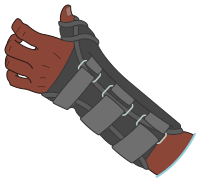
HAND IN SPLINT
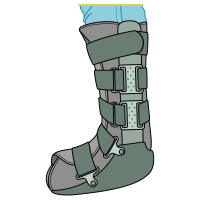
FOOT IN WALKING BOOT
OPQRST Pain Assessment Mnemonic
O: Onset
P: Provoking or palliating factors
Q: Quality
R: Region and radiation
S: Severity
T: Time and treatment
Transcutaneous Electrical Nerve Stimulation (TENS) Unit
A TENS unit uses low-voltage electrical stimulation for pain relief. The electrodes are placed near the nerves associated with the pain.
These devices can be used to treat several conditions causing chronic pain, including low back pain, osteoarthritis, and bursitis. The TENS unit is battery operated, about the size of a cell phone, and can be used in conjunction with pharmacological pain medication.
There are few side effects with use of a TENS unit, with the rare exception of small burns at the sites of the electrodes. TENS units are contraindicated for pregnant clients, if the client has an existing implantable device, or if the client has a bleeding disorder, DVT, cancer, or seizure disorder.
A nurse is caring for a client who has lower back pain. The client asks about using a transcutaneous electrical nerve stimulator (TENS) unit. Which of the following would be a contraindication of use of a TENS unit?
A
Chronic low back pain
B
Small cell carcinoma
C
Fractured bone in the foot
D
Chronic bursitis
Osteoporosis
Treatment of osteoporosis includes modification of risk factors. Vitamin and mineral supplements that include calcium and vitamin D should be prescribed. Other pharmacological managements include antiresorptive, anabolic, and monoclonal antibodies. The USPSTF recommends against routine use of hormone therapy (estrogen alone or combination estrogen and progestin) for prevention of osteoporosis in postmenopausal clients. Hormone therapy may be appropriate for clients who have osteoporosis and do not tolerate other prescribed medications.
Medications for Osteoporosis
Antiresorptive: Includes Bisphosphonates
Antiresorptive: Hormones, Estrogens, and Selective Estrogen Receptor Modulators (SERM)
Monoclonal Antibody Against RANKL
Analog Agents
Calcium
Calcitonin
Medications
Oral:
Alendronate (Fosamax) Risedronate (Actonel)
Ibandronate (Boniva)
IV:
Pamidronate
Ibandronate
Zoledronic acid (Reclast/Zometa)
Actions
Used for clients with low bone density.
This category of medications strengthens bones and prevents further bone fractures.
Nursing Considerations
Used along with calcium and vitamin D supplements.
Good dental exams are needed before beginning these medications as there is a rare risk of osteonecrosis of the jaw.
A client who has osteoporosis is prescribed bisphosphonate. Which of the following instructions is important for the nurse to include?
A
“Avoid calcium-rich foods while taking.”
B
“Notify the provider if you have pain in your hips or groin.”
C
“If you experience sudden pain in your calf, be sure to elevate your legs.”
D
“Be sure to have a dental exam before starting this medication.”
Immobility
The client who experiences a musculoskeletal injury is at risk for further immobility due to pain and discomfort as well as fear of further injury. Immobilization may be medically required. Nursing interventions include a thorough mobility assessment using a reliable tool such as the BMAT. Encourage self-care and independence and promote movement and exercises in nonaffected areas. Encourage the client to follow the prescribed exercise plan for the affected extremity.
Safety
Safety is a concern for clients with a musculoskeletal injury. Clients may be fearful of further injury. Interventions include assessing the client’s cognitive status; employing safety measures, including adequate lighting and clear pathways; and instructing and evaluating the client in their use of mobility aids such as canes, walkers, or wheelchairs. Guidelines for mobilization of critically ill clients include stable neurological, respiratory, and cardiovascular findings. Also focus on preventing complications of immobility.
Deep Vein Thrombosis
Immobility increases the potential for development of DVT. A client with DVT may have pain, tenderness, and edema in the lower extremities. Acute shortness of breath, chest pain, and blood-tinged sputum indicate a possible pulmonary embolism.
Early ambulation as the client is able should be encouraged. The client should also maintain hydration and wear antiembolism stockings or pneumatic compression devices. Administer anticoagulants as ordered by the provider.
Pneumonia
The client who is immobile is at risk for pneumonia due to stasis of secretions in the lungs and poor lung expansion. The client may have a productive cough, fever, chills, and manifestations of hypoxia. To promote lung expansion, some of the interventions are early ambulation when the client is able and elevation of the head of the bed to semi-Fowler or higher. The client should be repositioned frequently when in bed and advised to complete deep breathing exercises.
Constipation
The client with immobility is at risk for constipation due to the potential use of opioid pain medications and limited activity. The client may have abdominal pain and hard stools. Actions to prevent constipation include encouraging early ambulation when able to promote bowel motility. Promote bowel function by encouraging oral fluids, minimally 1,500 mL daily, and a diet high in fiber, unless otherwise contraindicated. Also promote bowel elimination by regular toileting, providing laxatives as needed, and providing privacy during toileting.
Evaluate Outcomes (Evaluation)
After implementation, evaluate and reassess for effectiveness of the intervention. Goals and interventions should be reevaluated if the client continues to have restricted movements, has unmanageable pain with movement, or is experiencing a complication. Clinical guidelines for mobilization of critically ill clients include criteria for discontinuing a mobility activity. These include a heart rate below 50/min or above 140/min, oxygen saturation below 88%, significant chest pain or arrhythmia, malfunction or accidental removal of a medical device, bleeding, and distress reported by the client.
Treatments and Therapies
Assistive Devices
Clients who experience alterations in mobility may require assistive devices to support free movement. Assistive devices include splints, casts, and immobilizers.
Range of Motion and Other Physical Therapies
Alterations in mobility may be managed with physical therapy. The physical therapist will work with the client to restore range of motion in the affected limb, as well as strengthen the other muscle groups to provide support during healing. The physical therapist will work with clients to progress to ambulation.
Orthopedic Surgeries
Arthroscopy
Total Joint Replacement
Laminectomy
Osteotomy
Allows for direct visualization of the affected joint.
Nursing Considerations
Postoperative care includes neurovascular checks and assessment of surgical dressings.
Postoperative teaching includes application of ice, use of analgesics, use of adaptive aids such as crutches, and weight-bearing exercises.
.
A nurse is caring for a client who is postoperative following a total hip arthroplasty. Which of the following actions should the nurse take?
Select all that apply.
A
Monitor the client for compartment syndrome.
B
Maintain the client in the supine position.
C
Teach the client to avoid crossing their legs.
D
Perform neurovascular checks.
E
Obtain a raised toilet seat.
Rehabilitation
The goal of management for clients with mobility problems is to restore previous function and provide rehabilitation and mobility of the affected area. Rehabilitation of the alteration in mobility is ideally done before disability develops.
Medications
Pharmacological agents may be used in addition to exercise and weight-loss programs. These agents include nonopioid analgesics such as acetaminophen. Nonsteroidal anti-inflammatory drugs (NSAIDs) may be used along with other analgesic agents. NSAIDs may be given orally or topically in the superficial joints. Short courses of oral corticosteroids may be used to relieve pain and reduce inflammation. Hyaluronic acid formulations may be injected into the knee to relieve pain and discomfort.
Medications for Osteoarthritis
Nonopioid Analgesics
Nonselective Nonsteroidal Anti-Inflammatories (NSAIDs)
COX-2 Inhibitors, Nonsteroidal Anti-Inflammatory
Corticosteroids
Medications
Oral: Acetaminophen (Tylenol)
Actions
Reduces sensation of pain and reduces fevers.
Nursing Considerations
Too much acetaminophen is toxic to the liver. Take no more than 4 g per day.
Be aware of acetaminophen in other products.
Client Teaching
Client teaching should include information about any devices or supports to be used. Exercise programs should be explained completely. Any modifications in activities of daily living should be thoroughly explained. Pathophysiology
Injuries to soft tissues are often described as strains, sprains, and contusions. The soft tissues that cause a risk to mobility are muscles, tendons, and ligaments. These injuries may be due to repetitive use or traumatic causes. Soft tissue injuries with a traumatic cause, such as a motor vehicle crash, may be accompanied by other injuries, such as fractures.
contusions
Strains and sprains are graded based on the extent of injury. A first-degree injury is stretching of the fibers, a second-degree injury is a tearing of some to most of the fibers, and a third-degree injury is a complete tearing of the injured fibers.
Strains are caused by partial or complete tears in muscles and are often caused by repetitive use. Assessment of a strain reveals that movement remains intact, but there will be pain and the client may experience swelling of the area. Partial tears causing strains will often heal without intervention. If the strain is caused by a full tear in the muscle, surgical intervention may be needed. Sprains are caused by partial or complete tears in the ligaments.
Etiology and Risk Factors
Soft tissue injuries occur in tendons or ligaments. Exercise or sports activities can lead to strains and sprains, as well as everyday activities. These injuries can be acute, such as with a sudden fall, or overuse injury, such as with repetitive actions. The most frequently affected joints are the ankles, knees, and wrists.
Comorbidities
Soft tissue injuries most often occur due to sports injuries. Clients at risk for falls or weakened joints may sustain soft tissue injury. Older adults are at risk for a soft tissue injuries due to proprioception issues, impaired reflexes, and osteoporosis.
Epidemiology
Musculoskeletal injuries, such as sprains, strains, and fractures, are common. The cause of the injury varies. The injury may be due to a more severe traumatic injury or may occur in isolation. Around 10% of all emergency department visits are related to ligament strain or sprain.
Impact on Client’s Overall Health
The client may experience pain with activity of the affected joint for a few days after injury. They may require a walking boot or splint for a short period of time to relieve pain.
Physiological
Maintaining good physical health and regular fitness programs may prevent soft tissue injury. Fitness programs should be well balanced and include flexibility training such as yoga, cardiovascular exercise such as jogging, as well as strength training such as lifting weights. Routines should incorporate a warm-up period, plenty of water, and a cool down period.
Psychosocial
After a soft tissue injury, the client may have fears of reinjury. They may have hesitation to return to activities that caused the injury and once they do return, the fear of re-injury can increase. Depression and anxiety can lead to stress fractures in athletes.
Considerations of the Aging Adult
Older adults are at increased risk of soft tissue injuries for many reasons. These include a decrease in protective reflexes, vision losses, and changes in equilibrium. Additionally, the older adult may be on medications that alter their equilibrium or lead to medical concerns such as orthostatic hypotension.
Connections
Traumatic or Sports Injuries
Participation in athletic or recreational activities leads to an increased risk for a soft tissue injury. Return to play after a soft tissue injury may lead to a decline in performance as many athletes have fears of reinjury.
Home Environment Hazards
Falls, which often occur at home, are one of the causes of soft tissue injuries. To prevent falls at home, it is important to clear areas of clutter and tripping hazards. If there are stairs in the home, stair handrails should be secure. Any spills or leaks should be cleaned up promptly to prevent slippery floors and rugs should be secured. Safety bars in the bathtub or shower provide balance for clients with impaired mobility as they get out of the bathtub.
The nurse is assessing a client in the home for risks of soft tissue injuries related to falls. Which of the following factors increases the client's risk of falling?
Select all that apply.
A
Throw rugs present throughout the home.
B
Having railings on each stairwell.
C
Taking sleeping medication before bed.
D
Good lighting in walkways.
E
Pets are present in the home.
Clinical Presentation
Clinical Presentation
Clients with a soft tissue injuries present with pain, tenderness, and swelling of the injured area. When palpating the injured area, the tenderness will be markedly worse in one localized area, but may extend outward from the injury. Swelling may be present immediately or may not occur for several hours after the incident.
Lab Testing and Diagnostic Studies
Diagnosing a client with a soft tissue injury includes collecting a client history of the injury. A plain x-ray will be done to rule out fracture. After confirmation that there is no fracture, bedside stress testing may be performed to evaluate the stability of the joint. A bedside stress test involves evaluating the range of motion of the joint.
Connections
If deformity is present, it is likely a fracture or dislocation. Partial tendon tears may produce an inconclusive exam and can progress to complete tears if untreated. Suspected partial tendon tears should be splinted until further testing can be completed.
Sleep and Rest
Pain is one of the manifestations of a soft tissue injury and the presence of pain can impact the client’s ability to rest comfortably. Pain affects the quality and depth of sleep. Likewise, poor sleep intensifies the feeling of pain. The client with a soft tissue injury should consider taking pain medication before bed or using a sleep aid. Nonpharmacological strategies include relaxation techniques, mindfulness, positioning and pillow supports, use of heat or ice, and distraction techniques.
Role of the Nurse
Environmental Factors
The role of the nurse when caring for a client after a soft tissue injury is to ensure the environment is safe and prevent further injury from occurring. If the nurse is at the scene where the injury occurred, they should ensure the scene is safe to provide initial care. For clients presenting to the clinic or the emergency department, assess for other manifestations of injury and ensure the client is stable.
Encourage the client with a soft tissue injury to mobilize when able and assist as necessary. Assess the client and determine the need for mobility devices or immobilization devices. Using a standardized tool, such as the bedside mobility tool, to assess the client’s mobility provides a consistent approach to managing client mobility on a day-to-day basis.
Safety Considerations
A soft tissue injury may not be extensive enough to prevent mobilization, but if there are associated injuries, the nurse may need to arrange for appropriate mobilization equipment. The nurse and care team should be trained in use of mobilization equipment to keep the client safe during mobilization.
Individual Factors
Every client will have different challenges when dealing with a soft tissue injury. The nurse must take into account the individual needs of the client. Include other members of the health care team to ensure safe care delivery for the client with a soft tissue injury.
Client Education
When caring for a client with a soft tissue injury, first assess the injury, including any treatments already provided. The client should be encouraged to protect the area from further injury, rest, and apply ice at 10- to 20-min intervals. Ice should cause vasoconstriction to the site, which will decrease the amount of swelling. The injured area should be wrapped with a compression wrap such as an elastic bandage to reduce swelling and pain. The injured limb should be elevated, ideally above the heart, which promotes drainage and decreases swelling. The acronym PRICE helps the nurse to remember the steps: protect, rest, ice, compress, elevate.
Nursing Process
Recognize Cues (Assessment)
To recognize a problem with mobility related to a soft tissue injury, note cues such as an unsteady gait or pain with movement. The client may verbalize pain or give nonverbal cues, such as grimacing. The client may demonstrate a difference in muscle strength or mass between sides. Observe for any sensory disorders, such as visual deficits, that contribute to problems with mobility.
Analyze Cues and Prioritize Hypotheses (Analysis)
Upon recognizing and analyzing the clinical cues, the nurse should have formed several hypotheses for client care. These include pain and immobility risk for further injury or reinjury. Psychosocial concerns include anxiety, depression, and fear.
Generate Solutions (Planning)
Once the priority hypotheses have been established, the nurse should generate solutions. The goals for a client with soft tissue injury are to restore previous level of function and to maintain and restore mobility of the injured area. Planning should include safe return to previous level of activity.
Take Action (Implementation)
Pain
The client may experience pain due to the injury and interventions. As with all cases of immobility, assess for pain. The affected extremity should be assessed for adequate circulation by checking for the presence of a pulse, the color, temperature, and movement. Nonpharmacological pain management includes positioning, splints, or pillows for support and follows the protocol of protect, rest, ice, compress, and elevate. Pharmacological interventions include acetaminophen, nonsteroidal anti-inflammatory agents, muscle relaxants, and corticosteroids.
Ice Application
Ice is recommended as a treatment for soft tissue injuries. Clients should be taught to apply ice intermittently for the first 24 to 48 hr. Ice should be left in place for no more than 20-min intervals. Ice or a cold pack should not be placed directly on the skin; it should be wrapped in a towel or plastic wrap. An elastic wrap-style bandage can be used to secure the icepack in place.
Immobility
Assess the client’s range-of-motion of the affected area and promote exercise and movement in the nonaffected areas. Assist the client to follow the prescribed exercise plan.
A nurse is providing teaching to a client who experienced a soft tissue injury of their leg. Which of the following statements should indicate to the nurse that the client understands the teaching?
Select all that apply.
A
“I should avoid applying a cold pack if I am in pain.”
B
“I should place a cold pack on my bare skin.”
C
“I should remove a cold pack after 20 minutes.”
D
“I should sit in a chair with my feet touching the floor.”
E
“I can use an elastic bandage to hold the cold pack in place.”
Evaluate Outcomes (Evaluation)
After implementation, evaluate and reassess for effectiveness of the intervention. Goals and interventions should be reevaluated if the client continues to have restricted movements. If the client’s pain is unmanageable with movement, the outcomes and actions should be reevaluated. If the client is experiencing a complication, reevaluate the plan of care.
Treatments and Therapies
Assistive Devices
A client with a soft tissue injury may require assistive devices to support free movement. Assistive devices including splints, casts, and immobilizers.
Range of Motion and Other Physical Therapies
Soft tissue injuries may be managed with physical therapy. The physical therapist will work with the client to restore range of motion in the affected limb, as well as strengthen the other muscle groups to provide support during healing. The physical therapist will work with clients to progress to ambulation.
Rehabilitation
The goal of management for clients with a soft tissue injury is to restore previous function and provide rehabilitation and mobility of the affected area. Rehabilitation of a soft tissue injury is ideally done before disability develops.
Medications
Pain associated with soft tissue injuries can generally be managed by implementing the PRICE protocol. The client may require nonopioid analgesia such as acetaminophen or nonsteroidal anti-inflammatories such as ibuprofen for pain relief.
Client Teaching
Clients should be advised as to when they can return to normal activities, including the field of play. The client should be instructed about injury prevention strategies when returning to athletics or other physical exercise programs. Pathophysiology
A fracture is any break in the bone; it can be a complete break or a partial break. Fractures occur either through direct injury or a pathological process such as cancer, osteoporosis, or infection.
When a fracture is caused by a direct injury, the break occurs at the site of the injury. Fractures are described as either open or closed. An open fracture creates a break in the skin surface, while a closed fracture leaves the skin intact.
Pathological fractures are fractures caused by minimal force due to underlying disease. In cases of osteoporosis, the weakened bones are prone to pathological fractures. Stress fractures result from repetitive force applied to an area.
Etiology and Risk Factors
Clients with certain medical conditions are at greatest risk for development of fractures; these include osteomyelitis, osteomalacia, osteoporosis, cancer, and infection. These disorders cause softening or inflammation in the bones, which make the bones more likely fracture. Individuals who participate in contact sports, such as hockey and football, are at risk for musculoskeletal injuries, including fractures. Traumatic events, such as motor vehicle crashes and falls, are also risks for fractures.
osteomyelitis
osteomalacia
Comorbidities
Clients with osteoporosis are at risk for sustaining fractures. These fractures may be stress fractures or be the result of a fall. Other comorbidities include osteogenesis imperfecta. The physiological changes associated with aging place older clients at risk for fractures.
osteogenesis imperfecta
Epidemiology
Worldwide, there were more than 178 million fractures in 2019, with just above 25 million individuals living with a long-term disability due to fractures.
Impact on Client’s Overall Health
The level of the injury and the area that sustains the fracture determines the impact on the client’s overall health. For example, multiple rib fractures can affect the client’s ability to talk or take a deep breath or can lead to further injury such as pneumothorax. While an ankle fracture is uncomfortable, it is generally not life-threatening. Some fractures can lead to life-threatening conditions, such as skull fractures or fractures in the spinal column.
Psychosocial
After a fracture or other injury causing immobility, the client may have a fear of falling. Improving the client’s balance and educating them about the possible risks that cause falls can reduce the client’s fear of further injury.
Fractures can lead to a client’s physical disability, and this can create an economic concern for both individuals and health care systems, as client’s ability to pay may be compromised. Fractures result in absences from work or school, decreased productivity, and changes in the quality of life of the individual.
Considerations of the Aging Adult
The older adult is at increased risk for fractures. As the client ages in adulthood, there is an increased risk for development of osteoporosis. An aging client may be on medications such as antihypertensives, anxiolytics, or opioids that may increase the risk for falling.
Hip Fracture
The majority of hip fractures occur in older adults due to a fall, although in cases of osteoporosis, a hip fracture can occur with minimal impact. The manifestations of hip fracture include the inability to bear weight, hip and groin pain, or the affected leg is outwardly rotated and is visibly shorter than the unaffected leg.
Connections
Traumatic and Sports Injuries
Stress fractures in the lower limbs affect many athletes. The repetitive movement and mechanical force applied prevents bones from making required adjustments for athletic movements. Stress fractures can reduce playing time for elite athletes. If surgical intervention is an option, the athlete can usually return to play sooner than nonsurgical healing.
Home Environment Hazards
Falling at home is one of the causes of fractures. Individuals at risk for falls, such as older adults, should ensure a safe home environment. Safety at home includes securing handrails, installing safety handrails in the bathtub or shower, and securing throw rugs to the floor.
Clinical Presentation
The clinical presentation for a client experiencing a fracture will vary depending upon the location. Common manifestations include pain at the site of the fracture, swelling, and tenderness. There may also be bruising at the site, shortening of a limb, or deformity of the extremity. Displacement occurs when the bone is out of alignment with the rest of the bone.
displacement
Types of Bone Fractures
Transverse: Across the long axis of the bone
Oblique: At an angle on the bone
Spiral: Result of rotational injury
Comminuted: Has more than two breaks
Avulsed: Bone fragment pulling off bone with tendon
Impacted: Part of bone pushed up into the rest of the bone, resulting in a shortening of the bone
Torus: Cortex of the bone buckles; only seen in children
Greenstick: Only one side of the bone fractured; only seen in children
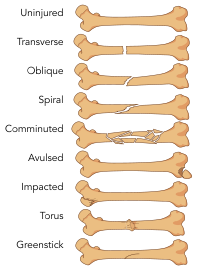
9 types of bone fractures: uninjured, transverse, oblique, spiral, comminuted, avulsed, impacted, torus, and greenstick.
TYPES OF BONE FRACTURES
Falls are the most common cause of hip fractures. Locations of hip fractures include the femoral head and neck, intertrochanteric, and subtrochanteric areas.
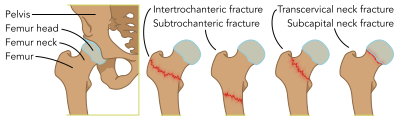
Hip bone showing pelvis, femur head, femur neck and femur alongside comparisons of four types of hip fractures: intertrochanteric, subtrochanteric, transcervical neck, and subcapital neck.
TYPES OF HIP FRACTURES
Which of the following are the most common causes of hip fractures?
A
Falls
B
Motor vehicle crashes
C
Sports injuries
D
Repetitive motion injuries
Lab Testing and Diagnostics
Diagnosis is done with plain x-ray to determine the type and extent of the fracture. X-ray is usually an anteroposterior pelvis x-ray, as well as cross-lateral view. X-rays may include the length of the femur. A magnetic resonance image (MRI) may be needed if the x-rays are not definitive.
Connections
Integumentary
Open fractures that break through the skin cause an alteration in the skin integrity and put the client at risk for infection. A client with an open fracture should receive antibiotics as soon as possible and may need surgery for irrigation. A client in a cast is at risk for development of pressure injuries if swelling occurs. If the pain or pressure persists, the client should be evaluated for compartment syndrome, and, if they have a cast, it may need to be removed.
Respiratory
Fractures in the ribs or thoracic cavity may compromise the respiratory system. The client may be unable to take a deep breath or have a diminished cough effort. This puts them at risk for development of atelectasis or pneumonia. To facilitate effective coughing and deep breathing, the client should splint the chest.
Sleep and Rest
Clients with a fracture may have difficulty getting adequate rest or sleep. This may be due to discomfort from the injury or from treatment. The use of pillows for support, as well as use of analgesia before sleep may allow the client to rest comfortably.
Complications
There are many complications after a fracture, including infection, bleeding, neurovascular compromise, compartment syndrome, and embolism. Complications can occur quickly. Act promptly to prevent the loss of the client’s life or the loss of the client’s limb.
The client is at greater risk of infection if the fracture is managed with surgery, skeletal traction, or open fracture. Skeletal traction uses surgically placed pins and tongs to secure traction to the bones in order to maintain alignment and allow for healing. If an infection occurs in the bone, it is known as osteomyelitis, which is difficult to cure and may impair healing of the fracture.
There is always a risk for bleeding after a fracture. The risk for the client to become unstable due to severe bleeding is greater in clients with pelvic, femoral, or open fractures. Act promptly if the bleeding is severe.
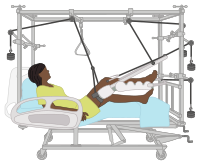
SKELETAL TRACTION
Neurovascular compromise can occur either through damage to the blood vessels or to the nerves. If the blood supply to the injury is disrupted, the limb will not be perfused and there is risk for loss of limb. Fractures most likely to cause disruption in the blood supply are often closed and posteriorly displaced. Nerves can be damaged or bruised due to a crushing injury, by the breaking of the bone, or bone fragments that have broken off. Bruised nerves should have return of function in about 2 months. Some nerves may regenerate over time, and some may need surgical intervention to be repaired. Perform frequent neurovascular assessments of the limb and report any deviations from prior assessments.
Complex Regional Pain Syndrome
After an injury to a limb, the client may develop complex regional pain syndrome (CRPS) caused by prolonged inflammation and pain. CRPS can be acute or chronic. Manifestations include pain that is spontaneous and extreme, pallor in the affected limb with the limb cool to touch, and the limb may have swelling below the site of injury. Most CRPS cases recover over time, but if it doesn’t resolve, it can lead to disability. Clients with diabetes, those who have received chemotherapy, or those who smoke may not recover quickly from CRPS.
Compartment Syndrome
One of the more serious complications of a fractured bone and treatment is compartment syndrome. Compartment syndrome is an increase in pressure within the fascia; the pressure builds and compresses the nerves and vascular supply of the muscle. The pressure reduces perfusion distal to the injury. This can be caused by a cast that is too tight or swelling of the injury. Fractures that occur in the forearm are of the greatest risk for development of compartment syndrome. Prompt treatment is required to prevent loss of limb. Assessment should include checking for the six P’s: pain, paresthesia, paralysis, pallor, pulselessness, and poilkothermia. With compartment syndrome, the assessment will reveal the limb to be pale and edematous, and the client will be complaining of pain. The surgeon should be notified immediately. Prepare for the cast to be removed, if present. Alternatively, the client may receive a fasciotomy in the operating room to relieve the compression.
fasciotomy
Embolism
Another serious complication of fracture is the development of either a pulmonary or fat embolism. Clients with pelvic or hip fracture are at greatest risk for forming a pulmonary embolism. A pulmonary embolism is a clot that travels from the site of the injury through the venous system and lodges in the pulmonary vasculature. The client may experience acute shortness of breath, pleuritic chest pain, tachycardia, and tachypnea. Other manifestations may include a cough and possibly hemoptysis. Clinical probability will be used to determine the likelihood of development of a pulmonary embolism. Chest x-ray, history, electrocardiogram, and arterial blood gases will be done. Emergent management will include supportive therapy of oxygen application and cautious use of 0.9% sodium chloride. The client will receive anticoagulation treatment such as low molecular weight heparin. Clients at higher risk for further development of embolism will be suggested for insertion of an inferior vena cava filter device.
tachycardia
tachypnea
hemoptysis
The development of a fat embolism is a concern for clients who have a fracture of a long bone, such as the femur or humerus. A fat embolism is the release of fat and marrow after the long bone fracture. The manifestations and management are similar to those of pulmonary embolism.
A nurse is caring for clients who have musculoskeletal conditions. Match the description in the right column with the correct condition in the left column.
Drag the options on the left to the corresponding category on the right (or click the option on the left and then the corresponding category on the right).
Increased pressure within fascia
Bone loss in cortical and cancellous bones
Caused by repetitive force applied to an area
Caused by prolonged inflammation
Chronic degenerative disease
Compartment syndrome
Osteoarthritis
Osteoporosis
Complex regional pain syndrome
Stress fracture
Role of the Nurse
Environmental Factors
The role of the nurse when caring for a client after a fracture is to assess for other injuries and prevent further injury from occurring. Ask questions to determine the cause of the fracture. If the cause was related to a tripping hazard such as a throw rug, recommend removing tripping hazards from the home. Encourage and assist the client with a fracture to begin mobilization when able.
Safety Considerations
Safety considerations are crucial when managing a client with a fracture. If the fracture is in a weight-bearing limb, healthcare providers will establish weight-bearing restrictions to prevent further injury. Before discharge, it's essential to evaluate the client's ability to safely navigate home hazards, such as using crutches on stairs. Proper immobilization of the fracture is vital to prevent further soft-tissue damage and reduce the risk of life-threatening complications. Additionally, monitoring circulation is critical, including vigilance for signs of compartment syndrome, which can manifest as severe pain, swelling, and decreased sensation in the affected limb. Regular checks for skin integrity and effective pain management are key aspects of care. Fall prevention measures, such as removing home hazards, are also important. For older adults, prevention and screening programs for osteoporosis can help reduce fracture incidence. The USPSTF recommends osteoporosis screening for clients over 65 years who were assigned female at birth. Adequate calcium and vitamin D intake is recommended to support bone health, with specific guidelines based on age and sex assigned at birth.
Individual Factors
Every client will have different challenges when dealing with a fracture. Consider the age of the client, their previous level of function, and the area of the fractured bone. Include other members of the health care team, such as physical therapists for use of walking aids and occupational therapists for adaptive equipment.
Client Education
Client education plays a central role in fracture management by supporting recovery, promoting safety, and preventing complications. Nurses should begin by explaining the specific type of fracture and expected healing process. Clients must understand the importance of immobilization through devices such as splints or casts, and the necessity of maintaining proper limb positioning. For example, elevating the affected limb above the level of the heart can help reduce pain and swelling. Nurses should also review proper cast or splint care and advise clients to monitor for signs of tightness, tingling, unrelenting pain, or numbness, early signs of complications such as neurovascular compromise or compartment syndrome.
It is critical to educate clients about the symptoms of compartment syndrome, a medical emergency caused by increased pressure in a confined muscle space. Clients should be instructed to immediately report severe pain not relieved by medication, numbness, or increasing swelling, particularly when a cast is in place. Prompt recognition and treatment can prevent permanent damage.
Pain management education should include the appropriate use of prescribed and over-the-counter medications, expected side effects, and the importance of communicating inadequate pain relief. Clients should also be shown how to use assistive devices safely, such as crutches or walkers, including techniques for navigating stairs while protecting the injured limb. Proper instruction in these techniques helps prevent falls and additional injury.
Nutritional education should emphasize the role of calcium, vitamin D, and adequate protein intake in bone healing. Clients should be advised to maintain good hydration and avoid substances that could interfere with healing, such as tobacco and excessive alcohol. For clients at risk of delayed healing, such as those with diabetes, vascular disease, or malnutrition, more intensive follow-up may be needed.
Ongoing care includes attending scheduled follow-up appointments to monitor healing progress with imaging and clinical evaluation. Nurses should reinforce the importance of reporting changes in pain, swelling, or limb function. Long-term education should address lifestyle adjustments to reduce the risk of future fractures, such as home safety improvements to prevent falls and engaging in weight-bearing exercises to maintain bone density. Lastly, nurses should assess for emotional distress or anxiety related to the injury and provide resources for psychological support when appropriate.
Nursing Process
Recognize Cues (Assessment)
The role of the nurse when caring for a client with a fracture is to ensure the joint remains immobile while assessing for and preventing complications. Assessment should include the neurovascular status of the extremity before and after immobilization. Neurovascular assessment includes the color of the limb, the ability for movement, temperature, and sensation. Be alert for complications such as compartment syndrome, bleeding, and fat embolism.
Neurovascular Checks: CMST
When conducting neurovascular checks of an injured limb, always check the following:
Color of the limb: Compare it to the area above the injury as well as the unaffected limb.
Motion or movement: Compare the client’s ability to move fingers or toes or move the affected limb from side to side.
Sensation: Compare the client’s ability to notice touch above and below the level of injury.
Temperature: Check the area below the level of injury for the temperature of the skin. Compare this finding with the area above the level of injury and the unaffected limb.
If the fracture is a result of a traumatic event resulting in other injuries, the client must be stabilized prior to these interventions. The initial treatment of the fracture is to stabilize the fracture, either by immobilization, reduction, or surgery. Reduction of fracture is outside of the scope of practice of nurses.
To recognize a problem with mobility related to a fracture, note cues such as deformity or swelling of the affected limb. Assess the affected limb to check if it is visibly shorter than the unaffected limb. Also assess for pain or tenderness at the site of the fracture. Use the 5 P’s to assess the affected extremity for compromised neurovascular status.
Analyze Cues and Prioritize Hypothesis (Analysis)
Upon recognizing and analyzing the clinical cues, the nurse should have formed several hypotheses for client care. These hypotheses should include management of pain, possibility of compromised neurovascular status, and embolism. In prioritizing hypotheses, the complications should be considered first. Airway, breathing, and circulation are all compromised if the client has either a fat or pulmonary embolism. Loss of limb due to compromised circulation is a priority concern if compartment syndrome occurs.
Generate Solutions (Planning)
Once the priority hypotheses are established, generate solutions. For a client with a fracture, the goals should include to being free from complication, maintaining an open airway, maintaining circulation to the limb, maintaining alignment of the bone and skeletal system, and restoring the previous level of function.
Take Action (Implementation)
Pain
The client may experience pain due to the injury. Interventions include assessment of pain using a reliable tool. Use the PRICE protocol for initial management. Provide nonpharmacological pain management such as positioning and use of pillows for support. Act to maintain immobilization through cast, splint, traction, immobilizer, or surgical intervention. Provide pharmacological pain management.
Cast or Splint Care
Regardless of the type of immobilization device used to stabilize a fracture, the client should be instructed in appropriate care of the device. Casts are generally made of fiberglass material with a cotton lining to prevent the fiberglass from touching the skin directly. The client should be instructed not to get the cast wet, to use a plastic cover when bathing, and to not put anything in the cast. The client should not trim any rough edges on the cast. Splints and immobilizers are used to immobilize the fractured area while promoting mobility and allowing for free movement of the other joints. Splints and immobilizers can be removed for bathing and dressing. Be sure skin is dry before reapplying a walking boot.
Compromised Neurovascular Status
If the nurse suspects compromised neurovascular status due to a fracture, the nursing actions include prompt notification of the provider. Assess the affected limb for color, edema, pain, sensation, temperature, and movement. The extremity should be elevated above the level of the heart. Prepare for cast removal or fasciotomy if compartment syndrome is suspected.
Embolism
If the nurse suspects an embolism due to a fracture, the actions should include notification of the provider immediately. Apply oxygen as ordered and administer prescribed IV fluids cautiously. Also provide anticoagulation medication as ordered.
Evaluate Outcomes (Evaluation)
After implementation, evaluate and reassess for effectiveness of the intervention. Goals and interventions should be reevaluated if the client has continued pain at the fracture site (especially if it is inconsistent with the extent of the injury or if pain medication is not effective) or if the client is experiencing acute shortness of breath or another complication. Additionally, if the limb is not in alignment with the skeletal system, then the interventions should be reevaluated.
Treatments and Therapies
Immobilization Techniques and Care
Immobilization is done with a splint or immobilizer for unstable fractures. An unstable fracture is a fracture in which the bone is out of alignment. Immobilization of the fracture decreases pain, prevents further damage, and helps to align the bone for healing. A sling will be used in fractures that have minimal displacement, usually for fractures in the clavicle and upper arms. A sling will provide support, comfort, and limit mobility of the limb. A knee or shoulder immobilizer provides support for that area and offers the same comfort as a sling.
Some fractures will require a cast for immobilization. Casts are composed of plaster or fiberglass. When the cast is applied, a cotton layer of protective padding is placed against the skin. The cast is formed to shape around the injured limb, usually up to and including the joint. The client should be instructed to elevate the affected extremity above the level of the heart for the first 72 hr. The client should move the uninjured digits and limb. The client should apply ice to reduce pain to the site. Ice can be applied directly over the cast, using a protective barrier to prevent the cast from getting wet. The client should be instructed to report any changes in the circulation or neurovascular status.
Care of the cast includes keeping the cast dry. The client may cover the cast with a waterproof shield to bathe or shower. The client may have itching underneath the cast and should be instructed not to put anything under the cast to prevent skin damage. If itching persists, the client should notify the provider. The cast should be inspected regularly for intactness and cleanliness. The client should be instructed to assess for tightness of the cast, increased pain in the limb, loss of mobility, feeling of numbness, or change in color or temperature of the affected limb.
Skeletal or skin traction are other methods of stabilizing a fracture and maintaining alignment. Regardless of the method of traction a counterweight is placed over a pulley device to keep the weights off the floor and able to swing freely. Skin traction, often called Buck traction, uses adhesive strips or a foam boot attached to a counterweight, to maintain alignment. The nurse’s responsibility in caring for a client in traction include:
Ensure the traction rope and pulley device are free from kinks and wear.
Ensure the weight hangs freely and does not touch the floor.
Maintain skeletal alignment.
Stabilize the weight during repositioning of client.
Skeletal traction: assess pin sites once per shift for manifestations of infection.
Skeletal traction: perform pin care once per shift using soap and water.
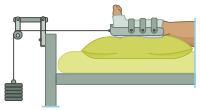
SKIN TRACTION
Surgical Interventions
Closed reduction or realignment of a fracture is either performed at the bedside or in the operating room. Bedside reduction or closed reduction is used to replace a dislocated bone into the socket. Closed reduction is performed by the provider, and the role of the nurse is to support the client during reduction and provide pain medications as needed. Open reduction is done in the operating room. The role of the nurse for open reduction is to prepare the client for surgery.
Open reduction internal fixation (ORIF) is one of the most common treatment options for fractures in older adults to facilitate early mobilization. External reduction and closed fixation (ERCF) may be tried first. In this procedure, the physician manipulates the fracture to reduce it, and external hardware or a cast may be used to keep the fracture in place. In an ORIF, the fracture is repaired using hardware and fixation to return the limb to proper alignment.
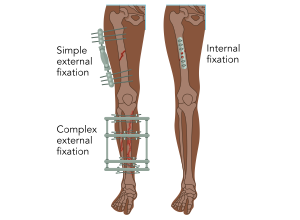
OPEN REDUCTION INTERNAL FIXATION
With hip fractures, it may be necessary to perform a total hip replacement (THR) surgery. In THR, the head of the femur is removed, and an artificial joint is used to maintain alignment.
Rehabilitation is started as soon as is feasible to reduce the risk of complications of immobility. The client will be started on anticoagulation treatment to prevent DVT. A client-controlled analgesia may be used for pain management in addition to oral analgesics. Neurovascular assessments will be done to assess for blood flow and nerve function distal to the injury. Hip precautions should be initiated.
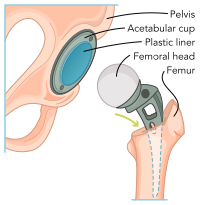
ARTIFICIAL HIP JOINT
Hip Precautions
Hip precautions are enforced for clients after THR to prevent the dislocation of the replaced joint. The client should avoid hip adduction, flexion, and external and internal rotation. The client should avoid bending from the hips more than 90 degrees, crossing their legs or feet, lying on the unoperated side, twisting of the upper body, and taking baths. The client should sleep on their back and use a shower chair and elevated toilet seat. If needed, the client should use aids, such as reaching tools or sock aids, to assist in dressing. These precautions should continue for at least 6 weeks after surgery.
Case Study
Scenario Introduction
The client is an older adult and is being seen in a provider’s clinic. The client is 5 feet 3 inches tall and weighs 63.5 kg (140 lb).
The client presents to the clinic reporting a right swollen ankle resulting from a fall. An x-ray of the ankle reveals a fracture to the right lateral malleolus.
Scene 1
Scene 2
Scene 3
Scenario Conclusion
A walking boot/splint immobility device is ordered for the client.
Which of the following age-related changes is the client at risk for?
Select all that apply.
A
Osteomalacia
B
Bone loss
C
Osteoporosis
D
Muscle loss
E
Increase risk for falls
Which of the following instructions should be provided to the client prior to discharge?
Select all that apply.
A
Elevate the leg above the level of the heart.
B
Apply ice for 20 min at a time.
C
Cover walking boot/splint with plastic covering for showering.
D
Report uncontrolled pain to the provider immediately.
E
Maintain bed rest. Pathophysiology
Back pain is pain experienced along the spinal column. Causes of back pain vary. Clients may also experience neurological manifestations such as impaired strength, sensation, and reflexes. Nerve root, spinal cord, or the nerve roots at the lowest part of the spinal column may be affected.
Back pain can be acute, subacute, or chronic. Acute back pain has a duration of about 4 weeks. Subacute lasts for 1 to 3 months, and chronic back pain lasts more than 3 months.
Etiology and Risk Factors
The most common causes of back pain are disorders of the spinal structures. These disorders are most often mechanical in nature such as herniated disks, nerve root pain, compression fractures, osteoarthritis, muscle or tendon strain, and spinal stenosis. Less common causes include cancer, infection, and inflammation. Bacterial infections due to a penetrating trauma or recent surgery may also contribute to back pain.
spinal stenosis
Serious, nonmechanical causes of back pain include abdominal aortic aneurysm, aortic dissection, angina, and meningitis. If back pain is caused by one of these nonmechanical reasons, immediate interventions are needed to prevent the loss of life or limb.
A nurse is caring for clients who are experiencing back pain. Which of the following should the nurse recognize as mechanical causes of back pain?
Select all that apply.
A
Osteoarthritis
B
Herniated disk
C
Abdominal aneurysm
D
Meningitis
E
Cancer
Comorbidities
Clients at risk for back pain include obese individuals and older adults. Other risk factors include physically demanding jobs, depression, and comorbidities such as osteoarthritis.
Epidemiology
Lower back pain is one of the most frequent concerns for clients in primary care. Up to 80% of adults will have lower back pain at some point in their life, with 30% having lower back pain in the previous 3 months. Lower back pain is the most expensive work-related injury for adults under age 45. Lost days at work and diagnostic testing contribute to the expense.
Impact on Client’s Overall Health
Physiological
Back pain is one of the most common reasons clients seek out medical care. Back pain can be debilitating and lead to disability and the need for lifestyle changes. Many clients do not continue with their prior level of activity due to fear of pain or disability.
Psychosocial
There is an increased financial burden for clients with back pain because their ability to work may be impacted. Many clients with chronic back pain are unable to continue in their jobs due to fear or workplace physical activity. Living with chronic pain can lead to psychosocial concerns, including depression and anxiety. The client is often unable to work or has frequently missed days. The client may exhibit poor coping strategies and may avoid activities or actions that cause potential pain.
Considerations of the Aging Adult
Older adult clients with persistent lower back pain should be evaluated for possible abdominal aortic aneurysm and given a computerized tomography (CT) scan or ultrasound of the lower spine to rule out possible cancer. Medications often used to manage lower back pain may result in adverse effects in the older client and should be used cautiously, including opioid analgesics.
Clinical Presentation
Manifestations can vary depending upon the cause of the injury. Alterations in gait and balance may be noted along with stiffness, numbness, and weakness in the back and legs. Tenderness with palpation of the spine and the muscles of the back are notable in the client who has low back pain. Additional manifestations such as constipation or difficulty with urination can occur as well.
Lab Testing and Diagnostic Studies
Assessments for clients with lower back pain include straight leg raises to evaluate for lumbar disk herniation. A Stork test will be done to evaluate for interarticular defects. During a Stork test, the client is asked to stand on one leg. An Adam’s test will be performed to evaluate for scoliosis. During an Adam’s test, the client is asked to bend over, and the provider evaluates for curvature of the spine.
Clients who present with lower back pain may not require diagnostic testing initially. Tests may be done to rule out other causes such as infection or spinal malignancy. If back pain continues, the client may have further diagnostic studies. Radiology studies include simple x-rays, MRI, or CT scanning. Other studies may be warranted, such as electromyography and nerve conduction velocity, to measure the electrical activity of the nerves.
A nurse is planning care for a client who is undergoing diagnostic studies for back pain. Which of the following should the nurse identify as a diagnostic test that measures the electrical activity of the nerves?
A
Nerve conduction velocity
B
Magnetic resonance imaging (MRI)
C
Computerized tomography (CT)
D
Transcutaneous electrical nerve stimulation (TENS)
Connections
Elimination
Some of the uncommon causes of lower back pain include the urinary disorders of prostatitis, pyelonephritis, and nephrolithiasis. Clients with lower back pain may be treated with opioids to manage pain. The use of opioids may lead to constipation.
prostatitis
pyelonephritis
nephrolithiasis
Sleep and Rest
Clients with lower back pain may have trouble resting because pain interrupts their sleep. The client may require muscle relaxants, which may be a concern because of negative central nervous system effects, including drowsiness. Opioids may be used to manage lower back pain, which may promote rest.
Role of the Nurse
Environmental Factors
When caring for a client who has back pain, nurses must consider environmental factors that affect both the client’s condition and the nurse’s ability to deliver effective care. For the client, occupational demands, such as heavy lifting, repetitive bending, or prolonged sitting, are well-established contributors to both acute and chronic low back pain. Socioeconomic challenges may limit access to appropriate treatment, delay follow-up care, or affect the ability to implement ergonomic adjustments in the home or workplace. Nurses should assess work environment, job satisfaction, and physical job demands, as these have been identified as modifiable risk factors for poor outcomes and chronic pain progression.
Nurses must also consider their own environmental context. For example, care delivery may be influenced by time constraints, availability of resources like assistive devices or physical therapy, and the physical layout of the care setting. Clinical decision-making is often challenged by the nonspecific nature of low back pain and the absence of clear pathology. Observing the client's posture, movement, and verbal or nonverbal cues contributes to assessment accuracy, especially in settings without diagnostic imaging readily available.
Cultural and literacy factors also influence care. Clients may describe pain differently based on cultural beliefs or may have varying levels of understanding about anatomy, pain management, or physical therapy recommendations. Nurses must adapt communication techniques to accommodate language and literacy barriers—using visual aids, teach-back methods, or interpreters when needed. Reviewing the health record and conducting a thorough risk assessment help identify clients who may require additional support or accommodations. This includes identifying psychosocial or workplace stressors that may complicate recovery.
To support safe and effective care, nurses can advocate for ergonomic interventions in clients’ work and home settings, coordinate referrals to occupational or physical therapy, and ensure continuity of care across transitions. By recognizing and responding to environmental influences, nurses promote recovery, prevent reinjury, and improve client outcomes.
Safety Considerations
When caring for clients who have back pain, nurses must prioritize safety to protect both the client and themselves. A primary concern is supporting the client’s safe return to activity while avoiding aggravation of symptoms. Nurses should reassure clients that maintaining movements is essential to recovery and should provide instruction on safe techniques for resuming daily tasks, including work-related activities. For individuals with occupational causes of back pain, advocating for ergonomic improvements in the workplace, such as proper lifting practices and posture adjustments, can help prevent further injury.
Nurses must model and use proper body mechanics when assisting clients with mobility or transfers. This includes utilizing assistive devices such as gait belts and mechanical lifts when appropriate to reduce musculoskeletal strain and prevent workplace injury. When a client has mobility limitations or severe pain, nurses should ensure supervision is available to prevent falls. Creating a safe environment, including clear pathways and accessible call lights, is part of this preventive approach.
Monitoring for complications is a key part of nursing safety responsibilities. Nurses should assess for signs of neurologic compromise (e.g., weakness, numbness, or bowel/bladder dysfunction) and recognize red flags such as saddle anesthesia or progressive motor loss, which require immediate referral. The use of opioids also presents a safety concern. While opioids may be used in specific cases, their use should be short term, closely monitored, and paired with education about side effects, safe storage, and signs of misuse. Nonpharmacologic approaches, including heat application, exercise, and stress reduction, are emphasized as first-line treatment options.
Nurses play a critical role in educating clients on safe movement strategies, appropriate use of over-the-counter medications, and signs that warrant medical attention. Encouraging hydration, ergonomic stretching, and stress management techniques supports overall safety and recovery. Additionally, supporting clients in coping with the psychological aspects of pain can improve outcomes and reduce disability. By integrating these safety measures, nurses ensure that care for clients with back pain is both effective and protective.
Individual Factors
When caring for a client who has back pain, nurses must evaluate both the client's individual characteristics and their own professional capabilities to provide safe and effective care. Client-specific factors, such as physical activity level, stress, posture, coping style, and work demands, can influence pain intensity and recovery outcomes. For instance, sedentary individuals may benefit from walking or low-impact exercises, while clients with stress-related pain may find relief through mindfulness or yoga. Risk factors for chronic back pain include maladaptive coping behaviors (e.g., catastrophizing), job dissatisfaction, psychologic comorbidities, and poor physical conditioning, all of which require tailored intervention plans.
Nurses also apply their own experience, knowledge, and training to guide care. A nurse skilled in musculoskeletal care is more likely to implement accurate pain assessments, develop individualized care strategies, and identify candidates for early referral to physical or psychological therapies. This includes the use of tools like the STarT Back screening tool, which stratifies patients by risk of developing disabling pain, helping to inform targeted treatment decisions.
Nurses can help address lifestyle contributors to pain by educating clients on proper posture, lifting techniques, and ergonomic modifications. Their ability to educate is especially valuable in helping clients adopt sustainable self-care behaviors such as stretching, activity pacing, and stress reduction strategies like cognitive-behavioral therapy (CBT) or mindfulness-based stress reduction (MBSR), which have demonstrated benefits in pain and disability reduction.
Furthermore, nurses’ collaboration with interdisciplinary teams enhances the effectiveness of multimodal care approaches that integrate physical therapy, pharmacologic treatment, and psychological support. By drawing on their own training while recognizing client-specific barriers, nurses foster holistic, person-centered care that promotes both physical healing and improved quality of life.
Client Education
Client education is a vital component of nursing care for individuals with back pain, empowering them to engage in effective self-management strategies. Nurses should begin by explaining the common causes of back pain, including muscle strain, poor posture, and age-related degenerative changes. It is important to reassure clients that most back pain improves over time and that nonspecific low back pain is typically benign and self-limiting.
Encouraging clients to maintain activity as tolerated is a foundational element of education. Remaining mobile helps reduce stiffness, preserves function, and supports faster recovery. In fact, advice to stay active has been shown to reduce pain and work-related disability compared to inactivity or bed rest. Clients should be counseled on starting with gentle, low-impact exercises such as walking or swimming and gradually increasing intensity. Core strengthening exercises and activities like yoga, Pilates, and tai chi may help prevent chronicity by stabilizing the spine and improving flexibility.
Nurses should teach clients about ergonomic practices, particularly for those who work in sedentary jobs. Recommendations may include setting up a supportive workstation, adjusting chair height, or using a lumbar support pillow. Highlighting the role of physical therapy (PT) can also reinforce adherence to structured rehabilitation. PT can provide individualized instruction on posture, stretching, and strengthening techniques that align with the client’s functional goals.
Education should also include discussion of nonpharmacologic treatment options. Therapies such as spinal manipulation, acupuncture, and massage may offer modest benefits and are often guided by client preference, access, and cost. Additionally, nurses should inform clients about the impact of smoking on spinal health. Smoking is associated with delayed healing and poorer back pain outcomes, and cessation should be strongly encouraged as part of a comprehensive management plan.
Finally, clients should be educated on when to seek medical evaluation. Red flags include severe or worsening pain, weakness, numbness, bowel or bladder dysfunction, and pain that persists despite conservative management. Emphasizing the importance of follow-up appointments allows for timely reassessment and treatment adjustments. By delivering structured and tailored education, nurses can foster client autonomy and enhance long-term outcomes in back pain management.
Nursing Process
Recognize Cues (Assessment)
To recognize a problem with mobility related to a low back pain, note cues such as pain with movement. Clients with back pain should be evaluated, beginning with a history of the pain, any triggering events, and relieving factors. The client may also have difficulty swallowing, weight loss, or anorexia. Assess for neurological manifestations such as fatigue, headaches, paresthesia, or numbness. The client may experience problems with elimination including urinary incontinence or retention and fecal incontinence or impaction.
Analyze Cues and Prioritize Hypothesis (Analysis)
Upon recognizing and analyzing the clinical cues, the nurse should have formed several hypotheses for client care. The hypotheses include acute and chronic pain. Additionally, be alert to possible acute causes of lower back pain, including potential dissecting aortic aneurysm, neurological deficits, or infection.
Generate Solutions (Planning)
Once the nurse has established the priority hypotheses, solutions should be generated. The goals for care for the client with a problem with back pain include strengthening core muscle groups to prevent the recurrence of injury and resuming normal activities. Returning to the workforce is another desired outcome. Other goals include the management of pain without complication and the prevention of further deterioration of back pain.
Take Action (Implementation)
Acute or Chronic Pain
Actions to manage the client’s pain begin with assessment using a reliable tool. Provide nonpharmacological treatments, including ice, heat, massage, and the use of a TENS device if prescribed. Pharmacological pain management, such as nonopioid analgesics, non-steroidal anti-inflammatories, and opioids, may be provided if needed. Opioids should be used cautiously in clients with lower back pain as the pain is often chronic, and opioids are known to cause substance use disorder.
Prevention of Complications
Complications of lower back pain depend on the location of the injury. Interventions should be specific to the concern: either physical or psychological complications.
Evaluate Outcomes (Evaluation)
After implementation, evaluate and reassess the effectiveness of the intervention. Goals and interventions should be reevaluated if the client has continued or worsening back pain. Goals will be reevaluated if the client exhibits any manifestations of red flag concerns, including gait changes, fever, worsening pain at night, unexplained weight loss, or bowel or bladder concerns.
Treatments and Therapies
Nonpharmacological
When managing pain, begin with nonpharmacological treatments. These include rest, massage, physical therapy, stretching, spinal manipulation, immobilization, acupuncture, and the use of a TENS unit if prescribed.
Pharmacological
A client’s back pain may be treated with nonsteroidal anti-inflammatory agents (NSAIDs), nonopioids, opioids, corticosteroids, or muscle relaxants. Ideally, the client should begin pharmacological therapy with the least addictive medication that has the fewest complications, such as nonopioid analgesics. Opioid analgesics and muscle relaxants have respiratory effects, central nervous system concerns, and addictive properties and should be implemented cautiously. Adjuvant analgesia, including antidepressant and antiepileptic agents, may be prescribed to manage a client’s back pain.
Medications for Back Pain
Nonopioid Analgesics
Opioid Analgesics
Muscle Relaxants
Antidepressants
Antiepileptics
Medications
Oral:
Indomethacin
Naproxen
Ketorolac
Actions
Reduces sensation to pain and cools the body
Nursing Considerations
GI effects are common with indomethacin.
Naproxen has a long half-life.
Nurses and Back Pain
Chronic lower back pain is a concern that many nurses deal with regularly. The conditions of clients in the hospital are increasingly complex and have many comorbidities, and along with heavier workloads these are contributing factors to back pain. Many of the skills and workload requirements of the nurse may lead to an increased risk of back pain.
Lower back exercises along with education are the most beneficial nonpharmacological methods to avoid lower back injuries. Additionally, the practice of yoga can improve muscle strength and flexibility. Regular physical exercise reduces the frequency of reports of lower back pain.
Surgery
Surgery may be required to treat chronic or severe back pain. The most common surgery is a laminectomy.
A laminectomy is a type of back surgery in which the vertebral posterior arch is accessed to remove either a lesion or a herniated disk or to relieve pressure and provide a fusion of the vertebrae. A laminectomy is done only when other more conservative treatments fail to relieve back pain.
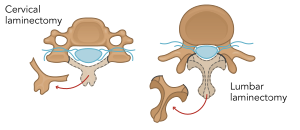
LAMINECTOMY
Preoperative care involves ensuring the client is aware of the surgery as well as performing a through neurovascular assessment to establish baseline values. Postoperative care includes measurement of vital signs and assessment of the neurovascular status with comparison to established baseline values. Check the dressing for bleeding and for leaking cerebrospinal fluid. The client should remain supine with the head of the bed no higher than 45 degrees elevation for the first 2 hr. The client should be repositioned using a log roll from side to side after the first 2 hr, leaving a pillow between the knees to prevent hip adduction and maintain alignment. If the client has not voided within 8 to 12 hr, bladder scanning should be performed, and it may be necessary to insert a straight catheter to relieve the bladder. If the laminectomy was a minimally invasive procedure, the client will be able to resume activity within 2 days after surgery. Discharge instructions include maintaining proper body alignment, continuing the prescribed exercise regime, and reporting any manifestations of infection. Pathophysiology
Amputation is the removal of all or part of a limb. It may be removed through traumatic injury or through surgical means. Peripheral vascular disease is the most common cause of limb amputation. Peripheral vascular disease may be caused by cigarette smoking, diabetes, or atherosclerosis.
Etiology and Risk Factors
The level of amputation is determined by tissue viability. The goal is to preserve as much tissue as possible, while removing infected or necrotic areas. The upper or lower limbs may be amputated. Partial upper limb amputations include either partial or full digits, the hand up to the wrists, or the arm up to the elbow.
A complete upper limb amputation is the removal of the entire arm from the shoulder. Partial lower limb amputations include partial or full toes, partial foot, the foot up to the ankle, and the leg below the knee or above the knee. Risk factors include traumatic injuries, uncontrolled diabetes, and smoking.
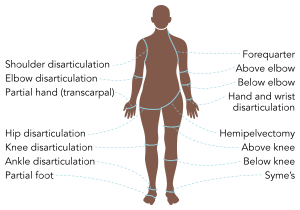
TYPES OF AMPUTATIONS
Comorbidities
Diabetes mellitus and vascular disease may be comorbidities for clients requiring an amputation. The microvascular effect of diabetes causes nerve damage and poor blood flow to the extremities. The first manifestation of concern is the development of foot ulcers. Maintaining blood sugar levels within normal ranges reduces diabetes-associated complications.
Peripheral artery disease can lead to limb loss due to narrowing or occlusion of the blood vessels, reducing blood flow to the limb. A client with diabetes mellitus is at greater risk for development of peripheral artery disease, which increases the likelihood of limb amputation.
Epidemiology
In the U.S. about 500 amputations are performed each day. About 2 million people in the U.S. are living with the amputation of a limb. It is likely this number will increase as people are living longer and many have comorbidities.
Impact on Client’s Overall Health
Physiological
Phantom pain is a pain sensation in the limb that has been amputated. This can lead to problems with prosthesis training. Medications such as certain anitepileptic medications and antidepressants can alleviate some of this pain.
Phantom Pains Are Misnamed
00:00
09:48
A nurse asks for advice on how to care for a client experiencing phantom pain.
Podcast Transcript
Psychosocial
The need for an amputation, whether through a traumatic or medical cause, can lead to depression and alterations in self-esteem. If the limb is lost due to a traumatic injury, the client may feel the loss profoundly and equate it to a death of a loved one. The client may worry about their ability to be mobile and continue employment. They may also have concerns about becoming a burden to their family members. Early intervention with physical therapy, prosthesis, and support groups will assist the client in returning to their previous level of activity.
Considerations of the Aging Adult
Aging is a risk factor for diseases that may lead to limb amputation, including diabetes and peripheral artery disease. For an older adult who has a lower-leg amputation, a provider might not refer them to an orthotist if the provider suspects that the client would not adjust well to a prosthetic limb. However, recent studies show that older adults, including those older than age 80, can adapt to life with a prosthetic limb.
Explore the 3D visualization of amputations below.
Clinical Presentation
There are many reasons for surgical amputation of a limb but the primary one is peripheral artery disease. Clinical manifestations are due to decrease in or absence of perfusion to the limb. Manifestations include a pale or necrotic limb, absent pulse, and the area may not blanche. There may be the presence of a foul odor if the cause is infection or gangrene.
Laboratory Testing and Diagnostic Studies
The client will undergo testing to confirm lack of perfusion to the affected limb, including Doppler studies, to determine lack of blood flow to the limb. Another diagnostic test used in conjunction with the Doppler ultrasound is an invasive angiogram. An ankle brachial index (ABI) can determine the presence of arterial disease in a limb by comparing the systolic blood pressure of the ankle and the arm. A result that is higher or lower than that of the arm indicates stiffening or blockage of the arteries in the leg. A catheter-based angiogram is invasive and has risks and complications associated with it. The provider will determine if this is the best option for the client.
Role of the Nurse
Environmental Factors
Clients who undergo amputation face several environmental factors that can significantly influence their recovery and adaptation to prosthetic use. Nurses play a key role in identifying and addressing these environmental influences to support client rehabilitation and long-term health outcomes. For clients, environmental factors include home and community accessibility, physical barriers in daily settings, and the availability of emotional and social support systems. A nurse should assess whether the client requires home modifications, such as ramps, widened doorways, grab bars, or stair aids, to safely perform activities of daily living. Workplace accommodations may also be needed, and referral to vocational rehabilitation services may be appropriate.
Nurses must also navigate environmental variables within their own clinical context. These include the care setting, whether acute hospital, rehabilitation center, or home care, and the availability of resources such as interdisciplinary rehabilitation teams, pain management specialists, or prosthetic services. The urgency and nature of the amputation (e.g., traumatic vs. planned) influence care priorities, such as wound care and pain control. Nurses must rely on real-time observations of the client’s physical and emotional state to guide interventions, including wound monitoring, psychosocial support, and anticipatory guidance on prosthetic readiness.
Cultural considerations also shape the nurse's approach to care. Language barriers may require interpreters or the use of translated materials to facilitate informed decision-making. Clients may have cultural or religious perspectives on amputation, body image, or mobility aids, which must be respected and incorporated into care planning. Literacy and health literacy levels affect understanding of postoperative instructions, wound care routines, and prosthetic device management, and nurses should adapt teaching strategies accordingly.
Additionally, environmental risks, such as fall hazards, poor lighting, or cluttered living spaces, should be evaluated during discharge planning. Nurses are responsible for conducting risk assessments that address mobility challenges, the client’s understanding of weight-bearing restrictions, and the complexity of managing surgical drains, dressings, and hygiene. Early involvement of occupational therapy and social work can help create a safe, supportive environment that promotes recovery, independence, and reintegration into the community.
By addressing both client-centered and nurse-centered environmental factors, nurses help ensure that individuals undergoing amputation can transition successfully to life with a prosthesis, improving their mobility, safety, and overall quality of life.
Safety Considerations
A multidisciplinary team will be involved in care of the client with an amputation to address any safety concerns as the client navigates their home environment and activities. During surgery, the surgeon will ensure adequate muscle covering over any residual bone to provide for proper fitting of the prosthesis. A properly fitting prosthesis allows for safe movement.
Client Education
The nurse’s role in caring for the client undergoing an amputation is to provide education, maintain mobility in the residual limb, maintain a compression dressing on the residual limb, and manage pain.
Preoperative Care
Preoperative care for a client requiring an amputation includes education about the amputation. If possible, a meeting with another amputee can be helpful. Smoking cessation is advised, as well as control of diseases that compromise perfusion.
Postoperative Care
In the immediate period after amputation, the client will have a pressure dressing on the amputation site. The client should be observed for bleeding at the site. The residual limb should be assessed regularly for circulation: color, temperature, pulse, and blanching. Circulation is compromised if the residual limb is pale, cool, and has an absence of a pulse or blanching.
Nursing Process
Recognize Cues (Assessment)
After an amputation, be aware of cues including phantom pain and manifestations of infection at the amputation site such as redness, drainage, and warmth. Observe the residual limb for edema and the presence of contracture.
Analyze Cues and Prioritize Hypothesis (Analysis)
Upon recognizing and analyzing the clinical cues, the nurse should have formed several hypotheses for client care for a client after an amputation. These include preservation of movement of limbs, prevention of contractures, prevention of surgical infection, and reduction of edema.
contractures
Generate Solutions (Planning)
Once the priority hypotheses have been established, generate solutions. The goals for care include maintaining current range of motion in the residual limb. Another goal is to improve or maintain overall strength and general condition and manage the edema of the residual limb. The client will work with physical therapists and rehabilitation staff to achieve these goals.
Take Action (Implementation)
Pain
To manage pain, assess using a reliable tool. Recognize the presence of phantom pain when it occurs. In addition to analgesic medications, the client may be prescribed an antiepileptic medication to reduce neuropathic pain. Use nonpharmacological interventions for pain management such as repositioning and desensitization of the residual limb. Desensitization techniques include massaging and tapping on the amputation site and progressive load bearing on the limb.
A nurse is caring for a client after amputation of the right leg above the knee. The client begins to complain of pain in the right calf area. Which of the following responses by the nurse is appropriate at this time?
A
“I am not sure that you could be having pain there.”
B
“I will see what you have ordered to manage the pain.”
C
“Let me notify your provider about that.”
D
“Let me prop your leg up on a couple of pillows to see if that will help.”
Range of Motion
Include interventions to maintain range of motion of the residual limb. Range of motion activities will help to prevent contracture formation and prepare the limb for prosthesis. Consult with a physical therapy to determine appropriate range of motion exercises for the client.
Include interventions to prevent surgical site infection. Interventions include assessing the amputation site for manifestations of infection and monitoring for elevated temperature and other vital sign changes.
Evaluate Outcomes (Evaluation)
After implementation, evaluate and reassess for effectiveness of the intervention. Goals and interventions should be reevaluated if the client has swelling in the residual limb that is not relieved with compression. Reevaluation should also occur if the client develops a contracture in the residual limb or if their phantom pain is unrelieved with interventions.
Treatments and Therapies
Prosthesis
Once the surgical incision has healed and the edema has subsided, the client may be fitted for a prosthetic device. This usually occurs about 7 to 10 weeks after surgery. The initial prosthetic device is a temporary device as the residual limb will undergo changes in size and shape for about 18 months after surgery. After this time the client will be fitted for a permanent prosthesis.
Range of Motion and Other Physical Therapies
It is important to prevent contractures from forming in the residual limb. This is done through frequent repositioning, good alignment with the limb in extension, ambulating when possible, and range of motion exercises. When able, the client should be encouraged to desensitize the residual limb. This is done through massage, tapping, or vibration on the residual limb. The client will work with physical therapy to begin progressive load bearing on the limb.
Rehabilitation
Early rehabilitation is important after an amputation to improve recovery. If possible, rehabilitation should begin before the amputation or as soon as possible after surgery. After amputation, the client will work with an interdisciplinary team during rehabilitation. The team members will vary depending on the client’s individual needs and may include the surgeon, the prosthetist, and the physical therapist. If necessary, the team may include social workers, counselors, and psychiatrists.
Medications
After an amputation, the client may require medications for pain management. Nonopioid analgesics will be used to treat discomfort. The client may require intravenous analgesics in the immediate postoperative period. If the client is experiencing phantom limb pain, an antiseizure medication may be used to treat the neuropathic pain.
A nurse is caring for a client after an amputation and notices gabapentin has been ordered. Which of the following is how this medication works in this client?
A
Slows the electrical conduction of the heart
B
Allows for improved movement with a prosthesis
C
Changes signals in the brain for those with nerve damage
D
Prevents seizure formation
Client Teaching
Teach the client who had an amputation how to care for the amputation site. This care includes massaging the residual limb and assessing the amputation site daily, including the use of a mirror to see all areas of the site. The client should observe for the presence of a rash, blisters, abrasions, swelling, and drainage. Include instructions on how to bandage the amputation site. Include instructions to avoid the use of body oil or lotion as it can interfere with the fitting of a prosthesis. The client may experience frustration and anger and should be encouraged to verbalize these feelings and attend a support group.
A nurse is discharging a client after an amputation below the knee. Which of the following instructions are important for the nurse to include to care for the residual limb?
Select all that apply.
A
“Be sure to monitor the incision daily for redness, warmth, or swelling.”
B
“You may need to use a mirror to fully examine the site.”
C
“Be sure to keep it elevated on two to three pillows when in bed.”
D
“If you notice an odor, use baby powder under the compression dressing.”
E
“You might consider attending a support group.”