Protein
6.1
Made of C,H,O,N sometimes S
N is amino
Central carbon
NH2 amino group
COOH acid group
Hydrogen Side chain
Chain of AAs = protein
Proteins are folded chains of amino acids (JOINED BY CONDENSATION)
Peptide Bonds form Between AAs
Structure: Primary, Secondary, Tertiary, Quaternary
P- Sequence of AAS
S- Twists and bends due to weak side chain attractions
T- Folds due to strong side chain interactions, bonds
Q- Two or more polypeptides in association
Denaturation: Altering the shape of a protein
Due to heat or acid
Cooking eggs, curdling milk to make cheese
Stomach acid will denature most proteins
Summary
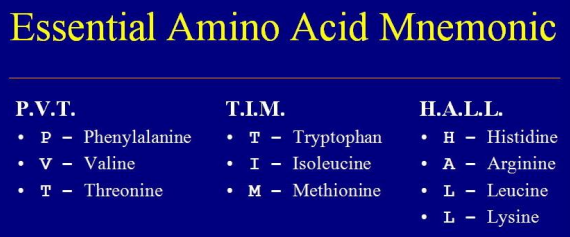
Chemically speaking, proteins are more complex than carbohydrates or lipids; they are made of some 20 different amino acids, 9 of which the bod cannot make ( the essential amino acids)
Each amino acid contains an amino group, an acid group, a hydrogen atom, and a distinctive side group( R group) , all attached to a central carbon atom
Peptide bonds link amino acids together by way of a series of condensation reactions to create proteins
The distinctive sequence of amino acids in each protein determines its unique shape ad function
6.2
Protein digestion
Mouth, Stomach, Small intestine
Mouth:
Chewing and moistening only
Stomach:
HCI denatures proteins, unfolds them
Pepsinogen changed to active enzyme pepsin by acid
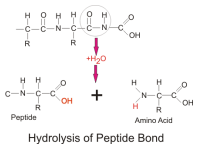
Pepsin Hydrolyzes polypeptides into shorter chains
Small Intestine
Pepsin deactivated by rising pH
Pancreatic proteases hydrolyze AA chains
Peptidases on intestinal cell surfaces hydrolyze to single AAs
Protein Absorption
Some AAs used by intestinal cells themselves for energy, parts
The rest goes into the bloodstream by villi capillaries
Whole proteins handled better then pre-digested AAs
Body will break down what it needs at the moment
Summary
Digestion of proteins is facilitated mostly by the stomach’s acid and enzymes, which first denature dietary proteins, then cleave them into smaller polypeptides and amino acids
Pancreatic and intestinal enzymes split the polypeptides further, to tripeptides and dipeptides, and then split most of these to single amino acids.
Then carriers in the membranes of intestinal cells transport the amino acids into the cells, where they are released into the bloodstream.
6.3
Protein synthesis:
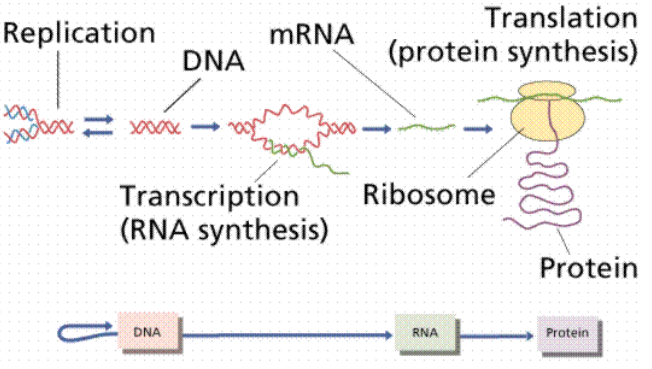
DNA code is transcribed into MRNA within the nucleus (does not leave nucleus)
mRNA leaves nucleus to the cytoplasm and ribosomes
Ribosomes read the mRNA and tRNA bring amino acids accordingly (make polypeptides)
Condensation reaction occurs to add the AA to the growing polypeptide chain
 Gene Expression
Cells control when and how much protein to make (CHANGES THE MAKEUP OF THE CELL AND BODY AT ANY GIVEN TIME)
Mutation- Any change in the DNA (if changes the amino acid sequence it could have serious consequences, sickle cell disease)
Makes protein non functional leading to disease
Role of Proteins
Structural:
COLLAGEN fibers, ligaments, Keratin skin cells
ENZYMES, protein catalysts (Anabolic or Catabolic)
HORMONES, protein messengers (insulin, glucagon, calcitonin)
Fluid balance regulators:
Hold fluid in vessels, without this fluid seeps into the tissues (edema)
BUFFERS of blood pH (<7.35 acidosis; >7.45 alkalosis)
Transporters:
Lipoproteins in blood
Across membranes as channels
Antibodies:
Specifically attack antigens for removal
Confer immunity to diseases
Clotting factors
Usually dissolved in blood plasma
Sticky when vessels tear
Precursors
NEUROTRANSMITTERS (serotonin)
VITAMINS (niacin)
Protein Metabolism
Protein turnover:
Constant breakdown of food to AAs (CATABOLISM)
Buildup of new proteins (ANABOLISM)
AAS in the bloodstream steady
Nitrogen balance
In from foods
Out in sweat, urines, feces
NITROGEN POSITIVE when needed to heal
NITROGEN NEGATIVE in starvation mode
Protein:
4kcal per gram for energy
Gluconeogenesis for glucose
Keto acids:
Deamination of AAs
Keto acids can enter many pathways, cholesterol production
Transamination of keto acids
both processes occur in the liver
Ammonia is toxic to the body
Liver makes urea with it (2NH3 + CO2 = CO (NH2)2)
Kidneys filter urea to the urine
HIGH PROTEINS CAN BE DEHYDRATING