Music Therapy Course 🎹🎶🎻
Module 1
Music therapy is an approach that uses music to assist in the improvement, restoration or maintenance of mental health and well-being. Music therapy is not simply delivered by just any type of therapist.
It requires qualified music therapists to do this job effectively. Music therapy practice involves a wide variety of options including:
- Songwriting
- Playing instruments
- Singing
- Listening to music
- Discussing music
Music therapy is used as a practice to assist in goal achievement, which could involve strengthening of the body or mind in various ways. This is a specific and unique practice in that most programs are tailor made to suit the needs and preferences of patients.
Music therapy is a diverse practice that consists of many beneficial options for patients to choose from. This makes music therapy both welcoming and accessible.
Music therapy as a practice entails service provision for people struggling with developmental, cognitive, and physical disabilities. It can also treat psychiatric disorders, hearing, speech and neurological impairments.
This is a wide and intensive practice which requires skill, attention to detail, and understanding of patient requirements.
Hearing and the Auditory System
When a sound is made in the external world, the vibrations travel to the outer ear. The vibrations move down the external ear canal to the eardrum.
The eardrum vibrates. The vibrations are transmitted to the middle ear and connect with the ossicle bones. The tiny ossicle bones magnify the sound waves and transmit these sound waves to the inner ear.
Sound waves are changed into electrical impulses once they enter the inner ear. The brain receives these impulses from the auditory nerve.
The brain interprets these impulses as sound, and the act of hearing and understanding begins to take shape in the human mind.
Music therapy relies on these core anatomical processes to influence the brain and patients’ overall wellness. However, that doesn’t mean that music therapy is only limited to hearing patients.
Most d/Deaf people have some limited ability to hear. While they may not fully experience music the same as a hearing person, they can still benefit from rhythm, vibration, melody, tone, and other aspects of music.
History of Music Therapy
The history of music therapy dates all the way back to around the 18th century. Music therapy was regarded as a profession.
“Music Physically Considered” is a piece that was written by an anonymous author and published in a Colombian magazine in 1789. It is believed to be the first piece of writing based on music therapy.
Hospitals in London were embraced by the Guild of Saint Cecilia in 1891. The guild choir consisted of a harp, two violins and three singers. This choir graced the patients’ ears with their music in hospitals all around London.
The Entertainments National Services Association was responsible for delivering music to British soldiers during
World War I and II. Nurses and doctors tending to these soldiers noticed the significant impact that the music had on the soldiers.
Medical professionals requested the use of music on a regular basis. This was a vital tactic used to restore and maintain the mental health and morale of the soldiers.
Ira Altshuler, who was a music therapist and psychiatrist, assisted in the promotion of music therapy for over thirty years from the 1940s. “Music in Institutions” was the first written work published in 1936 by Willem van de Wall, a man who raised awareness about music therapy in various states.
The “Father of Music Therapy,” known as E. Thayer Gaston, was responsible for fueling and elevating music therapy as a profession. He took it to greater levels that spanned both organizations and education systems.
In 1944, Michigan State University introduced a music therapy program, which later spilled over into other universities as well. In order to maintain and ensure music therapy as a credible profession, the Certification Board for Music Therapists was founded in 1983.
This allowed and still allows music therapists to attain reputable credentials to solidify music therapy as a practice.
Thereafter, various associations such as the American Music Therapy Association (established in 1998) have formed.
These groups aid in the awareness and implementation of music therapy to this day. On an international scale, the World Federation of Music Therapy was established in Italy in 1985.
More recently, in 2010, the International Association for Music and Medicine was founded to support music benefits in the healthcare system and advocate for thorough research in the area of music therapy.
American Music Therapy Association
The American Music Therapy Association (AMTA) offers additional resources for its members. These include job postings, continuing education databases, and scholarship opportunities.
AMTA also has a directory of schools that offer approved music therapy degrees. Prospective students can search by the type of degree, target age range of patients, and other major considerations.
AMTA also maintains professional documents and codes. The Standards of Clinical Practice and the Code of Ethics are meant to guide music therapists as they continue in their careers.
Music Therapist Qualifications
A career in music therapy is a challenging yet deeply rewarding opportunity. This field allows music therapists to work with different people at various ages facing disabilities and mental health issues.
Music therapists are equipped to work in community mental health agencies, nursing homes, rehabilitation centers, hospitals, and schools. They may also work in a private practice setting.
However, before they can work in these places, music therapists need to have attained certain and specific qualifications.
Formal Education
A bachelor’s degree in music therapy from an accredited university or college is required.
There are over 80 AMTA-certified programs. These degrees typically include:
- Classroom lectures
- Over 1,000 hours of clinical training
- An internship
A degree equips individuals with the knowledge they require to have a successful career in music therapy. Master’s programs are available to build upon the foundation of an undergraduate degree.
Although having formal musical education would be an added advantage, a background in music or musical proficiency from private study are also acceptable. Some applicants may have to audition in order to be accepted into more competitive post-graduate programs.
Those without a degree in music therapy must complete a second degree to transition careers. Leeway is often to interested prospective music therapists who completed degrees related to the health sector, such as social work.
This is because music therapy is not always a first career choice, and a large number of people enter this field at a later stage in life. Transitioning into music therapy from another field is possible, but some programs may have limits on transfer credits from other degrees.
Depending on location-specific requirements, music therapists may want to consider attaining certification in recreational therapy. Recreational therapy certification requires 480 hours of completed work experience under supervision.
Thereafter, an examination is usually taken to complete the process. Having another specialty can make music therapists more marketable if music therapy is not as popular in their specific area.
Certification
After completing a degree, music therapists must pass the exam for national board certification. People who successfully pass are awarded the Music Therapist – Board Certified (MC-BT) credential.
The Certification Board for Music Therapists ensures that music therapists have all of the necessary training to competently practice. Older credentials are no longer valid under the new rules and regulations.
The National Music Therapy Registry used to contain information on music therapists with ACMT, CMT, or RMT credentials. However, these designations became invalid on December 31, 2019.
Personal Traits
Apart from the required credentials to achieve music therapy qualifications, prospective music therapists are required to have certain character traits to ensure they are a good fit for this career. These character traits and qualities include:
- A caring heart
- Desire to help others
- Creativity
- Patience
- Musical abilities
- Excellent communication
- Empathy
- Sensitivity
Music therapy is an important and rewarding career that can change the lives of patients. It demands professionalism, adaptability, and understanding. Therefore, extensive and in-depth knowledge in the subject area is crucial.
Module 2
The aim of music therapy is to use music to achieve positive patient outcomes. It is a misconception that the aim of music therapy is to focus on musical skills in therapy.
Music therapy goals can differ significantly from person to person. Therapy plans are usually tailor-made to suit individual patient needs. Goals are set to keep track of progress, and also to determine what route to take to achieve the best results for the patient.
For example, if the goal is to improve communication, then the music therapist will be in a position to create a music therapy program that will attain this goal. There is no one-size-fits-all solution.
Types of Goals
Establishing goals for music therapy requires understanding the specific needs of each patient. Once the requirements are defined, it is necessary to discover each patient’s personal preferences.
Their tastes and personal preferences will guide the therapy process. Once we have understood what our patients’ needs and preferences are, setting music therapy goals will be easier.
There are numerous examples of music therapy goals. These may include:
- Improving both verbal and non-verbal communication
- Processing traumatic experiences and working through them
- Strengthening and developing motor skills
- Reducing anxiety, depression, or stress
Music therapy goals which can be split into five distinct categories:
Physical and motor skills: This includes muscle strengthening, coordination, control, joint function, and pain management.
Language and speech skills: This involves improving speech delay, treating stuttering, treating brain injuries, managing degenerative diseases, and improving hearing loss.
Cognitive and developmental skills: This entails increasing attention spans, improving language, developing short-term memory skills, and other cognitive tasks.
Behavioral, emotional, and social skills: This area involves treating conditions like autism, helping patients process emotions, treating mental health disorders, and reducing functional impairment.
Sensory skills: This area involves improving sensory integration, organizing thoughts, and regulating emotions.
However, that doesn’t mean that goals can’t address multiple areas. Therapists must consider the way that different skills intersect.
Cognitive skills could impact language. Understanding these relationships is essential to understanding each patient.

Setting Goals
Music therapy goals ideally follow a certain structure that is denoted by the acronym SMART. The goals of music therapy must be:
- Specific
- Measurable
- Achievable/Attainable
- Relevant
- Time-bound
Music therapy goals need to be specific in targeting areas of weakness to ensure effectiveness. In terms of specificity, short-term goals should work towards the long-term objective.
It is important that music therapy goals can be measured, as this will show evidence of patients’ progress. Certain skills are easier to measure as they can be easily quantified, such as the number of steps taken or the strength of muscles in the arms.
On the other hand, skills such as reduced stress or anxiety are hard to monitor or quantify. Therefore, music therapists are forced to rely on patient feedback or carry out certain tasks that will help in measuring goals.
Music therapy goals need to be challenging but not impossible. When goals are set at a high bar that the patient is unlikely to reach, it can cause disappointment, frustration, and a sense of hopelessness.
This type of scenario must be avoided at all costs, as it could lead to regression instead of progression. Finding a balance is key.
Goals should be tough enough to be a good challenge, and push the patient to put in hard work and effort, yet doable and achievable where success is an option. This encourages the patients to work even harder and push themselves even more.
Music therapy goals also need to be realistic and relevant. This involves understanding patients’ capabilities and weaknesses.
You must also ensure that the goal is achievable within a practical timeframe. This requires an in-depth and accurate assessment in order to set a realistic time frame for the goals.
Without accounting for time, goals are continuous, and there is no real measure of the extent of a patient’s progress. Time limits allow both music therapists and patients to hold themselves accountable and work within a set schedule.
Adjusting Goals
It’s important to explain to patients that goals are just guidelines. Missing a goal isn’t the same as failing. Instead, it can indicate that a change is needed in a patient’s treatment program.
A treatment plan may require multiple adjustments before it appropriate addresses the patient’s needs. Plans may also need to change because of major life events that influence a patient’s condition, behaviors, or perspectives.

Benefits of Music Therapy
Music therapy is an enjoyable and effective practice that is significantly rewarding to both patients and therapists.
Benefits are seen in both individual patient sessions and group settings.
Music therapy is an inclusive practice that is useful and impactful for all ages. It can be used to calm a baby in the Neonatal Intensive Care Unit or to help a teenager process emotions. Music therapy can even reduce depression or manage Parkinson’s disease in the elderly.
Music therapy is also extremely diverse in its approach and methods. It allows patients to incorporate their own preferences into their programs, thereby increasing their personal enjoyment.
The benefits of music therapy are holistic in that they consist of physical, mental, social, and emotional benefits.
Specific applications include:
- Stress is reduced through music therapy because the stress hormone, cortisol, is significantly lowered when listening to music that is calm and relaxing.
- Diseases such as Parkinson’s and Alzheimer’s can be managed better through music therapy.
- Music therapy improves focus and can be a form of communication.
- Musical memories are often retained and unaffected because the areas of the brain responsible for this are usually damage free.
- People who struggle with speech are usually found to be able to sing along to words in certain songs.
Music therapy benefits
Some benefits of music therapy include:
- Improvement in communication and strengthening of motor skills
- lowering of blood pressure and heart rate
- Stress relief and the release of endorphins
- Physical relaxation and reduction of muscular tension
- Stimulating emotions, decision, making, movement, and memory
- Management of diseases such as Parkinson’s and Alzheimer’s
- Reducing some symptoms linked to psychological disorders
How Music Therapy Works
Some symptoms of psychological disorders, such as schizophrenia, may be reduced. People with schizophrenia can struggle with auditory hallucinations. These can have a domino effect of causing further anxiety and depression.
Music therapy can reduce the frequency and severity of these auditory hallucinations. It can also simultaneously reduce anxiety and depression levels.
Music therapy can be used to aid in the process of healing. As a result of the chemicals and hormones released when listening to stimulating music, patients with physical and mental conditions can experience improvement in a broad range of symptoms.
Some patients may benefit from physical aspects of music therapy. It is especially beneficial to children who have autism and cerebral palsy, where music therapy may be used to improve their coordination or strengthen muscles through playing instruments.
Classical music is used in music therapy because it activates the parasympathetic nervous system. It has been shown to lower blood pressure, stabilize blood sugar levels, and reduce heart rate.
Music therapy also aids in the releasing of hormones that increase positive feelings such as calmness and confidence. Positive hormones can relieve pain.
Hormones such as dopamine are referred to as “feel good” chemicals. When we listen to music, this hormone is triggered to release a feeling of pleasure.
Another group of hormones that is triggered by music is endorphins, which create a state of happiness and simultaneously act as a painkiller. This is because endorphins stop the transmission of messages to the body from pain receptors.
Thus, programs can be designed specifically for mood improvement or pain relief. Music can release physical tension by matching the frequency of sounds and tempo in a process is called entrainment. Muscle relaxation is possible because our bodies respond naturally to music.
Music therapy may also be a great social setting for the elderly, giving room for interaction, bonding, and a sense of fulfillment. Music therapy can be used to cultivate good coping methods in individual or group sessions.
These coping methods help the patient to deal with symptoms through methods such as breathing techniques, relaxation, and rhythmic motions. Furthermore, music therapy involves music, which is an art form many people enjoy. This helps to increase patient motivation, as it is always easier to persevere when doing something that you love and enjoy.
Music therapy has so many benefits. Due to the diversity in music therapy techniques and the personalization of approaches, patients receive holistic and all-round support. This increases engagement and provides as a feeling of achievement when progress is made throughout the program.
Module 3
Starting music therapy from scratch can be a challenging process. Patients may not be familiar with music or how it can be used to enrich their lives.
It’s up to the therapist to guide them through the initial stages and show them that music therapy can provide a host of benefits. If patients are unsure, then it’s best to start small and introduce concepts in increments.
The first step is to determine the best type of music therapy for a new patient.
Assessing Patient Needs
Determining the most beneficial program and treatment plan for patients requires an intensive assessment. Assessment entails making a decision or judgment about care based on certain observations and tests.
During the assessment, music therapists get to know their clients and decide how the therapy will be practiced.
Assessment tools may be implemented and used.
However, most music therapists prefer to give room for patients to respond in a more creative way. Patient assessments are carried out for a number of reasons:
- To gain understanding of the patient
- To diagnose the patient accurately
- To give a relevant description of the patient in records
- To develop a music therapy treatment plan
- To assess whether music therapy is an appropriate form of treatment
- To determine what has been tried before
- To ensure that therapies complement one another
Quantitative and qualitative diagnostic assessments review every aspect of a patient’s care and medical history. This may include some habits or conditions that are not part of a condition.
Therapists will gather information such as:
- How a client interacts with a musical instrument in a variety of settings
- Client preferences and which instruments appeal to them
- How the client responds to the instrument over time
- How well the patient can memorize lyrics or melodies
- Whether the patient has prior experience with music
- Patient’s voice projection and quality
- How responsive a patient’s reflexes are
- How attentive and focused a client is
- How active the patient is in their care
- Their level of leadership and self-agency
- Their ability to talk openly and voluntarily
- Their level of eye contact
- A patient’s body language and facial expressions
- A patient’s physical behavior, emotional behavior, and overall attitude
Taking all of these into consideration and evaluating patients’ various qualities will assist in the assessment of patient needs. The accurate assessment of the needs of clients will help music therapists make educated and comprehensive decisions on treatment.
Matching Patients to the Music
Matching patients to the right kind of music is an important task in music therapy, as this will determine how well a patient will respond to the treatment program. Music therapists need to be cautious not to make assumptions or force a certain style of music therapy onto a patient.
A great start to matching a patient to music is to incorporate the iso principle, which suggests that the choice of music should mirror the mood of the patient. Music is then gradually changed to help improve mood.
Therefore, gaining an in depth understanding of the patient’s state and preferences is vital to the process of music matching. In addition to the iso principle, music therapists need to take into consideration other factors from the patient’s medical history.
These factors and possibilities include:
- Patient experiences with prospective songs: If a patient has had a negative or traumatic experience that is linked to a certain song or melody, it could be more of a trigger than a benefit.
- Patient preferences: Assessments may indicate that patients would be best suited to calm and slow music, but if a patient clearly enjoys upbeat and loud music, this needs to be considered and evaluated.
- Melodies versus lyrics: It is important to note that some patients relate more to the words of a song as opposed to the melody. If this is so, a further step should be taken in ensuring that the lyrics in the songs will not be triggering to the patient.
- Emotional/Mental state awareness: When it comes to matching patients to music, therapists need to make sure that they do not impose their own feelings on the patients. Therapists need to allow patients to feel their emotions and adequately meet them at their place of need.
- Physical ability: Some patients may not have the ability to manipulate certain instruments or play some instruments. If possible, consider modifications to accommodate patients, such as switching a chin rest to the opposite side of a violin.
Matching patients to the right kinds of music, when done in the correct way, can prove to be extremely rewarding. This can be a therapist’s first opportunity to show that they’re receptive to patient input and preference.
Patient considerations
Before deciding on which type of music therapy is a good match for the patient, a few factors need to be considered.
- Establish the patient’s personal preference and relationship to music.
- Review sensory or physical limitations
- Evaluate the presence of pain that could be worsened with instruments.
- Assess cognitive and communicative state (of patient) to customize a treatment program
- Consider patients’ psychological and emotional states
- Ensure you’re aware of any triggers
Music Therapy Theory
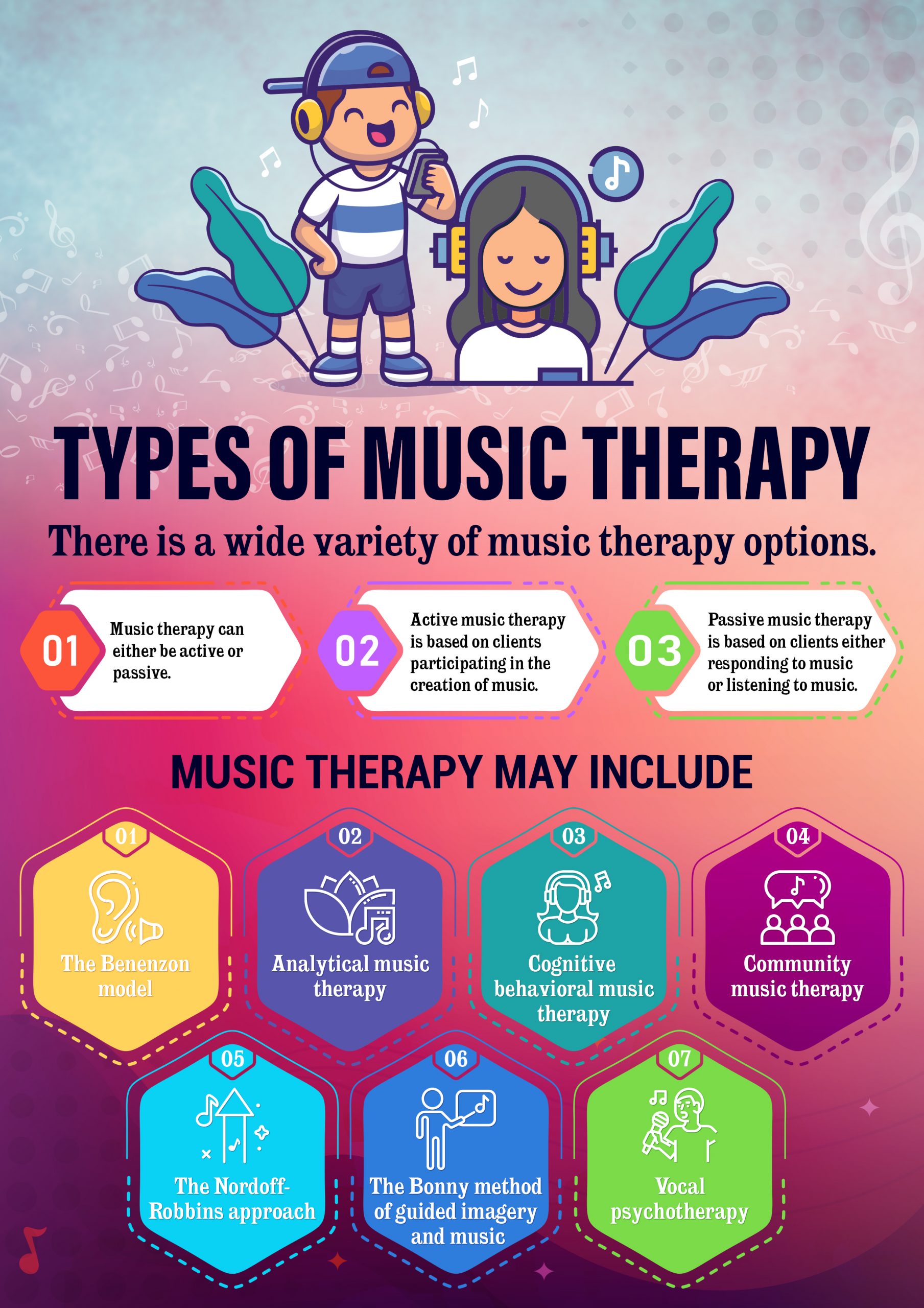
Music therapy consists of both active and passive processes, which can be implemented individually or in a combined manner. Active music therapy is when the patient is involved in the creation of music, while passive music therapy is when the patient is involved in responding or listening to music.
There are different types of music therapy and these variations are implemented according to patient needs. The different types of music therapy include:
- Analytical music therapy: This type of music therapy, fueled by Mary Priestly, enables the igniting of conversation through the playing of a musical instrument, or through singing. Music is used as a means to enable patients to express their unconscious thoughts and thereafter have a comfortable discussion and reflective session with their music therapist.
- Benenzon music therapy: Dr. Rolando Benenzon is behind this type of music therapy that consists of body and sound non-verbal motions. These elements assist in the development, processing, and analyzing of patients. This type of music therapy is applicable to patients with autism, mental issues, Alzheimer’s, and communication weaknesses, to name a few. Benenzon music therapy aims to accurately match patients’ mental state to the most suitable external sounds.
- Cognitive behavioral music therapy: This type of music therapy involves dancing, singing, listening to music, or playing a musical instrument. It is a combination of Cognitive behavioral therapy and music to process thoughts, emotions and feelings. This type of therapy focuses on reinforcement or modification of certain patient behaviors.
- Community music therapy: As the name suggests, this type of music therapy is facilitated in a group setting and requires members to be active and participate. It is used as a social platform for clients to share and receive information on issues all through the common ground of music. It gives members a great sense of belonging, security and comfort, and allows people to realize they are not alone in their experiences.
- Nordoff-Robbins music therapy: Developed by Paul Nordoff and Clive Robbins, this type of music therapy is an active process which requires patients to play an active role in the creation of music in order to promote growth and development. This is an improvisational process whereby patients play an instrument, usually a drum, along with their music therapist who is also playing a musical instrument.
- The Bonny Method of Guided Imagery and Music: This is a type of music therapy developed by Helen Bonny. It uses classical music and imagery in a treatment plan. This entails the music therapist selecting classical music for the patient to listen to, and then allowing the patient to experience this music using their imagination and describe this experience to their music therapists.
- Vocal psychotherapy: This type of music therapy, as its name suggests, is centered on the voice. This consists of the use of sounds, breathing techniques, songs, and vocal exercises between the client and their therapist. The goal is to enable the patient to connect with their emotions and facilitate personal growth and change.
- Dalcroze eurhythmics: This aids in physical awareness and motor skill development through structure, rhythm, and movement.
- Kodaly method: This improves perception as well as motor skill ability by using movement and rhythm.
- Orff-Schulwerk method: This technique encourages children with learning disabilities and delays through the use of music as a medium to encourage interaction between the patient and music therapist.
These various types of music therapy are used and implemented according to patient needs, preferences, and personal strengths. Over the years, these music therapy models have evolved and developed to become more intentional, effective, and beneficial processes.
Depending on the client, it is not uncommon for music therapists to combine certain types of music therapy to reach their desired outcome.
Module 4
Although similar, sound therapy and music therapy are not the same thing. Both can use the same equipment and rely on the same theories, but they’re considered their own unique areas of therapy.
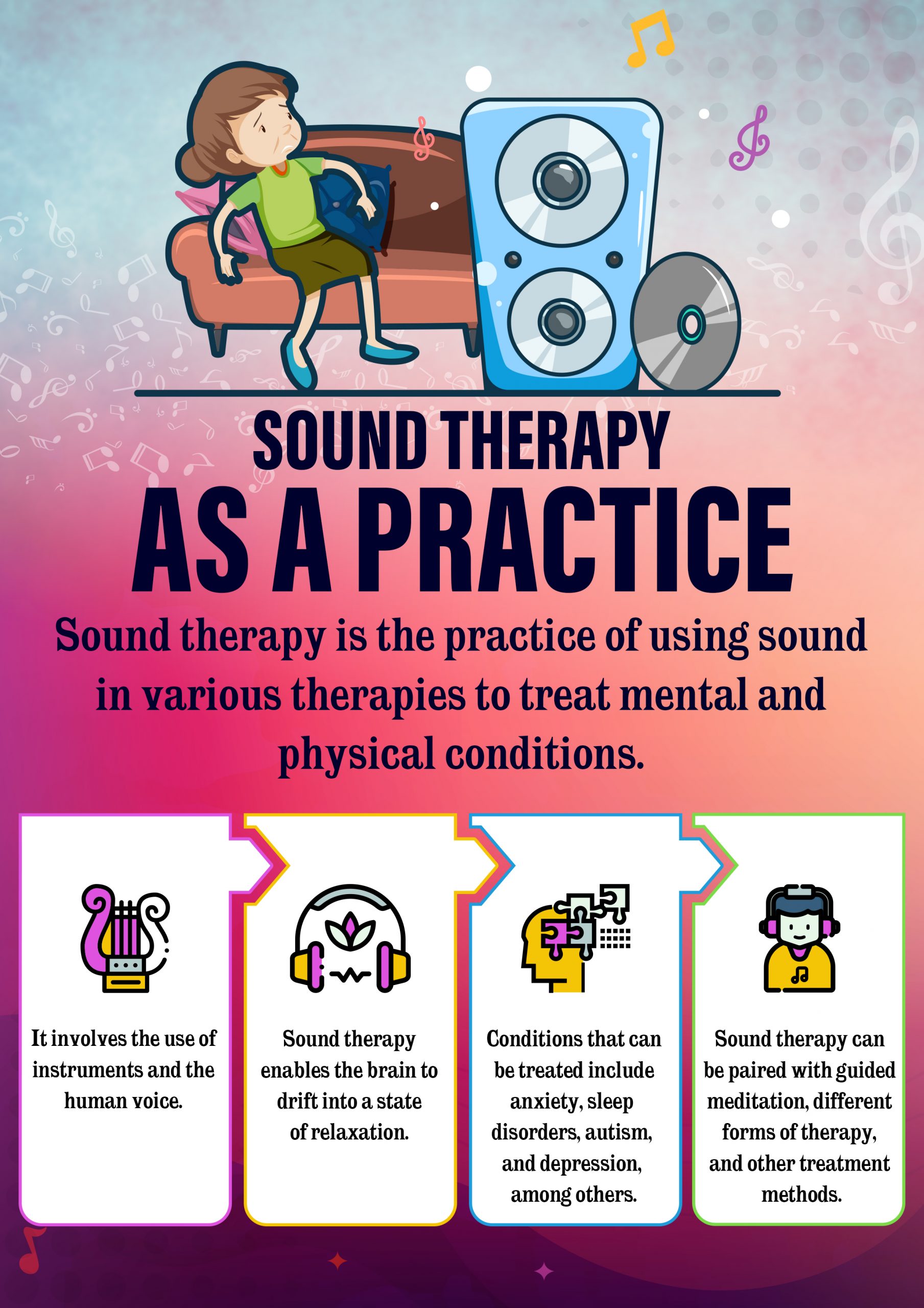
History of Sound Therapy \n Sound therapy has existed and has been used as a healing tool right from the Ancient Greek times. Sound therapy is the practice of using sound in numerous types of therapies to help in the treatment of mental and physical conditions.
Sound is used to facilitate healing by incorporating the human voice as well as other specific instruments which are used to fuel the transmission of vibrations and sound waves throughout the human body.
In the practice of sound therapy, a state of relaxation in the brain is attained by using frequency and rhythm to create stability. This is possible because of the power of sound, which has the ability to stabilize and synchronize brainwaves through the process of entrainment.
Entrainment enables the change of our normal state of consciousness to a relaxed state of consciousness, and even sometimes to a state of meditation or sleep.
Different forms of sound therapy target different conditions, which could be physical, emotional or behavioral related. It can be used to treat many of the same conditions as music therapy.

Types of Sound Therapy
Like music therapy, sound therapy also has several different styles and variations. These can vary depending on the therapist’s individual skills, personal preference, or other factors.
- Toning and chanting: This method uses the human voice as a means of pressure or stress relief, while also encouraging the improvement of patient communication abilities and listening skills. Using this method, therapists will teach patients all they need to know about these sounds, and will also use their own voice to complete the process and assess the patients through a process known as “overtoning.”
- Vibrational therapy: This is a form of sound therapy that uses vibrations for healing purposes. This is done by placing an instrument on a patients’ body at the point of weakness or pain, and using a carefully selected sound to infiltrate through the body. This results in rehabilitation of damaged or unhealthy parts of the body and healing.
- Tuning forks: This kind of tool is used as a sound therapy method to encourage balance and relaxation.
- Ancient adaptations: This method was adopted from ancient times where Tibetan monks used Tibetan singing bowls, and incorporated meditation or chanting to promote and aid in healing.
- Hemi-sync therapy: This method of sound therapy is designed to result in a change in a patients’ state of consciousness by listening to specific and intentionally chosen music that encourages the balancing of the left and right hemispheres of the brain.
- Audiotapes: This is a type of sound therapy that incorporates recordings of music or frequencies. The music can target physical or emotional issues in certain conditions like weight imbalances, stress, and anxiety.
- The Tomatis method: This method of sound therapy improves cognitive abilities. The patient uses unique headphones to listen to sound recordings that have been altered electronically.
Sound therapy is used according to patient needs and requirements and often involves a number of instruments, including:
- Crystal bowls
- Chimes
- Tibetan sound bowls
- Tuning forks
- The human voice
At times, sound therapy also entails the use of previously recorded sounds, such as ambient music, guided instructions from music therapists, or white noise.
Sound therapy is so diverse in its approaches because it has the ability to use tools to create a feeling of calmness or to elevate the focus, energy, and mood of the patient.
Combining Sound and Music Therapy
Sound therapy can be used alongside music therapy, as it is known for healing and improving physical, emotional, and behavioral health.
Sound therapy is used to encourage healing and health improvements through the use of vibrations, frequencies, and sounds. Music therapy, on the other hand, is a more recent practice which focuses more on the wellness of the patients as opposed to musical skills.
Sound therapy can be used with music therapy because the aspect of incorporating sound to encourage wellness goes hand in hand with the goals set in music therapy. Sound therapy can help in reducing stress and anxiety in patients and help to rectify mental and physical imbalances.
Sound therapy can be used for the following reasons:
- Memory aid
- Stress relief
- Minor medical treatment (migraines)
- Major medical treatment (fibroids, Alzheimer’s, cancer, Parkinson’s disease)
- Pain management
- Mood altering
- Improved social and cognitive processes for children in school
- Improved verbal and literary skills
Sound therapy and music therapy overlap in many areas. Therefore, by incorporating sound therapy alongside music therapy to tackle a problem, the patients receive the benefits from both of these therapies. Therapists can even alternate between them as needed.
Music therapy is a more recent practice as compared to sound therapy. Sound therapy is a more practical therapy, whereas music therapy is more on the theoretical, analytical spectrum in regard to therapy.
Sound and music therapy may be used in conjunction with each other because sound therapy provides the sound, frequency, and relevant beat which initiates the therapy process, and music therapy helps the patient to process through and understand these sounds and evoked emotions.
Sound therapy sessions may include:
- Drumming
- Tuning forks
- Hand-clapping
- Singing
- Dancing
- Pulsing music
- Sound bowls
Although sound therapy may not require as many qualifications or standards as music therapy does, it is important for music therapists to understand the concepts of sound therapy and all it entails.
Module 5
Instruments
Piano is regarded as one of the most important instruments in music therapy. Playing this instrument allows patients to express their feelings through non-verbal communication.
Learning how to play the keys encourages patients to gain understanding of their own personalities and simultaneously helps to improve their fine motor skills while doing something they enjoy. The piano is also an important and popular instrument in music therapy because it allows both the patient and therapist to play at the same time.
Guitars and ukuleles are important instruments because, like the piano, they allow the patient and patient to interact at the same time. The strumming and plucking actions aid in the improvement of motor skills and can also be a form of non-verbal expression.
Djembe drums are such a powerful instrument in music therapy. This instrument has positive effects on the brain and can improve a patients’ learning ability and non-verbal communication skills.
Djembe drums are effective at every stage as they are a great developmental tool used in music therapy. Due to their sounds and the rhythmic action of drumming, djembe drums can help reduce anxiety and stress, and get rid of negative and bottled-up emotions.
Tambourine is beneficial in achieving music therapy goals because its structure and use helps improve patient coordination. In a group setting, tambourines encourage patients to learn to share, and emphasize the importance of taking turns which improves their social skills.
Shakers or maracas are generally light in weight and require minimal effort to lift and produce sounds making it suitable for all stages of development in both children and adults. They can improve fine and gross motor skills, and improve patient confidence as well.
Melodica is similar to the piano, but this is a wind instrument. This is a great tool and may be used in a group setting or with the patient and therapist playing along together in a duet.
Handheld percussion is an umbrella term which includes instruments such as boomwhackers, cabasas, beaters, and guiros. They produce healing, rhythmic sounds and help improve fine motor sensory skills.
Xylophone is used to improve hand-eye coordination, motor skills, attention spans, and impulse control in both children and adults.

Interventions
Apart from musical instruments that are used in music therapy, there are also different interventions of music therapy.
Composition music therapy involves the creation of music by the patient with help and guidance from their therapist. This could be writing lyrics or even music, creating a sense of accomplishment for the patient.
Listening music therapy is also known as receptive music therapy. It involves the patient listening to and responding to music through various ways depending on the objective.
Responses can be through dancing, describing feelings, or just simply being silent and allowing music to have its effect. This process encourages positive mood changes, improvement in memory and auditory skills, and encouraging relaxation and calmness.
Recreation music therapy is beneficial for people with dementia, brain injuries, and developmental issues.
Recreational music therapy involves patients singing along to songs or playing along to a composed song with a musical instrument.
This form of music therapy intervention improves social skills, fine motor skills, and gross motor skills. It also provides an opportunity for expression.
Improvisation music therapy is a spontaneous form of intervention which allows the patients to make music and have their therapists discern their moods and emotions. This encourages creativity and grants a sense of freedom.
Improvisation
Improvisation in music therapy is characterized by spontaneity. It allows patients to be creative and is a great non-verbal and social process that has major health benefits on patients.
Improvisation allows patients to become more independent and improves patient interaction as it is a flexible form of intervention, as opposed to being predetermined.
There are two types of improvisation that music therapists can implement depending on their patients’ needs:
- Non-referential improvisations, where the patient relies on improvisation solely based on music and sound, and nothing else
- Referential improvisations, where the patient relates to nonmusical improvisations, such as an image, feeling, or event
There are five main music therapy improvisation techniques or methods. These consist of reflecting, rhythmic grounding, imitating, dialoguing and accompanying.
Each of these are applied in different ways, depending on patient needs.
- Reflecting: This involves the music therapist expressing the exact same feelings or mood that the patient has already expressed.
- Rhythmic grounding: This consists of the use of a beat or certain rhythm that the music therapist uses to support the patient during their improvisation.
- Imitating: This is when the therapist mirrors the patients’ response and it is regarded as an empathetic technique.
- Dialoguing: This entails improvisations being used as a medium of communication between the music therapist and patient.
- Accompanying: This method of improvisation is when the patient is supported or assisted by the music therapist.
Improvisation is a beneficial technique in that it allows patients to reach set goals, as well as granting them the necessary freedom to express themselves and be creative, without having to stick to scheduled and routine processes.
This music therapy intervention technique also allows patients to take charge and gain a sense of being in control.
This helps to improve their confidence and creates a sense of achievement.
 Individual Therapy
Individual music therapy consists of therapy sessions that are one-on-one, meaning a session between just the patient and their music therapist. This kind of therapy setting maintains patient confidentiality.
This really benefits individuals who struggle with social interaction and social anxiety. It gives them a platform and environment in which they can become comfortable with their music therapist, working towards improving their well-being without the overwhelming pressure of being in a group setting.
For autistic children, individual music therapy is a great setting for them as it does not take them completely out of their comfort zone, and allows them to interact with their music therapist and receive the attention they require.
Individual group therapy also allows the music therapist to give their undivided and absolute attention to their patient which makes sessions more effective and rewarding. This one-on-one interaction can form strong bonds and relationships between the patient and therapist resulting in the patient opening up and making good progress.
Group Therapy
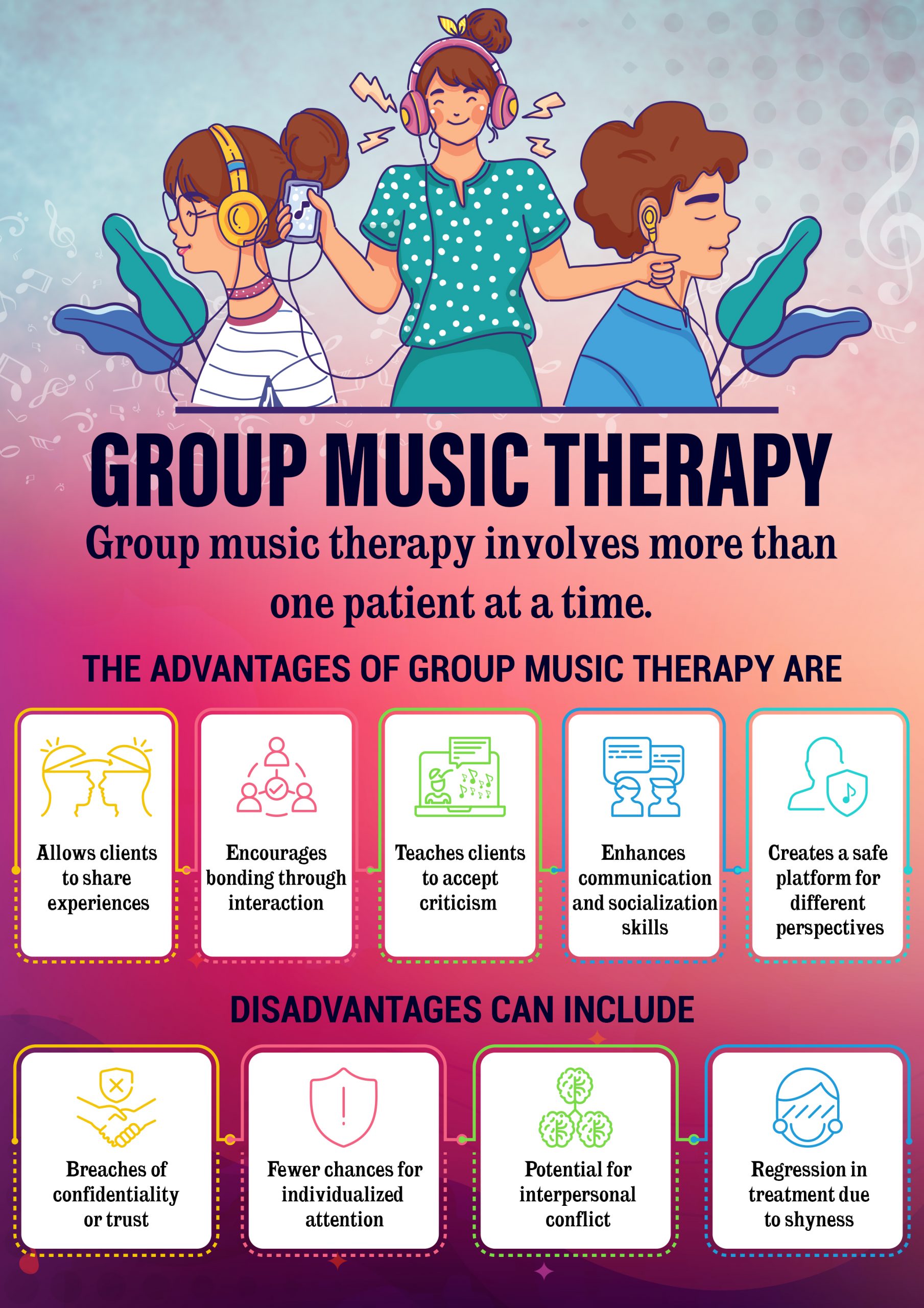
Group music therapy involves two or more patients and a therapist in a social setting. It encourages members to interact with each other and share similar experiences through a common ground, which in this case is music.
It allows patients to give and receive support from their fellow group members, and to gain insight into various perspectives and perceptions. Group therapy is a great socializing platform for the elderly, and for people facing the same issues.
For patients with a budget, group therapy is the perfect option as is it usually less expensive than individual music therapy. Group therapy is beneficial for people who are more comfortable around other people, as opposed to just their therapist.
Many patients will find motivation and inspiration from sharing and interacting in a group. Being in a group setting can encourage a sense of belonging and community and can also create special and genuine connections between patients.
Many people choose group therapy because they find comfort in knowing that they are not alone.
Incorporating Patient Feedback
When it comes to music therapy, be it individual or group therapy, therapists need to know where their patients are and what their thoughts are. In music therapy it is important to establish patient preferences. This can be done by taking into consideration patient feedback.
Sometimes, therapists may suggest songs, music, or instruments that their patients are not fond of. Therapists need to take action and provide alternatives as this will show patients that their feedback is valued, and their opinions matter.
Ignoring or disregarding patient feedback may cause patients to withdraw because they feel they are not being heard or listened to. Incorporating patient feedback will also avoid therapists acting on their own assumptions and making incorrect decisions.
Taking into consideration patients’ thoughts and feelings towards aspects within their therapy will enable music therapists to adjust and make necessary changes to their patients’ treatment plans. For patients with communication challenges, therapists may need to pay greater attention to their patients’ non-verbal communication, which could be shown in facial expressions, posture, or gestures.
Prompting Feedback
At times, therapists will notice that their patients do not respond to the programs set out for them. To help in the assessment and evaluation, therapists can ask the following questions:
- How do the songs/instruments we selected make you feel?
- Why do you think this treatment regimen is not working for you?
- Do you have any suggestions you think would help improve the way you are feeling?
- Do you have any specific songs/instruments you would like to substitute with the current ones?
- What are the particular aspects in our plan that you do not like?
- How do you feel after our music therapy session?
The best questions to ask are simple questions that will be easy for the patient to answer.
Module 6
While people often associate therapy with mental health, music therapy has a broad variety of applications. It can be used in many different ways, and restricting it to mental health can be a limiting perspective.
Mental Health and Behavioral Adjustment
There are a number of mental health conditions and behavioral problems that can benefit from music therapy.
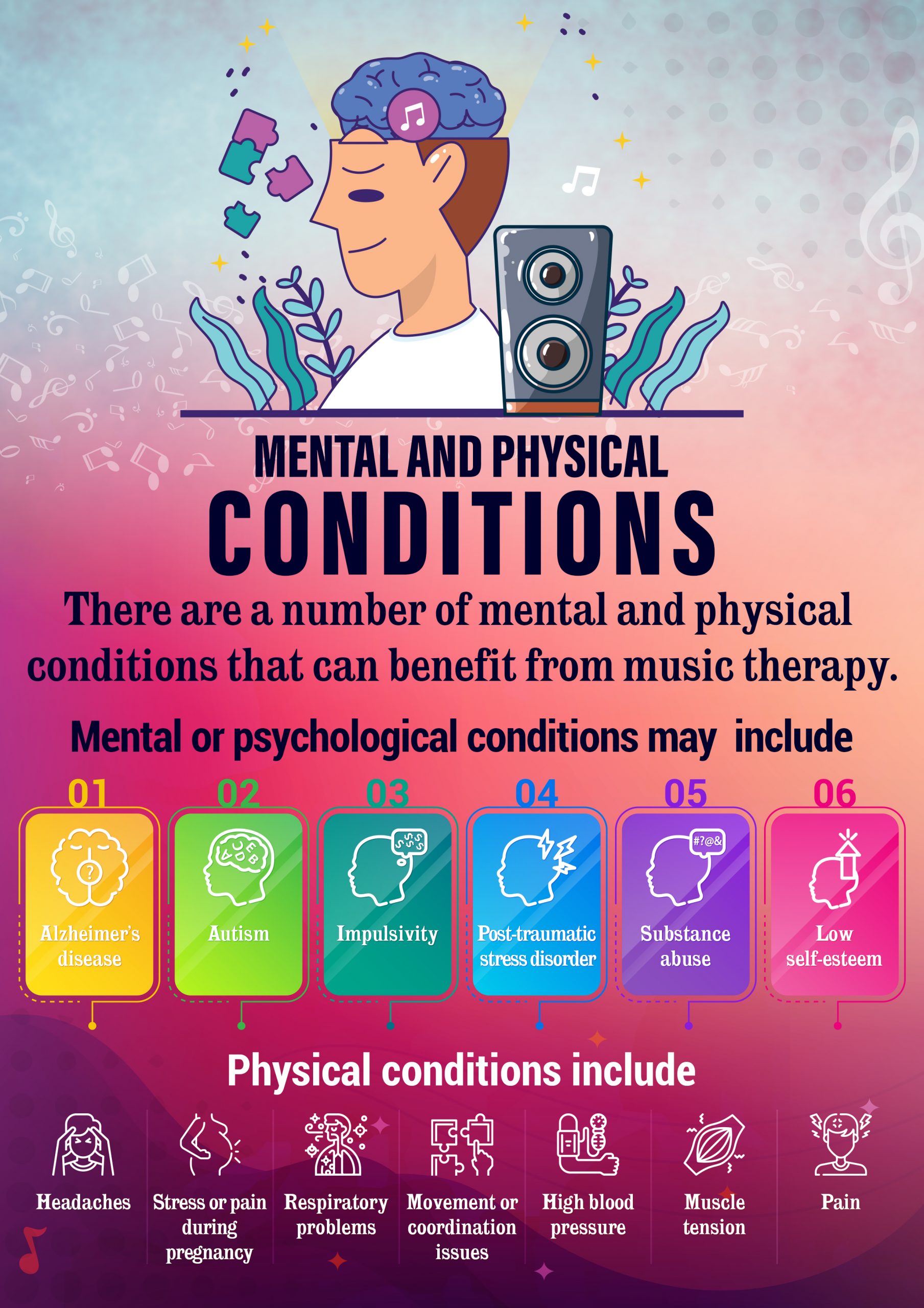
- Autism: Autistic people usually tend to respond to music well and find it. Music is open to all disability levels making music therapy a great way to help autistic individuals. Music therapy can benefit people with autism by improving their communication and cognitive skills and giving them a means to express their emotions and feelings.
- Alzheimer’s: Areas in the brain that are linked to musical memory are usually left undamaged and therefore people with Alzheimer’s can benefit greatly from music therapy. Music therapy can benefit Alzheimer’s patients by relieving stress, anxiety and depression, and lifting their moods.
- Impulsivity: Music therapy can help in regulating moods, especially through rhythmic tunes as this has an effect on the human brain which results in calmness and a reduction in impulsivity.
- Post-traumatic stress disorder: Due to its nature, people who suffer from post-traumatic stress disorder may experience anxiety, depression, and memory flashbacks. Music therapy provides a platform for expression and has the ability to reduce depression, anxiety and stress. It can also promote relaxation and be used as a non-verbal means of communication.
- Low self-esteem: Music therapy helps to enhance moods and express emotions. People with low self-esteem can benefit from music therapy because it provides patients with a safe platform and space to express themselves and build confidence.
- Depression and anxiety: Music can affect the release of stress hormones released by the human body. Reducing these stressor hormone levels can also result in reduced levels of depression and anxiety.
- Non-verbal and verbal communication issues: People who have difficulty with communication need an outlet, and music therapy can provide it. Music therapy allows people to communicate and express themselves without saying a word, simply by playing and instrument or relating to songs.
- Obsessive compulsive disorder: Music therapy helps alleviate stress, anxiety, and depression symptoms that, in some people, result in OCD. Practicing music therapy can help reduce these issues, thus improving obsessive behaviors.
Physical Health Conditions
There are quite a few different physical health conditions that can benefit from music therapy. These consist of:
- Movement and coordination issues: Music therapy can improve fine and gross motor skills, increase physical independence, help with muscle strengthening, and also improve balance.
- Childbirth: Music therapy can benefit the process of labor and issues related to childbirth by reducing pain during labor, by encouraging women to voice their opinions, and develop ways women can have an increased sense of control during their delivery process.
- Headaches: Music therapy can reduce the pain caused by headaches as well as reduce the frequency of headaches.
- Respiration problems: The symptoms and effects of respiration problems may be reduced by music therapy.
- High blood pressure: Music therapy can help in the reduction of systolic pressure which resultantly reduce high blood pressure.
- Muscle tension: Music therapy has the ability to soothe feelings of tension and resultantly allow calmness and relaxation to seep in which then reduces and relieves muscle tension.
- Pain: Music therapy can help in the reduction of pain due to the release of hormones that inhibit pain receptors in the brain.

Specialized Programs
Despite its widespread benefits, music therapy is most commonly used to treat certain conditions. Music therapists may even specialize to cater to a specific condition or group.
Autism
Autism is a developmental disorder that affects one’s ability to interact and communicate. Autism is an incurable condition, but it may be managed and treated by therapy and medicine.
Some common symptoms of autism include constant movement or wanting to maintain specific and particular routines. Autistic people may experience sensitivity to light and touch.
They may also engage in repetitive behaviors. These may include jumping or rocking, being fixed on specific objects, or saying a sound over and over.
Music therapy plays a major role in treating autistic patients. This is because patients with autism tend to respond well to music as it follows a pattern and steady flow, which is similar to their lifestyle of being comfortable with routines and patterns.
Music therapy for autistic patients has the ability to improve communication, focus, and social skills. Group therapy can be especially beneficial.
Speech and music involve rhythm, pitch, pattern, and flow. Hence, the incorporation of music therapy proves highly beneficial to improvements in speech in autistic patients.
In regard to the type of music therapy often used in autistic patients, improvisational music therapy is at the forefront. This is because improvisational music therapy gives autistic patients the freedom to explore new areas of creativity with little guidance from music therapists.
Open-ended therapy sessions allow patients to exercise self-expression and work on their communication skills.
Parkinson’s
Parkinson’s is a neurological disorder. It’s degenerative in nature, meaning it progresses over time. Common symptoms of this disorder include communication and speech issues, and loss of control of motor skills.
Using music therapy in Parkinson’s helps to improve speech by simply encouraging patients to sing along to a song they enjoy and exercise breathing techniques. Music therapy allows patients to work at their own pace and time.
Quadriplegia
Quadriplegia is a physical condition that is characterized by the inability to use all four limbs as a result of severe injury or damage to the spinal cord. This often leaves quadriplegic patients with weakened respiratory systems and issues with voice projection.
Incorporating music therapy in quadriplegic patient treatment can assist in the strengthening of respiratory systems. Singing and vocal exercises require quite a large amount of strength from respiratory muscles.
This results in strengthening the respiratory system and improvements in voice projection.
Deafness and Hearing Loss
Music therapy can help people with hearing loss learn to speak and articulate with proper pitch. Using rhythm can also help d/Deaf or hard-of-hearing patients learn speaking cadences.
In one study, a music therapist used visual notes to help d/Deaf patients understand inflection. By adding another tool, the therapist helped make patients comfortable before adding new techniques.
Songs can also be more interesting to young children who need to study language by repeating things frequently.
Songs tend to have patterns and an increased ability to hold a child’s focus.
Dementia
Dementia is a condition that includes the loss of memory and language, as well as the ability to speak and communicate effectively. Music affects many parts of the brain, including those that govern memory.
Even though some patients who suffer from dementia lose their ability to speak or recall memories, music can remain a means of communication. In patients with dementia, listening to music can encourage feelings of happiness and trigger memories that may be attached to certain songs.
Music therapy also reduces depression, stress and anxiety, which are all issues that people with dementia may face.
Music therapy can also encourage interaction and socializing with others in a group setting.
Group therapy can reduce feelings of loneliness, and encourage a sense of purpose and belonging.
Cerebral Palsy
Cerebral palsy is usually associated with improper brain development before a baby is born. It results in problems with movement, muscle development, and body posture.
The severity of this condition ranges from mild to severe. However, regardless of the stage, music therapy can help in treating and managing cerebral palsy.
Music therapy helps in patients with cerebral palsy because it improves motor skills and movement through dancing to music. It also helps to reduce stress and allow for relaxation.
Music involves rhythm, which assists children with cerebral palsy in improving coordination in an enjoyable and exciting manner. Music therapy can also help to improve communication and speech impairments through words and the repetition of catchy songs and tunes.
Attention and focus may also improve due to the cognitive advantages that accompany music therapy. \n Stress
Although stress is common for most people, there is a point where stress can become a serious health risk. Physical symptoms may include:
- Headaches
- Gastrointestinal distress or diarrhea
- Increase in heart rate
- Sexual dysfunction
- Tinnitus
- Appetite changes
- Disrupted sleep
- Fatigue
Emotional symptoms of stress may include:
- Feelings of worthlessness
- Poor mood regulation
- Social isolation
While these are more noticeable, people often fail to consider how stress plays a role in cognition. When the brain is under stress, it can impact all aspects of a person’s life.
Stress results from a feeling of being threatened, even if it isn’t a physical threat. This can lead to:
- Poor judgment
- Reduced impulse control
- Mental burnout
- Forgetfulness
Music therapy has been shown to decrease stress even in infants. Music has been used to cover up confusing sounds or alarms in neonatal intensive care units.
Music can slow the heart rate and reduce blood pressure. It can also impact immune function by increasing key immune system components like immunoglobulin A.
Music Therapy Settings
Music therapy is used to assist people in a variety of settings. Places where music therapy is used include:
- Schools: Educational facilities have children from various backgrounds with various communication and learning difficulties that may be treated and corrected by music therapy.
- Childcare centers: Children face some serious issues and conditions, such as autism, cerebral palsy, and learning difficulties. All of these conditions can be treated by music therapy.
- In private practice: Music therapy may be used by music therapists in a private practice to offer unique services to individuals or groups.
- Disability care institutions: In these facilities, music therapy is used along with a variety of other therapies to provide patients with the treatment and assistance they require and need.
- Hospitals: Music therapy is incorporated as a practice in hospitals to help in treatment or healing.
- Palliative care institutions: For patients near the end of their lives, anxiety, depression, and stress are just a few of the serious challenges they face. Music therapy is used in these facilities in order to reduce these symptoms and encourage calmness, peace, and support.
- Prisons: As you might imagine, prisoners can face very serious mental health challenges. Music therapy can help alleviate and reduce some of these symptoms and hence is used in prison centers.
- Senior care facilities: Music therapy is often used in these facilities to cater for residents that suffer from conditions like Alzheimer’s, dementia, and Parkinson’s. It can also provide a social platform for residents to socialize and interact while doing what they love.
- Community health centers: Within communities, people face various stressors and other mental health challenges in their daily lives. The incorporation of music therapy helps tremendously to alleviate some of these issues.
\

\
Module 7
There has been a lot of research into music therapy and all it entails. It has been proven that music therapy is effective and beneficial to receiving patients, which has allowed music therapy to become an evidence-based acceptable type of therapy.
Music therapy techniques and methods in their variety, specialization, and diversity. According to patients through word of mouth and noticeable improvements, music therapy has been rewarding and impactful.
However, because music therapy relies largely on patient input and therapist visual evaluation, this makes music therapy research subjective. To gain a stronger foundation, music therapy research needs to include standardized evaluation methods that are specific to the field as a whole.
Also, including methods that are more quantitative than qualitative would provide inarguable statistical evidence of progress. In addition, advancements in technology that could be used on a global scale would improve the reputability of music therapy research.
Relying on theoretically based cases without a wealth of practical, statistical, or methodological information can cause some practitioners to doubt music therapy.

Negative Effects
The impact of music therapy on patients can result in either positive or negative impacts. There are various reasons as to why the impacts of music therapy reap different outcomes for different people.
Anxiety
While music therapy is known to help reduce anxiety in most individuals, sometimes it results in the complete opposite and leads to an increase instead. If a music therapist uses the wrong music, this can send the patient into a total decline and have a negative impact on the patient.
Patients who suffer from depression, stress, or even Alzheimer’s are tricky cases. Their moods and anxiety levels can be triggered and shifted very easily.
Even using music that has triggering lyrics or lyrics that the patient does not like can increase anxiety. This highlights the importance of having an in-depth patient history before choosing a specific type of music.
Stimulation
Although music in music therapy is designed to be uplifting and beneficial, it can sometimes result in sensory overload. At times, music is too loud, or the instruments used are of high intensity.
Stimulation at normal levels is good, but when a patient experiences overstimulation, this can lead to feelings of distress, unrest, and agitation. Overstimulation can result in increased heart rate and blood pressure.
Patients who are often negatively affected by excessive stimulation of music therapy include patients with mental illnesses, autistic patients, and babies.
Triggers
Music therapy is used in patients with dementia and Alzheimer’s. Incompatible music can cause frustration or negative emotions to surface.
Sometimes, patients with post-traumatic stress disorder are highly triggered and negatively affected because the music, sounds, or lyrics can cause them to re-experience extremely traumatic incidents. This sets them back in their music therapy progress.
Positive Effects
On the other hand, music therapy can have positive impacts on patients and help to improve their overall health and well-being. A single bad experience doesn’t mean that music therapy can’t help a particular patient.
Physical Development
Human bodies respond well to music. Music therapy can result in development of physical skills, such as fine and gross motor skills by incorporating the playing of instruments or dancing.
This makes music therapy highly impactful because it benefits patients while providing an enjoyable, engaging, and exciting task.
Holistic Impact
Because of the way human brains respond to music and sound, music therapy has the potential to simultaneously affect multiple bodily systems. Music stimulates so many parts of the brain. \n For example, autistic patients can derive benefits related to speech and motor skills from the same type of therapy.
Mood
Music therapy increases excitement and uplifts moods in patients. Music therapy impacts patients positively because it creates an enjoyable and calm environment for patients to interact.
Tasks are much more interesting when music is involved. Hence, patients are more likely to be interested.
Music therapy can also provide patients with an ongoing hobby that can enrich their lives outside of therapy.

Music and the Human Brain
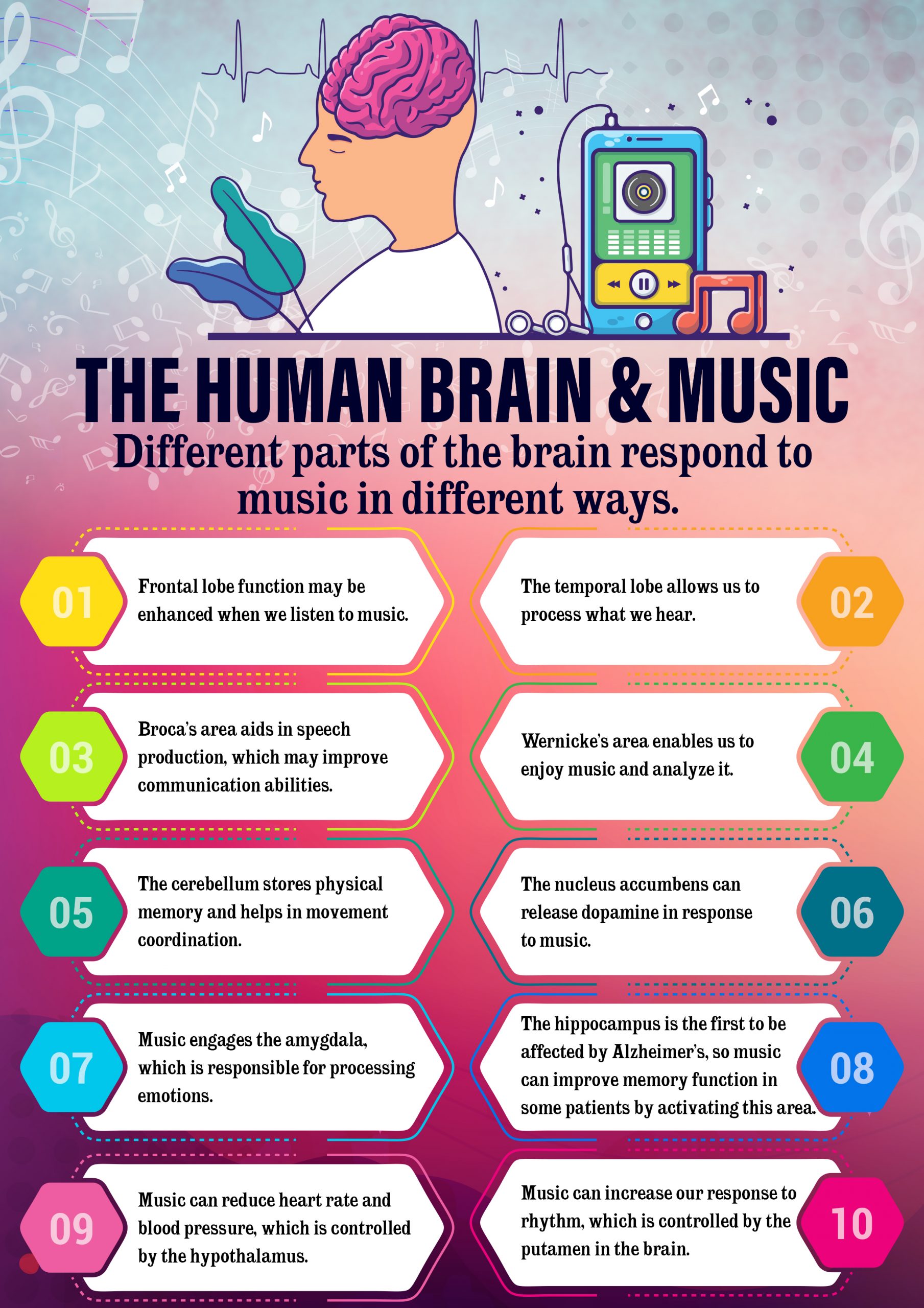
Music affects the brain in numerous ways. Our human brain is stimulated by music, with different types of music causing different stimulations.
At the same time, different parts of the human brain are affected in various ways by music. When the hypothalamus is stimulated by music, blood pressure and heart rate are likely to fall.
Reduced strain on the cardiovascular system can improve overall cardiac health. It can also make patients feel less physically stressed.
Music has the ability to create alpha waves in the brain, which leads to increased relaxation and a sense of calmness. Music is also capable of stimulating a part of the human brain called the pre-frontal cortex, which is responsible for memory and recollection.
Music increases activity in this area. It’s beneficial to Alzheimer patients in potentially retrieving memories and making emotional connections to those memories.
The amygdala is responsible for triggering and processing emotions. Music can instruct the amygdala to release certain chemicals and hormones.
Other regions of the brain that play a role in how patients experience music include:
- Nucleus accumbens
- Hippocampus
- Broca’s area
- Wernicke’s area
- The temporal lobe
- Cerebellum
The result of activation of these areas is not the same as each region is responsible for different functions. Music enhances functions in the brain and even causes synchronization between different regions.
Research
Music therapy is a rather recent study, and although it is growing in terms of awareness, inclusion, and implementation, there are still a lot of grey areas. The benefits of music therapy are evident. However, there is still room for extensive research to be done in certain areas.
Not everyone believes in the positive effect that music therapy could have. Because it is a relatively recent therapy practice, some people remain skeptical and unsure of music therapy and its ability to make a positive difference.
Therefore, to accumulate evidence and reduce skepticism and uncertainty, further research needs to be done in music therapy. Gaining a further understanding of how music therapy works to help with certain mental health conditions will establish more ways in which music therapy can be implemented and integrated into the treatment of these conditions.
For example, conditions like depression and schizophrenia are two complicated conditions. Their complexity resides in the fact that their behavioral patterns and responses to music therapy can be unpredictable due to the symptoms that accompany them.
Another future area of research in music therapy involves research in music therapy in relation to autism. Autistic patients are highly sensitive in many different ways. Music therapy has been known to help patients with autism express themselves
In addition, further areas of research in music therapy also include:
- Music therapy in people in a vegetative state or who have suffered brain injuries
- The techniques and methods used in music therapy and how they can be improved and specialized
- Music therapy and non-verbal communicators
- Music therapy and advancements in technology
The American Music Therapy Association sponsors research and has its own research committee. Its mission is to “advance public awareness of the benefits of music therapy and increase access to quality music therapy services in a rapidly changing world.”
AMTA assists thousands of providers, students, and researchers to further the field. They also hold an annual conference and assist with government relations to promote music therapy.
Notably, they also offer two peer-reviewed journals: the Journal of Music Therapy and Music Therapy Perspectives. The latter is less technical and designed for readers from a variety of backgrounds.
Module 8
Various cases provide evidence of the benefits that music therapy can have on different people. Each unique case contributes to the existing research on music therapy by showcasing different findings and considerations that therapists should have when dealing with patients.
Case Study 1: Dementia
A case study of eighty-nine patients with dementia was carried out in 2014. Patients were split into three categories: listening to music, singing, and a control group of regular care for ten weeks.
In comparison to the control group that underwent normal care, the groups who listened to music and participated in singing showed a positive change in their mood. They also had improvement in memory.
Key Learnings
Patients derived benefit from listening to music or singing. This highlights the versatility of music therapy.
Patients don’t necessarily need to participate in the same type of music therapy in order to derive similar benefits. Even though listening to music is more passive than singing, those patients still experienced benefits in terms of mood and memory.
Case Study 2: Down Syndrome
In 2018, a case study of a one-year-old boy with Down syndrome was conducted. This little boy had communication problems, vocalization issues, and difficulty following instructions.
After a few weeks of therapy sessions, remarkable changes were noted. He was able to follow instructions and play musical instruments. His communication skills developed as well.

Key Learnings
This young boy was able to improve because of music and the introduction of instruments. This shows that refocusing children with Down syndrome can change the way they approach tasks.
Case Study 3: Multiple Conditions
Many music therapy cases can be complicated by the unique set of conditions of the patient. In 2019, a case was observed of a girl who had Down syndrome, but was also deaf, blind, and autistic.
In her efforts to communicate and make sense of her world, she experienced great sensory satisfaction in throwing objects, and pushing large objects over. As the dangers of this could not be explained to her, her music therapist aimed to replace that sensory need with another.
Her music therapy treatment consisted of a bass drum and autoharp. Those instruments allowed her to feel vibrations.
At the initial stages of her treatment, she would try to throw the instruments around or push the drum over. After some months, her eagerness to throw objects was surpassed by her eagerness to feel the vibration from these instruments.
Her overall happiness was improved, and she displayed a new interest in engaging in toy play and communicating through humming. Music therapy provided her the sensory sensations, outlet, and means of communication that she had not had before.
Key Learnings
The benefits of music therapy aren’t immediate. They may take time to show benefit. If the therapist in this situation had given up as soon as the little girl threw the instruments, then the patient wouldn’t have had the time to develop positive associations.
This is also a case of the therapist matching the patient’s needs to the type of music involved. Since this child enjoyed throwing things, the therapist chose instruments with vibrations that would satisfy that need in a healthier way.
Case Study 4: Communication
Another case study in 2019, showing the benefits of music therapy, involved a little boy with concealed communication and speech disabilities. The boy effectively used memorized phrases and statements he had learned in communication.
The challenge surfaced when new questions were asked. He could not use words in a new pattern to give a response.
His music therapist incorporated a drum in his therapy, which he would use to create a rhythmic beat to play along to the words of different sentences. Right from the onset of their music therapy sessions, the patient was able to process and say the statement while playing the drum.
As he progressed, he reached a point where he could say all the necessary words in one go without needing any rhythmic beat. This successful case shows evidence of the brain’s positive response to sound and music, improving its functionality.
Key Learnings
This little boy clearly connected with music as a therapy aid. The therapist recognized the importance of rhythm and cadence in speech.
By choosing a drum and taking the time to get to know the patient, the music therapist was able to recommend an effective treatment. Over time, the therapist removed the aid without compromising the patient’s newfound confidence.
Case Study 5: Chronic Pain
Chronic pain is a constant and daily form of pain that can affect people with long-term conditions. A music therapy case study was carried out to assess the impact on endometriosis and chronic pain patients.
The patient went for numerous sessions that involved vocalizations, playing instruments, and listening to music.
The patient was asked to complete a questionnaire before the music therapy treatment.
The initial evaluation showed a pain rating of 48 of 100, a pain coping scale of 2.8 of 10, and a need for medicinal intervention at 5 of 10. After some music therapy sessions, the patient was asked to complete this same questionnaire again.
Their results were as follows: Pain decreased from 48 to 37, coping increased from 2.8 to a 5.6, and their need for medical intervention was reduced from 5 to 3.3.
These results show improvement in every aspect that was measured and quantify how music therapy can benefit patients.

Key Learnings
Although these ratings could have been influenced by other factors, it’s clear that music therapy played a role in reducing pain and other negative effects. The patient was allowed to test numerous types of music therapy over the course of multiple sessions.
This shows the value of allowing patients to explore different options and participate over the span of several sessions before looking for results.
Music Therapy Statistics
Music therapy is a developing practice that is expanding rather quickly. Interest in music therapy from aspiring therapists is growing rapidly.
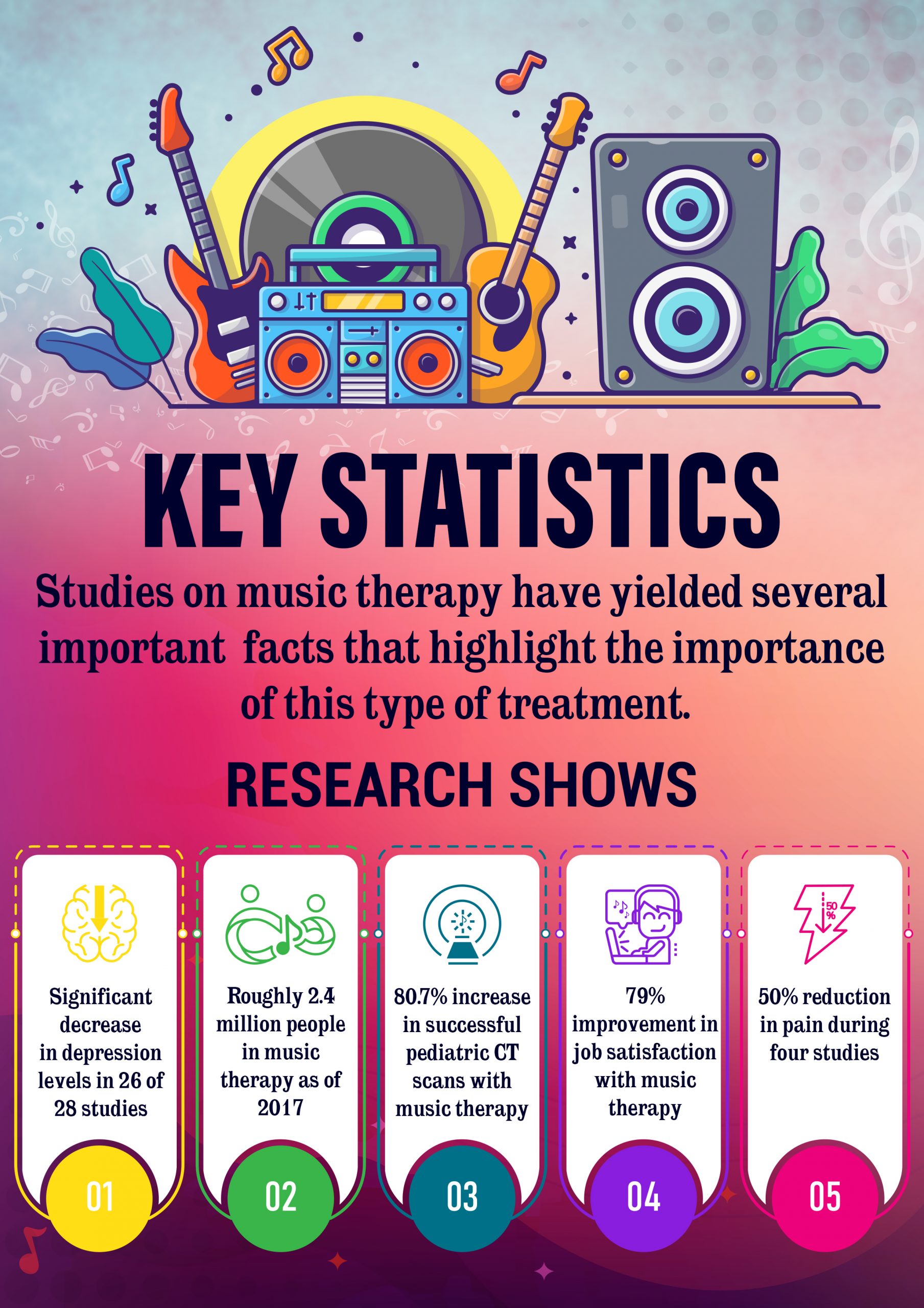
While not always a perfect metric, statistics can provide a more comprehensive picture of how fields evolve. While music therapy is still a relatively new type of therapy, statistics and research findings demonstrate that it shows great promise:
- The average number of individuals served by music therapists is 1.6 million people every year on a global scale.
- An estimated 22 percent of music therapists indicated that they worked with children and teenagers in the behavioral health discipline of music therapy in the year 2017.
- Due to the growth and development in music therapy as an independent practice, there are more than 70 music therapy programs that have been accredited by the American Music Therapy Association.
- A total of 79 patients diagnosed with clinical depression were involved in a study. Music therapy, in comparison to psychotherapy, resulted in much lower depression levels.
- The mental health population is the largest served population by music therapists at 20 percent.
- On the contrary, the lowest served population by music therapist includes patients with neurological disorders, which sits at a low 6 percent.
- A study was carried out on the treatment of depression with music therapy, using drums, xylophone, and synth.
The results showed that music therapy combined with standard care, as opposed to standard care alone, is far more beneficial to the patient.
Music and General Wellness
Although music therapy should always take place in a clinical setting with a certified music therapist, music has long been recognized as improving general wellness in other contexts. Researchers agree that music that can influence people even in daily life.
Lyrics can be especially meaningful. Some people may match their moods to certain songs or have a dedicated playlist that they save for certain activities. This is a form of using music to influence emotions.
In fact, several popular artists and classical musicians have supported music therapy over the years. Ben Folds, Pat Martino, and Maureen McGovern have all worked to further the field.
\ \