Recreating Anatomy for Regenerative Medicine – Stem Cells
Recreating Anatomy for Regenerative Medicine – Stem Cells
Module Title: 4BBA1010 Fundamentals of Anatomy and Developmental Biology
Prof. Francesca M Spagnoli
Date: 10th February 2025
Faculty: Life Sciences & Medicine
Location: Centre for Gene Therapy & Regenerative Medicine, Guy's Campus
Overview of Key Topics
Key properties of Stem Cells
- Self-renewal
- Differentiation
- Role in organ contribution and maintenance of tissue
Cell-cell communication: Niche & Microenvironment
Applications of Stem Cells in Regenerative Medicine
Recreating Anatomy in Regenerative Medicine
- Self-organization vs guided engineering approaches
- Example 1: Intestinal organoids and engineering the niche
- Example 2: Bioengineering pancreatic cell niche(s)
Overview on Stem Cells
Definition of Stem Cells
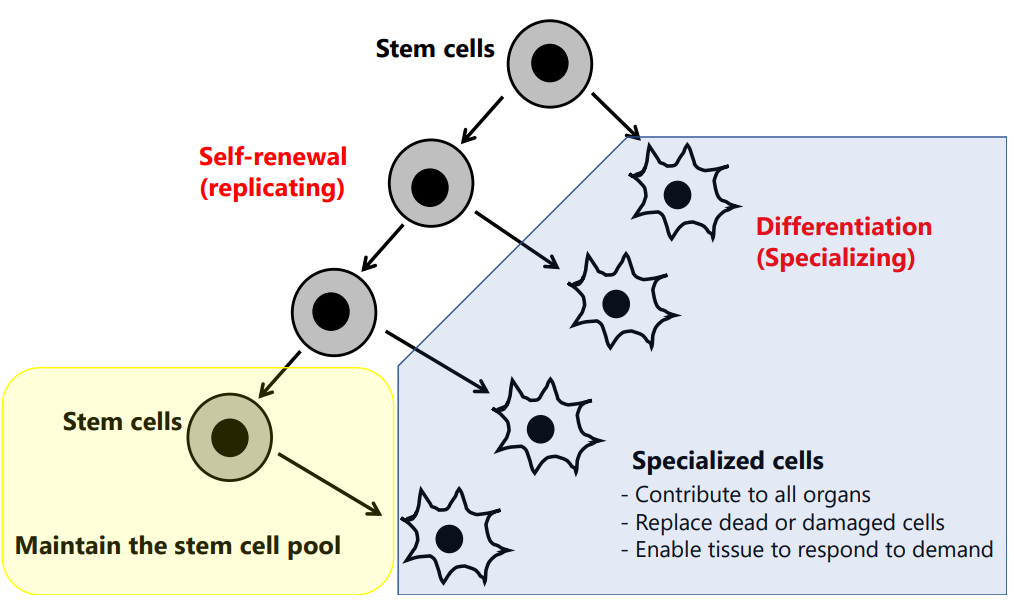
Stem Cell: An undifferentiated cell with the ability to self-renew and differentiate into specialized cell types.
- Self-renewal: Process through which stem cells replicate while maintaining their undifferentiated state, maintaining the stem cell pool
- Differentiation: Process through which stem cells specialize into differentiated cells contributing to organ formation and maintenance.
- Specialized cells replace dead or damaged cells enable tissue to respond to physiological demands.
Types of Stem Cells
1. Embryonic Stem Cells (ESCs)
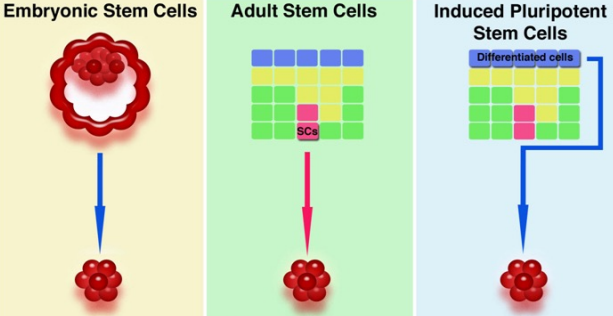
Originates from the inner cell mass of the blastocyst.
Characteristics:
- Self-renewal: Ability to replicate indefinitely.
- Pluripotency: Can differentiate into over 250 cell types. gives rise to tissue stem cells for the 3 germ layers so can form any cell in the bodyApplications involve generating mouse chimeras and various tissue types.
generation of 254 cell types originating adult tissue
2. Adult Stem Cells (ASCs)
Derived during ontogeny and persist in niches within most adult tissues/organs.
undifferentiated cell found in some adult organs
self-renew and differentiate to become most or all the specialized cell types within the specific organ
no ethical issues, restricted plasticity, limited quantities, hard to identify
Characteristics:
- Self-renewal: Capability of prolonged replication.
- Multipotency: Ability to differentiate into multiple tissue types. cells have the ability to develop into specific types of cellstypically present in organs that undergo constant renewal
Key for maintaining tissue homeostasis under both physiological and pathological conditions.
3. Induced Pluripotent Stem Cells (iPSCs)
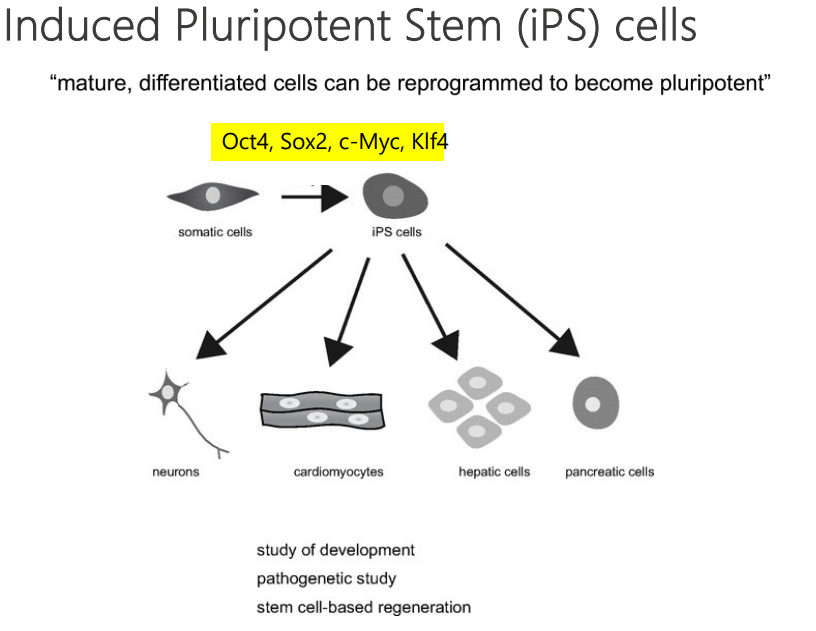
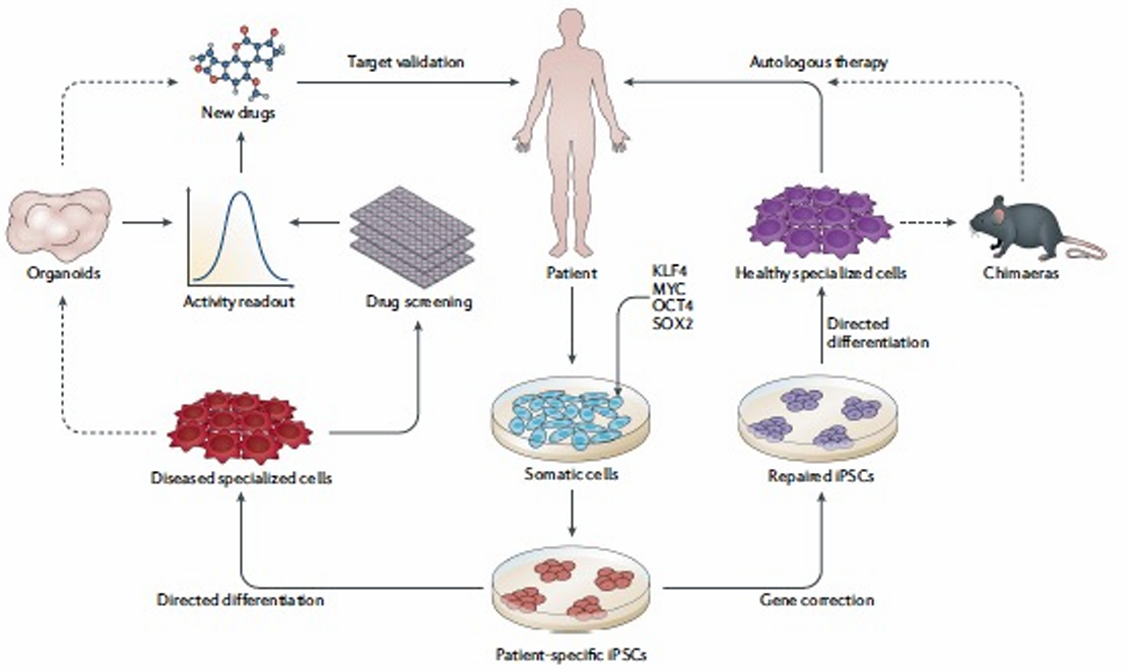
Created from somatic differentiated cells after transduction by transcriptional growth factors like Oct4, c-Myc, Sox2, and Klf4.
FGF preserves them in a pluripotent state, once removed they can differentiate into any cell type
Mature differentiated cells can be reprogrammed to become pluripotent
once established can self-renew and differentiate into any cell type
Characteristics:
- Self-renewal: Similar to ESCs.
- Pluripotency: Ability to generate various cell types.Applications include patient-specific stem cells for research and therapy.
generation of mouse chimeras
important for study of development, pathogenic study, stem cell-based regeneration
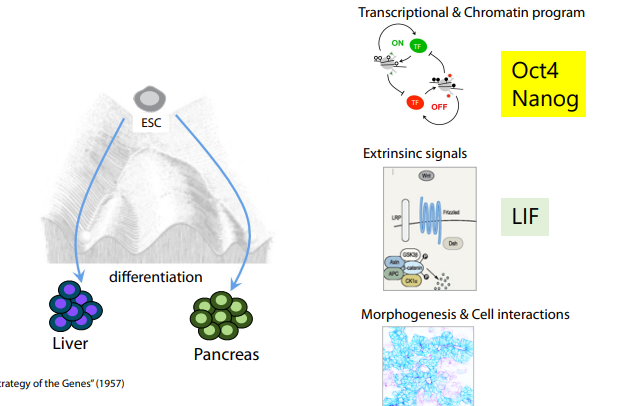
Establishment of Cell Identity
extrinsic signals (growth factors, e.g. LIF and FGF)
morphogenesis and cell interactions
Key transcription factors involved include:
- Oct4, Nanog, LIFrequires both intrinsic and extrinsic signals to cause differentiation into specific cell type
unraveling control mechanisms of cell identity has direct clinical and translational relevance
Stem Cell Niche and Microenvironment
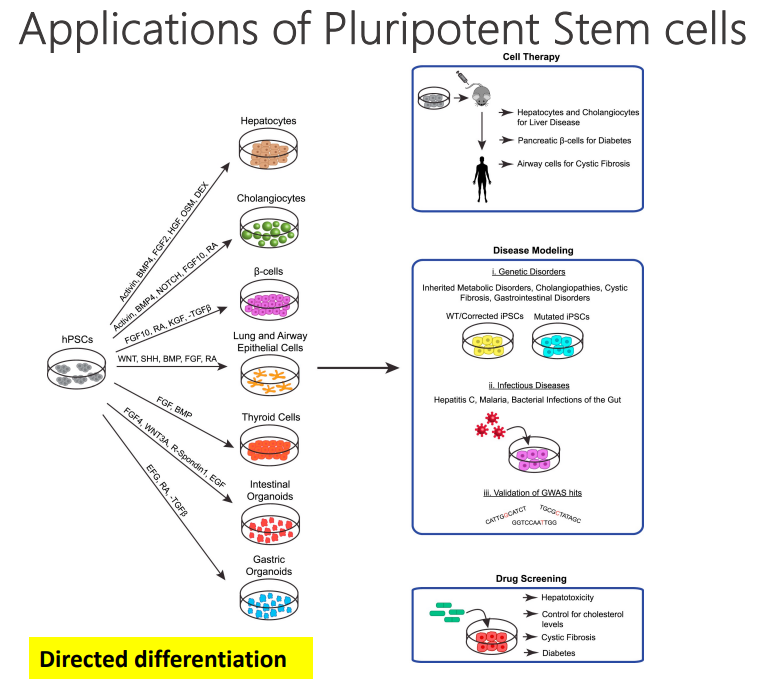
The Stem Cell Niche Concept
A Cellular Niche:
- Provides a supportive environment for controlled self-renewal and differentiation through cell-cell interactions.adult and pluripotent cells reside in a microenvironment which preserves the cells in an uncommitted state and helps them to support their self-renewal
where adult cells interact with other cell (bone marrow, intestine)
e.g. reside in hair follicles within basal layer of epidermis
e.g. intestinal SCs found at base of crypts
A Non-cellular Niche:
- Extracellular matrix (ECM) plays a crucial role in providing structural support and signaling for stem cells.reside in baso-lamina (ECM)
e.g. muscle (satellite cells)
cellular niche:
composed of other cell types (eg. bone marrow or intestine)
Intestinal Stem Cell Niche
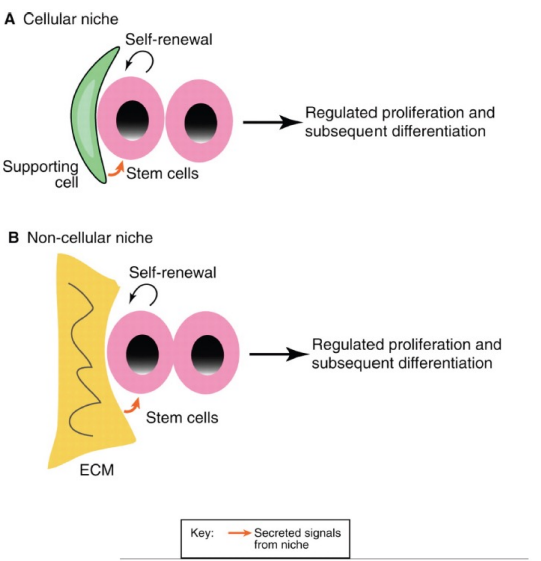
Anatomy:
- Villus and Crypt Structure:
- Cell shedding leads to differentiation and migration of cells.
- Short turnover time of small intestinal epithelium: ~5 days.
- Proliferative progenitors include goblet, entero-endocrine, absorptive cells, and Paneth cells.
- Total mitotic renewal takes 24-36 hours from crypts to villus apex.Lgr5 + SCs → give rise to transit amplifying cells → differentiate into: goblet cells, enteroendocrine cells, absorptive epithelial cells, paneth cells
Applications of Stem Cells in Regenerative Medicine
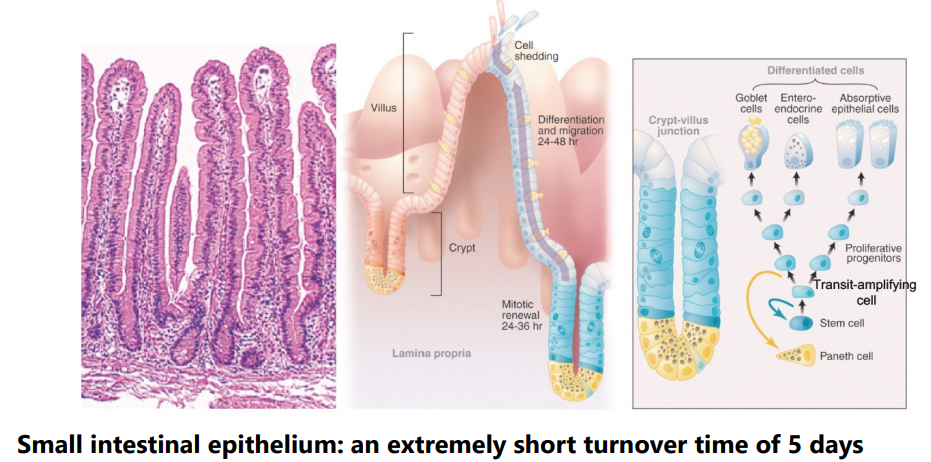
General Applications of Pluripotent Stem Cells
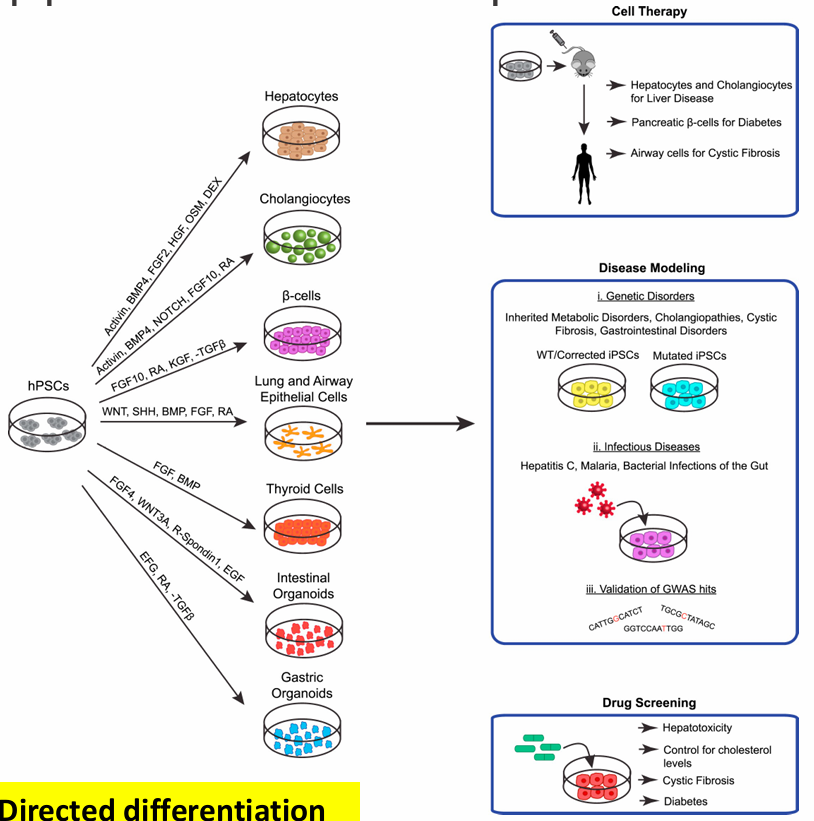
Cell Therapy:
- Types of Cells Derived:
- Hepatocytes, pancreatic β-cells, lung and airway epithelial cells, cholangiocytes.
- Limiting factors: Cell signaling pathways (Activin, BMP4, FGF2, HGF, etc.).
- Diseases targeted include liver disease, diabetes, and cystic fibrosis.Disease Modeling:
- iPSC-derived models used to understand genetic disorders, infections, and gastrointestinal disorders.Drug Screening:
- Used for safety and efficacy testing in hepatotoxicity and other diseases.need to be able to directly differentiate pluripotent cells to find cell of interest - directed differentiation
Progress in iPSC-based Therapies
Focus Areas:
allow us to model disease, define cell therapies, drug screening, etc.
New drug development and target validation via patient-specific stem cells.
Organogenesis:
- Organoids are created for patient-specific drug responses, leading to personalized medicine approaches.
Recreating Anatomy in Regenerative Medicine
Key Components to Consider
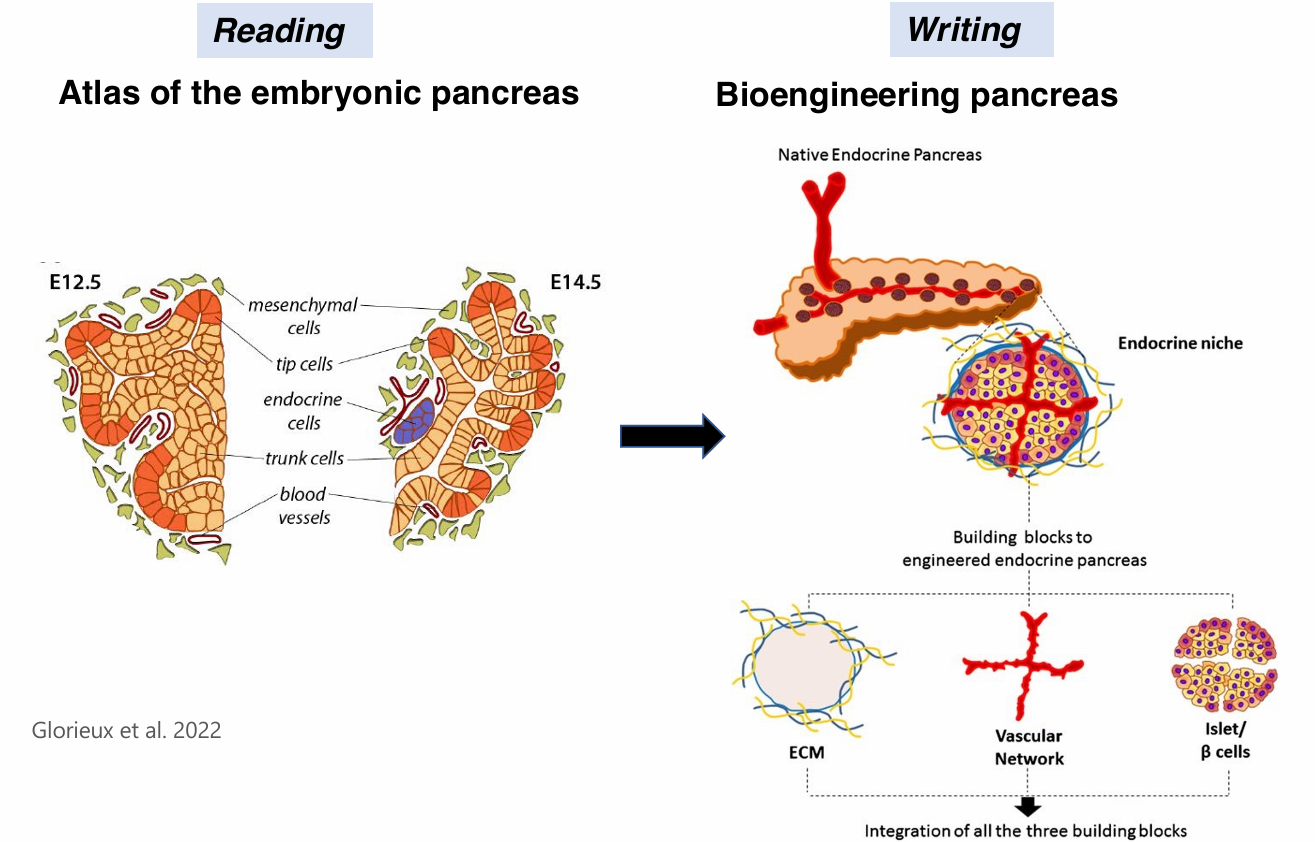
cell types are the building blocks of our organs stuck together by the ECM which is fundamental for mechanical reason and signals important for survival, proliferation and differentiation of the cell
reading:
Components of tissue architecture
Ratios of different cell types
Spatial distribution and overall tissue architecture
writing:
Assembling components into a functional unit
Maturation into mature tissues
Preservation of functionality
Objective
The ultimate goal is to recapitulate the native organ formation to address tissue loss or dysfunction.
Organoid Technology
Definition
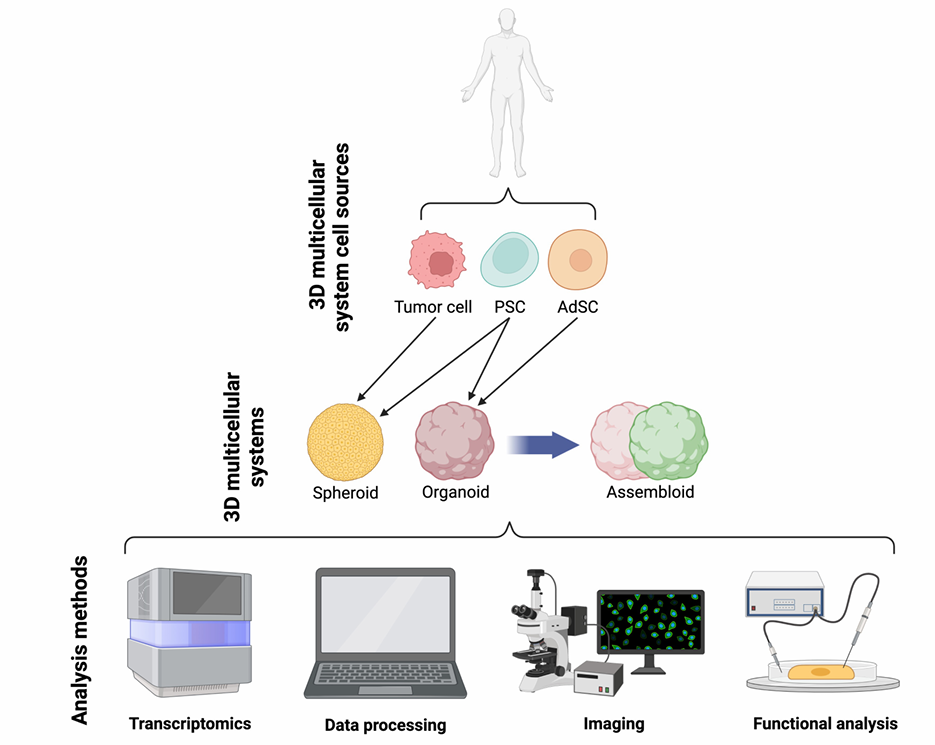
Organoids are three-dimensional (3D) culture systems derived from stem cells that reflect simplified versions of organs and their complex structures.
Self-organization Process
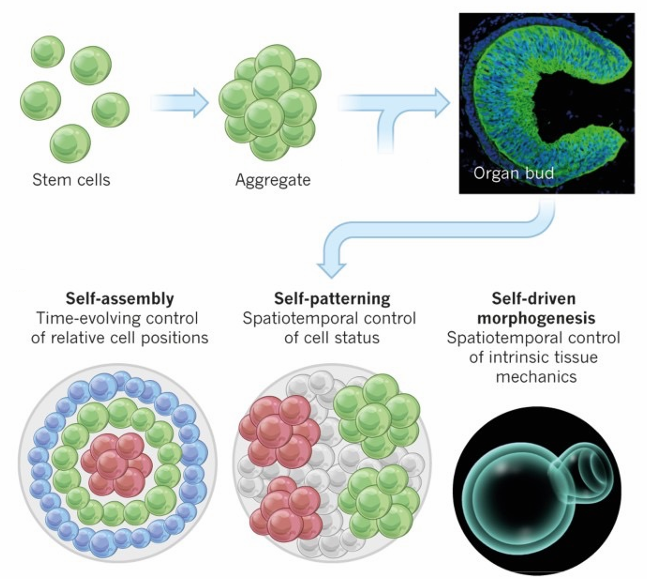
Self-organization: A process by which local interactions between cells that are initially disordered lead to the emergence of patterns and functions
Lgr5+ organoid technology
biopsies are taken from patent, which contain intestinal crypts (containing LGR5+ SCs)
intestinal crypts are isolated and added to suitable culture medium → mimics intestinal SC niche to allow them to grow
LGR5+ will proliferate and self-organise to form organoids → organoids can be expanded to provide renewable source of SC
SCs can be transplanted back into patient to repair damaged intestinal tissue
Guided engineering
an approach that involves using biomaterials and growth factors to engineer tissue or organs
involved seeding SCs onto scaffold made of biocompatible material which mimics the natural environment of the tissue or organ
SCs grow in patterned tubular matrix organize into crypt-like structures and then are guided to differentiate into the desired cell type using growth factors or signaling molecules
e.g. bioengineering pancreatic cells for the treatment of diabetes, the pancreas lacks adult SC therefore islet transplantation is used to treat diabetes
Engineering Pancreatic Niche(s)
Developmental Stages
Analysis of embryo stages E12.5 to E14.5 focusing on mesenchymal cells, vascular networks, and integration of these structures into a functional pancreas.
Tissue Architecture
The exocrine pancreas comprises ~90% of the overall pancreatic mass while endocrine tissues comprise ~1-2%.
Pancreatic organ development
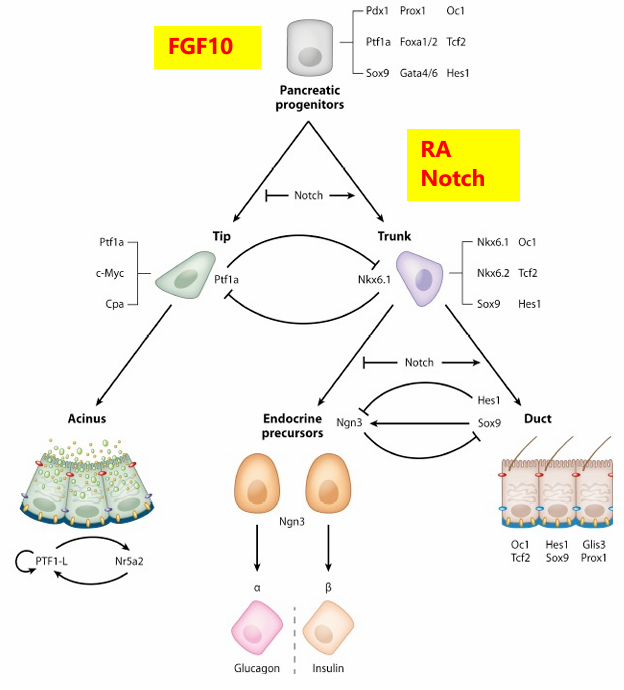
pancreatic lineage fate decision:
requires TF for guide differentiation
FGF10 drives primary transition
promotes proliferation and differentiation of pancreatic progenitor cells into tip and trunk progenitor populations
endocrine/exocrine/ductal lineages
notch and retinoic acid signaling pathway
drives secondary transition
tip progenitors → acinar exocrine cells
trunk progenitors → give rise to endocrine and ductile lineages
determines fate of progenitor cells to ensure proper differentiation, regulating balance between progenitor cell maintenance and differentiation
Challenges in Pancreatic Regeneration
Statistics on Diabetes and Pancreatic Cancer
Diabetes:
- Affects approximately 422 million adults globally.
- Leads to approximately 3.7 million deaths annually due to complications.
- Connection to obesity, family history, and lifestyle factors.Pancreatic Cancer:
- Mortality rates are increasing, with very low survival rates post-diagnosis (~4.6 months).
- Symptoms include pain, nausea, jaundice, and weight loss.
Therapeutic Options
Islet Transplantation: A potential solution to restore insulin production in diabetes patients.
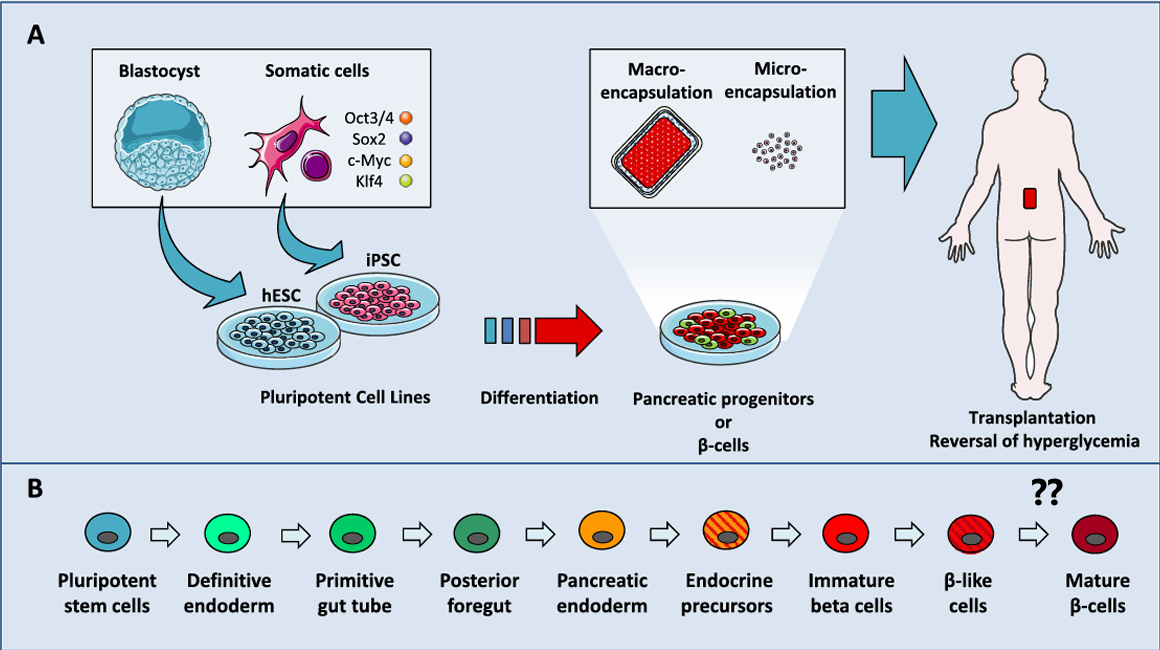
Regenerative cell therapies for diabetes:
cells can be attacked after transplantation by immune system
pluripotent cells generated from embryos or patient somatic cells
Differentiate into: Pancreatic progenitors, B-like cells, mature B-cells
To prevent immune rejection, cells are enxcapsulated
macro-encapsulation: many cells in a single device
micro-encapsulation: each cell/group encapsulated
transplanted into the patient → aiming to restore insulin production and reverse hyperglycemia
Advances in Engineering Functional Pancreatic Tissue
Techniques
Includes three-dimensional bioprinting and encapsulation methods for delivering pancreatic progenitors into a functional structure.
Conclusion
Fundamental properties of stem cells are pivotal for applications in regenerative medicine.
The comparison between self-organization and guided engineering approaches is crucial for effective applications in organoid and pancreatic engineering.