BIOL 2402
Chapter 18: Endocrine System
Intercellular Communication and the Mechanisms Involved
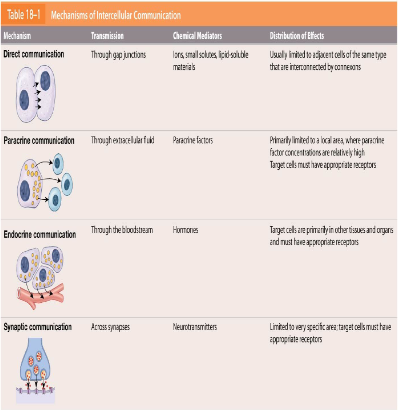
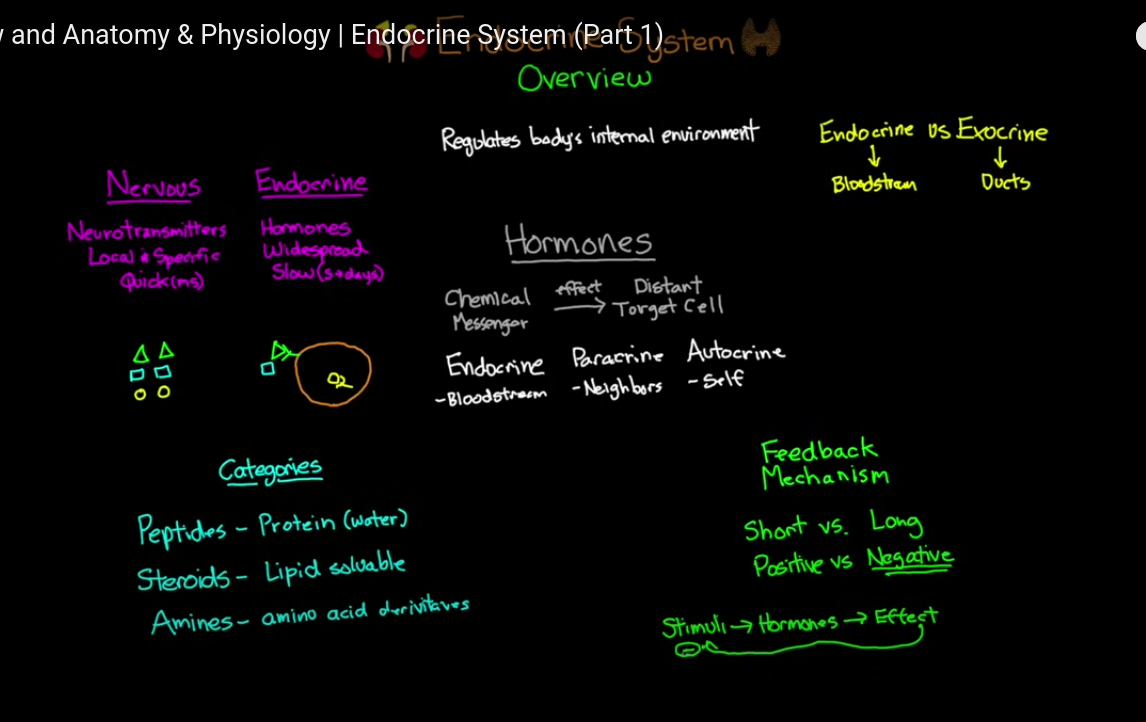
Direct Communication
exchange of ions and molecules between adjacent cells across gap junctions
Occurs between two cells of the same type
Highly specialized and relatively rare
Paracrine Communication
Chemical signals transfer information from cell to cell within a single tissue
Autocrine Communication
Messages affect the same cells that secrete them
Chemicals involved are autocrines
Synaptic Communication
Neurons release neurotransmitters at a synapse
Leads to action potential that are propagated along axons
Allows for high-speed ‘messages’ to reach specific destinations
Ideal for crisis management
Endocrine Communication
Endocrine cells release chemicals (hormones) that are transported in bloodstream
Alters metabolic activities of many organs
Endocrine System
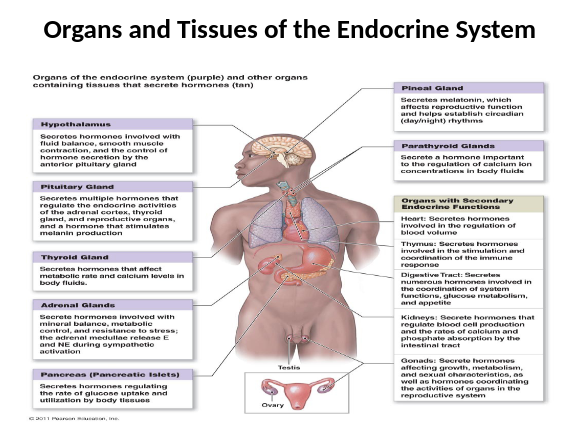
Endocrine cells and tissues produce about 30 different hormones (chemical messengers)
Controls and coordinates body processes
Endocrine and Nervous Systems
Both Endocrine and Nervous Systems
rely on release of chemicals that bind to specific receptors on target cells
share many chemical messengers (e.g., norepinephrine and epinephrine)
are regulated mainly by negative feedback
function to preserve homeostasis by coordinating hormones or paracrines
Endocrine System
includes all endocrine cells and tissues that produce hormones or paracrines
Endocrine cells release secretions into extracellular fluid
unlike exocrine cells
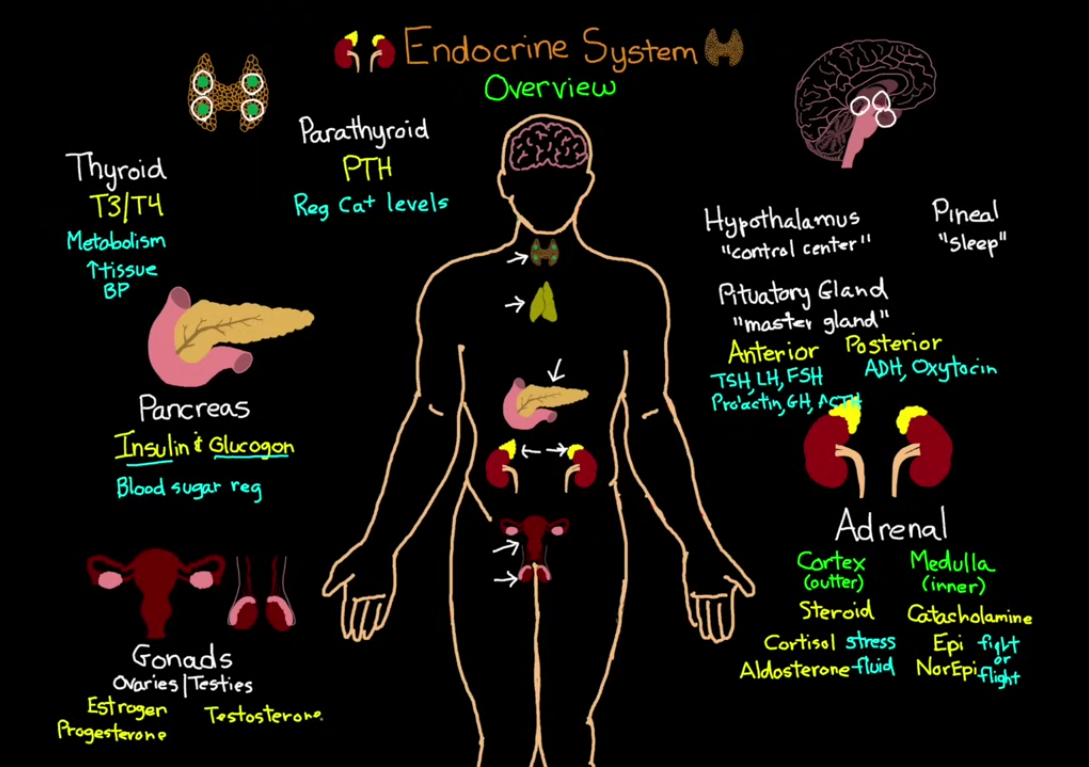
Endocrine organs are scattered throughout body
Classes of Hormones
Classes of Hormones
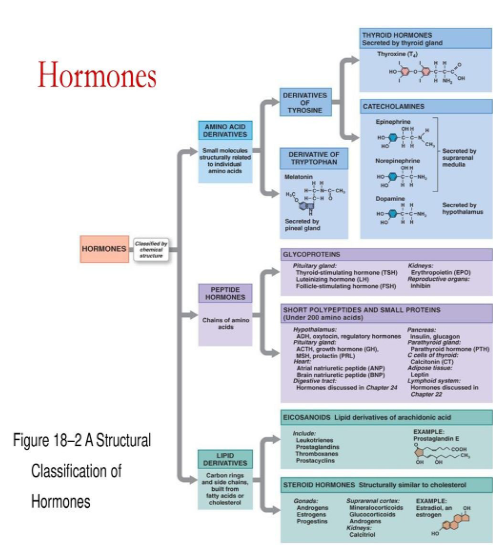
Amino acid derivatives
Peptide Hormones
Lipid Derivatives
Amino Acid Derivatives (biogenic amines)
Small molecules structurally related to amino acids
Derivatives of Tyrosine
Thyroid Hormones
Catecholamines (epinephrine, norepinephrine, and dopamine)
Derivatives of Tryptophan
Serotonin and Melatonin
Peptide Hormones
Chains of Amino Acids
most are synthesized as prohormones
inactive molecules converted to active hormones before or after they are secret
Glycoproteins
proteins more than 200 amino acids long that have carbohydrate side chains (e.g., TSH, LH, FSH)
Short Polypeptides/Small proteins
Peptide Hormones Cont..
Short-chain polypeptides
ADH and OXt are each 9 amino acids long
Small Proteins
Insulin (51 amino acids)
Growth Hormone (191 amino acids)
Prolactin (198 amino acids)
Includes all hormones secreted by hypothalamus, heart, thymus, digestive tract, pancreas, posterior lobe of the pituitary gland, etc.
Lipid Derivatives
Eicosanoids - derived from arachidonic acid, a 20-carbon fatty acid
Paracrines that coordinate cellular activities and affect enzymatic processes (such as blood clotting)
some eicosanoids (such as leukotrines) have secondary roles as hormones
Prostaglandins coordinate local cellular activities
converted to thromboxanes and prostacylins
Lipid Derivatives Cont..
Steroid Hormones- derived from cholesterol
Include
androgens from testes in males
estrogens and progesterone from ovaries in females
corticosteroids from adrenal cortex
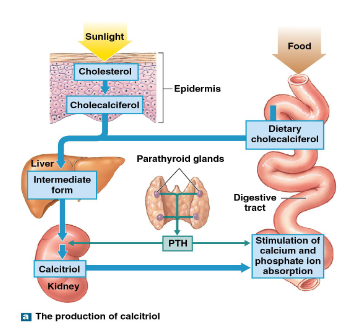
calcitriol from kidneys
Bound to specific transport proteins in the plasma
remain in circulation longer than peptide hormones
Transport and Inactivation of Hormones
Transport and Inactivation of Hormones
hormones may circulate freely or travel bound to special carrier proteins
free hormones remain functional for less than an hour and are inactivated when they
diffuse out of bloodstream and bind to receptors on target cells
are absorbed and broken down by liver or kidneys
are broken down by enzymes in blood or interstitial fluids
Transport and Inactivation of Hormones
Thyroid and Steroid Hormones
remain functional much longer
more than 99% become attached to special transport proteins in blood
equilibrium state exists between free and bound hormones
Mechanisms of Hormone Action
Mechanisms of Hormone Action
Binding of a hormone may
alter genetic activity
alter rate of protein synthesis
change membrane permeability
Hormone Receptor
a protein molecule to which a particular molecule binds strongly
different tissues have different combinations of receptors
presence or absence of a specific receptor determines hormonal sensitivity of a cell
Catecholamines and Peptide Hormones
NOT lipid soluble
unable to penetrate plasma membrane
bind to receptor proteins on outer surface of plasma membrane (extracellular receptors)
Steroid and Thyroid Hormones
Lipid SOLUBLE
diffuse across plasma membrane and bind to receptors inside cell (intracellular receptors)
Steroid Hormones Transport
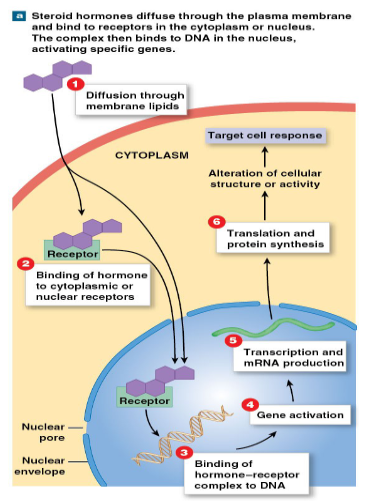
Hormones and Intracellular Receptors
Steroid Hormones can alter rate of DNA transcription nucleus
Alterations in synthesis of enzymes of enzymes or structural proteins
directly affect activity and structure of target cell
Thyroid Hormones Transport
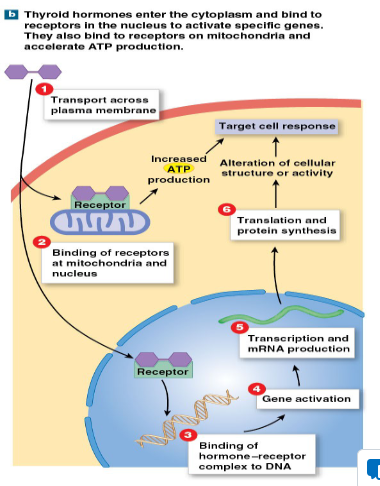
Thyroid Hormones bind to receptors within nucleus and on mitochondria
activate genes or change rate of transcription
increase rates of ATP production
3 Mechanisms of Hypothalamic Control over Endocrine Function
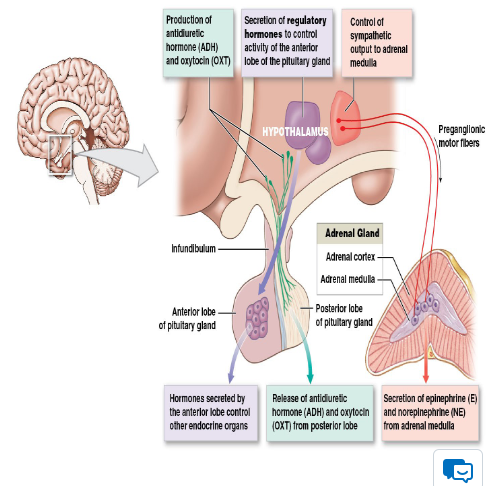
The Hypothalamus
regulates functions of the pituitary gland
synthesizes ADH and OXT and transports them to posterior pituitary gland for release
secrets regulatory hormones that control secretory activity of anterior pituitary gland
contains autonomic centers that exert direct control over adrenal medulla
Hypothalamic Control of Anterior Lobe
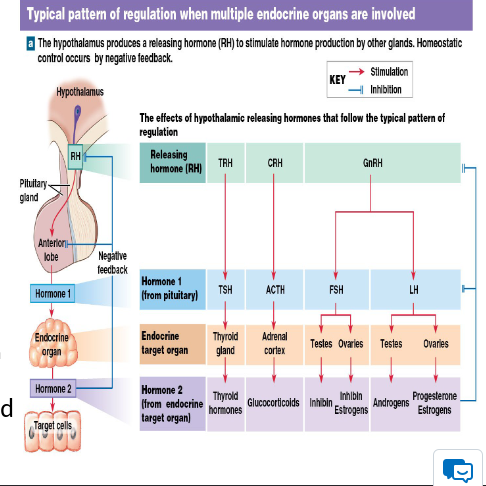
2 Classes of Hypothalamic Regulatory Hormones
Releasing Hormones (RH)
stimulate synthesis and secretion of one or more hormones at anterior lobe
Inhibiting Hormones (IH)
prevent synthesis and secretion of hormones from anterior lobe
Rate of secretion is controlled by negative feedback
Pituitary Gland
also called hypophysis
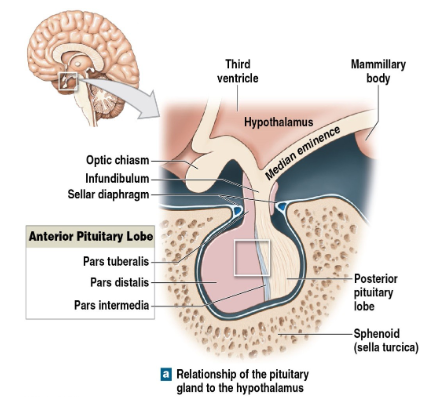
lies within sella turcica
hangs inferior to hypothalamus
connected by infundibulum
releases 9 important peptide hormones
Anterior Lobe of Pituitary Gland
also called Adenohypophysis
hormone ‘turn on’ endocrine glands or support functions of other organs
has 3 regions
pars distalis
pars tuberalis
pars intermedia
Median Eminence
swelling near attachment of infundibulum
where hypothalamic neurons release regulatory hormones into interstitial fluids
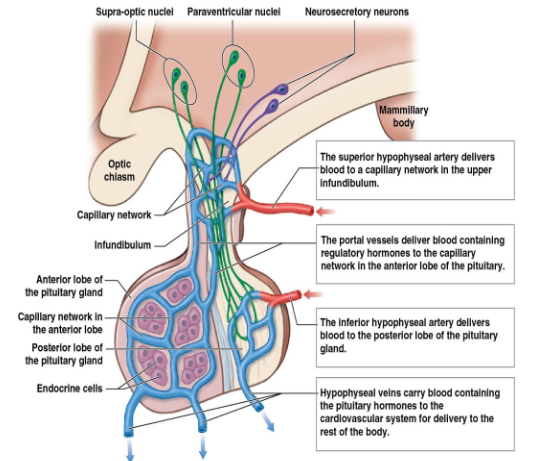
hormones then enter enter bloodstream through fenestrated capillaries (fenestra= window)
Hypophyseal Portal System
Portal Vessels
blood vessels that link 2 capillary networks
entire complex is a portal system
Hypophyseal Portal System
ensures that regulatory hormones reach cells in anterior pituitary before entering general circulation
Hormones of Anterior Love
Hormones of Anterior Lobe
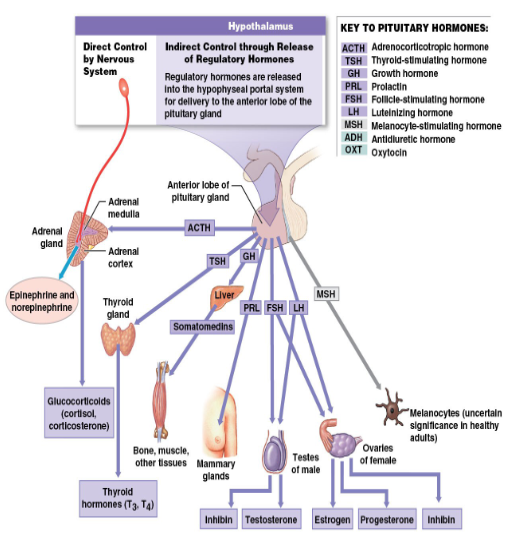
Thyroid-Stimulating Hormone (TSH)
Adrenocorticotropic Hormones (ACTH)
Prolactin (PRL)
release inhibited by prolactin-inhibiting hormone (PIH)
release stimulated by prolactin-releasing hormone (PRH)
Growth hormone (GH), or somatotropin
Gonadotropins
Gonadotropins
follicle-stimulating hormone (FSH)
Luteinizing Hormone (LH)
in females, in induces ovulation and stimulates secretions of estrogens and progesterone
in males, it stimulates production by androgens
production of FSH and LH is stimulated by gonadotropin-releasing hormone (GnRH)
Hypogonadism
caused by low production of gonadotropins
Growth Hormone Stimulates
Liver cells to release somatomedins that stimulate tissue growth
somatomedins cause skeletal muscle fibers and other cells to increase uptake of amino acid
stem cells in epithelia and connective tissues to divide
breakdown of triglycerides in adipocytes, which leads to glucose-sparing effect
breakdown of glycogen by liver cells causing diabetogenic effect
Production of Growth Hormone is Regulated By
Growth Hormone-releasing Hormone (GH-RH)
Growth Hormone-inhibiting Hormone (GH-IH)
Pars Intermedia (red color)
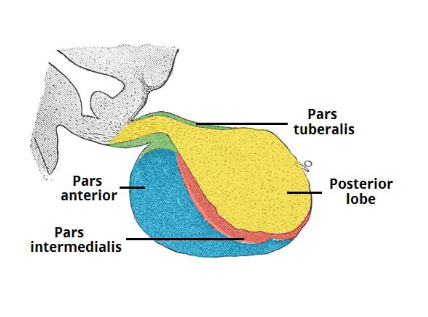
secretes melanocyte-stimulating hormone (MSH)
stimulates melanin production
virtually nonfunctional in adults except in
pregnant women
those with certain diseases
Posterior Lobe of the Pituitary Gland
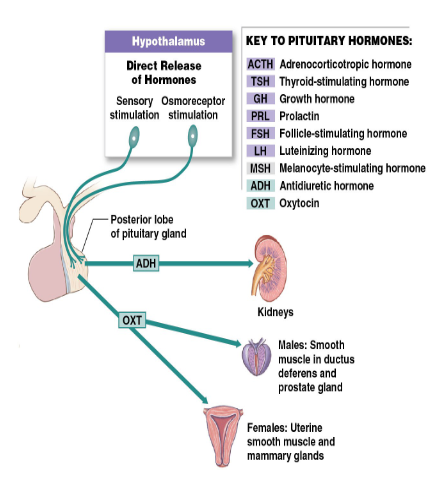
also called neurohypophysis
contains unmyelinated axons of hypothalamic neurons
Supra-optic and periventricular nuclei manufacture (respectively)
Antidiuretic Hormone (ADH)
Oxytocin (OXT)
stimulates contraction of uterus during labor
promotes ejection of milk after delivery
Relationship between the Hypothalamus and the Pituitary
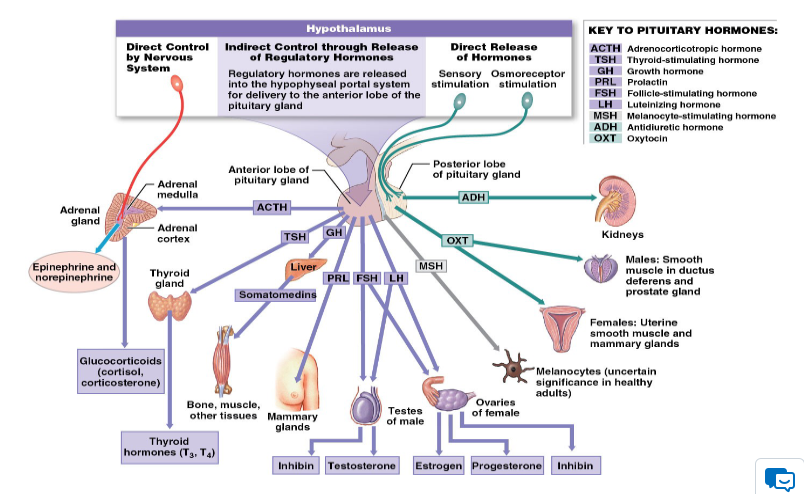
Thyroid Gland
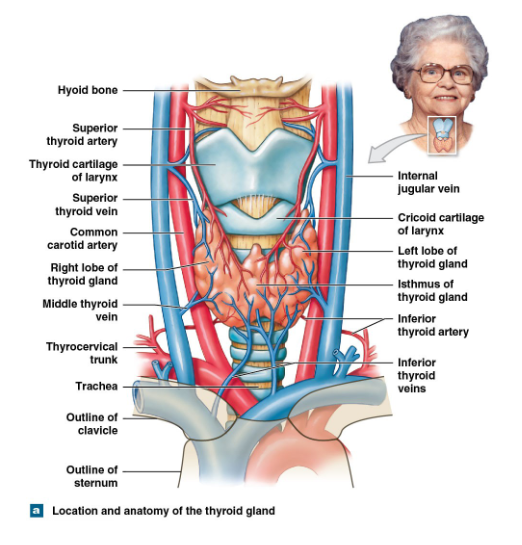
Thyroid Gland
lies inferior to thyroid cartilage of larynx
consists of two lobes connected by narrow isthmus
Thyroid Hormones
affect almost every cell in body
enter target cells by transport system
bind to receptors
in cytoplasm
on surfaces of mitochondria
in nucleus
in children, essential to normal development of skeletal, muscular, and nervous systems
Effects of Thyroid Hormones
elevate oxygen and energy consumption; in children, may cause rise in body temperature
increase heart rate and force of contraction
increase sensitivity to sympathetic stimulation
maintain normal sensitivity of respiratory centers to oxygen and carbon dioxide concentrations
stimulate red blood cell formation
stimulate activity in other endocrine tissues
accelerate turnover of minerals in bone
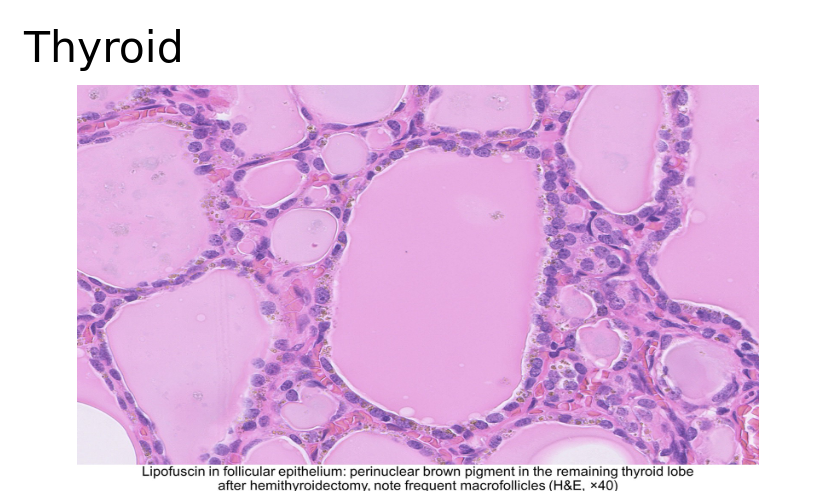
Thyroid Follicles
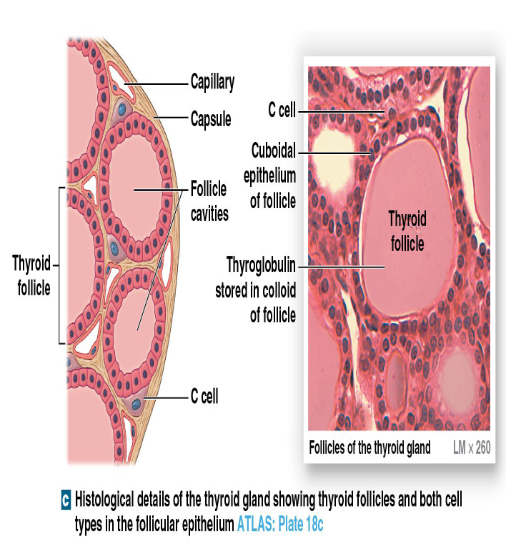
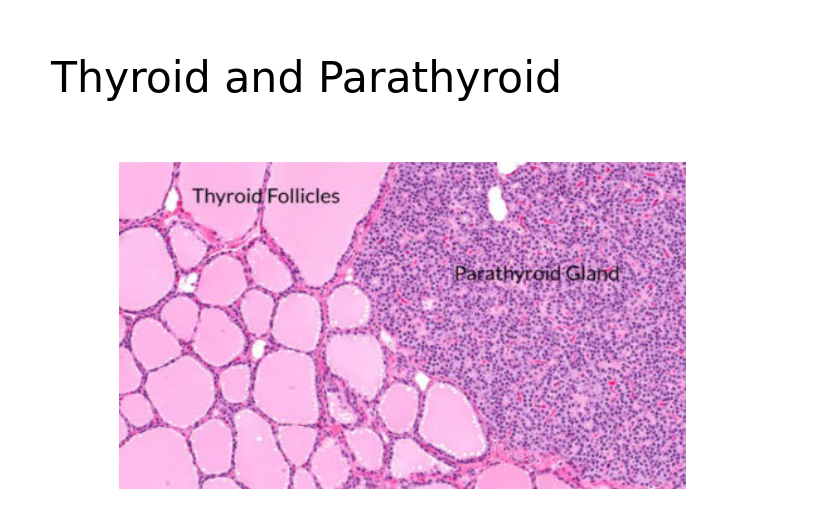
Thyroid Follicles
hollow spheres lined by cuboidal epithelium
surrounded by capillaries
cells absorb iodide ions (I-) from blood
follicle cavity contains viscous colloid
C (clear) Cells
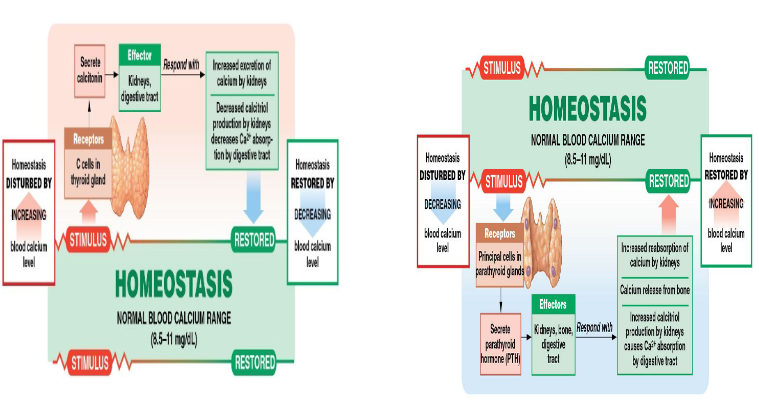
secrete calcitonin for calcium absorption into bone
Thyroid Hormones
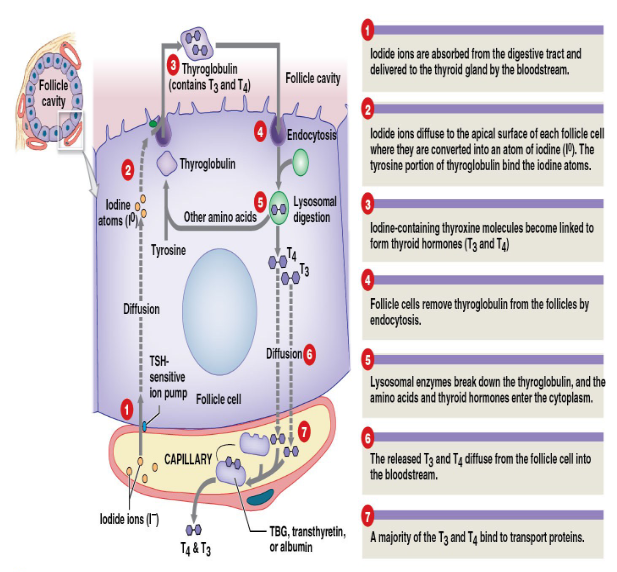
Thyrogobulin
Globular protein synthesized by follicle cells
secreted into colloid of thyroid follicles
contains the amino acid tyrosine
the building block of thyroid hormones
Thyroid Hormones
Thyroxine (T4), or tetraiodothyronine
contains 4 iodine atoms
Triiodothyronine (T3)
contains 3 iodine atoms
Thyroid and Body Temperature
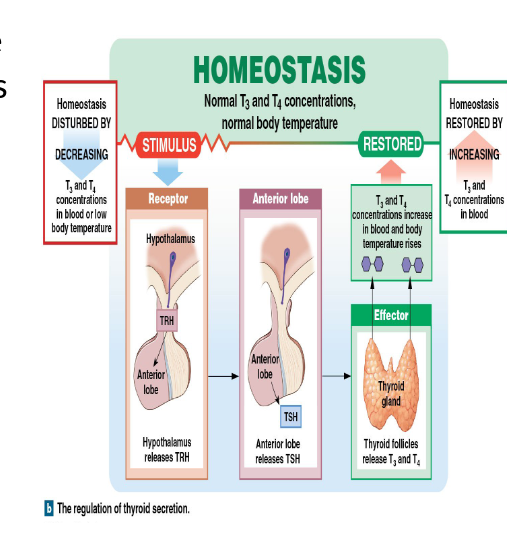
Thyroid Hormones activate genes involved in glycolysis and ATP production
results in calorigenic effect
increased energy consumption and heat generation of cells
responsible for strong, intermediate, and short-lived increase in rate of cellular metabolism
Parathyroid Glands
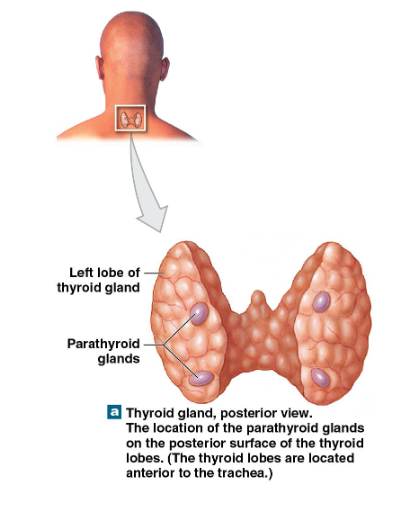
Parathyroid Glands
Two pairs
embedded in posterior surface of thyroid gland
altogether, the 4 glands with 1.6 g
Parathyroid Hormone (PTH)
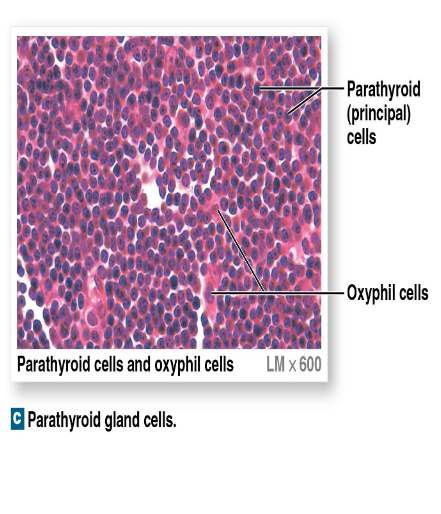
secreted by parathyroid (principal) cells in response to low concentrations of Ca2+ in blood
antagonist for calcitonin
Major Effects of the Parathryoid Hormone
stimulates osteoclasts
accelerates mineral turnover and Ca2+ release
enhances reabsorption of Ca2+ by kidneys, reducing urinary losses
stimulates formation and secretion of calcitrol by kidneys
Antagonistic Effects of Calcitonin and Parathyroid Hormone
Adrenal Glands
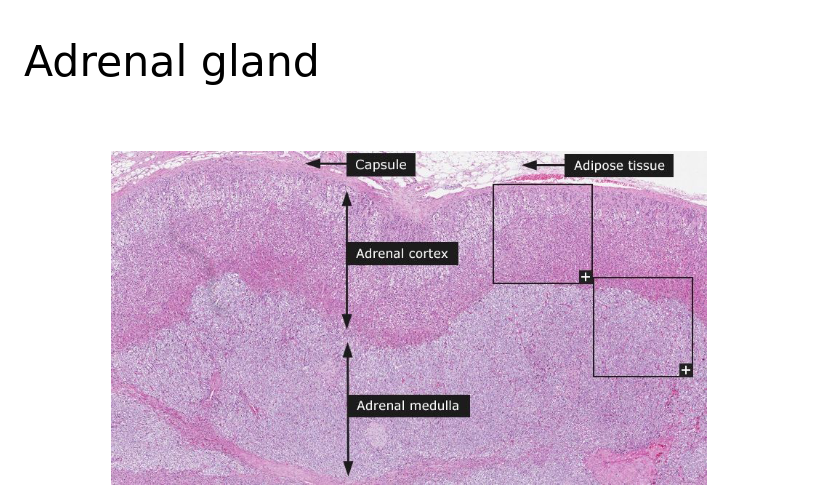
Adrenal Glands
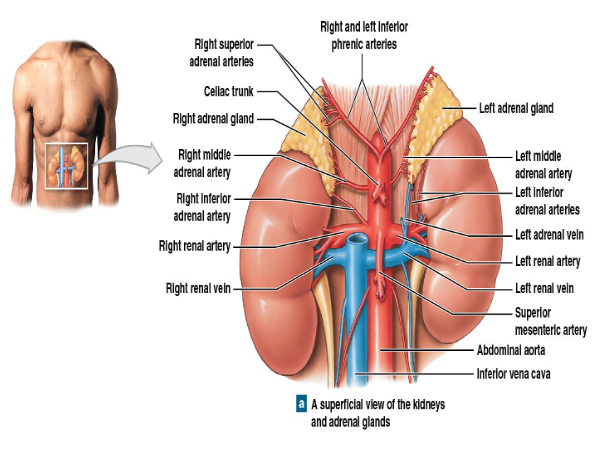
lies along superior border of each kidney
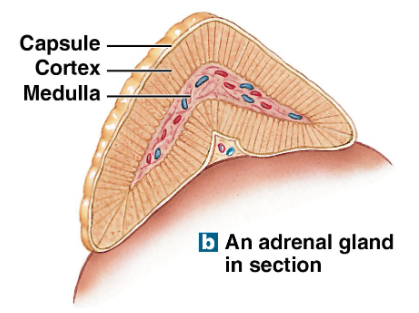
superficial adrenal cortex
stores lipids, especially cholesterol and fatty acids
manufactures steroid hormones (corticosteroids)
Inner Adrenal Medulla
secretory activities controlled by sympathetic division of ANS
produces epinephrine and norepinephrine (catecholamines)
Adrenal Medulla
contains two types of secretory cells
one produces epinephrine (E)
75-80% of medullary secretion
the other produces norepinephrine (NE)
20-25% of medullary secretion
Results of Activation of Adrenal Medulla
in skeletal muscles, E and NE trigger mobilization of glycogen reserves
and accelerate breakdown of glucose
in adipose tissue, stored fats are broken down into fatty acids
in the liver, glycogen molecules are broken down
in the heart, stimulation of B1 receptors speeds and strengthen cardiac muscle contraction
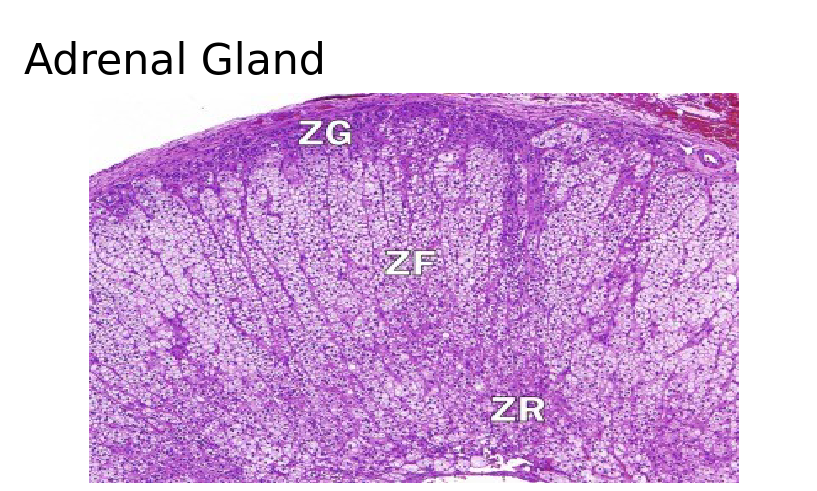
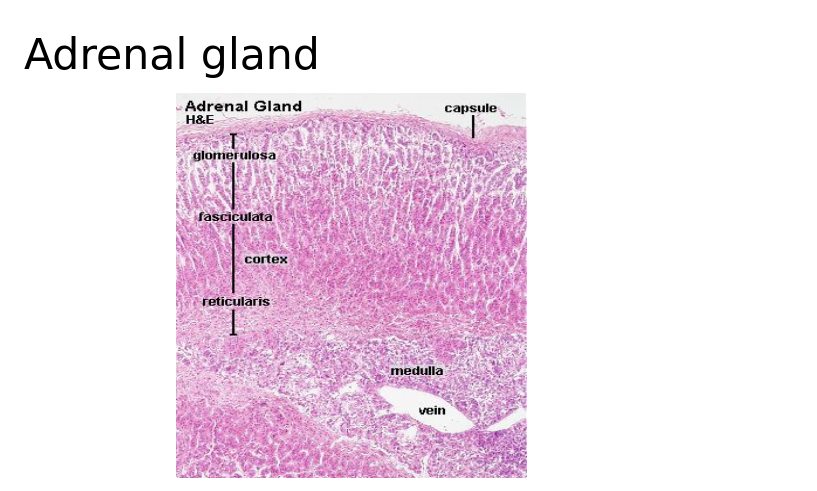
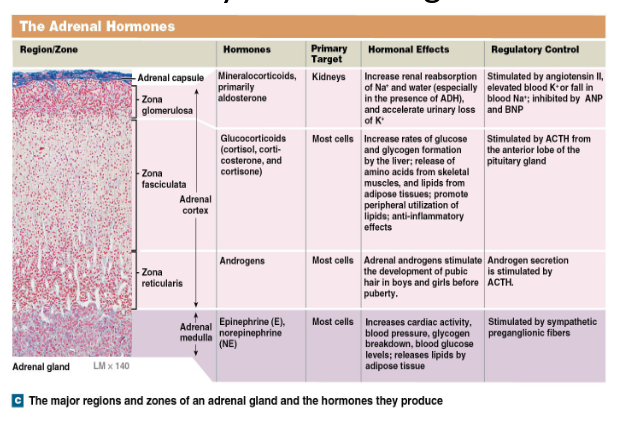
Adrenal Cortex
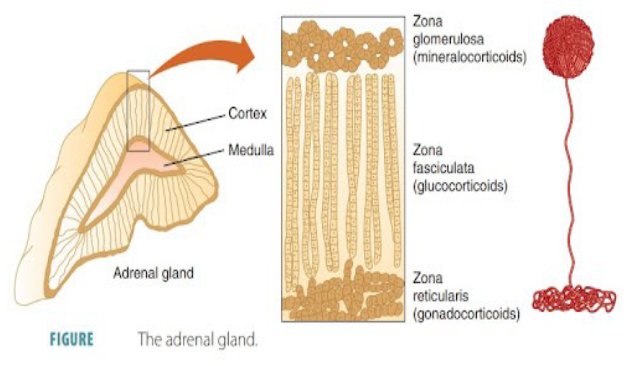
subdivided into 3 zones
outer zona glomerulosa
middle zona fasciculata
inner zona reticularis
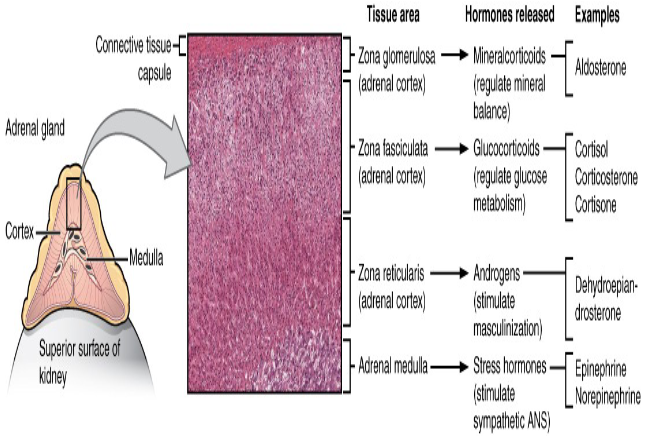
Zona Glomerulosa
outer region of adrenal cortex
produces mineralocorticoids (e.g., aldosterone)
Aldosterone
stimulates conservation of sodium ions and elimination of potassium ions
increases sensitivity of salt receptors in taste buds
secreted in response to
drop in blood Na+, blood volume, or blood pressure
rise in blood K+ concentration
Zona Fasciculata
produces glucocorticoids
cortisol, corticosterone, and cortisone
secretion is regulated by negative feedback
Glucocorticoids have inhibitory effect on production of
corticotropin-releasing hormone (CRH) in hypothalamus
ACTH in anterior pituitary
Effects of Glucocorticoids
accelerate glucose synthesis and glycogen formation, especially in liver
have anti-inflammatory effects
inhibit activities of white blood cells and other components of immune system
Zona Reticularis
branching network of endocrine cells
forms narrow band bordering each adrenal medulla
produces small quantities of androgens under stimulation by ACTH
some are converted to estrogens in bloodstream
stimulate development of pubic hair before puberty
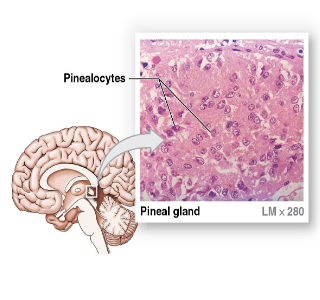
Pineal Gland
lies in posterior portion of roof of third ventricle
contains pinealocytes
synthesize hormone melatonin
functions of melatonin
influence circadian rhythms
inhibits reproductive functions
protect against damage by free radicals
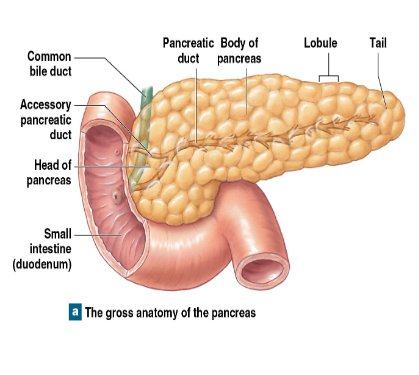
Pancreas
large gland
lies in loop between inferior border of stomach and proximal portion of small intestine
mostly retroperitoneal
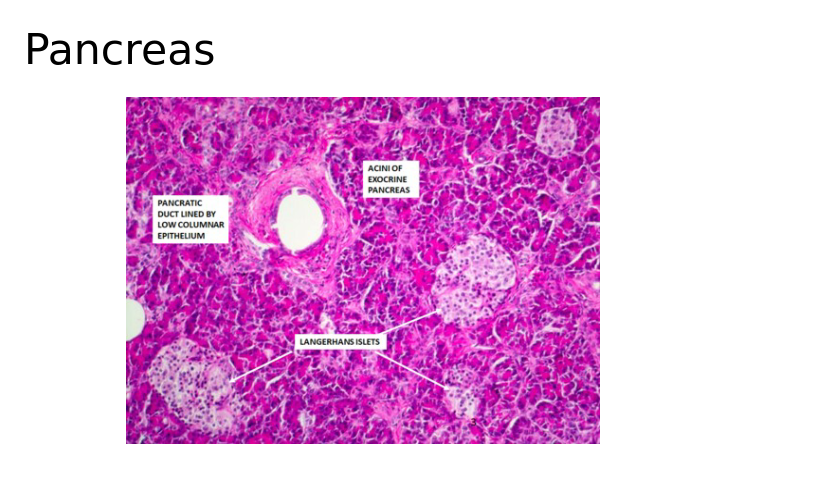
contains exocrine and endocrine cells
Pancreatic Exocrine and Endocrine
Exocrine Pancreas
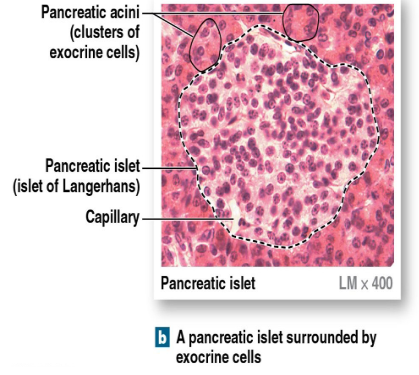
consists of clusters of gland cells called pancreatic acini and their attached ducts
takes up roughly 99% of pancreatic volume
gland and duct cells secrete alkaline, enzyme-rich fluid
passes through a network of ducts to lumen of digestive tract
Endocrine Pancreas
consists of cells that form clusters known as pancreatic islets (islets of Langerhans)
Alpha (a) cells produce glucagon
Beta (b) cells produce insulin
Delta (d) cells produce peptide hormone identical to GH-IH
pancreatic polypeptide cells (PP cells)
Antagonistic Effects of Insulin and Glucagon
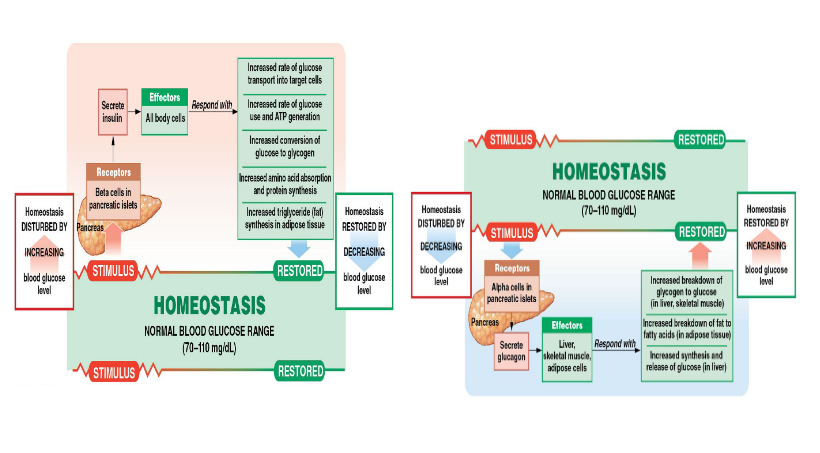
when blood glucose level increases,
beta cells secrete insulin
stimulating transport of glucose into target cells
when blood glucose level decreases,
alpha cells secrete glucagon
stimulating glycogen breakdown and glucose release by liver
Insulin
peptide hormone released by beta cells
effects on target cells
accelerating glucose uptake
accelerating glucose use and enhancing ATP production
stimulating glycogen formation
stimulating amino acid absorption and protein synthesis
stimulating triglyceride formation in adipocytes
Glucagon
released by alpha cells
mobilizes energy reserves
effects on target cells
stimulating breakdown of glycogen in skeletal muscle fibers and liver cells
stimulating breakdown of triglycerides in adipocytes
stimulating production and release of glucose in liver cells (gluconeogenesis)
Organs with Secondary Endocrine Functions
intestines (digestive system)
release hormones that coordinate digestive activities
kidneys (urinary system)
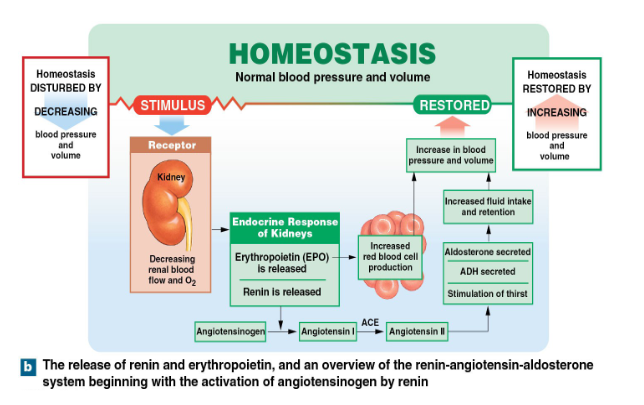
release the hormones calcitriol and erythropoietin (EPO)
release the enzyme renin
renin converts angiotensinogen to angiotensin I
in the lungs, angiotensin-converting enzyme converts angiotensin I to angiotensin II
heart (cardiovascular system)
produces natriuretic peptides (ANP and BNP)
when blood volume becomes excessive
actions opposes those of angiotensin II
resulting in reduction in blood volume and blood pressure
thymus (lymphatic system)
produces thymosin (blend of several hormones)
promotes development and maturation of lymphocytes
activates immunity
gonads (reproductive system)
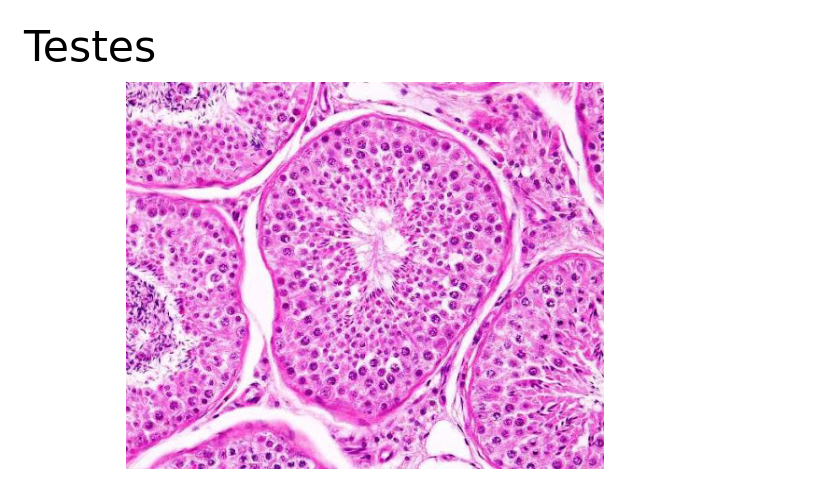
testes
interstitial endocrine cells produce androgens
testosterone is an important androgen
nurse cells (sertoli cellss)
support differentiation and physical maturation of sperm
secrete inhibin for negative feedback
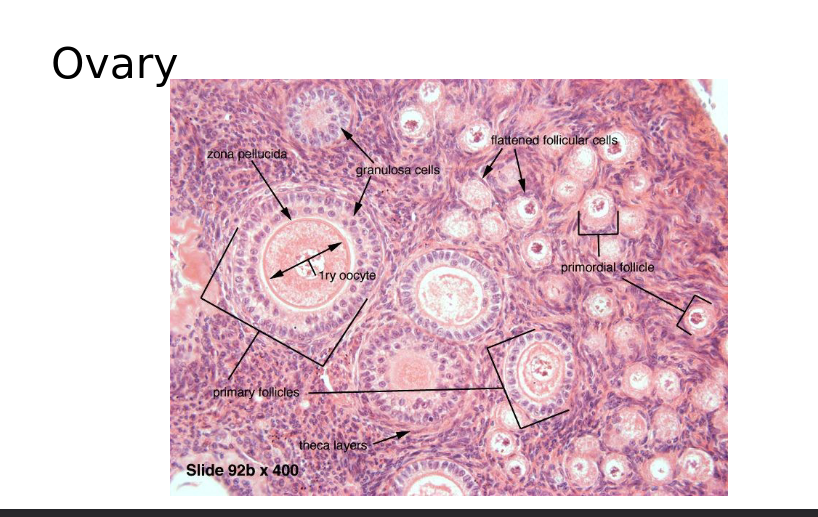
ovaries
produces estrogens
principal estrogen is estradiol
after ovulation, follicle cells
reorganize into corpus luteum
release estrogens and progesterone
adipose tissue
produces leptin (a peptide hormone)
provides feedback control of appetite
maintains normal levels of GnRH and gonadotropin synthesis
4 Types of Hormone Interaction to Produce Coordinated Physiological Responses and Influence Behavior
when a cell receives instructions from 2 hormones at the same time, 4 outcomes are possible
antagonistic effect
result depends on balance between 2 hormones
synergistic effect
addictive affect
permissive effect
one hormone is needed for another to produce effect
integrate effect
hormones produce different but complementary results
Hormones Important to Growth
growth hormone (GH)
in children
supports muscular and skeletal development
in adults
maintains normal blood glucose concentrations
mobilizes lipid reserves
thyroid hormones
if absent during fetal development or for first year after birth
nervous system fails to develop normally
developmental delay results
if T concentrations decline before puberty
normal skeletal development does not continue
insulin
allows passage of glucose and amino acids across plasma membranes
important for growing cells
parathyroid hormone and calcitriol
promote absorption of calcium salts from bloodstream for deposition in bone
inadequate levels result in weak, flexible bones
reproductive hormones
adrogens in males, estrogens in females
stimulate cell growth and differentiation in target tissues
produce gender- related differences in
skeletal proportions
secondary sex characteristics
Hormone Interactions for Stress
Stress
any condition that threatens homeostasis
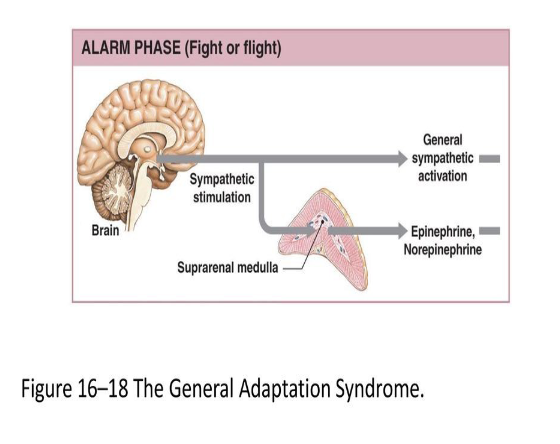
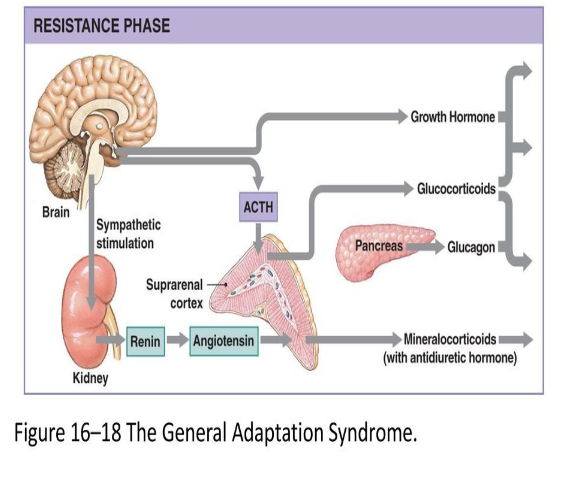
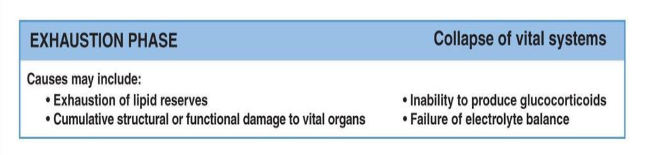
general adaptation syndrome (GAS)
also called stress response
how body responds to stress-causing factors
divided into 3 phases
alarm phase
immediate response to stress
directed by sympathetic division of ANS
energy reserves (mainly glucose) are mobilized
body prepares ‘fight or flight’ responses
epinephrine is dominant hormone
resistance phase
occurs if stress lasts longer than a few hours
may last for weeks or months
glucocorticoids are dominant hormones
lipids and amino acids are mobilized for energy
glucose is conserved for use by nervous tissue
exhaustion phase
begins when homeostatic regulation breaks down
drop in K+ levels due to aldosterone produced in resistance phase
failure of one or more organ systems will be fatal
Hormone changes
can affect behavior, intellectual capabilities, memory, learning, and emotional states
Few Functional Changes Occur with Age
reproductive hormones decline in concentration
some endocrine tissues become less responsive to stimulation
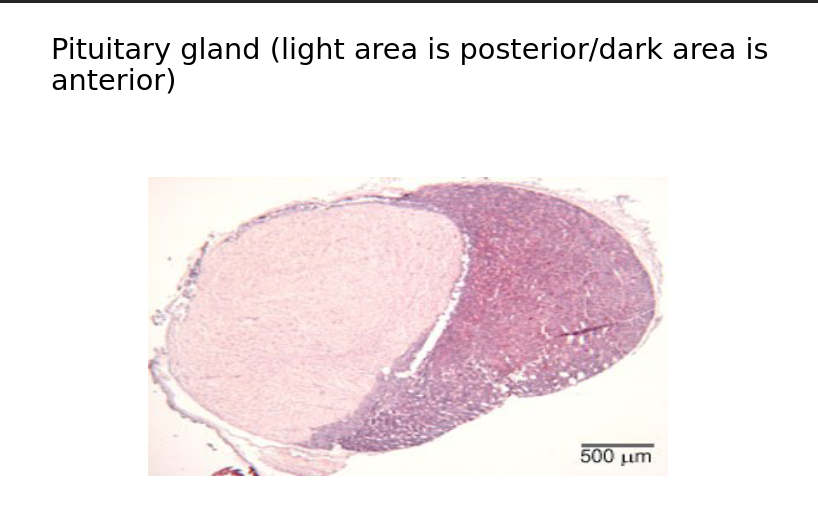
Endocrine Histology