Unit 1 Topic 2: The Americas Before European Arrival
The Americas Before European Arrival
Introduction
Unit 1 Topic 2 focuses on Native American societies before European contact.
The key takeaway is the diversity of Native American cultures, which varied based on their geographical location.
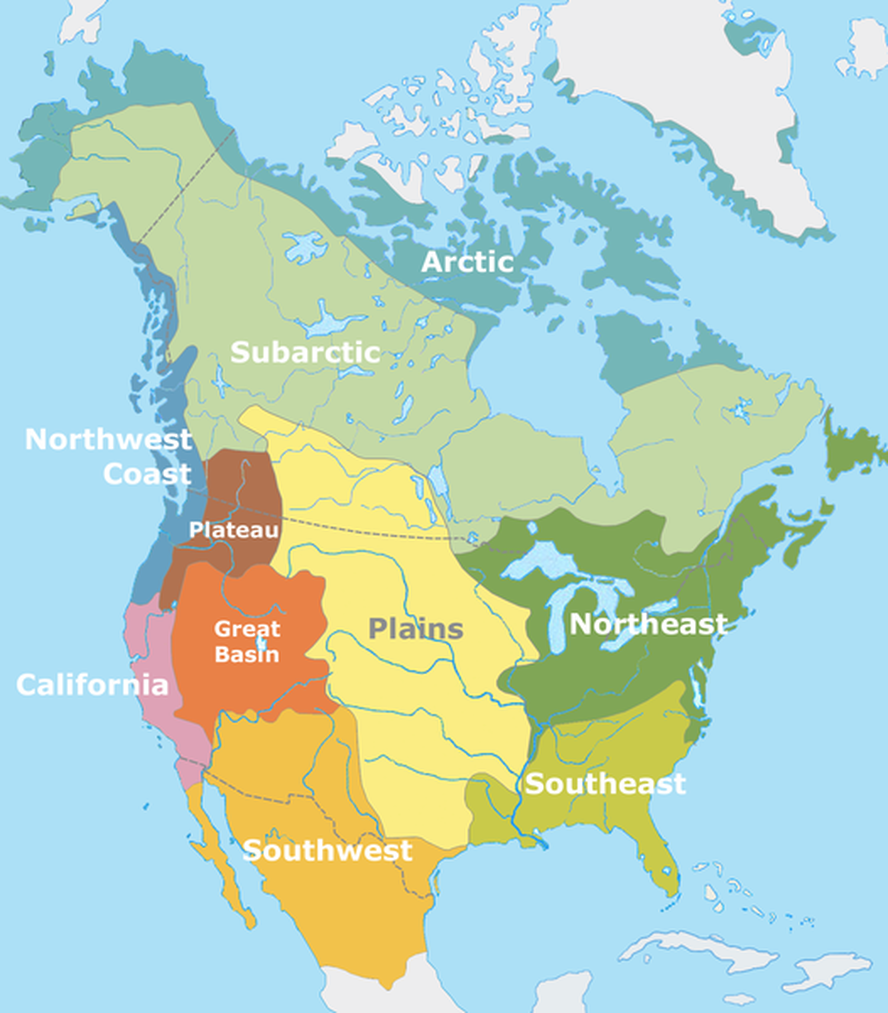
Diversity of Native American Cultures
It's a misconception to think of all Native Americans as living the same lifestyle (e.g., nomadic buffalo hunters).
In reality, they had varied lifestyles:
Fishing villages.
Nomadic hunters and gatherers.
Settled agricultural communities.
Large, city-based empires.
Central and South America
Three major civilizations:
Aztecs (Mexica) in Central America.
Maya on the Yucatan Peninsula.
Inca in the Andes Mountains (South America).
These civilizations shared characteristics like:
Large urban centers.
Complex political systems.
Developed religions.
Aztecs (Mexica)
Capital city: Tenochtitlan (population: 300,000 at its peak).
Features:
Written language.
Complex irrigation.
Priests maintained fertility through human sacrifice.
Maya
Location: Yucatan Peninsula.
Achievements:
Cities.
Irrigation and Water storage systems.
Stone temples and palaces for rulers (believed to be descended from gods).
Inca
Location: Andes Mountains (present-day Peru).
Size: Ruled over 16 million people, covering 350,000 square miles.
Success attributed to cultivating fertile mountain valleys.
Grew potatoes and other crops.
Used elaborate irrigation systems.
Commonality: Maize
Maize (corn) cultivation was common among these civilizations.
It spread north into the present-day American Southwest, leading to:
Economic development.
Settlement of peoples.
Advanced irrigation.
Social diversification.
North America
Diverse native peoples.
Southwest
Pueblo people (present-day New Mexico and Arizona).
Characteristics:
Sedentary (non-nomadic).
Maize and other crop farmers.
Adobe and masonry homes built in the open and cliffs.
Highly organized society with administrative offices, religious centers, and craft shops.
Great Plains and Great Basin
Nomadic peoples due to the aridity of the region.
Hunter-gatherer lifestyle requiring a lot of and.
Example: Ute people, who lived in small, egalitarian, kinship-based bands.
Pacific Northwest
Lived by the sea in fishing villages.
Relied on elk from the forests.
Example: Chinook people.
Used cedar trees to build giant plank houses for up to 70 family members.
Chumash people (California coast).
Hunters and gatherers in permanent settlements with enough resources.
Mississippi River Valley
Larger societies due to fertile soil for farming.
Hopewell
Towns of 4,000 - 6,000 people.
Extensive trade networks reaching Florida and the Rocky Mountains.
Cahokia
Largest settlement with a population of 10,000 - 30,000.
Centralized government led by powerful chieftains.
Extensive trade networks from the Great Lakes to the Gulf of Mexico.
Northeast
Iroquois.
Villages of several hundred people.
Grew crops like maize, squash, and beans.
Lived in longhouses housing 30-50 family members.