IB Biology: Human Reproduction
IB BIO: HUMAN REPRODUCTION
Testis- sprem cell production
leydig cells- cells in the testis that produce testosterone
testosterone- sex hormone, most important in malesprem prdouction
Sertoli cells- cells found within the seminiferous tubules that provide nutrients for spermatogenesis
spermatogonium -germ line cells that undergo mitosis or meiosis in the testis
primary spermatocyte- A diploid cell in the testis that undergoes meiosis I
secondary sprematocyte- hapoild cells resulting from the first meiotic division of sprem matogeneisthese cells will enter meiosis II
Spermatids- an immature male sex cell formed from a spermatocyte that can develop into a sperm cell without further division
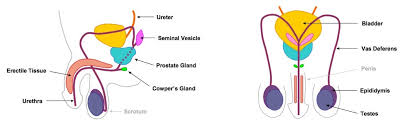
vas deferens- tube that carries sperm from the epididymis to the urethra
seminal vesicles- two small glands that seretea fluid rich in suhar that nourchies and helps sprem move
prostate gland- a single gland in malesthat contributes to the semen
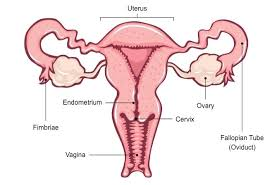
ovary-produces eggs
fallopian tube- tubes which carry eggs from the ovaries to uterus and which provides the place where fertilization
vagina- entrance to the femal repodutive system
primary oocyte- diploid cell frozen until puberty in prophase 1 of meiosis
Secondary oocyte- A haploid resulting from meiosis 1 in oogenesis, which will become an ovum after meiosis 2
Graafian follicle- mature follicle that will release the egg at the time of ovulation
corpus lutem- empty ovarian follicles that serctes progesterone after release of the egg cell
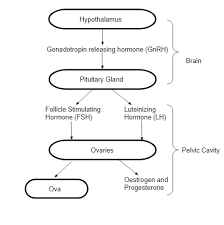
pituitary gland- a gland in the brain that produces and releases FHS and LH
hypothalamus- site in the brain that produces GnRH and realse Fsh hormonoe
hormone- chemical messenger that delivers messages to parts of the body traveling through the bloodstream
FSH( follicle stimulating hormone ) - in females , stimulates the ovaries to develop follicles and secrete estrogen, in males FSH stimulates spermatogeneisis
LH- triggers ovulation
Progesterone- hormone produced by the corpus luteum in the ovary and the placenta of pregent women that miaintain the lining of the uterus
Zone pellucida- outermost layer of mamlain egg
cortical reaction- a reaction hat occurs during fertilization, when the sperms cell unites with egg’s plasma membrane, that prevents entry of a second sperms
acrosome- a region at the head of the sperm that contain enzymes which when release during the acrosome- reaction can facilitate pentation of the egg
placenta- a flattened circular orgain the the uterus of pregnant mamlas, nourishing and maintaining the fetus through the umbilical cord
umbilical vein- delivers oxygenated blood from the placenta to the fetus
umbilical arties- carry deoxygenated blood from the fetus to the placenta
hCG- srected by the embryo and signals the corpus lutem- to continue producing progesterone
oxytocin- a hormone realsed by the pitularty that stimulates uterine contraction during childbirth
prolactin- hormone that stimulates milk production