Job Analysis 2
Review: job analysis
systematic process of defining jobs and identifying the human attributes required to perform
job oriented approach - describe work activities performed
person oriented approach - describe the KSAOs needed
Knowledge: facts and information
• Skills: competencies or learned capacities
• Abilities: relatively enduring basic capacities
• Other Characteristics: (e.g., personality,
interests, or values)
Job context/environment
in addition to tasks and KSAOs, job analyses can also focus on the job context and work environment
This can matter A Lot for understanding the types of jobs you would enjoy the most (and best perform in)
Competency Models (alternative to job analysis/organization level) - worker oriented
Collections of knowledge, skills, abilities, and other characteristics (KSAOs) that are needed for effective performance in the jobs in question
• Describe general worker requirements at organization-level
• Competency Models = Job analysis + Organizational goals
• Gained popularity in 1990’s
• Tend to focus more on ‘other’ characteristics (e.g., personality traits/values)
Competency Models
major appeals compared to job analysis (a) easier to create, (b) more general, written in company language
Limitations (A) typically don’t identify KSA’s for specific jobs, (B) validity research may be less rigorous
Critical Incidents Approach
Ask job incumbents to describe behaviors that have been “critical”, examples of either very good or bad job performance - focusing on one critical incident
strength: useful for identifying key behaviors that discriminate (in)effective job performance
weaknesses: (a) fragmented perspective, (b) doen’t lead to clear identifications of KSAO’s, (C) may overlook important everyday behaviors
(airplane pilot critical incident)
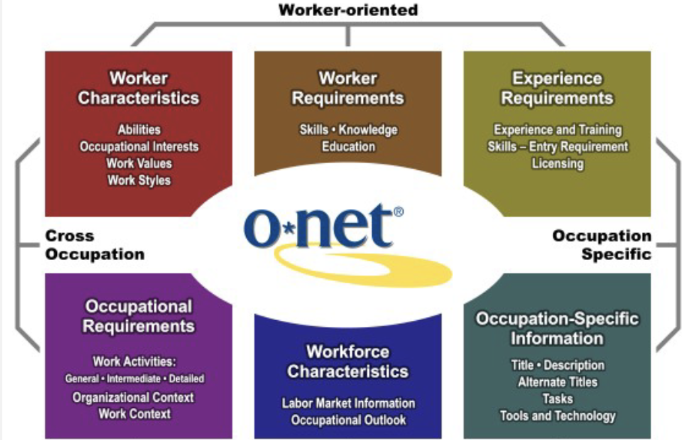
The Occupational Information Network: ONET
the primary source of occupational information in the united states
The occupational information network:
ONET is based on four principles:
“multiple windows” or descriptor domains
common language
uses occupational taxonomy from broad to specific
comprehensive content model
ONET content model
they get this info from job incumbent surveys
Challenges of Job analysis: Rater Influences
20-30% error variance is KSAO ratings
cognitive ability (intellegence) explains some of this variance
Brainstorm: what other factors might affect how job incumbents or supervisors repsond to job analysis surveys?
work performance
performance level
personality
gender/age.other demographics variables
social factos (impression management, conformity)
The importance of rater training
1.) provide definitions of rating dimensions
2.) define scale anchors
3.) describe behaviors for each dimension
4.) allow raters to practice
5.) provide feedback on practice
Job Evaluation (how to pay)
determining value of jobs to organziation, based on their contribution
quantitative
fairness is key
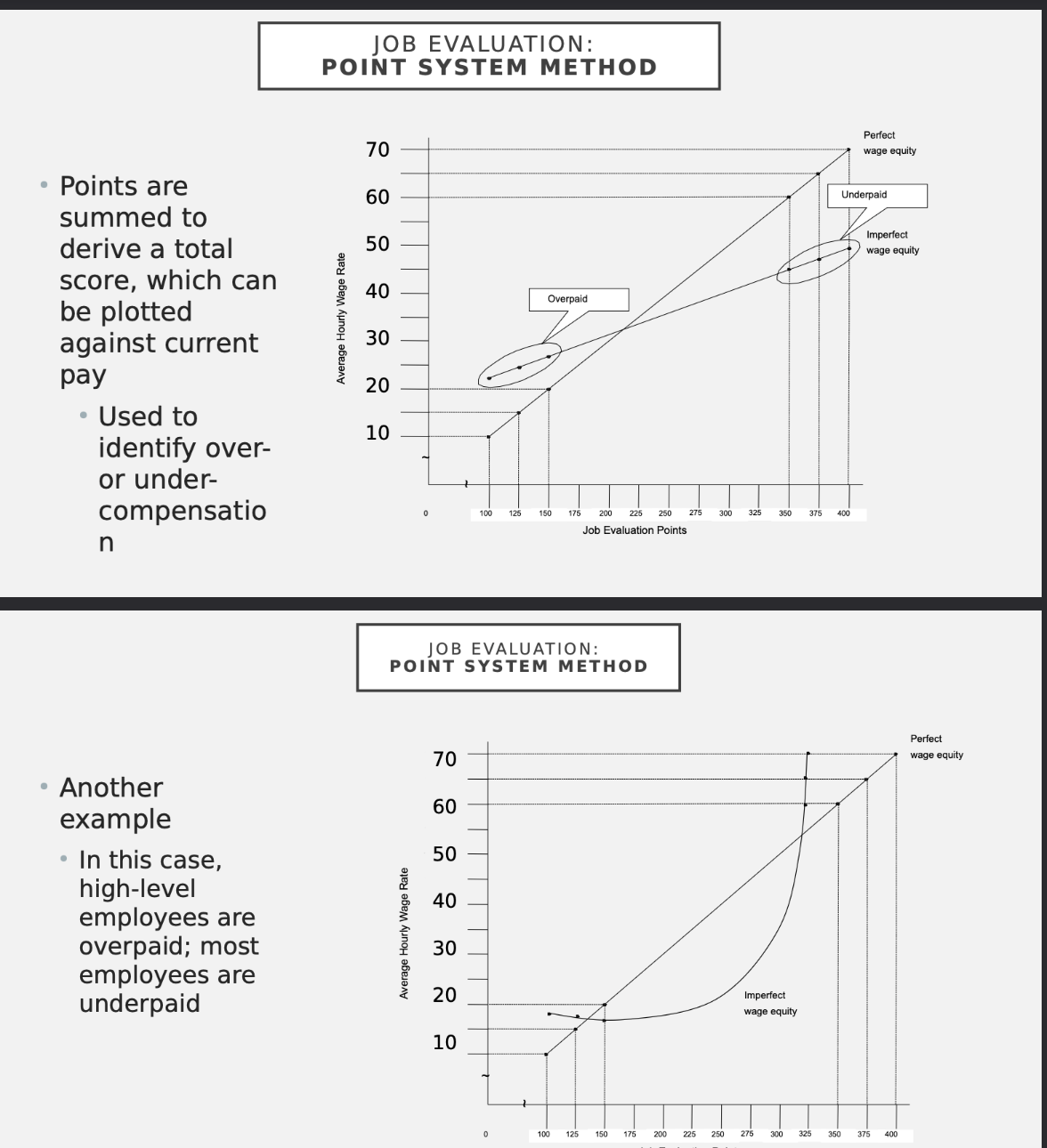
point system method
subjecr matter expert use job analysis to identitfy org-wide compensable facotrs
jobs are assigned points based on above
Point System Method
common compensable factors:
effort and performance
skill level/prep
responsibility
working horus and conditions (Ex, night shift
non traditional ones include:
stress, conflict or risk exposure
point system visualized
Job evaluation: societal and legal issues
pay can also depend on other factors, including: external labor markets, union pressures, job tenure, counter-offers, etc
equal pay act (1963)
Equal pay for equal work ( ≈ same skills, effort,
responsibilities, and/or working conditions)
• ...however, does not address equal pay for
dissimilar jobs
Job analysis and layoffs
how do companies decide to layoff?
often decisions are based on a combination of economic factors, job/organizational analysis, and/or job performance ratings