3_Republican presidents and the economic boom of the 1920s
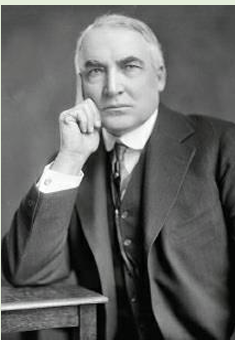
President Warren Harding (1921–1923)
Key idea:
Promised a ‘return to normalcy’, meaning a return to traditional American values after WWI.
Economic policies and impact:
Tackled the post-war depression (1920–21) with pro-business measures.
Tax cuts (1921):
Treasury Secretary Andrew Mellon persuaded Congress to cut income tax for both higher and lower earners.
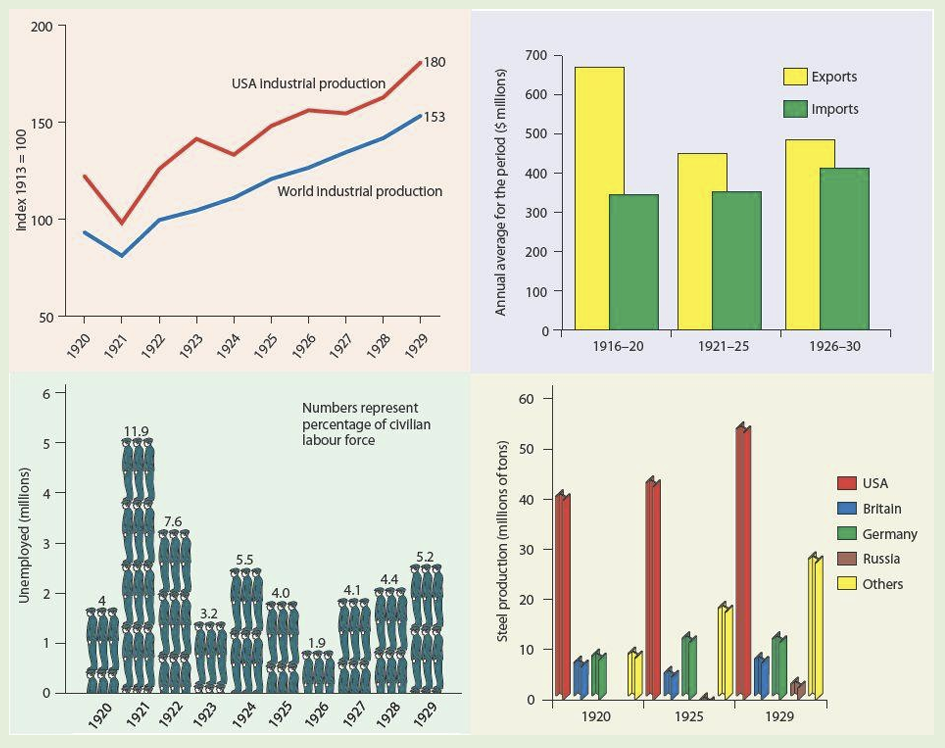
Led to rising wages, profits, and productivity, starting economic recovery.
Reduced government intervention:
Removed wartime regulations on business.
Cut government spending from 6.5% to 3.5%.
Investment in infrastructure:
Federal Highway Act (1921) invested $160 million in highways.
Created jobs in the road-building industry.
Protection of US industry:
Fordney–McCumber Tariff Act (1922) made foreign goods more expensive.
Protected American businesses from competition.
Overall significance:
Harding’s policies are seen by many economists as laying the foundations of the 1920s economic boom.
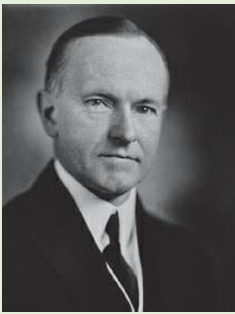
President Calvin Coolidge (1923–1929)
Key idea:
Famous quote: “The chief business of the American people is business.”
Promoted consumerism, personal wealth, and business growth.
Economic policies and impact:
Continued Harding’s pro-business policies, supporting the economic boom.
Tax cuts:
Revenue Act (1924) reduced income tax for two million more Americans.
Further tax cuts in 1926 and 1928.
By 1928, only the wealthiest 2% of Americans paid income tax.
Strong belief in laissez-faire:
Government should not interfere in business or agriculture.
In 1926, Coolidge vetoed a farm board that would have bought surplus crops from farmers.
Impact on agriculture:
Farmers had struggled since the end of WWI, but Coolidge refused government help.
Argued agriculture must operate as an independent business.
Supported modernisation, which later caused overproduction and contributed to economic problems in the 1930s.
Overall significance:
Coolidge’s policies strengthened the boom, but his refusal to help farmers deepened rural problems and stored up weaknesses for the future.
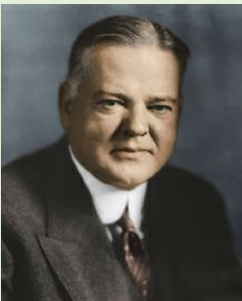
President Herbert Hoover (1929–1933)
Key idea:
Famous quote: “A chicken in every pot, and a car in every garage.”
Suggested commitment to shared prosperity for all Americans.
Economic beliefs and context:
Supported laissez-faire, calling it ‘rugged individualism’.
Believed Americans should look after themselves without relying on government help.
His policies came at a poor time, as economic growth had been slowing since 1927.
Farmers were already suffering from falling prices and low incomes.
Response to economic crisis:
During the Great Depression, Hoover made limited attempts to help farmers and banks, but did not abandon laissez-faire principles.
Introduced the Smoot–Hawley Tariff (1930), further increasing tariffs on foreign goods.
The tariff reduced international trade and worsened economic problems.
Outcome:
Criticised as a ‘do-nothing’ president for failing to take strong action.
Lost the 1932 presidential election.
Overall significance:
Hoover’s policies were too limited for a crisis, and his commitment to laissez-faire deepened the impact of the Depression.
Comparison Table:
President | Key Idea / Belief | Economic Policies | Impact on Economy & Society | Overall Significance |
|---|---|---|---|---|
Warren Harding (1921–1923) | “Return to normalcy” → return to traditional values after WWI | • Pro-business approach to tackle post-war depression (1920–21) • Tax cuts (1921) pushed by Andrew Mellon for rich and poor • Reduced government intervention (cut spending from 6.5% → 3.5%) • Removed wartime business regulations • Federal Highway Act (1921): $160m for roads • Fordney–McCumber Tariff (1922) raised tariffs | • Rising wages, profits, and productivity • Job creation in road construction • US businesses protected from foreign competition • Economic recovery begins | Laid the foundations of the 1920s economic boom |
Calvin Coolidge (1923–1929) | “The chief business of the American people is business” → strong belief in laissez-faire | • Continued Harding’s pro-business policies • Revenue Act (1924) + tax cuts in 1926 & 1928 • By 1928, only top 2% paid income tax • Refused government intervention in agriculture • Vetoed farm support schemes | • Boom strengthened, consumerism increased • Wealth increased for businesses and the rich • Farmers continued to struggle • Modernisation caused overproduction | Strengthened the boom, but ignored agricultural crisis, creating long-term weaknesses |
Herbert Hoover (1929–1933) | “A chicken in every pot” → belief in shared prosperity | • Supported laissez-faire (‘rugged individualism’) • Believed people should help themselves • Limited aid to banks and farmers during Depression • Smoot–Hawley Tariff (1930) raised tariffs | • Policies ineffective during the Great Depression • Tariffs reduced international trade • Economic conditions worsened • Public anger grew | Policies failed in a crisis; commitment to laissez-faire deepened the Depression |