CHAPTER 2 & 3 REVISION
DNA Structure & Function
1. What is the basic building block of DNA?
The building block is a nucleotide.
2. Draw and label a DNA nucleotide. A DNA nucleotide consists of three parts:
A phosphate group.
A deoxyribose sugar (a 5-carbon pentose sugar).
A nitrogenous base (A, T, C, or G).

3. Which two components of a DNA nucleotide are constant?
The phosphate group and the deoxyribose sugar. These form the "sugar-phosphate backbone."
4. The third component's chemical makeup can vary. Name the four variations.
The four nitrogenous bases: Adenine (A), Thymine (T), Guanine (G), and Cytosine (C).
5. What bond holds one nucleotide to the next in a single chain?
A phosphodiester bond (a strong covalent bond).
6. What are complementary base pairs? These are specific pairs of nucleotides that join the two strands of DNA together:
Adenine always pairs with Thymine (A-T).
Guanine always pairs with Cytosine (G-C).
7. What type of chemical bond holds the base pairs together? Hydrogen bonds. (Note: There are 2 bonds between A-T and 3 bonds between G-C).
8. How are the above bonds broken?
They are broken by heat (denaturation) or by specific enzymes (like DNA helicase during replication).
The four main differences between DNA & RNA
Feature | DNA (Deoxyribonucleic Acid) | RNA (Ribonucleic Acid) |
Sugar Molecule | Contains deoxyribose sugar (missing one oxygen atom). | Contains ribose sugar. |
Nitrogenous Bases | Uses Adenine, Thymine, Guanine, and Cytosine. | Uses Adenine, Uracil, Guanine, and Cytosine. |
Structure | Double-stranded (forming a double helix). | Usually single-stranded. |
Longevity/Role | Permanent storage of genetic info; very stable. | Temporary molecule; carries instructions to ribosomes. |
10. In simple terms, explain how DNA codes for proteins.
DNA contains sequences of bases called genes. Every three bases (a triplet) codes for one specific amino acid. These amino acids are joined together in a specific order to fold into a functional protein.
11. Describe the relationship between DNA, genes and chromosomes.
DNA is a long, double-helix molecule. It acts as the fundamental "genetic material. Think of DNA as the actual lines of text written in chemical code (A, T, C, and G) that contain all the information needed to build your body.
Gene is a specific, short segment of the DNA molecule. Each gene contains the genetic code to produce a specific type of protein or an RNA molecule
Chromosome Because DNA is extremely long, it cannot sit disorganized inside the cell. It is tightly coiled around proteins called histones to form rod-like structures called chromosomes.
Type of RNA | Function |
mRNA (messenger RNA) | Carries a copy of the genetic code from the DNA in the nucleus to the ribosomes in the cytosol for protein synthesis. |
rRNA (ribosomal RNA) | The main structural component of ribosomes, which are the sites where amino acids are assembled into proteins. |
tRNA (transfer RNA) | Delivers specific amino acids to the ribosome. It has an anticodon that pairs with the mRNA codon to ensure the correct sequence. |
Name two types of functions of genes. Explain whether all genes are responsible for the production of a protein.
Structural genes: Code for proteins that become part of the structure or functioning of an organism (e.g., enzymes, keratin).
Regulatory genes: Code for proteins (transcription factors) that control the expression of other genes.
not all genes produce proteins. some genes code for functional RNA molecules (like tRNA or rRNA) that are never translated into a protein.
How are transcriptional factors made and what is their role?
How they are made: They are proteins, so they are made through the standard process of transcription and translation from regulatory genes.
Role: They bind to the DNA (usually at the promoter region) to either induce (turn on) or repress (turn off) the transcription of specific genes.
The Ribosome
For secreted proteins, these ribosomes are usually attached to the Rough ER. They read the mRNA sequence and assemble amino acids into a polypeptide chain.
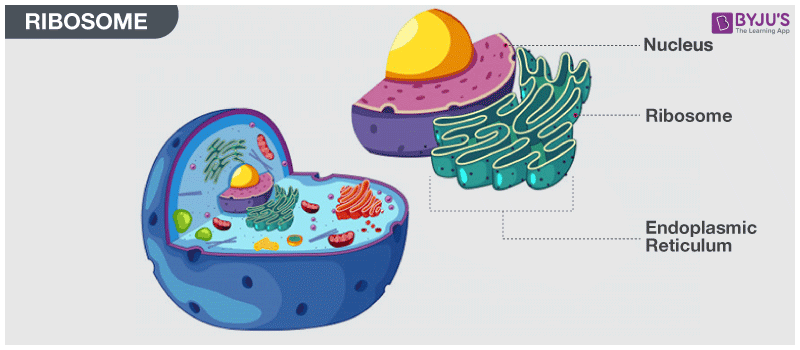
Rough Endoplasmic Reticulum
The raw polypeptide chain enters the lumen (inside) of the Rough ER. Here, it is folded into its functional 3D shape (secondary and tertiary structures). The ER then buds off a transport vesicle containing the protein.
Golgi Apparatus
Pieces of the Golgi membrane pinch off to form vesicles that transport molecules around the cell. The Golgi apparatus can be thought of as similar to a post office; it packages and labels "items" and then sends them to different parts of the cell.
Secretory Vesicles
These vesicles carry the protein through the cytosol (dịch bào) toward the plasma membrane. They protect the protein from being degraded (phân hủy) by enzymes in the cytoplasm.
Plasma Membrane & Exocytosis
The secretory vesicle membrane fuses with the cell's plasma membrane. This is an active process (requiring energy) that releases the protein contents into the extracellular fluid.
Mitochondria
Every step above—especially the movement of vesicles and the fusion of membranes—requires ATP. Mitochondria perform aerobic cellular respiration to provide this energy.
What are triplets, codons and anticodons?
Triplet: A sequence of 3 bases on DNA.
Codon: A sequence of 3 bases on mRNA (complementary to the triplet).
Anticodon: A sequence of 3 bases on tRNA (complementary to the codon).
Triplets, codons, and anticodons’ function:
Triplets: Its primary job is to store the genetic information safely within the nucleus. It determines which mRNA codon will be formed during transcription.
Codon: The codon carries the genetic information out of the nucleus to the ribosome. Its specific sequence determines which amino acid will be added to the growing polypeptide chain. There are 64 possible codons.
Anticodon: The anticodon’s job is to ensure the correct amino acid is dropped off at the right time. By binding complementarily to the mRNA codon, it double-check that the tRNA is carrying the specific amino acid that the DNA originally called for.
In terms of nucleotides and triplets, what is a gene?
A gene is a specific sequence of nucleotides located at a particular position on a DNA molecule. Every three consecutive nucleotides form a triplet.
A gene acts as the original master code. Its function is to store genetic information to synthesize ( tổng hợp ) a polypeptide chain (which later folds (cuộn) into a protein).
Coding vs. Non-coding Regions
Exons are the coding regions of a gene that contain the specific instructions required for the synthesis of a polypeptide/protein.
Introns allows for different combinations of exons to be joined together, meaning one gene can code for multiple different proteins. Introns make up the majority of a gene’s length, if a mutation inducing factor (tác nhân gây đột biến) strike the gene, there is a high probability it will land within an intron. Because introns are eventually removed, such a mutation will nor affect the final protein’s structure. Introns act as a protective against genetic damage.
Gene and Polypeptide
Gene: is a segment of DNA located in the nucleus that serves as the master code.
Polypeptide: is a long chain of amino acids synthesized at the ribosome.
A gene provides the specific instructions required to build a polypeptide through the processes of transcription and translation.
Feature | Gene | Polypeptide |
Chemical Nature | Nucleic Acid (DNA) | Protein (Chain of amino acids) |
Building Blocks | Nucleotides (A, T, C, G) | Amino acids (20 types) |
Location | Stays in the nucleus | Created in the cytoplasm (at ribosomes) |
Gene’s function:
Genes store the recipe for every structure and function in your body.
They are the units of inheritance (di truyền từ đời này sang đời khác) To pass traits from parents to offspring.
Some genes acts as “on/off” switches to control when other proteins should be made.
Not all genes make proteins, some are used to create tRNA and rRNA, which are essential for the cell’s machinery.
Key words:
Gene: A specific sequence of DNA nucleotides that codes for a functional product (protein or RNA).
Genome: The sum total of all the DNA in an organism.
Degenerate / Redundant: Terms used to describe the genetic code because multiple different codons can code for the same amino acid.
Transcription: The process of copying a DNA template into pre-mRNA (occurs in the nucleus).
RNA Polymerase: The enzyme responsible for building the pre-mRNA strand by joining RNA nucleotides.
Intron: A non-coding region of a gene that is removed during RNA processing.
Exon: A coding region of a gene that is kept and joined together to form the final mRNA.
Alternative Splicing: A process where different exons are joined together, allowing one gene to produce multiple different proteins.
Translation: The process where the ribosome reads the mRNA code to build a polypeptide chain (occurs in the cytoplasm).
Transcription’s purpose:
The primary purpose of transcription is to synthesize a mobile, single-stranded molecule called pre-mRNA by copying the genetic instructions stored in the DNA template strand. This process allows the genetic code to be transported out of the protected nucleus to the ribosomes in the cytosol, where it can subsequently be translated into a functional polypeptide.
Why is Transcription necessary?
DNA protection: DNA is the master blueprint. It is extremely important and unique. It must be kept strictly safe inside the nucleus. If DNA were to move into the cytoplasm, it would be vulnerable to chemical damage or degradation by enzymes (nucleases).
Size and Accessibility: DNA molecules are double-stranded and far too large to pass through the nuclear pores. mRNA, being a single-stranded and shorter molecule, is small enough to exit the nucleus and travel to the ribosomes.
Amplification (Efficiency): From a single gene on the DNA, the cell can transcribe thousands of mRNA copies simultaneously. This allows the cell to produce a large volume of protein very quickly when needed.
Why is the pre-mRNA step necessary?
Pre-mRNA only happens in the nucleus.
Alternative splicing: Because of the pre-mRNA stage, the cell can join exons together in different combinations.
pre-mRNA allows cells recheck everything in the safe environment nucleus. If anything wrong in the transcription’s process, the cell can destroy it right away, do not affect the whole cell. It protects cell from creating the wrong protein, reduce the cancer….
By editing this draft instead of using the original DNA, the cell ensures that only the correct and protected genetic instructions (mature mRNA) reach the ribosome, preventing the production of faulty proteins.
The transformation of pre-mRNA into mature mRNA involves adding a 5’ methyl-G cap and a 3’ poly-A tail. Preventing the mRNA from being broken down by enzymes.
Nucleus are where two large events happen:
Transcription: DNA uses to create pre-mRNA.
RNA processing: Turn pre-mRNA into mature mRNA.
The process of Transcription:
Initiation: RNA polymerase binds to the promoter region of the gene, which signals the start of transcription. The DNA double helix unwinds, and the hydrogen bonds between the complementary nitrogenous bases are broken, exposing the template strand.
Elongation: RNA polymerase moves along the DNA template strand in a 3' to 5' direction. As it moves, it catalyzes the joining of free-floating complementary RNA nucleotides. According to the rules of complementary base pairing, Adenine (A) pairs with Uracil (U), and Cytosine (C) pairs with Guanine (G). The new pre-mRNA strand is synthesized in a 5' to 3' direction.
Termination: When RNA polymerase reaches the stop signal at the end of the gene, the enzyme detaches. The DNA molecule re-winds back into its double helix structure, and the single-stranded pre-mRNA molecule is released into the nucleus.
Translation’s purpose:
Translation is the only mechanism by which a cell can produce essential proteins—such as enzymes, hormones, and antibodies—from the genetic instructions stored in DNA. Without this process, the cell would have no way to build the molecular machinery required for life.
It is the final stage of gene expression. Without translation, your genes would remain as silent sequences of code locked inside the nucleus.
The phenotype (the physical and functional traits you can see, such as hair color, height, or blood type) is determined by the specific proteins produced during translation.
Stage | Process | Location | Key "Goal" |
1. Transcription | DNA —— pre-mRNA | Nucleus | Copying the "Master Blueprint" into a portable draft. |
2. RNA Processing | pre-mRNA —— mRNA | Nucleus | Refining the draft by removing Introns and adding protection. |
3. Translation | mRNA ——Polypeptide | Ribosome | Decoding the message into a chain of amino acids (Protein). |
Triplet (On DNA)
Location: Nucleus.
What it is: A sequence of 3 DNA nucleotides.
Function: This is the original "master code." Each triplet provides the template for one mRNA codon.
Example: If the DNA triplet is TAC.
Codon (on mRNA)
Location: Cytosol (at the Ribosome).
What it is: A sequence of 3 RNA nucleotides that is complementary to the DNA triplet.
Function: It carries the message to the ribosome. It is the "language" used to look up which amino acid is needed on the Genetic Code Table.
Example: If the DNA triplet is TAC, the mRNA codon is AUG.
The Start Codon (AUG): This is universal. Almost every protein starts with the amino acid Methionine.
Stop Codons (UAA, UAG, UGA): These do not code for an amino acid. They act like a "full stop" at the end of a sentence, telling the ribosome to stop and release the protein.
Anticodon (on tRNA)
Location: Cytosol (attached to tRNA).
What it is: A sequence of 3 RNA nucleotides that is complementary to the mRNA codon.
Function: It ensures that the tRNA binds to the correct mRNA codon. This "double-checking" mechanism ensures the correct amino acid is added to the polypeptide chain.
CRISPR-Cas9
It is a prokaryotic adaptive immune system. It is found in the bacterial chromosome. To provide immunity against bacteriophages.
Cas9: a type of enzyme that acts as molecular scissors to cut DNA.
In nature, bacteria use this system to remember and destroy invading viruses. In modern biology, we program it to cut and edit any specific DNA sequence we choose.
Describe what a ‘consequences-based’ approach is
A consequences-based approach is an ethical framework where the right way to act is the one that produces the best overall result or the most positive outcome for the greatest number of people.
Define what ‘non-maleficence’ is in relation to genetics
the commitment to minimizing harm. In genetics, it means that any research or medical intervention should not cause disproportionate harm or unnecessary suffering to the patient or the gene pool.
Duty/ rules-based approach: Focuses on following the law or moral, regardless of the outcome.
Virtues-based approach: Focuses on the good character of the person acting.
State one of the components and its role in CRISPR-Cas9
Short-guide RNA: it includes a specific RNA sequence that is complementary to the target DNA sequences, guiding the Cas9 enzymes to the exactly location for cutting.
Cas9 Enzyme: This enzyme binds to the sgRNA. It travels along the DNA strand until it finds the sequences that matches the sgRNA, at which point it stops and cuts.
Pam site: A short DNA sequence located immediately after the target DNA sequence. The Cas9 must recognize first to ensure it is binding to the correct target and not cutting the cell’s own CRISPR locus.
The Process of CRISPR:
Step 1: scientists create an sgRNA strand with a base sequence corresponding to the target gene.
Step 2: The sgRNA is combined with the Cas9 enzyme.
Step 3: This complex is introduced into the cell. The sgRNA guides Cas9 to the exact location on the genome using complementary base pairing.
Step 4: Once the correct site is identified and a PAM sequence is present, Cas9 cuts both strands of the DNA.
Step 5: The cell attempts to repair this break.
The function of the CRISPR-Cas9:
To make a specific gene stop functioning entirely. Used to turn off harmful genes, such as those that cause cancer or virus to enter cell.
To replace a faulty or mutated segment of a gene with a healthy, functional version.
To help scientists identify the specific role each gene plays in an organism.
Biological/Technical Limitations
Off-target mutations: This occurs when the sgRNA binds to a DNA sequence that is similar, but not identical, to the target gene. The Cas9 enzyme cuts the DNA in the wrong place, potentially damaging healthy genes or causing cancer.
Mosaics: This happens when the CRISPR-Cas9 machinery does not edit all cells in an embryo at the same time.
Protein Structure
Primary Structure
The primary structure is the specific linear sequence of amino acids in a polypeptide chain.
Bonding: Amino acids are held together by peptide bonds.
Significance: This sequence is determined by the genetic code (DNA). Even a single change here (a mutation) can alter every level of structure that follows.
2. Secondary Structure
The secondary structure involves the folding or coiling of sections of the polypeptide chain.
Bonding: This is stabilized by hydrogen bonds between the atoms of the polypeptide backbone (not the R-groups).
Common Shapes:
a: Tight coils (like a telephone cord).
b: Parallel strands that look like a folded paper fan.
Random coils: Portions of the chain that don't have a regular geometric shape but connect the other parts.
3. Tertiary Structure
The tertiary structure is the overall 3D shape of the protein. This is the most important level for determining the protein's specific function.
Bonding: It is formed by various interactions between the R-groups (side chains) of the amino acids. These include:
Hydrogen bonds.
Ionic interactions.
Disulphide bridges (strong covalent bonds).
Hydrophobic interactions (non-polar R-groups grouping together in the center).
Significance: Once a protein reaches this stage, it is often functional.
4. Quaternary Structure
The quaternary structure occurs when two or more polypeptide chains join together to form a single functional protein. Not all proteins have a quaternary structure; some are fully functional at the tertiary level.
Level | Description | Main Bond Involved |
Primary | Sequence of amino acids | Peptide bonds |
Secondary | Initial folding | Hydrogen bonds |
Tertiary | Total 3D shape (Functional) | R-group interactions |
Quaternary | Multiple chains joining together | Various (H-bonds, ionic, etc.) |
The function of protein structure
The primary function of a protein's structure is to create a specific 3D shape that allows it to interact with other molecules (substrates, DNA, or other proteins) in a precise way.
The unique shape allows proteins to acts as enzymes, receptors, or structural components.
A change in the amino acid sequence can alter the folding, leading to a non-functional protein.
Misfolded proteins are the underlying cause of many genetic diseases.
How a change in amino acid sequence affects function
A change in the primary structure alters the specific R-groups present in the polypeptide chain. This leads to different chemical interactions during folding, which changes the protein's overall 3D tertiary structure. Since a protein's function is dependent on its specific 3D shape, this alteration can prevent the protein from binding to its target or performing its biological role.
Note:
Enzyme: this changes the shape of the active site, so the substrate can no longer bind.
Sickle Cell: the protein becomes hydrophobic, causing hemoglobin to clump together and distort the red blood cell shape.
Channel protein: the protein can no longer transport specific molecules across the plasma membrane.
Answer way
Repression — Explain how the trp operon is regulated when tryptophan levels are high
When tryptophan levels are high, tryptophan acts as a co-repressor and binds to the trp repressor protein, changing its conformational shape to an active state. The active repressor binds to the operator, physically blocking RNA polymerase from transcribing the structural genes, thereby conserving energy.
Attenuation — Explain how the mechanism of attenuation prevents the formation of tryptophan in a high tryptophan environment
In high tryptophan environments, the ribosome moves quickly along the leader sequence, causing a terminator hairpin loop to form in the mRNA. This structure causes RNA polymerase to detach from the DNA before it can transcribe the structural genes, preventing the production of tryptophan.
Expression — Explain how the trp operon is regulated when tryptophan levels are low.
When tryptophan levels are low, the trp repressor remains inactive and cannot bind to the operator. This allows RNA polymerase to bind to the promoter and transcribe the structural genes (trpE-A) to produce more tryptophan for the cell's survival.
Kind of questions such as Why is transcription NOT terminated prematurely when tryptophan levels are low?
When tryptophan levels are low, there is a shortage of Trp-tRNA. This causes the ribosome to stop at the Trp codons within the leader sequence (Region 1). Because the ribosome is paused, an anti-terminator hairpin loop forms between Regions 2 and 3. This prevents the formation of the 3-4 terminator loop, allowing RNA polymerase to continue transcribing the structural genes to produce more tryptophan.
Explain how the mechanism of attenuation prevents the formation of tryptophan in a low tryptophan environment
In a low tryptophan environment, the ribosome moves slowly and stalls at the leader sequence. This allows Region 2 to pair with Region 3, forming an anti-terminator loop. This loop prevents the formation of the terminator hairpin (3-4) which would otherwise cause RNA polymerase to detach. Consequently, the structural genes (trpE-A) are fully transcribed, ensuring the cell can synthesize the tryptophan required for survival.
High Trp: Off to save energy and resources
Low Trp: On for survival
Similarities and Differences between Repression and Attenuation
Similarities:
Both aim to save energy and resources for the bacterium by preventing the production of Tryptophan when it is already available in high concentrations.
Differences:
Feature | Repression | Attenuation |
Stage of Action | Prevents the initiation of transcription. | Prevents the completion of transcription. |
Key Component | Requires the trp repressor protein to bind to the operator. | Depends on the speed of the ribosome translating the mRNA. |
Physical Mechanism | The repressor protein physically blocks RNA Polymerase at the promoter/operator. | A terminator hairpin loop forms, causing RNA Polymerase to detach from the DNA. |
Location of Action | Occurs at the regulatory region (Promoter/Operator). | Occurs at the leader sequence (trpL). |
Questions have binds to the ribosome of bacteria or which stage of gene expression is being inhibited?
The inhibitor binds to the ribosome, which is the site of translation. This prevents the ribosome from reading the codons on the mRNA and joining amino acids together to form a polypeptide chain. Consequently, functional proteins cannot be synthesized, and the organism/cell cannot perform vital biological functions, leading to its death or inhibited growth.
Questions have binds to RNA polymerase or inhibiting the enzyme.
The inhibitor binds to RNA polymerase, which is the enzyme responsible for transcription. This prevents the enzyme from moving along the DNA template strand to synthesize pre-mRNA. Consequently, no mRNA is produced to be transported to the ribosomes. Without the mRNA instructions, translation cannot occur, and essential proteins are not synthesized, leading to cell death.
State the name and describe one way an organism can produce over 100,000 different proteins from just 20,000 genes. How can one gene produce multiple proteins? Explain the process of alternative splicing. Why is the proteome larger than the genome?
The process is called alternative splicing. During RNA processing in the nucleus, introns are removed from the pre-mRNA strand, and different combinations of exons are joined together. This results in the production of multiple different mRNA strands from a single gene, each of which is translated into a unique protein with a different primary structure.
What is restriction enzyme and its purpose?
Essentially molecular scissors used to manipulate DNA. They are crucial tool in genetic engineering. A restriction enzyme recognizes a specific sequences of nucleotides and cuts the phosphodiester bonds of the DNA backbone at that site.
Blunt end
The enzyme cuts both strands of DNA at the same location, directly opposite each other. This results in straight edges with no overhanging nucleotides.
Sticky ends
The enzyme cuts the DNA strands at different locations, leaving short, single-stranded overhanging sequences. These are called "sticky" because they can easily form hydrogen bonds with complementary overhanging sequences.
Explain why sticky end restriction enzymes are generally preferred over blunt end enzymes when creating recombinant DNA.
Sticky ends have overhanging single-stranded sequences that can form hydrogen bonds with matching DNA fragments.
These bonds hold the DNA together temporarily, making it much easier for DNA ligase to permanently join them with phosphodiester bonds.
Unlike blunt ends, sticky ends ensure the gene is inserted in the correct direction because the overhanging bases must match perfectly.
Describe the role of DNA ligase joining DNA fragments with sticky ends.
Link hydrogen: the complementary sticky ends join via hydrogen bonding between bases.
Link phosphodiester: DNA ligase than catalyzes the formation of phosphodiester bonds to join the sugar-phosphate backbones, creating a continuous DNA strand.
When inserting a human gene into a bacterial plasmid, why must the same restriction enzyme be used to cut both?
Using the same enzyme ensures that both the gene and the plasmid have identical/complementary sticky ends. This allows the two different sources of DNA to stick together via base pairing before being sealed by ligase.
What is polymerase chain reaction and its purpose?
PCR is a laboratory technique used to amplify a specific sequence of DNA. Its purpose is to create enough copies of a DNA sample so that it can be analyzed.
3 steps of PCR:
1. Denaturation (approx. 94°C)
The DNA sample is heated to separate the two strands.
This breaks the hydrogen bonds between the complementary bases.
2. Annealing (approx. 55°C)
The temperature is lowered to allow primers to bind (anneal) to the specific complementary sequences on the single-stranded DNA.
Primers provide a starting point for the enzyme to begin copying.
3. Extension (approx. 72°C)
The temperature is raised slightly to the optimal temperature for Taq polymerase.
Taq polymerase adds free nucleotides to the primers to synthesize a new complementary strand of DNA.
Explain why each stage requires a different temperature:
95 degree C (Denaturation): High heat is needed to break the strong hydrogen bonds between the two DNA strands.
50-60 (Annealing): Lower temperature is required to allow the primers to form hydrogen bonds with the target DNA sequences.
72 (Extension): This is the optimal temperature for Taq polymerase to function at its maximum rate.
What is the purpose of DNA implication in the PCR?
To increase the amount of DNA to a detectable level so it can be analyzed.
The benefit of producing sticky ends
They have overhanging complementary bases that can form hydrogen bonds, making it easier and more efficient for DNA ligase to join the fragments.
The benefit of producing blunt ends
They are universal, meaning any blunt-end fragment can be joined to any other blunt-end fragment regardless of the restriction enzyme used.
Why does lane A only have 1 band?
because it lacks the specific recognition site for the restriction enzyme, leaving the DNA fragment uncut and full-length.
Why does land B have two bands?
It contains a recognition site for the restriction enzyme, which cut the DNA into two smaller fragments of different lengths.
What poverty of DNA allows it to move through the gel?
DNA has a negative charge. It is attracted to the positive electrode. Smaller fragments move faster through the gel pores than larger fragments..
Transcription & Translation
From DNA to mRNA: G — C, C — G, A — U, T — A