Worthington Global History
Neolithic Rev. > River Valley Civs. > Classical Civs. > Post Classical > Early Modern
Foundation & Rise of Civilization (10,000 BCE - 500 BCE)
Civilizations
Definition
conglomerations of humans
nomadic cultures like the mongols aren’t civilizations
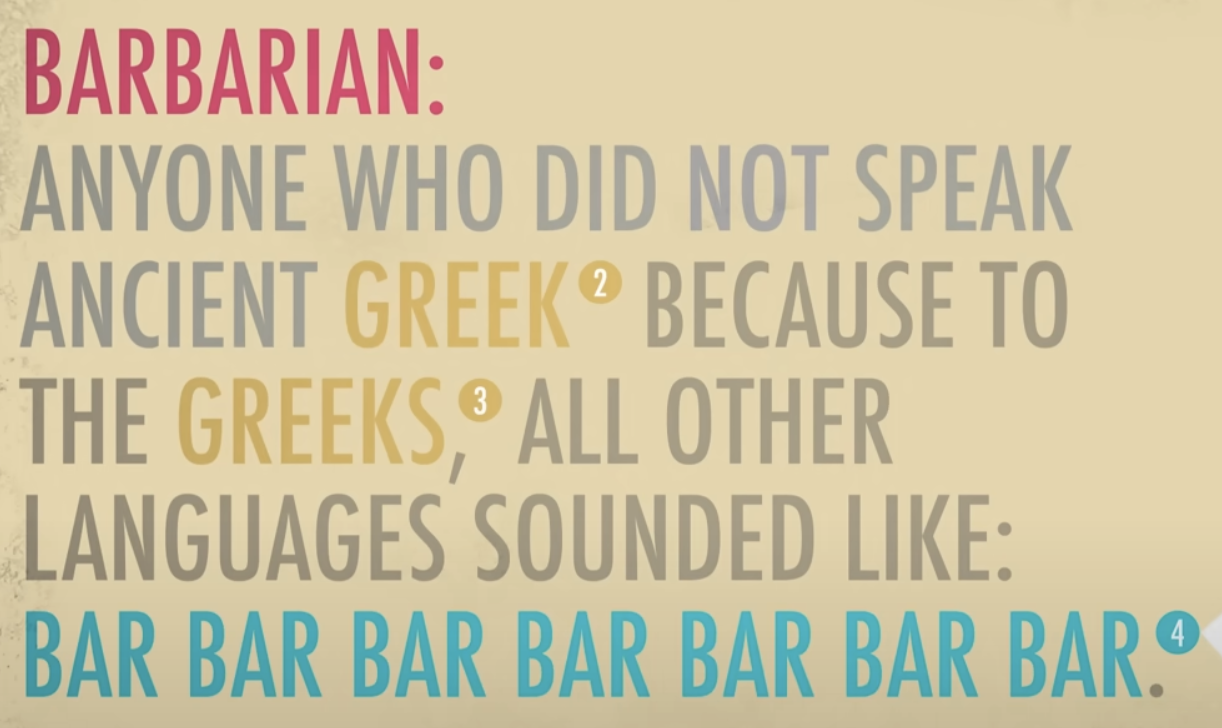
by calling some groups civilizations, it is implied that all other social orders are uncivilized (savages, barbarians = not part of the “great civilizations” Greek, Roman, Christian)
which is stupid
Characteristics of Civilizations
surplus production which leads to
being able to build cities which leads to
specialization of labor which leads to
trade
Things Associated with Civilizations
social stratification
centralized government
shared values (religion)
writing
(ancient days) rivers
Tigris and Euphrates, Yellow River, Nile, Amazon Basin, Coatzacoalcos
River Valley Significance
flat, well watered
flood often (cyclically)
deposit nutrient rich silt
Neolithic Age (10,000 BCE - 2,200 BCE)
Neolithic Revolution
Hunter Gatherers
lived in small, nomadic groups
relied on hunting animals and gathering wild plants for food
had deep knowledge of their environment
egalitarian social structures
limited material possessions due to mobile lifestyle
Neolithic Farmers
settled in one place
practiced agriculture and domesticating animals
farming led to food surpluses, population growth, and the development of complex societies with specialized roles and social hierarchies
Neolithic Revolution (Agricultural Revolution)
transition from nomadic hunter gatherers to agricultural settlements and civilizations
started around 10,000 BCE in the Fertile Crescent (the Middle East)
term coined by V. Gordon Childe in 1935
Geography
geography significantly influenced the development of civilizations
access to water sources → agriculture and trade
natural barriers → protection
fertile land → stable food supplies and population growth
Writing
development of writing was crucial for record-keeping, administration, and communication
allowed for the documentation of laws, trade transactions, historical events, and cultural practices
facilitated the growth of complex societies and preservation of knowledge
allowed for words to be set in stone (john leee?????:??:?:/) and solidified (john le??????) a ruler’s reach on their land and people
Changes
provided the basis for centralized administration/government and political structures
rise of bureaucracy → sign of a complex government
new labor systems developed due to a surplus of food, therefore job specialization started happening
due to specialization, hierarchies started emerging → structure of humanity throughout the ages
Mesopotamia

“the land between rivers” refers specifically to the fertile valleys of the Tigris and Euphrates rivers
modern day Iraq
agriculture reached Mesopotamia c. 5,000 BCE
not enough annual rainfall
dependent on irrigation and canals
4,000 BCE → use of ox drawn plows appear
Empires of Mesopotamia
Creator of the empire in Mesopotamia was Sargon of Akkad.
Sumerians
Akkadians
Babylonians
Hittites
Assyrians
Babylonians (again)
General Mesopotamian Stuffs
irrigation
dug out large storage basins to hold water supplies
supported agriculture and urban society
created thousands of labor positions
problems with equitable distribution
caused disputes between parts of the citystate
external problems
wealth stored in Sumerian cities attracted people outside cities
flat land with few natural geographic barriers
politics
city-state organization (urban center and surrounding rural areas, most worked fields and some in specialized labor)
society
3 classes - free/land owners, those dependent on farmers/artisans, slaves
women had child bearing care, could own property, could engage in trade, decline in status after 2nd millennium BCE
Sumerian City States
built the world’s first cities and cultural centers
economy was based on the barter system
laid framework for Mesopotamian culture and civilization
spoke Semitic language
Hebrew, Aramaic, Phoenician, Arabic
responsible for earliest form of written language (cuneiform), used for detailed clerical records
Babylon
Persians conquered Sumer and moved capital to Babylon
adopted many Sumerian traditions
patriarchal society
women did have more rights
arranged marriages
Hammurabi
Code of Hammurabi
one of the earliest written legal codes, established by the Babylonian king Hammurabi (wowzers)
standardized laws and punishments
emphasized justice and social order
significant for detailed and structured approach to governance and legal practice
can be considered just due to the following
put regulations on trade
the more poor your are you can do more physical punishment (social inequality)
karma for what you did
Egypt
Agricultural Society in Africa
after 5000 BCE, the northern half became much hotter and drier
desertification, drove everyone to the Nile River (principal source of water flowing)
Nile River Valley
natural isolation from other parts of the world, self sufficient (unlike Mesopotamia who depended on imports)
worlds longest river, flows from south to north
Egypt was called the Gift of the Nile by Herodotus (Greek traveler)
majority lived there, agriculture was dependent on predictable floods
Religion
natural world is a place of cycles
Re (sun god) made his way across the sky
Osiris (king of underworld)
Horus (associated with the pharaoh)
cults of gods would form in cities/villages
Politics (and Religion)
pharaoh: Egyptian king, god sent to maintain ma’at (order of the universe)
death was a journey that returned the pharaoh to the gods
pyramids
tomb of pharaohs
simple tools and massive amounts of human labor
Saqqara (steep pyramids of Djoser, near Memphis)
Giza (Menkaure, Khafre, Khufu)
upper and lower Egypt united by Menes
dynasties - period of rule by pharaohs of a certain family line, history divided into Old, Middle, New Kingdoms
Memphis: capital of Old Kingdom
Thebes: capital of Middle/New Kingdoms
extensive bureaucrats, taxes, monopoly of economy/trade, literate admin class
Technology
hieroglyphics, papyrus scrolls (scribes!!!!! alhaitham!!!!!!!)
knowledge of anatomy due to mummification
most accurate calendar in the world through celestial observations
pyramids and other feats (symbolized that they were complex and stuff)
Social Classes
pharaohs, government officials, priests, craftsmen, merchants, laborers and slaves
wealthy tombs were elaborate for rich rich
commoner graves were much more simpler but still contained personal ornaments
Indus Valley Civilization (3,300 BCE - 1,300 BCE)
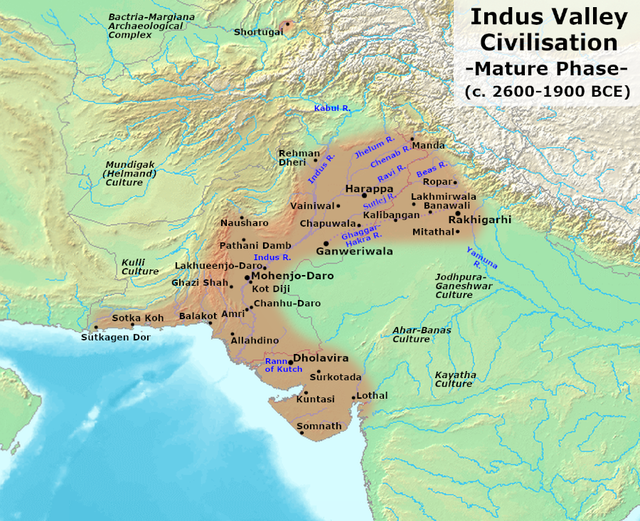
located in the flood plain of the Indus and Sarawati rivers
best place to have an ancient civilization
rivers flooded reliably twice a year
most available nutrients
flourished ~3000 BCE
traded with Mesopotamians as early as 3500 BCE
largest of all ancient civilizations, more than 1500 sites
very peaceful, almost no weapons and warfare
Cities
Harappa and Mohenjo Daro are best known
dense multi-story bricks with perpendicular streets
cities were oriented to catch the wind and provide natural AC
homes were connected to centralized drainage systems that used gravity to carry waste/water out of the city in sewer ditches that ran under the main avenues
Trade
seals used for identification markers on goods and clay tablets
proof of trade = seals found in Mesopotamia, bronze found in Indus Valley
traded cotton cloth
Decline of the Civilization
didn’t morph into current residents of that area (Hindu Indians or Muslim Pakistanis)
declined until faded into obscurity
three theories
conquest, terrible strategy to have no weapons, completely overrun by Caucasus (above people came from them)
environmental disaster, destroyed their own environmental
earthquake, massive earthquake changed course of rivers that tributaries dried up, without water people packed their bags
Classical Period (500 BCE - 500 CE)
Classical India
The people of the Indus River Valley developed 2 major religions still practiced today: Hinduism and Buddhism.
Characteristics | Hinduism | Buddhism |
|---|---|---|
# of Gods | many gods, all faces of Brahman | originally no gods |
Holy Books | Vedas; Upanishads, Mahabharata, and others | Books on the teachings and life of the Buddha |
Moral Law | Karma | Eightfold Path |
Leaders | Brahmins | Monks |
Final Goal | Moksha | Enlightenment, Nirvana |
Hinduism
Basic Beliefs
based upon the searching for “perfect understanding” and liberation from the human world
this is known as moksha
only the top of the caste system can achieve moksha
believed in reincarnation
moving up the caste is based on fulfilling dharma (duty) and gaining karma (good deeds)
Gods and Texts
believed in thousands, but there are 3 supreme
Brahma the creator, Vishnu the preserver, Shiva the destroyer
no single Hindu text, but the Upanishads and Vedas are important
Impact on Society
Hinduism and caste system dominated all aspects of life
caste system = social hierarchy passed down through families
caste system was brought to them by Aryans from central Asia
Similarities/Differences With Buddhism
both share belief in karma/dharma/rebirth
both believe in spiritual liberation (moksha and nirvana)
Buddhism rejects caste system rituals and priests of Hinduism, seek enlightenment through meditation
Buddhism
Origins
created by Siddhartha Gautama who abandoned a noble life in search of enlightenment
after meditation Siddhartha gained enlightenment and became Buddha
Basic Beliefs
believe in Nirvana and reincarnation
reject the caste system and the idea that only Brahmins can achieve Nirvana
major teachings are the Four Noble Truths
Buddhists believe they can achieve Nirvana by following the Eight-Fold Path
Impact on Society
women and Hindus in the lowest castes were attracted to Buddhism
Missionaries spread Buddhism into Asia
Major Empires (India)

Empire of Alexander the Great
Mauryan & Gupta Empires in India
Han Dynasty in China
Mauryan Empire: 1st Empire, 321 BCE - 185 BCE
Asoka - 268 BCE to 232 BCE
following a bitter battle with heavy casualties he converts to Buddhism
religious toleration
encouraged spread of Buddhism (monks)
built extensive road network, planted trees
declined when imperial kingdoms regained independence following Asoka’s death
Edicts of Asoka to spread his word and control
founded by Chandragupta Maurya (defeats Alexander the Great, united India under one ruler through conquest, huge army over 600,000)
Gupta Empire: 320 CE - 550 CE
founder was Chandragupta Maurya I (no relation)
society was ordered in accordance with Hindu beliefs (popularization)
peace and prosperity enabled the pursuit of scientific and artistic endearvors
Chandragupta II (375 - 415 CE)
decline
death of CG II
series of invasions
weak leaders
many cultural and intellectual achievements were saved and transmitted to other cultures and live on today
very advanced in math, medicine (vaccine against smallpox), science, architecture, arts/literature
Classical China
qin dynasty (I did a project on it) was replaced by han dynasty
han set pattern for most of China’s history
yuan were mongols (RAHHHHHGHHH) and sparked rebellions that led to the Ming dynasty (built Great Wall)
General Stuff