Channelopathies
Long QT Syndrome Overview
Long QT syndrome (LQTS) is associated with a prolonged QT interval on ECG, which can lead to torsades de pointes and sudden cardiac death
Diagnostics involve identifying mutations and measuring QT intervals
Causes
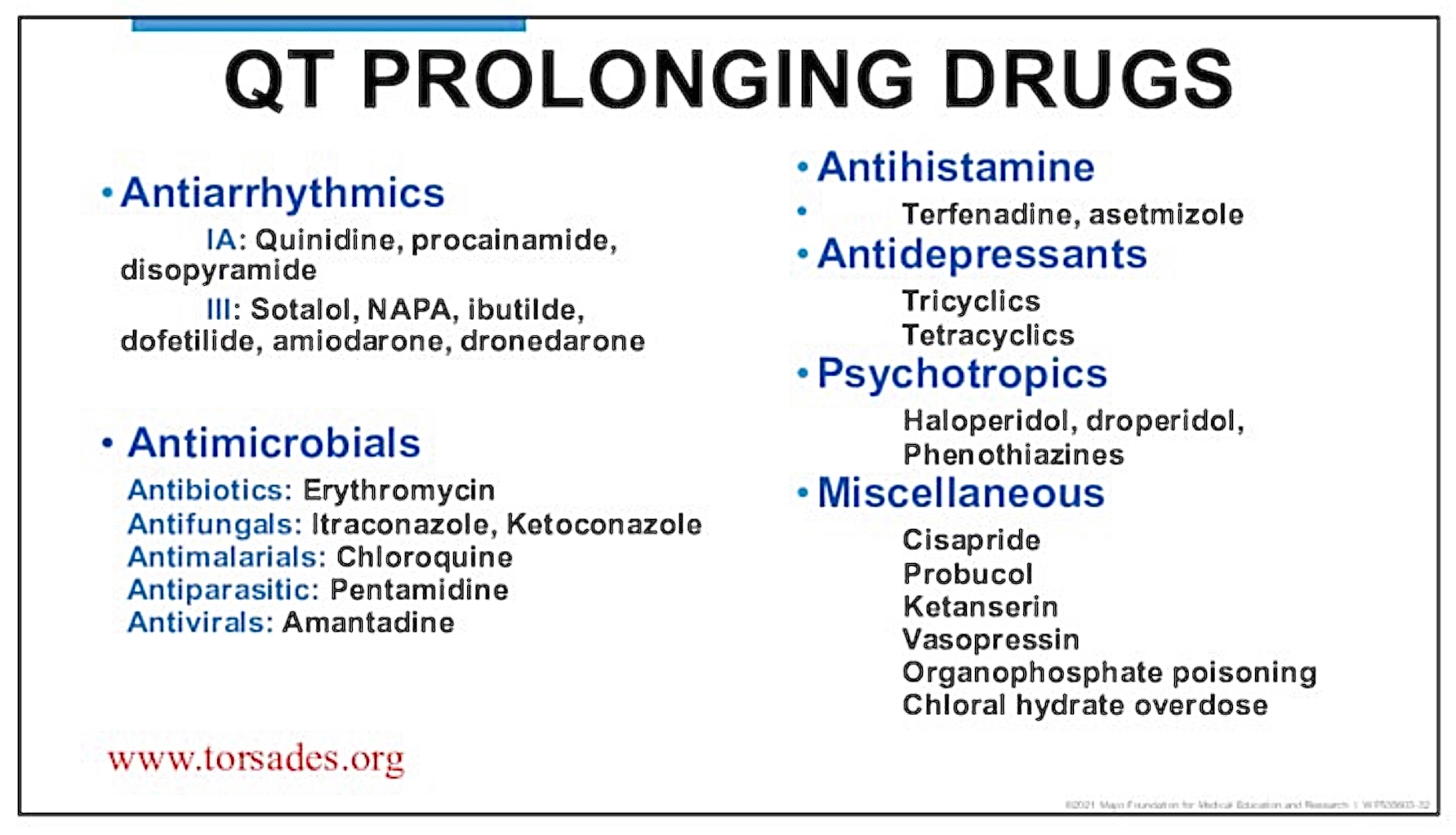
Genetic factors, medications, electrolyte abnormalities
Diagnosis
QT Interval Measurements:
Traditional cutoff for diagnosing LQTS is a corrected QT (QTc) greater than 440 ms
Symptoms often develop with a QTc greater than 470 ms
Values over 500 ms usually indicate therapy effects (e.g., beta-blockers)
Stress ECG Guidelines:
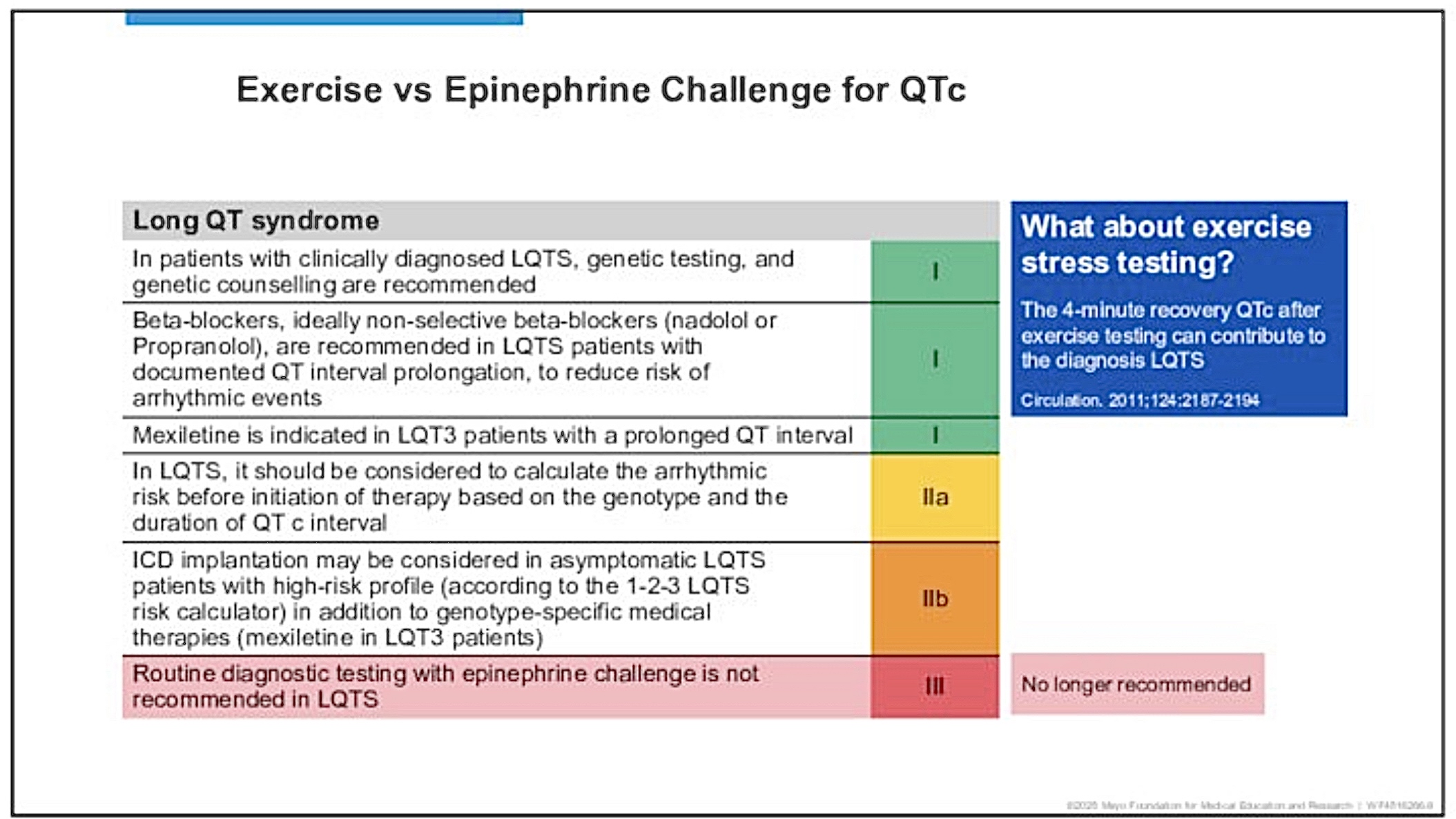
Perform ECG at 4 minutes post-treadmill, not immediately after cessation of exercise
Use the tangent method for analysis
ECG Interpretation
Importance of ignoring small T waves and U waves when analyzing the ECG
Bundle Branch Blocks:
Use QT interval correction formulas when QRS duration exceeds 110 ms
Subtract extra QRS time from QT interval
Genetic Factors
Genetic testing is crucial for managing LQTS
Familial Patterns: Patients with a history of familial mutations
Type of Long QT Syndrome
LQT1, LQT2, LQT3 distinctions based on triggers and symptoms:
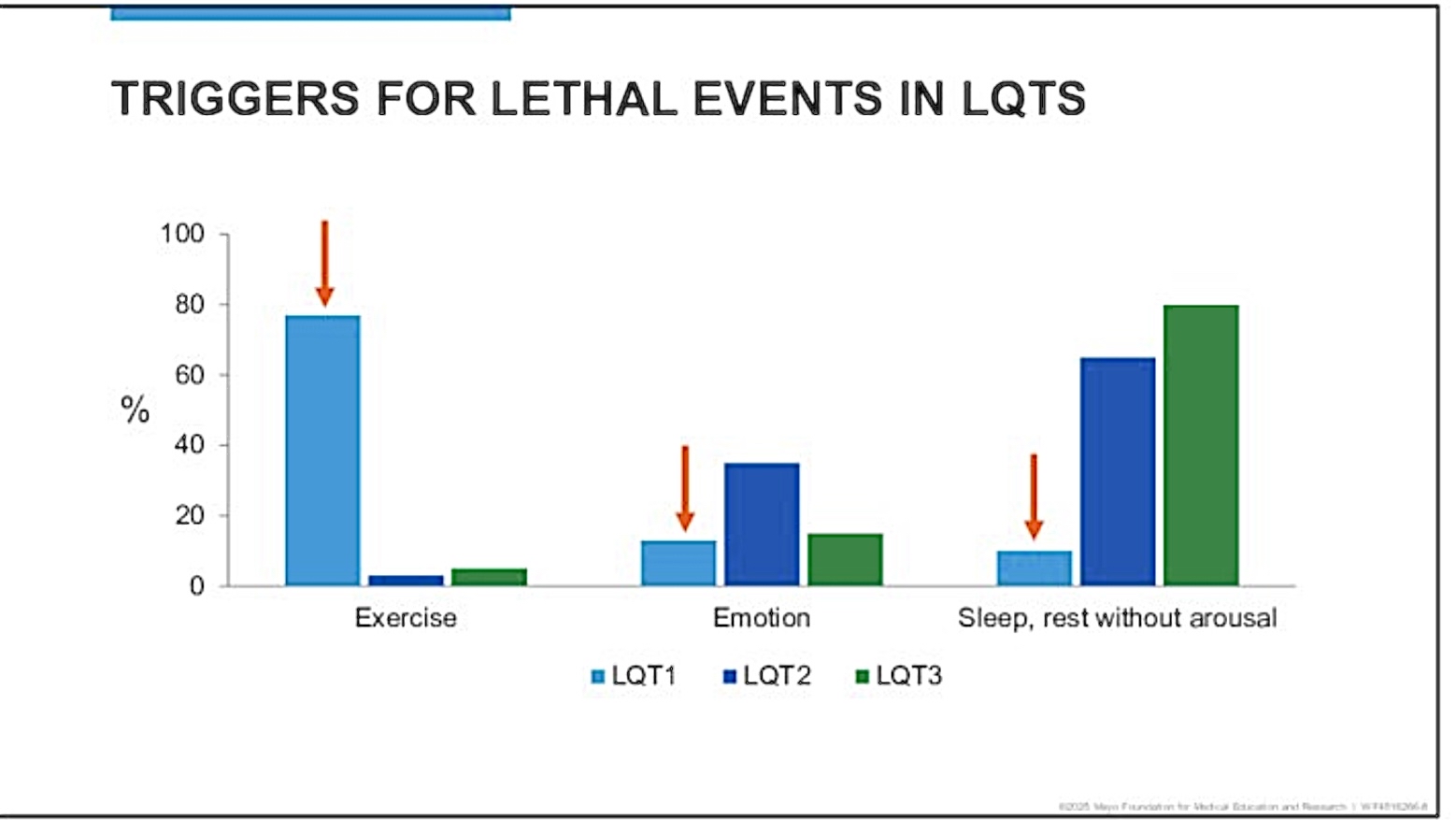
LQT1: Triggered by exercise, particularly swimming
LQT2: Triggered by emotional stress or loud noises
LQT3: Events often occur during sleep without arousal
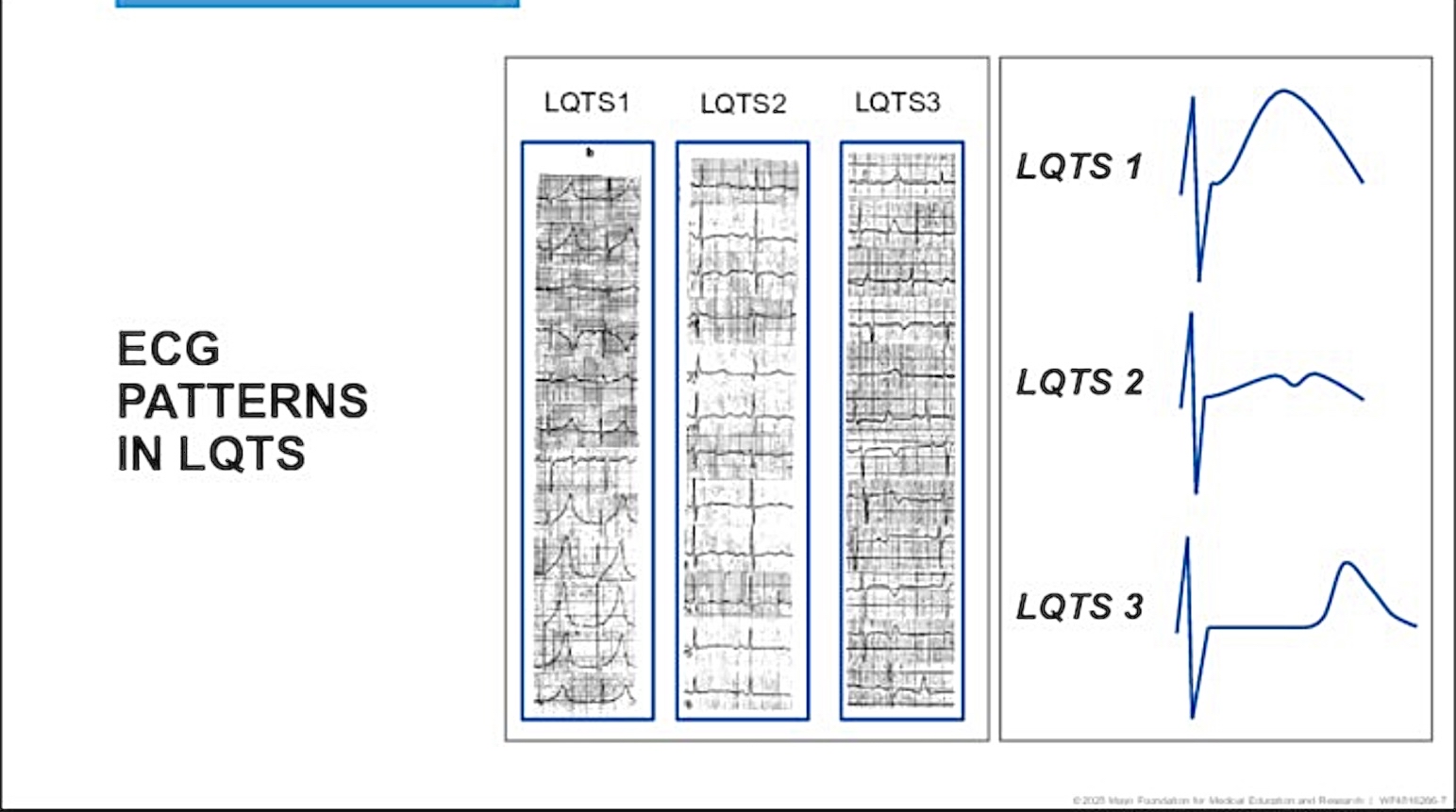
Long Isometric Intervals: A long isoelectric interval in the T wave indicates a potassium current imbalance.
Symptomatic Management:
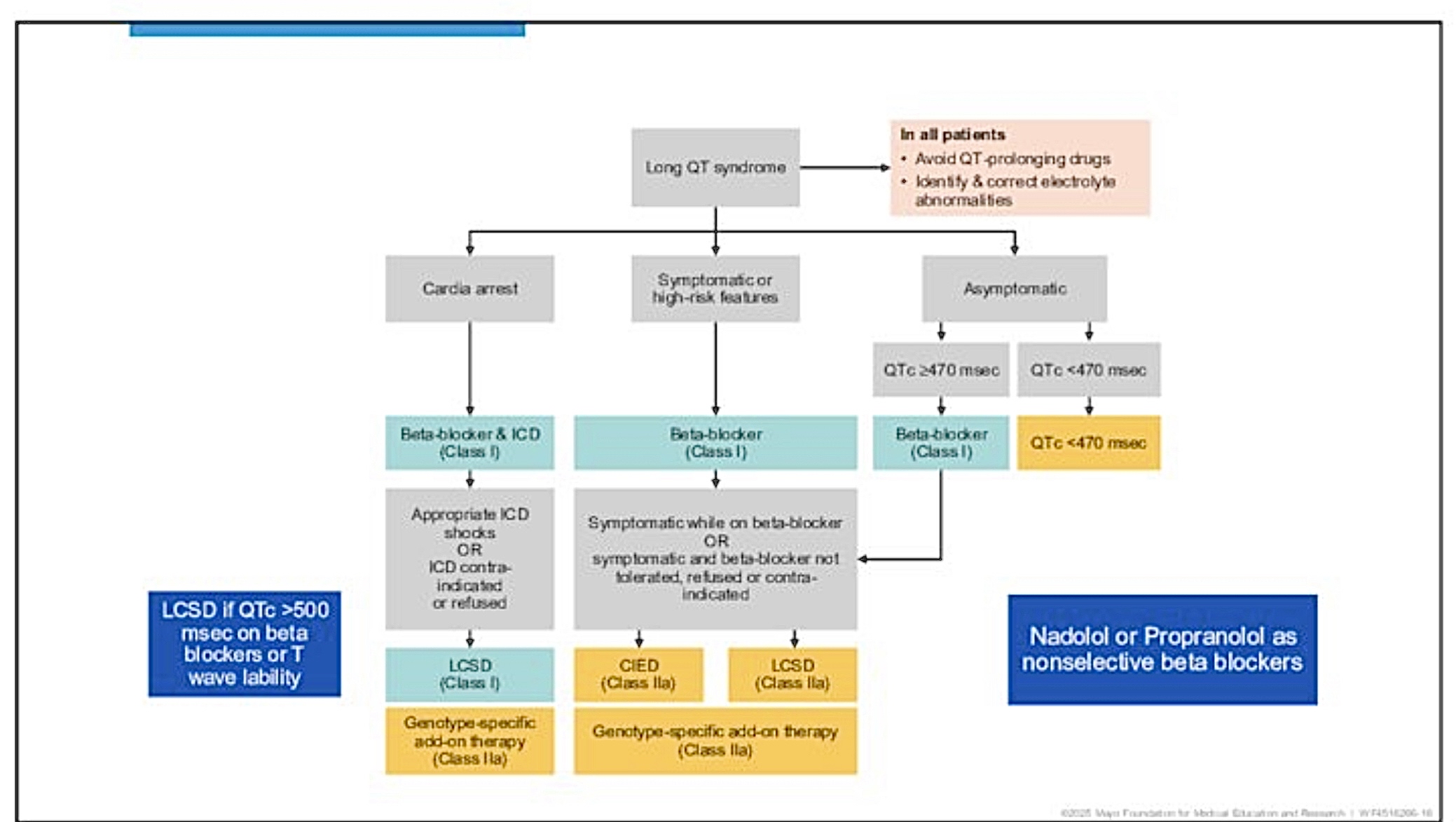
Beta-blockers like nadolol and propranolol are utilized
IC devices are indicated for those with cardiac arrest history
Treatment Options
Left Cardiac Sympathetic Denervation: Effective for LQT management but requires skilled surgical intervention
Genotype Specific Therapy:
New options include mexiletine for specific genotypes (e.g., KCNH2)
Mexiletine shown to reduce risk of cardiac events significantly
Risk Assessment
Increased QTc correlates to higher risks:
e.g., QTc of 520 ms shows a 6% risk of sudden death from age 19
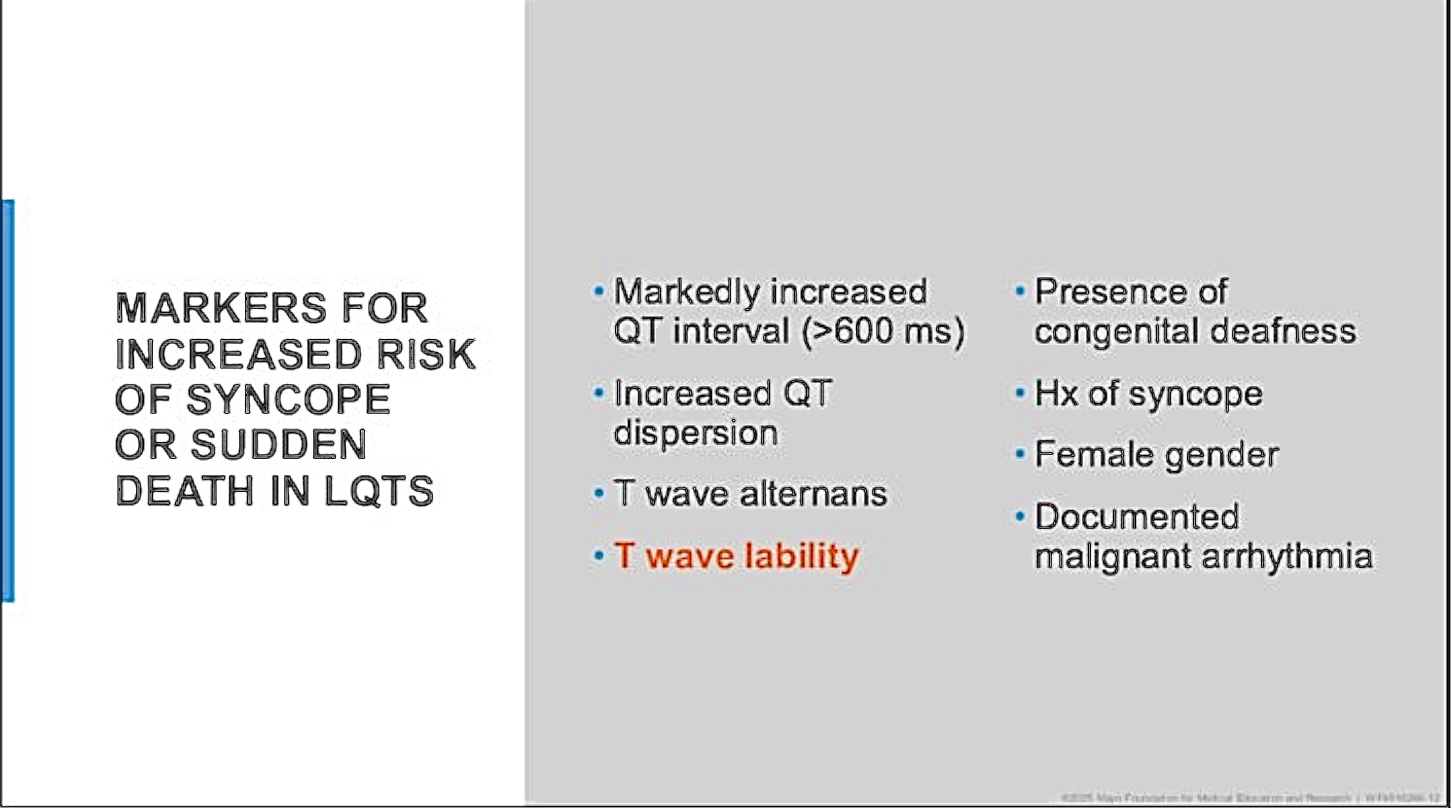
Genetic background informs prognosis but may complicate treatment decisions
Complications from Sudden Cardiac Events
Electrical storms in LQT3 can be triggered by exercise or emotional stress
Increased mortality risk associated with higher shocks from defibrillators
Catecholaminergic Polymorphic VT Overview
CPVT Mechanism:
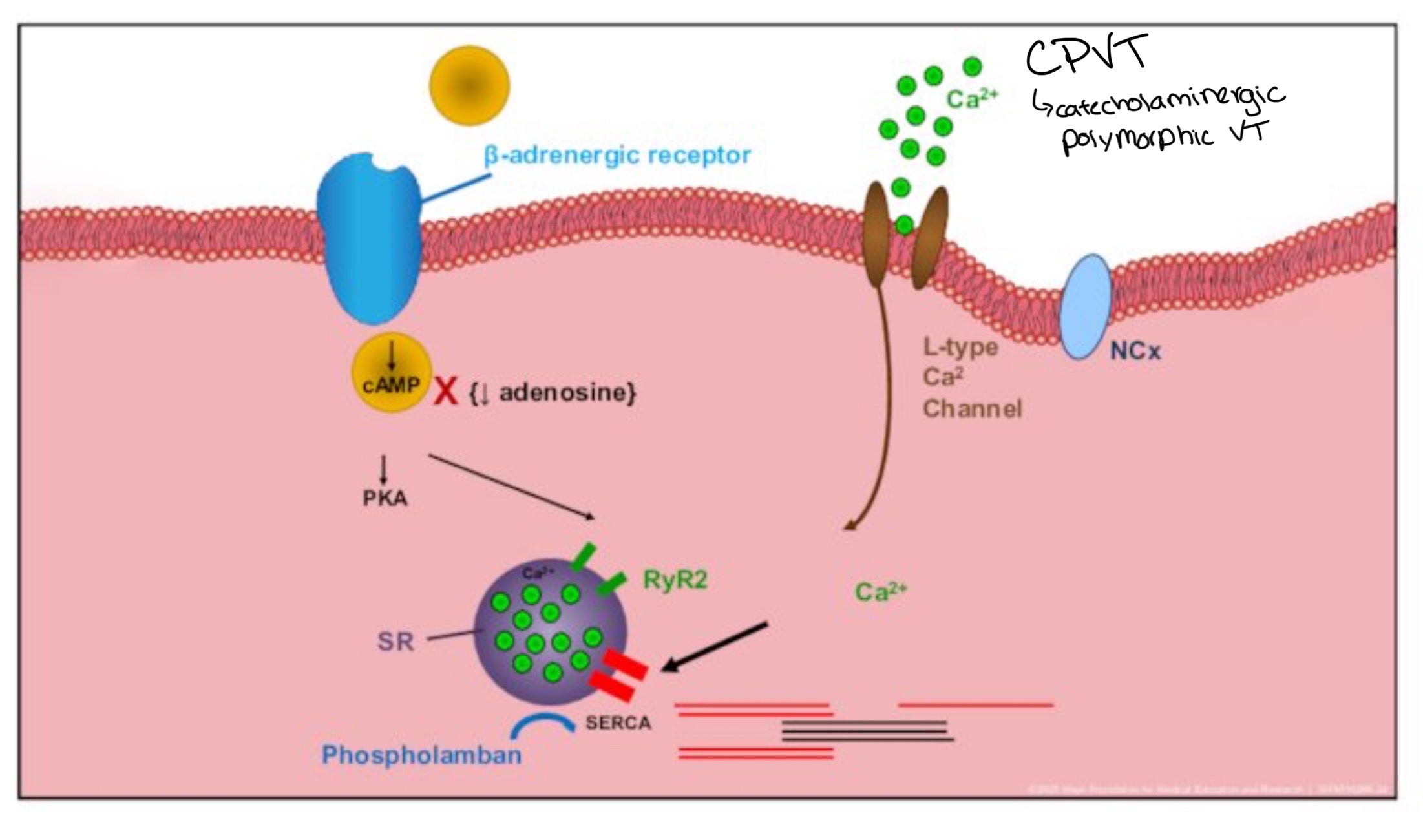
Catecholaminergic Polymorphic VT Management
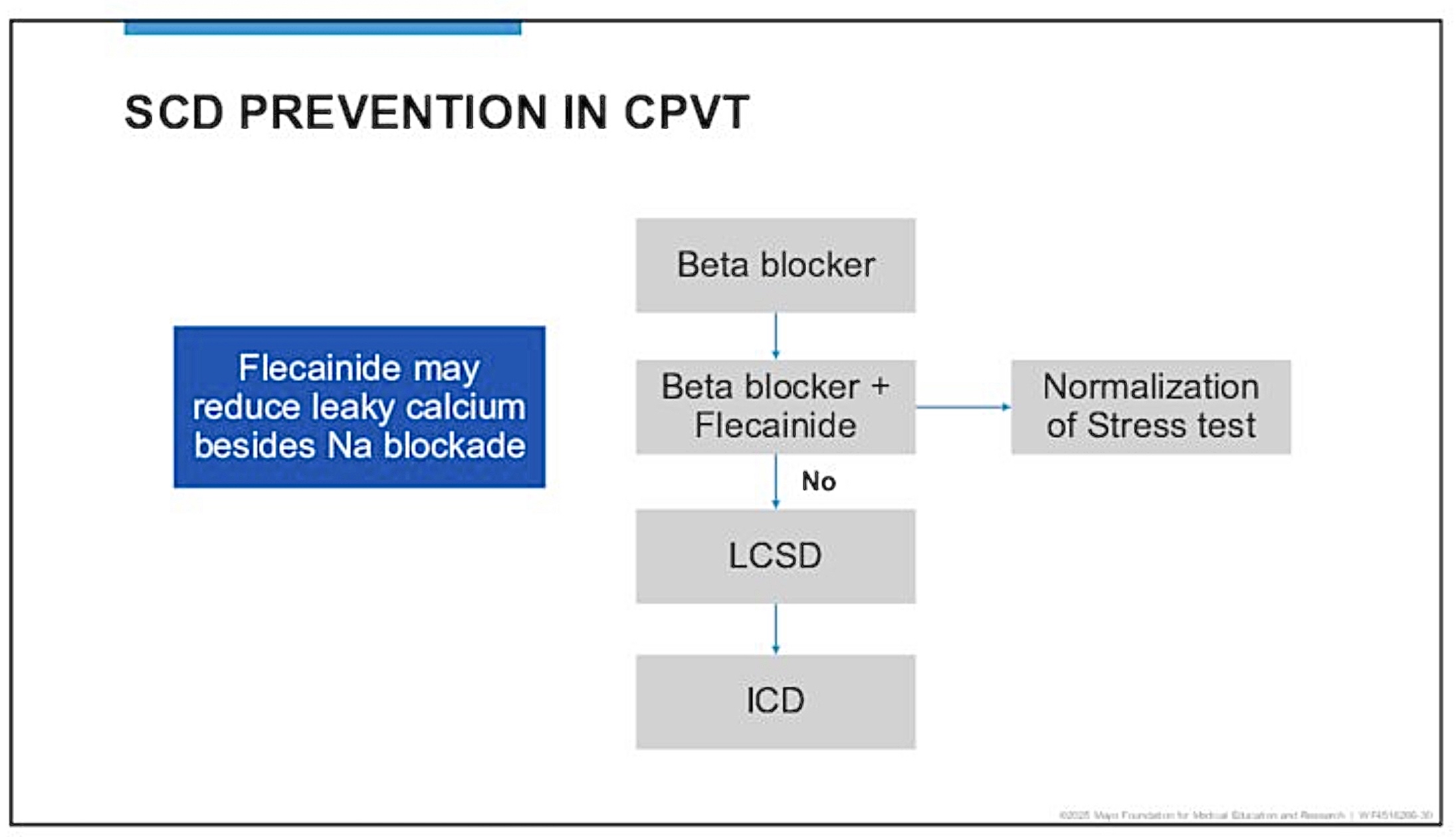
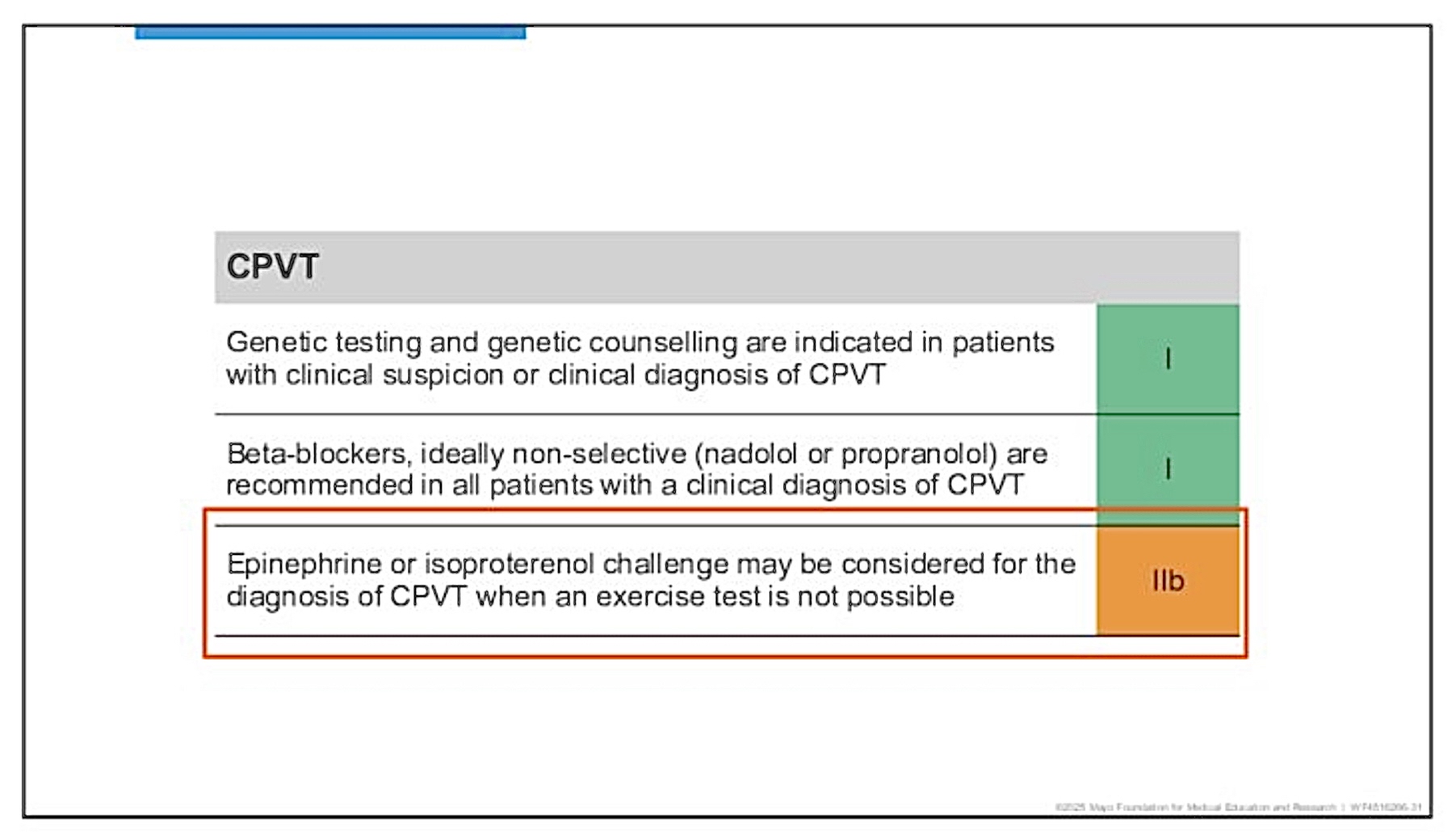
Flecainide can reduce the amount of exercise-induced ventricular arrhythmias in CPVT; it can reduce leaky calcium
BB like propranolol also blocks sodium
Brugada Syndrome Overview
Characterized by ST segment elevation in leads V1 and V2, leading to ventricular arrhythmias
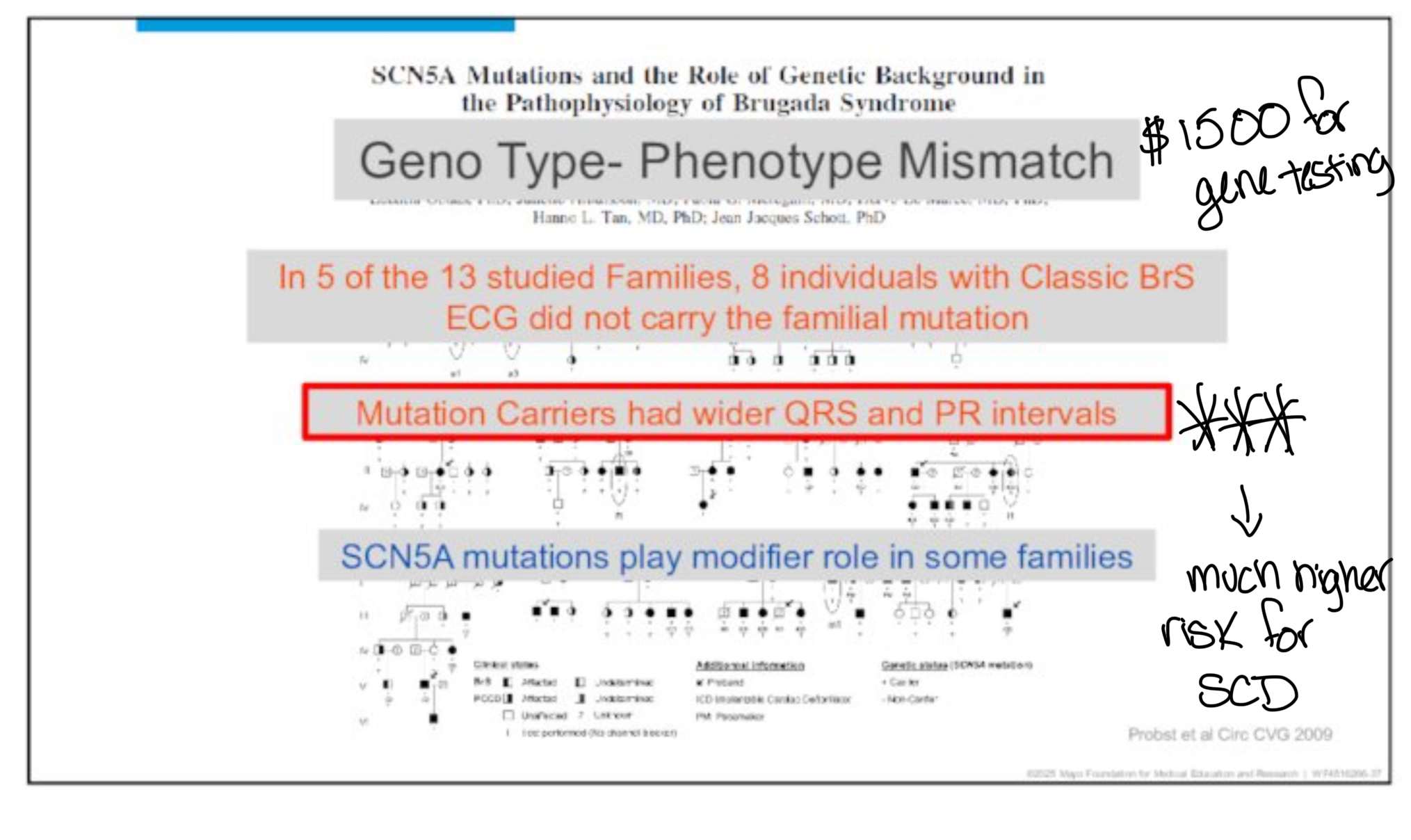
Genetic abnormalities found in only 20% of cases
Most have functional sodium channel disturbances
ECG Pattern Recognition:
QRS and PR interval prolongation correlates with increased risk for sudden cardiac death
Management of Brugada Syndrome
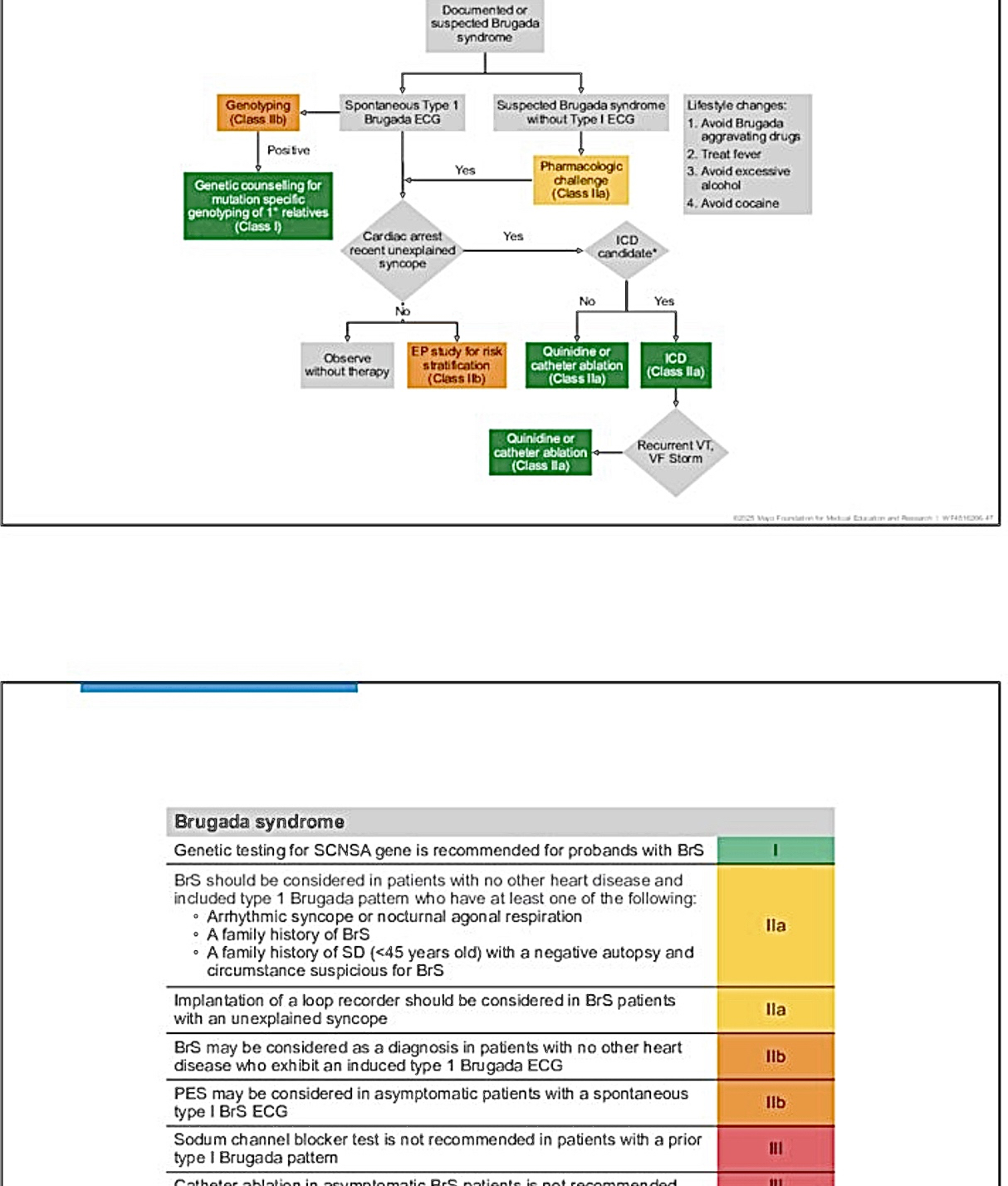
Emphasis on ECG evaluation rather than routine genetic testing
Use of ICD in patients with symptomatic bradycardia
RVOT ablation for persistent ventricular arrhythmias with Brugada
Careful attention to electrolyte and sodium channel behavior in treatment
Conclusion
Understanding ECG patterns and patient genetics is crucial for managing long QT syndromes and Brugada syndrome effectively
Future guidelines recommend more specific treatments and risk stratifications based on continual research and findings.