Klein Ch 1 HW: Bonding and Physical Properties
Determine the number of valence electrons in each other the neutral atoms
Carbon: 4
Nitrogen: 5
Oxygen: 6
Chlorine: 7
Sulfur: 6
The structures shown are missing lone pairs. Complete these structures by adding electron dots as needed.
Missing lone pairs equation
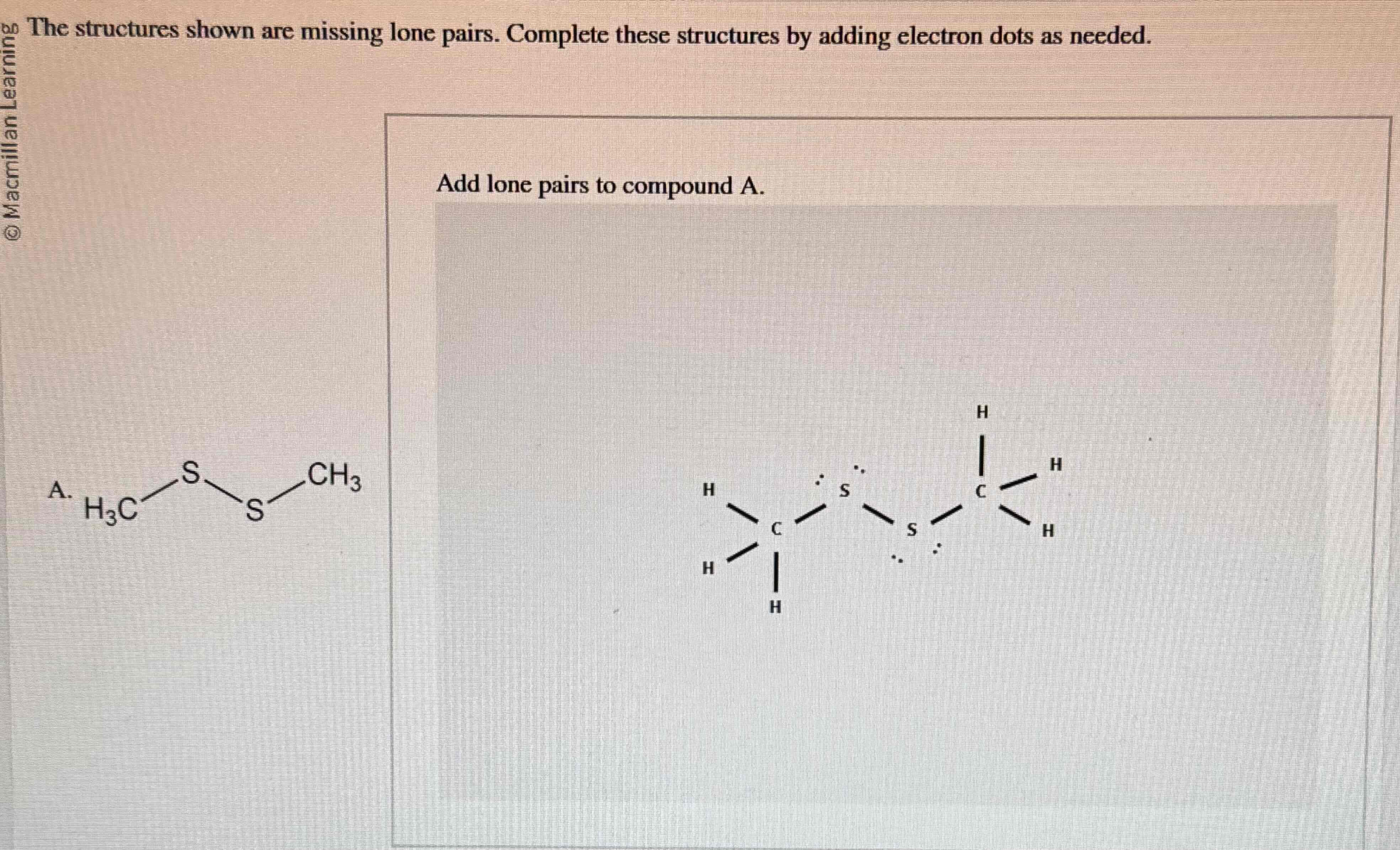
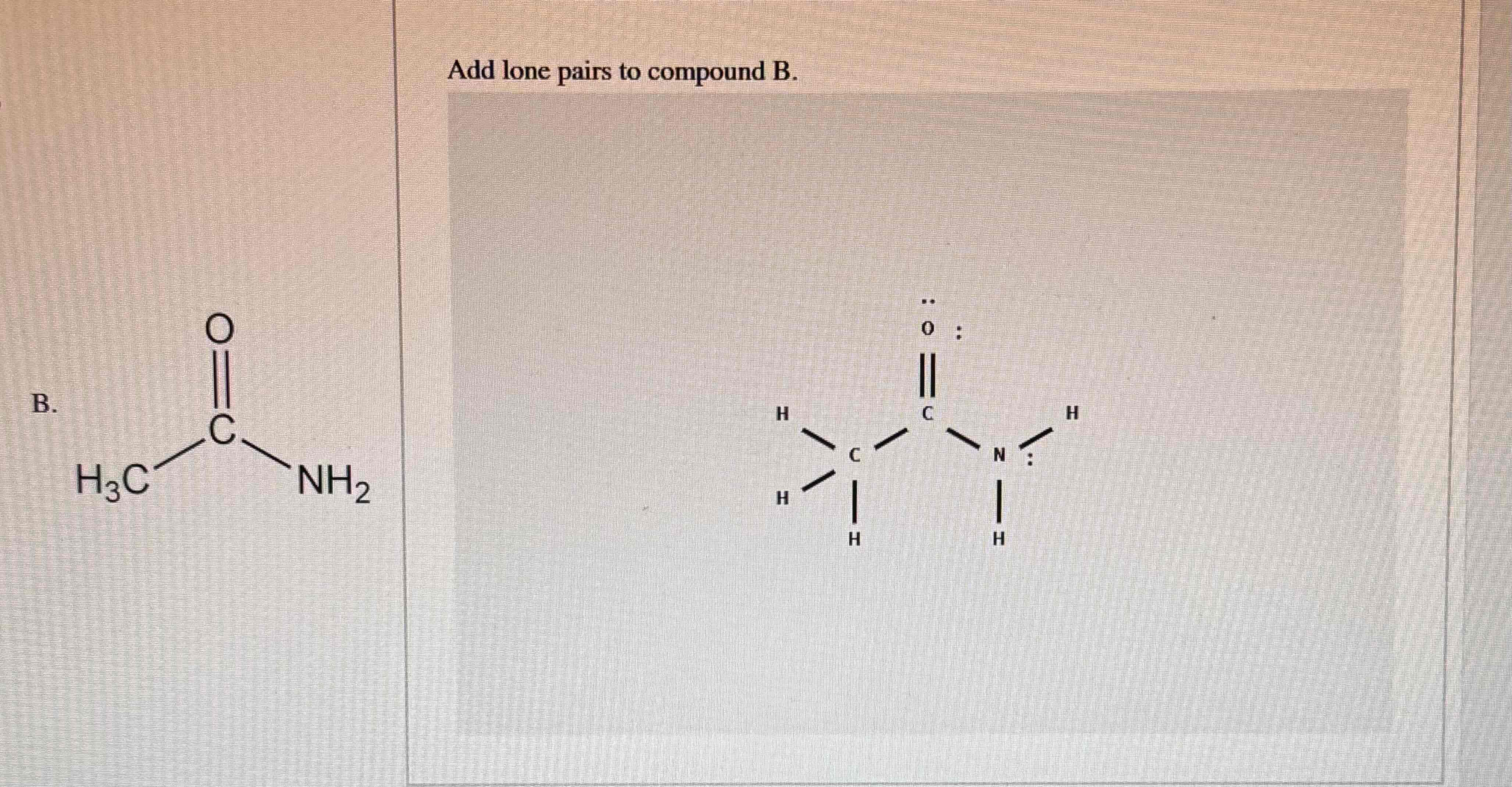
USE THE OCTET RULE
Draw the Lewis Structure of acetone, (CH3)2CO
Step 1: Identify the number of valence electrons
Step 2: identify the central atom
Step 3: Establish connectivity of single bonds
Step 4: identify the number of electrons unaccounted for
Step 5: complete the structure
Step 1: How many total valence electrons are in (CH3)2CO? 24
3 Carbon - 4 ve
1 Oxygen - 6 ve
6 Hydrogen - 1 ve
( 3 × 4 ) + ( 1 × 6 ) + ( 6 × 1 ) = 24
Step 2: Identify the central atom in (CH3)2CO? Carbon
Step 3: Establish the connectivity of single bonds. (Drawing the hydrogen bonds)
Step 4: identify the numbers of electrons unaccounted for
How many valence electrons are used in the structure? 18
How many valence electrons are unaccounted for? 6
IMPORTANT: Oxygen and Carbon are not counted as double-bonded for this question
Step 5: complete the structure
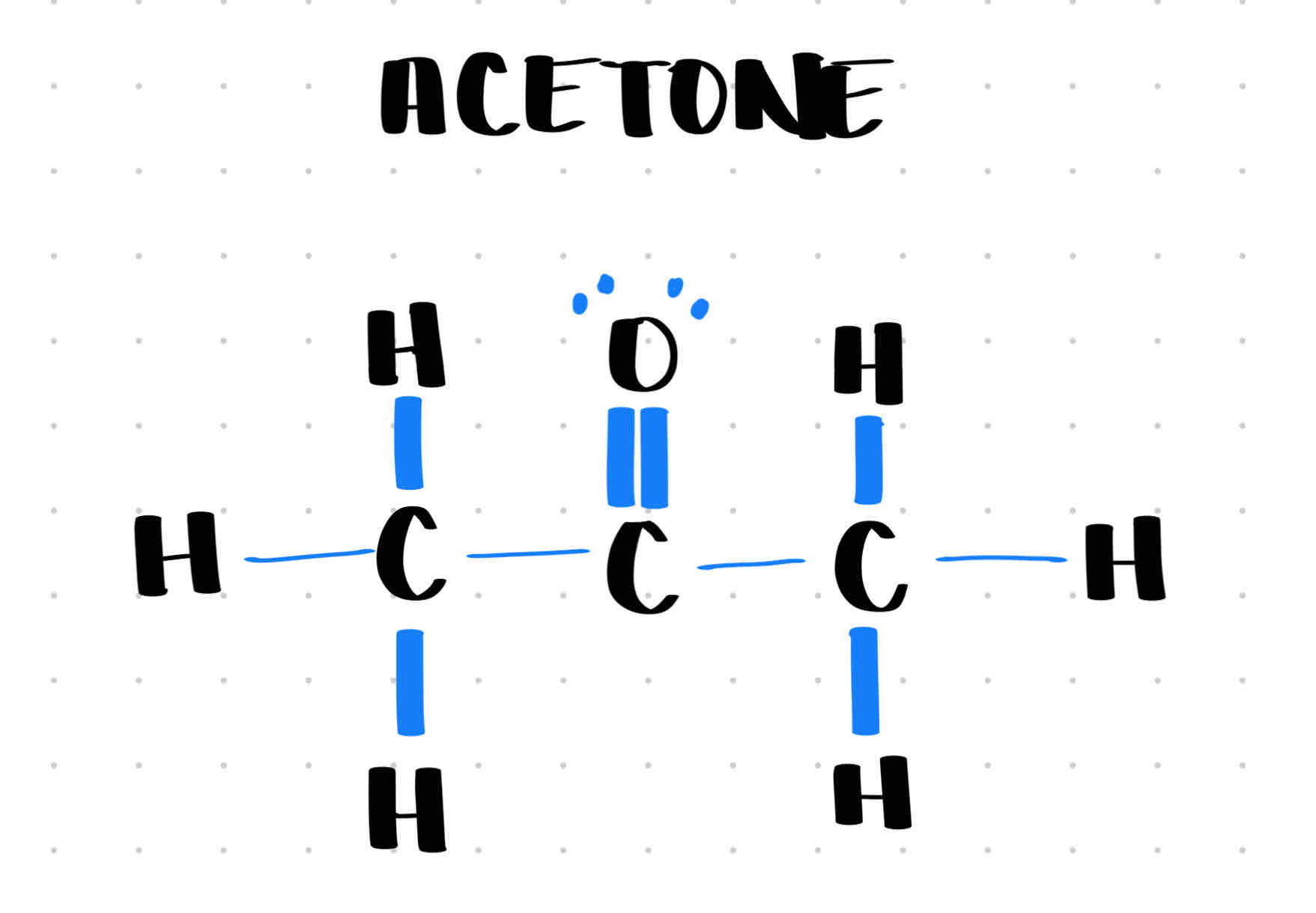 Draw the complete structure of acetonitrile.
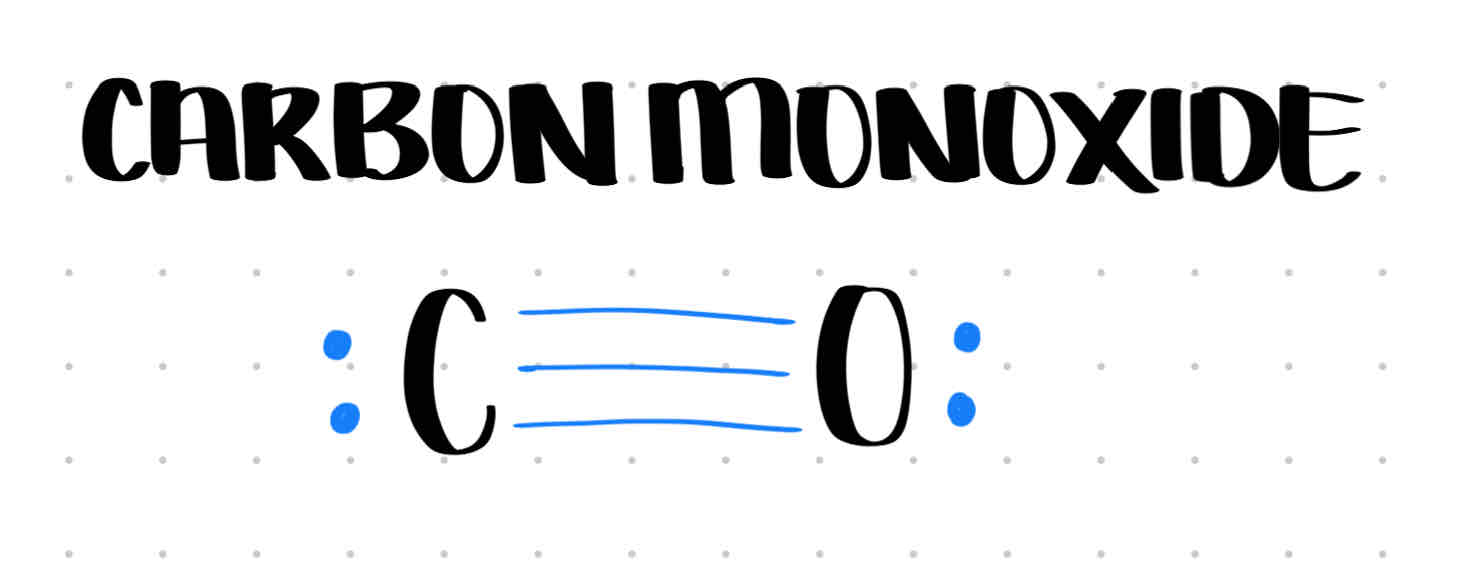
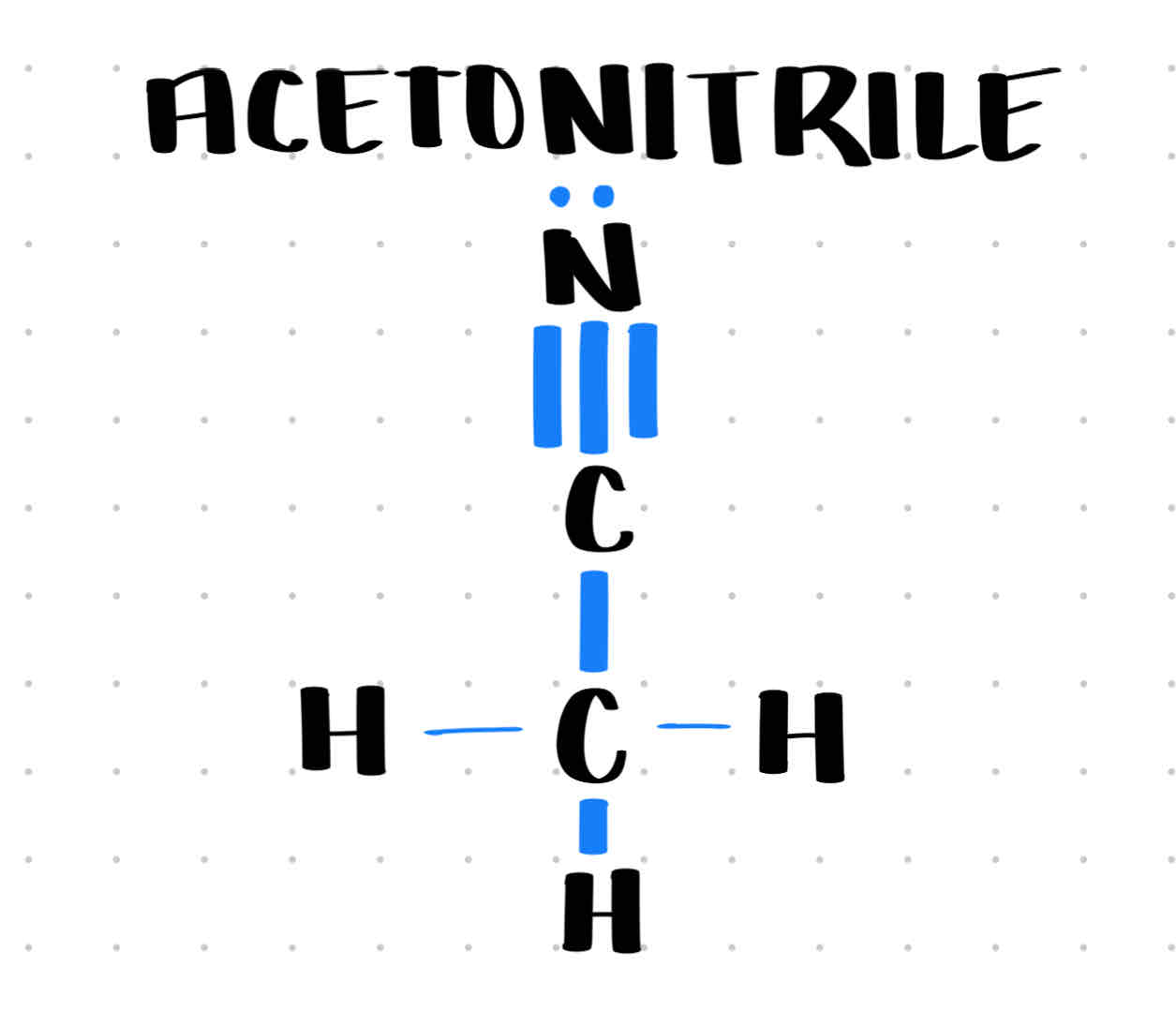 Draw the Lewis structure of CO, including lone pairs
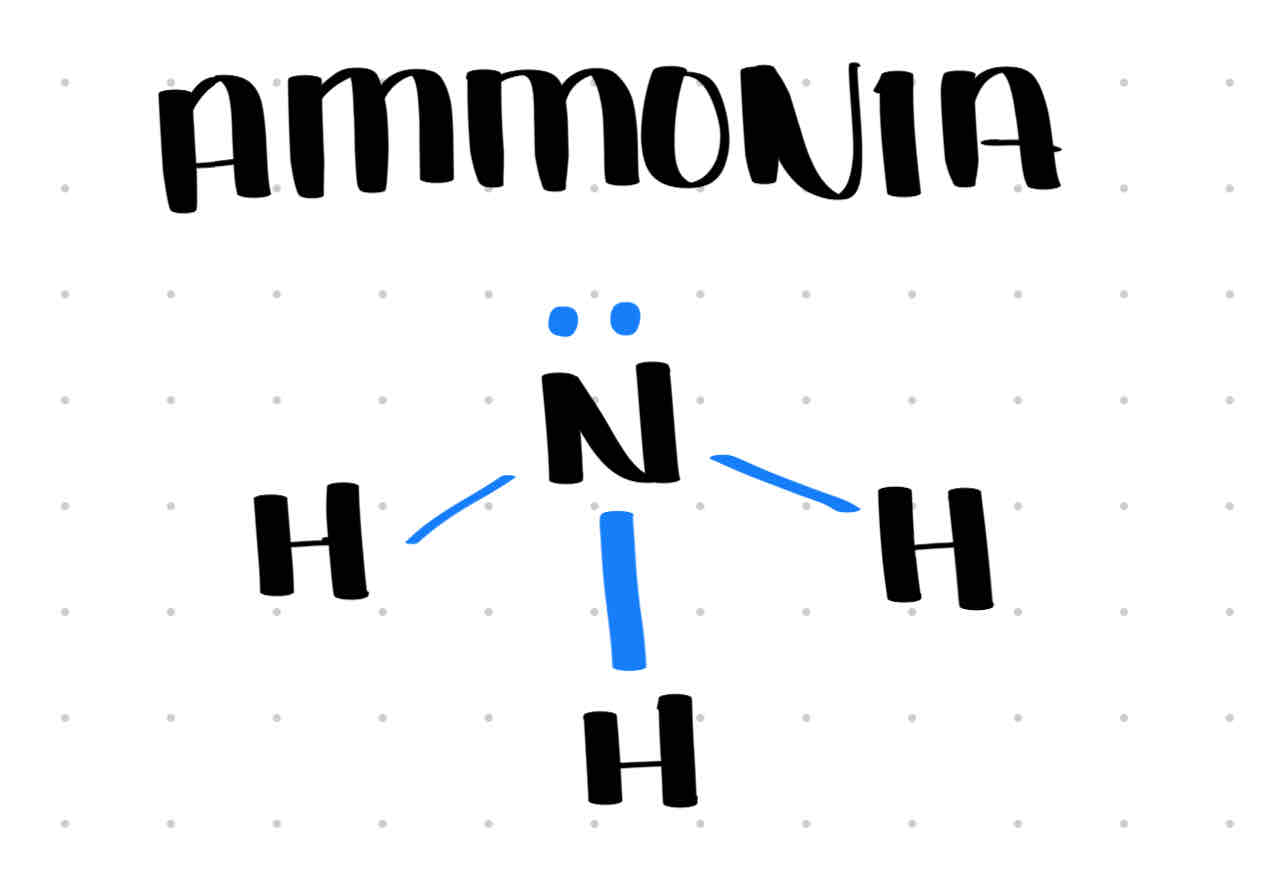
 Draw a Lewis structure for ammonia, NH3, include lone pairs.
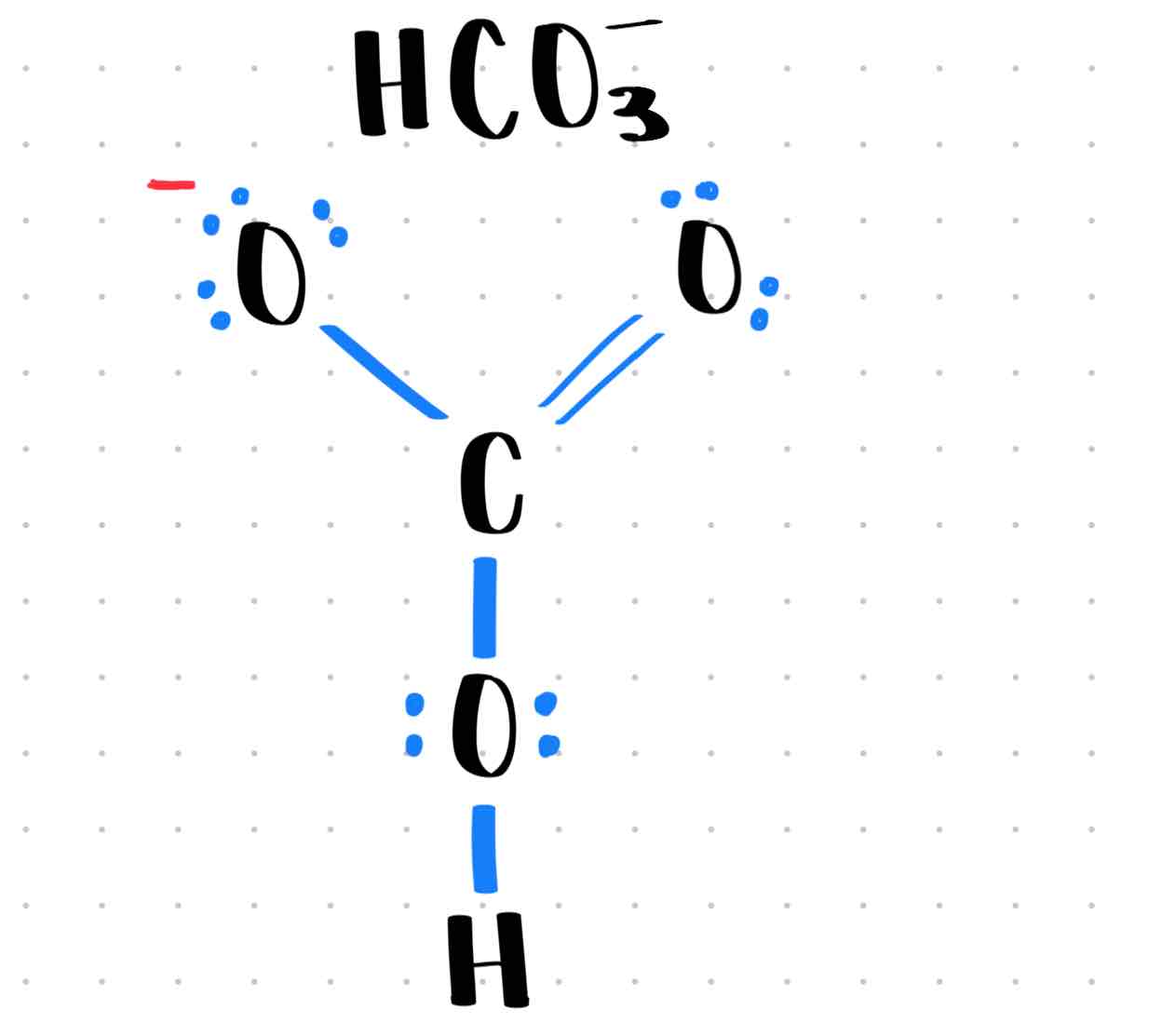
 The skeleton of the bicarbonate ion, HCO3^-, with lone pairs and formal charge
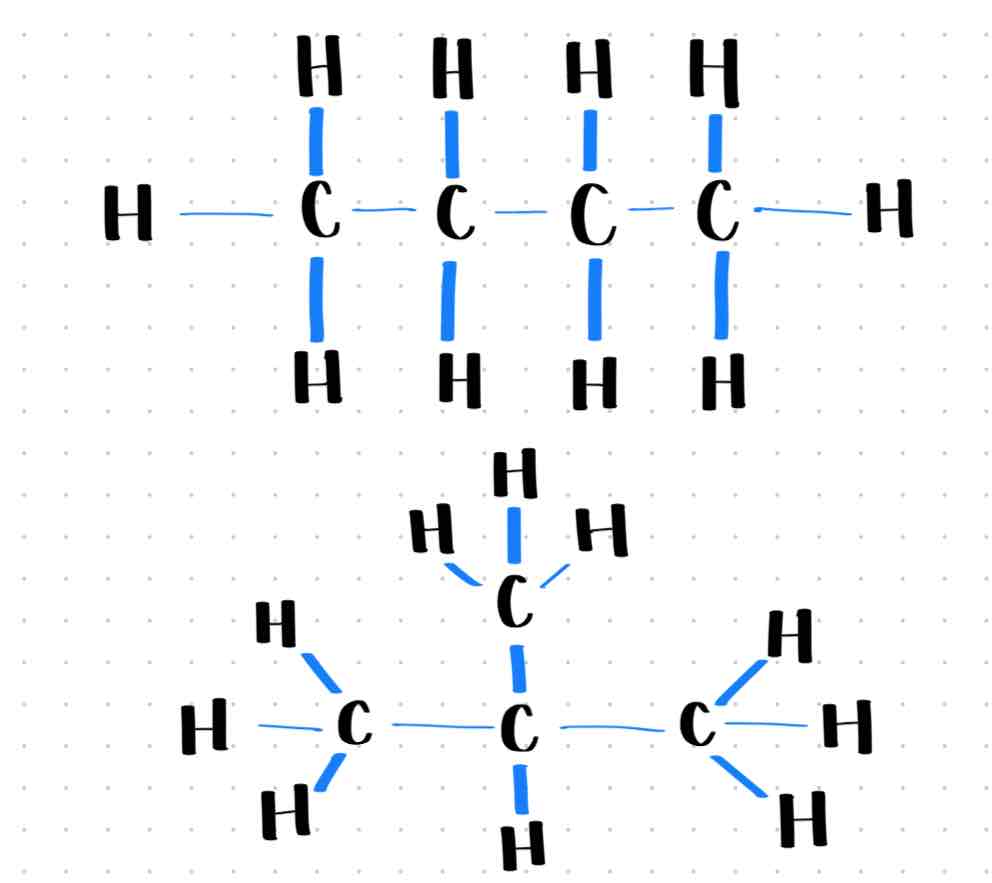
 Draw two Lewis structures for a compound with the formula C4H10. No atoms bears a charge, and all carbon atoms have complete octets. Include all hydrogen atoms.
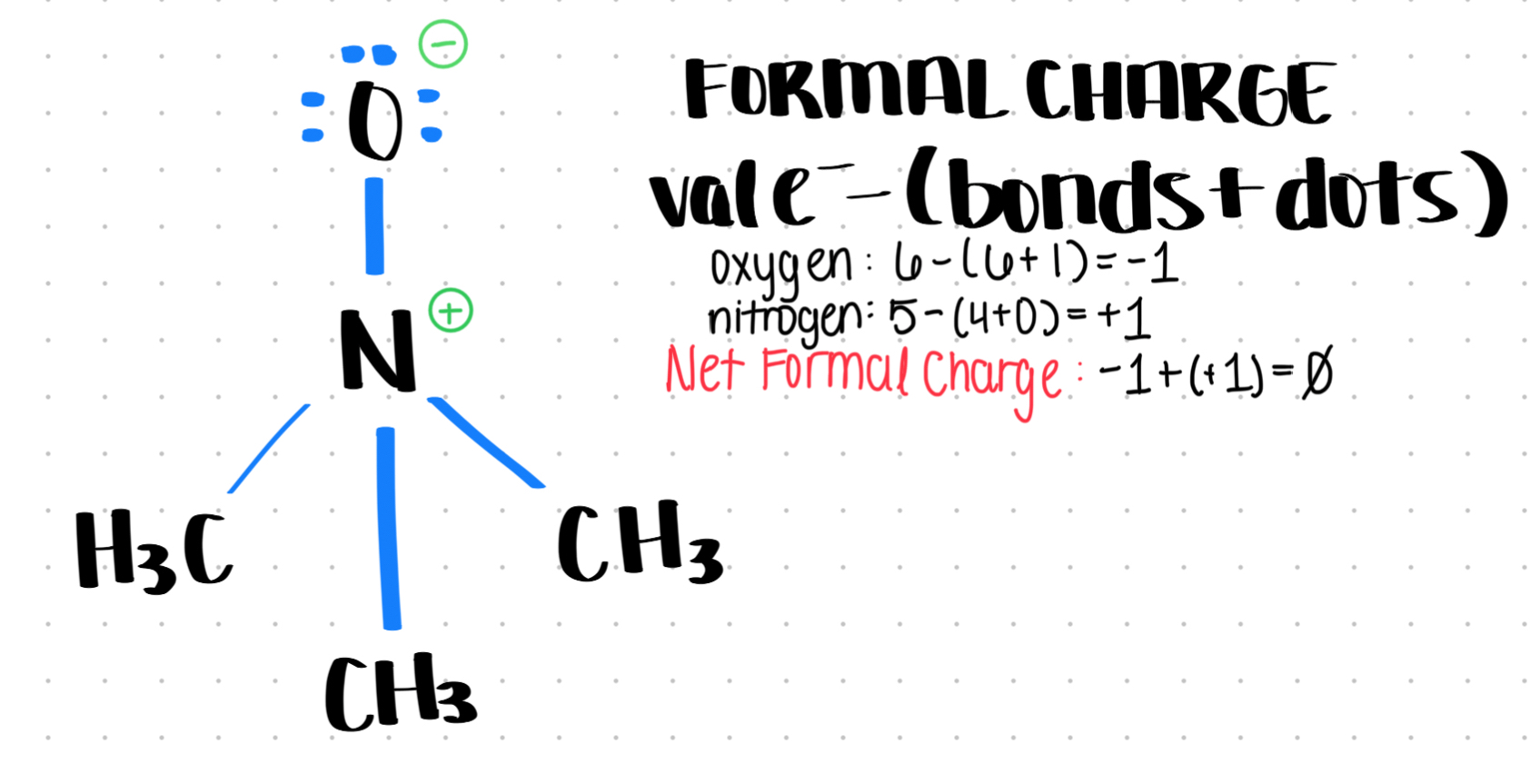
 Consider the incomplete structure. Add formal charges all unshared valence electrons are shown. What is the net charge on the species?
Hint: to determine the formal charge, Formal charge = Group number - Valence electron count. To find the net charge, sum the individual formal charges
 Consider these structures.
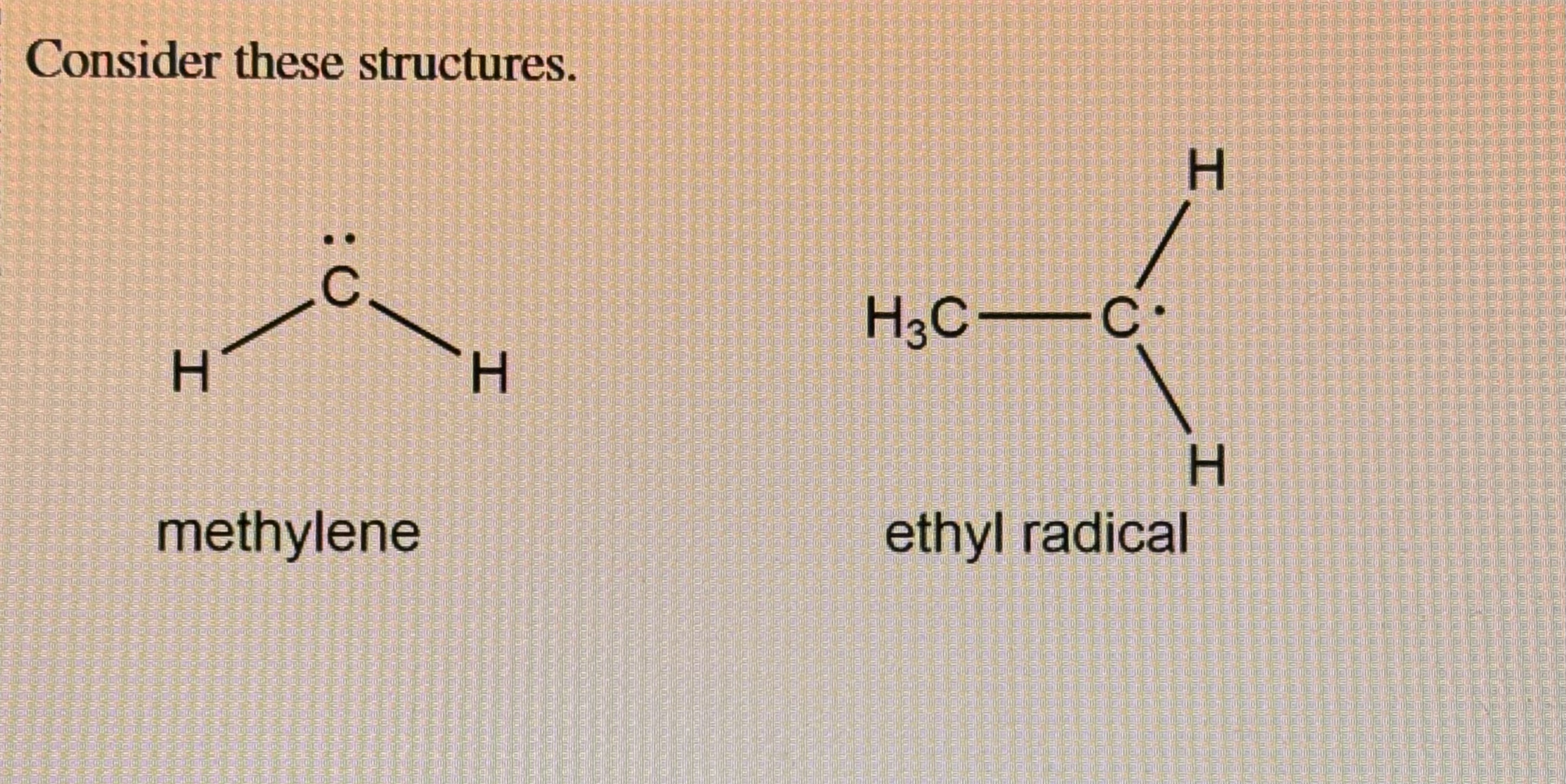
For which of structure or structures does the electron-bearing carbon atom have a formal charge of 0? Both
For which structure or structures is the net charge 0? Both
Assign formal charges to the atoms in these three structures.
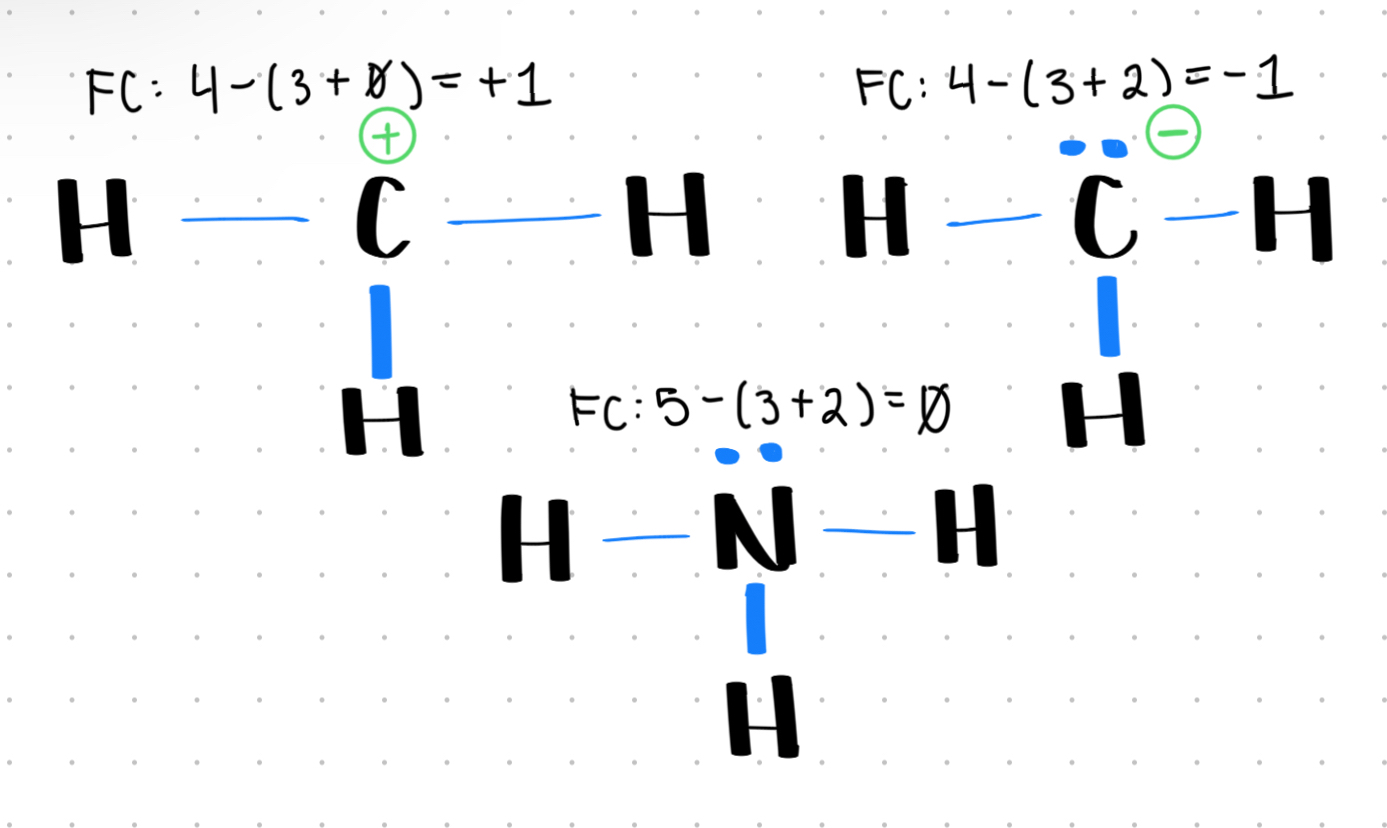
Which atoms have a complete octet? The C in CH3 with lone pair and the N in NH3 with the lone pair
For each bond, select the arrow that indicates the direction of bond polarity.
The arrow should point toward the negative pole. The opposite end of the arrow is marked with a plus side (+)
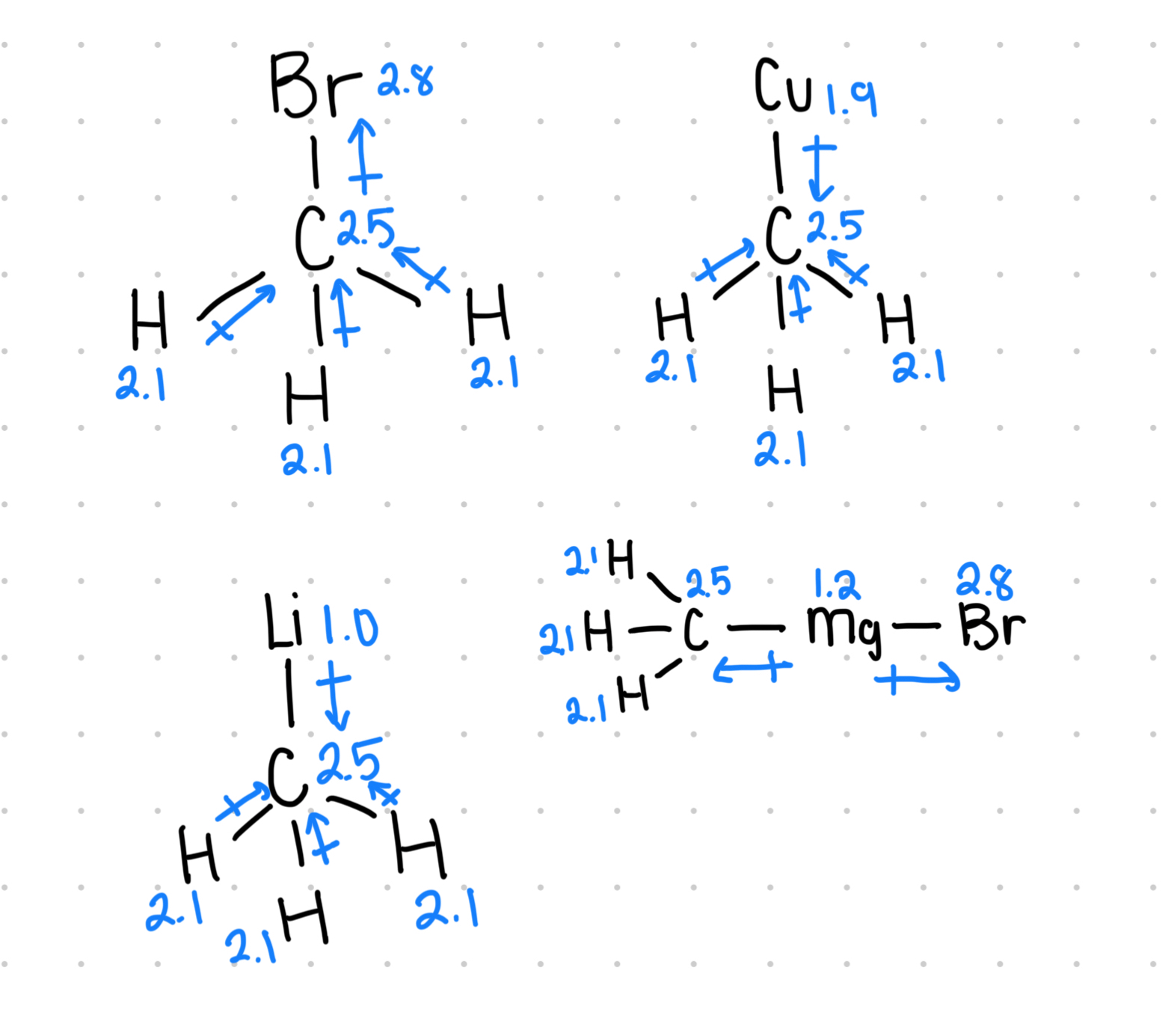
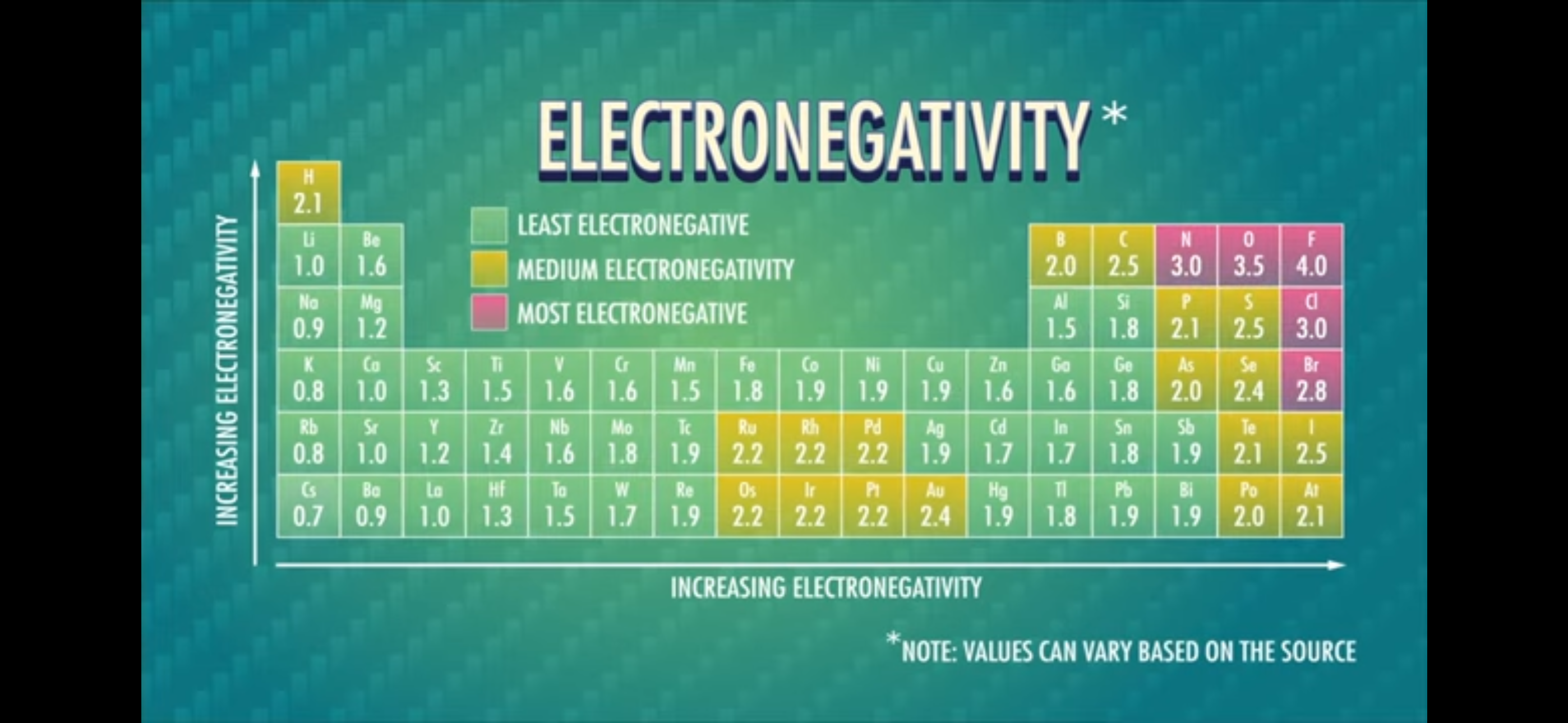 For each bond, select the arrow that indicates the direction of bond polarity.
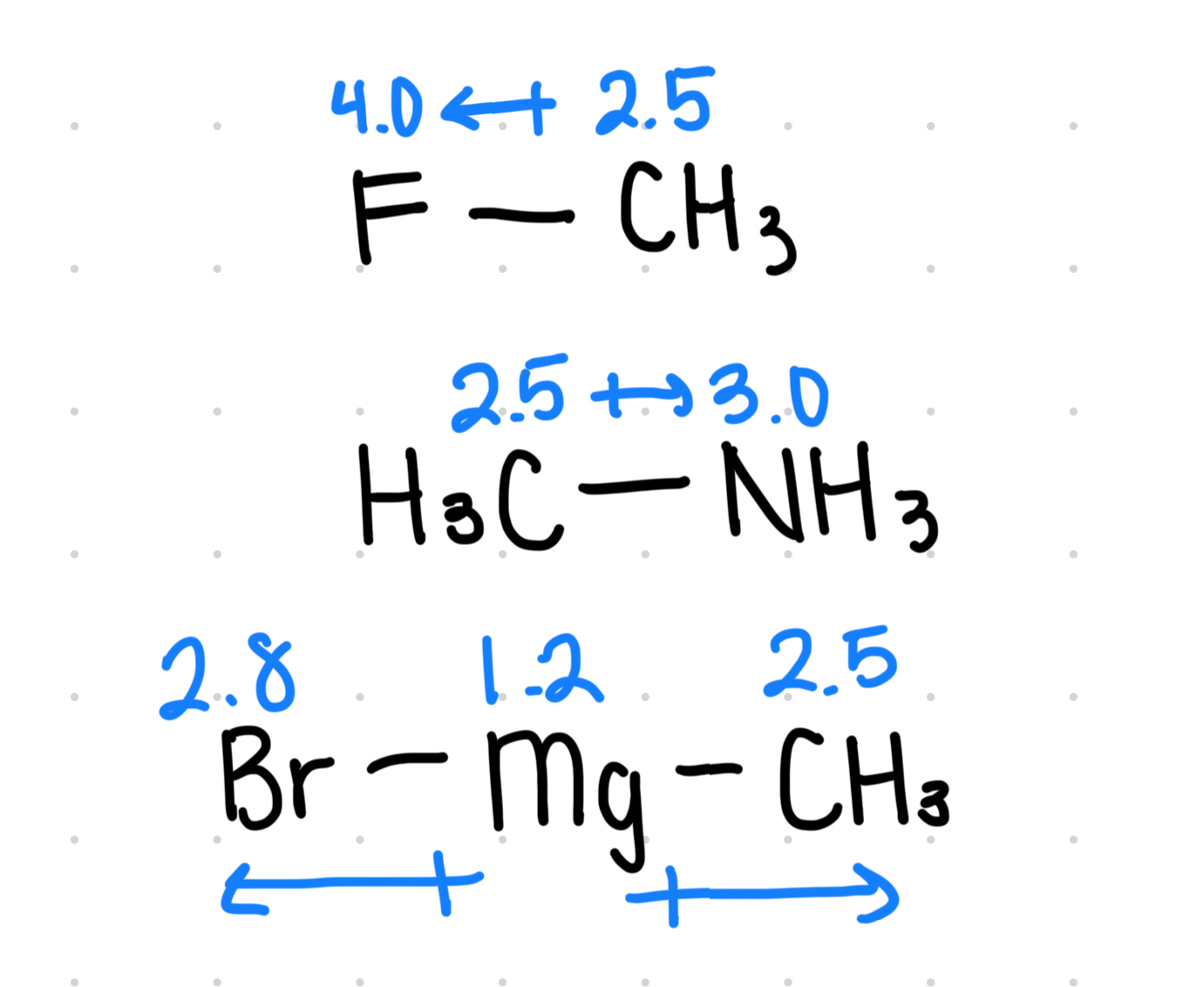 Rank the compounds according to increasing positive character of the carbon atom.
CH3Li C 2.5 - Li 1.0 = 1.5
CH4 C 2.5 - H 2.1 = 0.4
CH3NH2 C 2.5 - N 3.0 = -0.5
CH3OH C 2.5 - O 3.5 = -1.0
CH3F C 2.5 - F 4.0 = -1.5
Consider two 2p orbitals, one on each of two different atoms, that are oriented side-to-side as in figure. Imagine bringing these nuclei together so that overlap occurs as shown in figure. This overlaps results in a system of molecular orbitals.
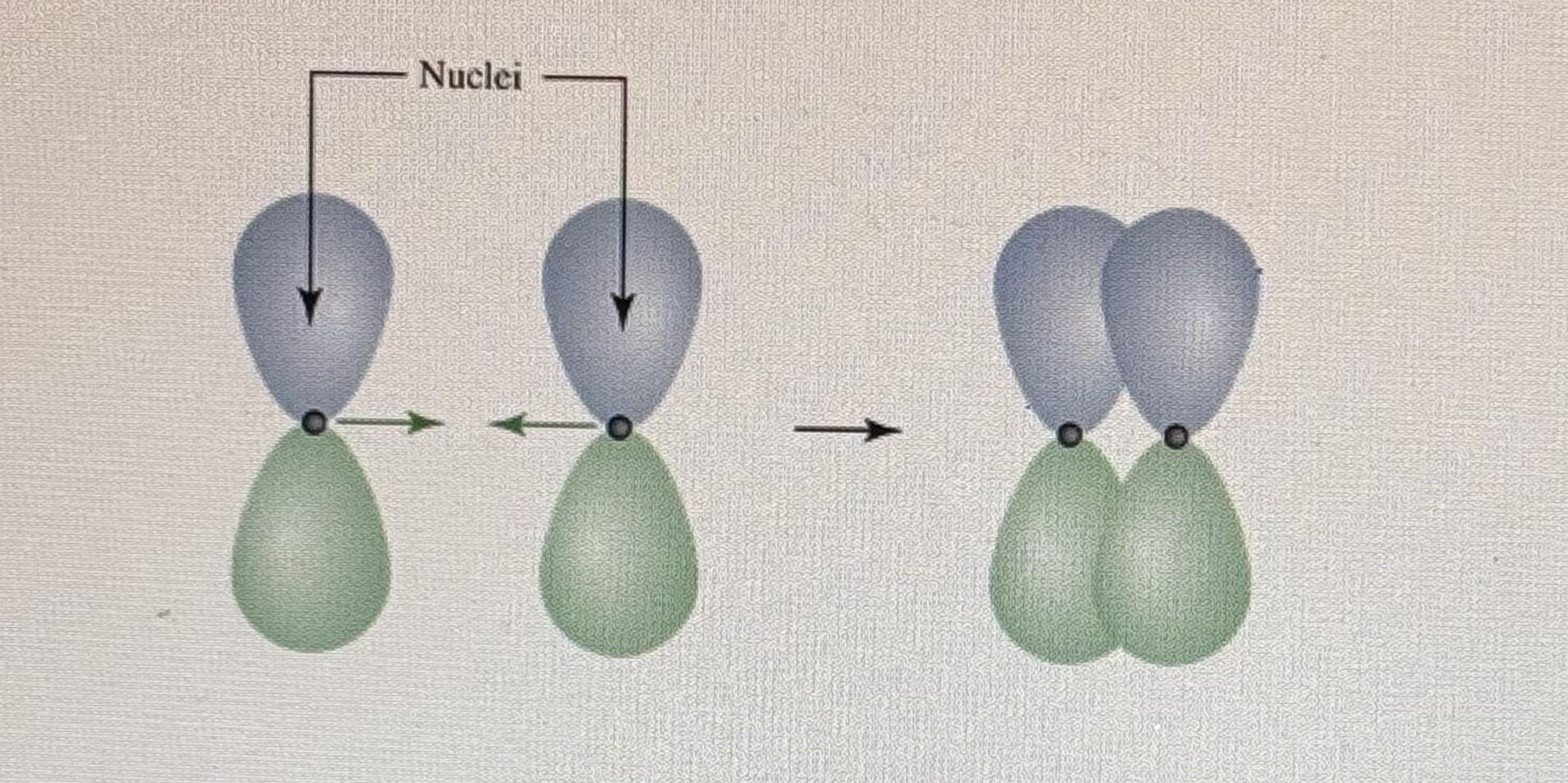 Construct an orbital interaction diagram for molecular orbital formation using the images that represent various orbital types (eg. atomic, bonding, antiboding). Then, identify the number the nodes in each atomic and molecular orbital.
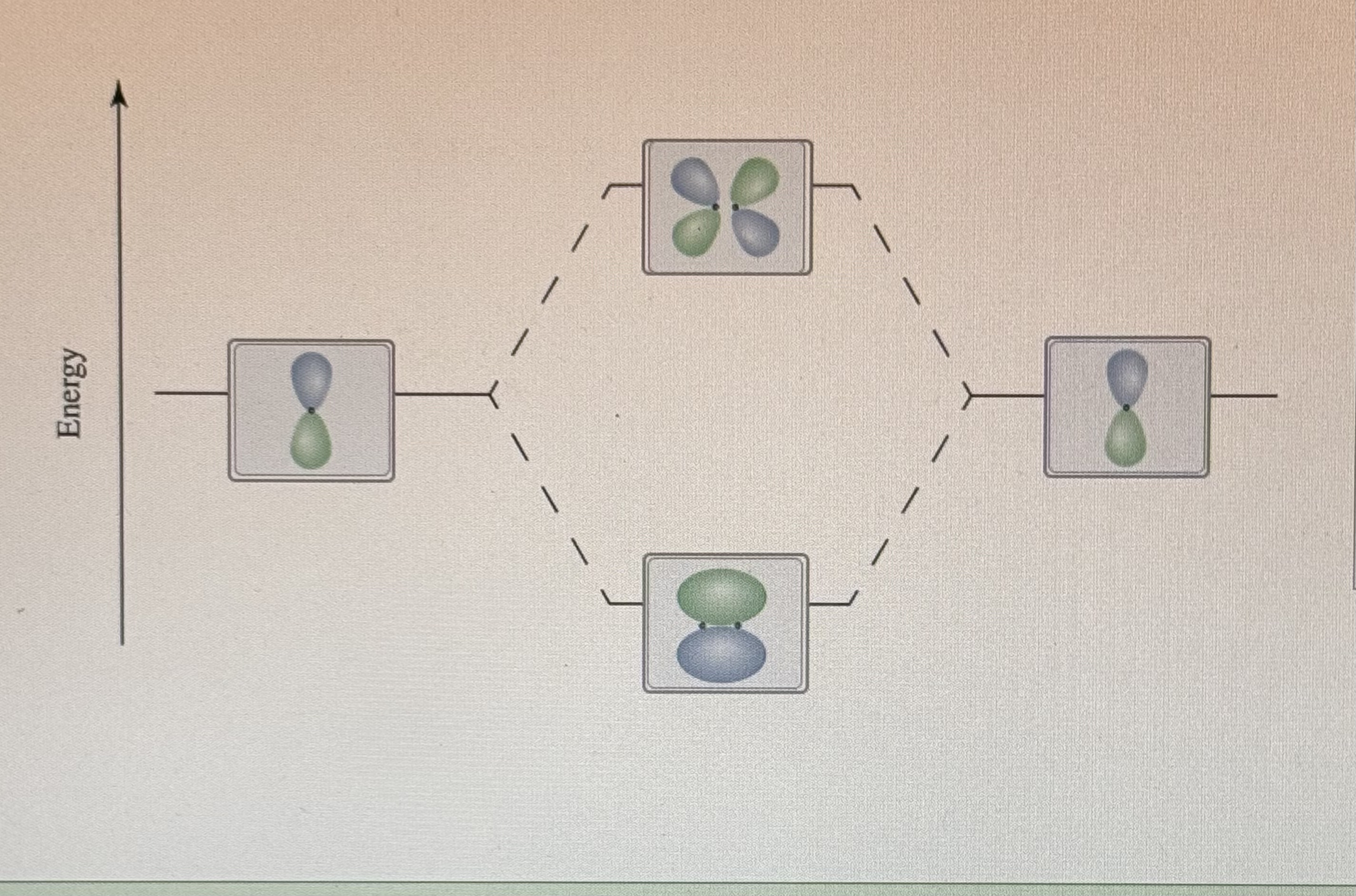
Select number of nodes in the atomic orbital. 1 node
Select number of nodes in the bonding molecular orbital. 1 node
Select number of nodes in the anitbonding molecular orbital. 2 nodes
When two electrons occupy the bonding molecular orbital in the diagram, what type of bond results? Why? A pie bond results because the bond is not cylindrically symmetrical about the internuclear axis
Predict the approximate bond angles in the molecule
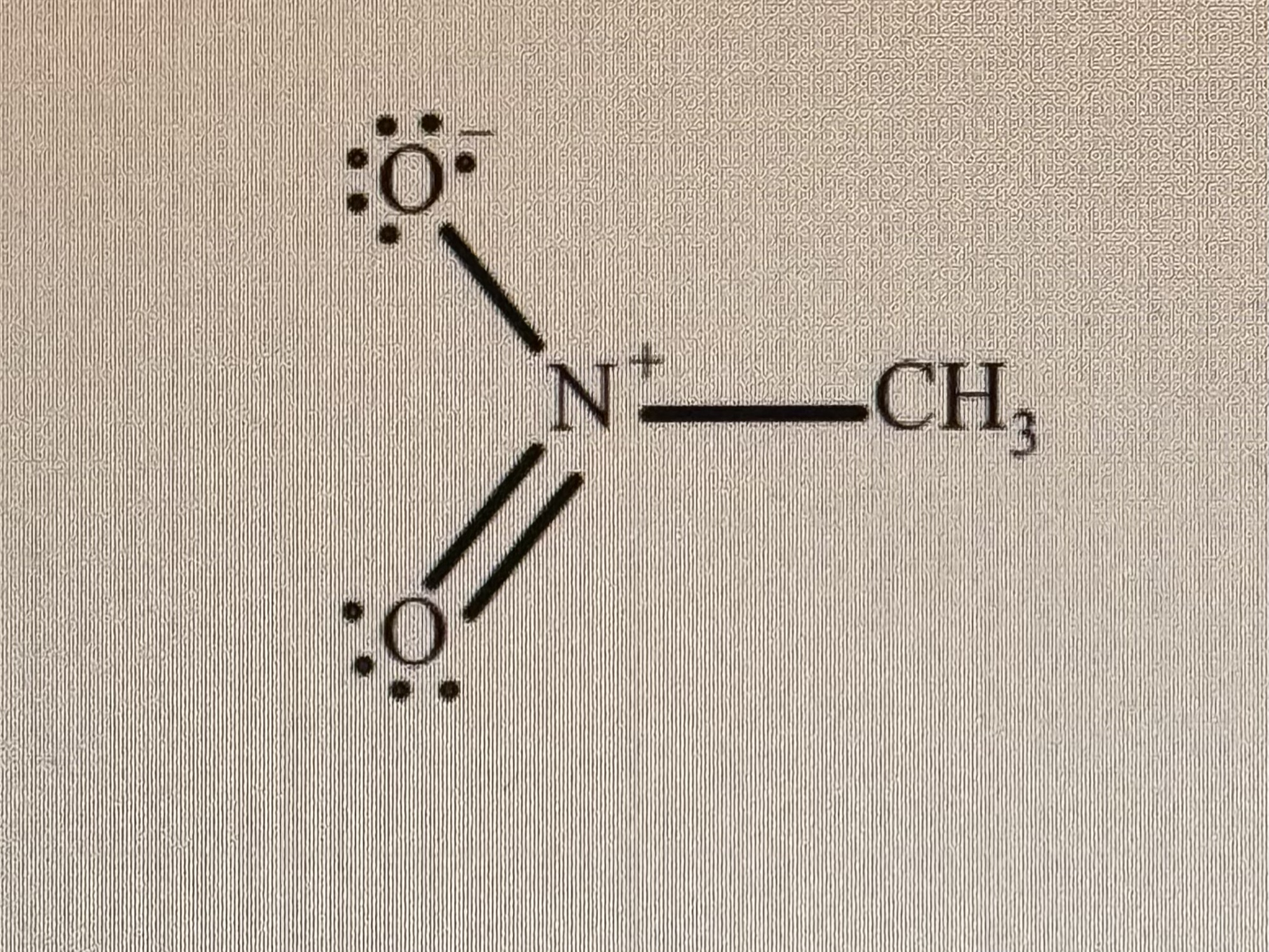
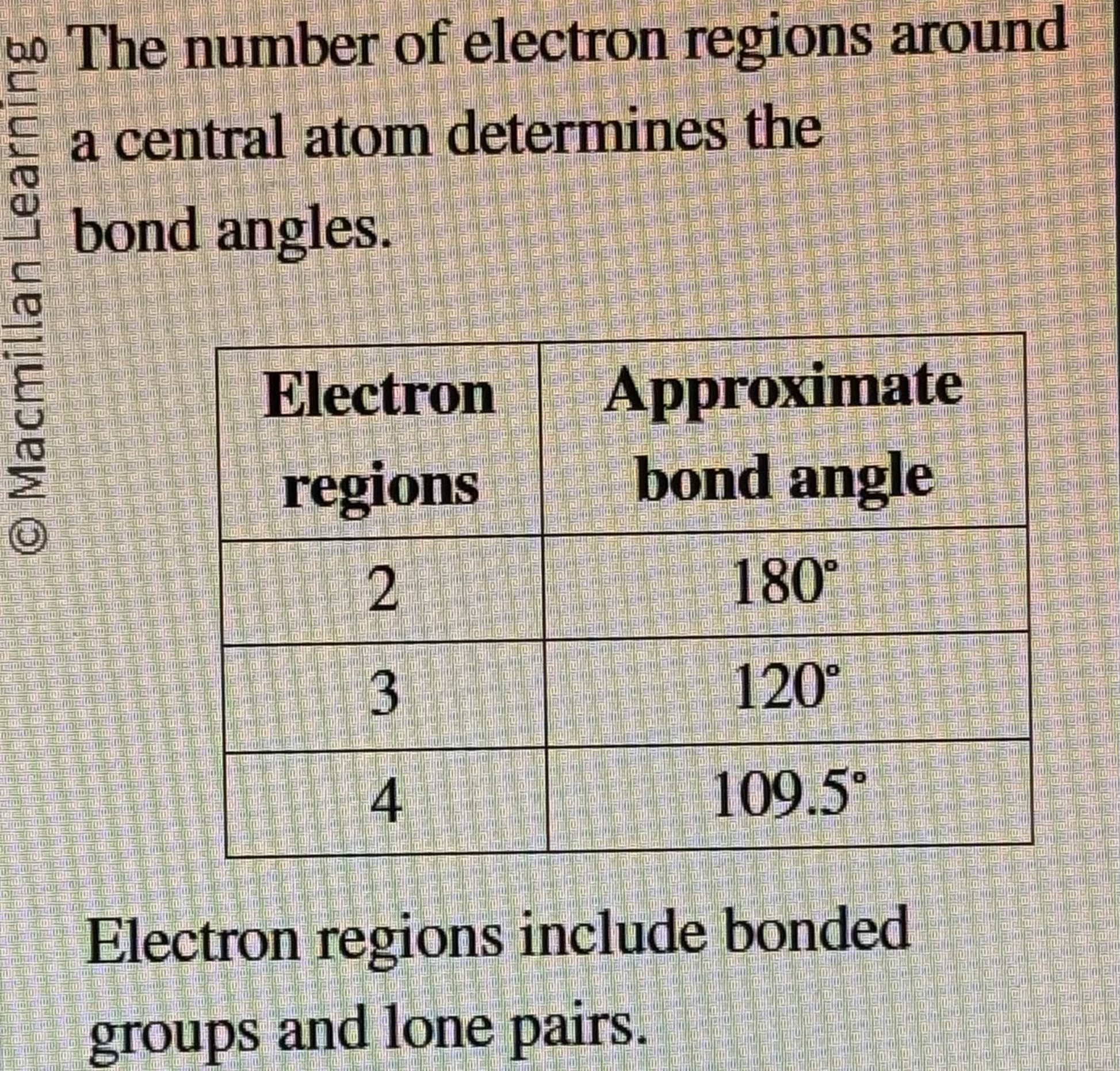
ONO angle: 120 NCN angle: 109.5
The formulas for ethane, ethene, and ethyne are C2H6, C2H4, and C2H2, respectively. Rank these compounds by the length of the carbon-carbon bond. Longest to shortest
C2H6 single bond
C2H4 double bond
C2H2 triple bond
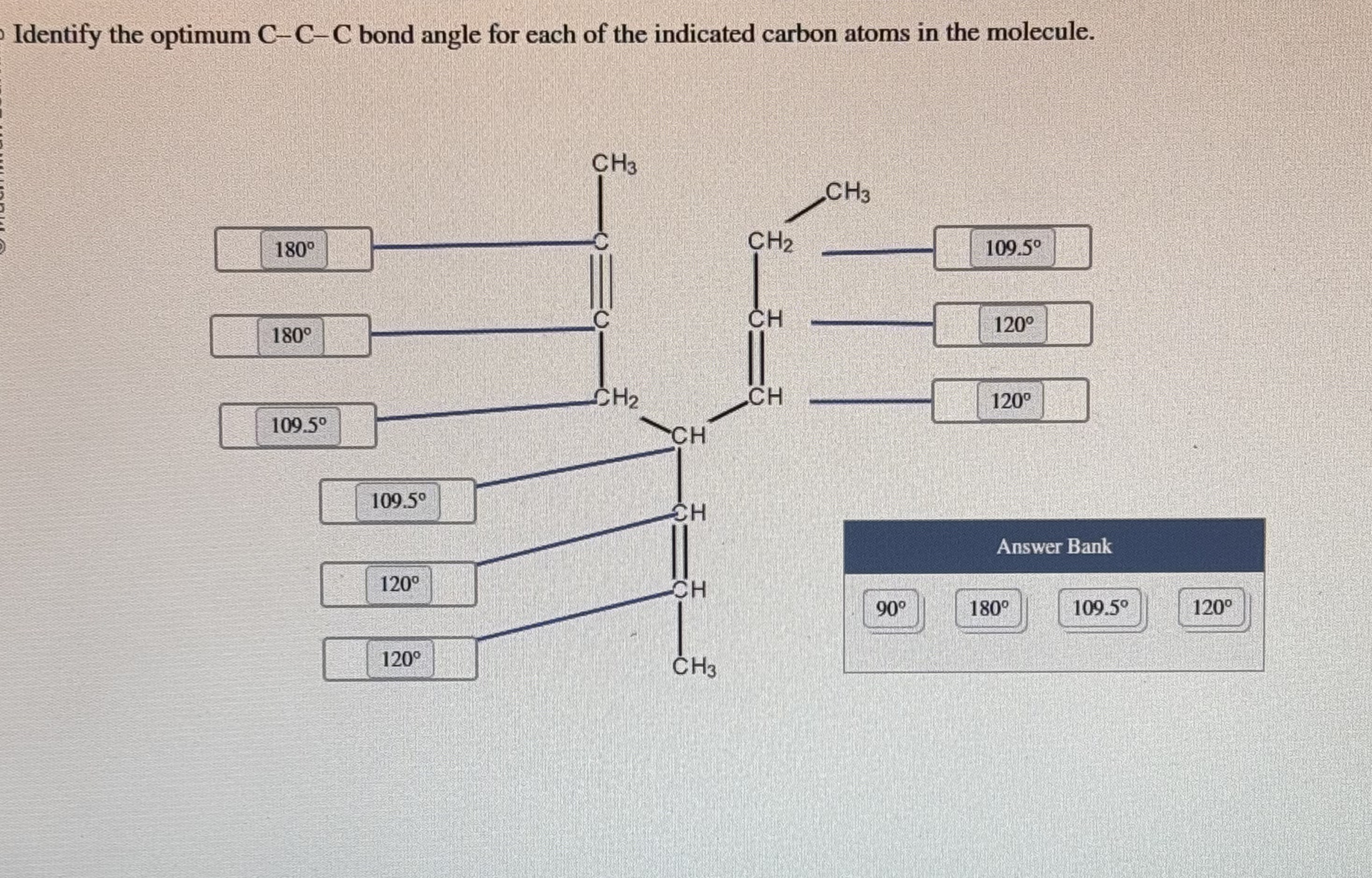
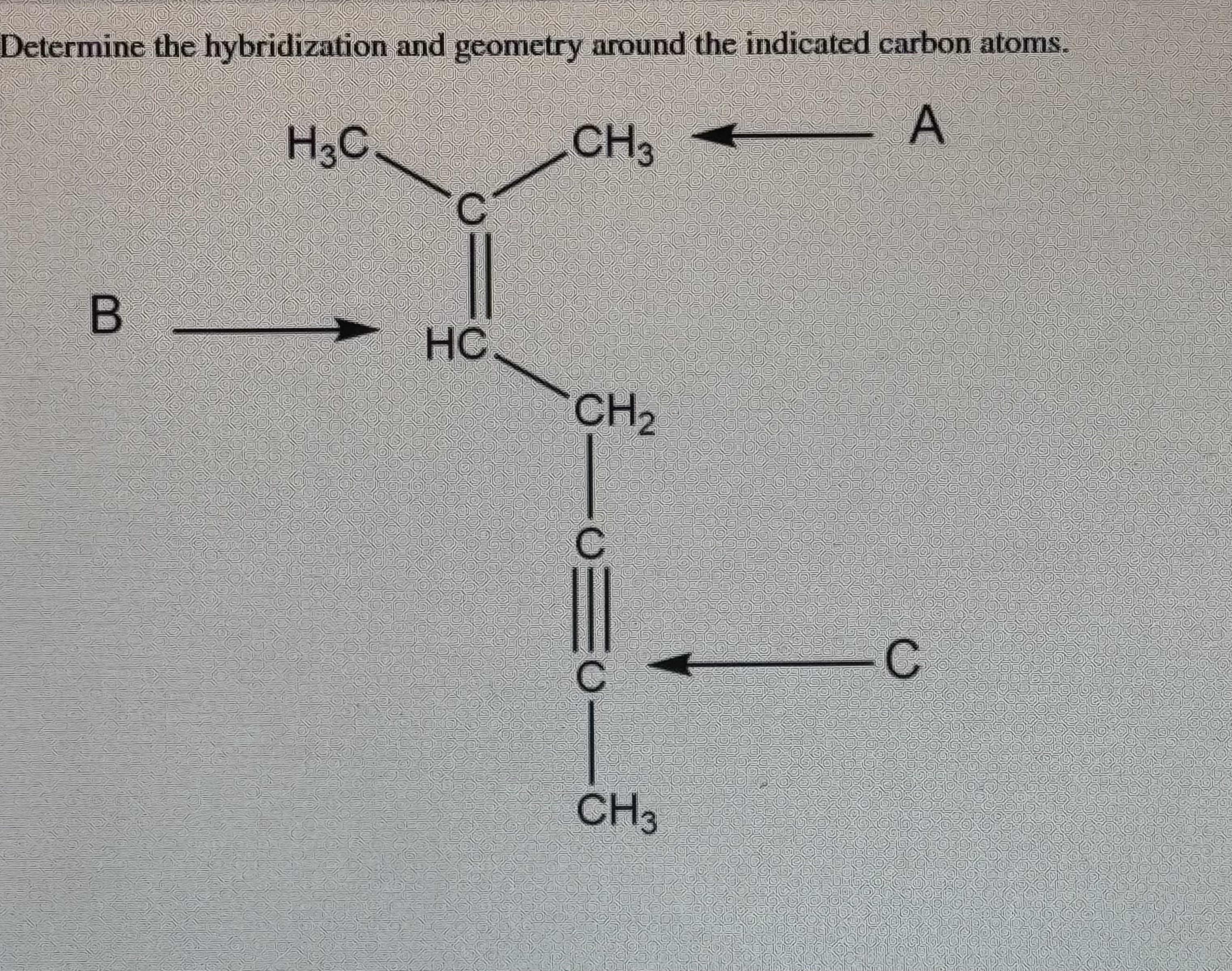 Carbon A is sp³ hybridized and tetrahedral
Carbon B is sp² hybridized and trigonal planar
Carbon C is sp hybridized and linear
For the Carbon atom highlighted in the given structure, indicate the hybridization, bond angles, and the shape around the atom.
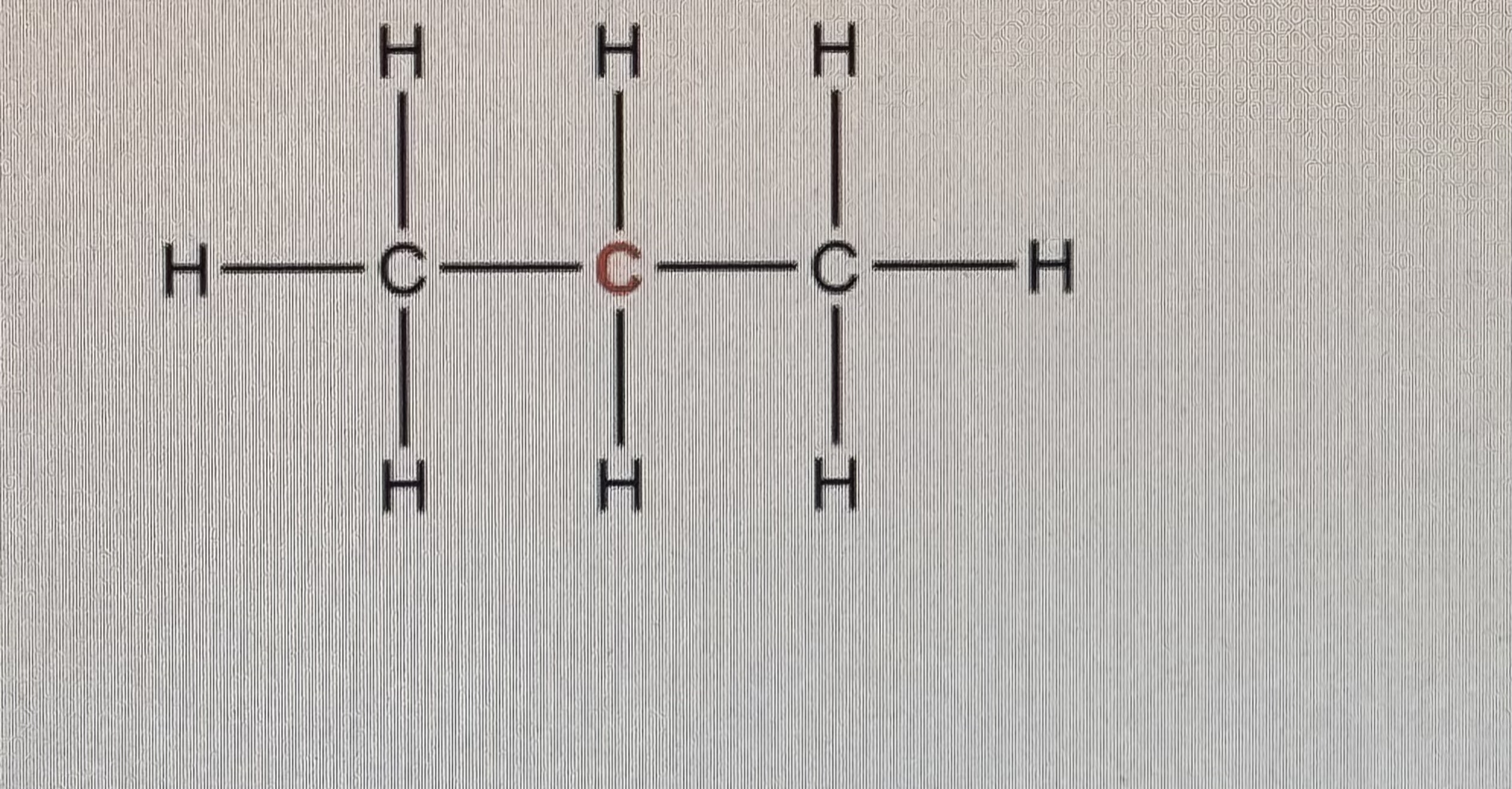
Hybridization is sp³
The bond angle is 109.5
The shape is tetrahedral
Predict the approximate shape of a water molecule. Bent
Predict the approximate molecular geometry of a formaldehyde molecule trigonal planar
Arrange the compounds by boiling point, highest to lowest. Hexane, pentane, neopantane