Conservation Genetics
Problems in Conservation Genetics
1.Survival of small populations
E.g. Javan black rhinoceros (Rhinoceros sondaicus)
• 40-60 individuals of subspecies in Java
• Another population of <8 in Cat Loc reserve, Vietnam
• No individuals in captivity
• Brink of extinction
Genetic Instability
Not just animals-
• Remote tribes of humans “uncontacted tribes”
• Often small populations, inbreeding can be a problem
2. Survival of managed populations
E.g. Zoos
• Typically contain very small numbers of individuals of the same species, subject to inbreeding.
• Siberian tigers: ~300 left in the wild in Russia and China, ~200 in Zoos
• The issue is many of the “Zoo’s 200” have come from a small number of individual founders
• Genetic defects accumulate in frequency
3.Conservation of breeds
E.g. Domestic animals – dogs, cats, horses, cattle etc.
• Highly inbred
• Bred for particular traits e.g. high milk yield in dairy cows, desirable characteristics in pet dogs
• Because of this inbreeding, they behave like small populations and are subjected to inbreeding depression
inbreeding depression- is the reduced biological fitness, survival, and fertility of offspring resulting from mating between closely related individuals.
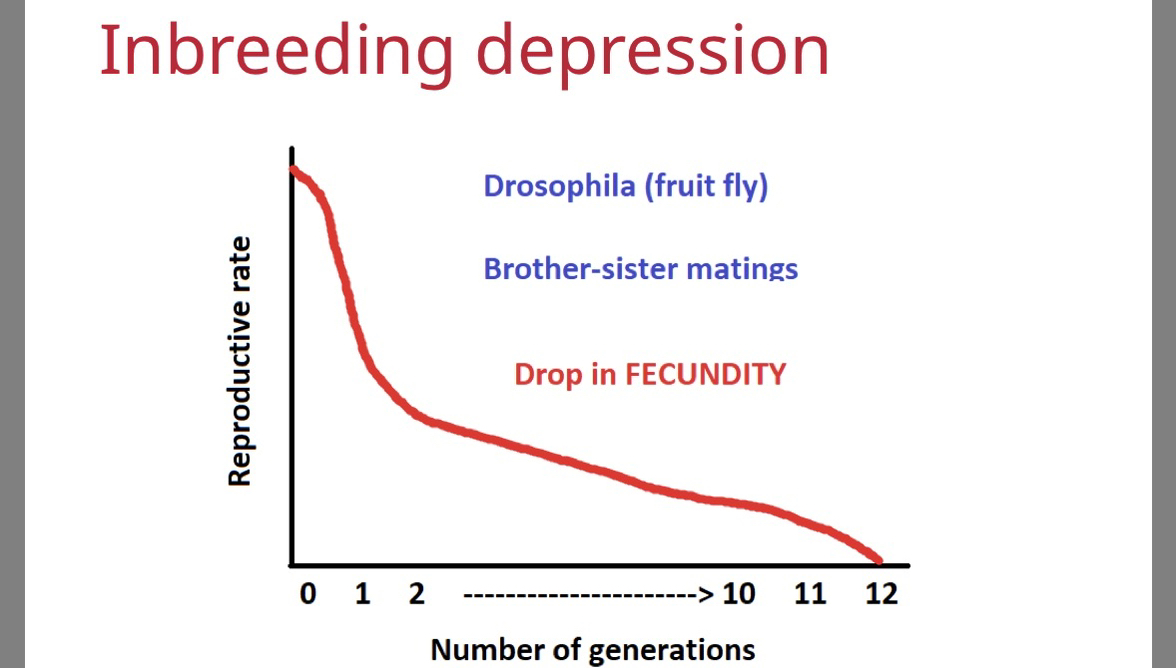
Fecunduity- the ability to produce an abundance of offspring or new growth; fertility
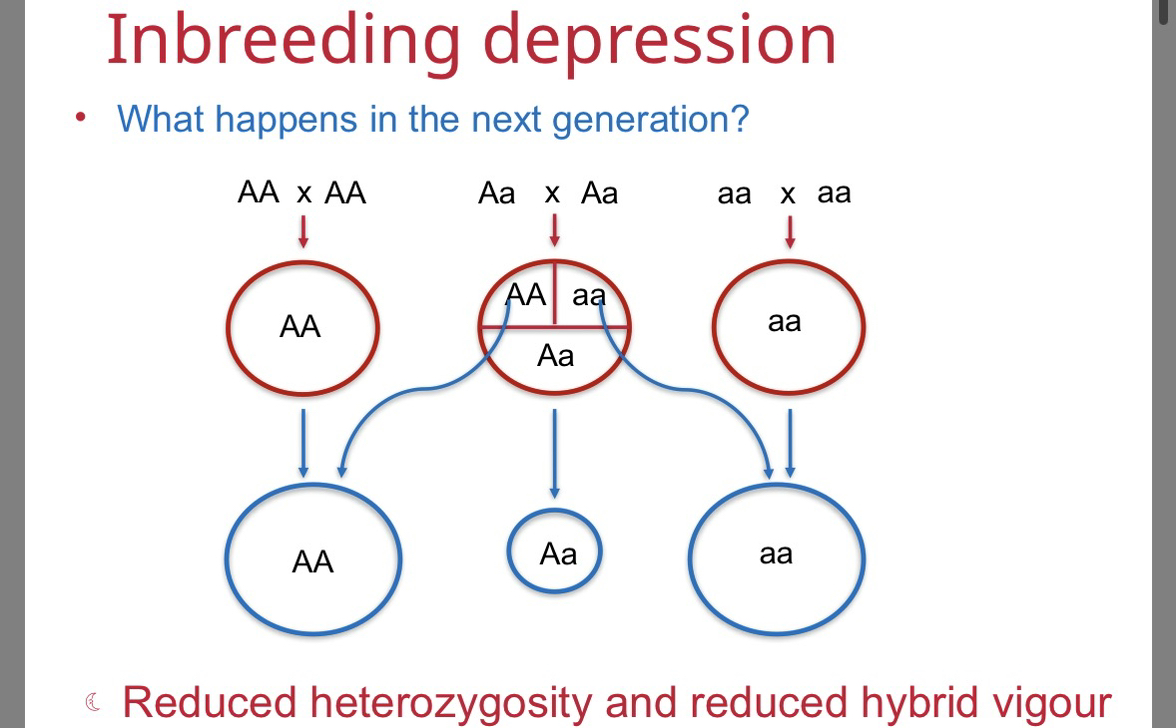
Inbreeding Depression
• Siberian tigers: the Hengadoahezi tiger breeding centre, (China) they bred >200 tigers in captivity since the 1980s.
• They are derived from just eight founding individuals.
• The observed inbreeding led to physical deformities in the offspring e.g. blurred striped pattern, general genetic degradation…
Inbreeding vs hybrid Vigour
• Increase in frequency of deleterious mutations
– E.g. Siberian tigers (China)
• 8 original tigers in 1890s, 200 in captivity
– Physical degradation, blurred stripes, Down’s Syndrome
• Increase in frequency of deleterious mutation
• Founder effects example: Retinitis pigmentosa on Tristan de Cuhna (night blindness)
Island was first colonised in 1810 by 15 people
– Just one person had night blindness
– Current population today has a high frequency of the condition
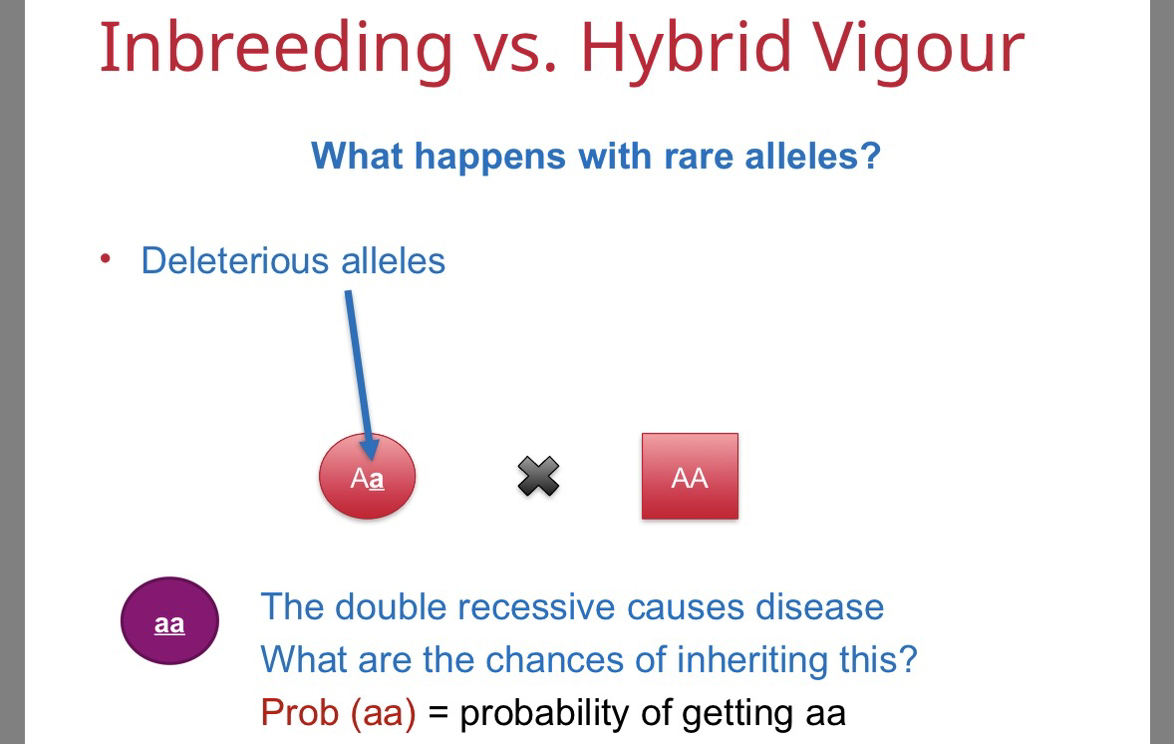
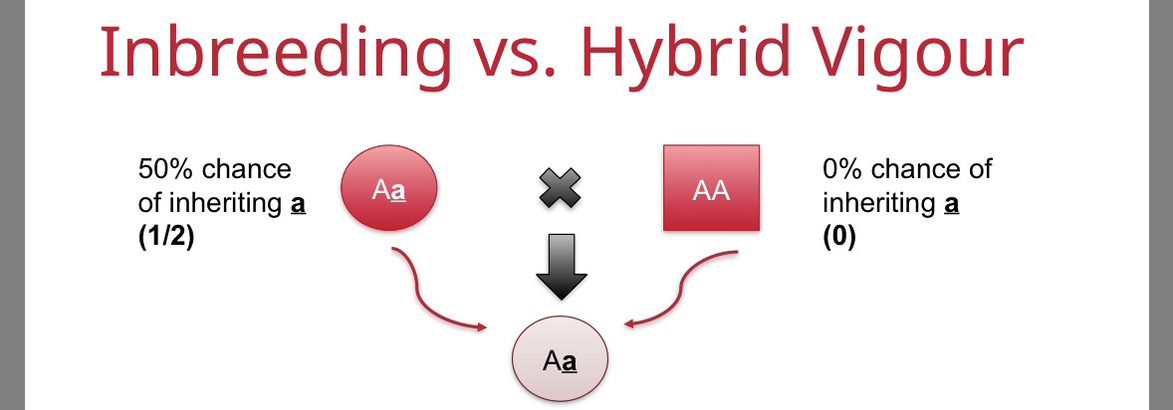
Hybrid Vigour \/
or (heterosis) is when offspring from two genetically different parents are stronger, healthier, and perform better (e.g., higher yield, faster growth, more Fertile) than either parent.
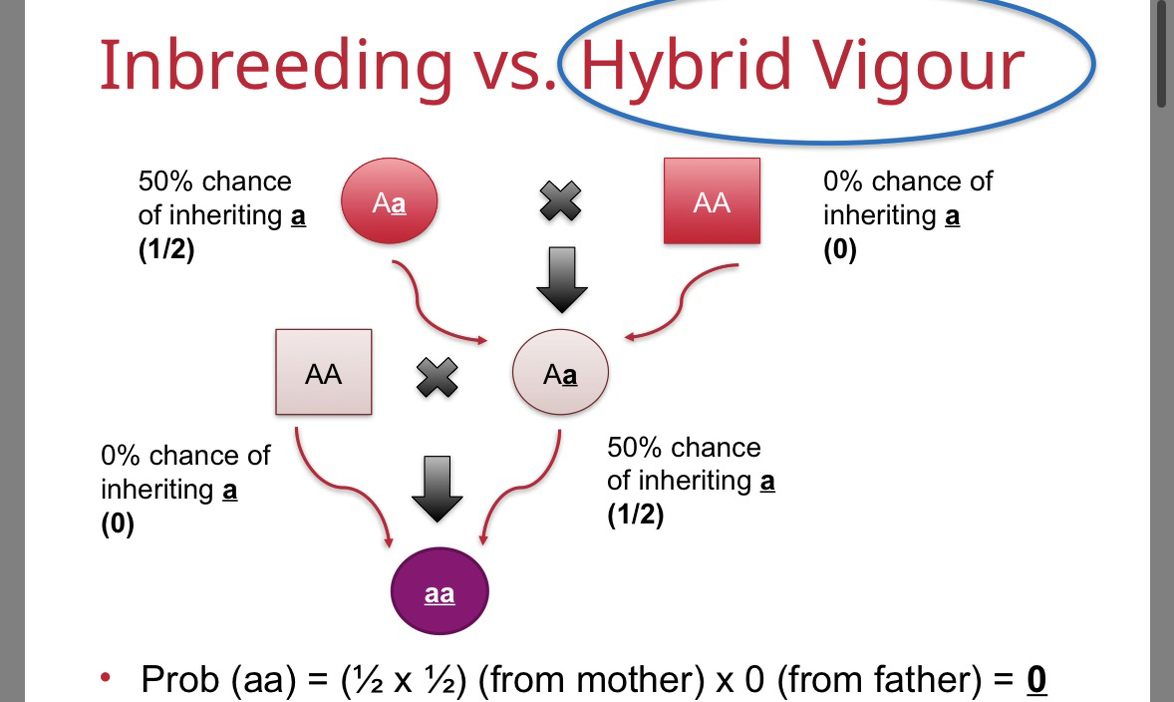
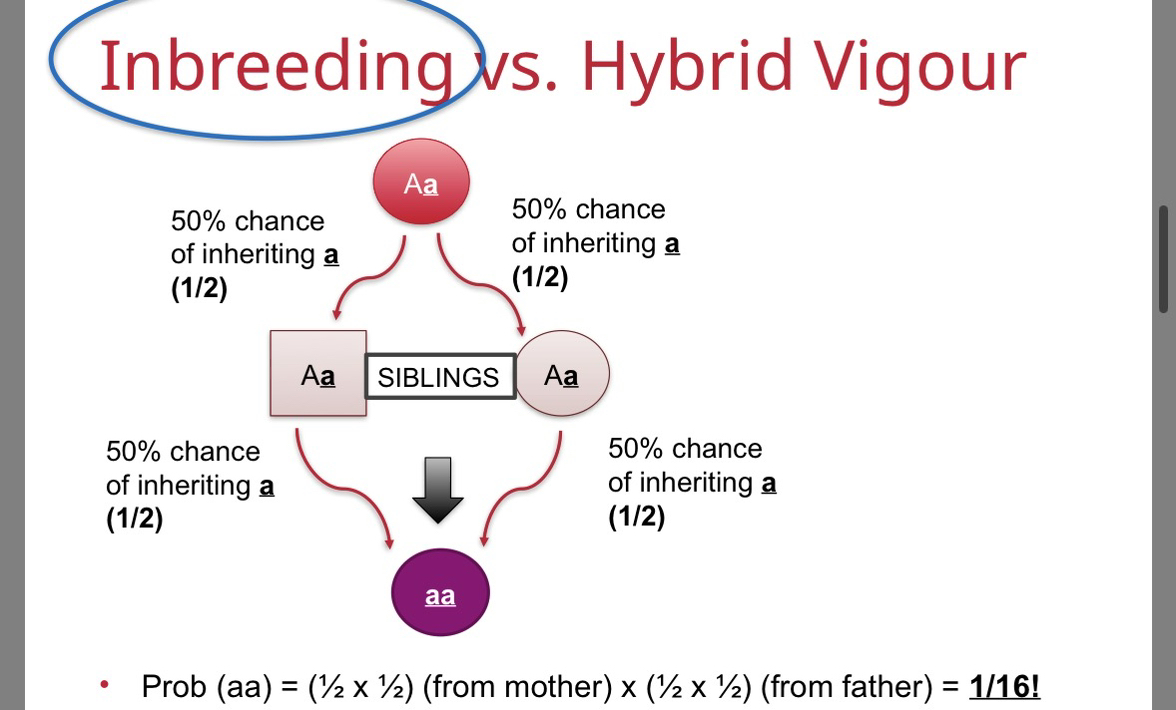
Inbreeding \/
The mating of closely related organisms or people with common ancestry, which increases genetic similarity and reduces diversity.
Inbreeding Depression
• Inbreeding does two things:
Reduces the number of heterozygotes in the population (and therefore reduces hybrid vigour)
It encourages the accumulation of individuals with the double-recessive phenotype
– If this phenotype is for a harmful trait, it increases the probability the harmful trait spreads through the population
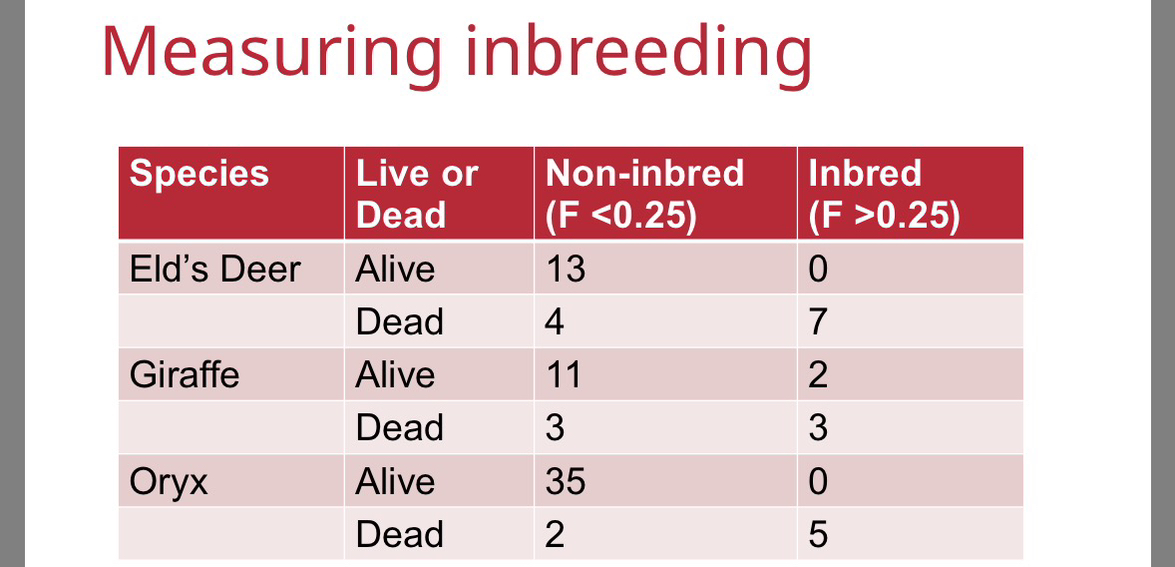
Measuring Inbreeding
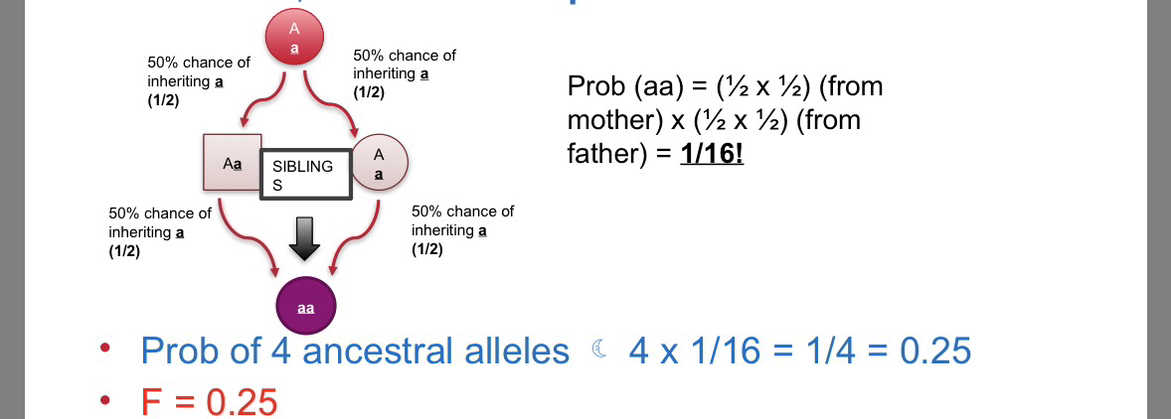
• Inbreeding coefficient (F) = probability of two alleles of a gene being identical, because they descended from the same copy of the alleles in an ancestor
• Between 0 to 1 (or 0-100%)
F is the degree to which two alleles are more likely to be homozygous (AA/aa) than heterozygous (Aa) in an individual, because their parents are related
Inbreeding coefficient also known as kinship coefficient (how related organisms are to each other)
40-60 Javan black Rhinos remain in Java
• 5-8 Javan black rhino’s are in Vietnam
• How long will these two populations survive before extinction? They face the two main problems:
1. Population size
- Effective population size Ne
The key measure of population size is the number of individuals that are able to breed Ne
• If all the rhino’s were male, there would be no potential for breeding
• If all the rhino’s were too young/old to mate, there would be no breeding
• Ne accounts for sex ratio and population age structure
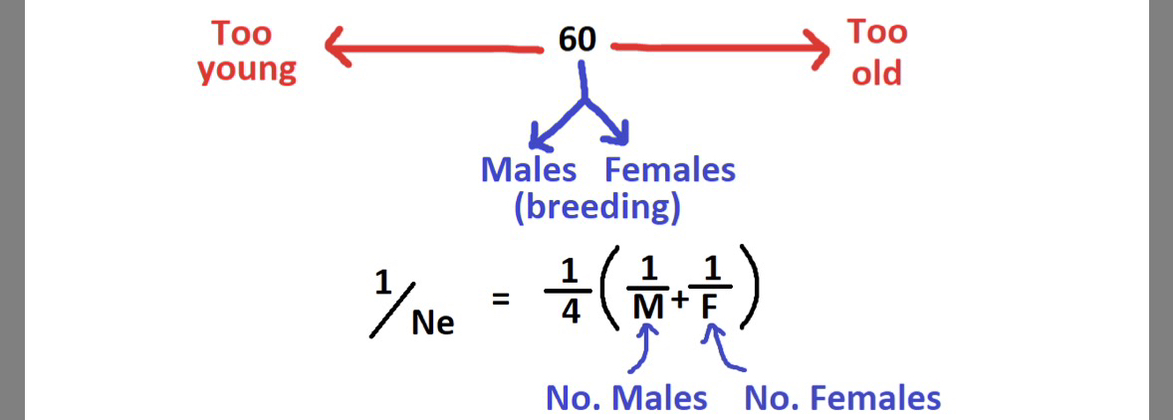
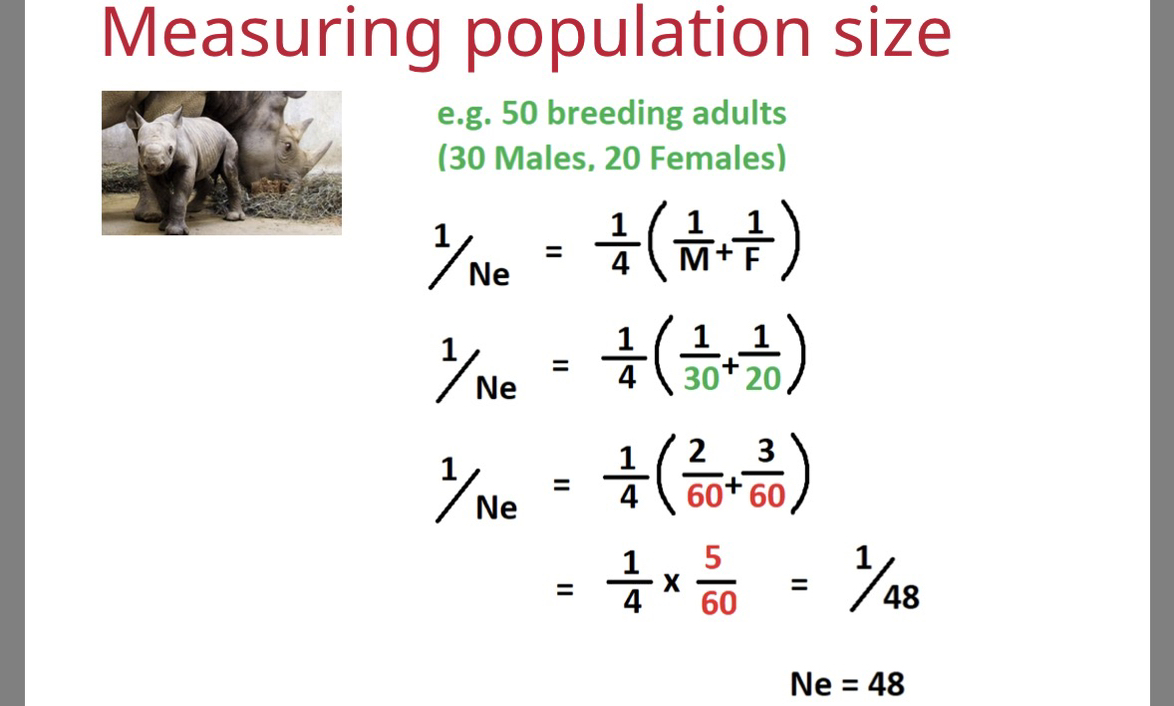
1. Population size
- Effection population size Ne
2. Inbreeding
– Inbreeding coefficient F
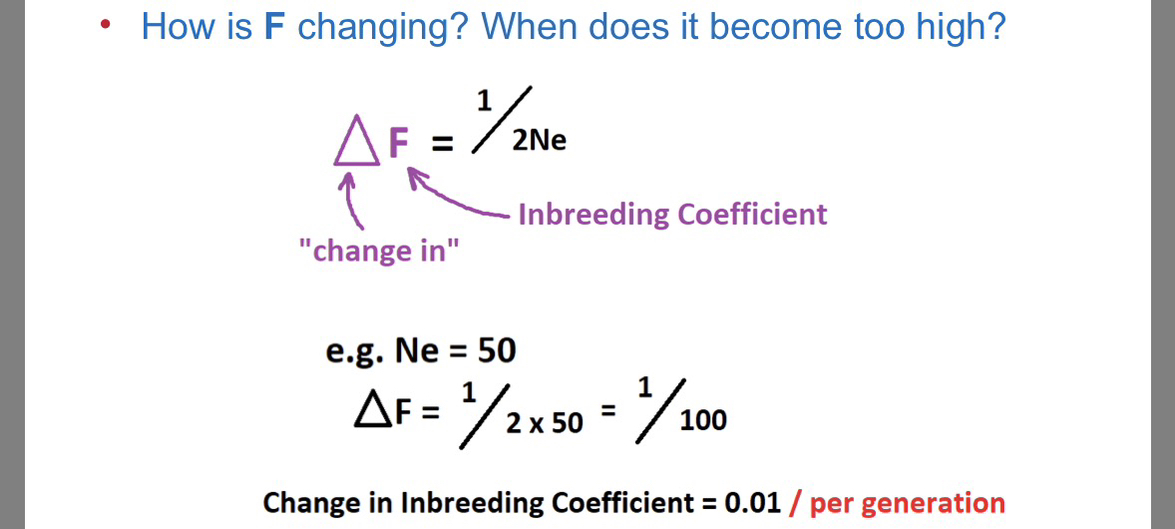
How is F changing? When does it become too high?
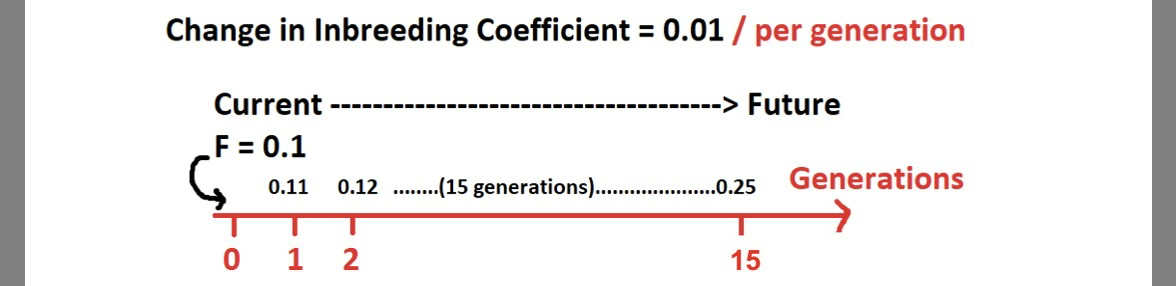
In 15 generations F increases from 0.1 to 0.25? So there is a significant increase in inbreeding
Conservation of populations
• Three situations:
1. Unmanaged population – random breeding
2. Managed population – zoos, wildlife parks etc.
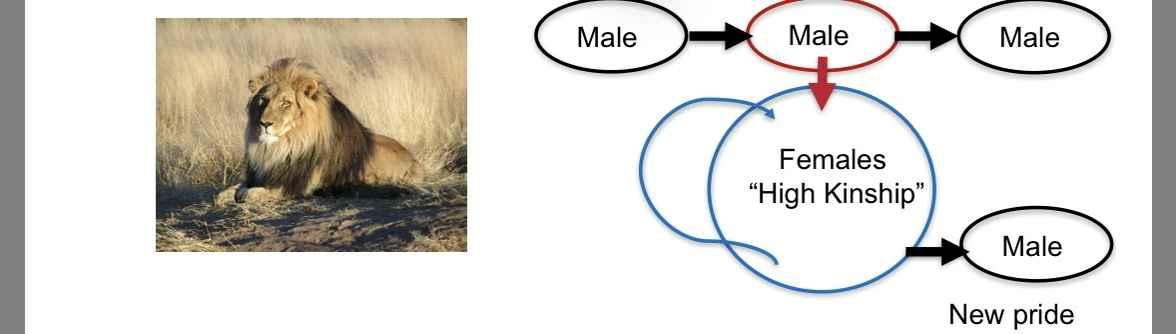
3.Wild animals – mate choice
Unmanaged population- random breeding
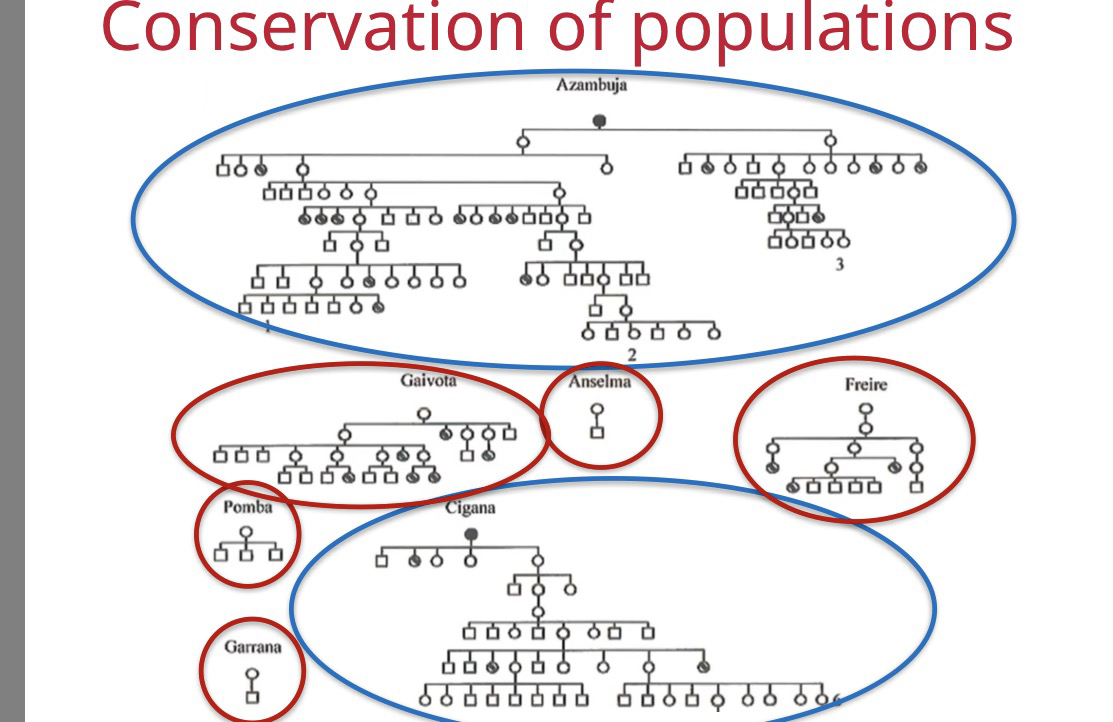
• E.g. Sorraia, a horse breed native to Portugal
– During 1900s the breed was approaching extinction
– In 1937 it was conserved: only 5 males, 7 females left
– Horses were allowed to randomly interbreed
– By 2001, 160 animals living derived from 7 females
Ex-situ Conservation
– When you look at the family pedigrees, you see that only families derived from two particular females had survived to the current generation
– The remaining five died out, so the remaining population is highly inbred
– Genetic bottleneck
Managed Population- Zoos, wildlife parks ect.
• Pedigree
• Choose mates that maximise outbreeding
• Studbook (or electronic equivalent)
Wild animals- mate choice
How to measure genetic variation in populations?
1. Pedigree – not always available or known, more useful for captive populations
2. Genetic Testing – techniques similar to DNA fingerprinting in humans using microsatellite DNA sequences
Measuring technique
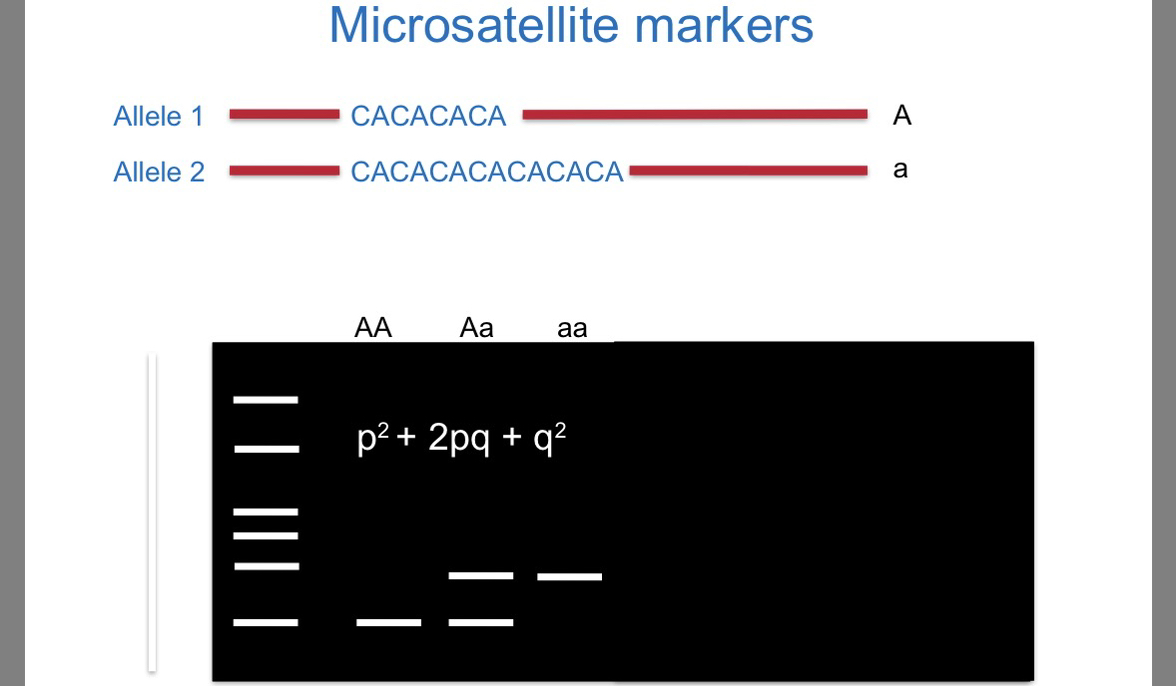
Microsatellite markers
-Rapidly evolving, repeated DNA
-Each individual has unique genotype when using
multiple microsatellites

- Allow us to measure differentiation between populations
-Allow us to measure genetic diversity
How to measure genetic variation in populations?
1. Pedigree – not always available or known, more useful for captive populations
2. Genetic Testing – techniques similar to DNA fingerprinting in humans using microsatellites or minisatellites
– Genetic analysis
• Inbreeding - measure heterozygosity
• Identify relationships between individual animals
Measuring genetic variation using small DNA samples
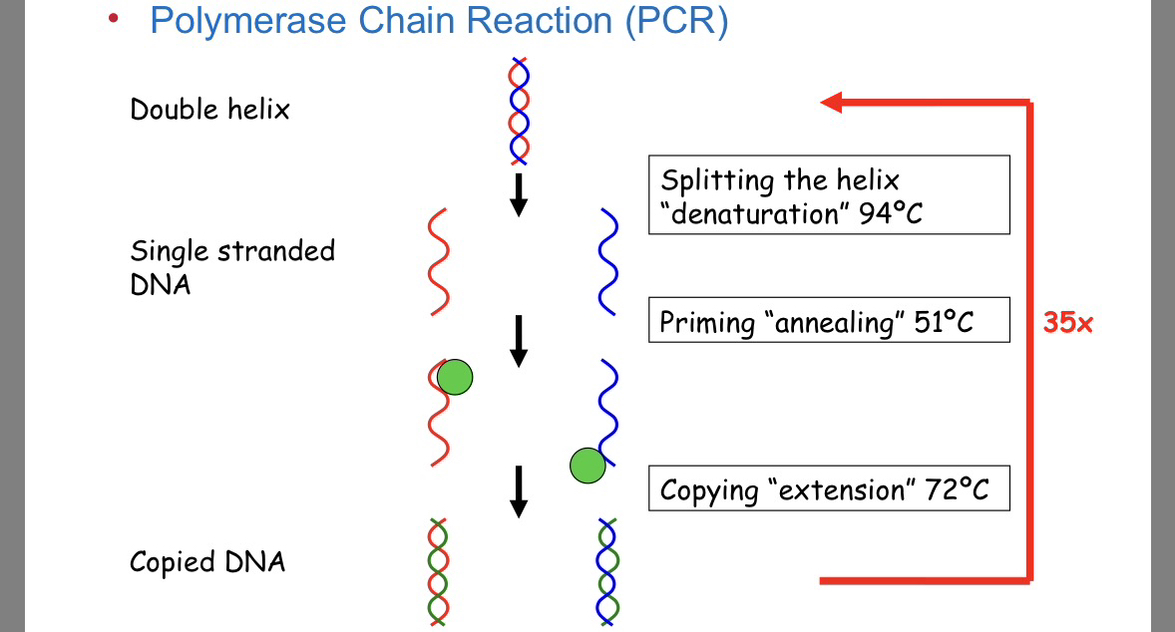
• Polymerase Chain Reaction (PCR)
• A method of amplifying DNA from small amounts
• Used in forensics at crime scenes in humans
• Can be used to detect small amounts of DNA from animal samples (hair, blood, faeces etc).
• Used in combination with microsatellite DNA, you can identify individual animals
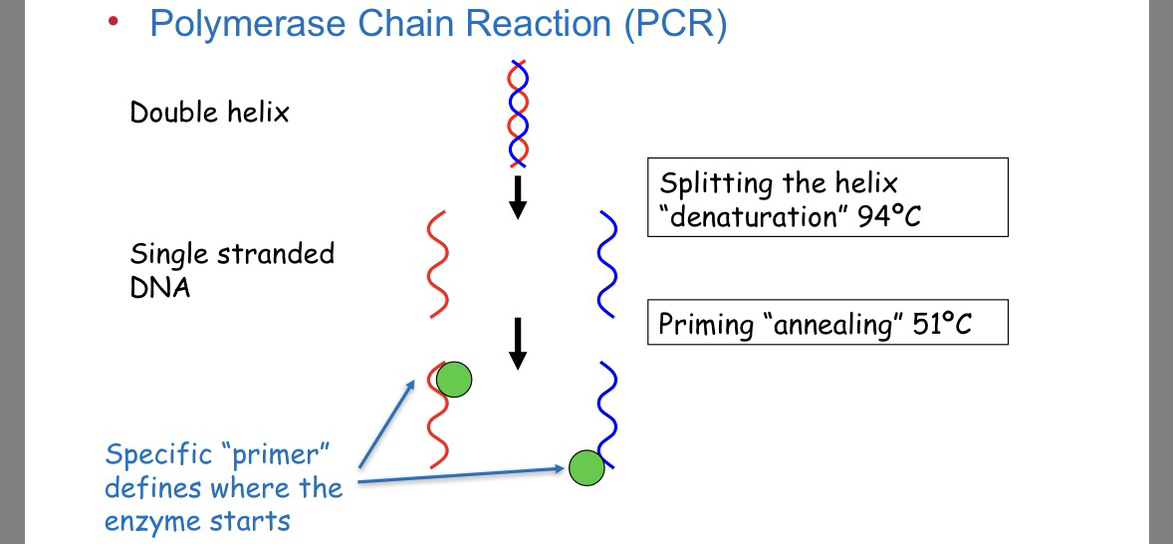
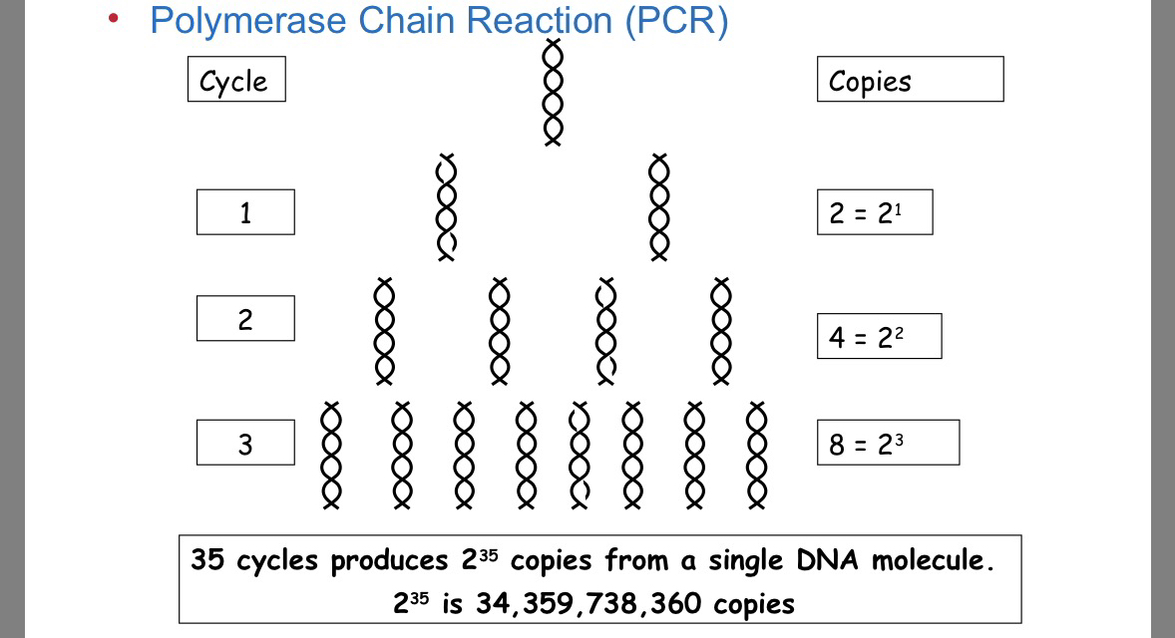
• Can be used for population genetics, calculating
inbreeding coefficients and constructing pedigrees