Roman Catholicism & Eastern Orthodoxy
Catholicism
Leadership: Pope
Leo I (440-461)
First full blown theory of papacy
Pope is Vicar of Peter
Matthew 16:18
Bishops of various cities honored Rome (Paul and Peter died there) but sometimes vied for power
Pope’s leadership based on apostolic succession traced back to leadership of Peter
Papacy increases in Middle Ages
Political and spiritual leaders (only stable institution in the West)
Papal states set of territories under sovereignty of the Pope, 8-19th century
Authority in Catholicism
Scripture and Tradition stand together as unbreakable, unified sources of authority
Interpretation of the Scripture authority of the Church
Tradition in Catholicism
Tradition is the continued teachings of the Church
Pope final interpreter of the Scripture
Magisterium - teaching office
Puragatory
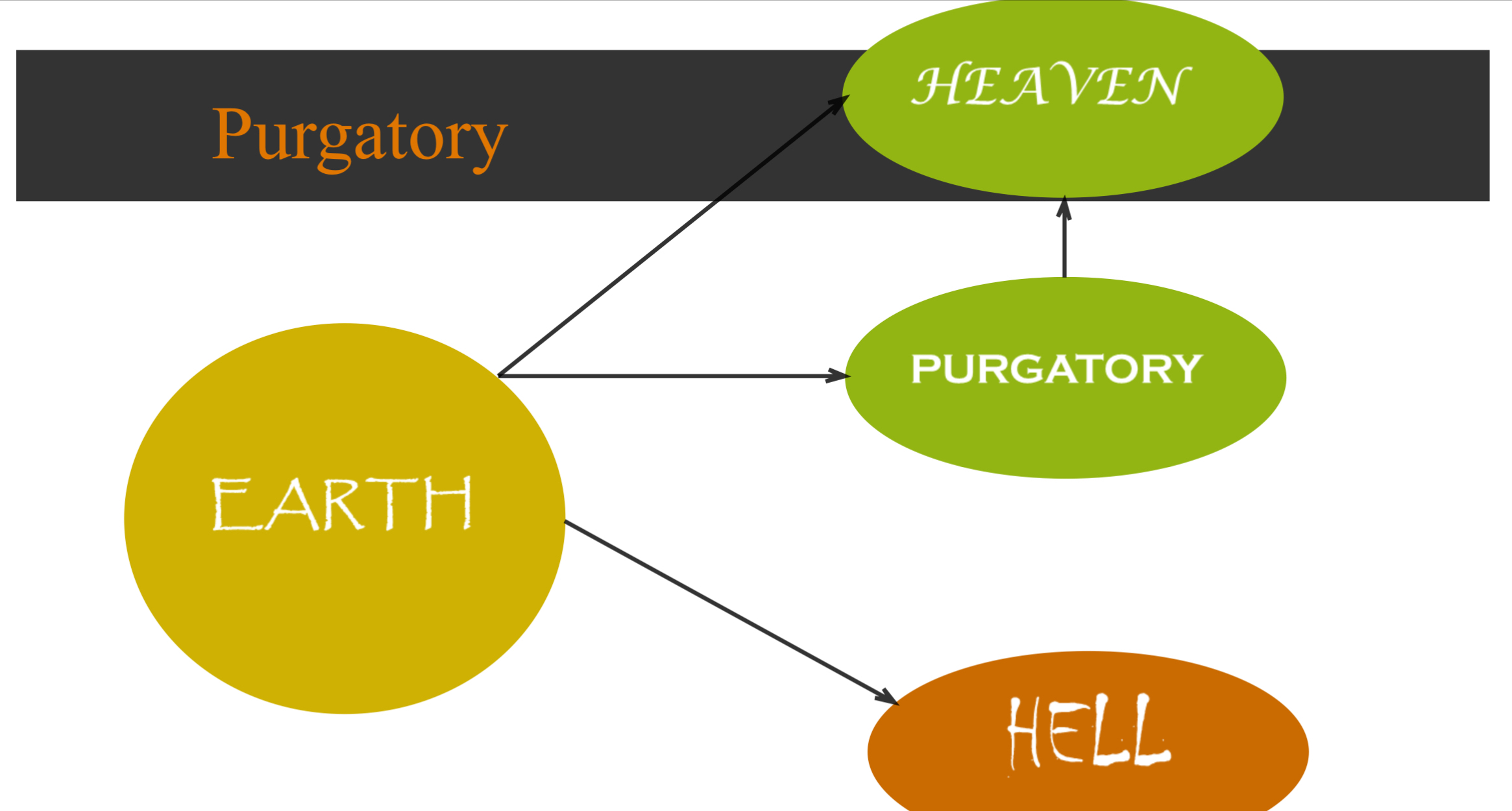 Cleansing state/period before going to heaven
Middle Ages: place of refining fire through which believers progress in stages
Mary
Mother of God, did not save, but intercedes
Immaculate Conception - Mary herself was conceived without original sin
Perpetual Virginity of Mary
Prayer to (through) Mary and Saints
Eastern Orthodox
Leadership
Rejection of Papacy (his universal authority)
Patriarch of Constantinople/Archbishop Athens holds spot of prominence
First among equals
More councilor or collegial form of leadership
Authority in Eastern Orthodoxy
Unity of Scripture and Tradition
Tradition
First Seven Ecumenical Councils (highest authority in earliest traditions)
Earliest councils have the universal authority
“Church of the Seven Councils” “Ancient Church”
Iconoclastic Controversy
Proper use of icons (God in particular)
Aid in worship
Icons abolished by Eastern emperor in 730; Pope disagrees
Icons were idolatrous
Desire to diminish monks’ influence (made the icons)
Iconophiles: “Lovers of icons”
Aid worship
Iconoclasts: “destroyers of icons”
Distract from worship
John of Damascus, Iconophile
Incarnation abrogated the OT (Ten Commandments) restriction on images
Second Council of Nicaea (787) affirms John
Theology
Mystical Doctrine of God (emphasis)
God as ineffable, transcendent
Apophatic/Cataphatic Theology
Affirming what god is not
There is more to God than what language can express
Orthodox Soteriology: Theosis
Miraculous exchange: Christ became what we are, so that we might become what he is (holy)
Deification/theosis: process of moving from separation to union with God
Fundamental vocation and goal of every person is to share in the life of God