Structure of the Constitution: Executive & Judicial Branches
In the last lesson, we read Article I of the Constitution, which outlines the requirements and responsibilities of the legislative branch. In this lesson, we'll continue by looking at Article II and Article III, which cover the requirements and responsibilities of the executive and judicial branches.
Article II: The Executive Branch
Section 1: The President and the Vice President
TEXTEXPLANATION
The executive Power shall be vested in a President of the United States of America. He shall hold his Office during the Term of four Years, and, together with the Vice President, chosen for the same Term, be elected, as follows
Each State shall appoint, in such Manner as the Legislature thereof may direct, a Number of Electors, equal to the whole Number of Senators and Representatives to which the State may be entitled in the Congress: but no Senator or Representative, or Person holding an Office of Trust or Profit under the United States, shall be appointed an Elector.
The Electors shall meet in their respective States, and vote by Ballot for two Persons, of whom one at least shall not be an Inhabitant of the same State with themselves. And they shall make a List of all the Persons voted for, and of the Number of Votes for each; which List they shall sign and certify, and transmit sealed to the Seat of the Government of the United States, directed to the President of the Senate. The President of the Senate shall, in the Presence of the Senate and House of Representatives, open all the Certificates, and the Votes shall then be counted. The Person having the greatest Number of Votes shall be the President, if such Number be a Majority of the whole Number of Electors appointed; and if there be more than one who have such Majority, and have an equal Number of Votes, then the House of Representatives shall immediately chuse by Ballot one of them for President; and if no Person have a Majority, then from the five highest on the List the said House shall in like Manner chuse the President. But in chusing the President, the Votes shall be taken by States, the Representation from each State having one Vote; A quorum for this Purpose shall consist of a Member or Members from two thirds of the States, and a Majority of all the States shall be necessary to a Choice. In every Case, after the Choice of the President, the Person having the greatest Number of Votes of the Electors shall be the Vice President. But if there should remain two or more who have equal Votes, the Senate shall chuse from them by Ballot the Vice President.
The Congress may determine the Time of chusing the Electors, and the Day on which they shall give their Votes; which Day shall be the same throughout the United States.
No Person except a natural born Citizen, or a Citizen of the United States, at the time of the Adoption of this Constitution, shall be eligible to the Office of President; neither shall any Person be eligible to that Office who shall not have attained to the Age of thirty five Years, and been fourteen Years a Resident within the United States.
In Case of the Removal of the President from Office, or of his Death, Resignation, or Inability to discharge the Powers and Duties of the said Office, the Same shall devolve on the Vice President, and the Congress may by Law provide for the Case of Removal, Death, Resignation or Inability, both of the President and Vice President, declaring what Officer shall then act as President, and such Officer shall act accordingly, until the Disability be removed, or a President shall be elected.
The President shall, at stated Times, receive for his Services, a Compensation, which shall neither be encreased nor diminished during the Period for which he shall have been elected, and he shall not receive within that Period any other Emolument from the United States, or any of them.
Before he enter on the Execution of his Office, he shall take the following Oath or Affirmation:—"I do solemnly swear (or affirm) that I will faithfully execute the Office of President of the United States, and will to the best of my Ability, preserve, protect and defend the Constitution of the United States."
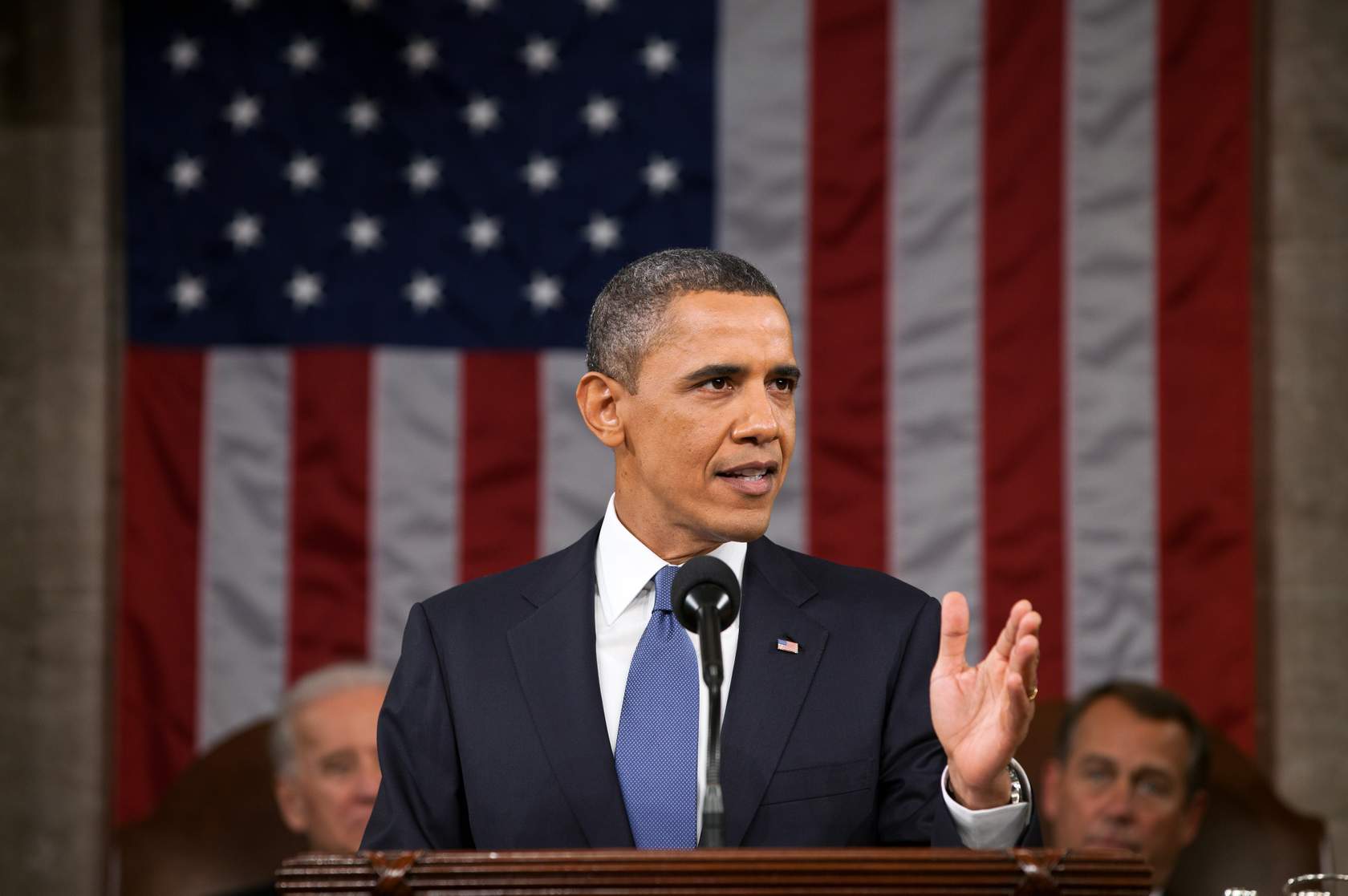 This section discusses the power given to the president to execute (carry out) the laws. The president and the vice president are elected to four-year terms. They are elected by electors from each state. The state legislatures are responsible for setting up the rules for how these electors are chosen in their states. The number of electors that a state receives is determined by the total number of representatives and senators that state has. For instance, the state of Virginia has eleven representatives in the House as well as two senators, so Virginia has thirteen electors. In other words, Virginia has thirteen electoral votes.
This section also includes the original method of choosing the president and the vice president. This was changed with the Twelfth Amendment because of the effect of political parties. We'll discuss this when we talk about the amendments in the next module. Congress decides the day when electors are to be chosen and when they will vote. This day is to be the same throughout the country.
Requirements to become president:
Must be a natural-born citizen.
Must be at least thirty-five years old.
Must have resided in the United States for fourteen years.
If the president cannot carry out his or her duties, the vice president assumes the duties of the president. If neither the president nor the vice president can carry out their duties, the Speaker of the House will assume the duties. Next in line after the Speaker of the House is the president pro tempore.
The president's salary cannot be raised or lowered in the middle of a term. The president cannot receive a salary from any other federal or state government. The president must take an oath of office when sworn in to uphold, preserve, protect, and defend the Constitution of the United States.
Section 2: Powers of the President
TEXTEXPLANATION
The President shall be Commander in Chief of the Army and Navy of the United States, and of the Militia of the several States, when called into the actual Service of the United States; he may require the Opinion, in writing, of the principal Officer in each of the executive Departments, upon any Subject relating to the Duties of their respective Offices, and he shall have Power to grant Reprieves and Pardons for Offences against the United States, except in Cases of Impeachment.
He shall have Power, by and with the Advice and Consent of the Senate, to make Treaties, provided two thirds of the Senators present concur; and he shall nominate, and by and with the Advice and Consent of the Senate, shall appoint Ambassadors, other public Ministers and Consuls, Judges of the supreme Court, and all other Officers of the United States, whose Appointments are not herein otherwise provided for, and which shall be established by Law: but the Congress may by Law vest the Appointment of such inferior Officers, as they think proper, in the President alone, in the Courts of Law, or in the Heads of Departments.
The President shall have Power to fill up all Vacancies that may happen during the Recess of the Senate, by granting Commissions which shall expire at the End of their next Session.
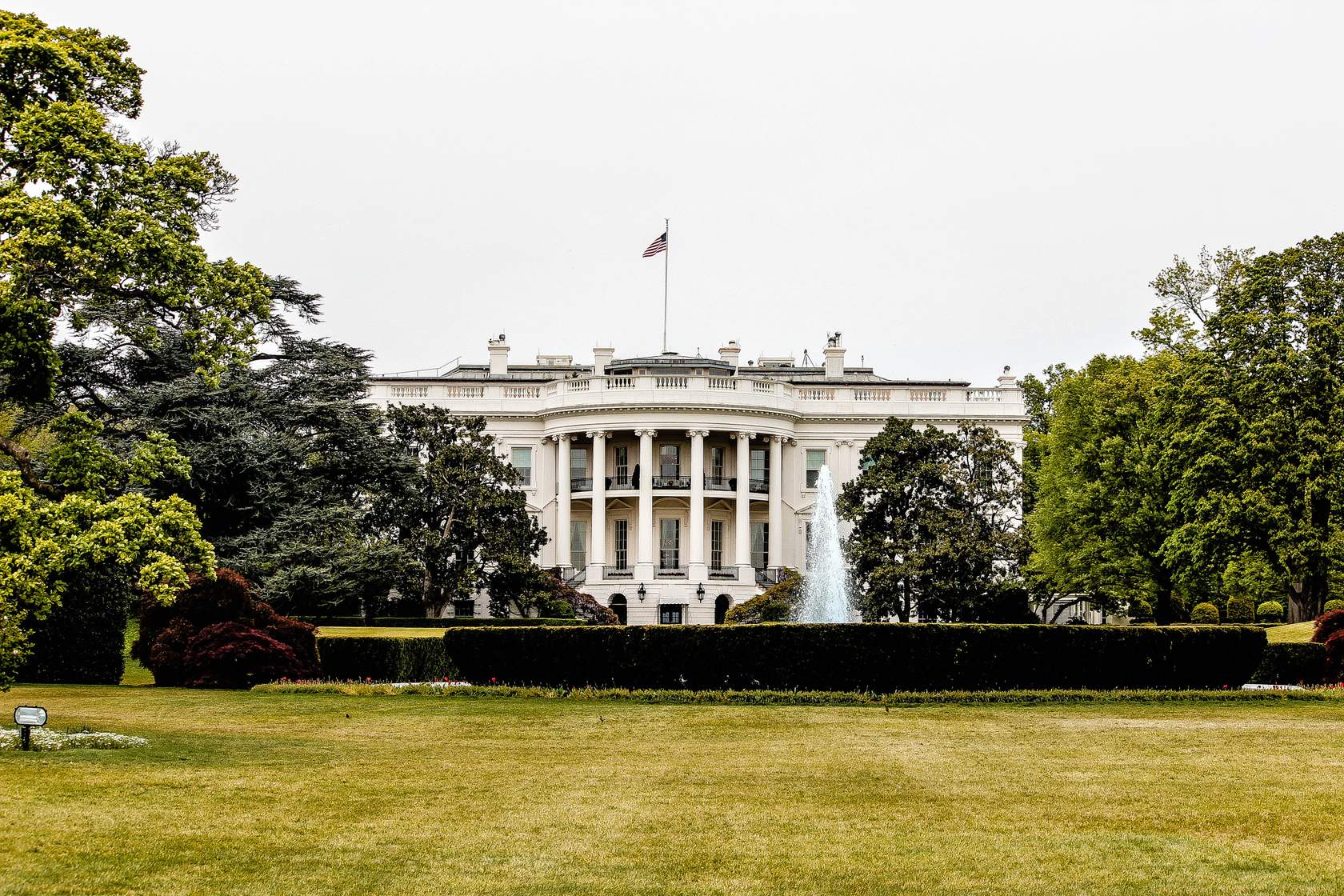 This section discusses the powers of the president.
The president is the commander-in-chief of the United States military.
The president can request information regarding the duties of the various executive departments and agencies.
The president has the power to grant reprieves and pardons to those who have been convicted of crimes against the United States, except in a case of impeachment.
The president can make treaties, though they must be approved by a two-thirds majority of the Senate.
The president can appoint ambassadors, other public ministers and consuls, judges, justices of the Supreme Court, and other officers of the United States. All of these appointments must be approved by the Senate.
The president has the power to fill any vacancy that may occur when Congress is in recess; however, the positions filled would be temporary.
Section 3: Duties of the President
TEXTEXPLANATION
He shall from time to time give to the Congress Information of the State of the Union, and recommend to their Consideration such Measures as he shall judge necessary and expedient; he may, on extraordinary Occasions, convene both Houses, or either of them, and in Case of Disagreement between them, with Respect to the Time of Adjournment, he may adjourn them to such Time as he shall think proper; he shall receive Ambassadors and other public Ministers; he shall take Care that the Laws be faithfully executed, and shall Commission all the Officers of the United States.
Image: 2020 State of the Union Address
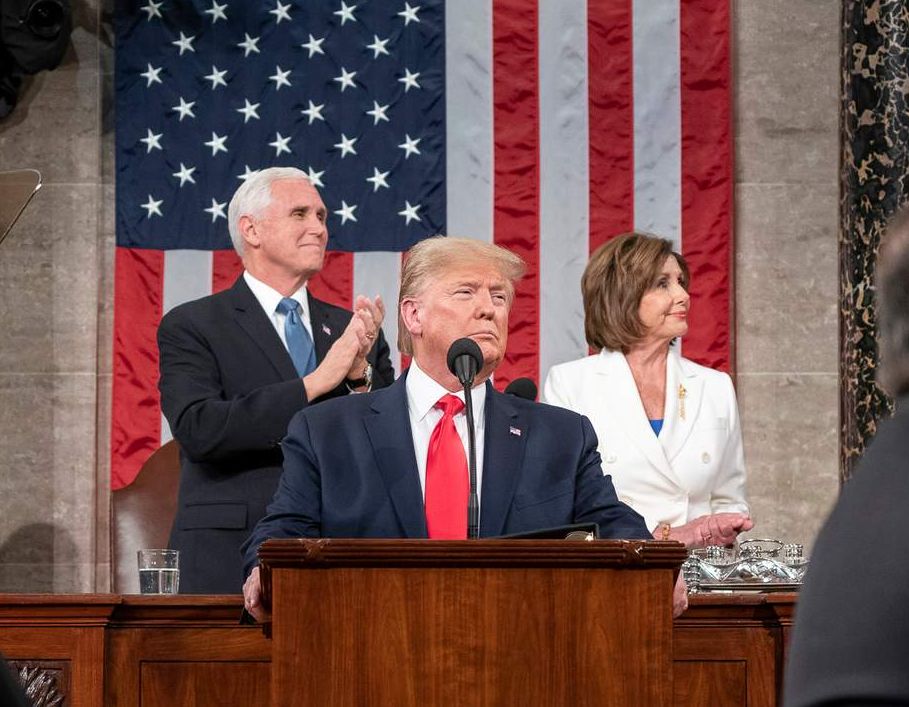 This section discusses the duties of the president:
The president usually gives a State of the Union address in January, which informs citizens of the state of American affairs. This address used to be delivered in writing, but this changed when Woodrow Wilson gave a verbal address in 1913. All presidents since have given a verbal State of the Union address.
The president may convene either house of Congress for a special session and can also adjourn either house if its members cannot agree on a time to adjourn.
The president meets with ambassadors and other officials of foreign nations.
The president makes sure that laws passed by Congress are executed.
Image: 2015 State of the Union Address
Section 4: Impeachment
TEXTEXPLANATION
The President, Vice President and all civil Officers of the United States, shall be removed from Office on Impeachment for, and Conviction of, Treason, Bribery, or other high Crimes and Misdemeanors.
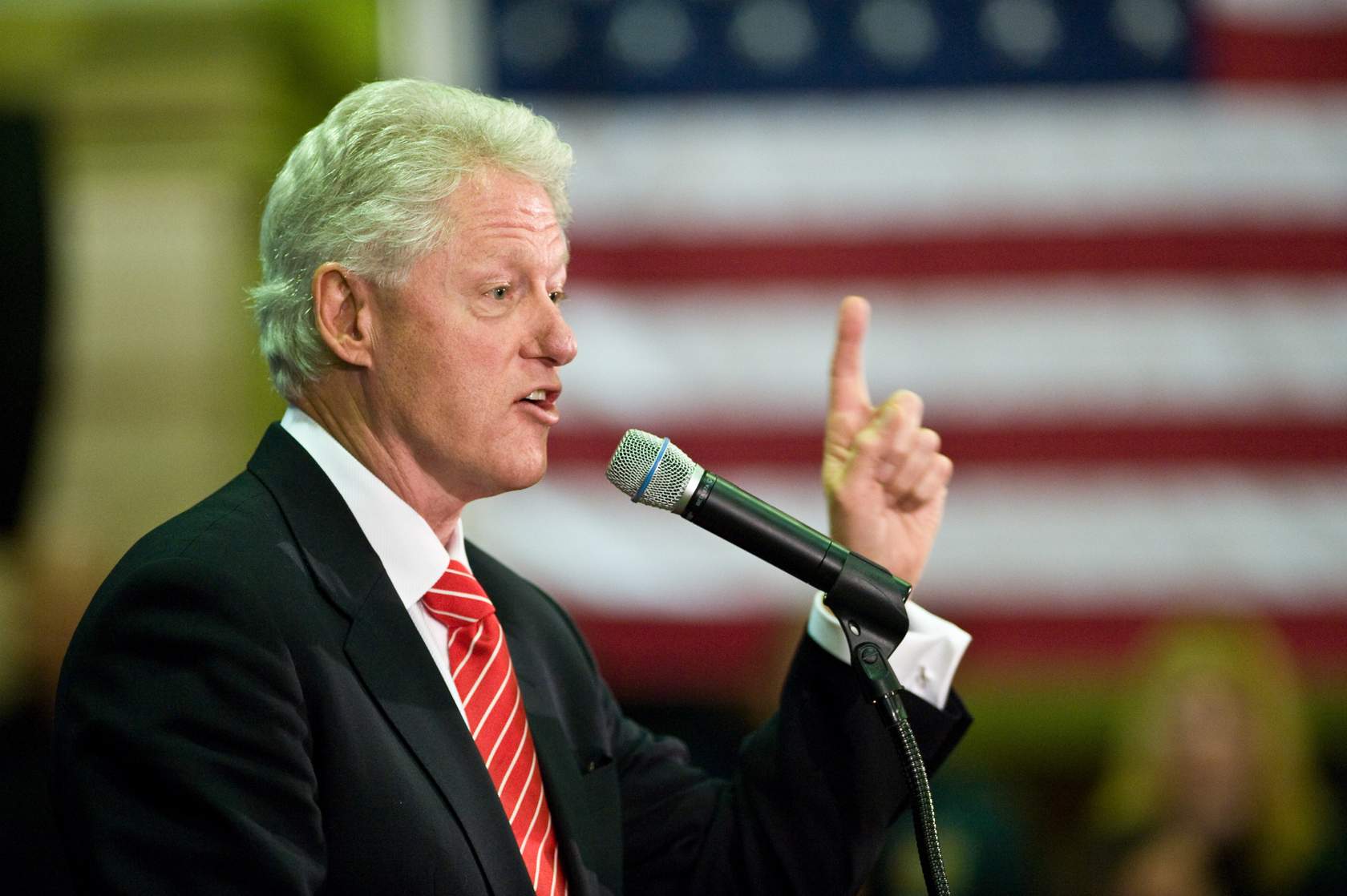
This section discusses impeachment:
The president, vice president, and other government officials may be removed from office by being impeached by the House and then convicted by the Senate. These officials can be impeached for treason, bribery, or "other high Crimes and Misdemeanors."
Article III: The Judicial Branch
Section 1: Federal Courts
TEXTEXPLANATION
The judicial Power of the United States, shall be vested in one supreme Court, and in such inferior Courts as the Congress may from time to time ordain and establish. The Judges, both of the supreme and inferior Courts, shall hold their Offices during good Behaviour, and shall, at stated Times, receive for their Services, a Compensation, which shall not be diminished during their Continuance in Office.
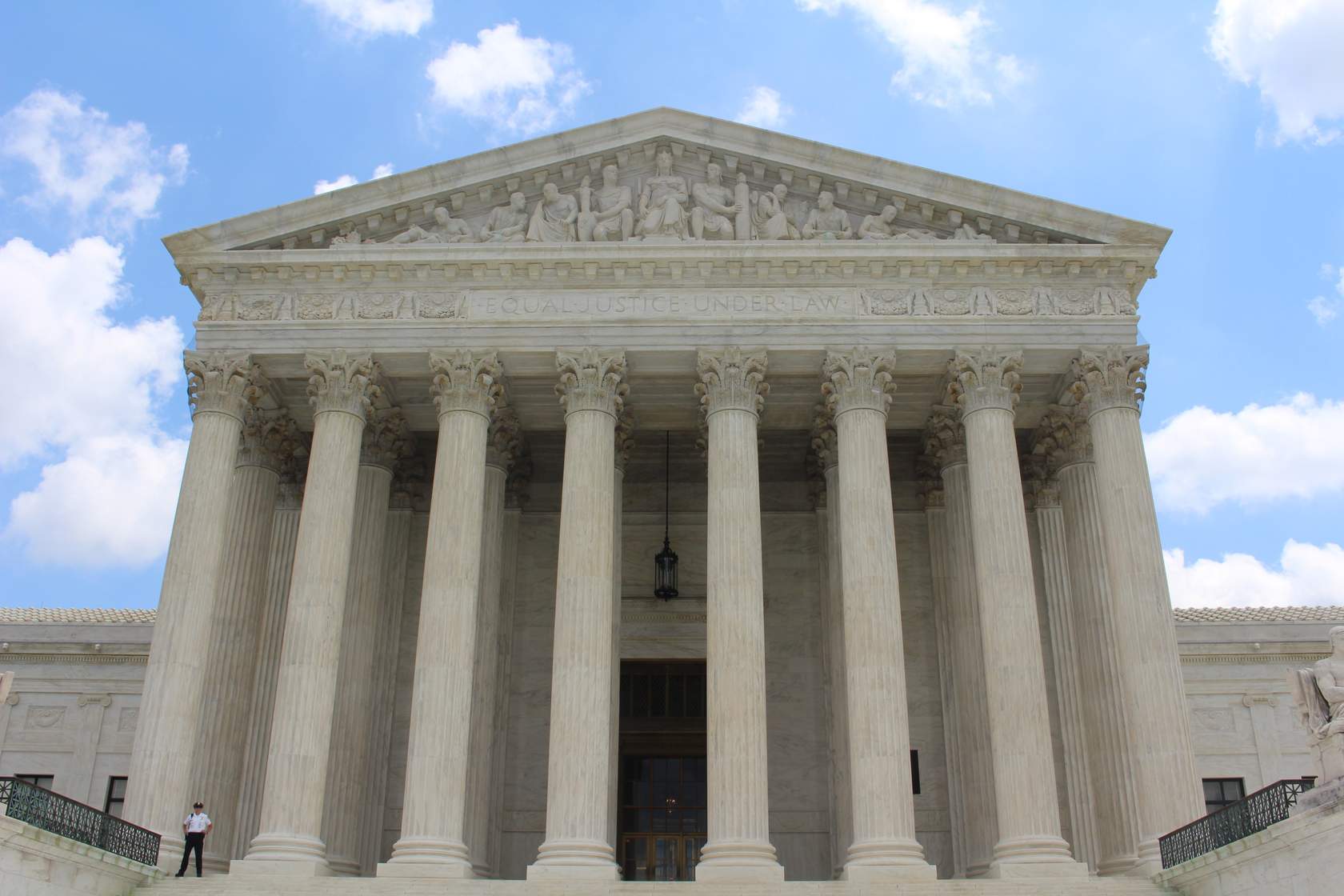 This section discusses the federal courts:
This section states that there must be one Supreme Court above all others. Beyond that, Congress has the power to create a system of lower courts in the manner of its choosing.
Justices of the Supreme Court and lower courts serve for life unless they choose to retire or are impeached and convicted.
The salary of judges cannot be lowered during their time in office.
Section 2: Jurisdiction of Federal Courts
TEXTEXPLANATION
The judicial Power shall extend to all Cases, in Law and Equity, arising under this Constitution, the Laws of the United States, and Treaties made, or which shall be made, under their Authority;—to all Cases affecting Ambassadors, other public Ministers and Consuls;—to all Cases of admiralty and maritime Jurisdiction;—to Controversies to which the United States shall be a Party;—to Controversies between two or more States;— between a State and Citizens of another State,—between Citizens of different States,—between Citizens of the same State claiming Lands under Grants of different States, and between a State, or the Citizens thereof, and foreign States, Citizens or Subjects.
In all Cases affecting Ambassadors, other public Ministers and Consuls, and those in which a State shall be Party, the supreme Court shall have original Jurisdiction. In all the other Cases before mentioned, the supreme Court shall have appellate Jurisdiction, both as to Law and Fact, with such Exceptions, and under such Regulations as the Congress shall make.
The Trial of all Crimes, except in Cases of Impeachment, shall be by Jury; and such Trial shall be held in the State where the said Crimes shall have been committed; but when not committed within any State, the Trial shall be at such Place or Places as the Congress may by Law have directed.
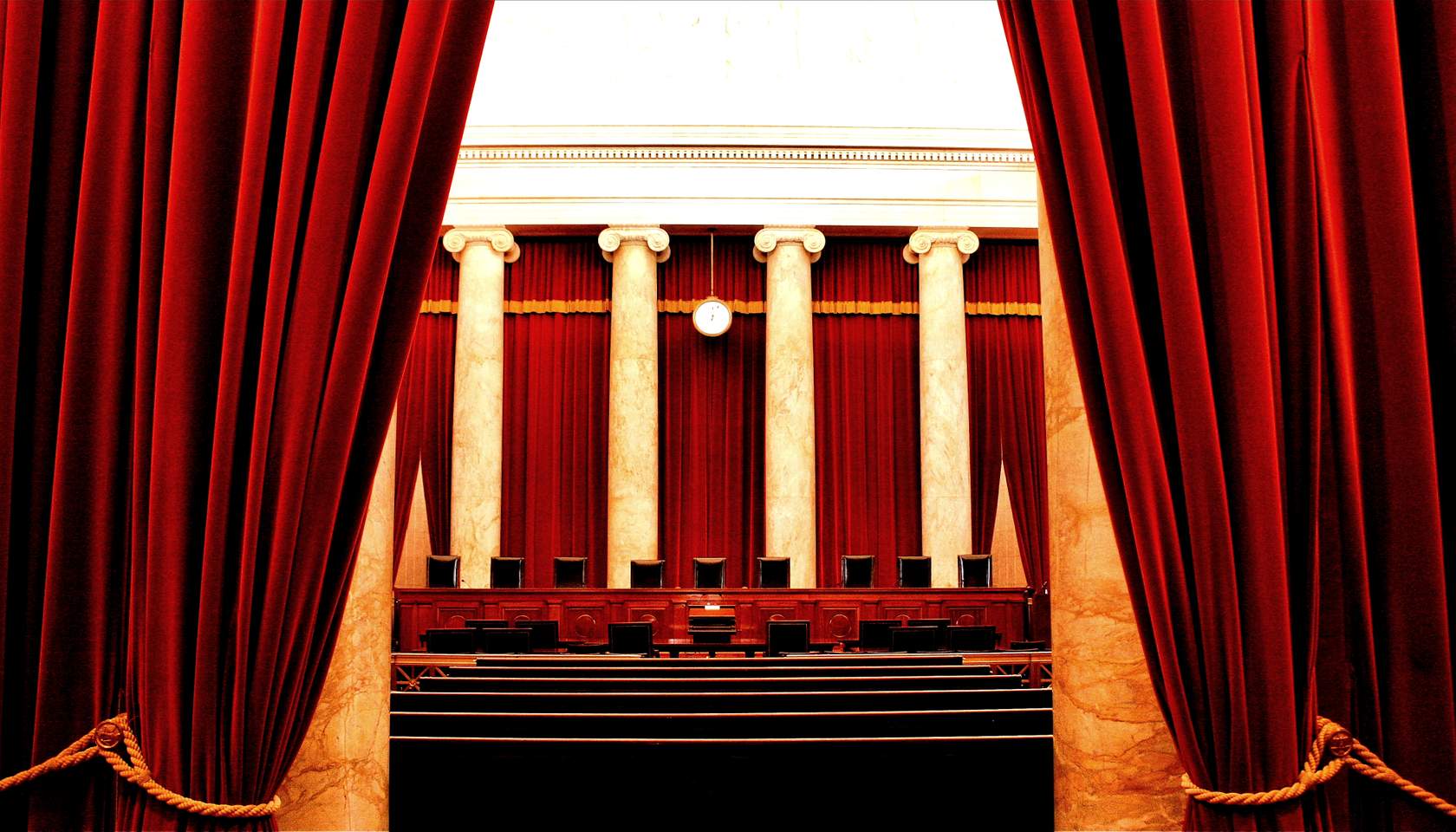 This section discusses the jurisdiction of the federal courts:
The courts established have the power to try all cases that arise under the Constitution, laws, and any treaties.
The courts try cases that involve ambassadors, other public officials, and consuls. They also try cases involving maritime issues, cases involving the United States government, cases between two or more states, cases involving citizens of one state claiming lands of another state, and cases between United States citizens and any foreign government or citizen.
The Supreme Court only has original jurisdiction in a few limited circumstances: cases involving foreign officials and cases involving one of the states. Original jurisdiction means the Supreme Court is the first court that will make a decision on these cases.
Otherwise, the Supreme Court has appellate jurisdiction. This means that they will hear cases that have been tried by a lower court. The Supreme Court must choose whether to uphold or overturn the decisions made in these cases.
Congress can regulate court actions.
The right to a trial by jury is guaranteed in all cases except impeachment.
Trials will be conducted in the state in which the offense occurred.
Congress has the power to decide the location of trials that involve offenses committed outside of the country.
Section 3: Treason
TEXTEXPLANATION
Treason against the United States, shall consist only in levying War against them, or in adhering to their Enemies, giving them Aid and Comfort. No Person shall be convicted of Treason unless on the Testimony of two Witnesses to the same overt Act, or on Confession in open Court.
The Congress shall have Power to declare the Punishment of Treason, but no Attainder of Treason shall work Corruption of Blood, or Forfeiture except during the Life of the Person attainted.
Image: Benedict Arnold
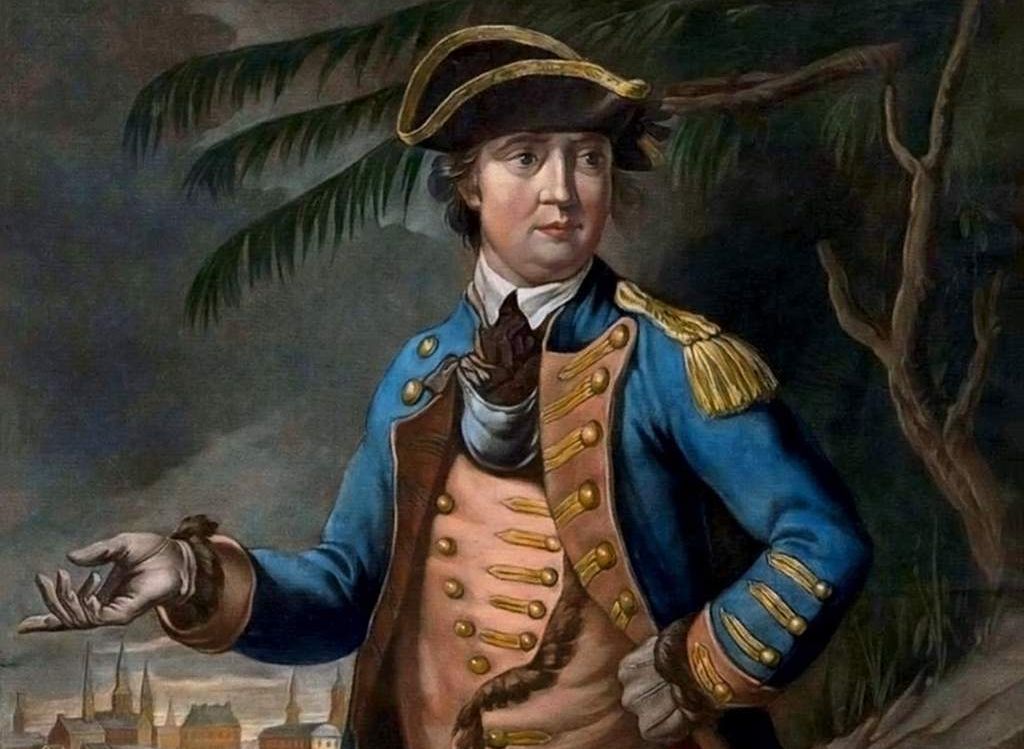 This section discusses treason:
Treason is clearly defined as levying (declaring) war on the United States or helping an enemy of the United States.
To convict someone of treason, there must either be two witnesses to attest to the act or a confession of the act.
Congress is given the power to set the punishment for treason. Only the person convicted of treason can be punished. The person's family cannot be punished.