The Business Cycle
The Business Cycle
1. What is the business cycle?
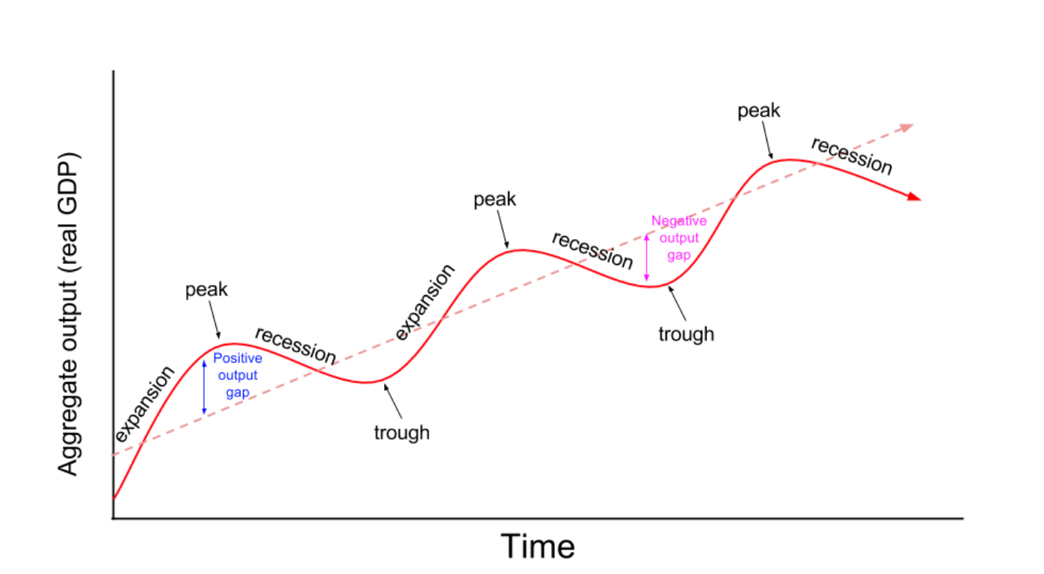
It represents the fluctuations in economic activity over time
It has ups (expansions) and downs (contractions) in real GDP (output)
It is cyclical but not regular—meaning the timing and magnitude of each cycle vary
2. Phases of the business cycle
Expansion: Economy grows, real GDP increases, unemployment falls, and inflation may rise
Peak: The highest point of the cycle—growth slows and stops
Contraction (Recession): Economy shrinks, real GDP decreases, unemployment rises
Trough: The lowest point—marks the end of the recession and beginning of the next expansion
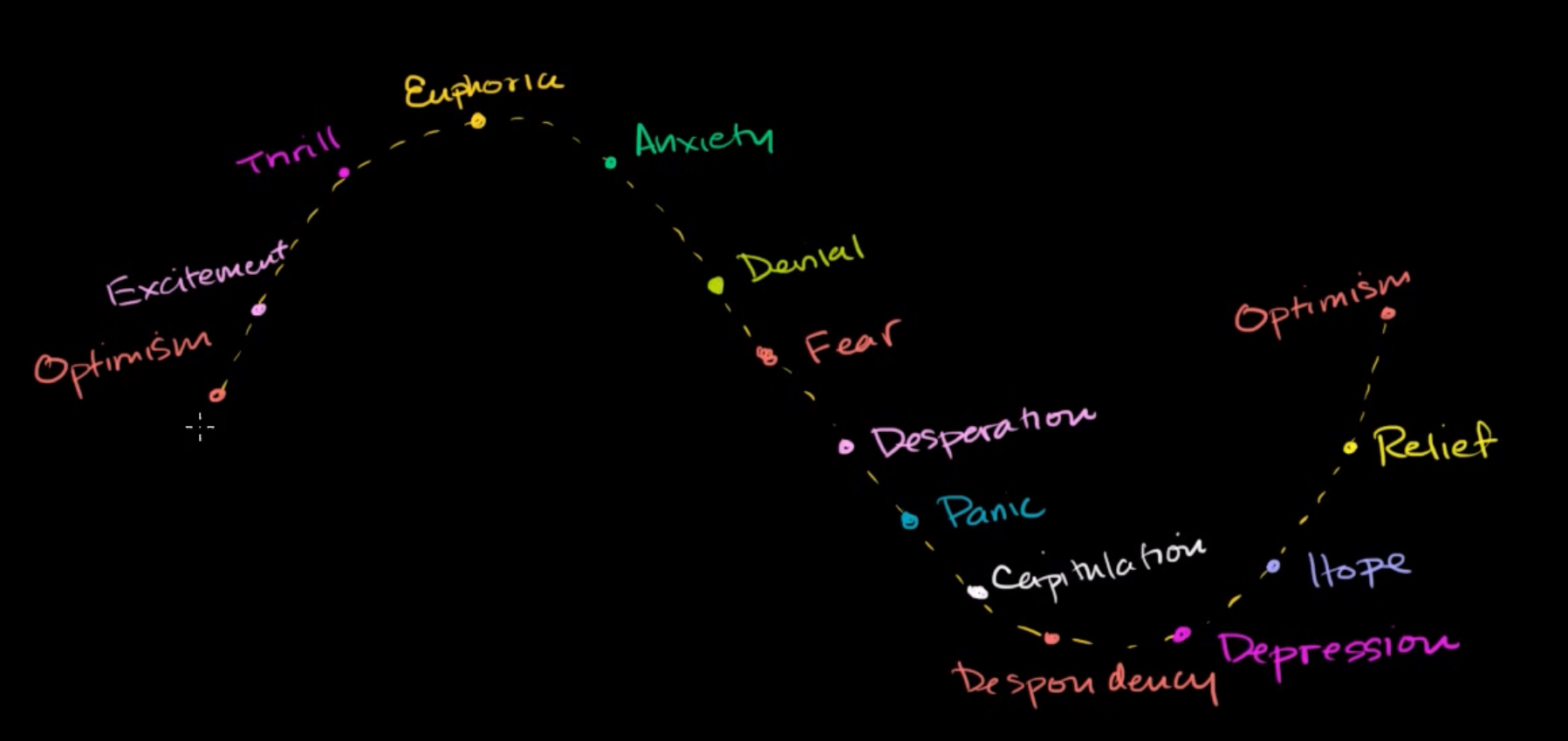
3. Recovery vs Expansion:
Sometimes economists use “recovery” to describe the early part of an expansion, especially after a severe recession
4. Causes of fluctuations:
Can be due to:
changes in consumer and business confidence
levels of employment
productivity
total demand for and supply of the nation’s goods and services.
investment shifts
govt policies
global events
5. Measuring the business cycle
Primarily through Real GDP
Also through other indicators like unemployment rate, inflation, and consumer spending
6. Why does it matter?
Helps governments and central banks plan policies (like stimulus or interest rate changes)
Businesses and consumers use it to make informed financial decisions
Business Cycles and the PPC
1. Business Cycle Phases and the PPC:
Expansion: During periods of economic growth, the economy operates closer to its full potential, moving towards the PPC
Peak: At the peak, the economy is producing at or near its maximum sustainable output, represented by a point on the PPC
Contraction (Recession): In a downturn, the economy’s output declines, and it operates inside the PPC due to underutilized resources
Trough: This is the lowest point in the cycle, where the economy is farthest from the PPC, indicating significant underutilization
2. Economic Growth and the PPC:
Long-term economic growth shifts the PPC outward, reflecting an increase in an economy’s capacity to produce goods and services
Factors contributing to this growth include technological advancements, increases in capital stock, and improvements in labor productivity
3. Importance of the PPC in Understanding Business Cycles:
The PPC provides a visual representation of an economy’s potential output and helps illustrate the impact of business cycles on resource utilization
By analyzing movements relative to the PPC, economists can assess the efficiency and health of an economy during different phases of the business cycle
Etc
The difference between what an economy is actually producing and what it can potentially produce is the output gap
A positive output gap indicates that an economy is currently producing beyond its potential output
When an economy produces more than potential output, the current rate of unemployment is less than the natural rate of unemployment