Earth and Life Science
Origin of Life Theories:
Special Creation
This theory says that all living organisms were created by God.
Panspermia
This theory states that the seeds of life exist all over the Universe and can be propagated through space from one location to another.
Spontaneous Origin
Life may have evolved from an inanimate/nonliving matter
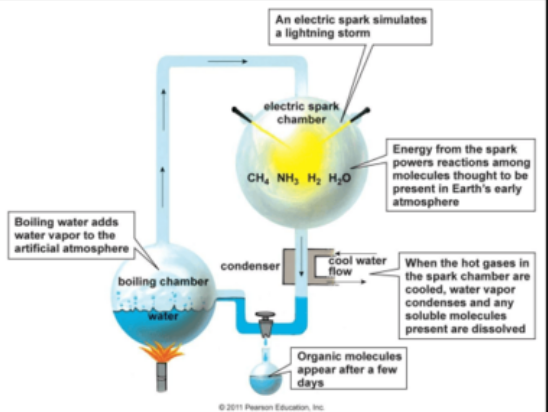
Oparin-Haldane Theory
- Hypothesis proposed by Oparin and Haldane
- Miller-Urey tested this hypothesis
- life arose gradually from inorganic molecules with “building blocks” like amino acids forming first
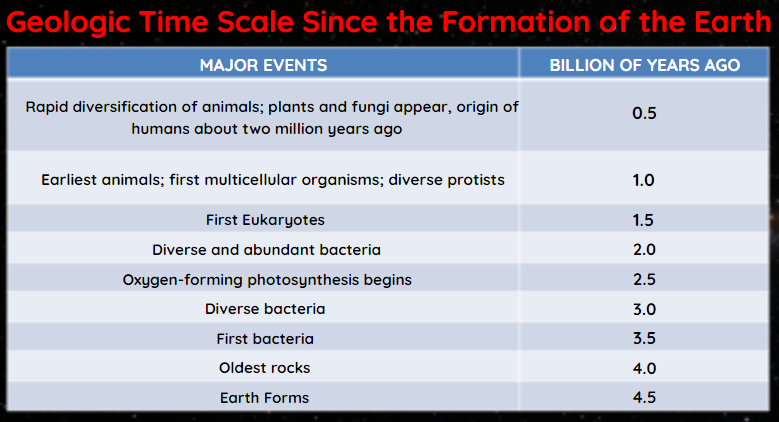
Cyanobacteria
- created the atmosphere by making oxygen using photosynthesis
- are a phylum of gram-negative bacteria that obtain energy via photosynthesis.
- uses anaerobic respiration
- found in the water
Photosynthesis
- produces oxygen and sugar
Biomolecules
- carbs, nucleic acids, proteins, lipids
- building blocks of a cell/living thing
- made out of amino acids
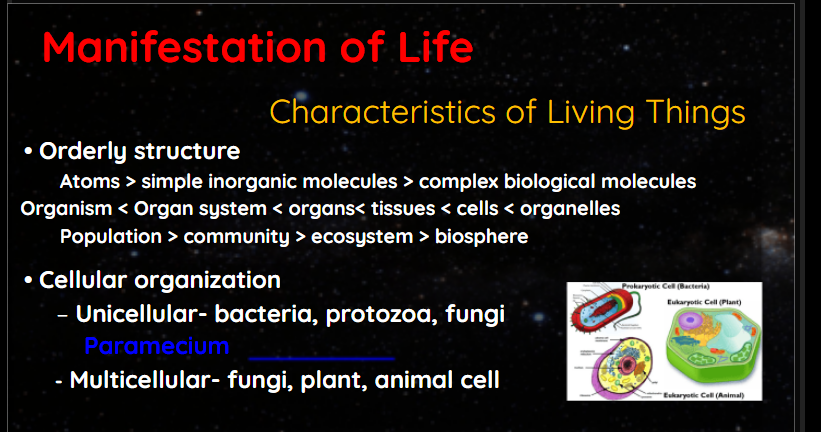
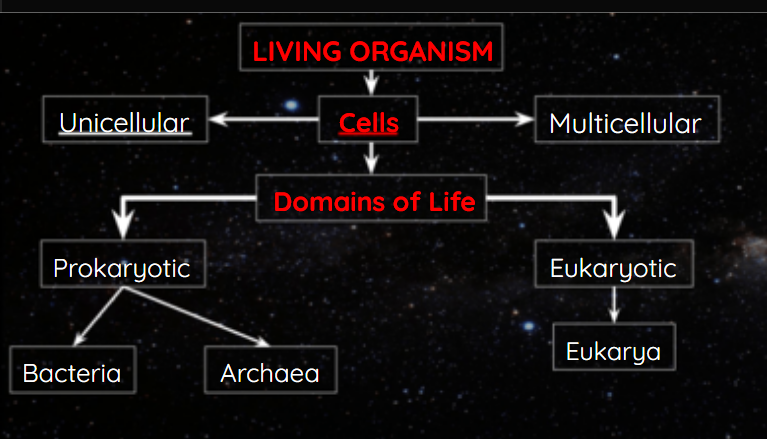
Eukaryotic cells
are complex, membrane-bound cells with a defined nucleus and specialized organelles, found in multicellular organisms.
Prokaryotic cells
are simple, single-celled organisms without a membrane-bound nucleus or specialized organelles, often found in bacteria and archaea.
Manifestation of Life
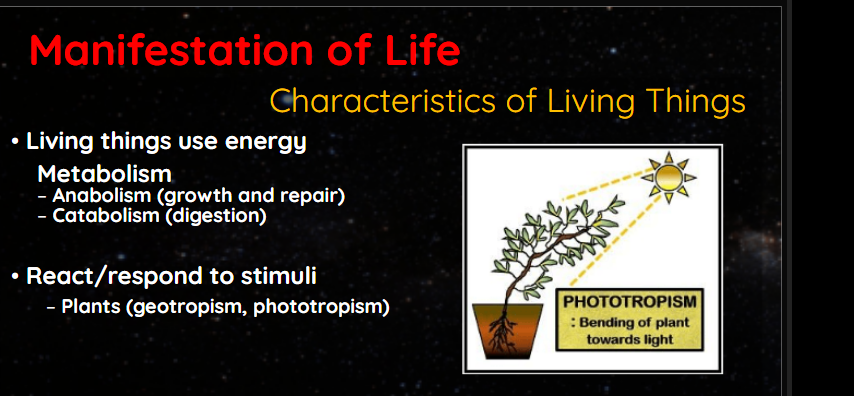 Gravitropism - gravity affects the plants
positive gravitropism
root growth going downwards
negative gravitropism
stems
Thigmotropism
thigmo means touch
detection of the stems to a certain object
squash and grapes have vines, farmers put sticks around them so that when the vines detect the sticks, they will wrap around it
Nastic Movement
is what happens when we touch makahiya plants
not directly touching, but it is the movement going towards the plant
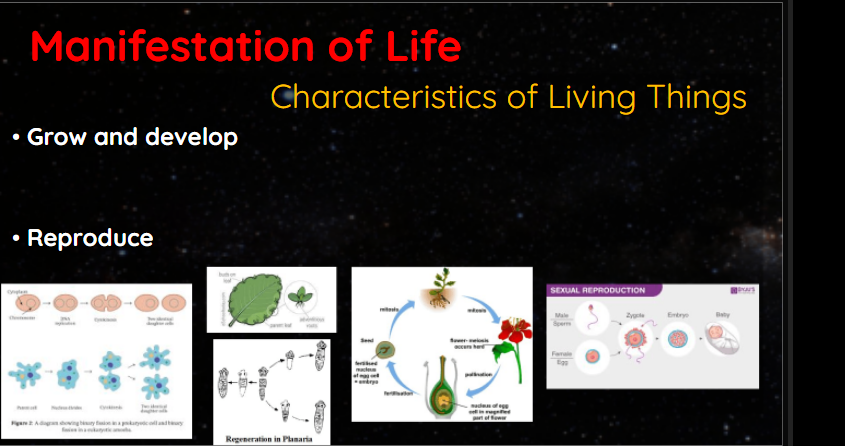
Bioenergetics - the branch of biochemistry that focuses on how cells transform energy
Photosynthesis
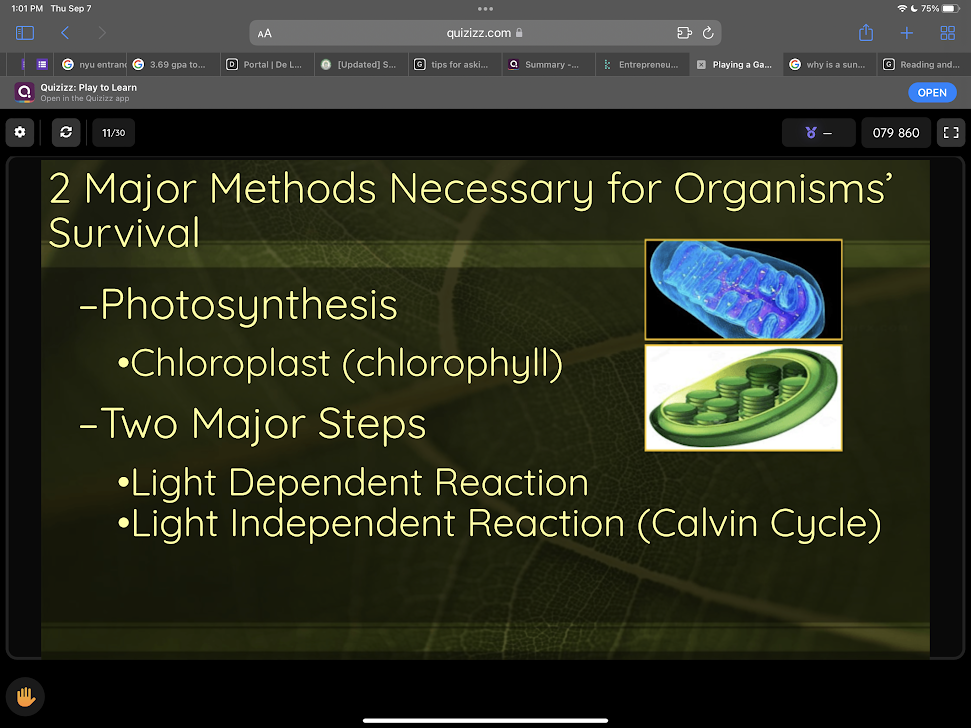
2 Major Methods Necessary for Organisms’ Survival
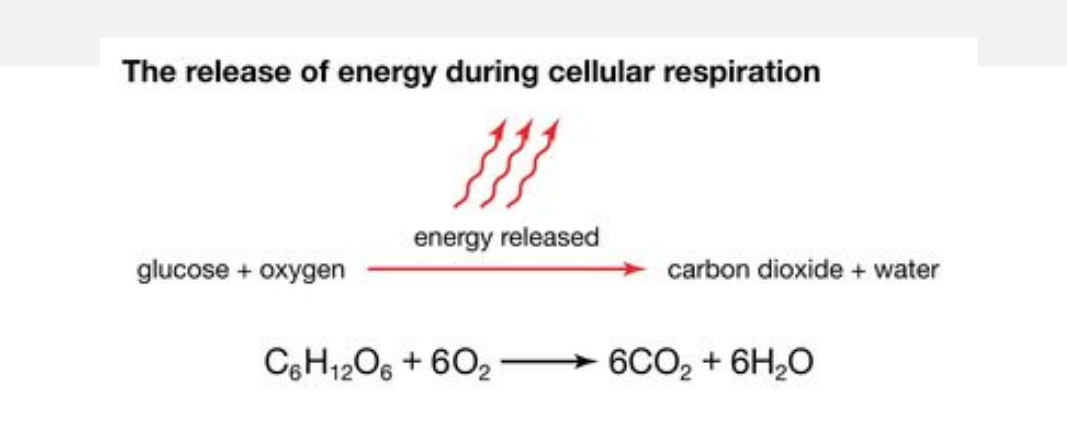
Cell Respiration
converting food into energy
catabolism
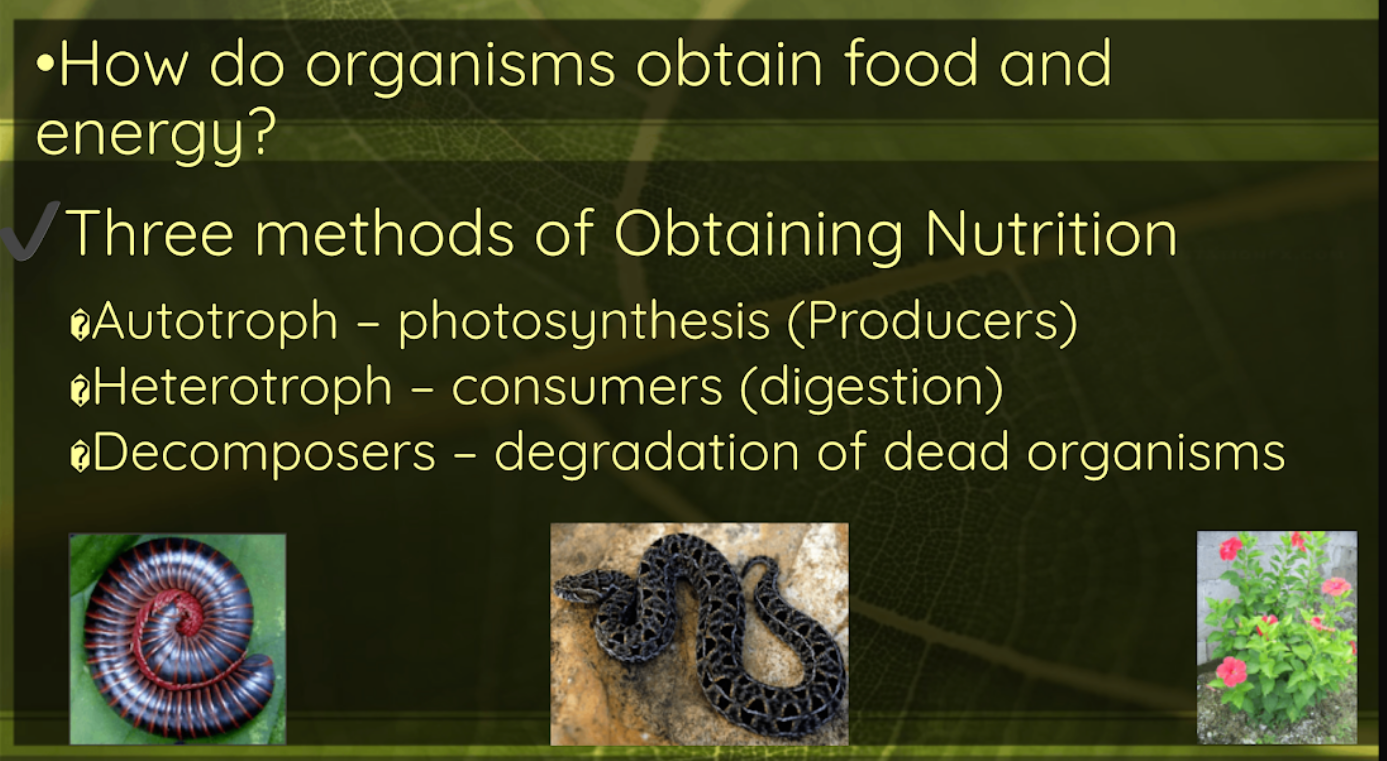
Photosynthesis
production of food
anabolism
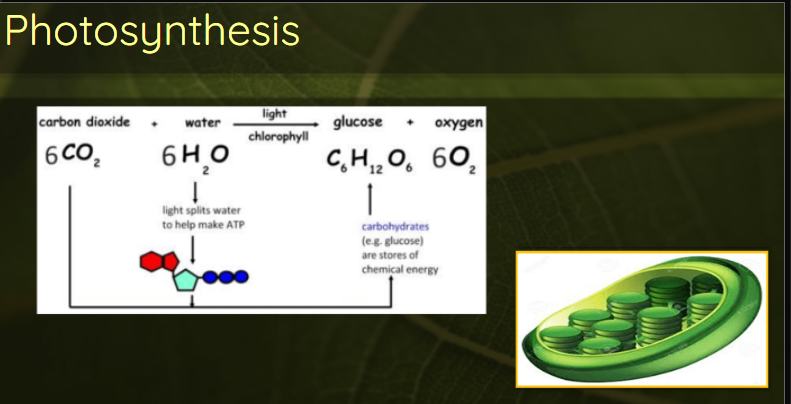
Reactants
found on the left side of the equation
when 2 of these react together, they will form their products
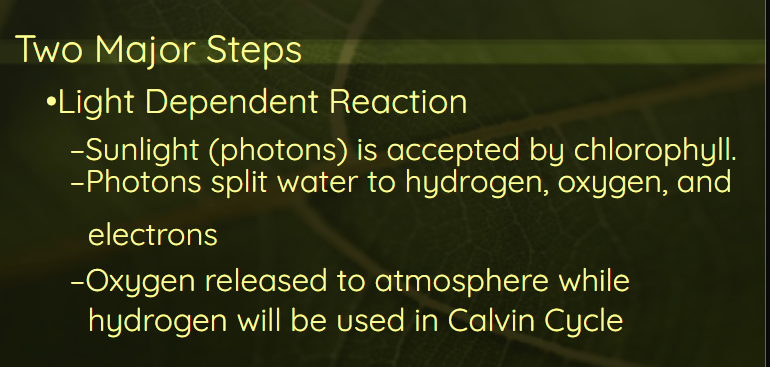
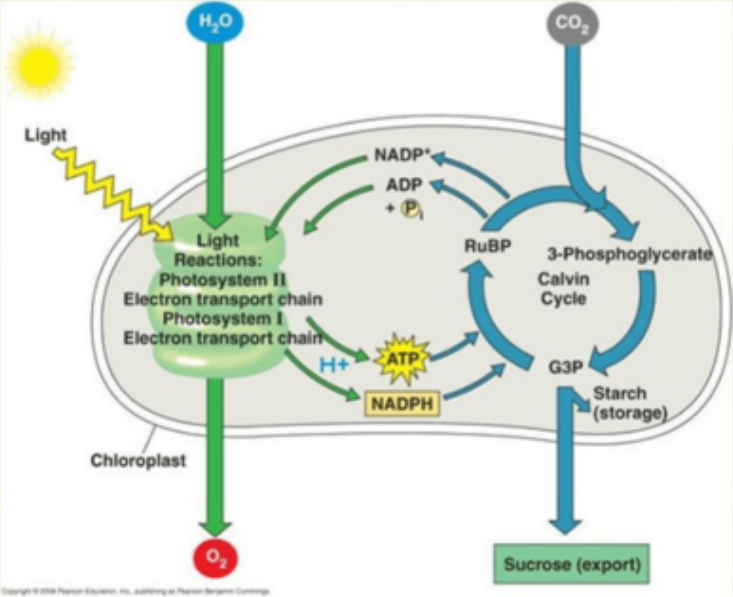 Light Dependent Reactions:
Oxygen is the primary product of Light Dependent Reactions
Chloroplast - organelle (organs of the cell)
Photosynthesis
Photons are accepted by chlorophyll (gives pigment/color to the plant) aka. chloroplast
Photolysis - presence of protons, breaks down H2O into 3.
Water splits through photolysis which creates:
Hydrogen Ions (H+)
Electrons (e-)
Oxygen (O2)
H+ & e- go through Calvin Cycle
O2 → released to the atmosphere
H+ → used to create ATPs through the process of ATP synthesis which will be used in the Calvin Cycle
e- → Calvin Cycle transferred by NADPH → NADP+
NADPH is an e- carrier (Nicotinamide Adenine Dinucleotide Phosphate) (nicotinamide = nicotine and amide)
All molecules will go through the Calvin Cycle except for the oxygen molecules.
ATP Synthesis - process of making ATP
If your NADPH contains electrons, NADP+ has no electrons. If it has an H it has electrons.
ATP - Adenosine Triphosphate
energy currency used by plant parts to do their specific functions
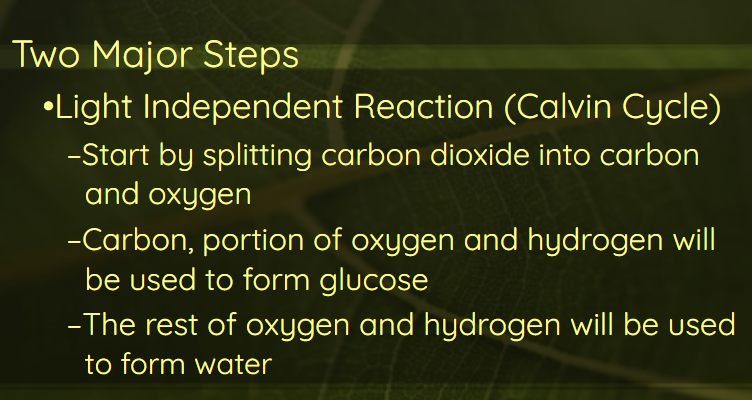
Calvin Cycle/Dark Reaction:
Splitting of CO2 (carbone dioxide) to C (carbon) & O (oxygen)
Combination of C, H2, & O forms glucose
Glucose = C6H12O6
The rest of the O & H2 makes water
ATP releases 1 phosphate group (P in ATP because it is a tri group, so 3 - 1 = 2 groups)
ADP = Adenosine Diphosphate (2 groups)
When NADPH loses electrons, it turns into NADP+
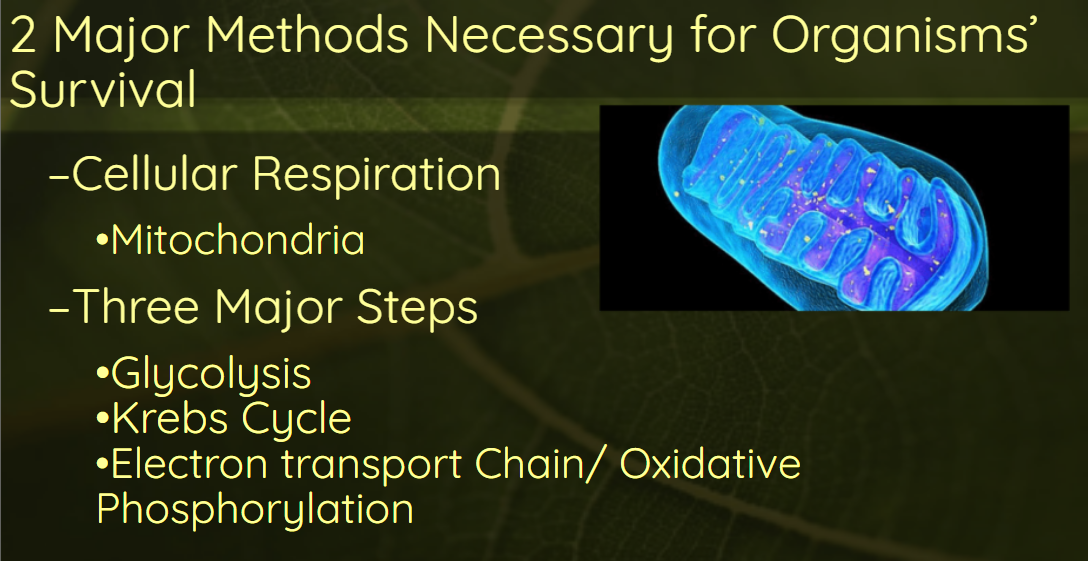
 Glyco - sugar
Lysis - breaking down
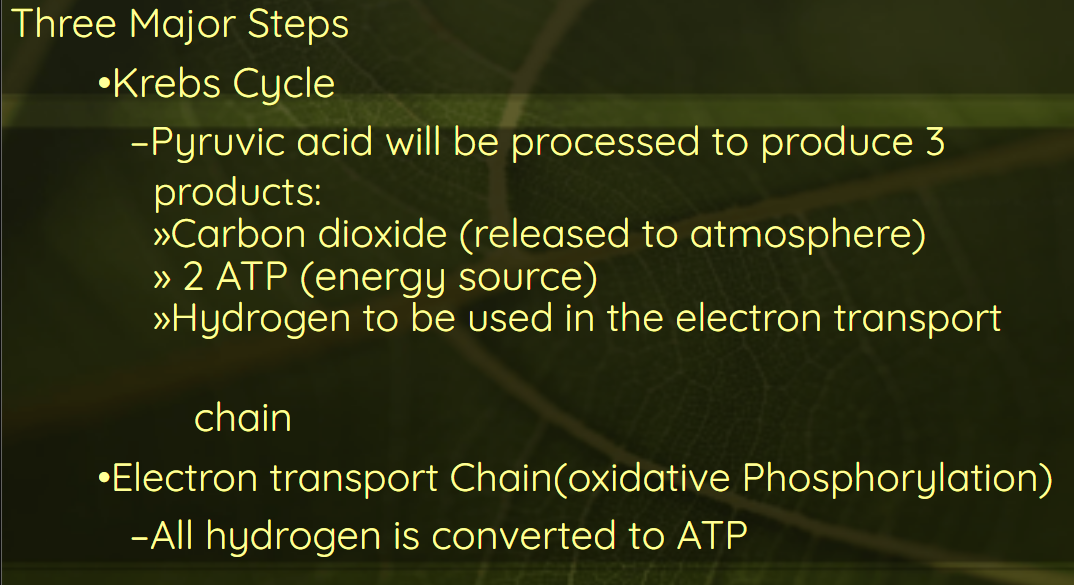
Electron Carriers in Krebs:
NADH (w/e-) → NAD+ (w/o e-)
FADH2 (FADH → flavine adenine dinucleotide hydrogen, w/e-) → FAD+ (w/o e-)
Total number of ATPs: 36 to 38 ATPs
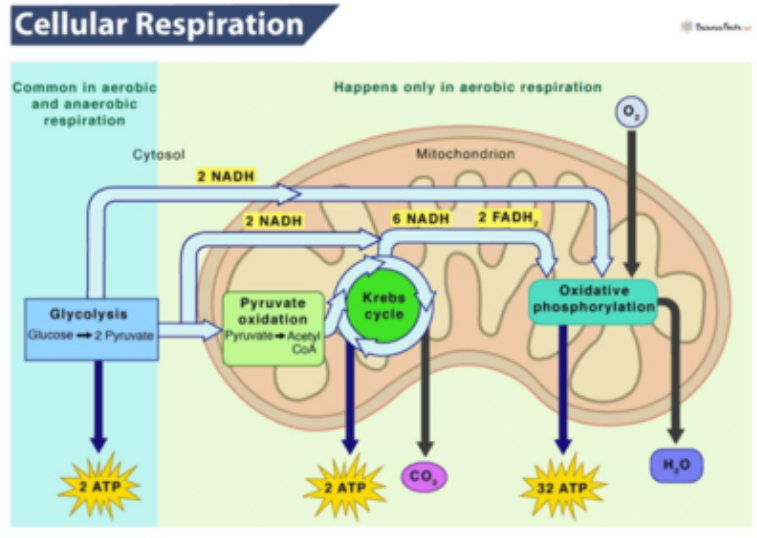
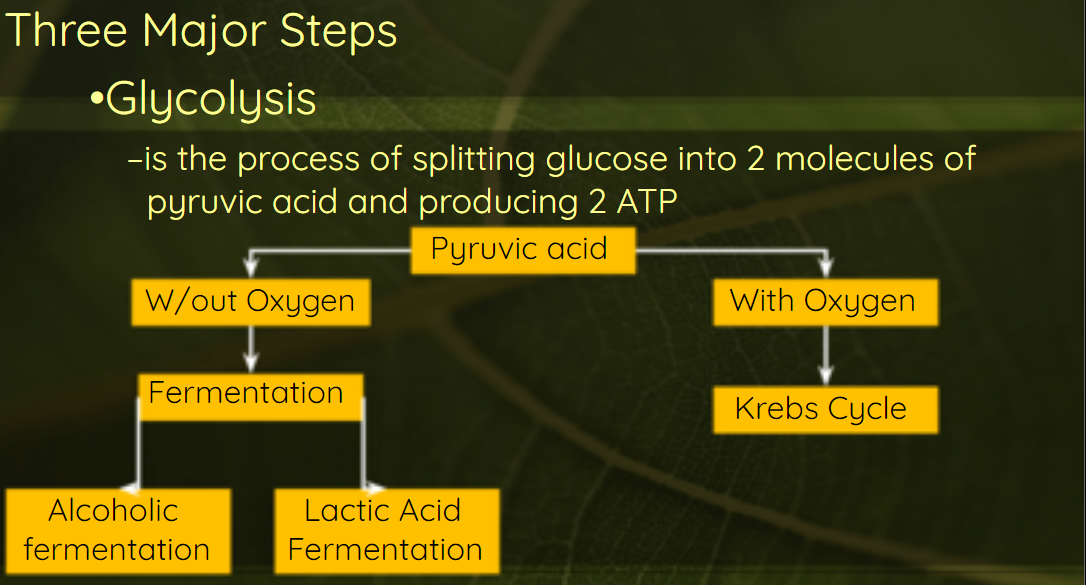
Glycolysis → happens in cytoplasm
glucose breaks down to 2 pyruvic acid
aerobic respiration = w/ oxygen
anaerobic = w/o oxygen
Cytoplasm
part of the cell
Krebs Cycle
pyruvic acid is used to create:
CO2
H+
2 ATPs
NADH
FADH2
ETC
H+ are used to create ATPs
No. of ATPs
36-38 ATP
the number depends on the electron carriers
2 Types of Fermentation
Alcohol Fermentation
creates alcohol
comes from fruits
type of fermentation where carbon dioxide is released into the atmosphere
Lactic Acid Fermentation
type of fermentation that are usually created from parts of the body like muscles