physics - energy
energy transfers + stores :
stores :
kinetic energy
gravitational potential energy
thermal energy
chemical energy
elastic potential energy
transfers :
mechanical
to move object through a distance
electrical
when charge flows (electricity)
heating
energy transferred between hotter and colder regions
radiation
energy transferred as a wave e.g light
conservation of energy - energy cannot be created or destroyed
sankey diagrams - represent the flow of energy visually by identifying energy stores, transfers and points where it could be wasted
conduction, convection and radiation
conduction : main method of energy transfer in solids
occurs when two solids of dif temp come into contact and energy is transferred from thermal store of hotter object to thermal store of colder object
energy is transferred through vibration of atoms
metals contain free electrons/delocalised electrons
convection : main energy transfer in fluids
the heat source heatssurrounding fluid particles
particles gain energy in kinetic store so move faster and further apart so become less dense
further away from heat source the particles cool and become more dense so fall back down towards heat source
convection current can move cold or hot fluids
radiation : main energy transfer in form of waves or particles
all objects emit infrared radiation
hotter object = more infrared radiation emited
black matt objects are best emitters and absorbers + when next to heat, would heat up quicker than a lighter object
shiny objects are worst emitters and absorbers

convection in everyday life
boiling water
heat passes from burner into pot, heating water from top to bottoms
radiator
puts warm air out top and draws cooler air in at the bottom
ice melting
heat moves to the ice from the air
steaming cup of tea
steam is showing heat being transferred into the air
reducing unwanted energy transfer
insulation
creates a barrier between hot and cold object that reduces heat transfer by either reflecting thermal radiation or decreasing thermal conduction and convection from one object to another
wall insulation
double glazing windows
space between panes creates an air gap that slows down thermal transfer by conduction
floor insulation
work done = energy transferred
work done = kinetic energy - gravitational potential energy
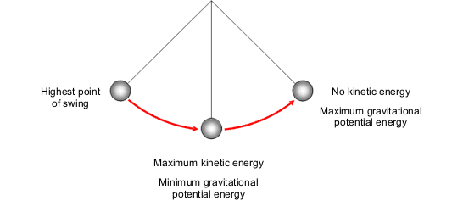
conservation of momentum in a pendulum
at top of swing, it has the highest GPE (furthest from earth) and the lowest KE (as it slows to a stop)
at the bottom of the swing, it has the lowerst GPE (closest to earth) and the highest KE (swings very quickly at this part)
energy is being conserved; its constantly changing between different forms, and the only reason why energy is lost from the pendulum making it slow down is because some energy is converted into heat or sound
energy transfers involved in generating electricity using:
wind
wind turbines
wind turns the propeller-like blades of a turbine around a rotor, which spins and generator, which creates electricity
water
hydropower
water flows through a pipe/penstock
spins the blades in a turbine
spins generator
creates electricity
geothermal resources
reservoirs of hot water that exist or are humandmade at varying temperatures and depths below the earth’s substance
solar heating system
when this material is exposed to photons of sunlight (very small packets of energy) it releases electrons and produces an electric charge
solar cells
when the sun shines onto a solar panel, energy from the sunlight is absorbed by the PV cells in the panel
this energy creates electrical charges that move in respone to an intenral electrical field in the cell
causes electricity to flow
fossil fuels
fossil fuels are burned to produce energy
they are burned in the presence of oxygen
as the fuel burns, the heat energy is used to heat water, as it is heated it produces steam which in turn rises and drives a turbine
nuclear power
heat produced during atomic fission to boil water and produce pressurized steam
steam is routed through the reactor steam system to spin large turbines blades that drive magnetic generators to produce electricity
advantages and disadvantages of methods of large-scale electricity production from various renewable and non-renewable resources:
advantages :
renewable energy sources like the sun, wind and water is that they will never run out
disadvantages :
non - renewable resources are not only finite
cost more as their availability declines and requaire more extreme extraction methods with greater environmental impacts