Growth
What is growth?
the process of developing physically, mentally or spiritually
progressive development
increase in size, complexity, development, etc.
Quantities of growth
physical (height and weight)
abstract (maturing of organism)
Growth involves a positive change that occurs over time
to measure growth, it must be measured at least two times
Can growth ever be negative?
yes
regression, atrophy
old people
Why don’t we see negative growth in livestock?
harvested early in life cycle
breeding livestock stop producing before significant net loss
Types of growth
population growth
human population
cell culture or bacterial population
continues to increase
organismal growth
total growth
growth rate
fractional growth
we die
Types of growth within cells
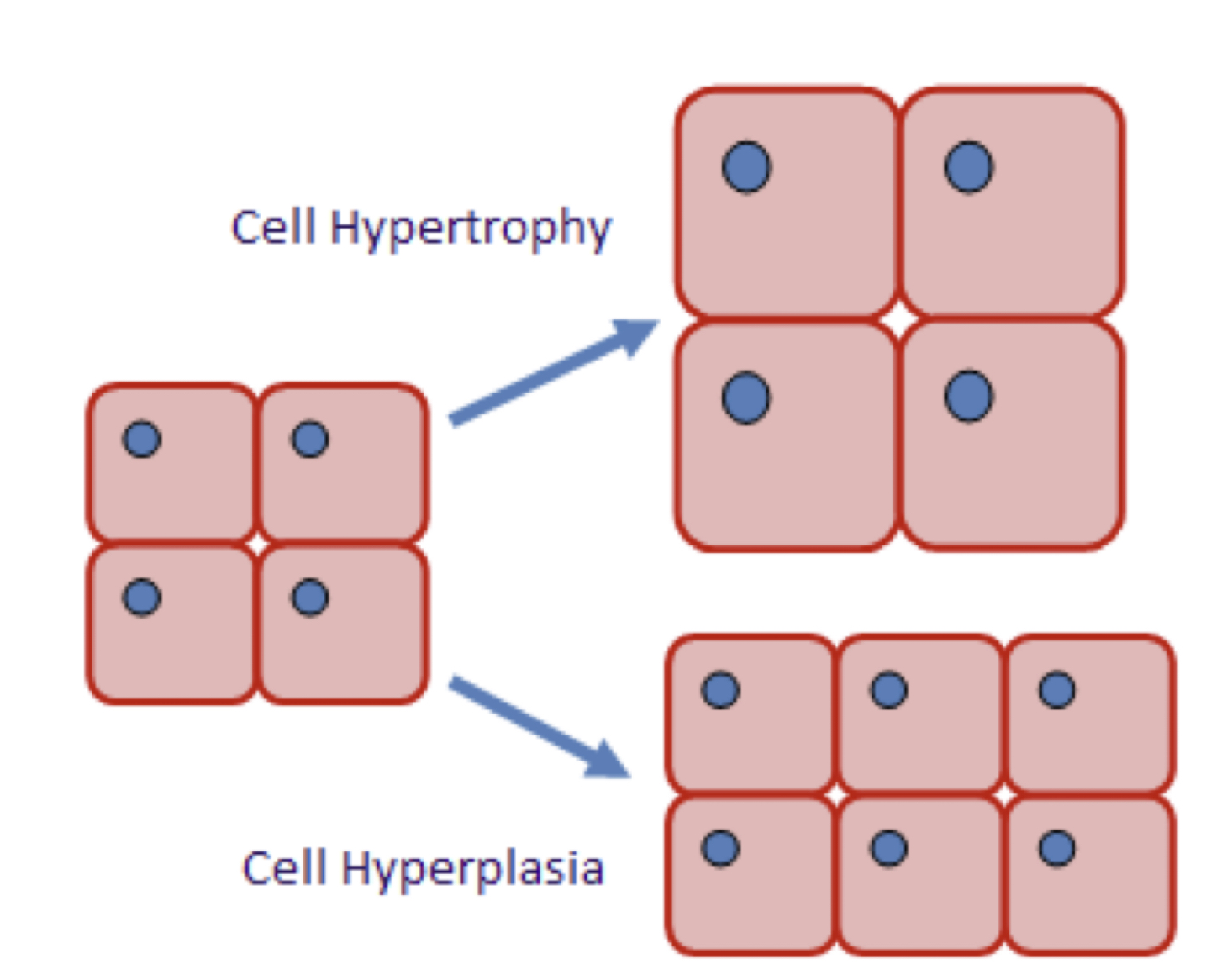
hypertrophy
cell growth in size
nutrients, hormones, growth factors, environment
hyperplasia
cell multiplication (mitosis)
Periods of growth
early pregnancy
mostly placenta, fluids and hyperplasia of embryo
late pregnancy
primarily hypertrophy
post-natal
primarily hypertrophy
History of growth
Sir John Hammond (1889-1964)
early pioneer of animal physiology
recognized patterns of growth
growth my organ/tissue system priority
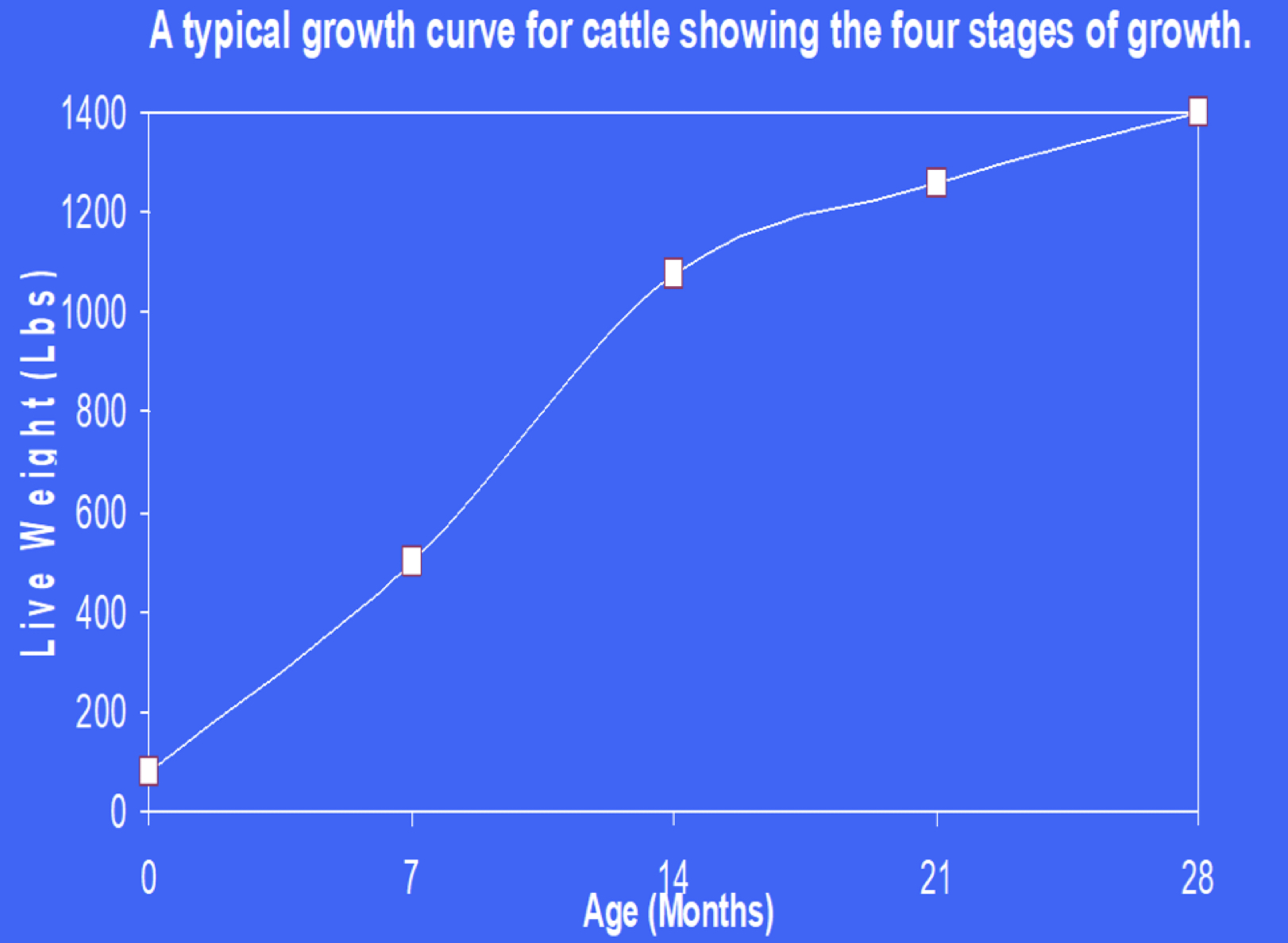
sigmoidal curve
C. P. McMeeken
planes of nutrition
bone, muscle and fat deposit differently
used hammond’s research
How to we measure growth?
changes over time → equation
total growth
total growth from time
1to time2weight EX: ΔW= W
T2- WT1growth rate
rate of change between a certain time
weight EX: ΔW= W
T2- WT1,ΔW/time
How do we measure organismal growth
not smooth like population
“stair step”
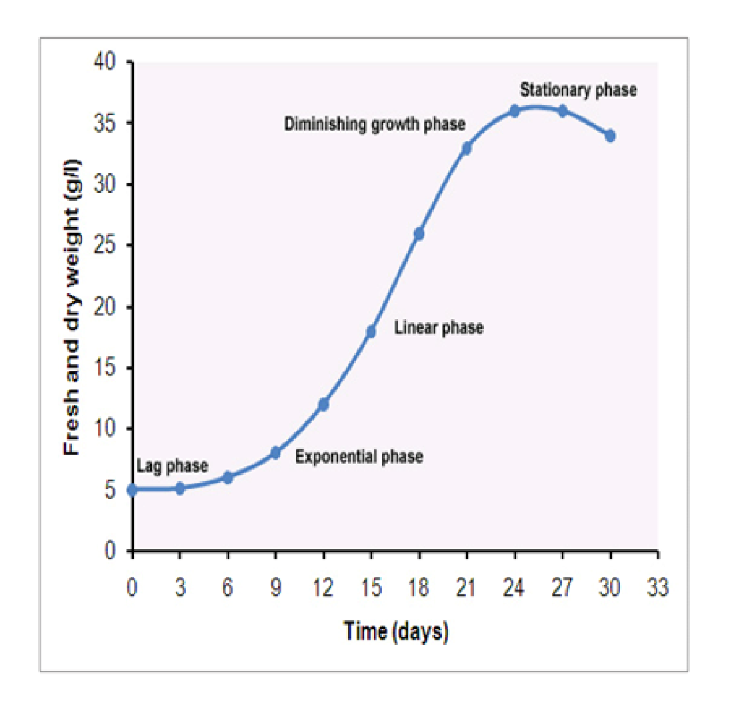
creates an S-Shaped Curve with different phases
initial
exponential phase
linear phase
deceleration phase
final
steady-state, or maintenance phase
 Factors that affect growth
Environment
climate, social order, pre-natal and post-natal factors, activity level
Hormones
sex hormones, adrenal gland function, growth hormone, IGF
Genetics
species, breed, frame size, sex
Nutrition
physiological status, ration quality/amount, pre/post-natal nutrition
Health
diseases, puberty, veterinary management, stress
What is development?
occurring during the time of growth
advancement, maturity, conformation
increase in size complexity, maturation, etc
occurs over time
Dr. Wettemann
changes in body conformation and shape and the coordination of body processes
acquisition of functions different from those of the original cell type, a result of altered gene expression
lower state → higher state of complexity
differentiation
generation of cellular diversity
morphogenesis
organization of different cells to tissues
nervous, epithelial, muscle, connective
2-6 cell
2n → CNS, bone, muscle, fat
why do we mainly care about these parts?
marketable parts, important for animal and consumer
When does development start?
stages of prenatal development
ovum phase
from fertilization to implantation
embryonic phase
from implantation to fetal stage
fetal phase
from beginning of fetal stage to parturition
Take homes:
what is growth?
who are the major contributors
hypertrophy vs hyperplasia
how do we measure it
periods of growth
sigmoidal curve
what is development
periods of development