Biostat
Evidence-Based Medicine
Ask question
Find evidence
Assess/Appraise evidence
Apply evidence
Scientific Method
Make observation
Ask research question
PICO:
Patient Problem
Intervention, prognostic factor or exposure
Comparison
Outcome
Perform literature search
Reassess research question
Construct hypothesis
Conduct experiment to test hypothesis
Collect and analyze data
Primary
Collect data specifically to answer research questions
Engage the subject directly in some fashion
Self-reports (surveys/interviews), observations (obtrusive or unobtrusive), biological assessments (laboratory tests)
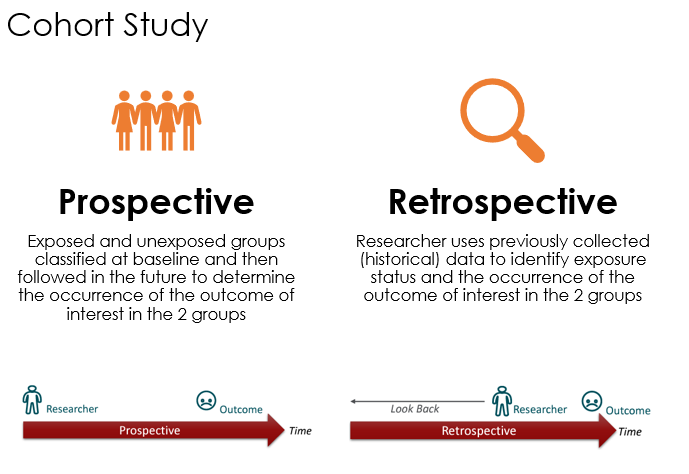
Often used in prospective studies
Secondary
Uses data already collected for other purposes; examples include medical charts and medical claims
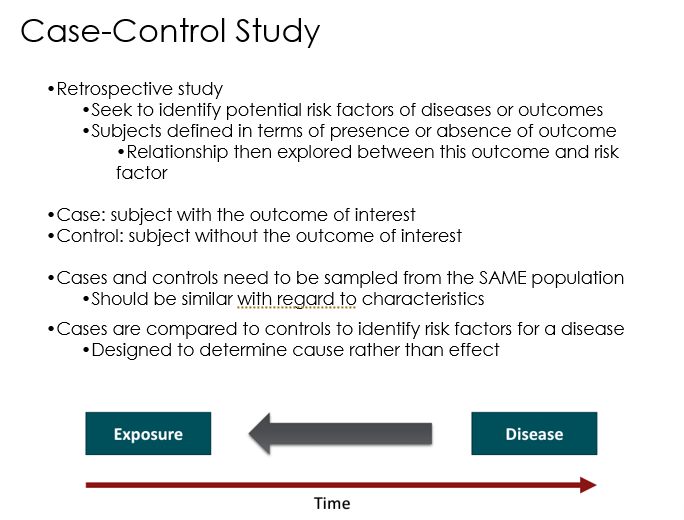
Often used in retrospective studies
Draw conclusion
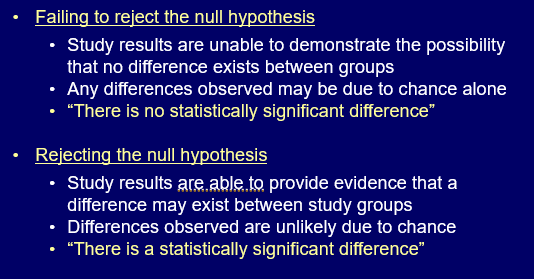
rejecting or failing to reject the null hypothesis
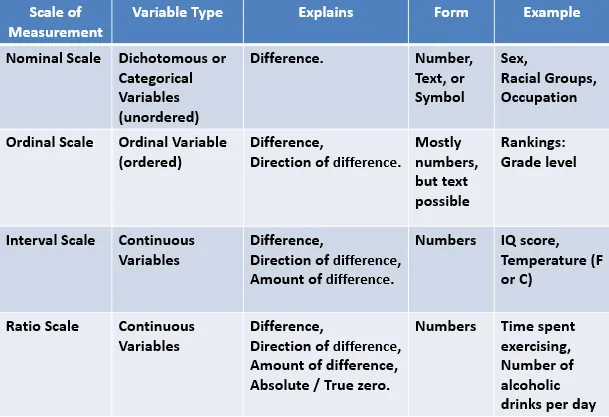
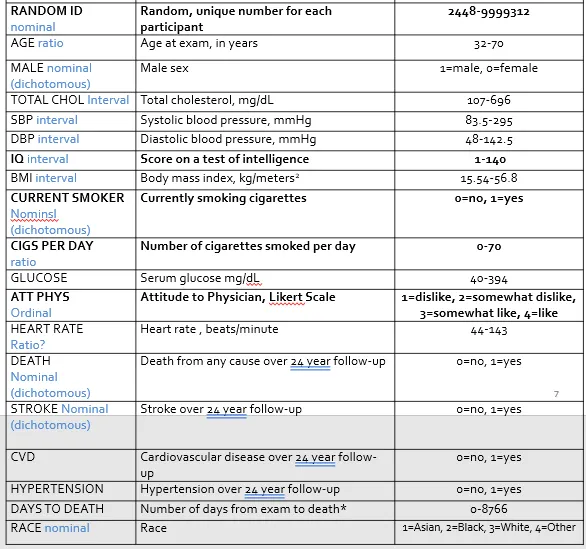
Independent variable:
a variable that is manipulated by the experimenter to determine its effects on the dependent variable
Dependent variable:
the outcome variable that we hypothesize will be related to, or caused by changes in the independent variable
Confounding variable:
a type of extraneous variable (a variable that is not the focus of the study) that is not controlled for and can have an impact on the independent and/or dependent variable
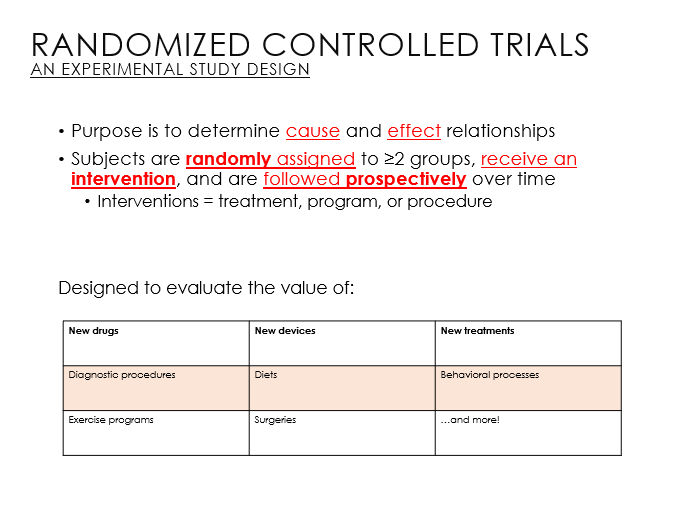
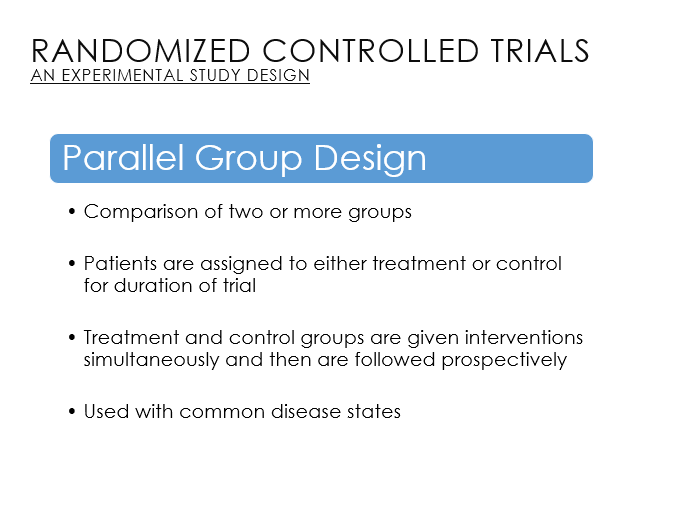
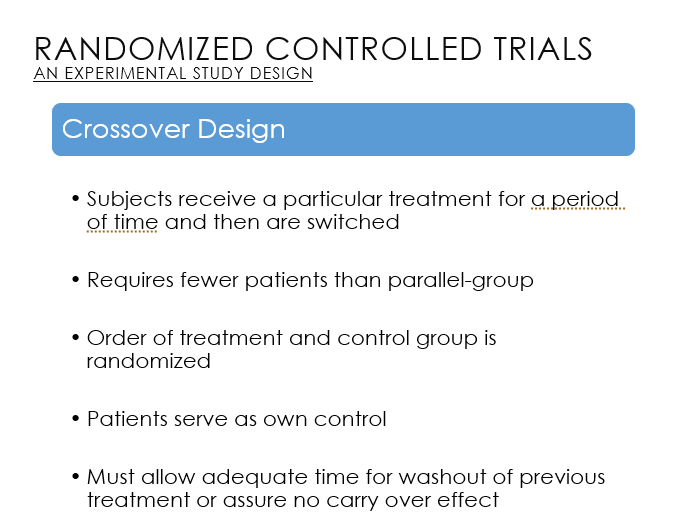
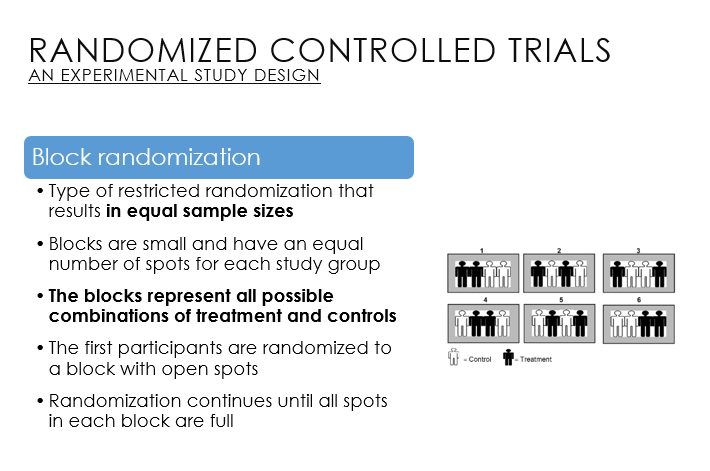
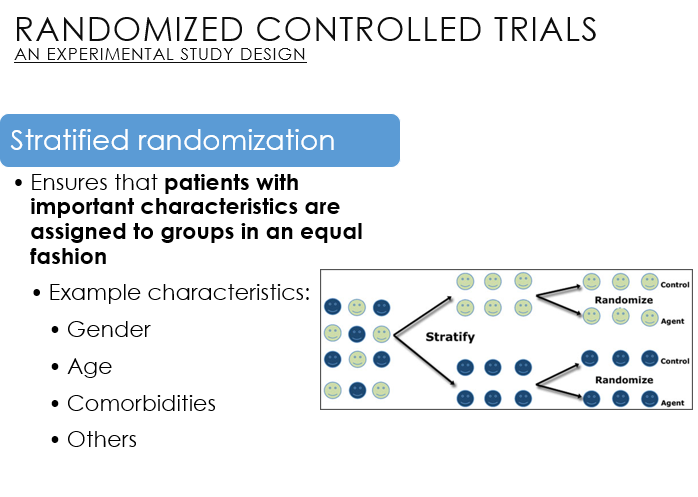
Random Assignment
Every participant has an equal chance of being assigned to any of the groups or experimental conditions of the study

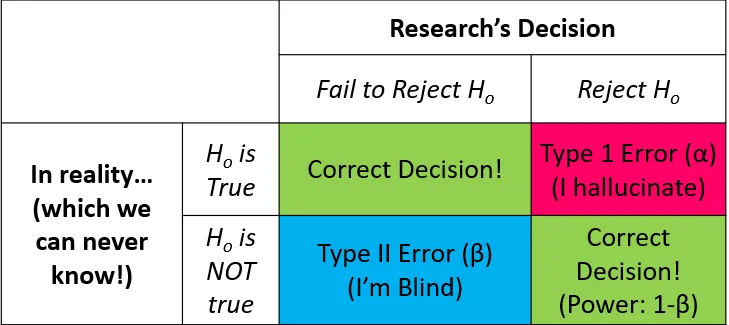
Your Decision | Underlying “Truth” | |
H0 is true | H0 is false | |
Fail to reject H0 | No error | Type II error |
Reject H0 | Type I error | No error |