Nucleic Acids
Understanding Nucleic Acids
• Nucleic acids are large, complex molecules that store and transmit genetic information.
• They are the body's instruction manuals for building cells, proteins, and even ourselves.
Types of Nucleic Acids
• DNA (Deoxyribonucleic Acid): A permanent instruction manual.
• RNA (Ribonucleic Acid): A photocopy for carrying instructions.
General Properties of Nucleic Acids
• Composed of Carbon, Hydrogen, Oxygen, Nitrogen, and Phosphorus (CHONP).
• Built from Nucleotides (building blocks).
• Large and Complex: DNA is like a library of books, while RNA is an efficient courier service for specific instructions.
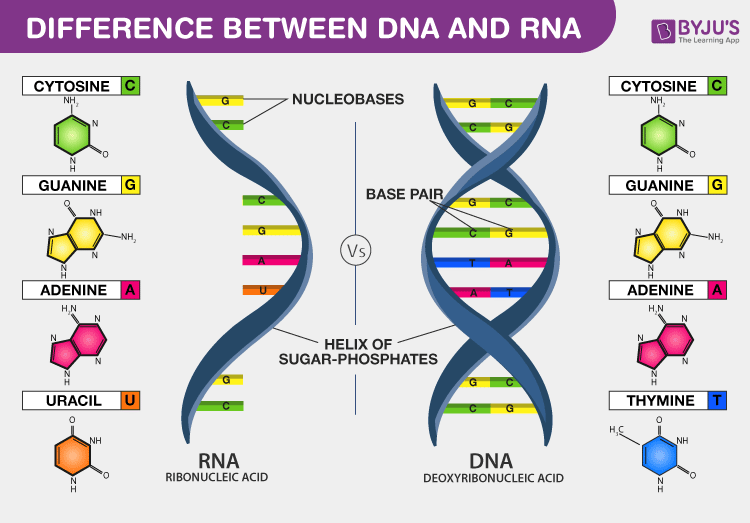
• Double-Stranded or Single-Stranded: DNA is a double helix, while RNA is a single-stranded.
Nucleotide Structure
• Made up of a Phosphate Group, Sugar Molecule, and Nitrogenous Base.
• DNA stores genetic info long-term and helps make proteins.
• RNA swaps Thymine for Uracil.
Differences Between DNA and RNA
• DNA stores genetic information, RNA transfers information, and DNA ensures inheritance.