Biology Module 1 - Cells as the Basis of Life
Animal Cells
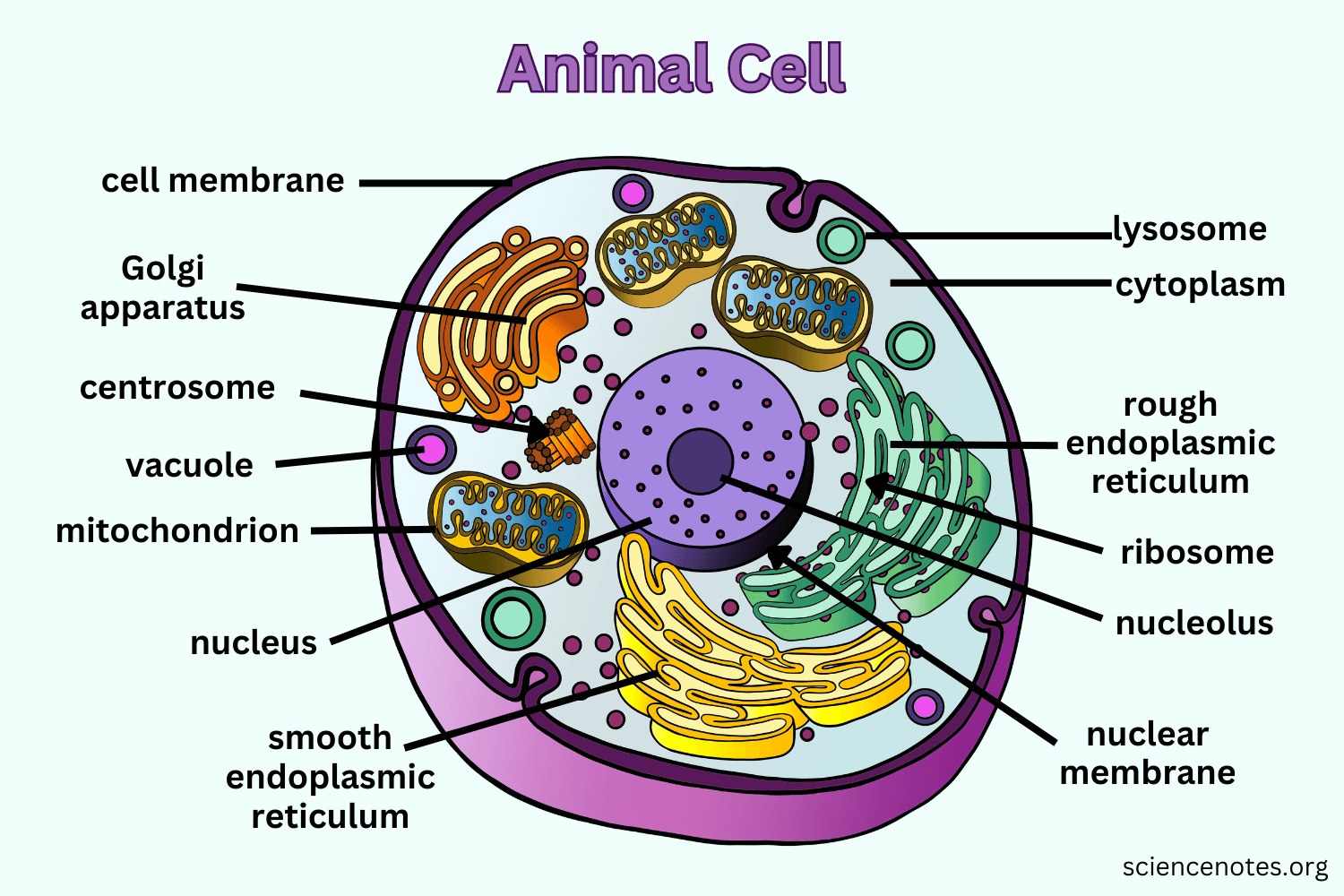
Nucleus: membrane bound organelle containing DNA
Mitochondria: site of respiration
Cell Membrane: semi-permeable layer separating inside and outside of the cell
Lysosomes: contains digestive enzymes which break down foreign bodies
Vesicle: small membrane contains food or liquid
Endoplasmic Reticulum: carries information from nucleus to ribosomes
Ribosomes: synthesises proteins
Golgi Apparatus: controls movement of large substances in and out of the cells
Plant Cells
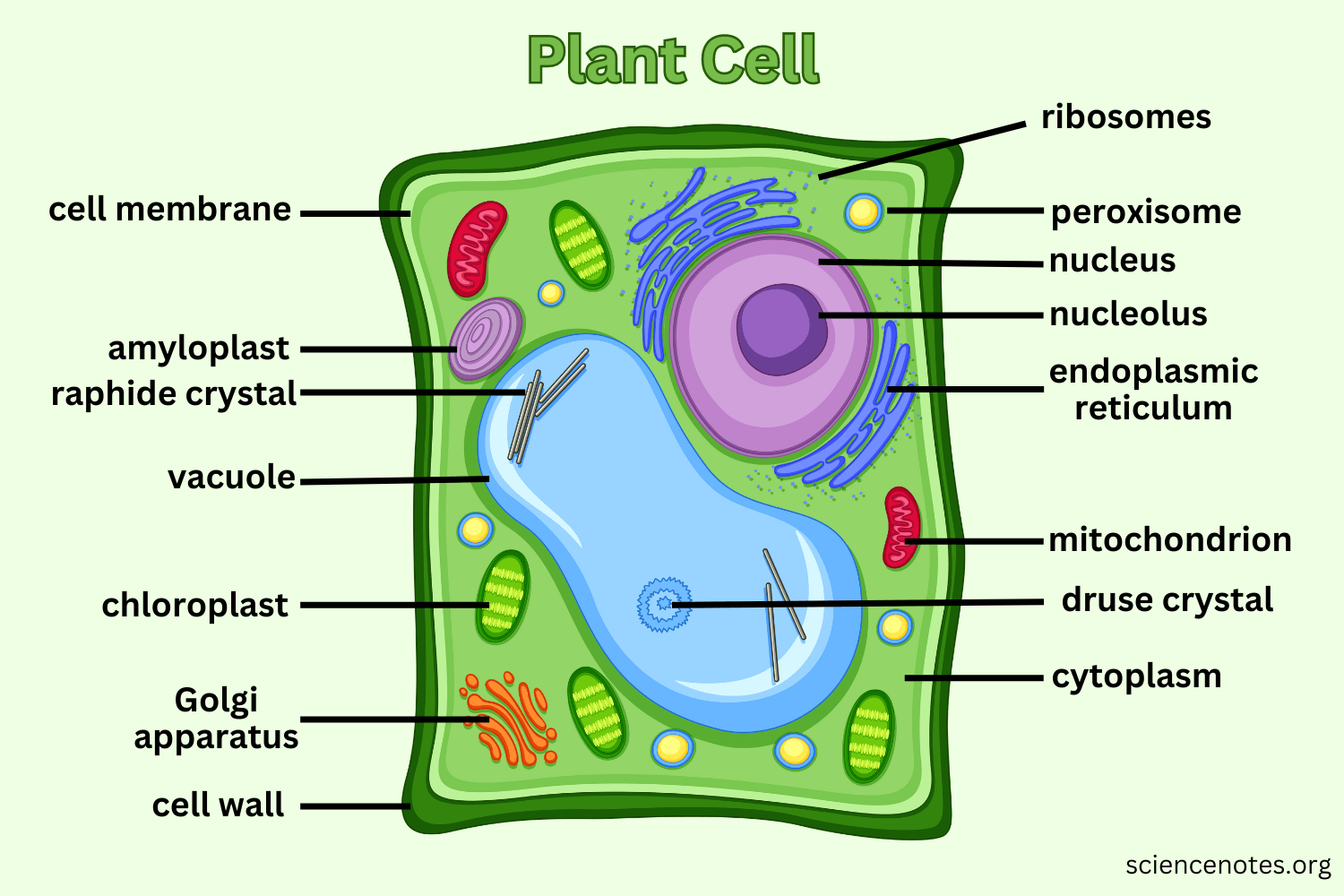
Cell wall: rigid structure
Vacuole: water storage
Chloroplast: contains green pigment chlorophyll which undergoes photosynthesis
What is a Cell
Basic structural, functional and biological unit of all living organisms
Smallest unit of life
Cell Theory
All living organisms are composed of cells; unicellular or multicellular
The cell is the basic unit of life
Cells arise from pre-existing cells
The modern version of the cell theory includes:
Energy flow occurs within cells
Heredity information (DNA) is passed on from cell to cell
All cells have the same basic chemical composition
Cell Types
Prokaryotes
Most organisms that are composed of prokaryotic cells are unicellular
Range in diameter from 0.1 - 5.0 µm
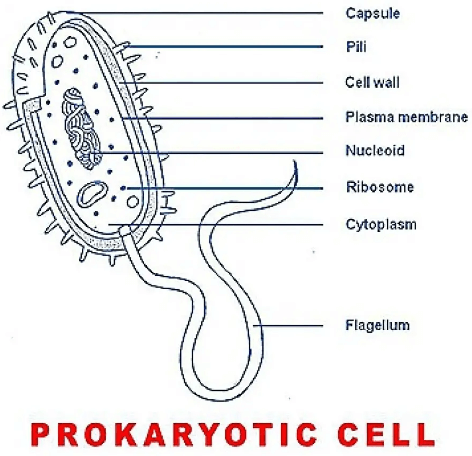
4 mains structures ALL prokaryotic cells possess → cell membrane, cytoplasm, ribosomes and genetic material
NO MEMBRANE BOUND ORGANELLES
Some of the cells contain → pili, capsule, cell wall, flagella
Examples → E.coli, streptococcus, salmonella
Eukaryotes
Mostly in multicellular organisms
More complex than prokaryotes
Range in diameter from 10 - 100µm
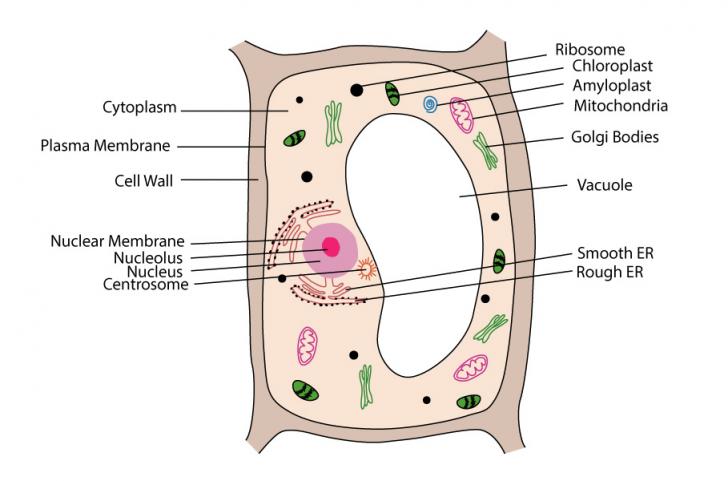
Genetic material located in membrane bound nucleus
Some unicellular examples → paramecium, amoeba, euglena
Examples → animal cells, plant cells, fungus cell
MEMBRANE BOUND ORGANELLES
Organelles
What is an Organelle
One of the several structures with specialised functions, suspended in the cytoplasm of a cell
Bound by a membrane in eukaryotic cells
Cell Membrane
Separates the cell from its external environment
Selectively permeable (controls what goes in and out)
Protects the cell and provides stability
Nucleus - control centre of the cell
Stores all the information needed to control all cell activities
Surrounded by a double nuclear membrane pierced by tiny pores
Pores regulate the passage of substances between the nucleus and cytoplasm, allowing communication
The nucleoplasm holds the DNA
Nucleolus
Dense granular region in the nucleus
Holds some DNA, mostly RNA (production of proteins)
Responsible for the manufacture of ribosomes
Endoplasmic Reticulum
Transports and processes proteins/lipids
Provides a connection of pathways between the nucleus and the cells environment
Rough ER (attached ribosomes) folds and processes proteins made by the cell and synthesises lipids
Smooth ER is the main site for lipid production, essential for membrane repair and maintenance
Ribosomes
Protein synthesis
carries out genetically coded instructions of DNA to produce any protein necessary for cell functioning
Amino acids are joined to form polypeptides which make proteins
Newly made proteins pass for ribosomes to the ER for folding
Golgi Body
Processing, packaging and storing cell products
Stacked flat membranes
Add proteins and carbohydrates to cell products
Membrane acts as a label for determining if they stay inside or go out of the cell
Lysosome
contain digestive enzymes that break down organelles into simpler compounds which can be used to create new organelles
Activated for apoptosis (cell death)
Mitochondria
Site of respiration
Produce energy in the form of ATP (adenosine triphosphate)
Number of mitochondria in a cell depends on how much energy the cell needs to carry out its function
Inner membrane is folded to increase surface area (SA)
Contains mitochondrial DNA
Vacuole
Large permanent, fluid filled sacs in the centre of plant cells
Cell sap inside a membrane is used to store water and provide support for the plant cell, keeping them turgid
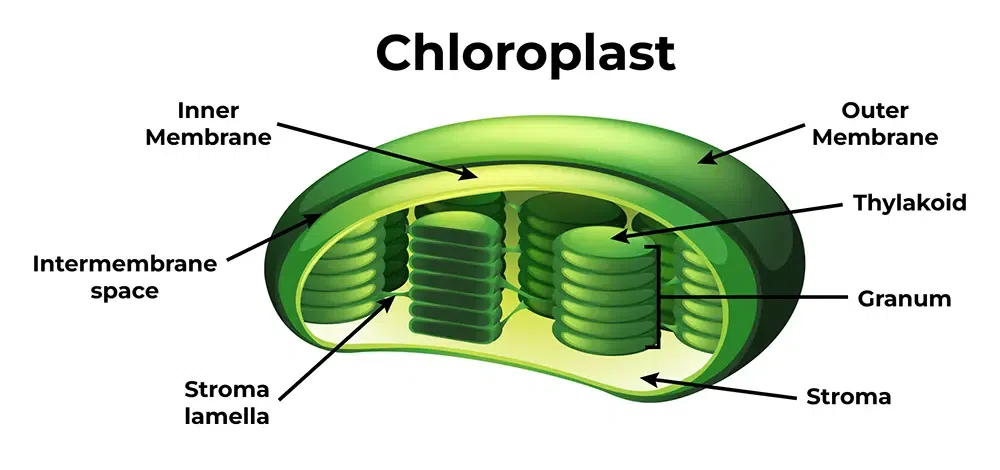
Chloroplast
Green organelles due to the chlorophyll they contain
Responsible for photosynthesis → manufacturing sugar
Contain their own DNA
Chlorophyll placed in stacks called Thylakoids
Chlorophyll catches light for photosynthesis

Cell wall
Surrounds plant cell membrane
Not selective
Structure allows for strength and support
Somewhat flexible to allow for pressure
Centrioles
Important role in cell division
Holds chromosomes in a dividing cell
Spindle production
Cytoskeleton
Framework for the shape of the cell
Keeps organelles in place
Not selective → anything can go in or out
Semi-selective → chooses what goes in or out
Technologies used to determine cell structure
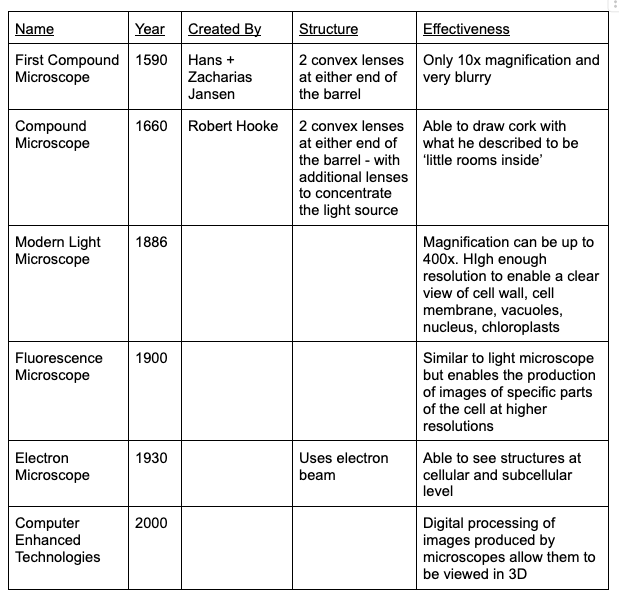
Centrifugation
Separates cell parts
Allows photosynthesis to occur in chloroplast that were removed from cells
Chromatography
Wavelengths of light absorbed can be investigated
Tissue Culture
Plant, animal, and immature cells have been cultured to allow experiments that would not be possible on whole organisms
To understand the process of cell differentiation
Microscopes and Scales
Micrometers are used in cells
1µm = 0.001mm
Red Blood Cells → 8µm in diameter
White Blood Cells → 12 - 15µm in diameter
Using the field of view, we estimate cell size
Cell Membrane
Fluid Mosaic Membrane
Cell membrane controls the exchange of materials between the internal and external environments of the cell
The structure of the cell membrane allows the concentration of substances inside cells to remain fairly constant and different to the external environment
Lipid Component
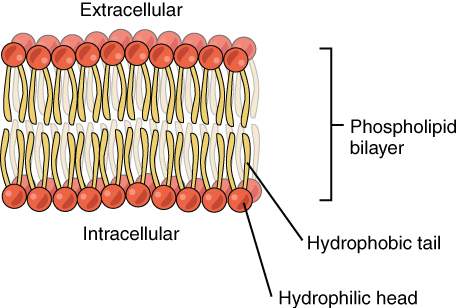
‘Fluid’ part of the cell membrane is composed of 2 layers of phospholipids forming a phospholipid bilayer
The head is made of a hydrophilic phosphate head
Hydrophilic → ‘water loving’ as it is able to dissolve/absorb in water
The tail is made of hydrophobic fatty acids
Hydrophobic → ‘water hating’ unable to dissolve/absorb in water
Water attracting heads are placed outwards and tails are positioned inwards → forming a bilayer (not rigid in structure)
Cholesterol (type of lipid) is interspersed among the phospholipid molecules in animal cells
Cholesterol makes membrane more flexible and able to repair itself
Cell membranes can change shape and grow or break and reassemble themselves during processes such as cell division
Membrane Proteins
Protein molecules are scattered throughout and suspended in the lipid bilayer
Some form channels that allow substances to enter and exit the cell
The proteins are described as ‘floating’ in the lipid bilayer → giving the mosaic effect
Adhesion proteins → link cells together and help maintain the cells 3D shape
Transport Proteins → Acts like a passageway that allow specific substances to move across the membrane. This protein acts as a tunnel for larger molecules in facilitated diffusion
Recognition Proteins (glycoproteins) → Proteins with carbohydrate molecules attached. These proteins identify the cell and are called antigens. They allow the immune system to distinguish foreign particles and the body’s own cells
Receptor Proteins → different in different types of cells. They cause cells to respond only to certain signals from substances such as hormones that bind them, giving the specific functions
Substance Movement
Why is movement needed
Function effectively → must interact with its surrounding environment and with the cells that surround it
Substances required by the cell → move in through the membrane
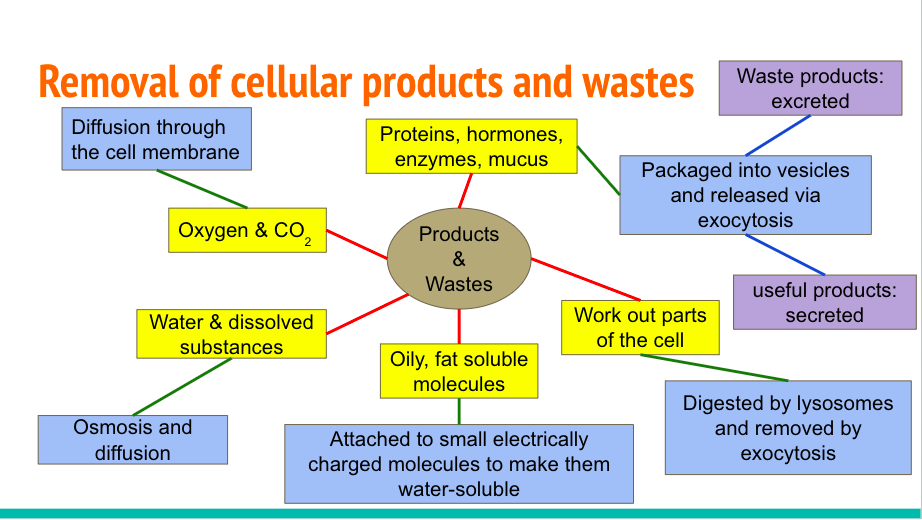
Waste substances and cell products → move out through cell membrane
What Substances
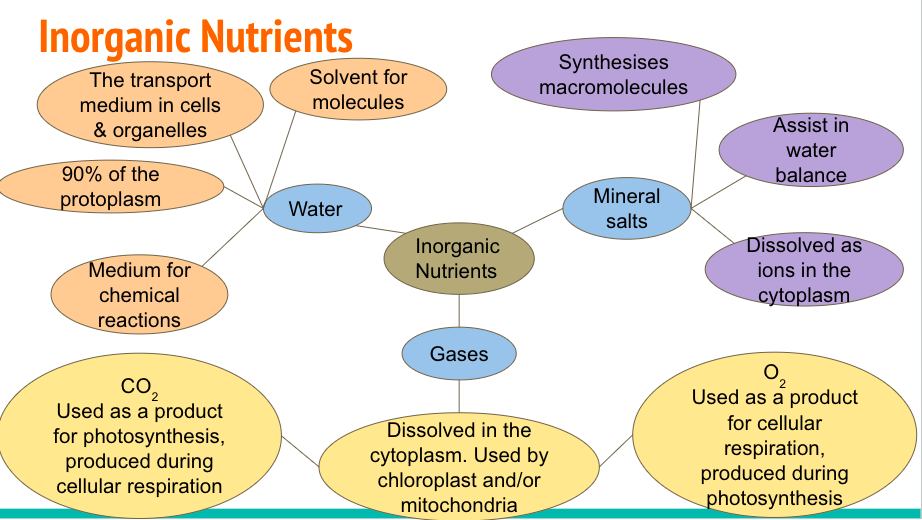
In → gases (CO2 & O2), nutrients (sugars, amino acids, fatty acids, glycerol), water, mineral salts (solutes)
Out → waste products (urea, uric acid), products secreted by the cell (mucus, hormones)
In both plant and animal cells the cell membrane is in direct contact with the cytoplasm inside the cell
The cellulose wall is fully permeable whereas the cell membrane is selectively permeable
Permeability of a membrane depends on
Size → small molecules can move across membranes quickly, larger molecules have difficulty
Electrical Charge → charged molecules are not lipid soluble and have a low permeability. Neutral molecules like CO2 and O2 gas have high permeability
Lipid Solubility → water soluble molecules have difficulty penetrating lipid bilayer. Lipid soluble molecules have no trouble (urea, ethanol), whereas water and ions rely on carrier proteins to transport through membranes
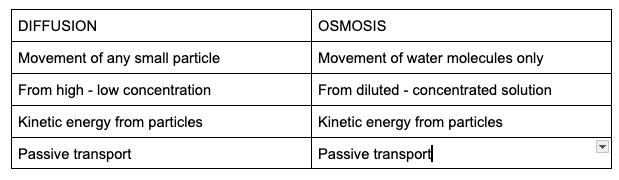
Osmosis - Passive Transport
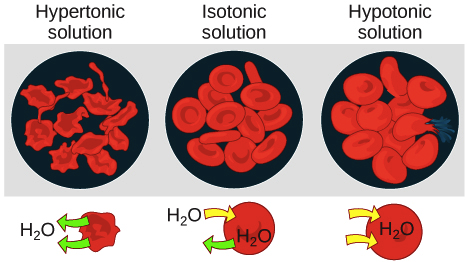
Movement of water molecules through a selectively permeable membrane (lipid bilayer) into a region of high solute concentration
Aims to equalise the solute concentration on 2 sides
Requires no energy
Hypertonic → “too much” higher solute, water moves out of the cell to try and balance it out
Isotonic → balanced
Hypotonic → “not enough” low solute concentration
Diffusion - Passive Transport
Movement of any molecules from a region of high concentration to s region of low concentration
Occurs when the equilibrium has been reached (when the same concentration of substance is in both regions)
Movement is ‘along the concentration gradient’
Rate of diffusion changes depending on the concentration gradient and temperature (greater the difference, the faster the rate) (hotter the faster)
Doesn’t pass through a membrane
Facilitated Diffusion
Passes through membrane using integral proteins → proteins stuck in membrane
Relatively large molecules and charged particles require types of transport proteins
Carrier and channel proteins assist this diffusion
Carrier Proteins → bind to molecules on one side of the membrane, change shape and release the substance on the other side. The direction of movement depends on the concentration gradient
Channel Proteins → Ions diffuse rapidly through the cell membrane, from high ion concentration to low, via narrow passageways called channels. The proteins are specific for particular ions
Active Transport
Movement of a substance from low concentration to high concentration across a cell membrane
Requires energy and carrier proteins
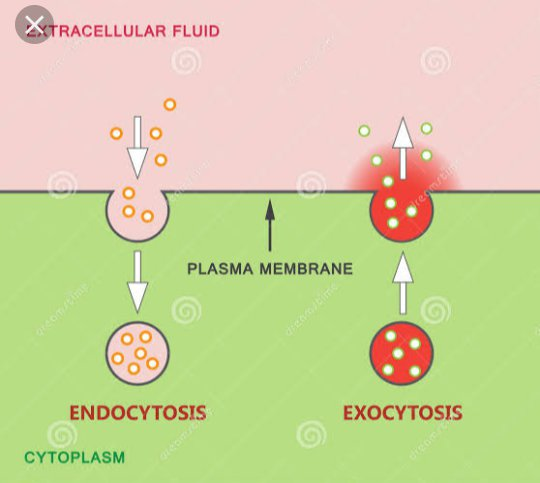
Endocytosis - Active Transport
When a large particle has to be moved into a cell, the cell membrane can change its shape to surround the particle and engulf it
3 types: Phagocytes → engulfing of solids, the cell engulfs its prey and the membrane fuses and a vesicle is formed in the cytoplasm, Pinocytosis → the engulfing of liquids in the same way, Receptor Mediated Endocytosis → the cell binds to specific extracellular components
Exocytosis - Active Transport
Specialised animal and plant cells produce a variety of substances that are useful elsewhere in the organism e.g. antibodies, neurotransmitters, enzymes
Cells produce waste that needs to be removed
The substances are surrounded by a membrane bound vesicle and transported to the external environment
This vesicle fuses with the cell membrane and the contents are released
Exchange of Materials
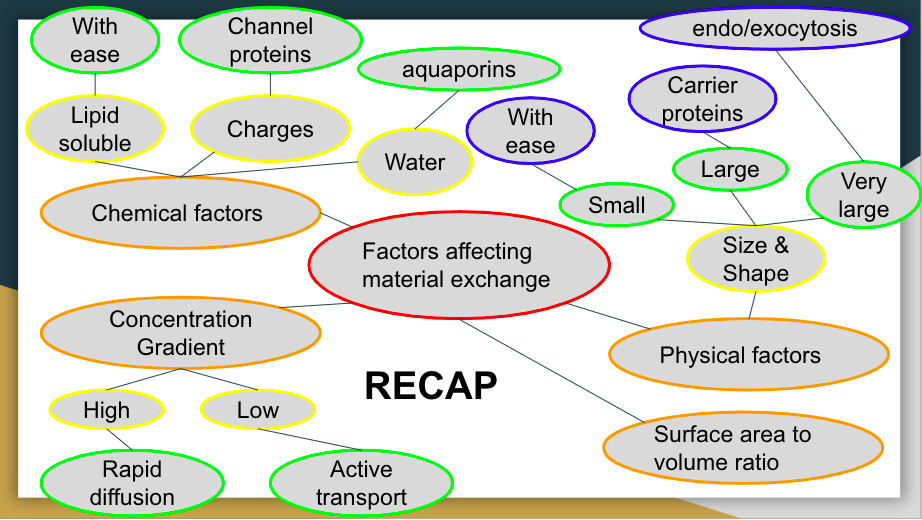
Surface Area → amount of area exposed on the surface = 6x²
Volume → amount of 3D space an object occupies = x³
Surface Area to Volume ratio (SA:V) → as the surface area increases, the volume increases and SA:V decreases (the smaller the cell, the bigger the ratio)
Cell needs to have enough SA to supply its volume with requirements and remove waste
A smaller cell allows a faster movement of substances between the centre and the surface of the cell allowing optimum function (substances can move quicker and waste be can removed more efficiently)
A large cell will reach a point where inward and outward movement by diffusion would be inefficient
Root hairs in plants → cover the root tips of most plants which increase the SA through which water and mineral salts are absorbed
Villi in animals → small fingerlike projections of cells that line the small intestines increasing the SA through which nutrients are absorbed
Cell Requirements
Cells need to obtain nutrients in the form of:
Inorganic Material → made by the non-living world and do not contain long chains of carbon and hydrogen
Organic Substances → synthesised by living things and contain hydrogen and carbon molecules
These substances are used in 2 ways:
As essential building blocks from which cells and tissues are made
As a source of stored energy for the cell
Organic Substances
4 Types of Macromolecules:
Carbohydrates → made of carbon, hydrogen and oxygen atoms in the ratio 1:2:1 and are classified as monosaccharides, disaccharides and polysaccharides
Lipids → many carbon and hydrogen atoms with a few oxygen atom. In cells they have 3 main functions; energy storage, structural component of membranes and essential structural components of hormones
Proteins → made up of peptide chains which are made of amino acids. There are 20 different amino acids, one polypeptide can be made up of 300 amino acids. The role of a protein is to form structural components in cells and tissues, important for cell membranes and have a functional role such as enzymes and hormones
Nucleic Acid → very large macromolecules that are composed of carbon, hydrogen, oxygen, nitrogen and phosphorous. There are 2 types; DNA and RNA
DNA → Double strand that stores information in the nucleus, small amounts in the mitochondria and chloroplast. Contain 4 different bases with a sugar-phosphate backbone. Required by cells to make DNA during cell replication
RNA → Found in small amounts in the nucleus and large amounts in the protoplasm. Required by cells to make ribosomes which manufacture proteins.
Biochemical Processes
Eukaryotic cells contain many membrane bound organelles that contain specific enzymes that catalyses specific biochemical processes e.g. chemical reactions in lysosomes break down compounds bought into the cell by using strong digestive enzymes in an acidic environment
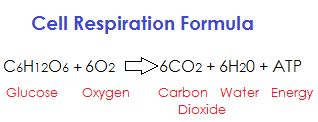
All reactions require energy in the form of ATP (adenosine triphosphate)
Energy Transfer between Reactions
All cells use glucose as the primary source of energy
When glucose is broken down (aerobic cellular respiration), the large amount of energy contained within it is released .
The released energy is trapped and stored in small packets called ATP
ATP
Composed of complex molecules called adenosine, that in return attaches to 3 phosphate groups
The bond that attaches the 3rd phosphate group is a ‘high energy bond’
When energy is required by the cell the bond is broken and the energy it contains is released
ADP (adenosine diphosphate) and a free phosphate group is formed
To store energy produced by the cell another free phosphate is attached to ADP forming ATP
Cyclic process
Biochemical Processes - Photosynthesis
Process by which plants utilise light energy, from the sun, which is trapped by chlorophyll.
Photosynthesis Phase 1 - Light Dependent Stage
Also called photolysis (light splitting)
Occurs in the grana of the chloroplast
Involves the absorption of light energy in the thylakoid membrane
This energy is used to split water into hydrogen and oxygen molecules where oxygen is released into the atmosphere and hydrogen is carried to the next phase
ATP is produced here
Photosynthesis Phase 2 - Light Independent
Also called carbon fixation or calvin cycle
Occurs in the stroma of chloroplast
Carbon dioxide is combined with hydrogen ions to form glucose molecules
ATP → energy for phase
Glucose produced here can be converted by the plant into complex carbohydrates, lipids and/or proteins
The end products are stored by the plant and are the source of organic nutrients
Cellular Respiration - Breaking down glucose
Anaerobic Respiration → cellular respiration in the absence of oxygen (ethanol fermentation, lactic acid fermentation)
Alcoholic Respiration → the breakdown of glucose in the absence of oxygen to form ethanol ad carbon dioxide. 2 molecules of ATP are produced

Lactic Acid Fermentation → carried out when an organism can’t produce enough energy by aerobic cellular respiration. Occurs in periods of strenuous activity, when our body cannot deliver enough oxygen to our muscles. After the activity the oxygen will break down the lactic acid

Aerobic Respiration → cellular respiration in the presence of oxygen. There are at least 20 reactions, each catalysed by specific enzymes to make up this pathway.
Aerobic Respiration Method
Glycolysis, this occurs in the cytoplasm and breaks down glucose into 2 pyruvate molecules and 2 ATP molecules (about 10 reactions)
Krebs cycle, the 2 pyruvate molecules enter the mitochondria where the rest of cellular respiration occurs. Oxygen is used to form carbon dioxide and 34 ATP molecules. Bringing the total to 36 ATP molecules.
Enzymes
Protein molecules that control all metabolic reactions in living cells by lowering its activation energy.
Without enzymes, the reactions that occur in our cells would be too slow to keep us functioning optimally.
Acts as a biological catalyst
Speed up reactions
Can be reused many times
Metabolism → sum of all chemical reactions occurring within living organisms
A specific enzyme catalyses specific reactions
Enzymes lower the activation energy required for a reaction to occur
Properties of Enzymes
Composed of highly folded proteins
The surface shape of the enzyme is called the active site
The active site is where the reactants (substrate) binds temporarily forming a ‘substrate-enzyme complex’
The products are released and the enzyme remains unchanged

Models of Enzyme Activity
Lock and Key → The active site is rigid and the substances fit exactly into the active site. Once the complex has formed, the reaction is rapidly catalysed to form products

Induced Fit → The binding process ‘induces’ the enzyme to slightly alter its shape to allow it to fit more tightly around the substrate

Factors affecting Enzyme function
Temperature → The enzymes in the human body will function optimally at 37°C
pH → The optimum pH is depended on where the enzyme is located in the human body (mouth = neutral, stomach = acidic, small intestines = alkaline)
Substrate Concentration → when an enzyme is reacting with another substance, it is ‘being used’ and can’t react with another substrate at that time. The rate of reaction will increase until the point where there is more substrate then enzymes (saturation point)
If an enzymes environment changes they may denature (irreversible process).