ASVAB Electronics Information
Conductor: The valence shells of a conductor’s atoms have more empty spaces than electrons
Insulator: The valence shells of an insulator’s atoms have more electrons than empty spaces
Semiconductor: The valence shell is exactly half full of conductors and insulators
Series Circuit
VT = V0 + V1 + … (the total voltage drop is the sum of the individual voltage drops)
I = constant (current is constant throughout the circuit)
RT = R1 + R2 + … (the total resistance is the sum of the individual resistances)
Parallel Circuit
V = constant (the voltage drop through each branch is the same)
IT = I0 + I1 + … (the total current is the sum of the currents through each branch)
1/RT = 1/R0 + 1/R1 + … (the reciprocal of the total resistance is the sum of the reciprocals of the resistances in each branch)
Ground: Region of lowest potential to protect against stray current or circuit faults. Can be a literal copper stake driven into the ground
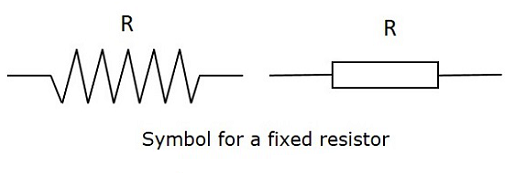
Resistor
Fixed
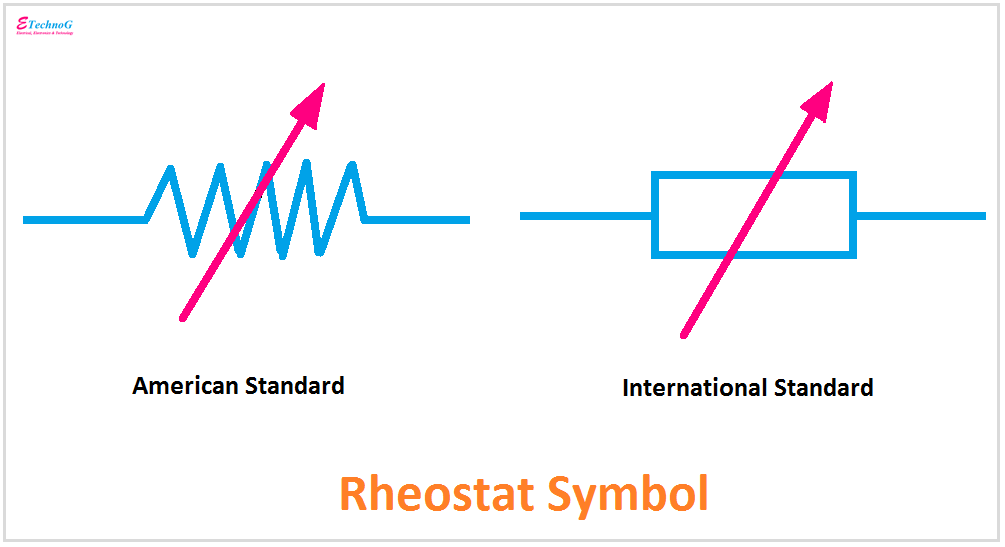
Rheostat: can alter current by varying its resistance
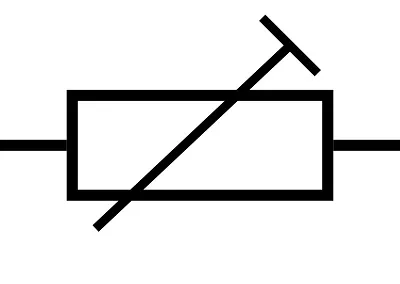
Variable Resistor: alters its resistance. What’s the difference between this and a rheostat again?
Potentiometer: Used to alter voltage drop across components

Resistor Color Bands
1st stripe/digit | 2nd stripe/digit | 3rd stripe/multiplier | |
Black | 0 | 0 | 1 |
Brown | 1 | 1 | 10 |
Red | 2 | 2 | 100 |
Orange | 3 | 3 | 1,000 |
Yellow | 4 | 4 | 10,000 |
Green | 5 | 5 | 100,000 |
Blue | 6 | 6 | 1,000,000 |
Violet | 7 | 7 | |
Grey | 8 | 8 | |
White | 9 | 9 |
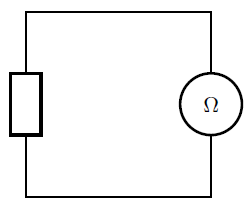
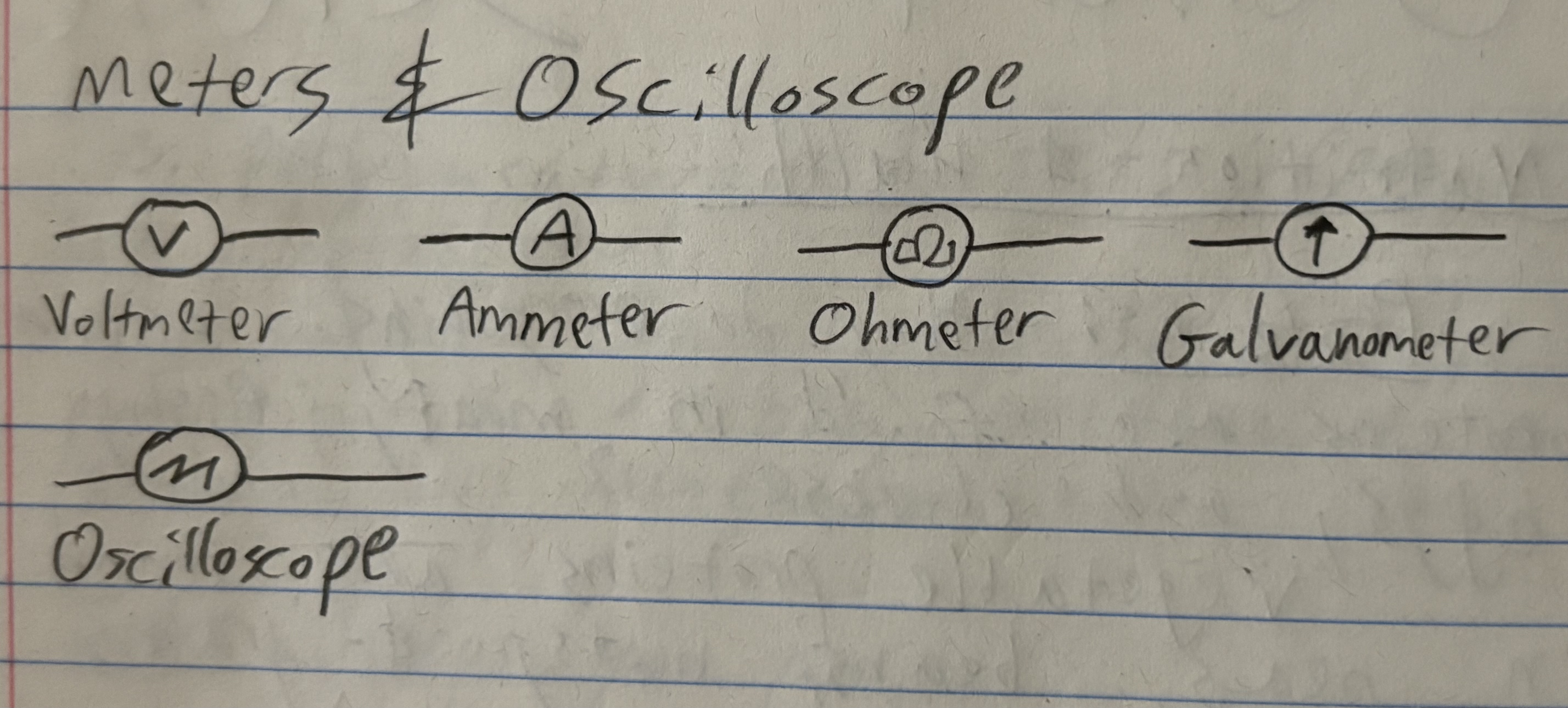
Ohmeter
Has its own power source. Usage: disconnect device from circuit
Ammeter
Measures current. Connect in series with circuit.

Voltmeter
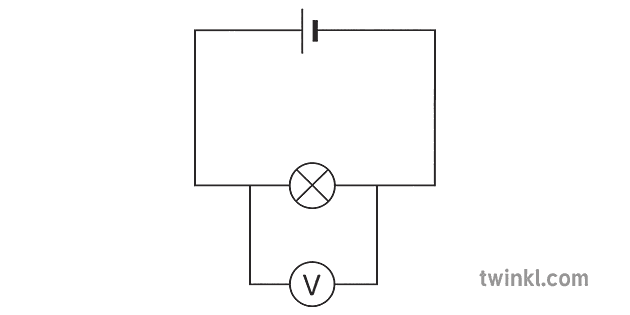
Measures voltage drop (shockingly). Connect in parallel with circuit element across which the voltage drop is being measured.
Fuse
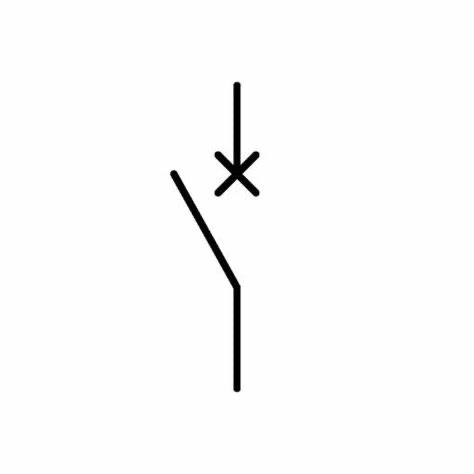
Thin wire that melts when current exceeds a prescribed amount.

Circuit Breaker
Like a fuse, but it can be reused. However, responds more slowly to an increase of current and more expensive.
Capacitor/Condenser
Consists of 2 metal conductive plates with a thin insulator (dialectric) between them, which can be air. A capacitor stores electrical energy, and also allows AC to flow while blocking DC.

Capacitance (C) is the ability of a capacitor to store charged. It is measured in farads.
1 farad = ability to store 1 coulomb of charge with an electric potential of 1 volt applied
Semiconductor
An element with 4 electrons in its valence shell. Common examples are silicon and germanium.
Doping: adding impurities to the crystalline structure of a semiconductor.
Doping with an element containing 5 valence electrons creates an N-type material
Examples of elements:
phsophorus
arsenic
antimony
Doping wiht an element containing 3 valence electrons creates a P-type material
Examples of elements:
boron
indium
Diode
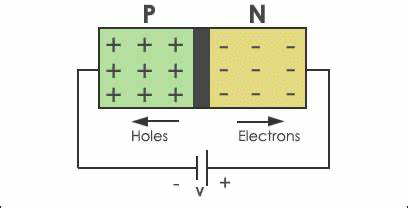
When P-type and N-type semiconductors are joined the result is a diode. Current can pass through in only one direction.

When a diode is forward-biased current can flow. This is when the anode (P-type material) is connected to the positive terminal of the battery, and the cathode (N-type material) is connected to the negative terminal.

When a diode is reverse-biased current can’t flow. This is when the anode is connected to the negative terminal of the battery and the cathode to the positive terminal.
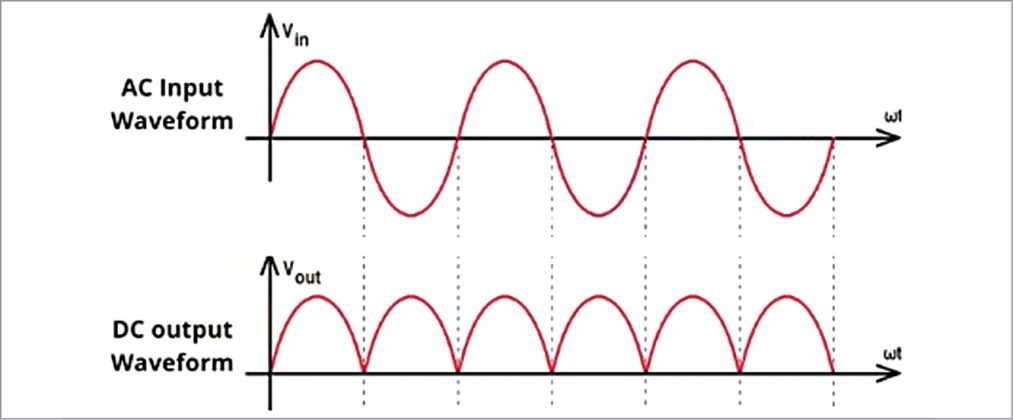
One of the most common applications of a diode is rectification: converting AC to DC
A single diode is a half-wave rectifier, which lets just the upper or lower half of AC waves pass through
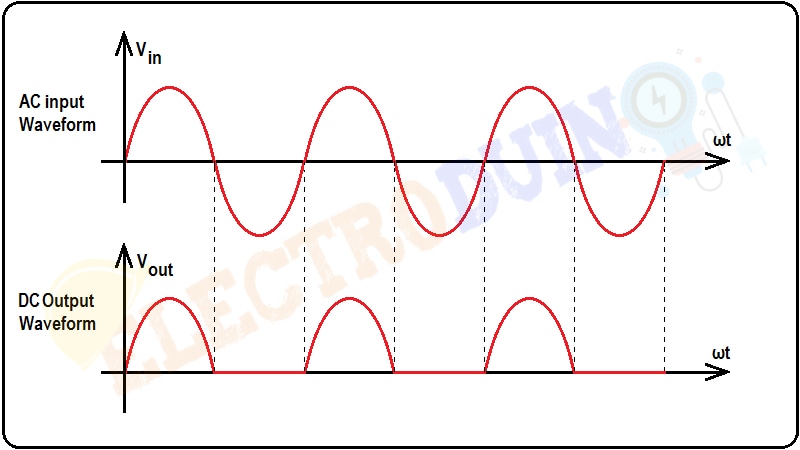
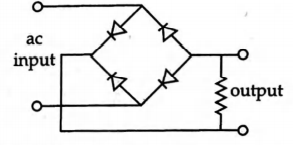
Four diodes connected in a diamond can form a full-wave rectifier which is used in most DC power supplies.
Transistor
A transistor can be used as a switch, amplifier, or a current regulator.
Types of transistors are NPN (P-type material sandwiched between 2 pieces of N-type material) and PNP (N-type material sandwiched between 2 pieces of P-type material)
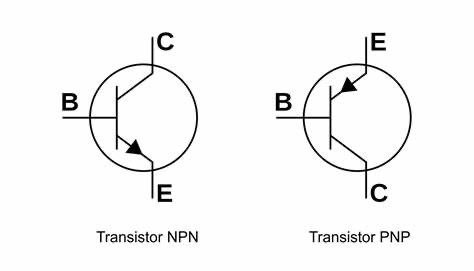
The arrow points in the direction of the N-type material (because that’s the direction in which conventional current flows)
The middle piece is called the base. The surrounding pieces are called the collector and the emitter.
For a PNP transistor, a small negative voltage applied to the base will turn it on and allow current to flow from the emitter to the collector.
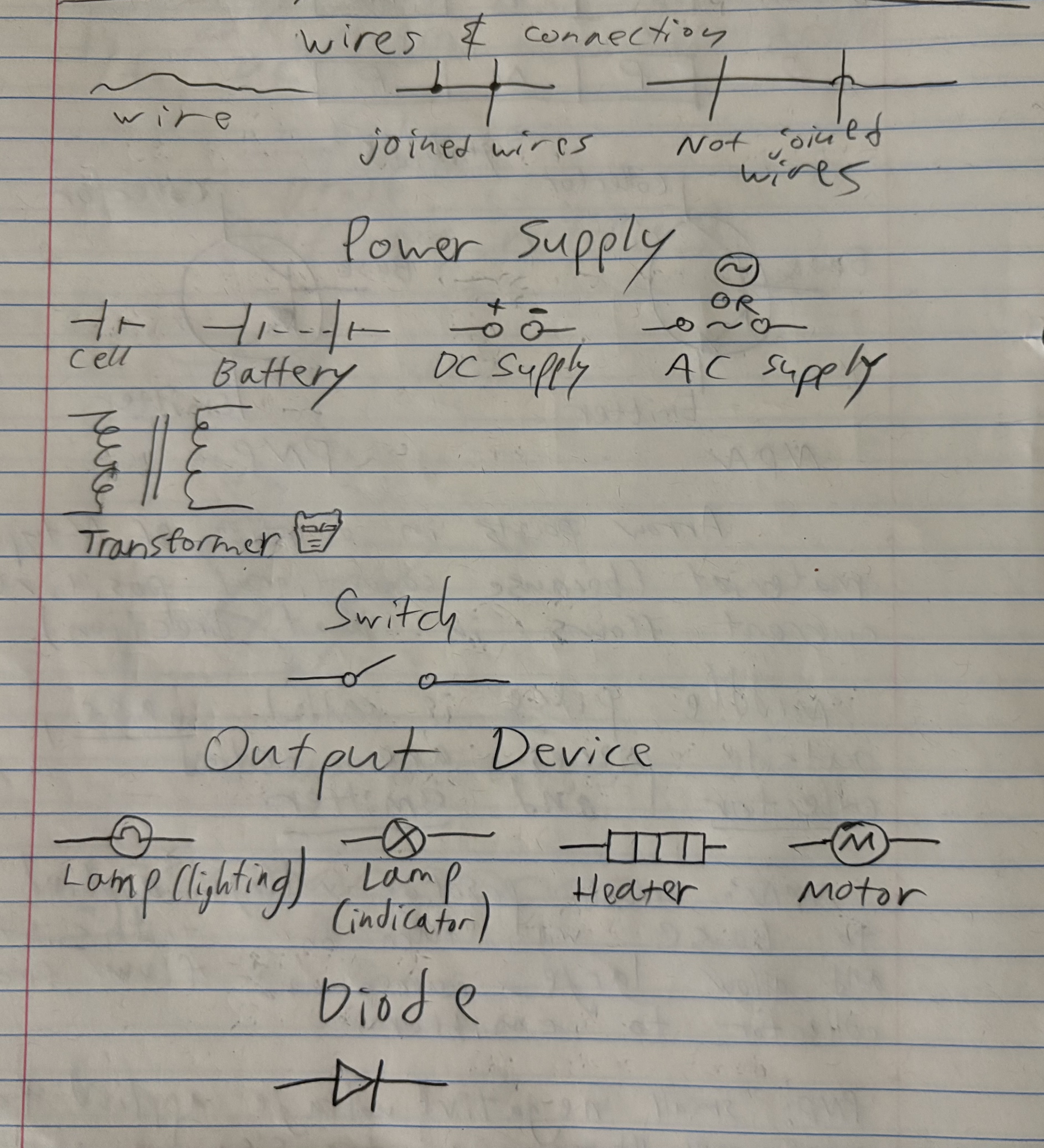
Symbols
Electricity and Magnetism
Electromagnet: Current-carrying wires wrapped around an iron core.
Inductor: Resists changes in current flow. Unit is henries (L). It lets DC pass and resists AC
Transformer: Increases or decreases voltage. A larger number of secondary coils provides a larger voltage.