The plasma membrane
The plasma lemma
Interface between cells and external environment
Contains transmembrane, intrinsic and extrinsic proteins
Fluid mosaic model- phospholipids move side to side proteins arranged irregularly
Cholesterol is found between the fatty acid tails, it acts as a wedge at lower temperatures to prevent the phospholipids sticking together and increasing membrane fluidity and at higher temperatures it stabilises the membrane as it strengthens the bonds between the fatty acid tails.
Phosphoglycerol heads face outwards as they are hydrophyllic, fatty acid tails face inwards as they are hydrophobic and are repelling the aqueous solution of the cytoplasm and the external environment
Consists of phospholipid bilayer and protein
selectively permeable due to the nature and types of proteins present.
THE GLYCOCALYX
- They are an extension of the outer membrane and so are always found on the outer layer of the cell membrane
- Consist of polysaccharides attached to membrane proteins or phospholipids
- It's an extra cellular matrix
- Involved in and therefore Important in cell to cell recognition allowing cells of similar type to group together to form tissues.
- Form hydrogen bonds with the extracellular fluid to further stabilise the membrane.
- Glycoproteins and glycolipids
- Can act as antigens and receptor sites important in hormone action and passage of neurotransmitters.
MEMBRANE PROTEINS
may act as enzymes(good ph and availability of substrate) or adhesion sites, important in stabilising the membrane by anchoring phospholipids, useful in transporting substances
- Channel proteins
These Proteins span the bilayer and have a hydrophyllic lining due to the residues present on the amino acids lining the channel. This allows charged ions which are not lipid soluble to bypass the hydrophobic centre of the bilayer and pass through and be released on the other side.
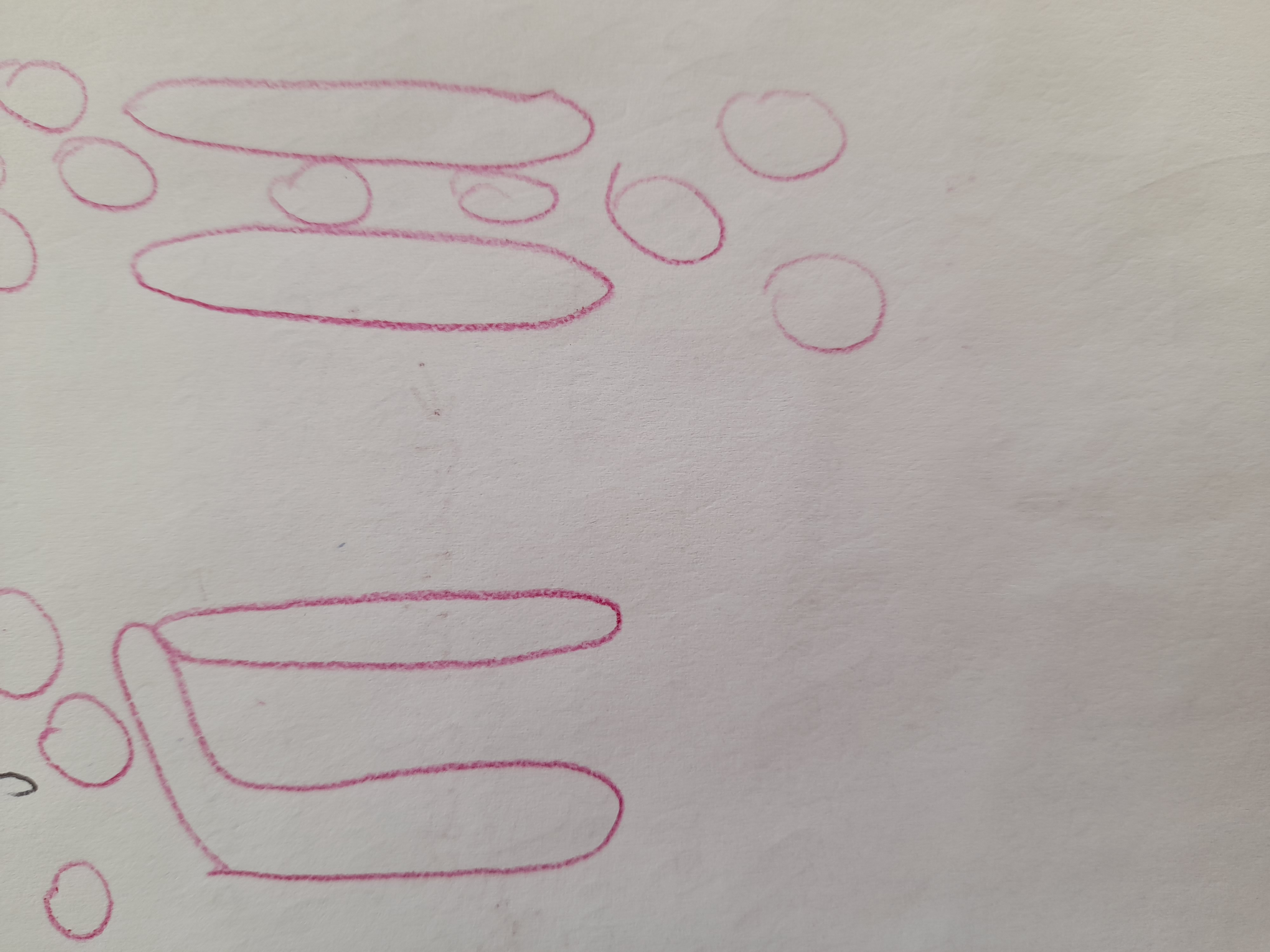
These may be open or gated
- Carrier proteins
They carry ions and molecules as they have charged groups/are beig moved against the concentration gradient. These Proteins have a specific receptor site to the molecule being transported eg. Glucose. When the molecule binds to the receptor site they take it in, undergo and change in shape to transport the molecule across the bilayer and release it on the other side. They span the entire bilayer.