MIS 304 Ch 4 Enabling Business-to-Consumer Electronic Commerce
Learning Objectives
Electronic Business:
Compete in cyberspace
Understand forms of electronic government and fintech
Business-to-Consumer E-Commerce:
Describe e-commerce strategies
Electronic Commerce Websites and Internet Marketing:
Keys to successful e-commerce websites
Various forms of Internet marketing
Mobile Commerce:
Describe various forms of electronic commerce
including mobile commerce
C2C
C2B
Managing Finances and Legal Issues:
Navigate e-commerce financial transactions and legalities
E-Commerce Definitions
E-Commerce Defined:
Exchange of goods, services, and money among businesses, customers, and supported by communication technology and the Internet.
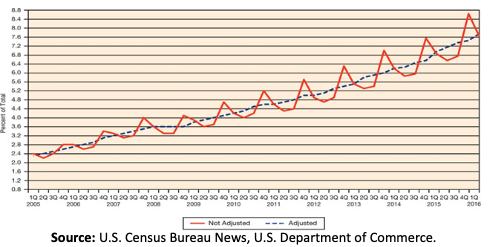
Source: U.S. Census Bureau News, U.S. Department of Commerce
Types of E-Commerce
Business Models:
B2C (Business-to-Consumer): Transactions between businesses and consumers (e.g., buying a book from Amazon)
B2B (Business-to-Business): Transactions among businesses (e.g., manufacturers conducting business with suppliers)
C2B (Consumer-to-Business): Transactions where consumers offer products or services to businesses (e.g., photography sold on shutterstock.com)
C2C (Consumer-to-Consumer): Transactions between consumers (e.g., eBay purchases)
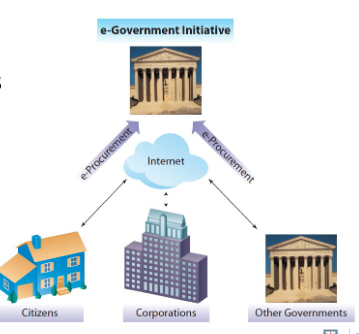
E-Government Initiatives
Types of E-Government:
G2C (Government-to-Citizens)
G2B (Government-to-Business)
G2G (Government-to-Government)
Financial Services via Technology
Disintermediation:
Enabled firms to provide financial services directly to consumers.
Fintech:
Technologies supporting activities in the financial sector.
EC Business Strategies
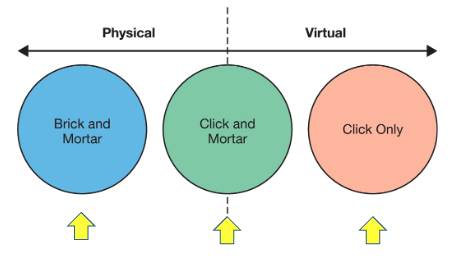
Types of Retail Strategies:
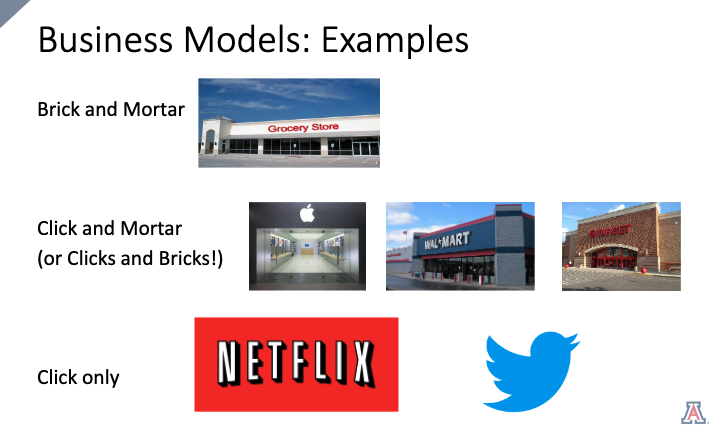
Brick and Mortar: Operate solely in physical stores.
Click and Mortar: Use both physical and online stores.
Click Only: Operate solely online.
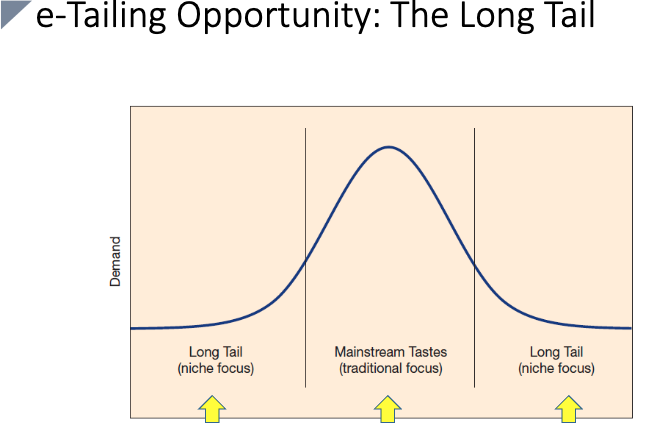
Advantage of E-tailing
Disintermediation:
Efficiently cuts the middleman.
Mass Customization:
Customizing products to fit individual needs.
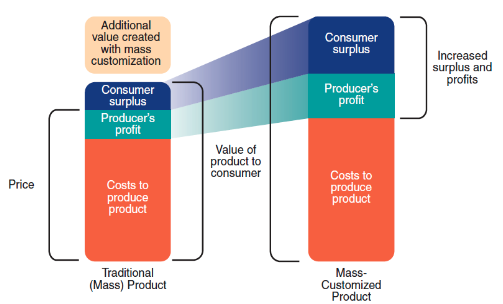
Mass Customization Value
Consumer Surplus:
Benefits derived from tailored products.
Traditional vs. Mass-Customized Products:
Increased surplus and profits for producers with customization.
Capabilities and Opportunities (cont)
Group Buying:
Significant discounts for collective purchases upon people agreeing to purchase
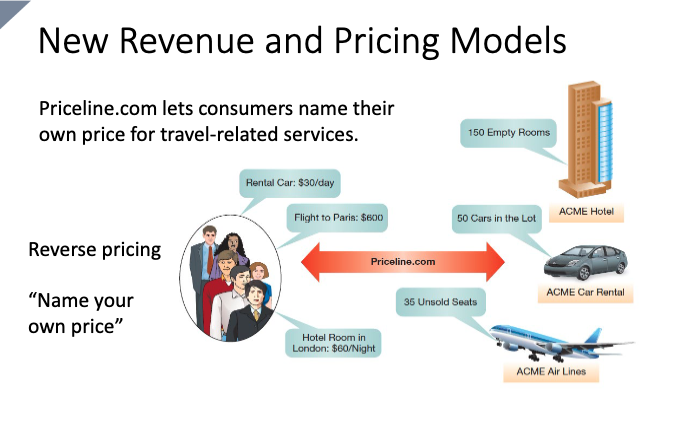
New Revenue Models:
Subscription, licensing, and transaction fees.
Earn money through web advertising
Product, Place, and Price Benefits in E-Tailing
Product Variety:
No store restrictions, vast variety of goods available online.
Price Efficiency:
Online pricing advantages can enhance competitiveness.
Trust and Challenges in E-tailing
Concerns:
Lack of trust for new businesses
Requires additional delivery time for products
Returns can be a hassle
Internet Marketing Essentials
Search Engine Optimization (SEO):
Vital for website success and attracting visitors.
attempts to improve page’s ranking in search engines
Other pages linked to the page; keep updated content
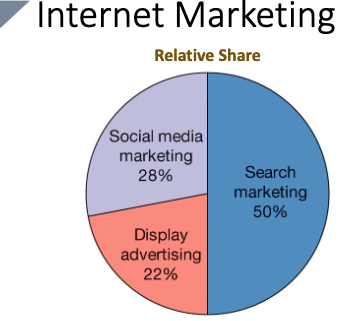
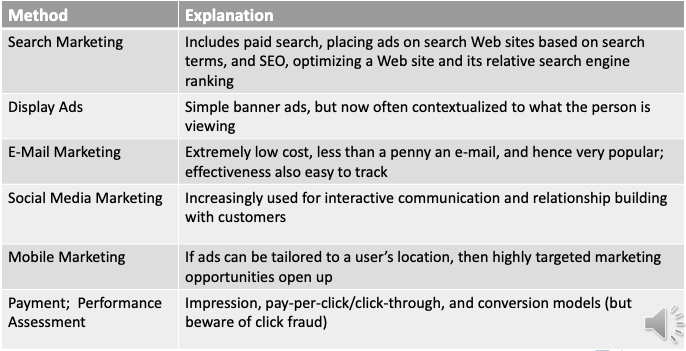
Internet Marketing Methods
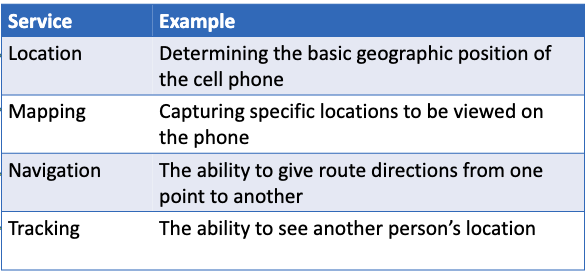
Mobile E Commerce
Location Based:
Offered tailored to a person’s needs on current location
Info on the Go:
Obtain further info about a product wherever they are
Product and Content Sales:
Consumers use mobile apps to make purchases on the go
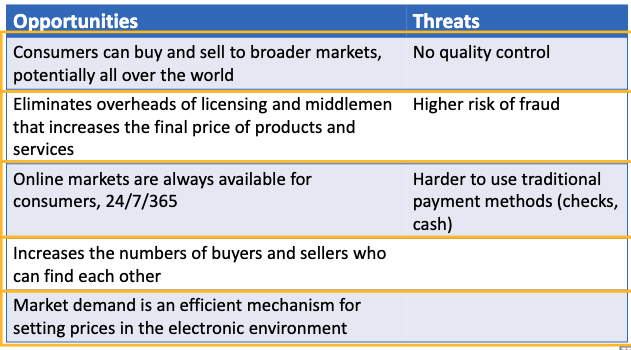
C2C EC
E - Auctions:
Individual sellers sell or barter items at online auctions
consumers place bids; E.g. Ebay
Revenue based on small transaction fees
Online Classfieds:
No online transactions; just advertising
Freecycling
Ex. Craiglist
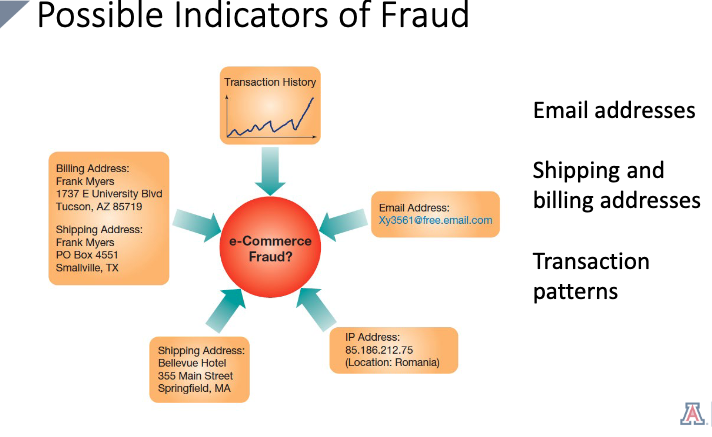
E-commerce Payments
Handling Payments:
Protecting personal information and managing risks associated with fraud.
Cryptocurrency Transactions:
Understanding bitcoin transactions and blockchain technology.
Protecting Yourself When Shopping Online
Use Secure Browser
Check site privacy policy
Keep personal info private
Keep records of online transactions and check email
Review monthly credit card and bank statements
Legal Issues in E-Commerce
Digital Rights Management:
Intellectually property rights, media access, and streaming rest
Taxation:
Sales taxes
Internet Freedom Act: Internet sales treated like mail order sale