Metals
Sources + Origins
- Metal ores are found in the earth’s crust and are obtained by mining.
- Metals are extracted from the ore.
- A hydraulic press crushes the metal to powder.
- The metal powder is mixed with water and clay and is formed into pellets.
- The pellets are baked in a large scale oven/
Metal Extraction Techniques…
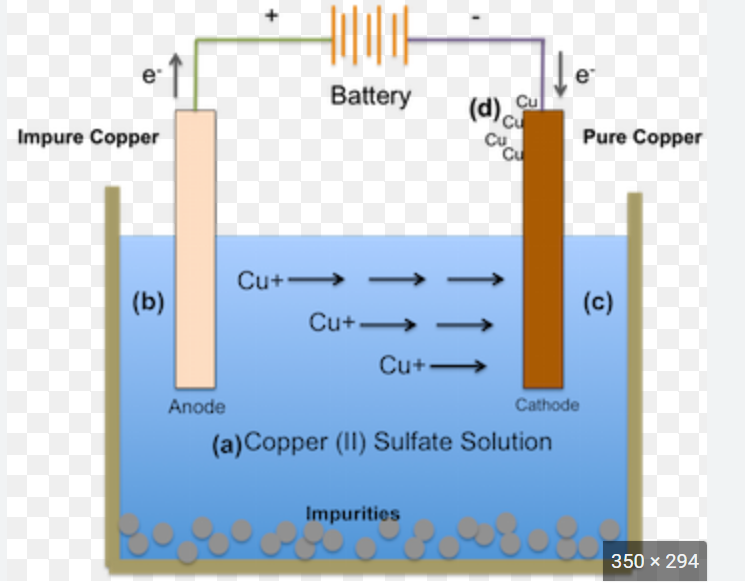
Electrolysis
To extract aluminium from bauxite.
A process that passes electrical current through melted aluminium oxide (made when bauxite is purified). The pure molten aluminium is separated and collected.
Blast Furnace
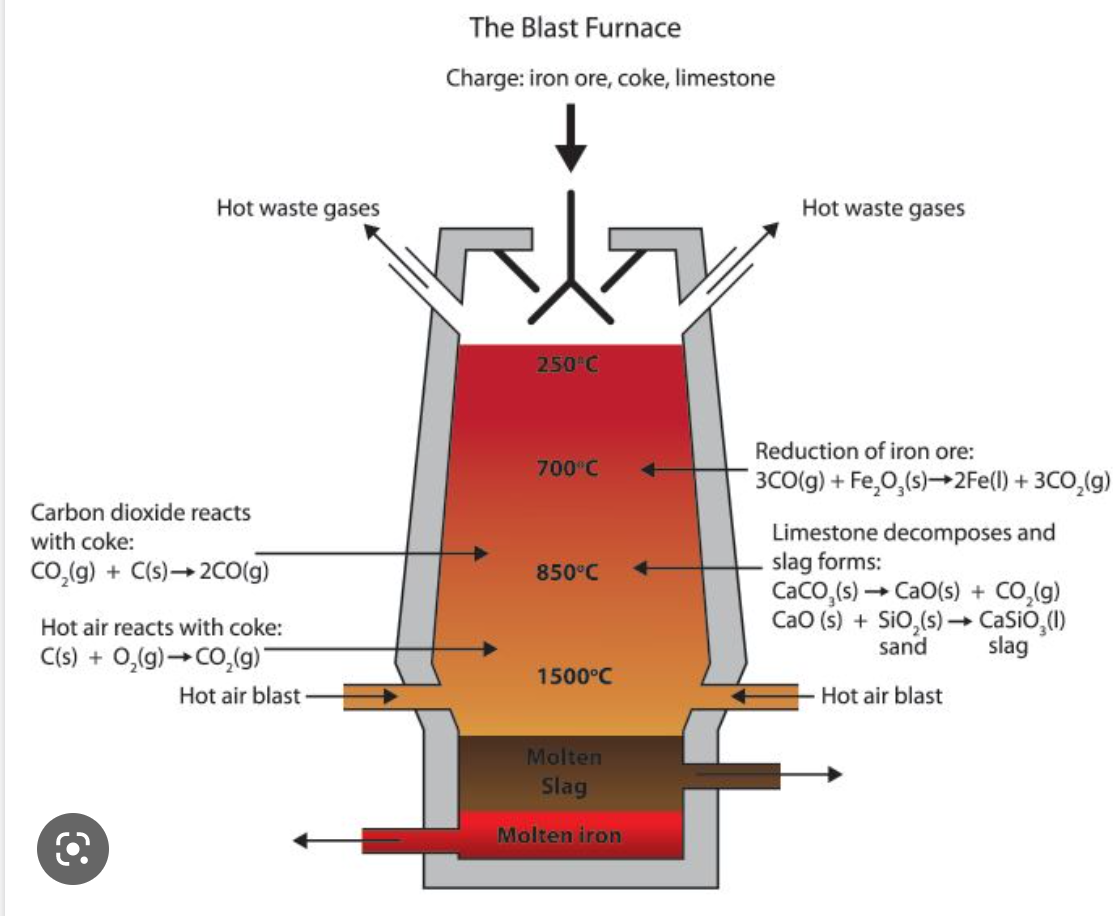
Iron is extracted from iron ore by heating to 1700’C, until its becomes molten. The liquids descends through the furnace and separates from the slag (waste ore).
 Liquation
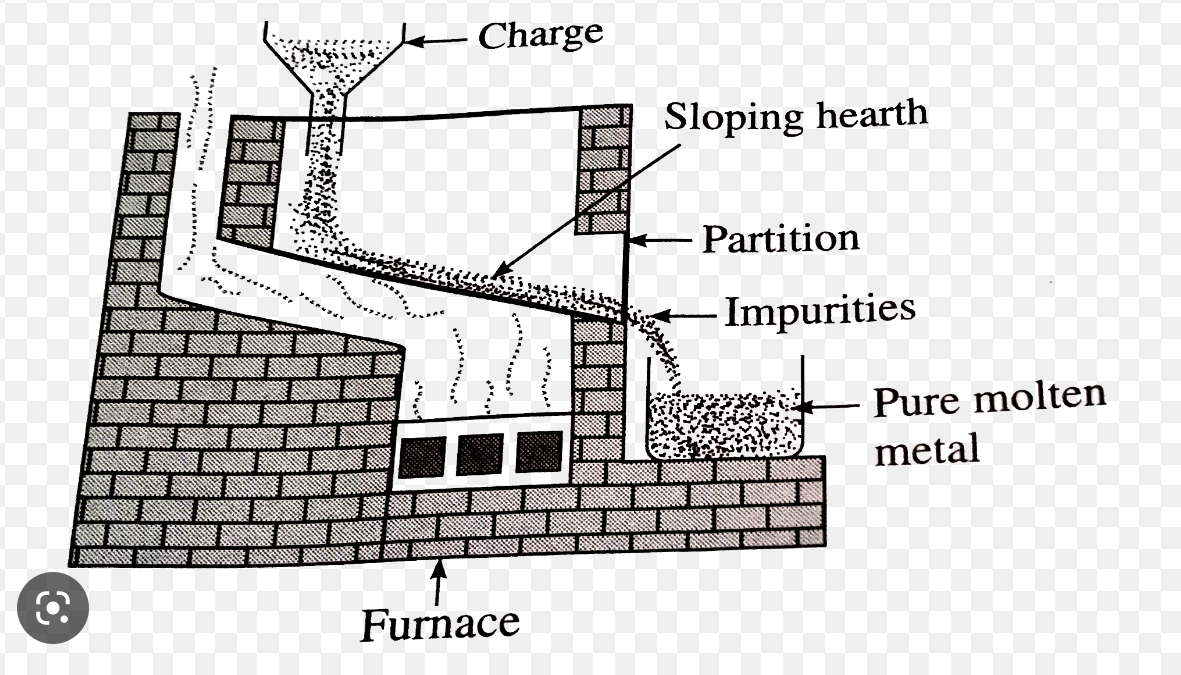
Used with metals with low melting points, e.g. tin and lead.
The impure metal is heated inside a sloped container. Once it has melted, the liquid metal runs off, leaving behind any impurities.
Ferrous Metals - contain IRON + are MAGNETIC + prone to RUST
Low-carbon steel (mild steel) - ductile and tough, useful for construction, used for nuts and bolts.
High-carbon steel (tool steel) - hard-wearing (harder than low-carbon steel so less ductile), good for making tools.
Cast iron - brittle if thin and rusts easily, used for manhole covers, gates, and pans.
Non-Ferrous Metals - don’t contain iron, aren’t magnetic, do not rust
Aluminium - lightweight but strong and ductile, used for drinks cans and kitchen utensils.
Copper - good electrical and thermal conductor, can be polished, used for plumbing and electrical cables.
Tin - soft and malleable, easy to form, used to make food cans.
Zinc - brittle, quite malleable and conductive, used to galvanise steel.
Metal Alloys
Alloys are mixtures of 2 or more metals with an element to improve its properties or aesthetic.
Examples:
Brass - gold-coloured, malleable, used for musical instruments and ornamental hardware.
Stainless steel - resists corrosion, silver when polished, used cutlery and sinks.
High-speed steel - can withstand high temperatures, used for drill bits + saw blades.
Techniques + Processes
Welding
Fuses together metals at a very high temperature.
- The high heat melts the base materials.
- A metal filler (welding rod) is melted to fill the joint.
- As they cool, the parts fuse together, creating a very strong join.
Brazing
Uses a molten filler to join 2 surfaces of metal together.
- enables 2 different metals to be joined.
- Lower temperature needed than welding.
- Provides a strong joint.
Casting
Metals are heated until molten and then poured into a mould to cool and set.
- Each casting needs a pattern made to precise measurements.
Milling
Removes metal in thin layers with a rotating multi-toothed cutter.
- The cutting head can be set to a specific speed and cutting depth.
- Is often used to make machining part to a precise tolerance, or making a surface completely flat.
- Milling is also used for some plastics and woods.
Pressing
Places a flat sheet of metal into a stamping press. With hydraulic force, the metal sheet is pushed into a die to form the shape.
- Vehicle bonnets and doors are usually pressed.