Fitness Mentors - Programming Specialist
Joint - Where two or more bones articulate around an axis
Ligament - Connective tissue that attaches bone-to-bone - in most joints, ligaments provide support and enhance joint stability
Tendon - Connective tissue that attaches muscle to bone
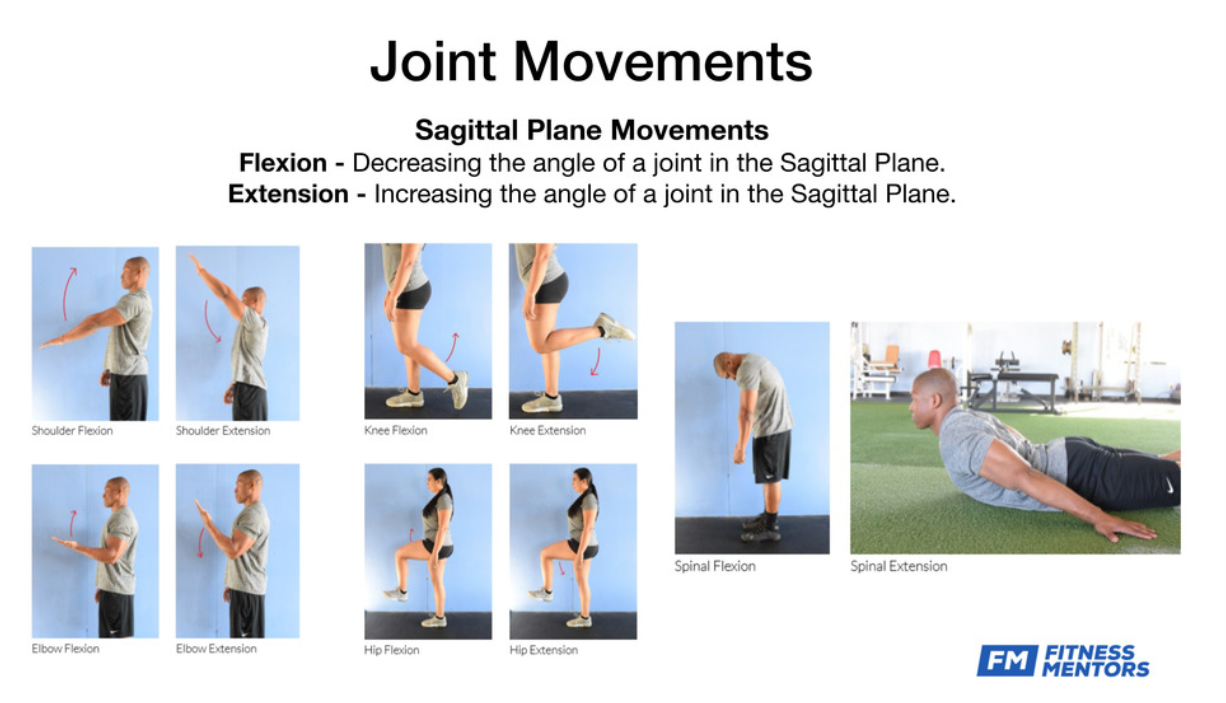
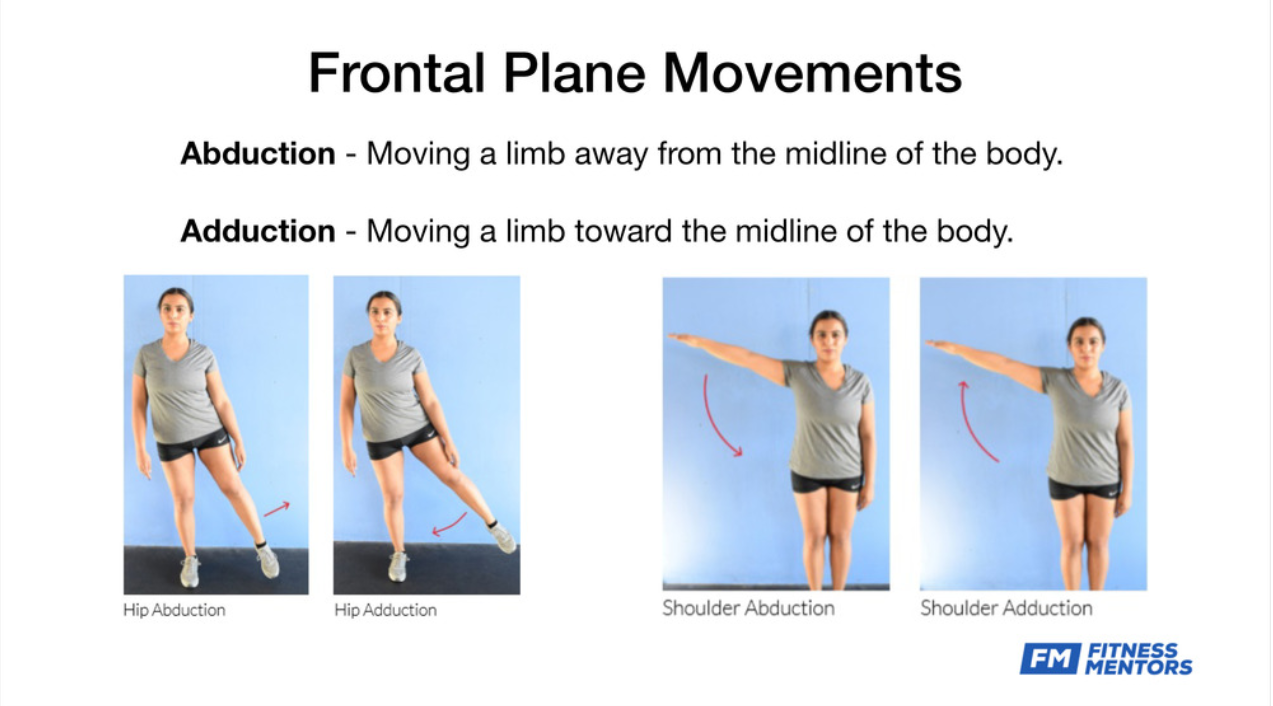
Shoulder is backwards in photos
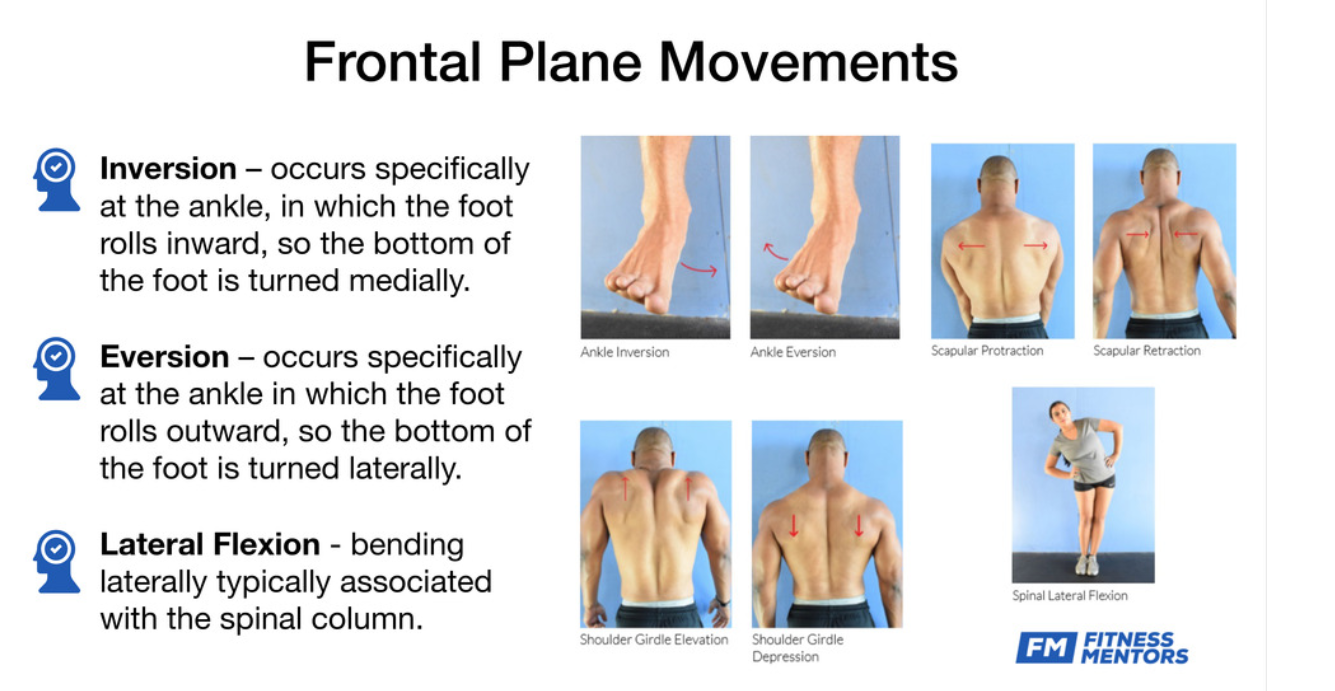
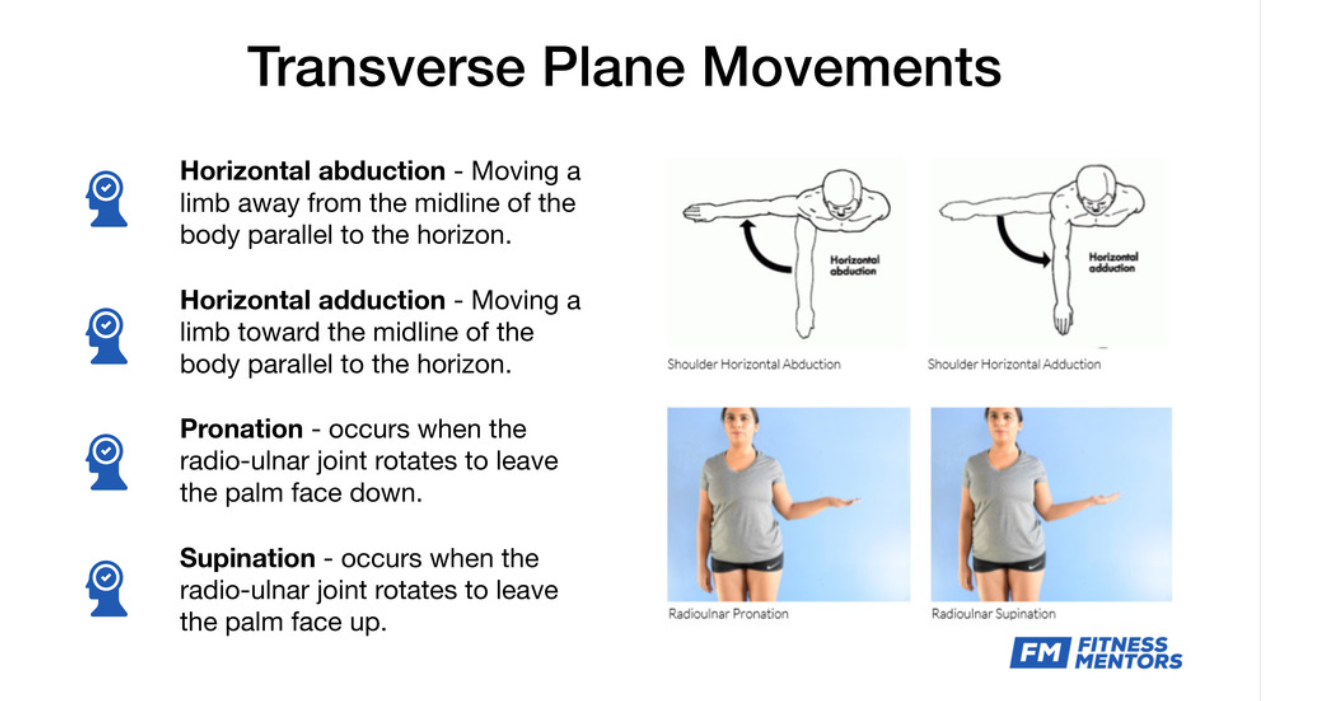
Shoulder moves in all planes of motion
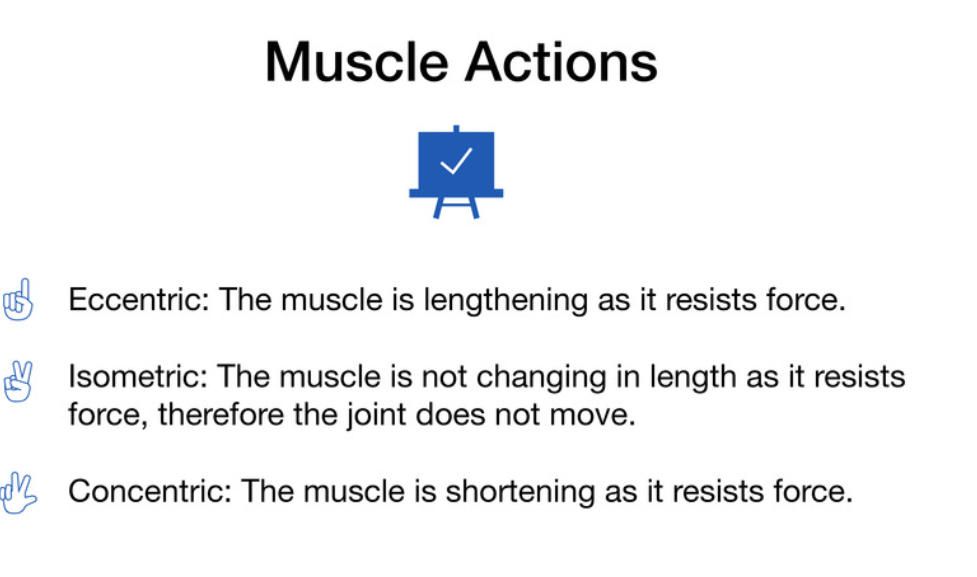
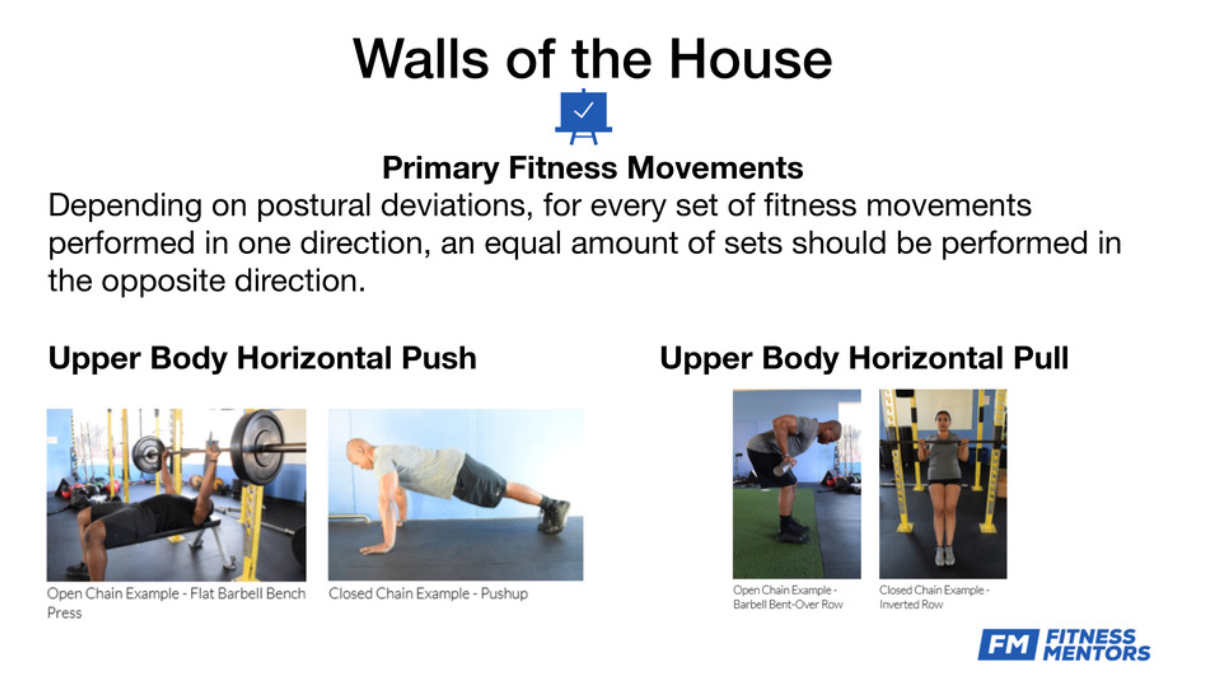
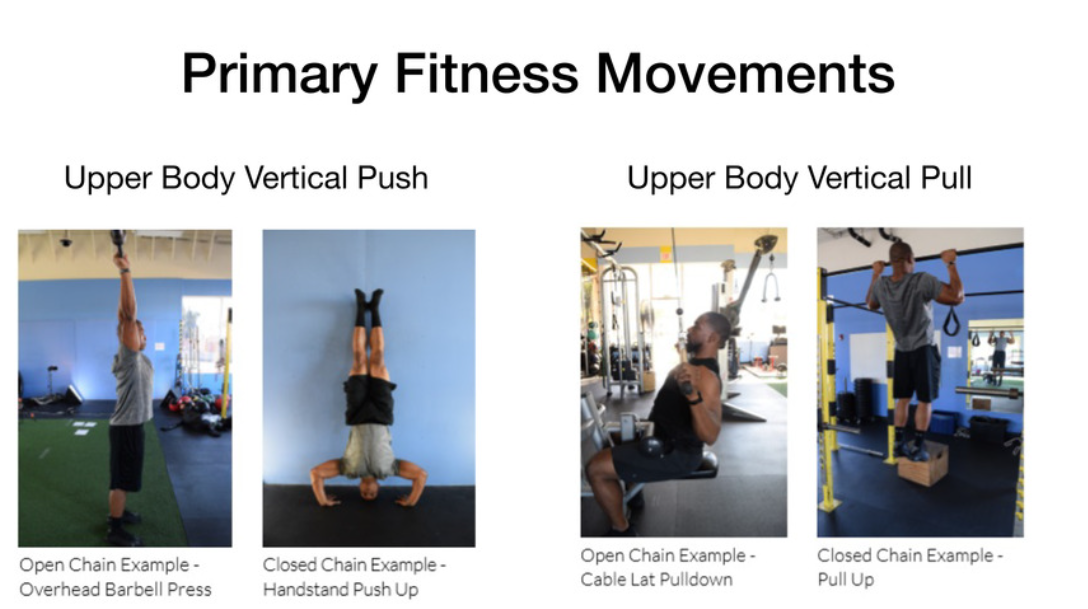
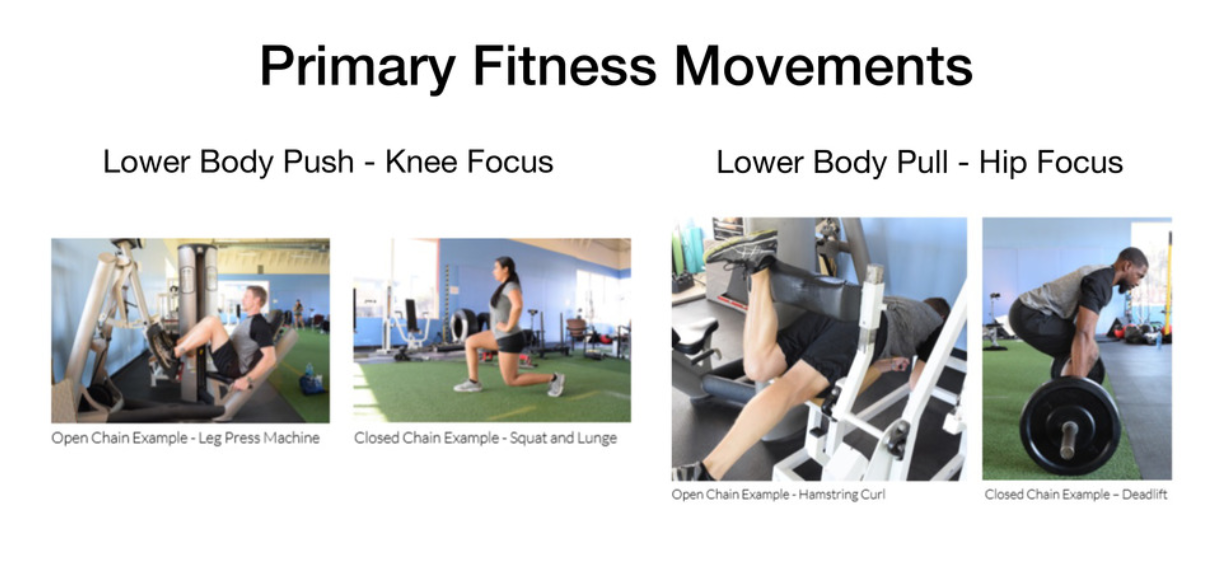
Open Chain Movements - attachment point to the resistance is moving, but body stays in same place. (bench, DB row, Lat pulls, etc.)
Closed Chain Movements - the attachment point to the resistance is fixed, allowing the body to move around it. Examples include squats, push-ups, and lunges, which engage multiple muscle groups and promote stability.
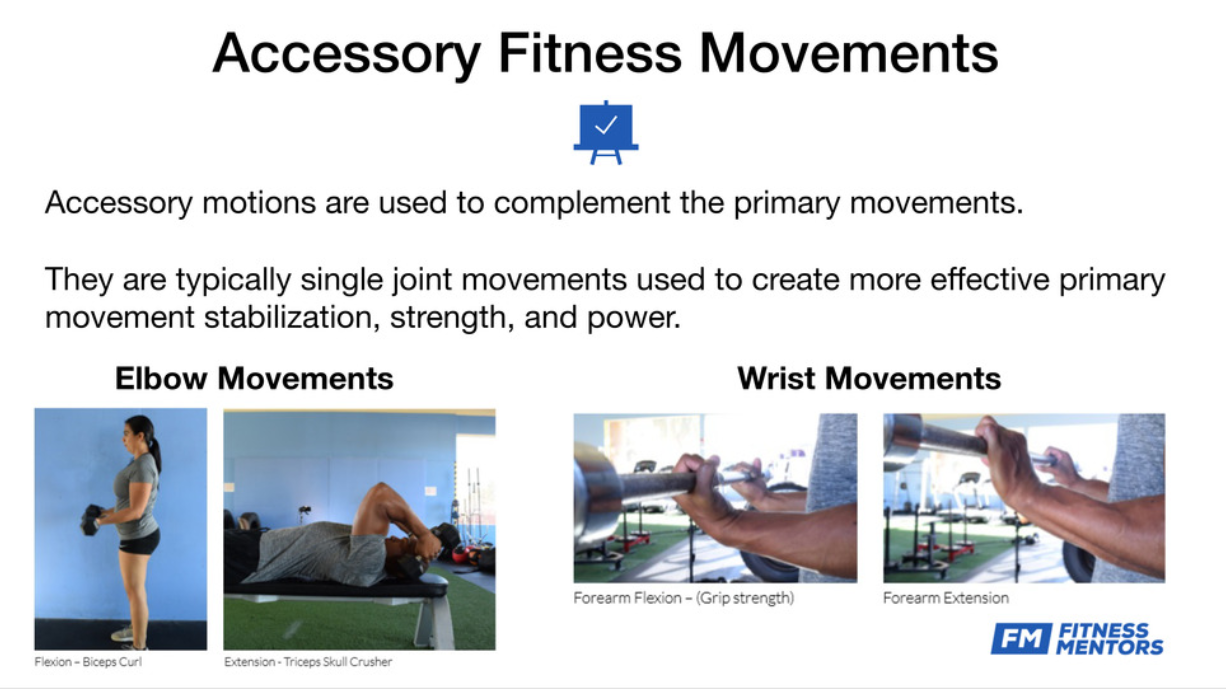
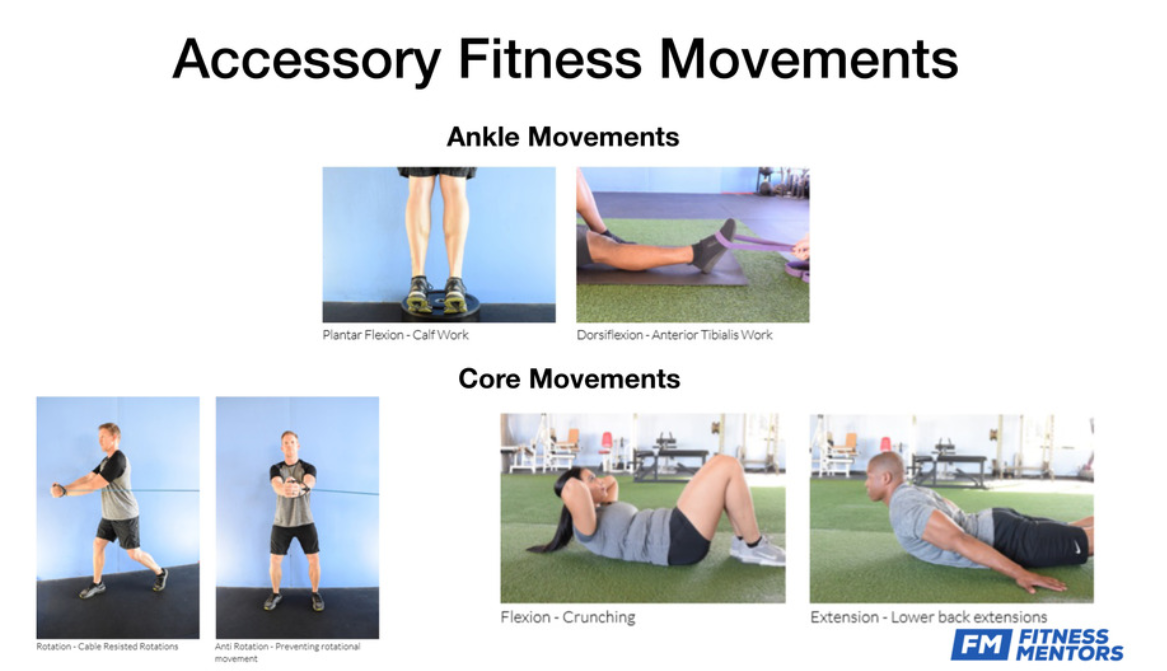
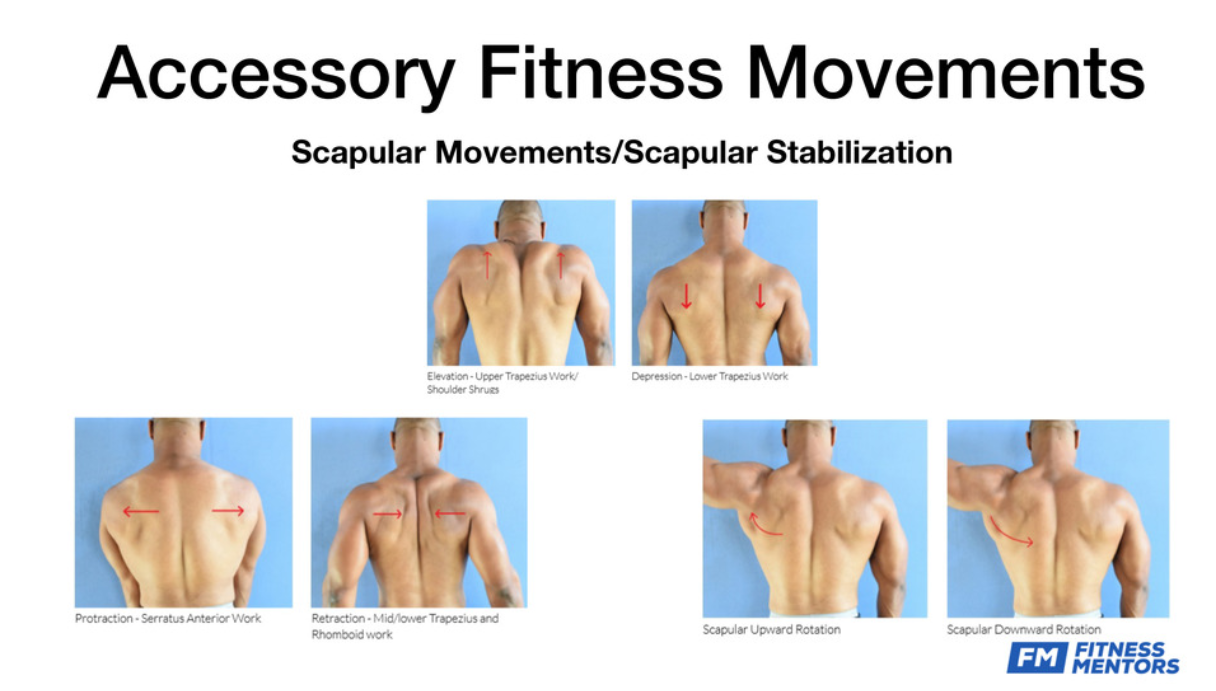
Critical for balance, stability, and safety
PART 1: List which 3 systems make up the human movement system?
PART 2: Discuss the difference between the following mechanoreceptors: Muscle Spindles, Golgi Tendon Organ
PART 3: Identify 3 differences between slow-twitch and fast-twitch muscles.
PART 4: List the 6 functions of the skeletal system.
PART 5: Name and define the 3 planes of motion.
PART 6: List each type of joint movement that occurs in the frontal plane of motion.
PART 7: Describe each of the following muscle contractions: Eccentric, Isometric, Concentric.
PART 8: Discuss the difference between and open and closed chain exercise. List an example not included in the book.
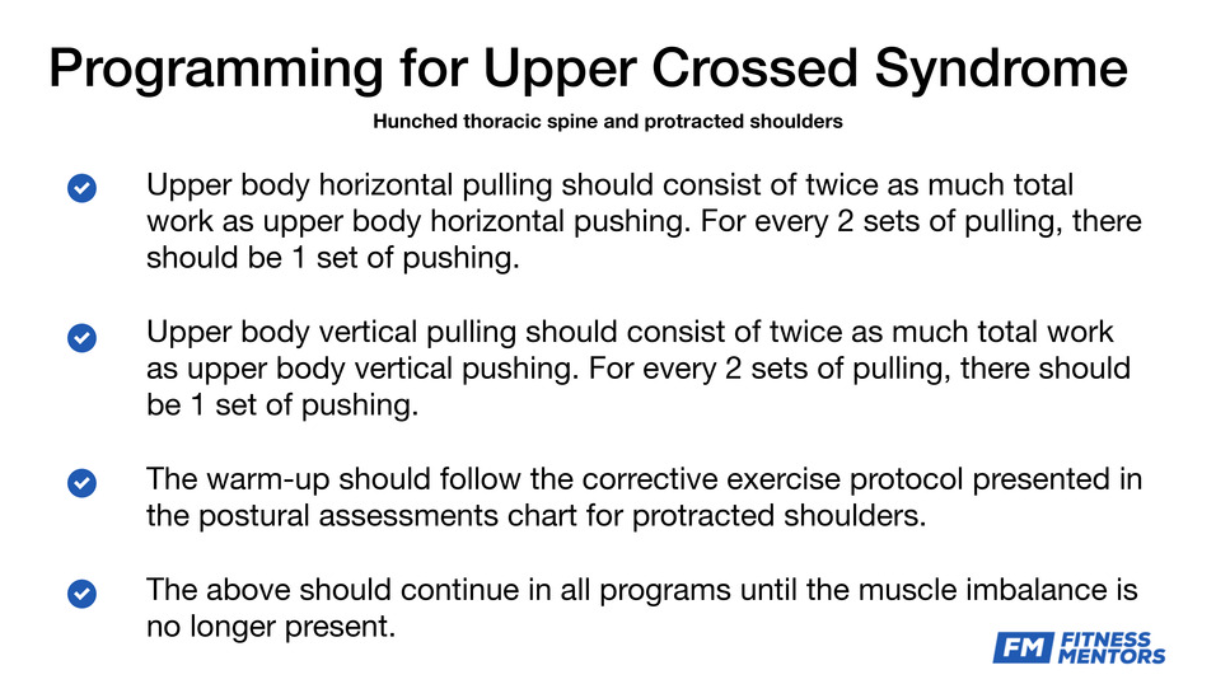
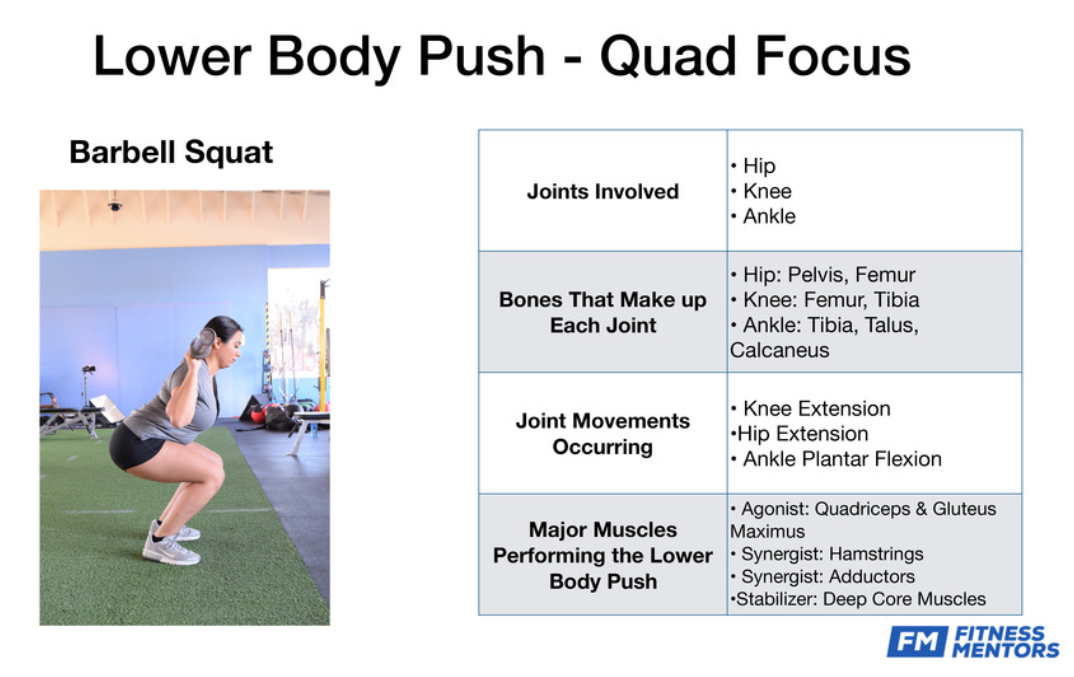
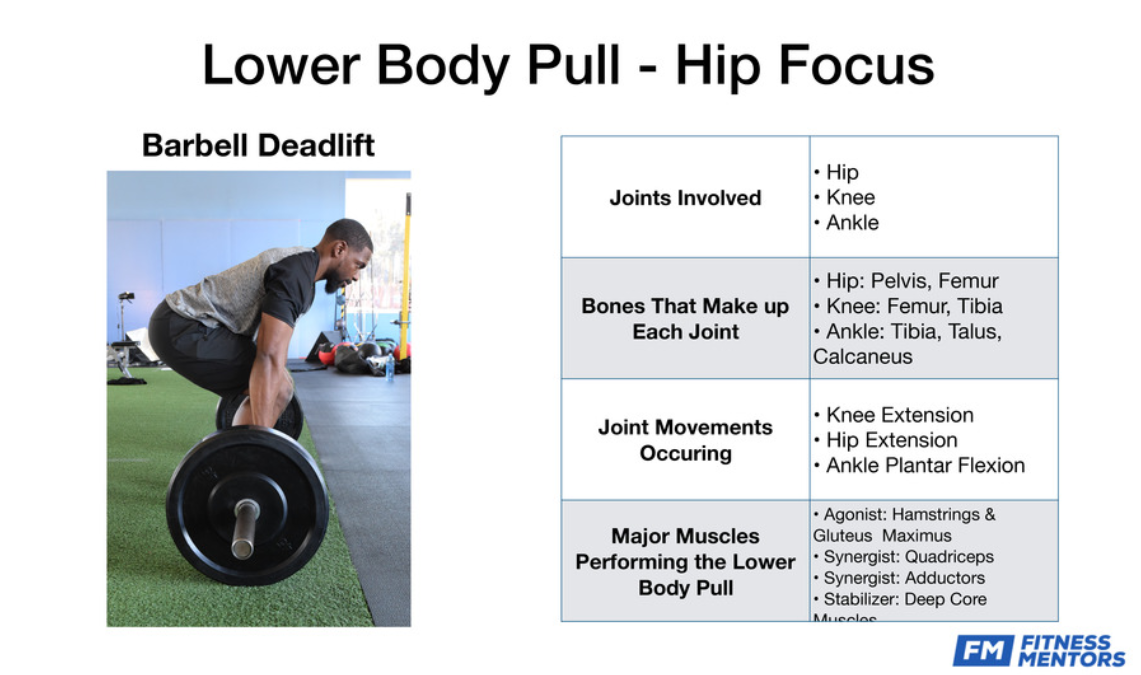
PART 9: List the 6 Primary Fitness Movements and give an example exercise for each that is not given in the book. Also list the agonist muscle for each movement.
PART 1: The 3 systems that make up the human movement system:
Skeletal System
Muscular System
Nervous System
PART 2: Difference between Muscle Spindles and Golgi Tendon Organ:
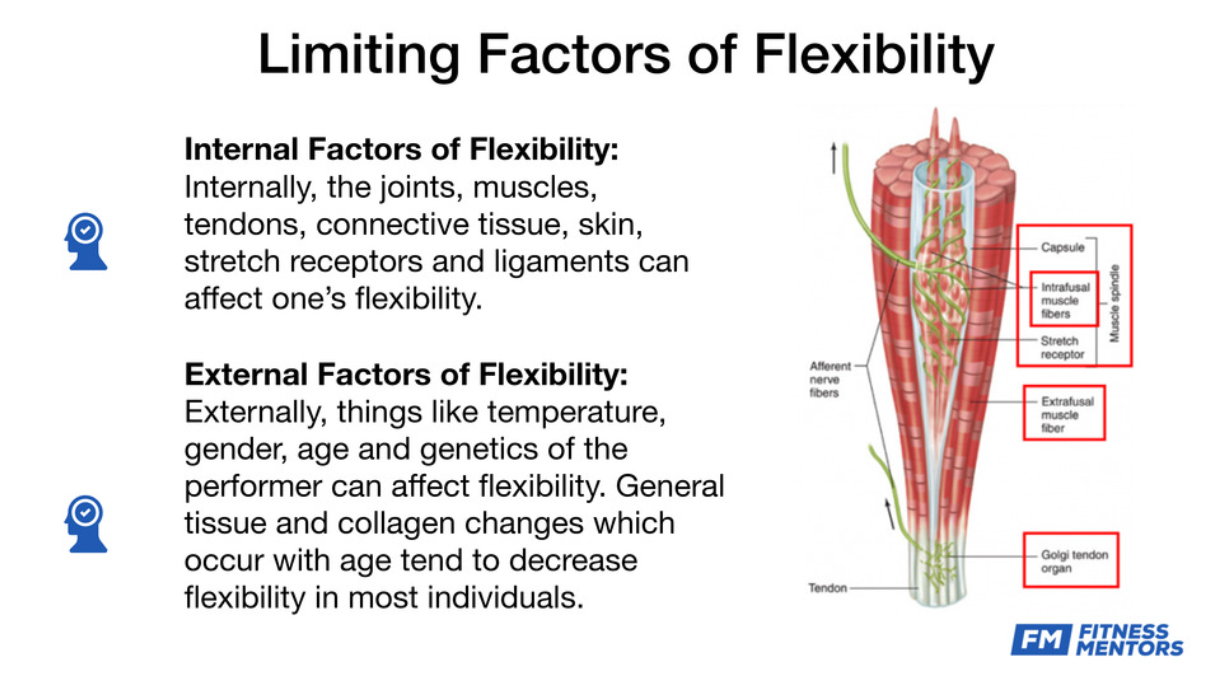
Muscle Spindles: Sensory receptors located within muscles that detect muscle stretch and help regulate the muscle's contraction. They are primarily responsible for the reflex action to prevent overstretching.
Golgi Tendon Organ: Found at the junction of muscles and tendons, these receptors sense tension and prevent damage from excessive force by inhibiting muscle contraction when the tension is too high.
PART 3: Differences between Slow-Twitch and Fast-Twitch Muscles:
Contraction Speed: Slow-twitch muscles contract slowly, while fast-twitch muscles contract quickly.
Energy Source: Slow-twitch muscles primarily use aerobic metabolism, whereas fast-twitch muscles rely on anaerobic metabolism.
Fatigue Resistance: Slow-twitch muscles are more resistant to fatigue compared to fast-twitch muscles, which fatigue more rapidly.
PART 4: 6 Functions of the Skeletal System:
Support
Movement
Protection
Blood Cell Production
Electrolyte balance
Energy Storage/Endocrine Function
PART 5: The 3 Planes of Motion:
Sagittal Plane: Divides the body into left and right sections, allowing flexion and extension movements.
Frontal Plane: Divides the body into front and back sections, allowing abduction and adduction movements.
Transverse Plane: Divides the body into top and bottom sections, allowing rotational movements.
PART 6: Types of Joint Movement in the Frontal Plane of Motion:
Abduction
Adduction
Inversion
EversionU
Lateral Flexion
PART 7: Muscle Contractions Descriptions:
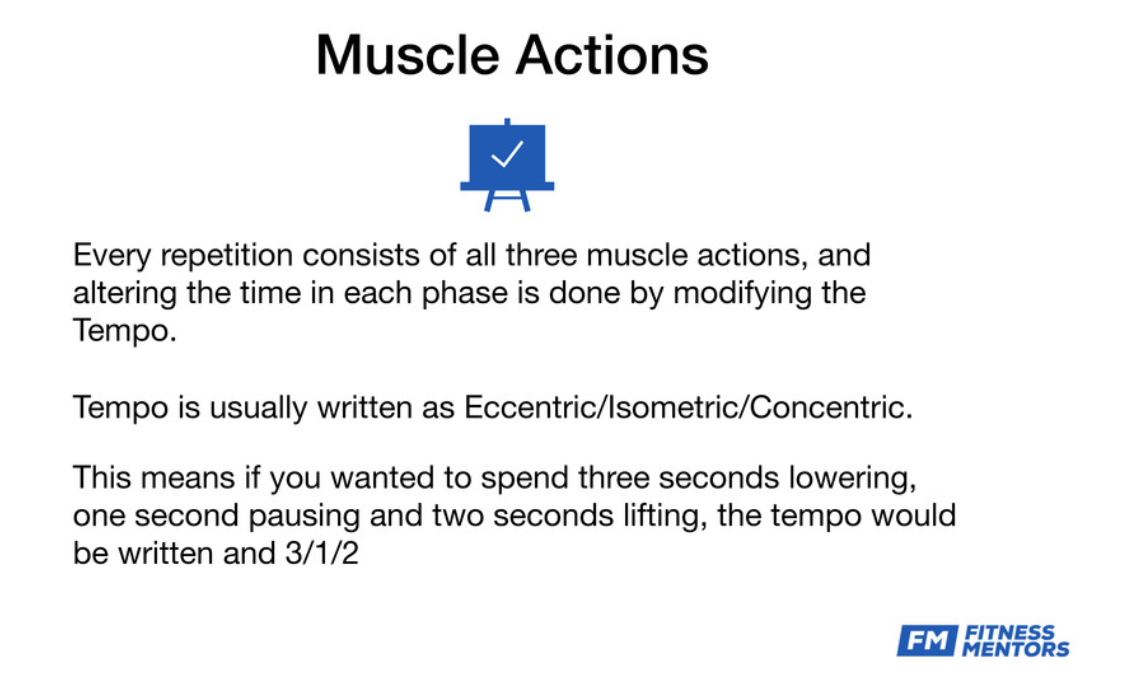
Eccentric: Muscle lengthens under tension, often acting against resistance (e.g., lowering a weight).
Isometric: Muscle contracts without changing length, maintaining tension (e.g., holding a plank).
Concentric: Muscle shortens while generating force, typically overcoming resistance (e.g., lifting a weight).
PART 8: Open vs. Closed Chain Exercise:
Open Chain Exercise: The distal segment (the attachment point) moves freely, and the body remains in a fixed position. An example not included in the book is a leg extension exercise.
Closed Chain Exercise: The distal segment is fixed while the body moves. An example not included in the book is a pull-up.
PART 9: 6 Primary Fitness Movements and Examples:
Lower Push (squat/knees): Example - Goblet Squat (Agonist: Quadriceps)
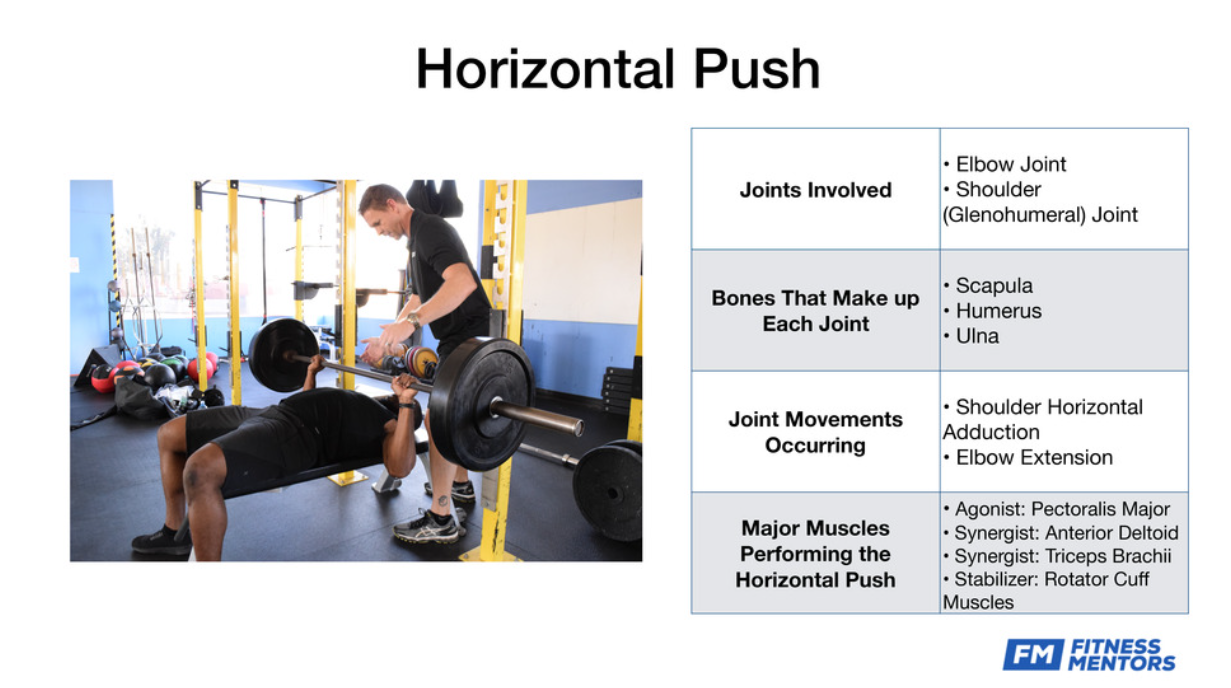
Upper Horizontal Push: Example - Bench - (Pecs)
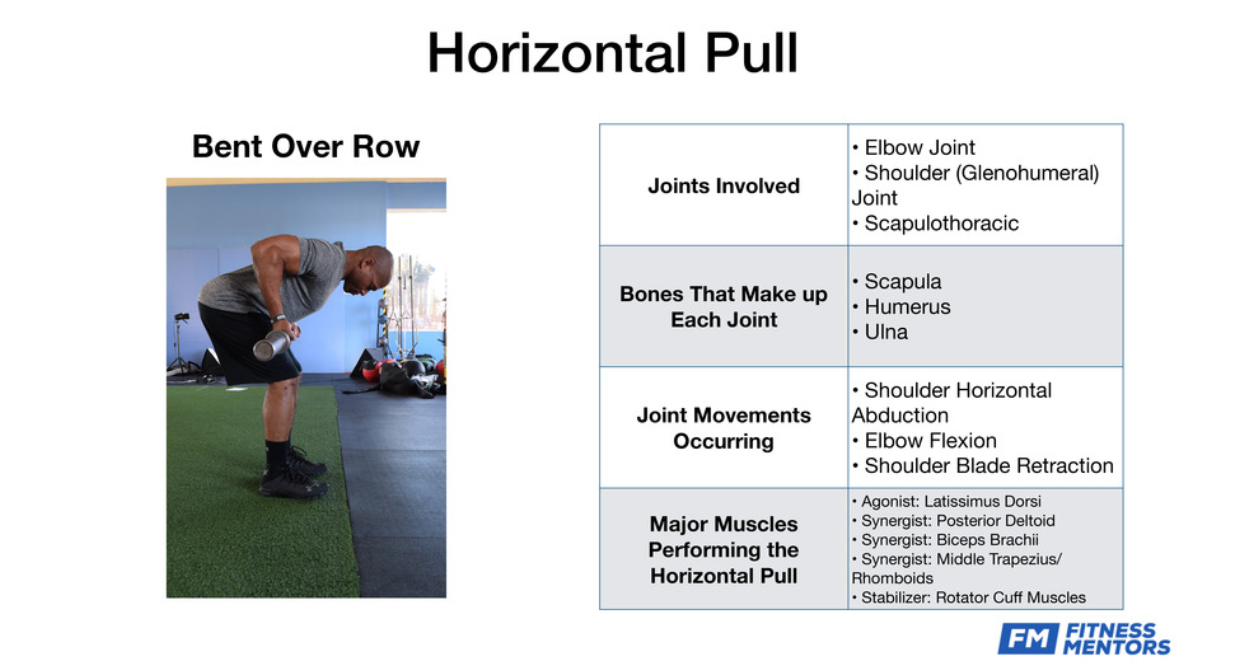
Upper Horizontal Pull: Example - Inverted Row (Agonist: Latissimus Dorsi)
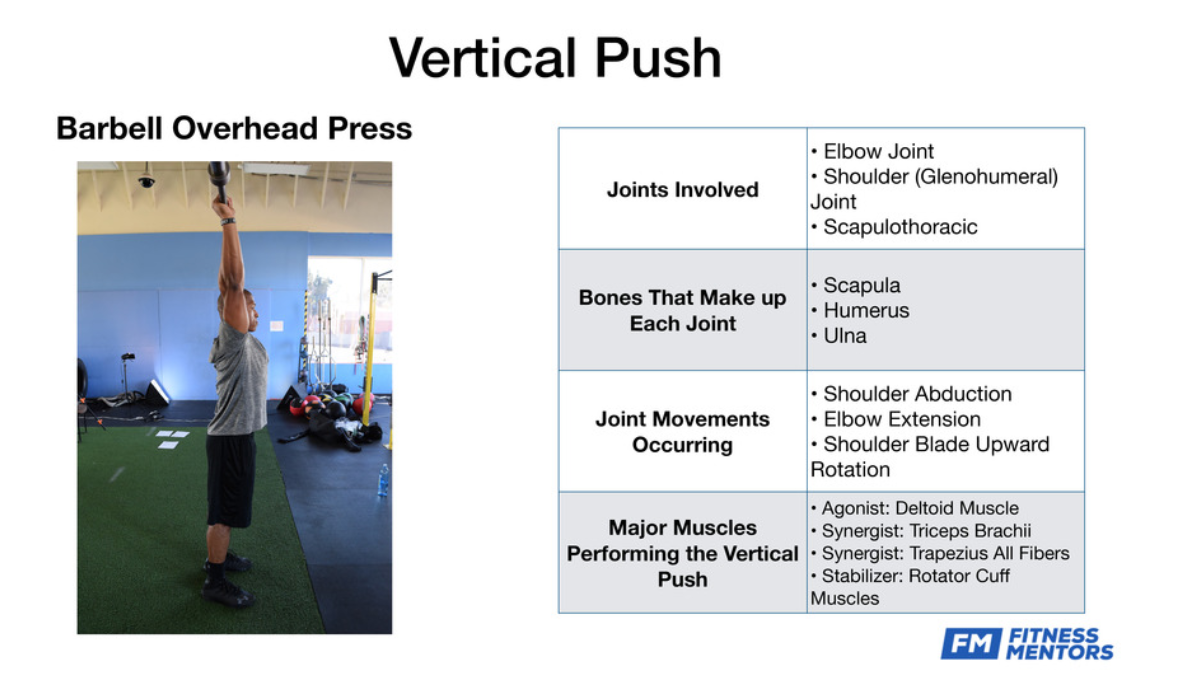
Upper Vertical Push: Example - Military Press (delts)
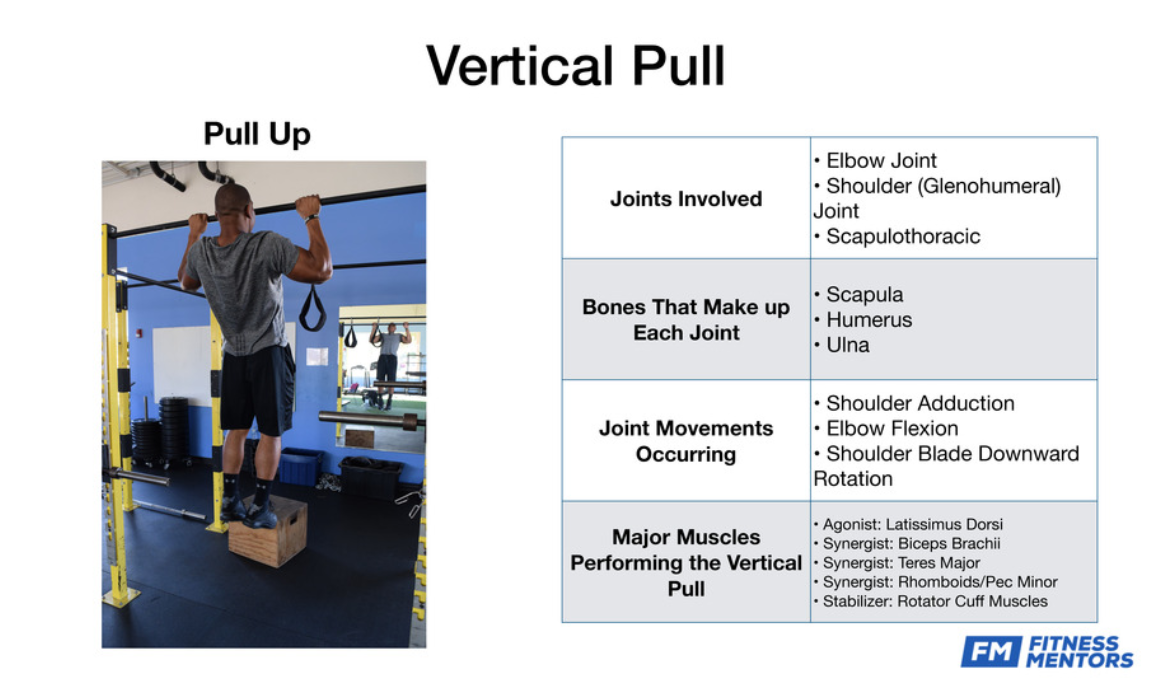
Upper Vertical Pull: Example - Lat pull downs (lats)
Lower Pull (hip hinge/glute): Example - deadlift, ham curls
FITNESS ASSESSMENTS
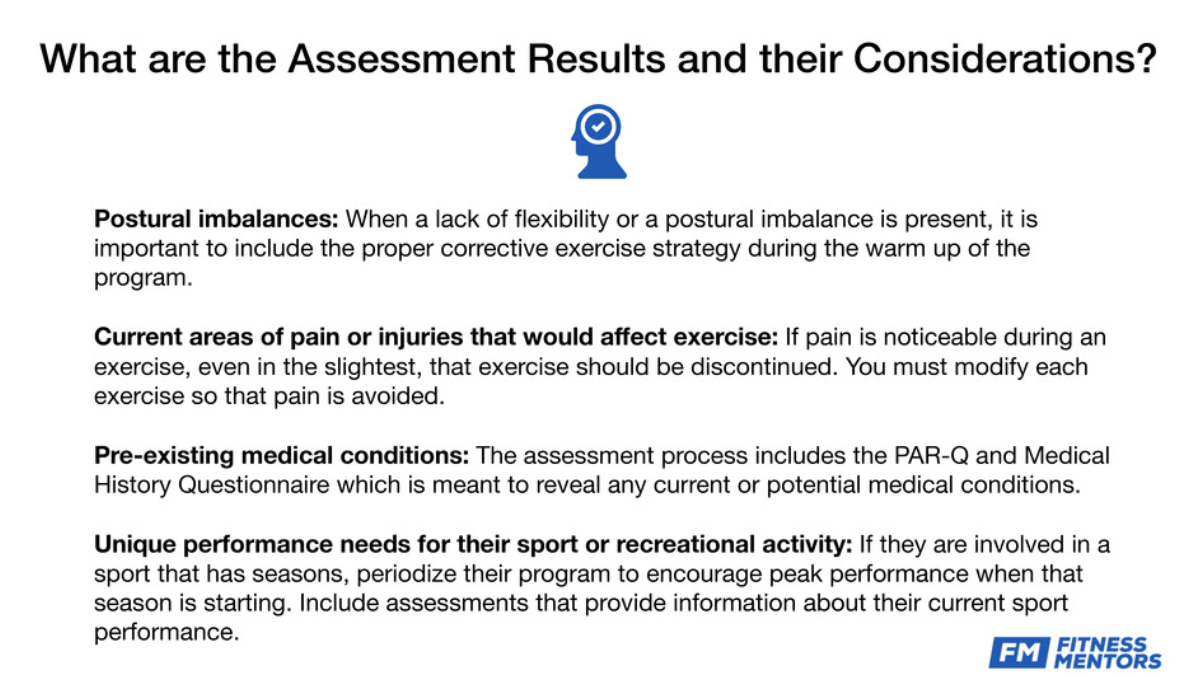
Subjective assessments: used to gather info about a clients lifestyle, occupation, personal and medical history.
Essential first step with client to learn personal and medical history
Allows trainer to not only get to know the client, but provides requisite details for the program design, and ensures the customer gets what they need.
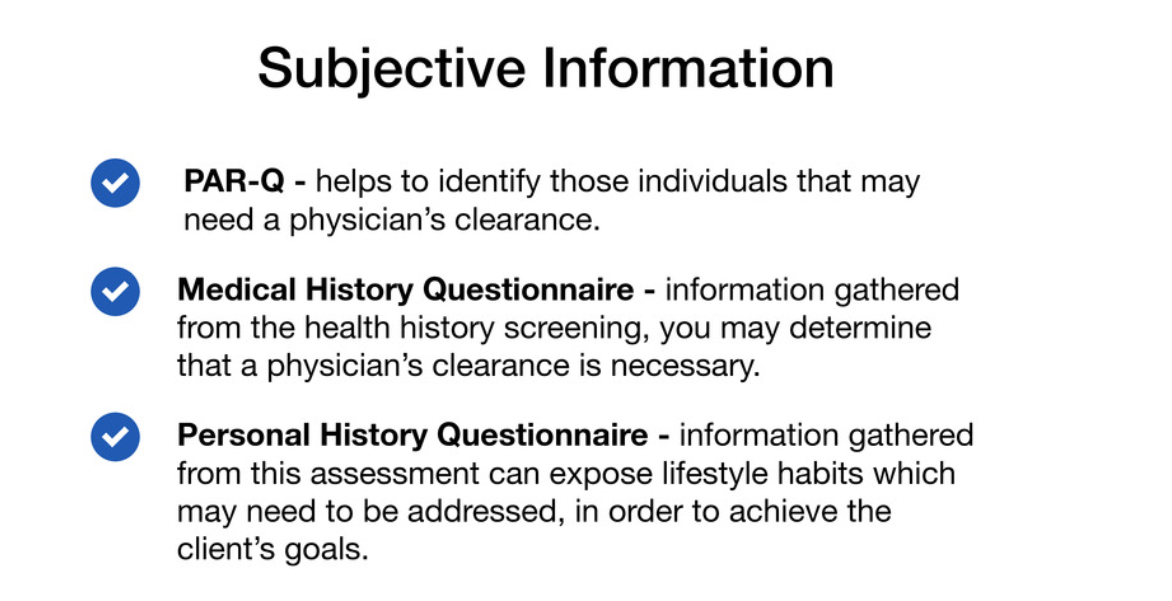
If a client answers YES to any PAR-Q question, they must receive a doctor’s clearance to start an exercise program.
OBJECTIVE ASSESSMENTS - A.K.A FITNESS ASSESSMENTS:
Physiologic assessments: an assessment used to gather info about a clients body function and systems
resting heart rate
blood pressure
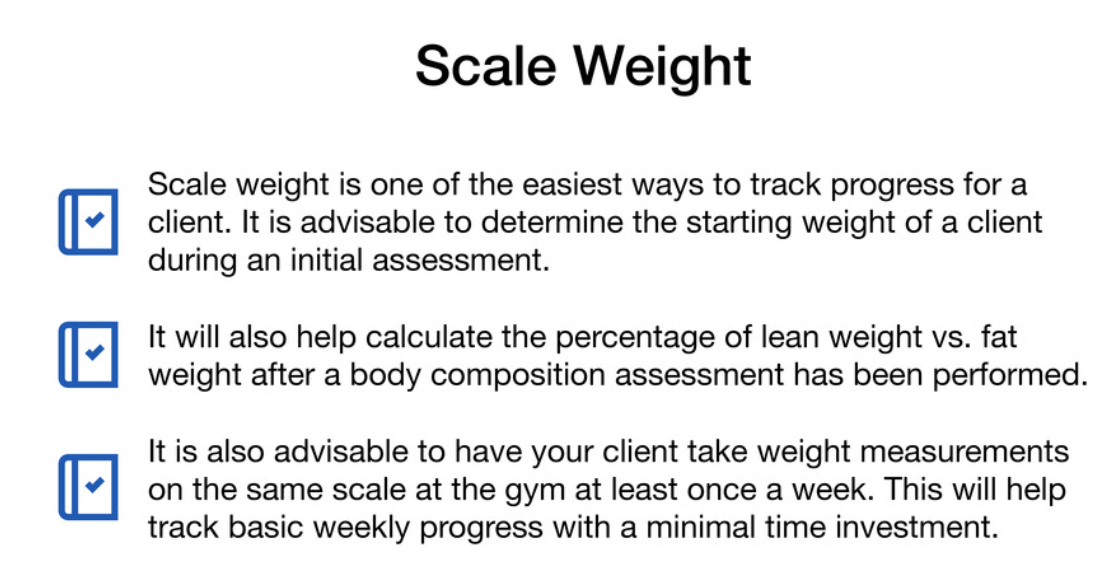
weight
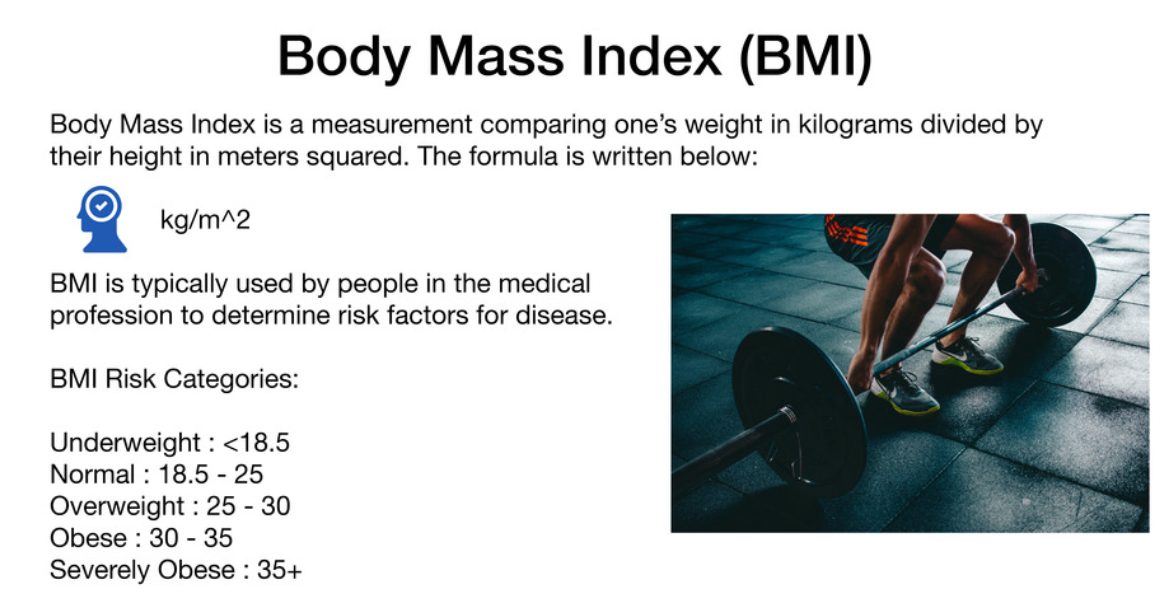
BMI
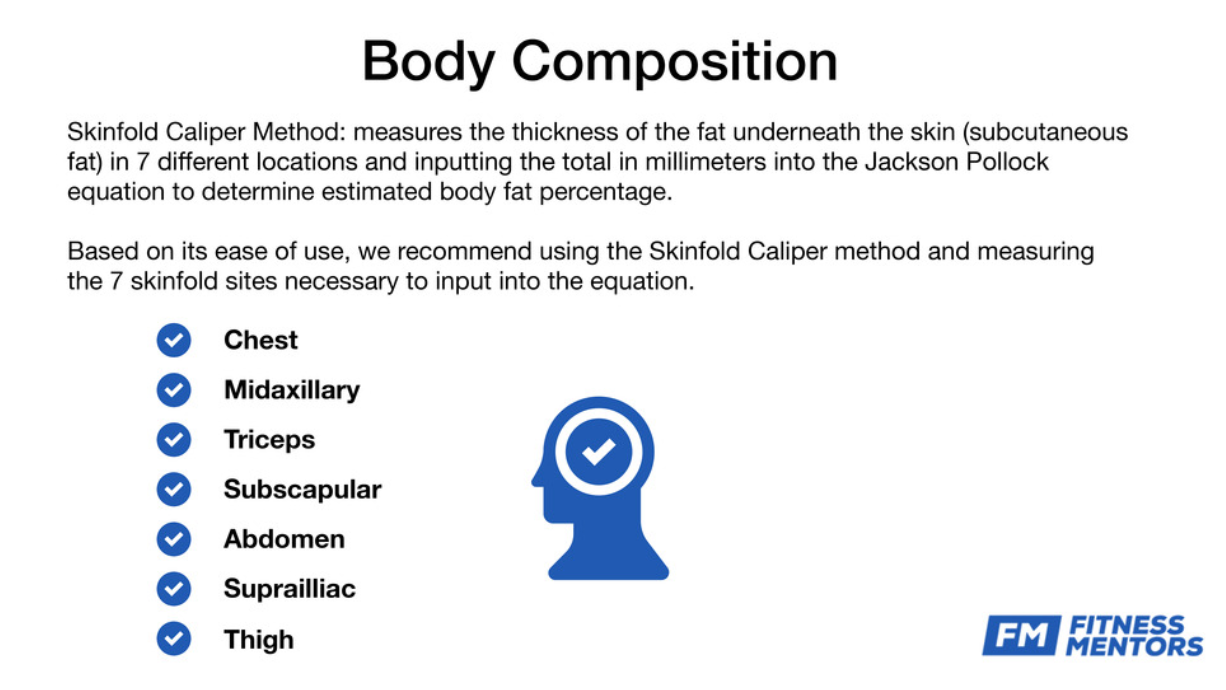
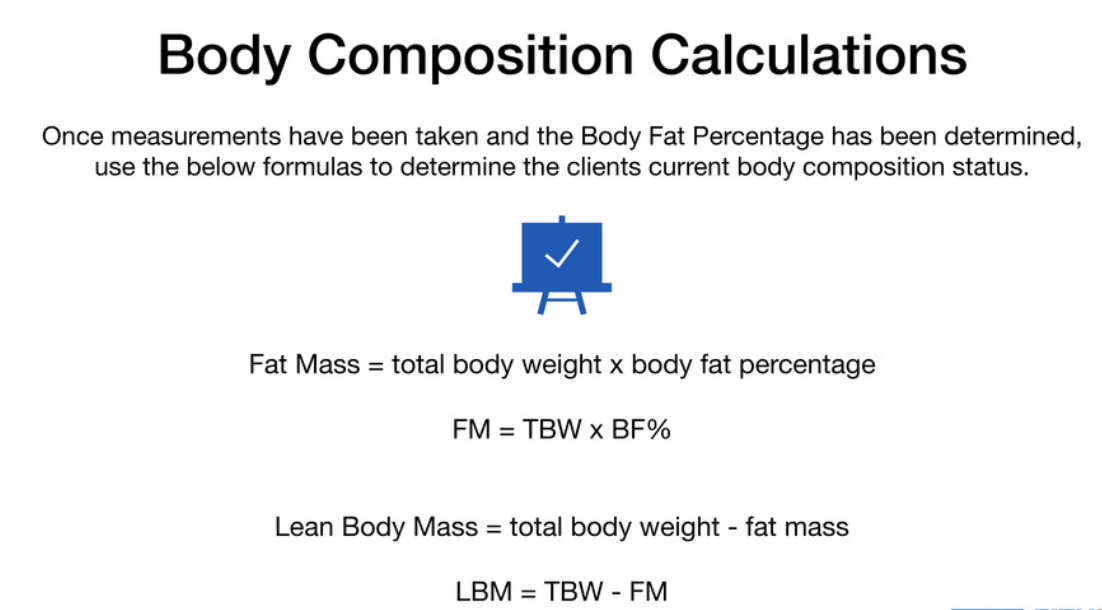
Body Comp
Circumference Measurements
RESTING HEART RATE:
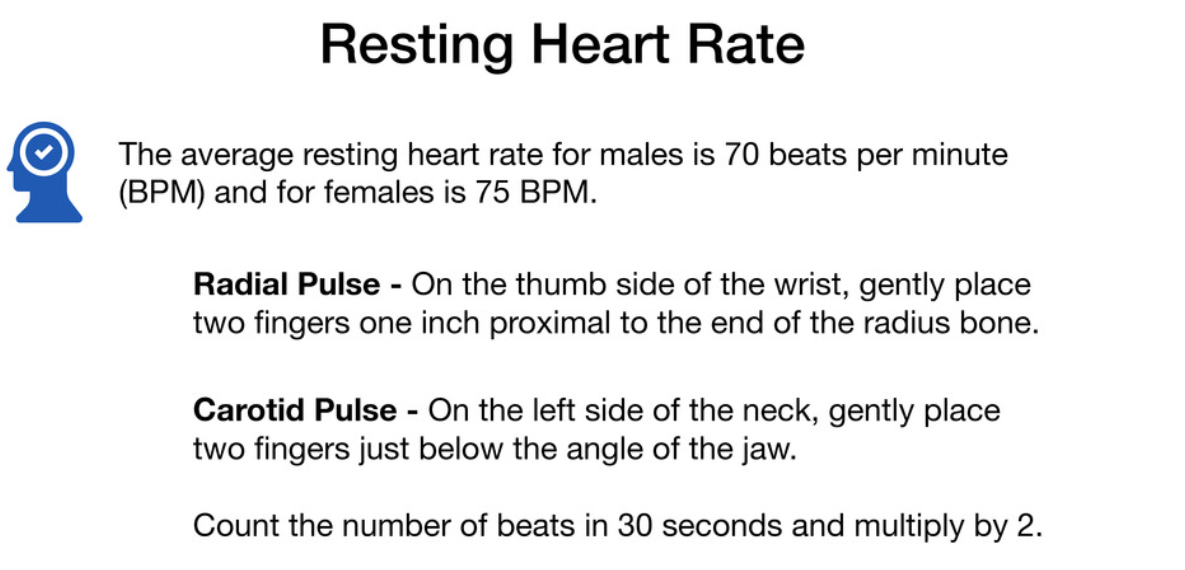
Avg RHR for Males - 70BPM Females - 75BPM
FITNESS ASSESSMENT
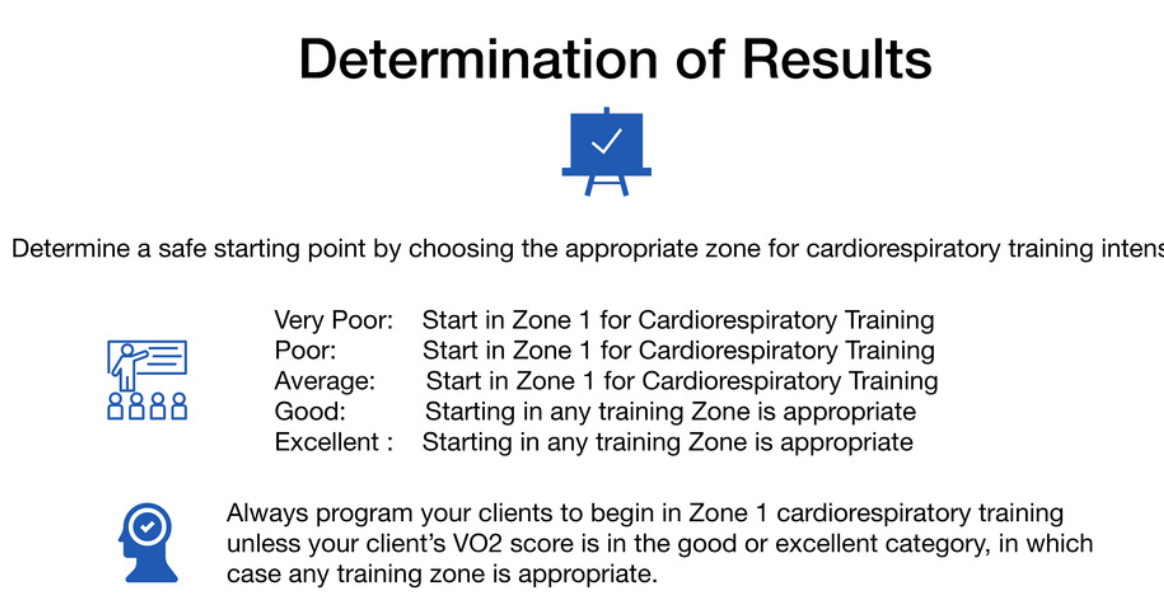
STATIC POSTURAL ASSESSMENT
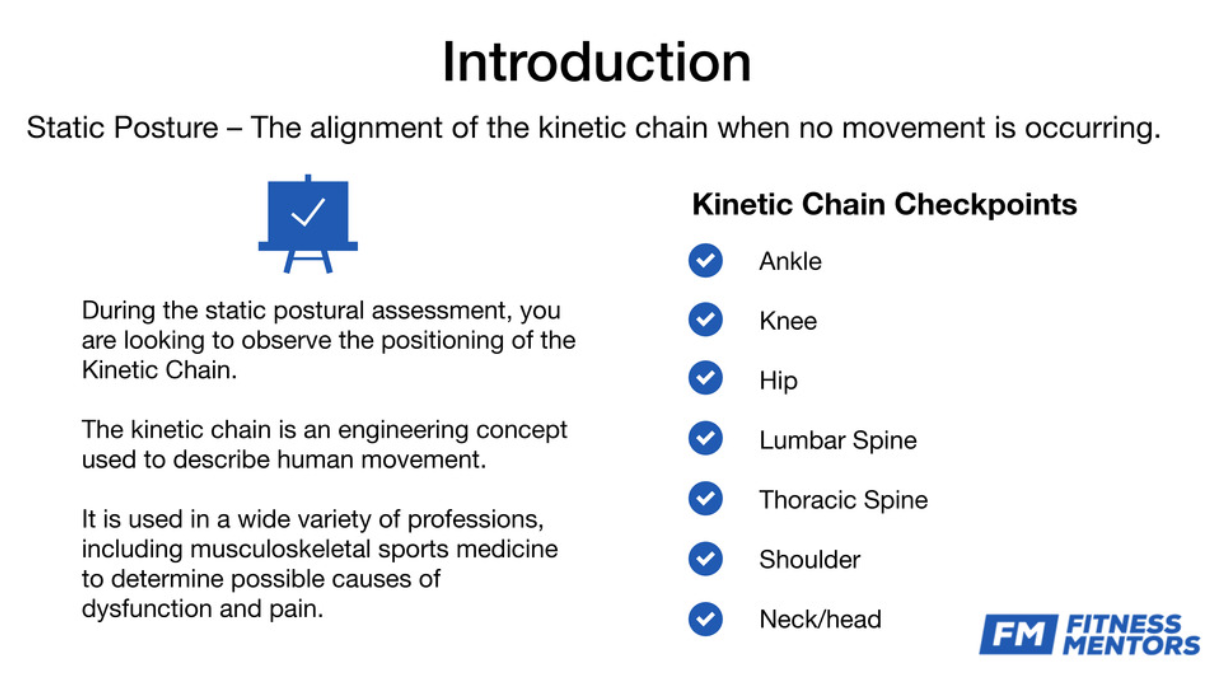
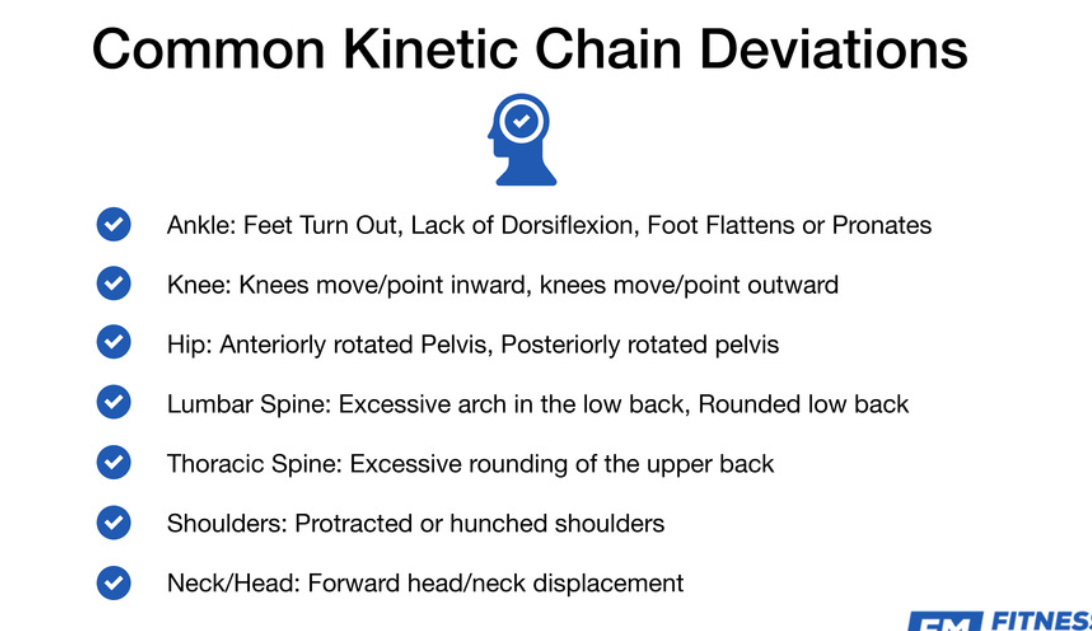
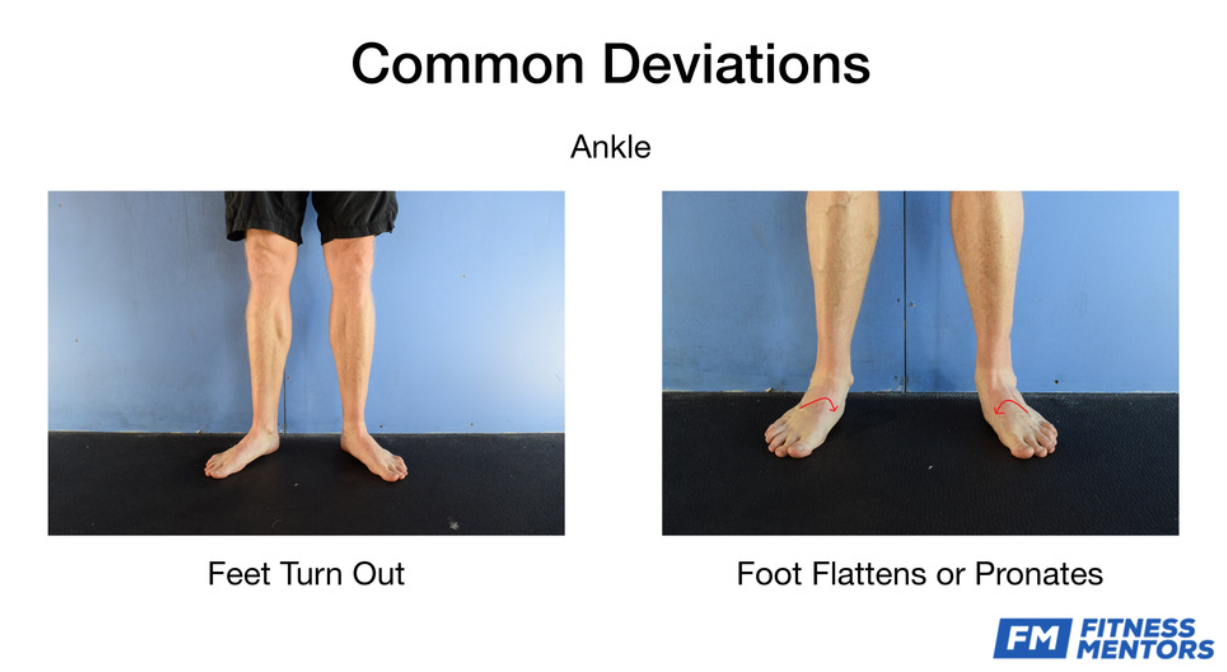
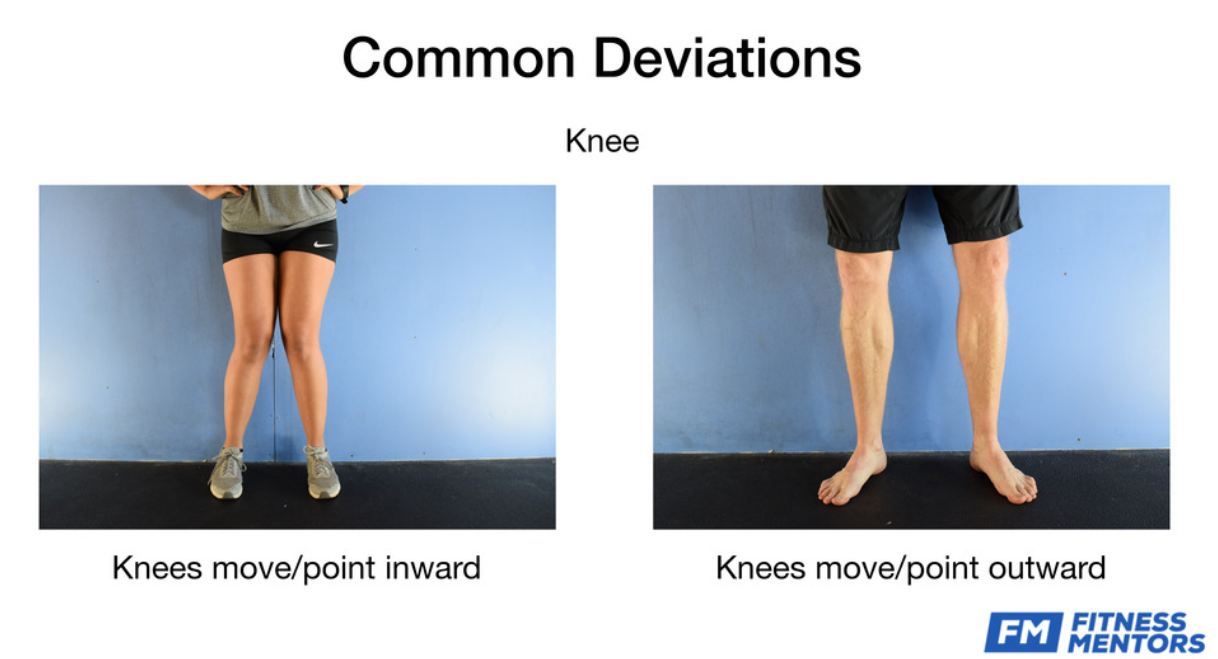
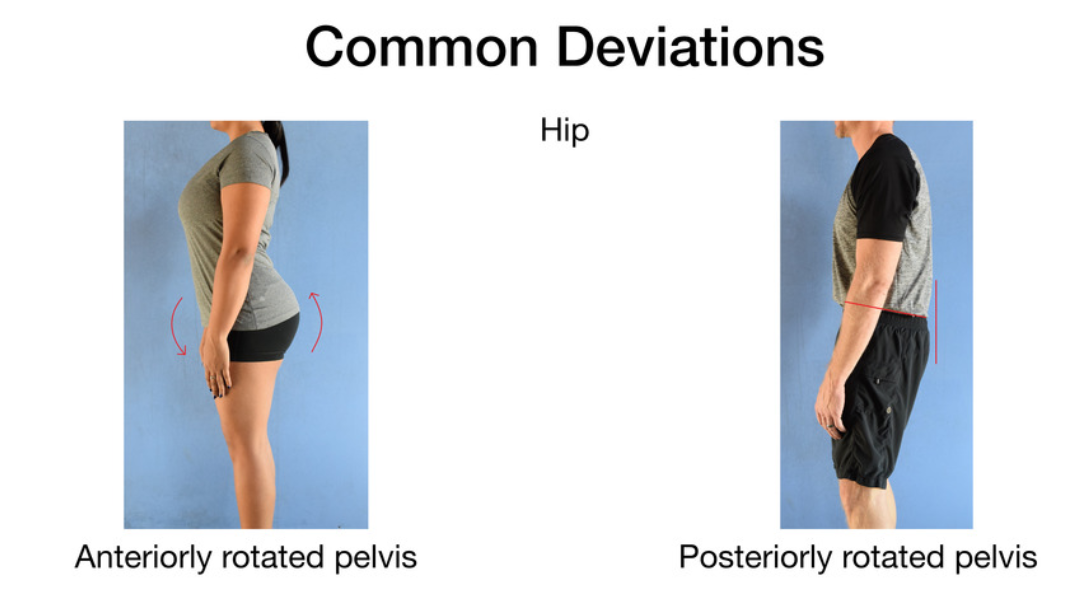
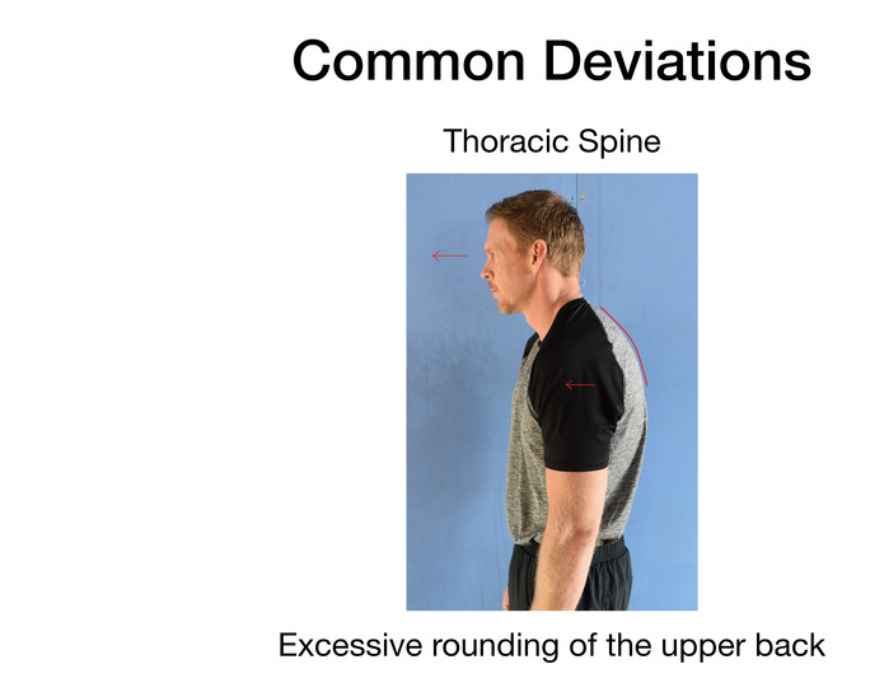
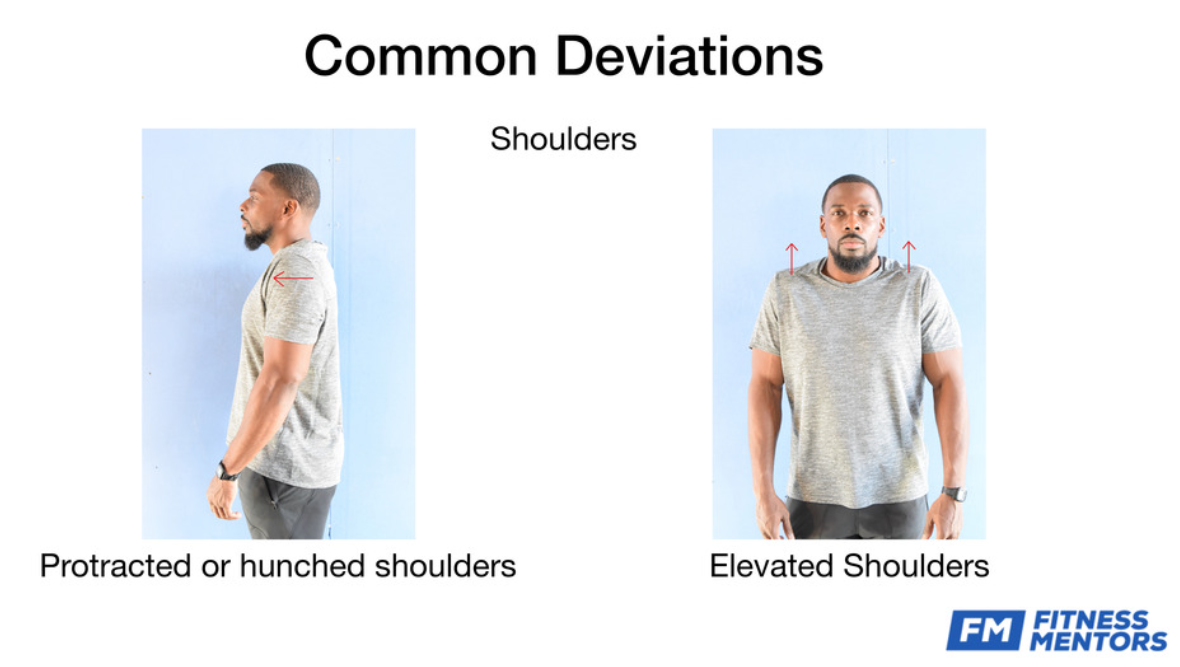
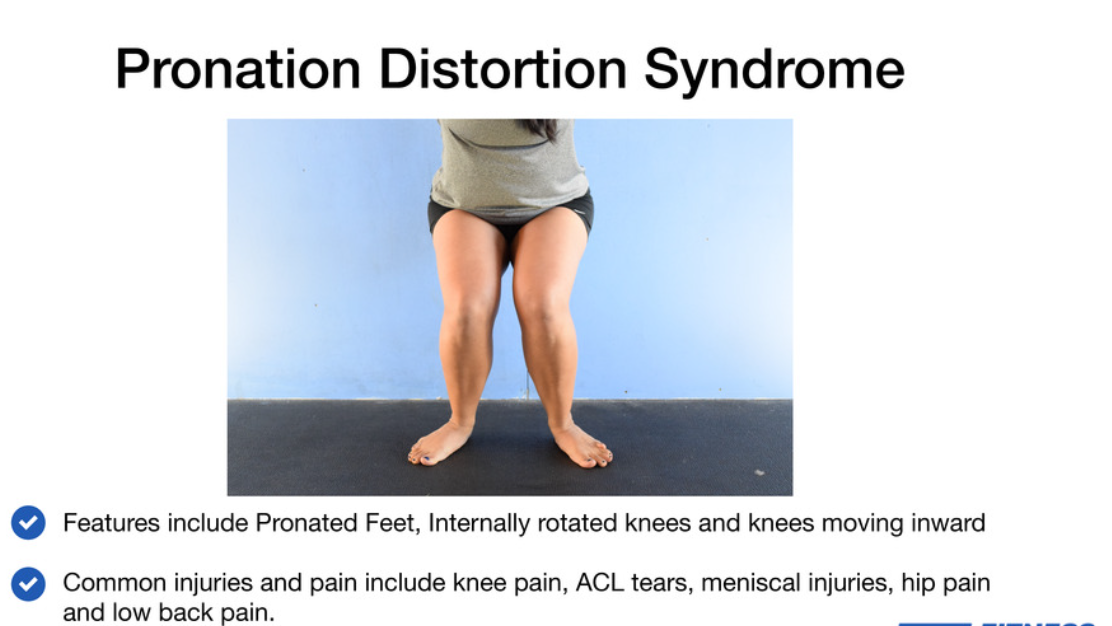
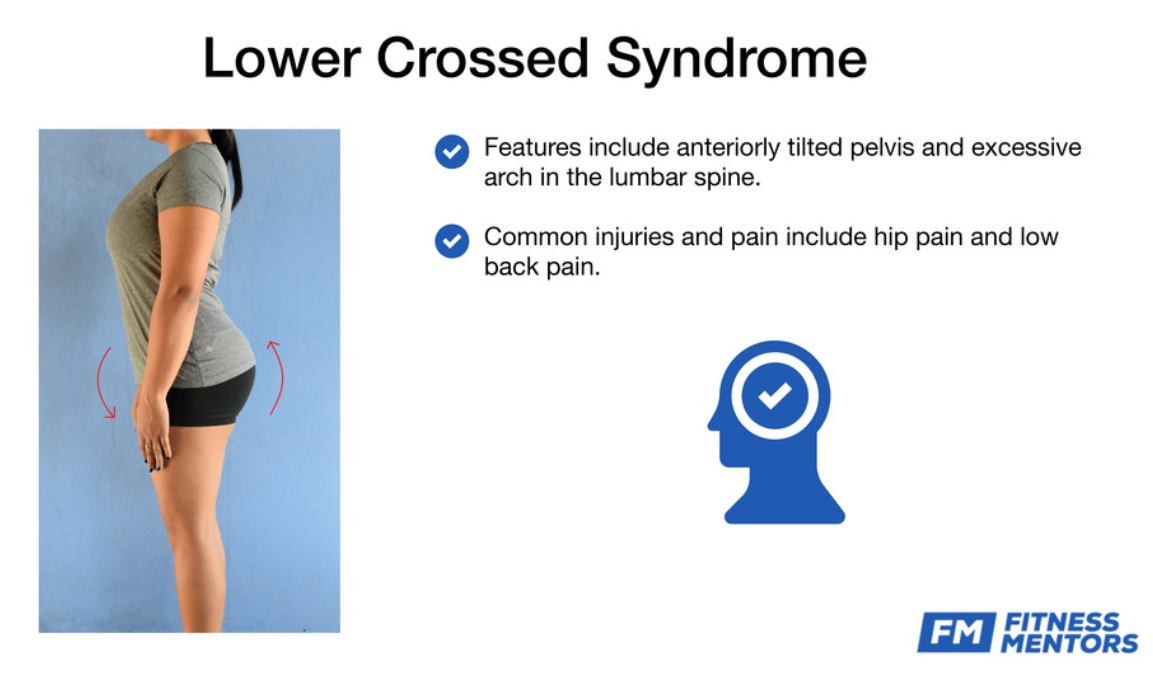
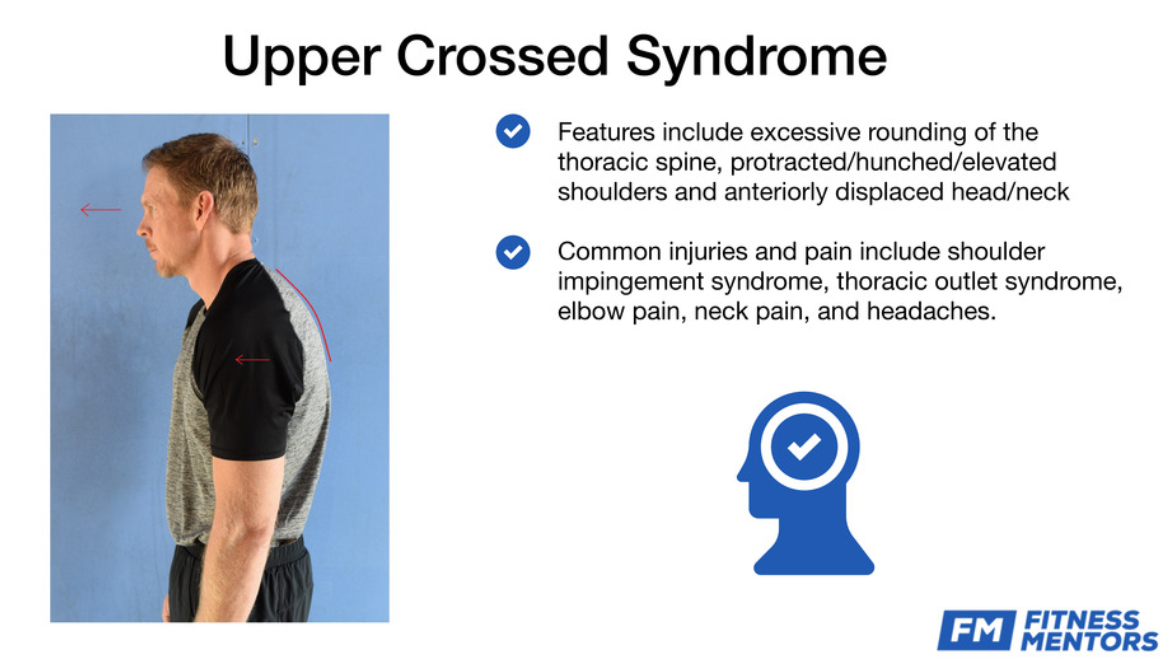
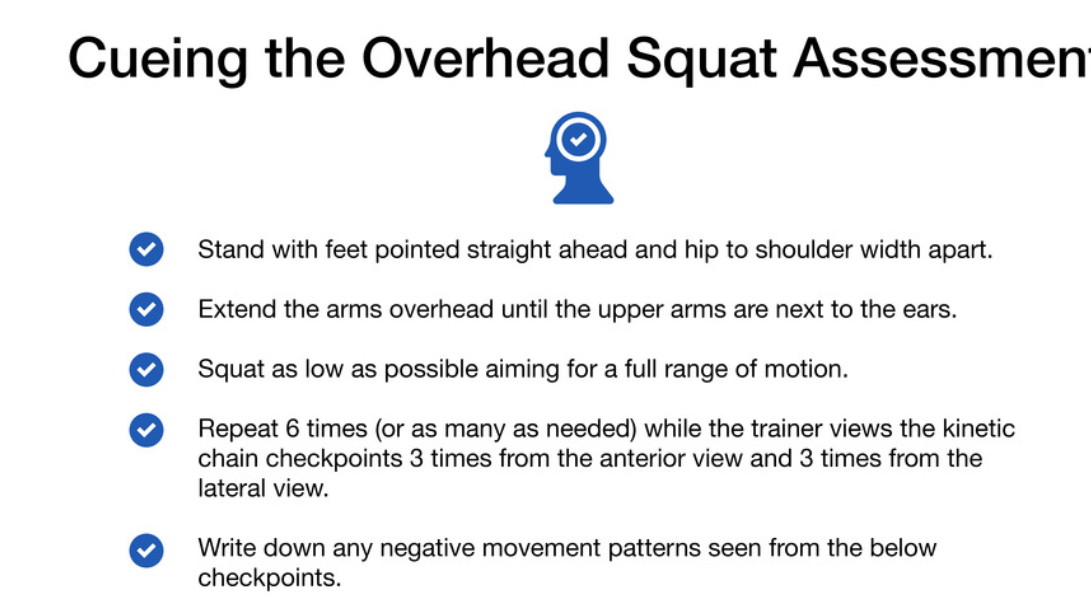
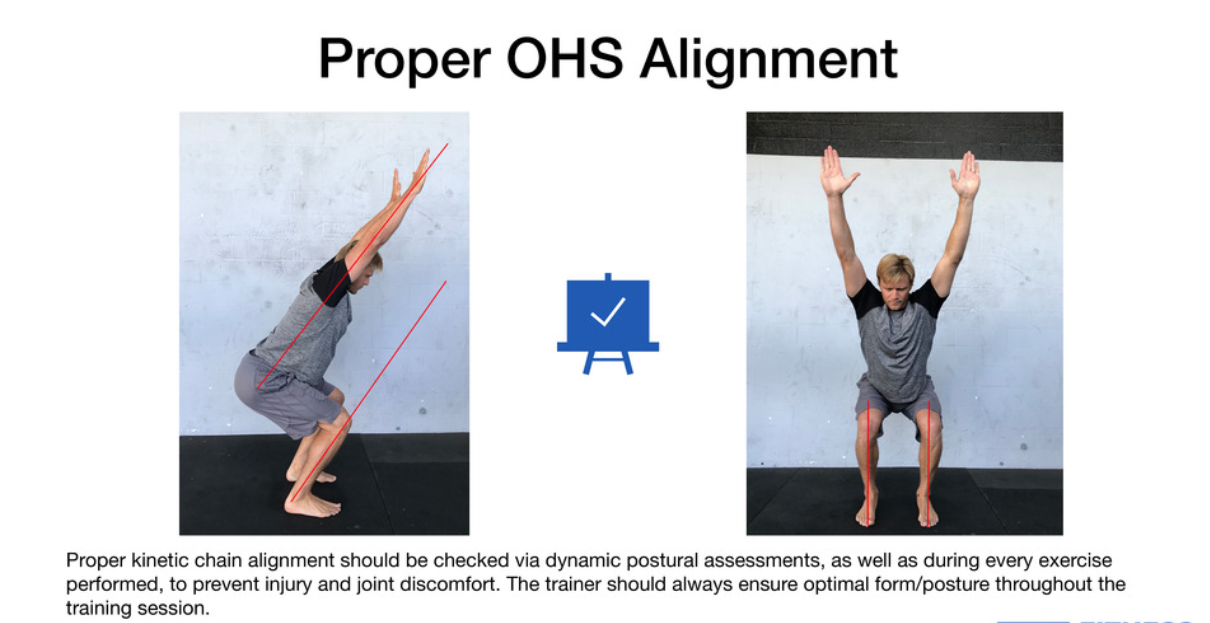
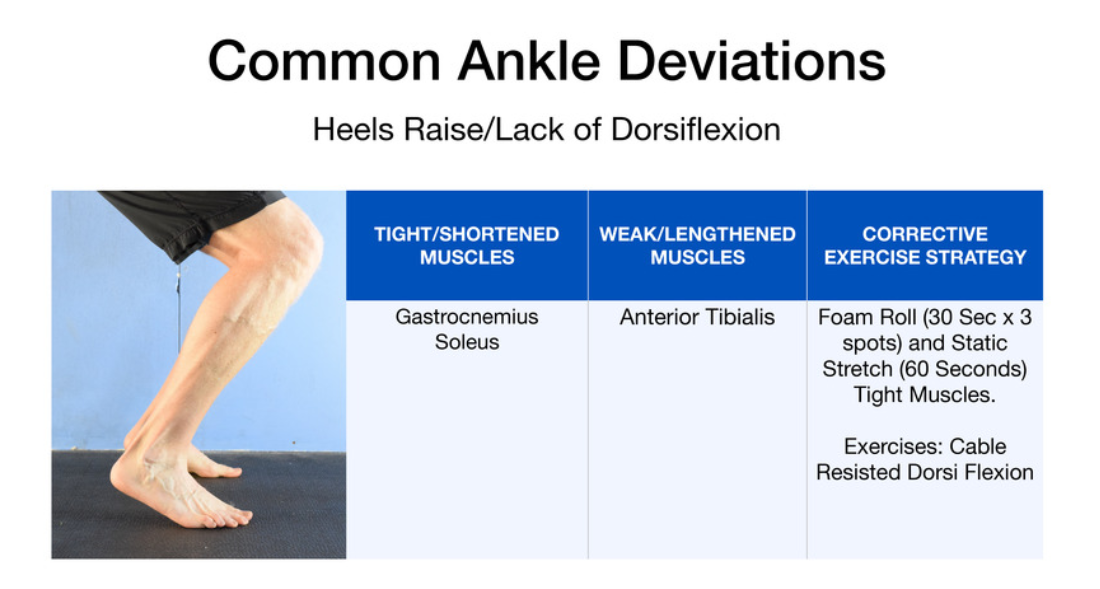
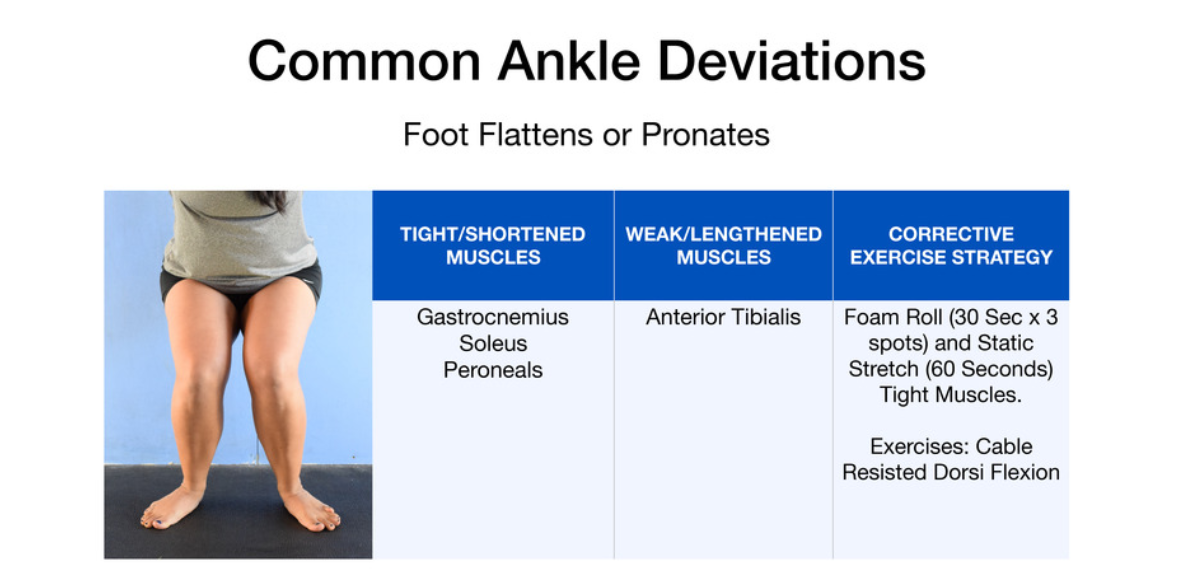
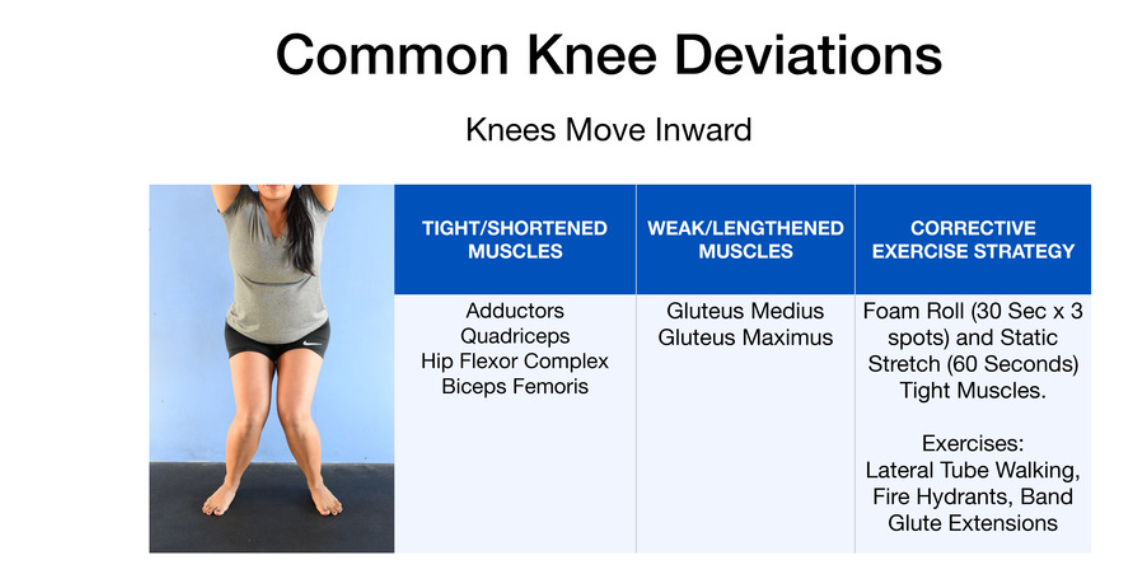
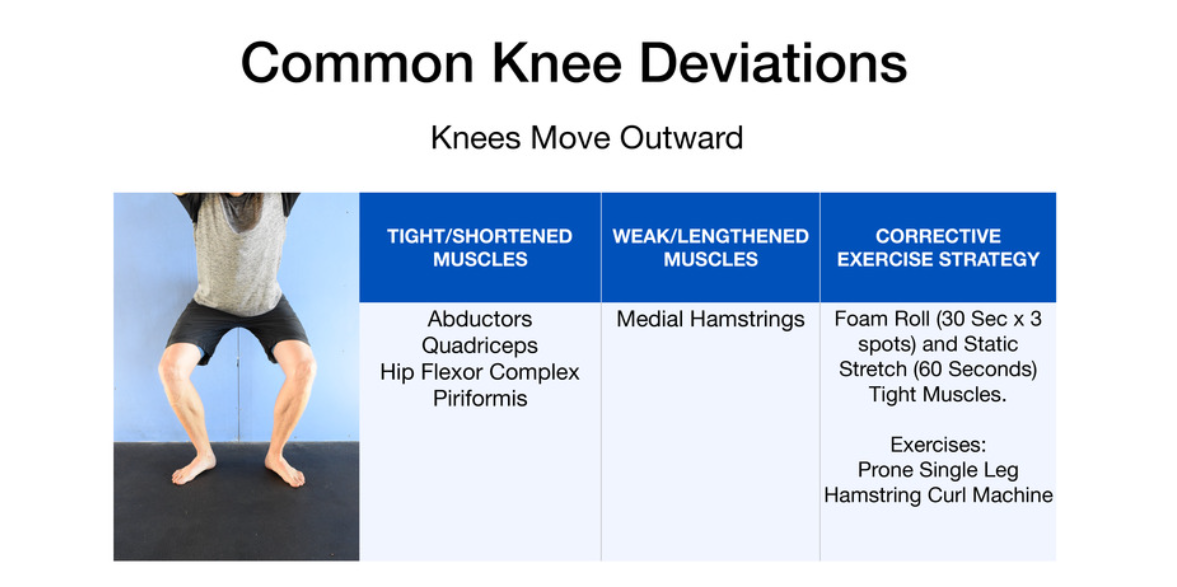
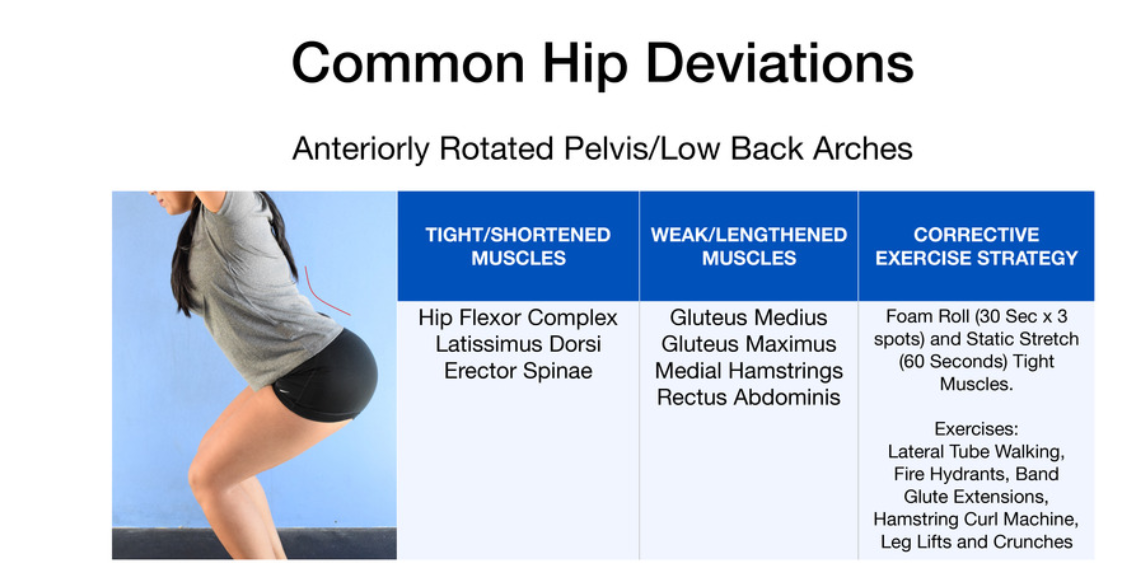
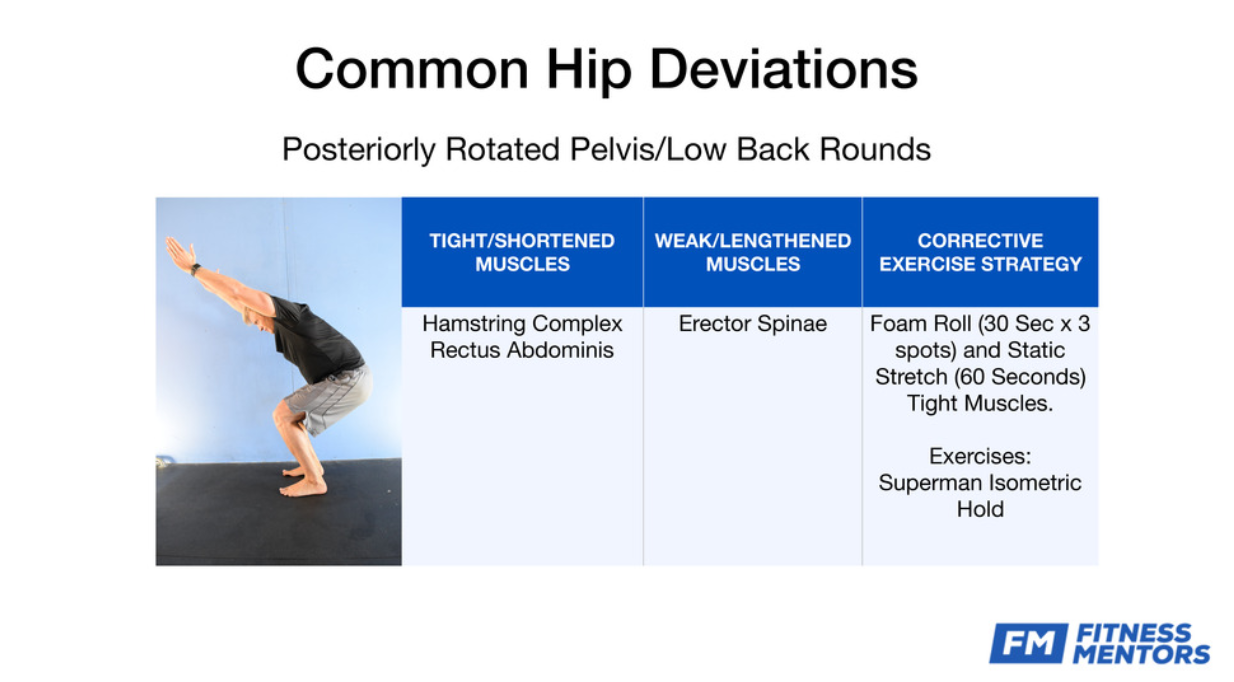
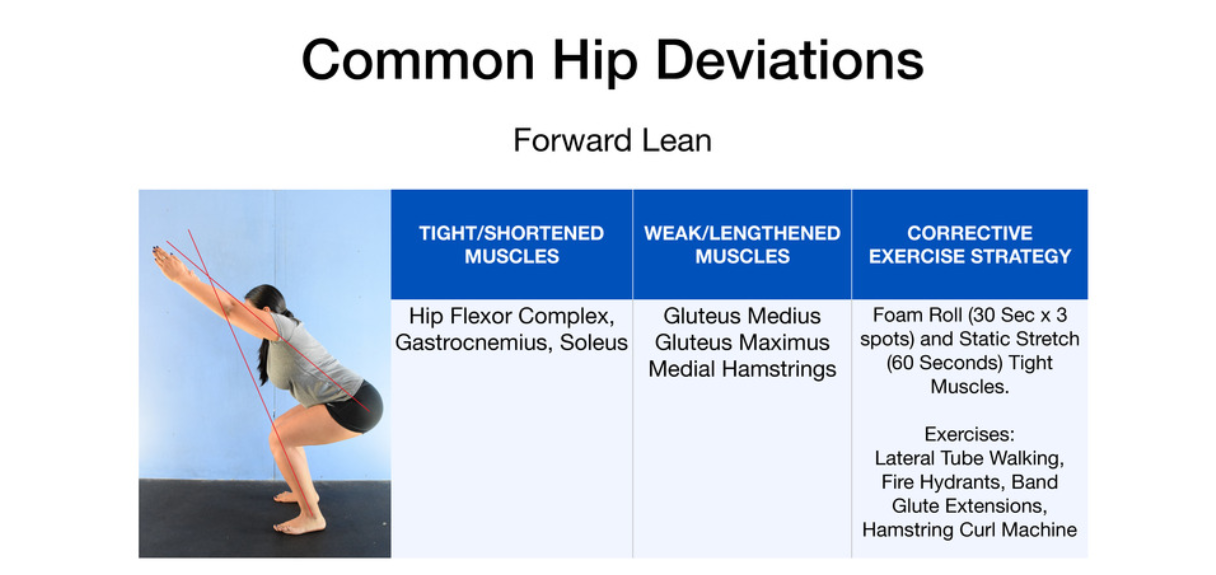
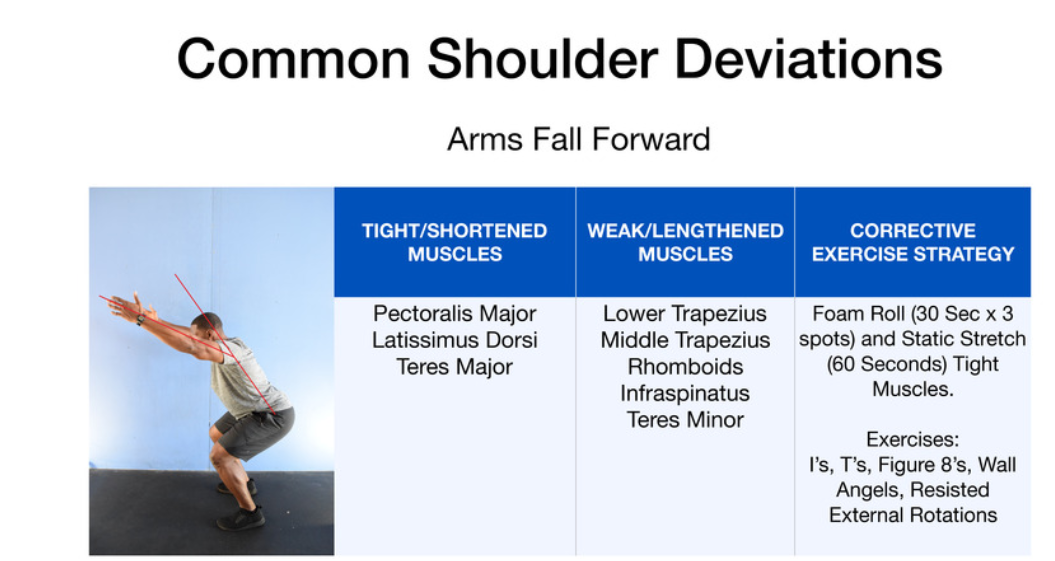
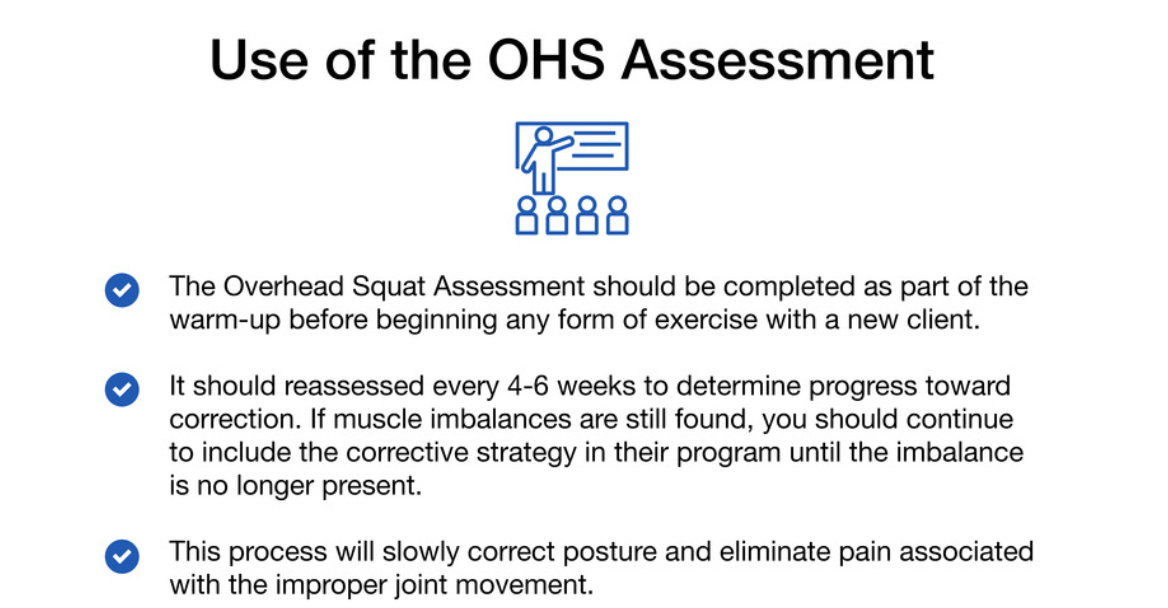
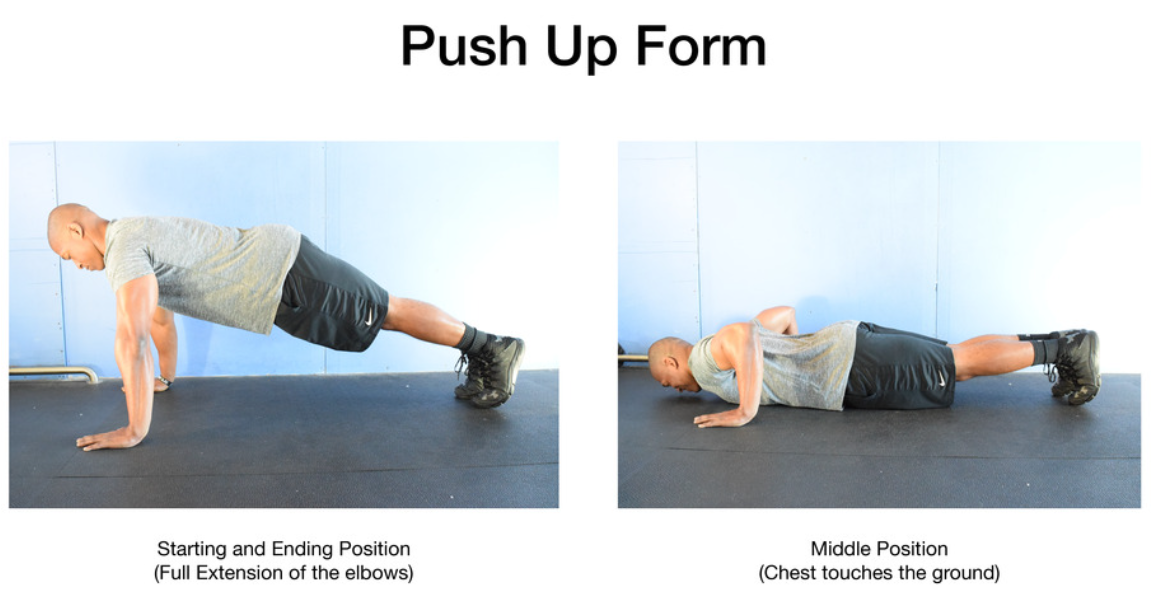
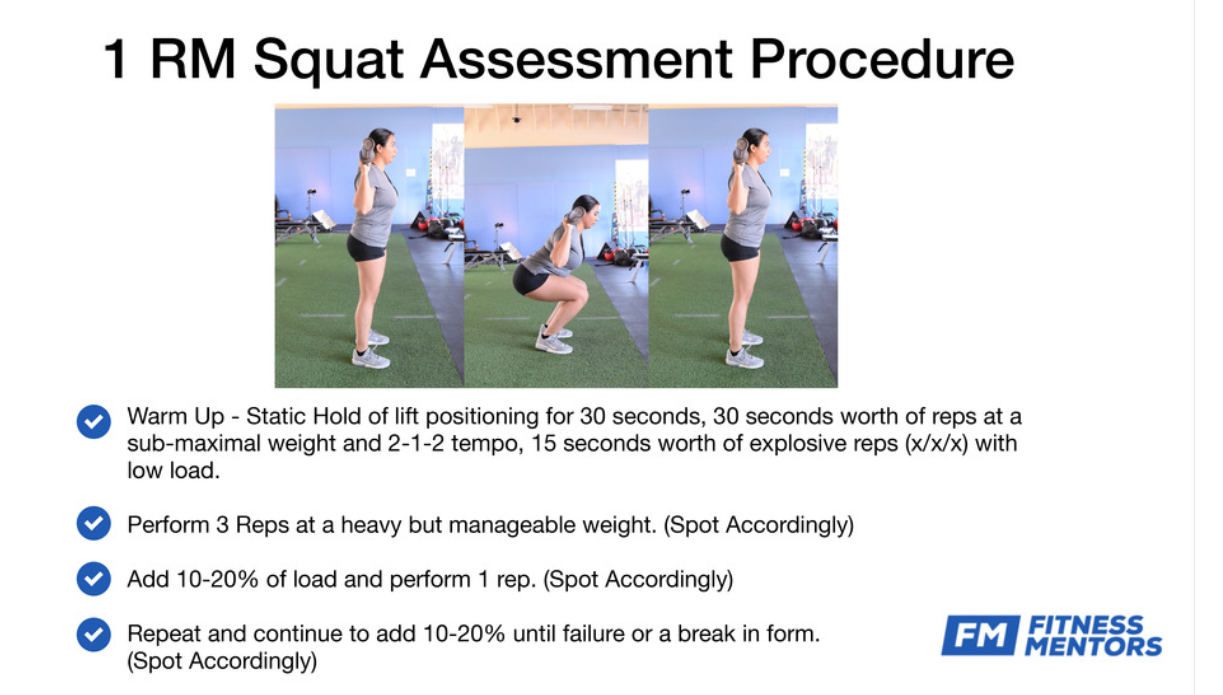
SAME FOR DEADLIFT AND BENCH
PART 1: 3 Standard Subjective Assessments
PAR-Q (Physical Activity Readiness Questionnaire): This allows understanding of a client’s readiness for physical activity.
Health History Questionnaire: Provides insights into medical history, medications, and health conditions.
Lifestyle Questionnaire: Gathers information on daily habits, diet, and exercise routines.
Used to Develop Rapport: Lifestyle Questionnaire is key for developing rapport as it helps trainers get to know the client personally and understand their motivation and lifestyle, leading to a more tailored approach.
PART 2: Normal and High Blood Pressure
Normal Systolic/Diastolic Blood Pressure: 120/80 mmHg
High Blood Pressure: Generally considered to be 130/80 mmHg or higher.
PART 3: 4 Ways to Measure Body Composition
Skinfold Measurements (Calipers)
Bioelectrical Impedance Analysis (BIA)
Hydrostatic Weighing
Dual-Energy X-ray Absorptiometry (DEXA)
Most Accurate: DEXA is considered the most accurate.
PART 4: 7 Skinfold Sites for Skinfold Caliper Method
Triceps
Chest
Midaxillary
Subscapular
Abdomen
Suprailiac
Thigh
Body Fat Percentage Calculation:
Body Fat Percentage = (Weight - Lean Weight) / Weight × 100
Calculation: (150 - 120) / 150 × 100 = 20% body fat.
PART 5: Static vs Dynamic Posture
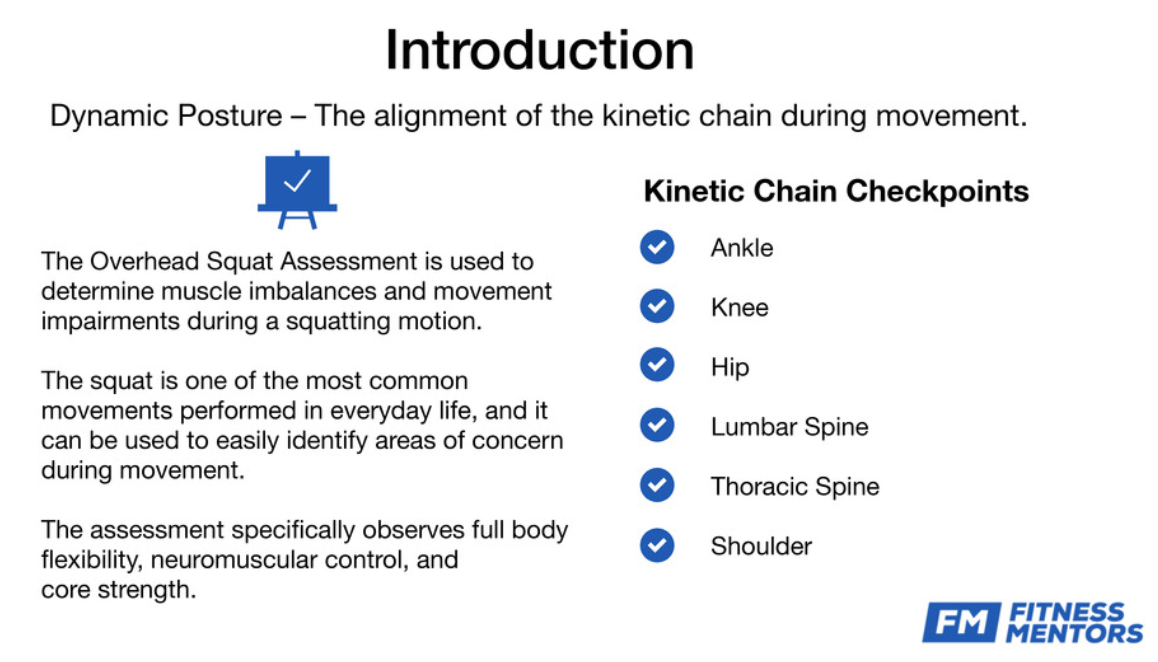
Static Posture: The alignment of the body when not in motion, assessed when a person is standing still.
Dynamic Posture: The alignment of the body during movement, assessed when a client is exercising or performing activities.
PART 6: 7 Kinetic Chain Checkpoints in Overhead Squat Assessment
Foot Position
Knee Position
Hip/Hinge
Lumbo-Pelvic-Hip Complex
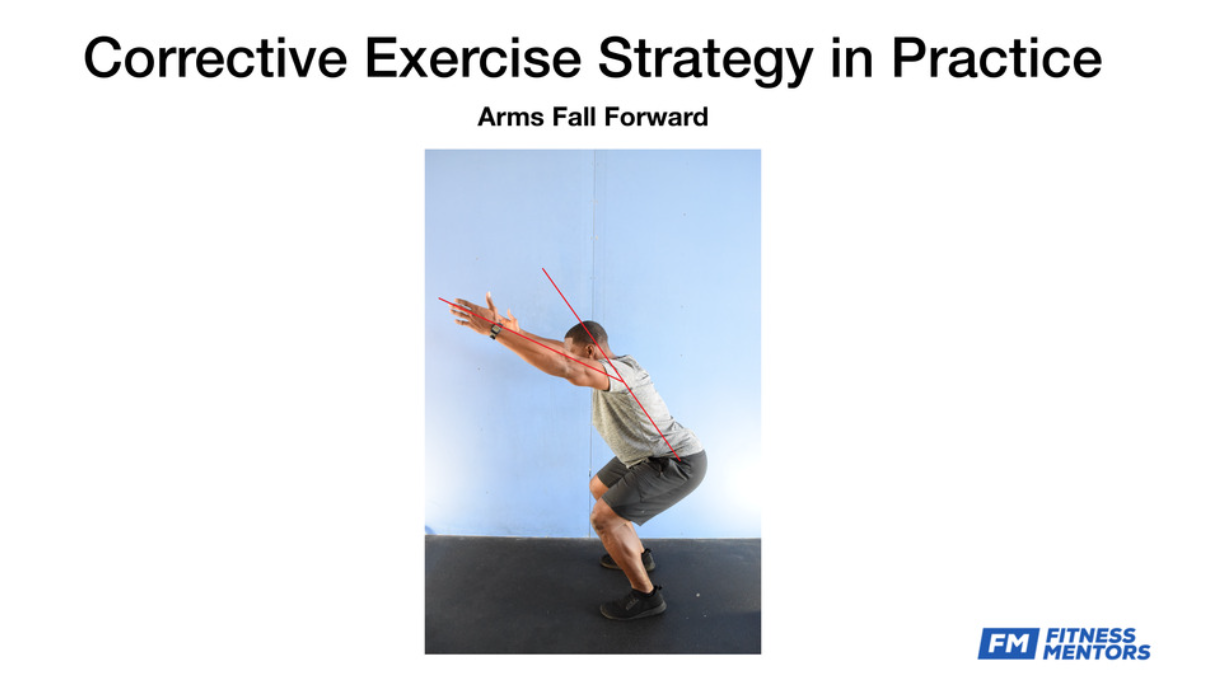
Shoulder Position
Head Position
Spine Alignment
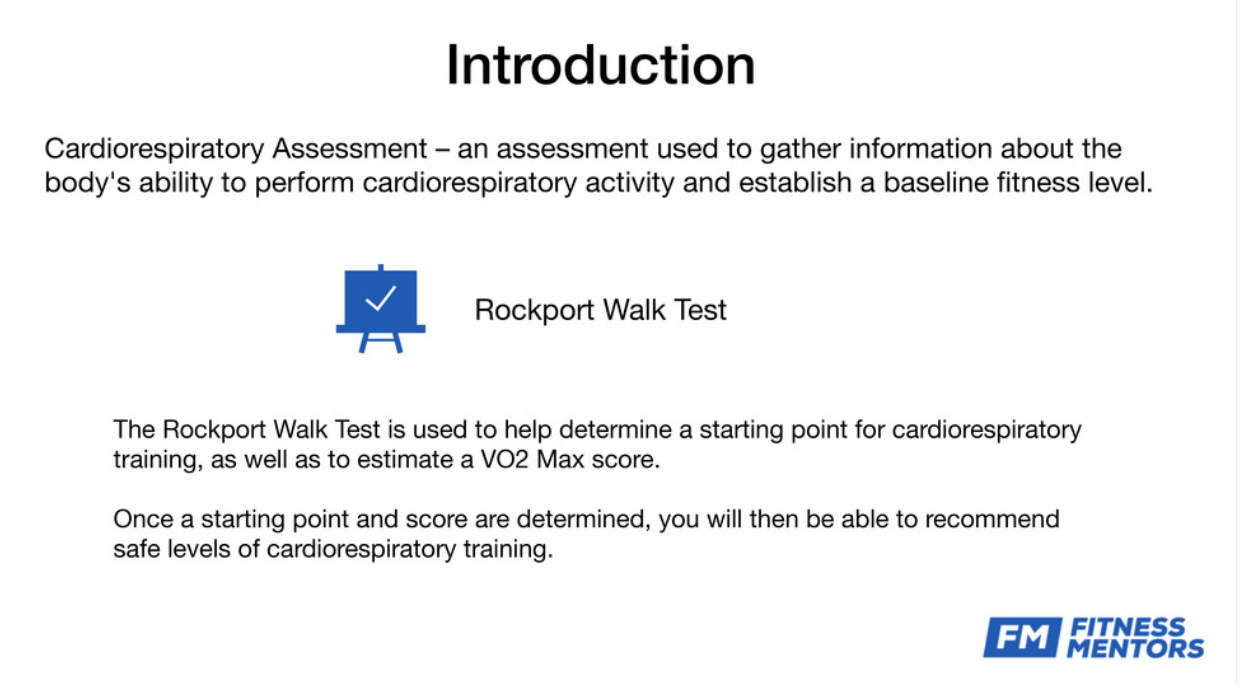
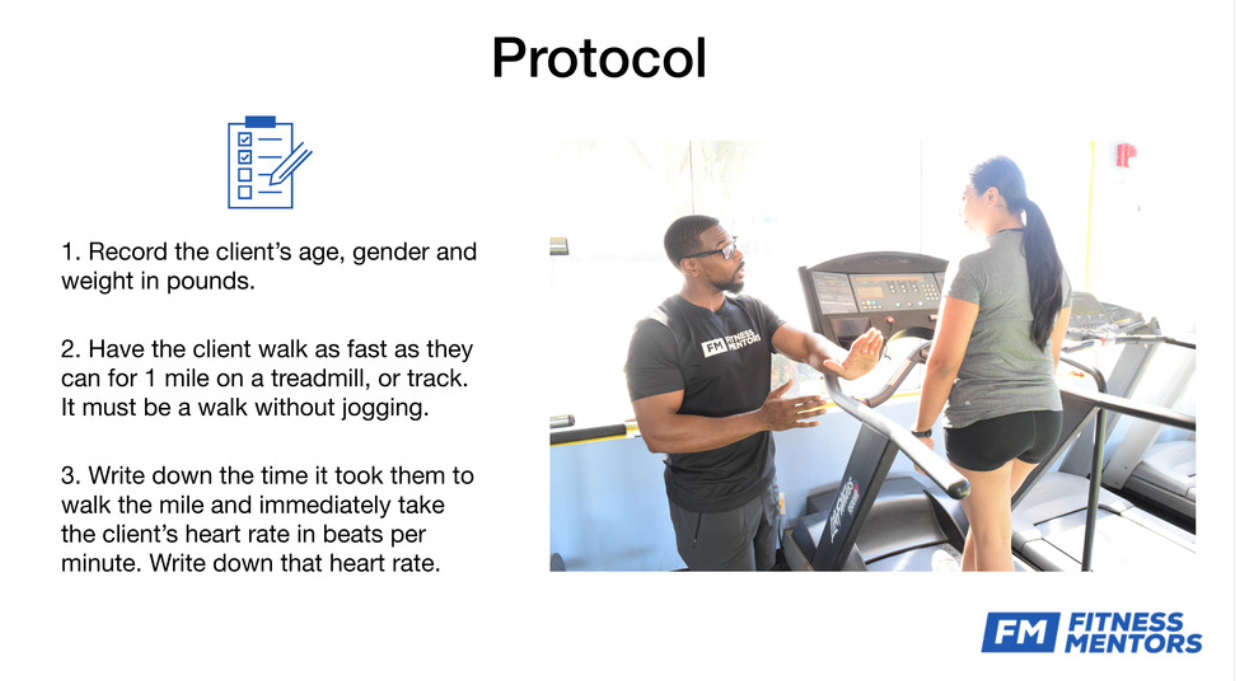
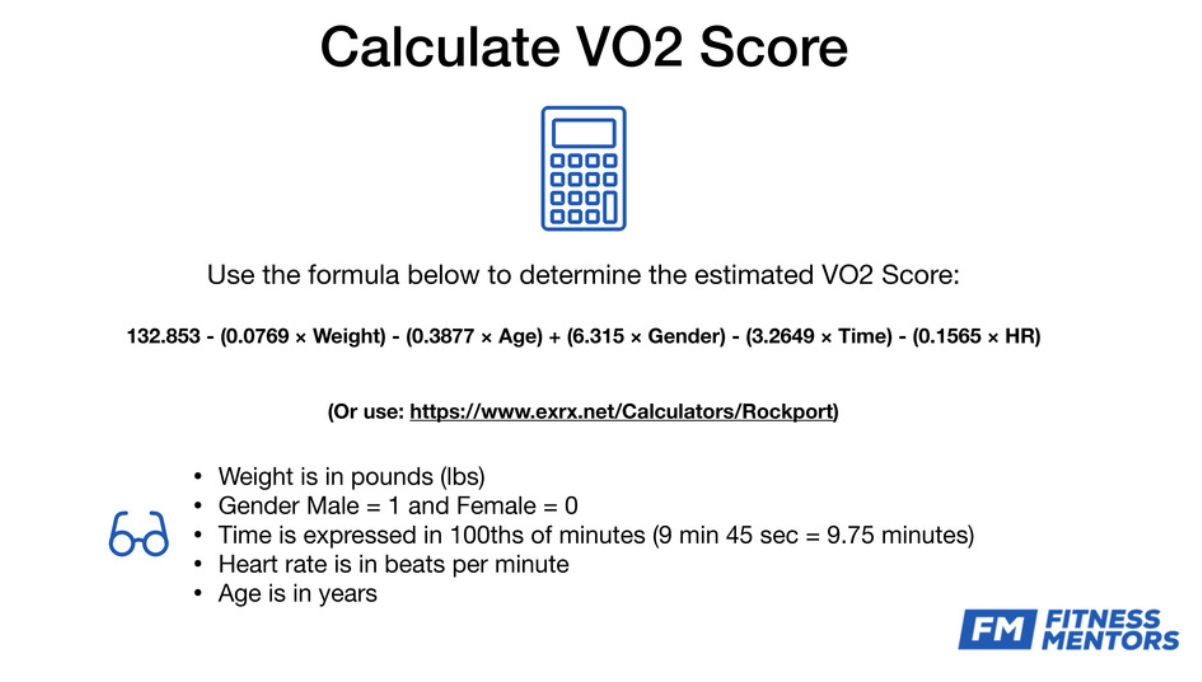
PART 7: 5 Variables for Estimated VO2 Max (Rockport Walk Tests)
Weight in kg
Time taken to complete 1 mile
Heart Rate at the end of the walk
Age
Gender
PART 8: Postural Issues
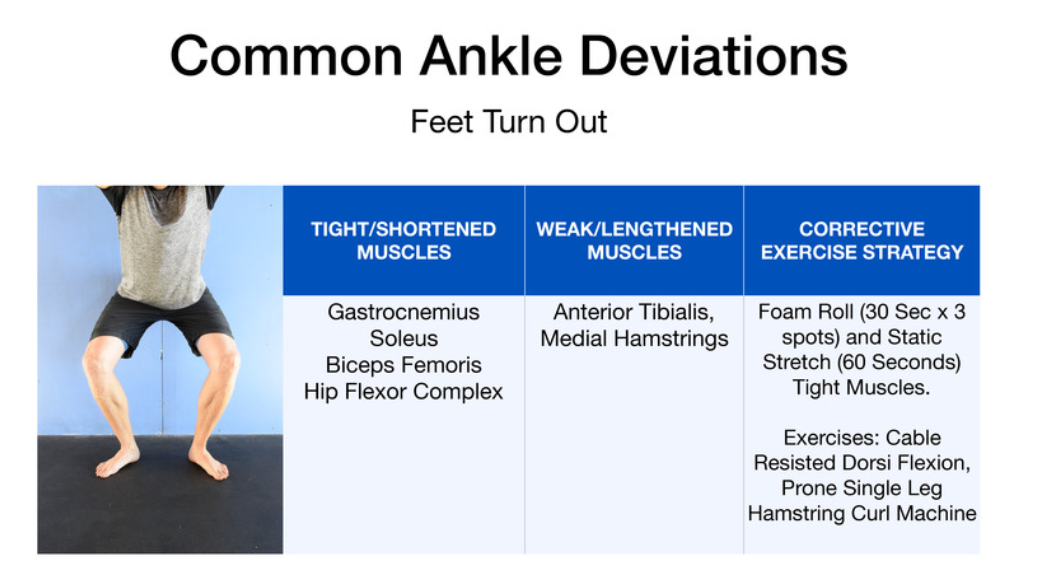
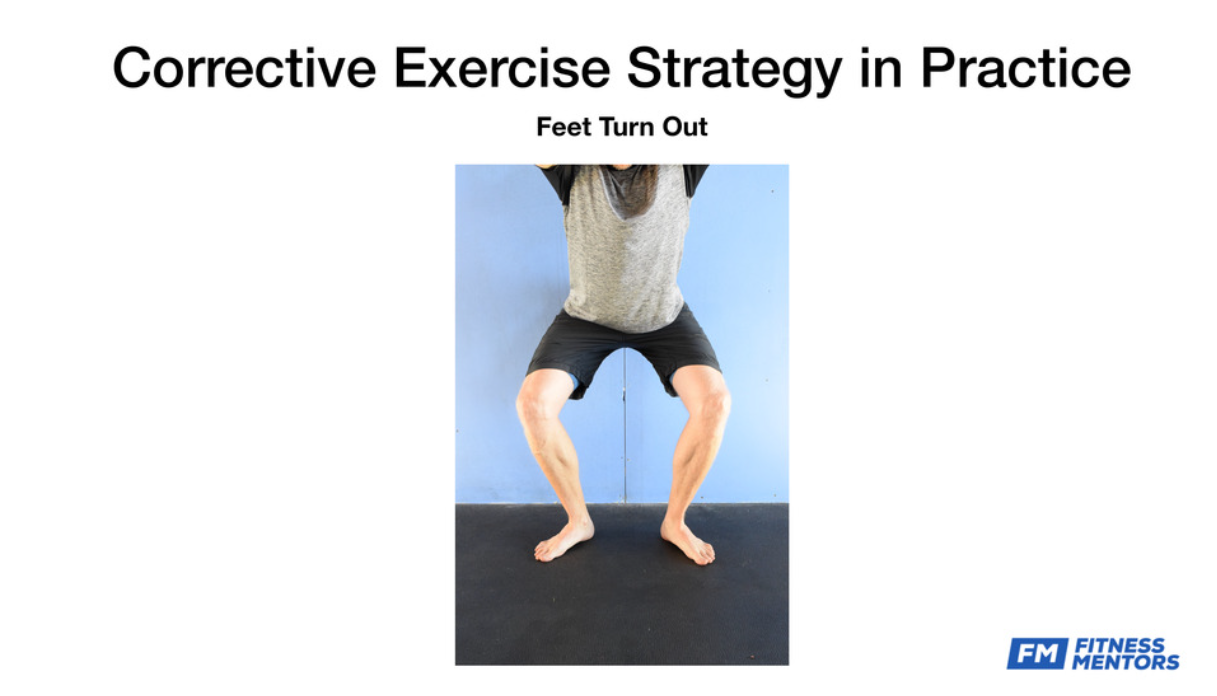
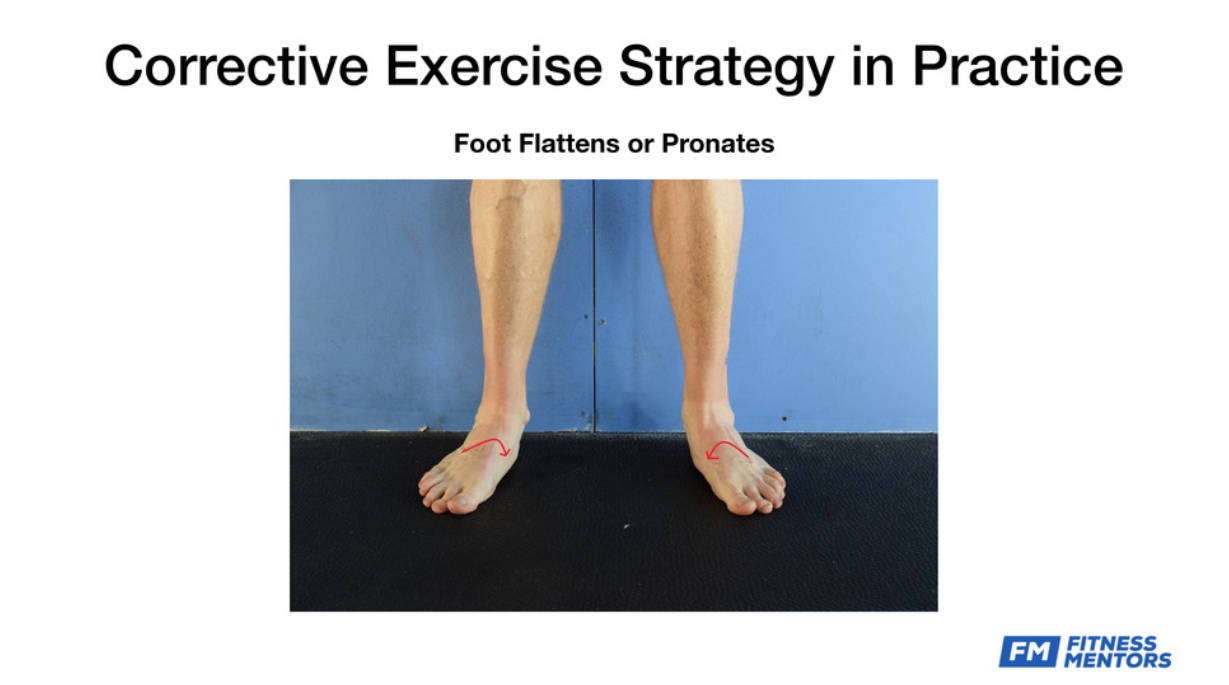
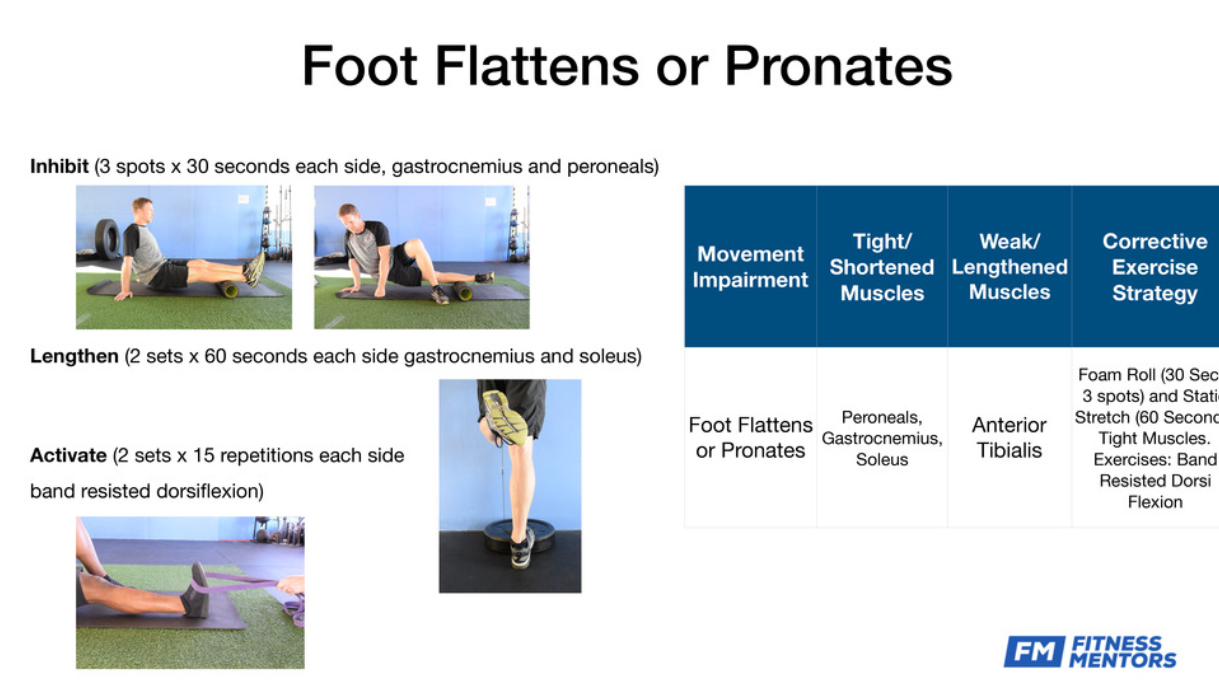
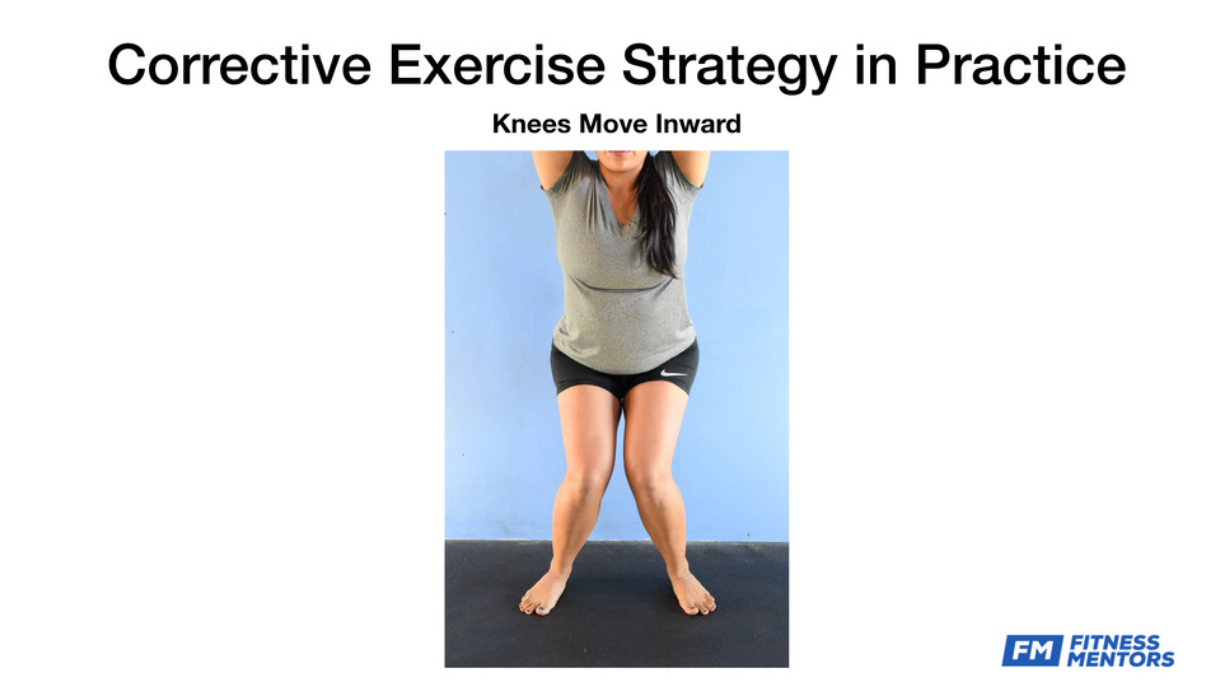
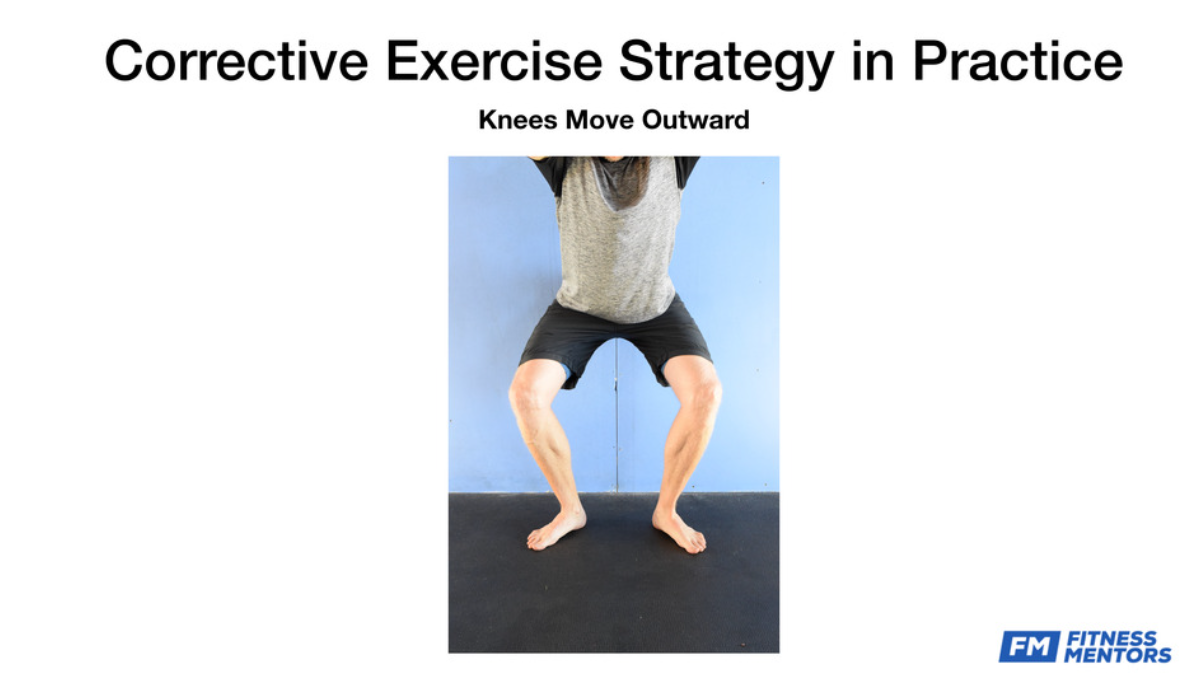
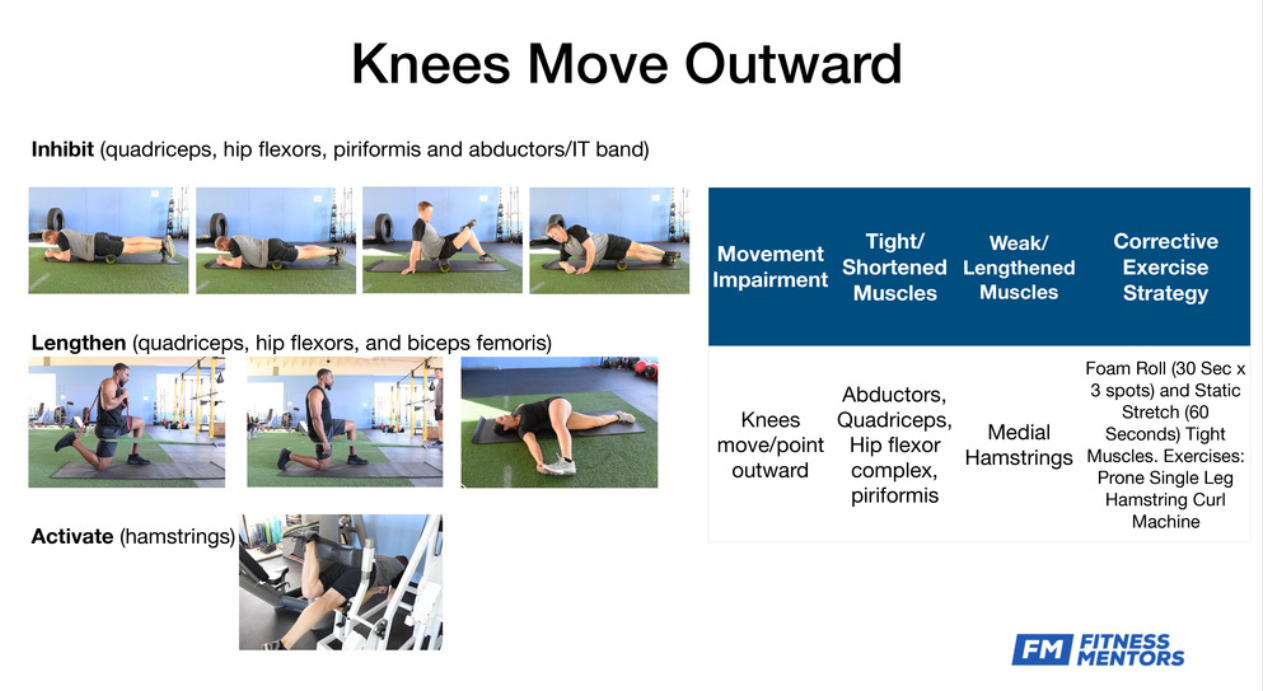
Pronation Distortion Syndrome: Feet turn out, knees move in.
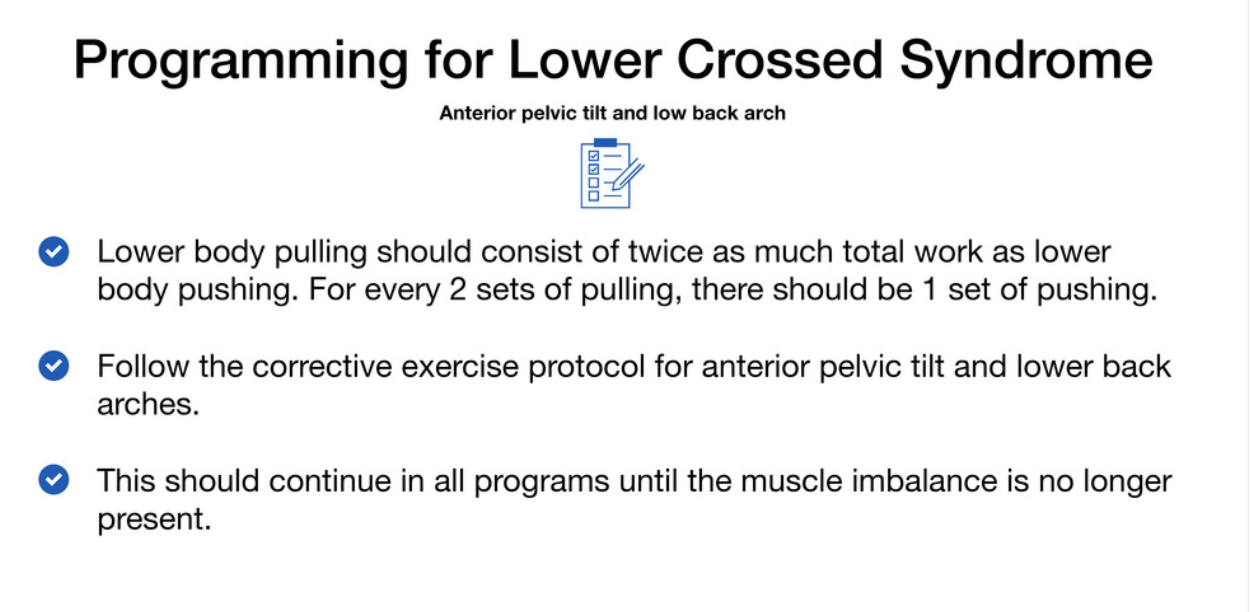
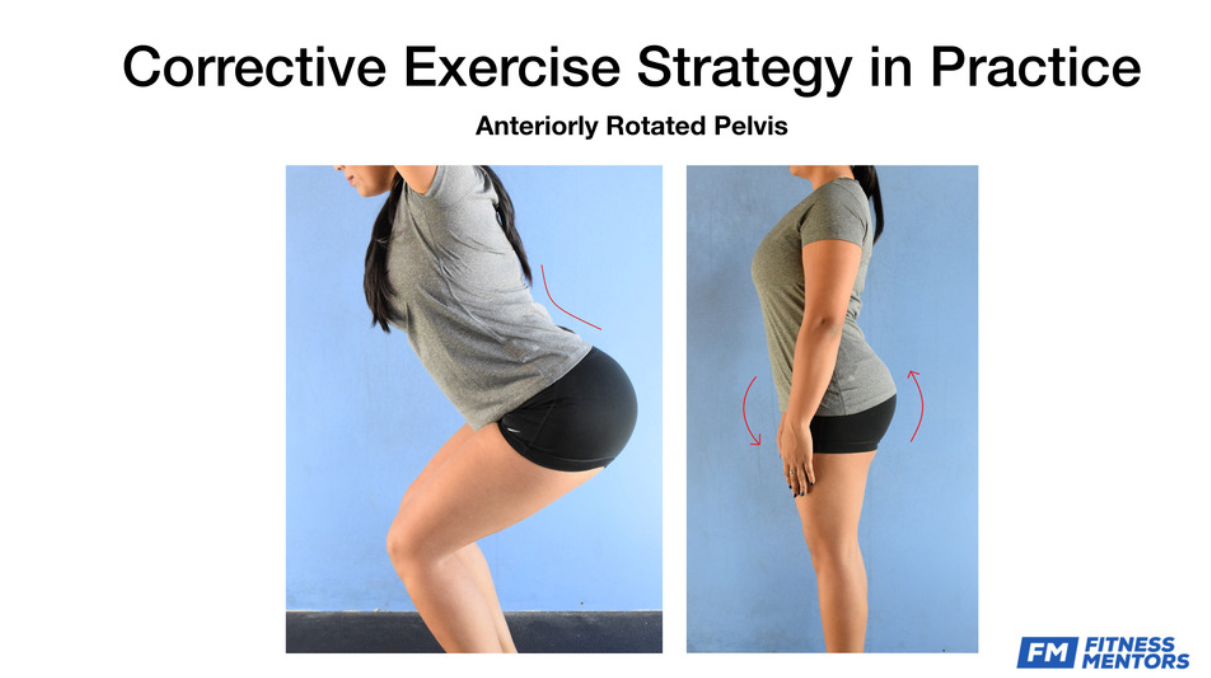
Lower Crossed Syndrome: Anteriorly rotated pelvis.
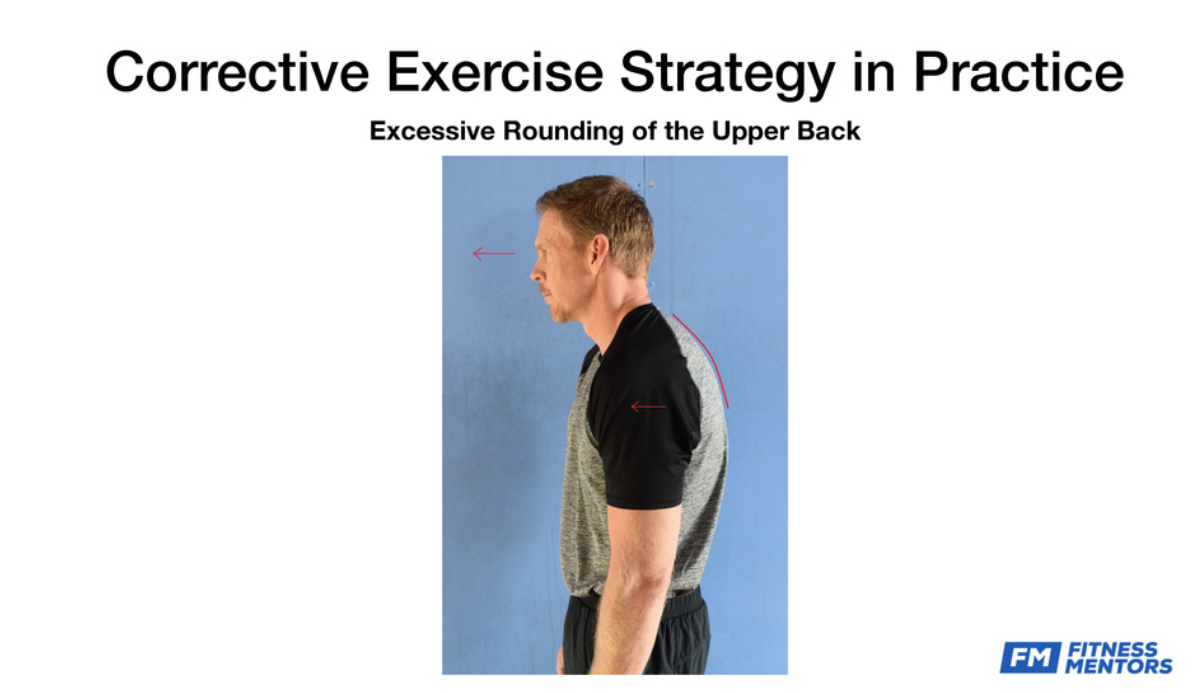
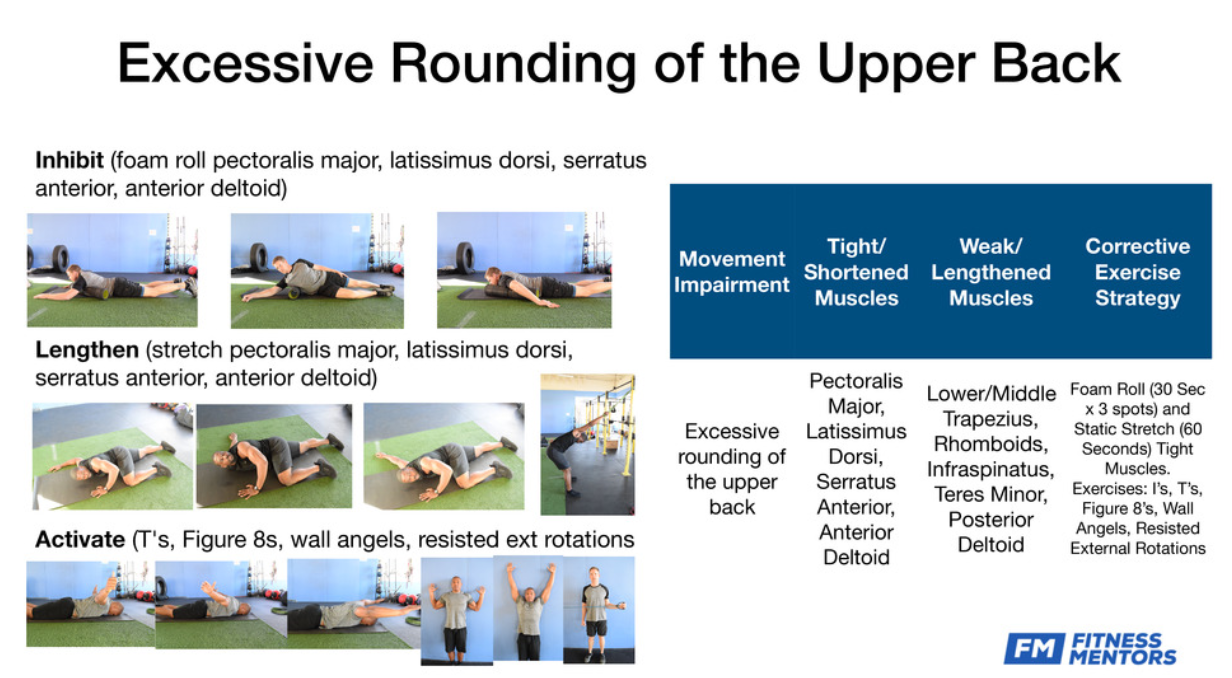
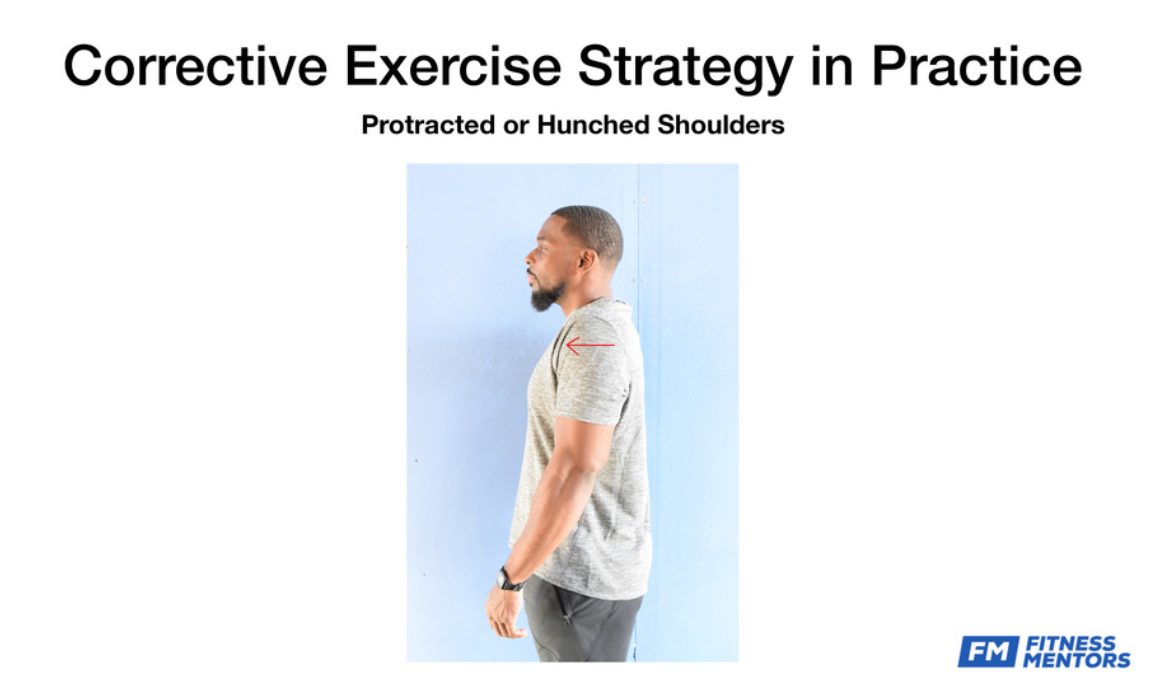
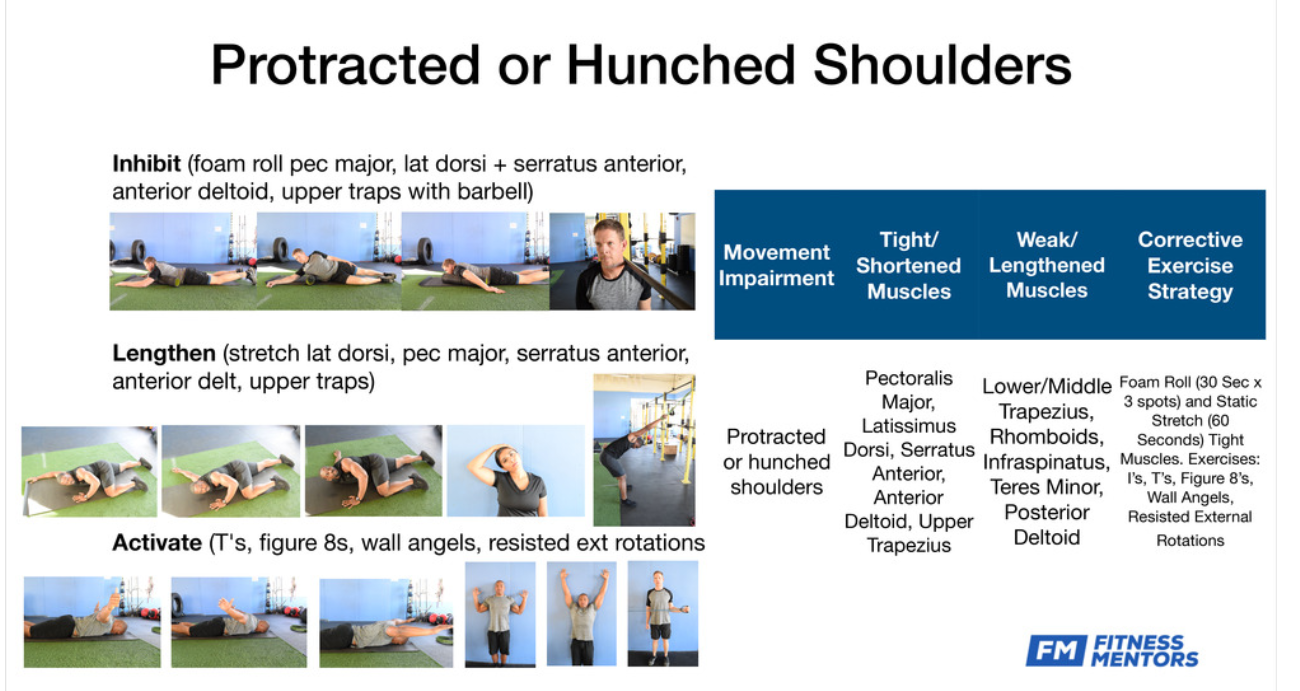
Upper Crossed Syndrome: Protracted shoulders.
PART 9: Corrective Exercise Strategies
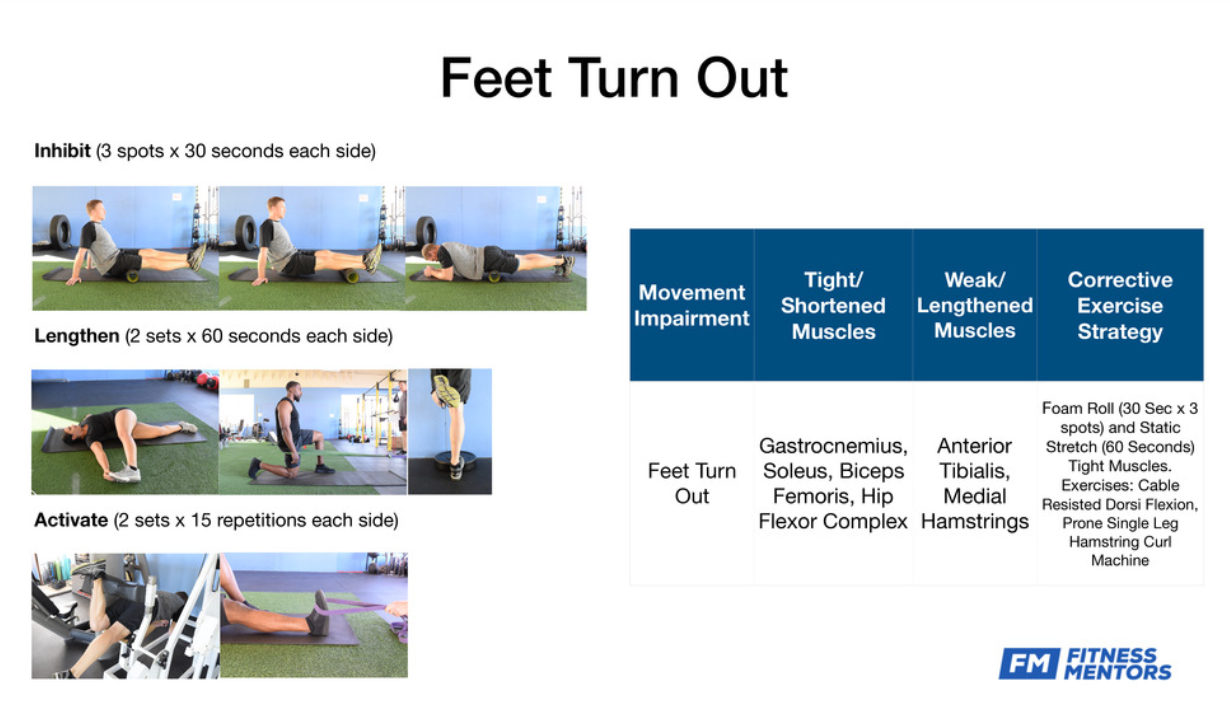
Feet Turn Out: Stretch the calves and strengthen the ankle dorsiflexors.
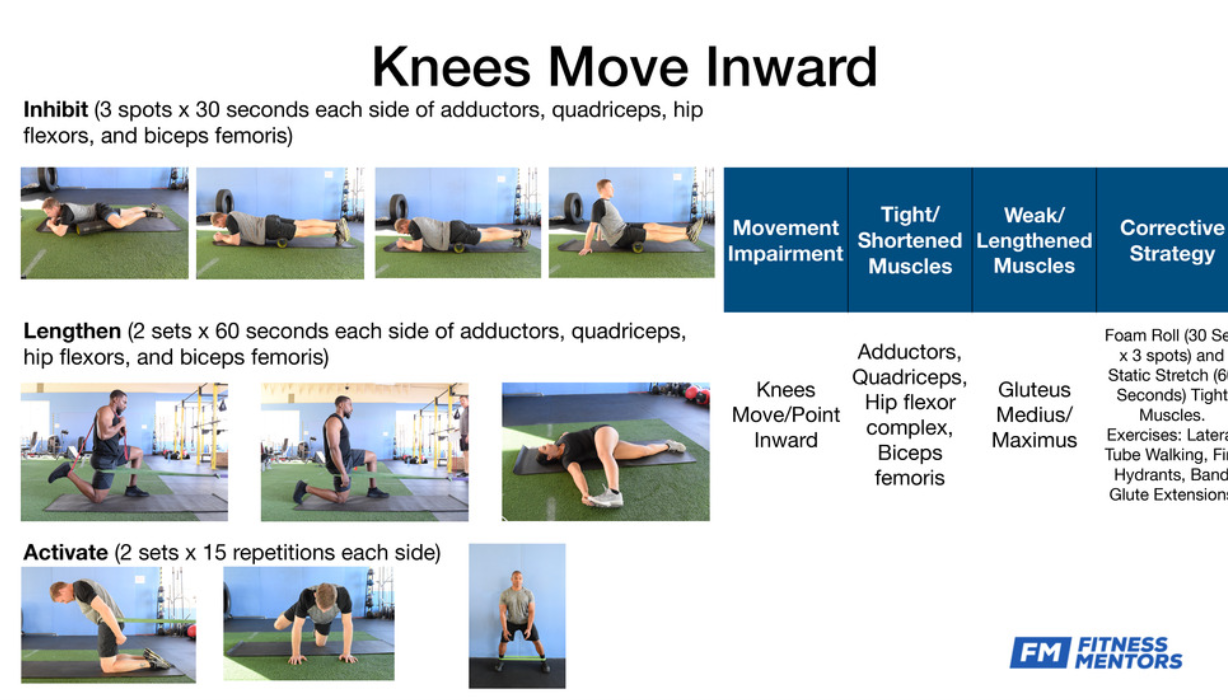
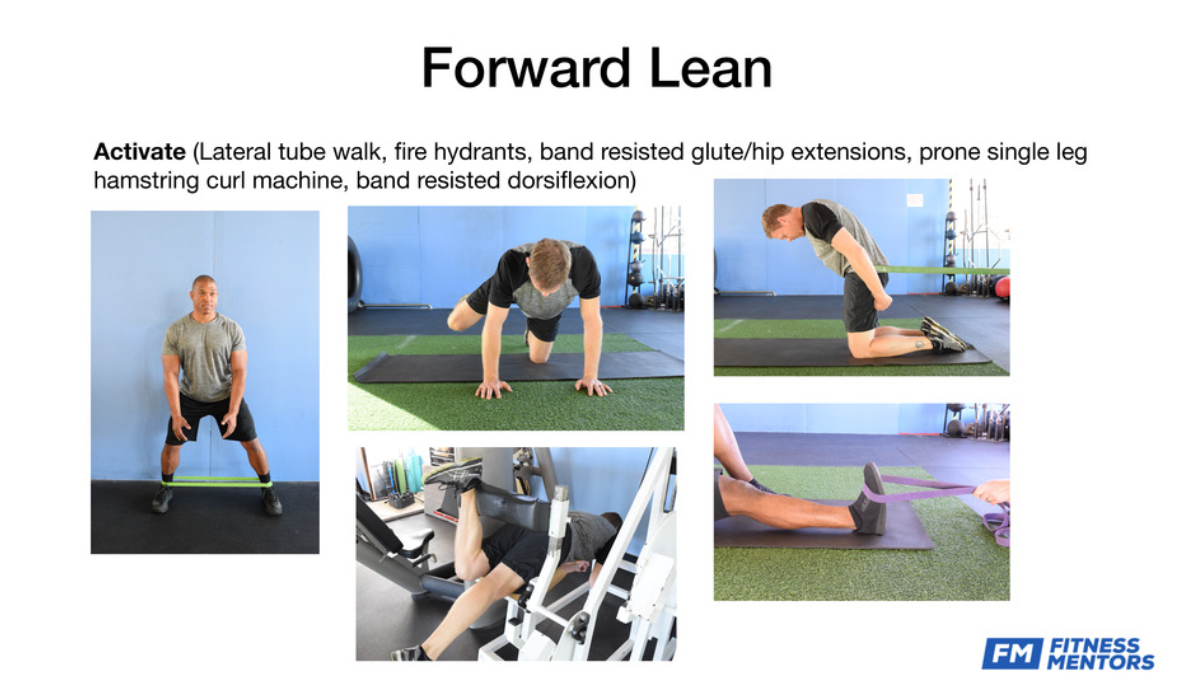
Knees Move In: Strengthen the glutes and perform lateral band walks.
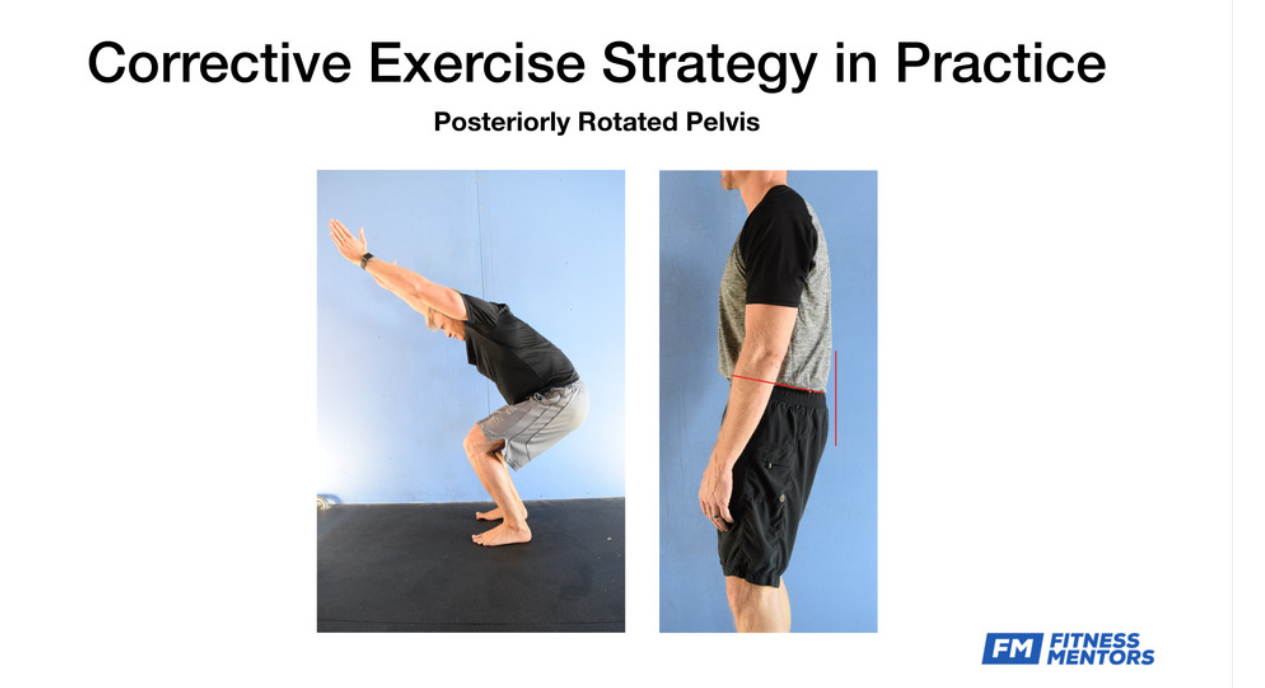
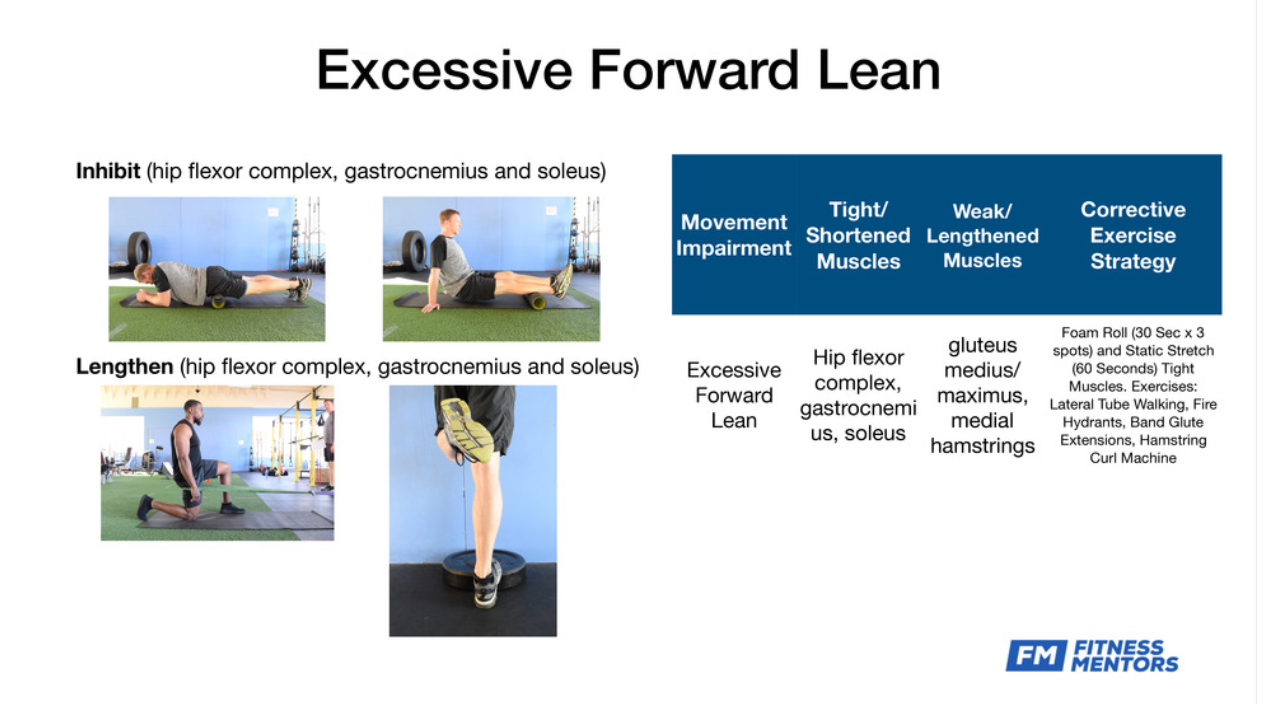
Anteriorly Rotated Pelvis: Stretch hip flexors, strengthen glute and core muscles.
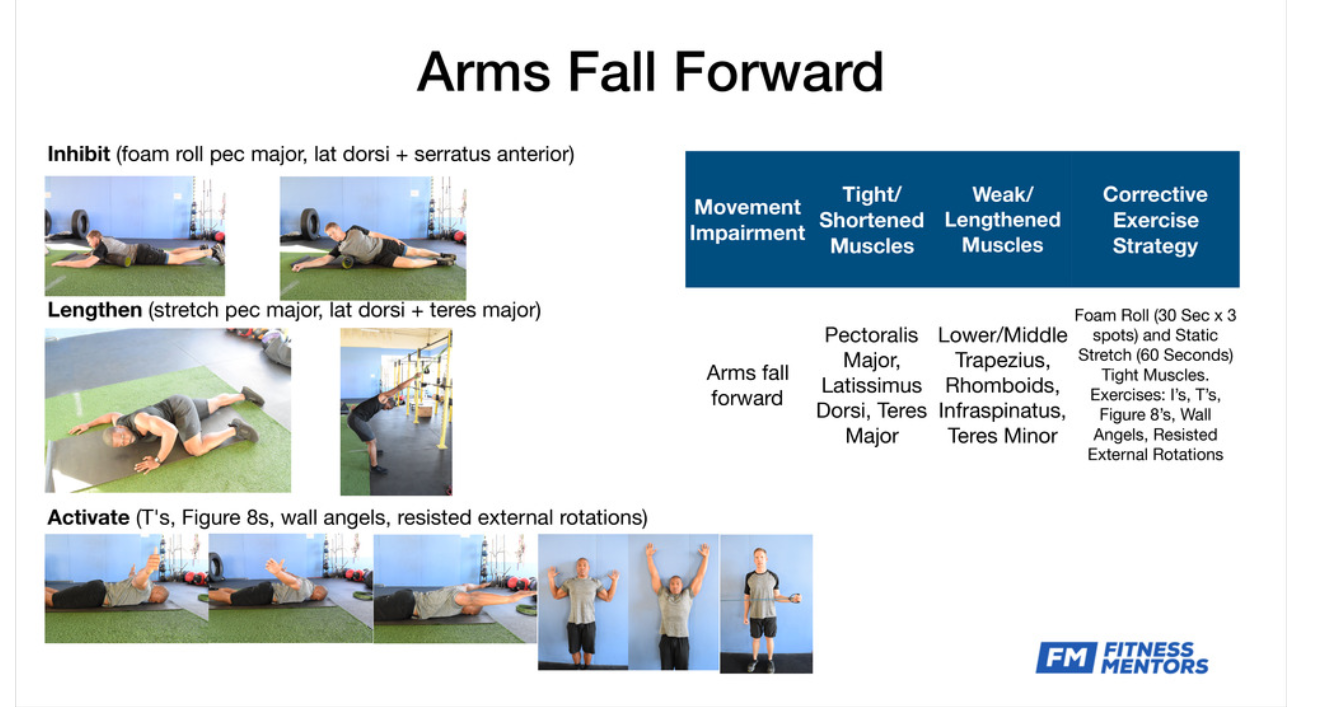
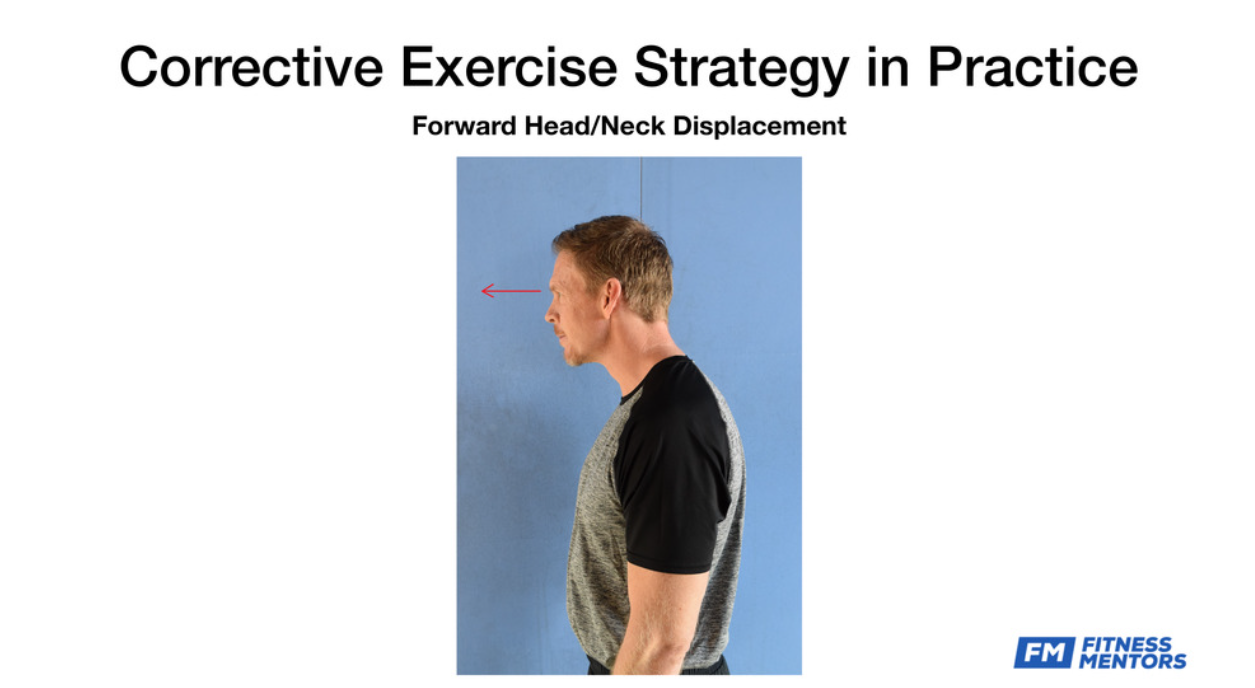
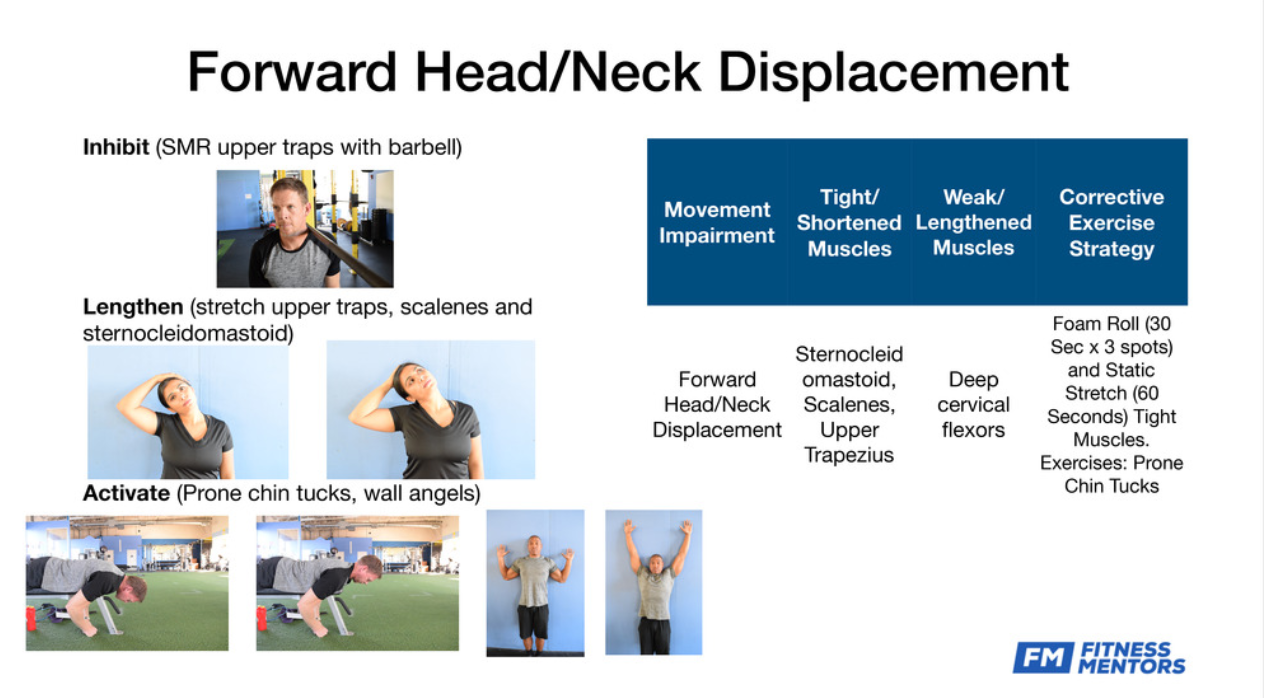
Protracted Shoulders: Stretch the pectorals and strengthen the upper back muscles (e.g., rhomboids).
PROGRAM DESIGN
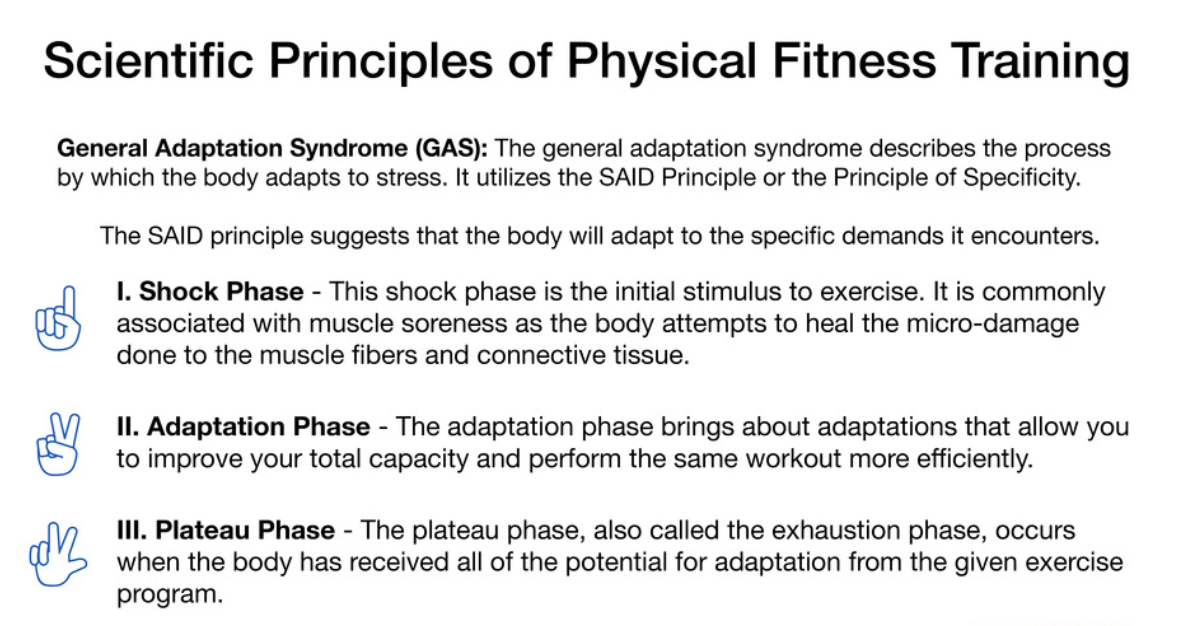
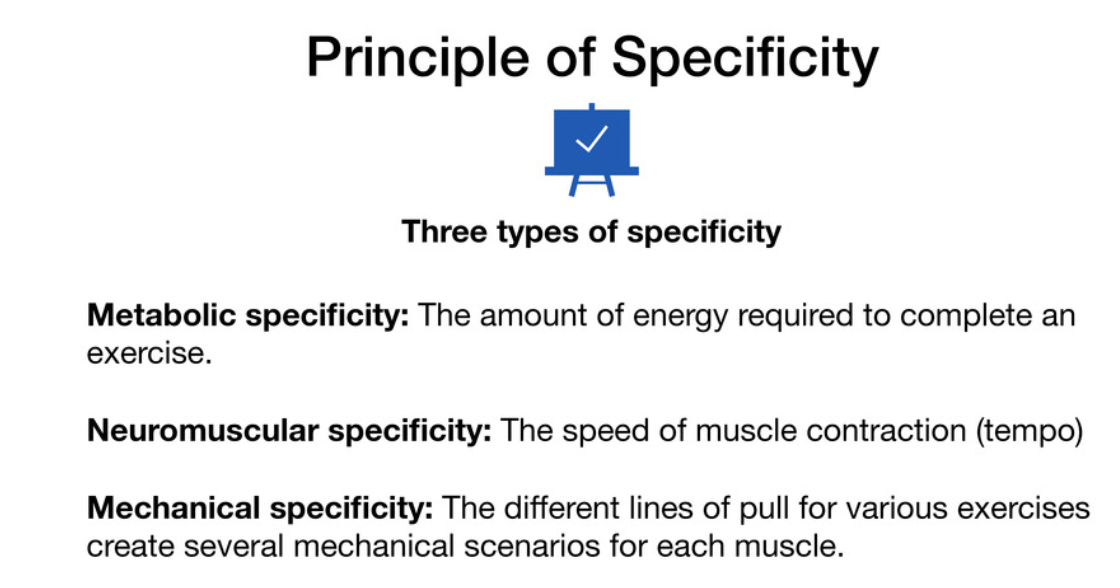
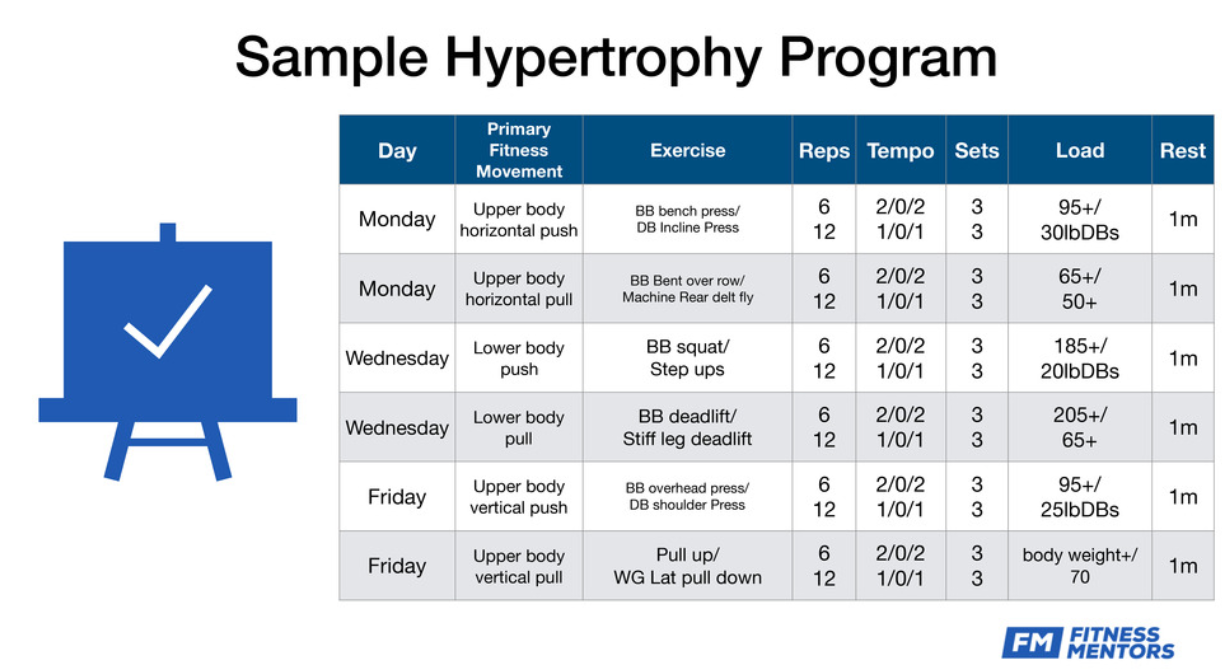
PART 1: Three Types of Specificity in General Adaptation Syndrome (GAS)
Mechanical Specificity: Refers to the specific exercises that are performed; for example, lifting heavier weights promotes strength gains in those specific muscle groups.
Metabolic Specificity: Relates to the energy systems that are utilized during specific forms of training; for instance, aerobic training primarily targets the aerobic energy system, while sprinting focuses on anaerobic energy systems.
Neuromuscular Specificity: Involves the specific motor skills and movements required for particular sports or exercises, addressing the way the nervous system interacts with muscle contractions.
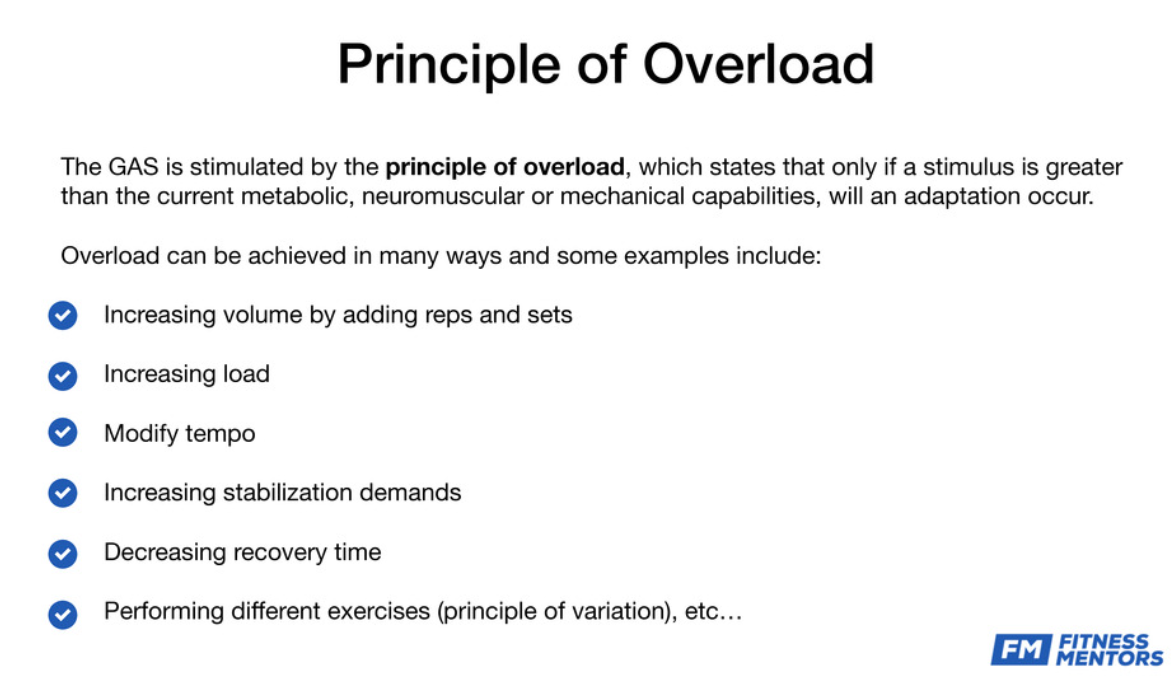
PART 2: Five Examples of How Overload Can Be Achieved
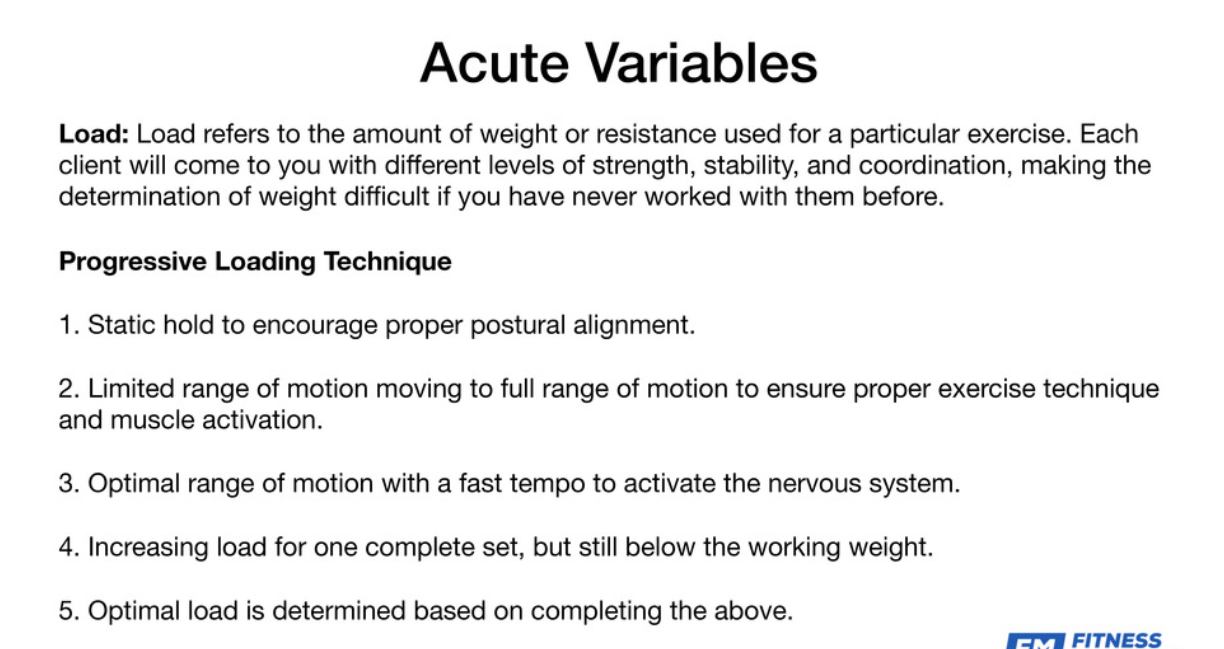
Increasing weight: Adding more weight to an exercise, gradually increasing intensity.
Increasing repetitions: Performing more repetitions of an exercise within a set.
Increasing sets: Adding more sets to a workout routine.
Decreasing rest time: Reducing the amount of rest between sets to increase intensity.
Changing tempo: Altering the speed at which exercises are performed, such as slowing down the eccentric phase of a lift.
PART 3: Phases of General Adaptation Syndrome (GAS)
Alarm Phase: The initial reaction to stress, characterized by fatigue, soreness, and a decrease in performance.
Resistance Phase: The body adapts to the stressor, resulting in improved performance and adaptation to the training stimulus.
Exhaustion Phase: If the stress continues without adequate recovery, the body experiences fatigue and injury, leading to a decrease in performance and overall health.
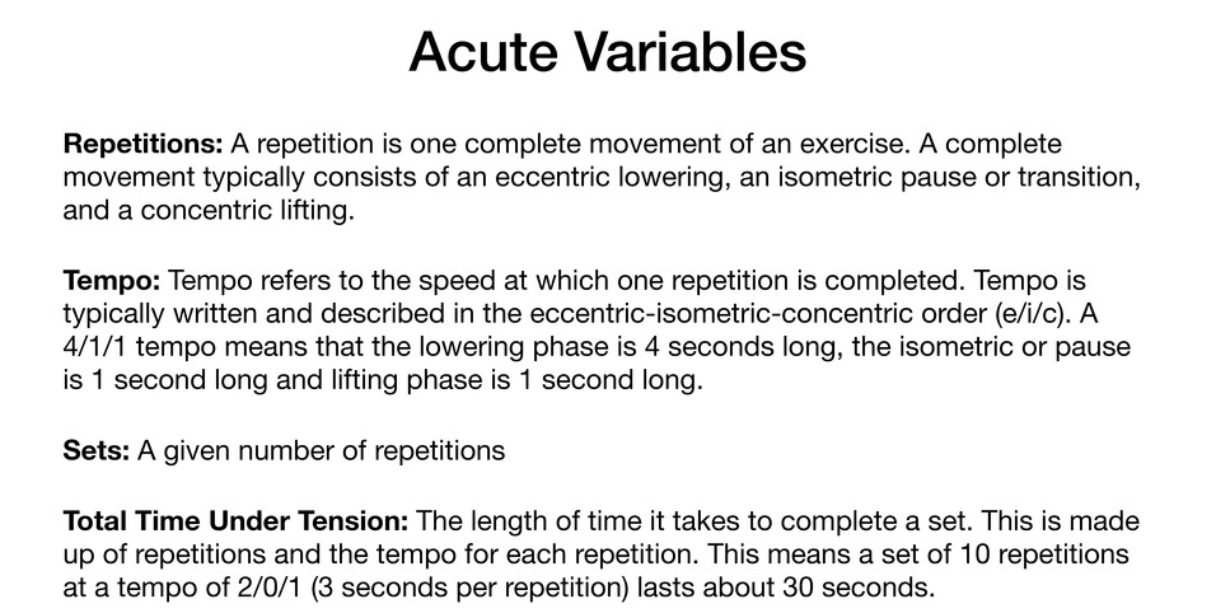
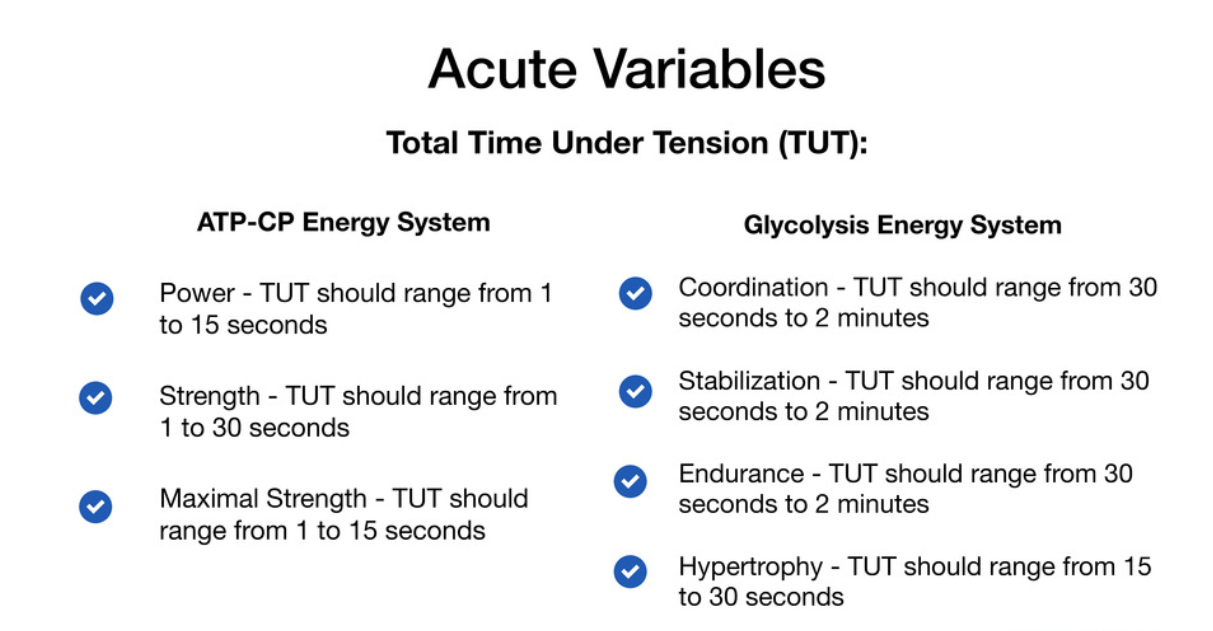
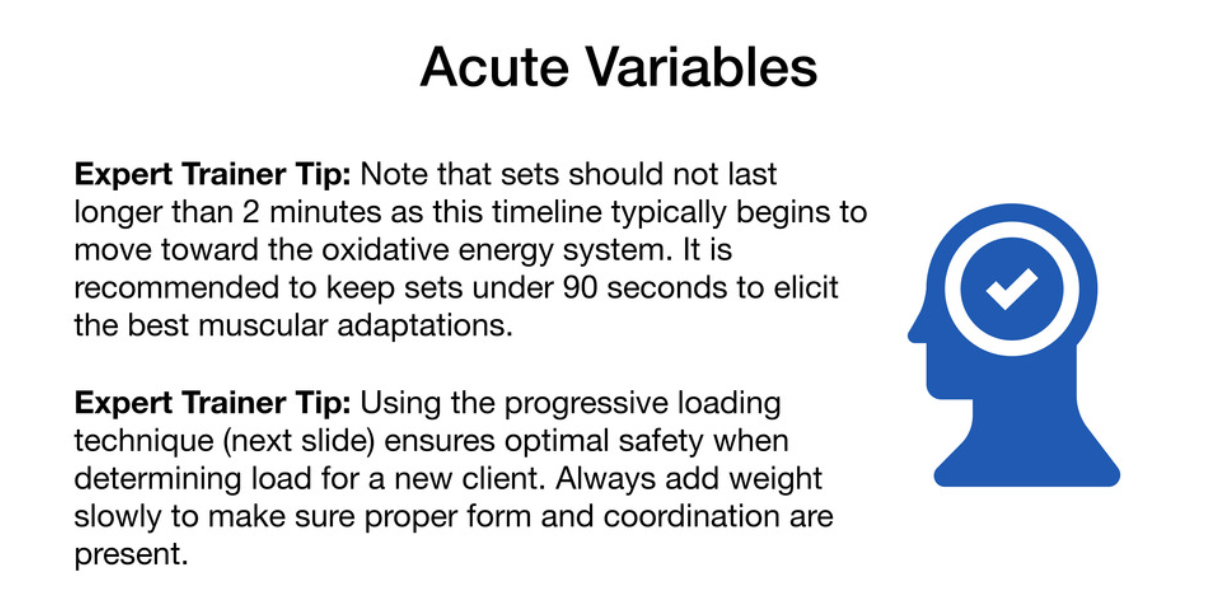
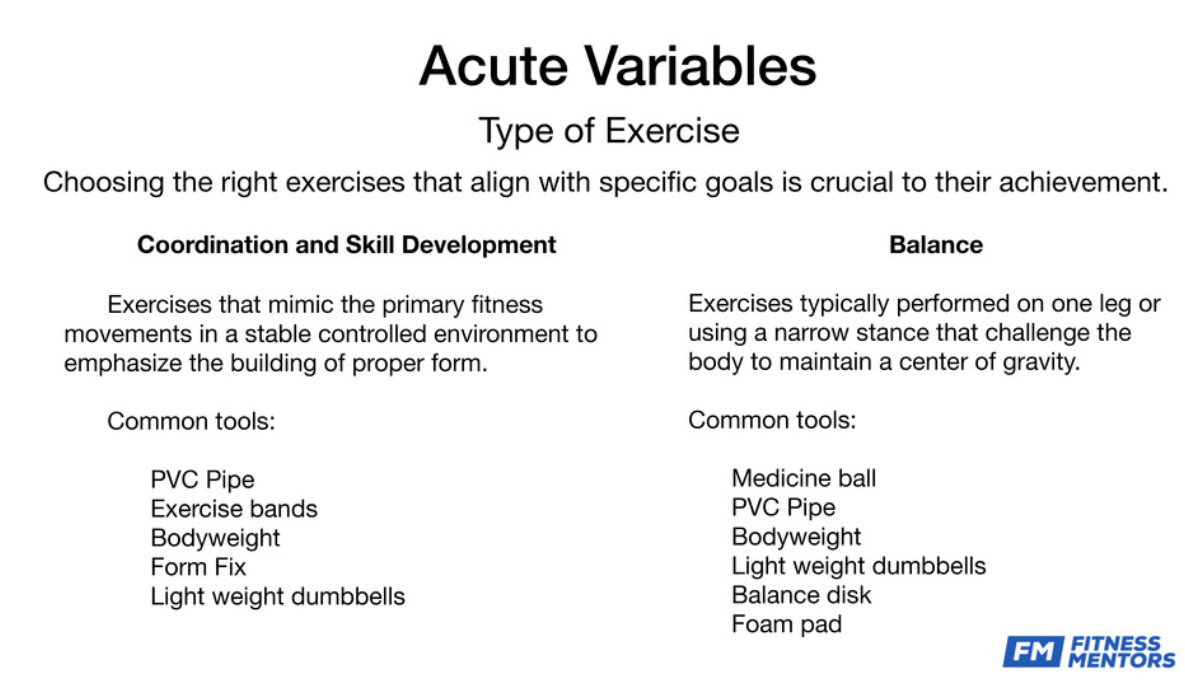
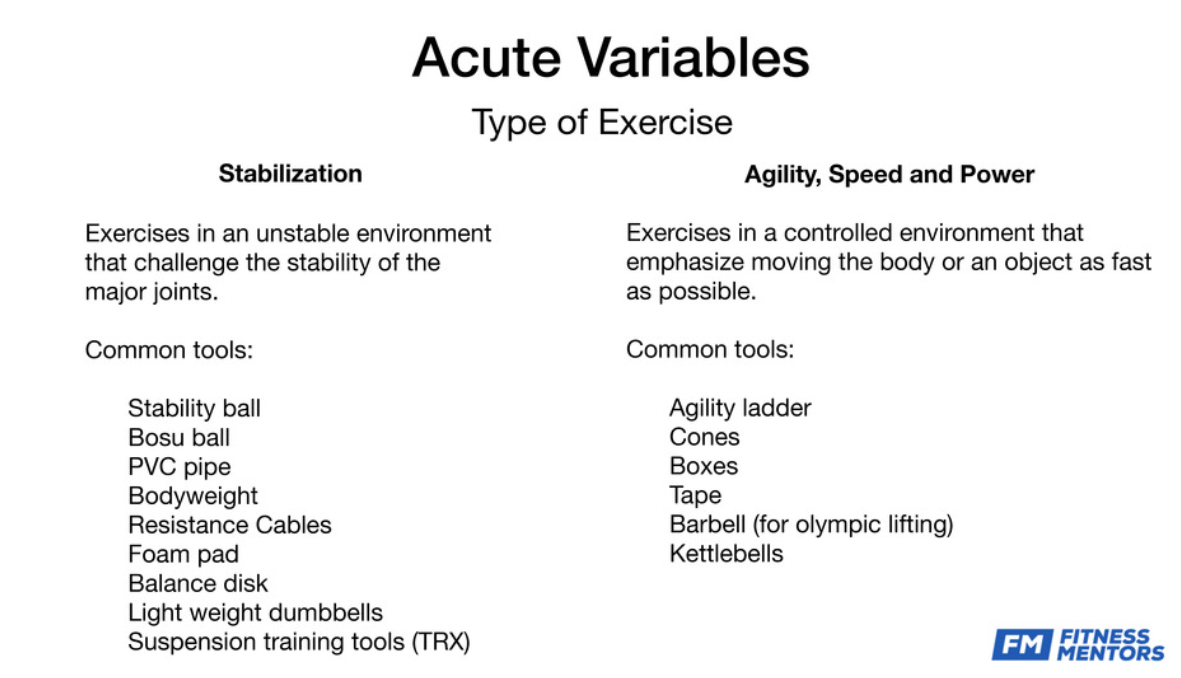
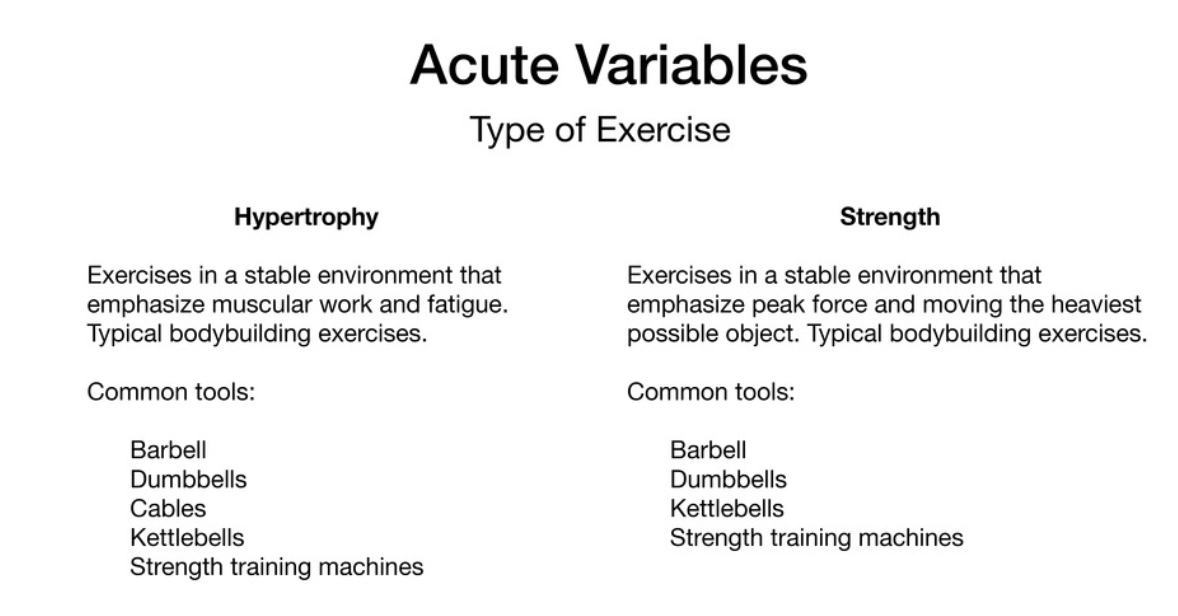
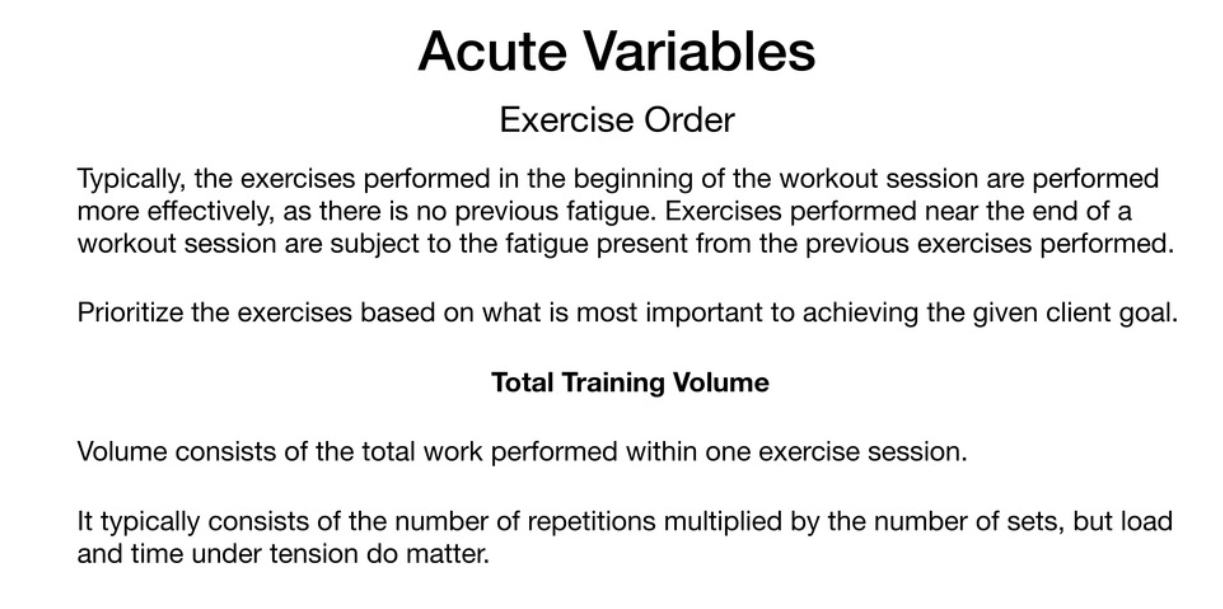
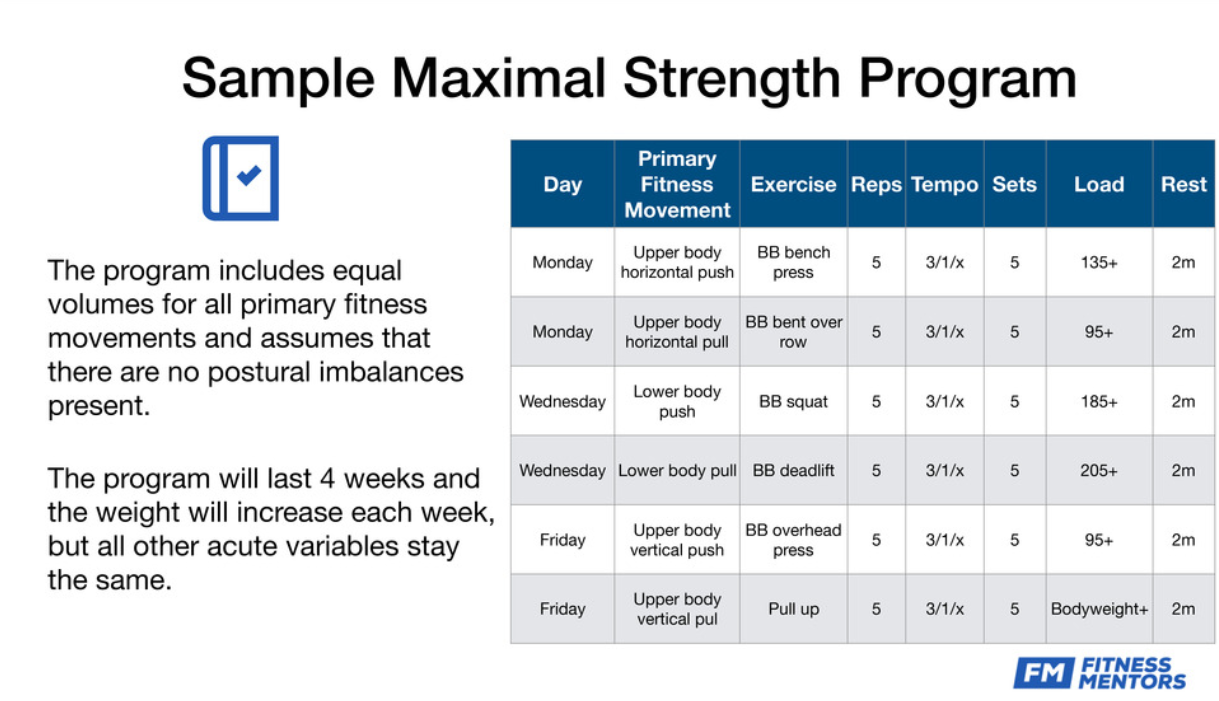
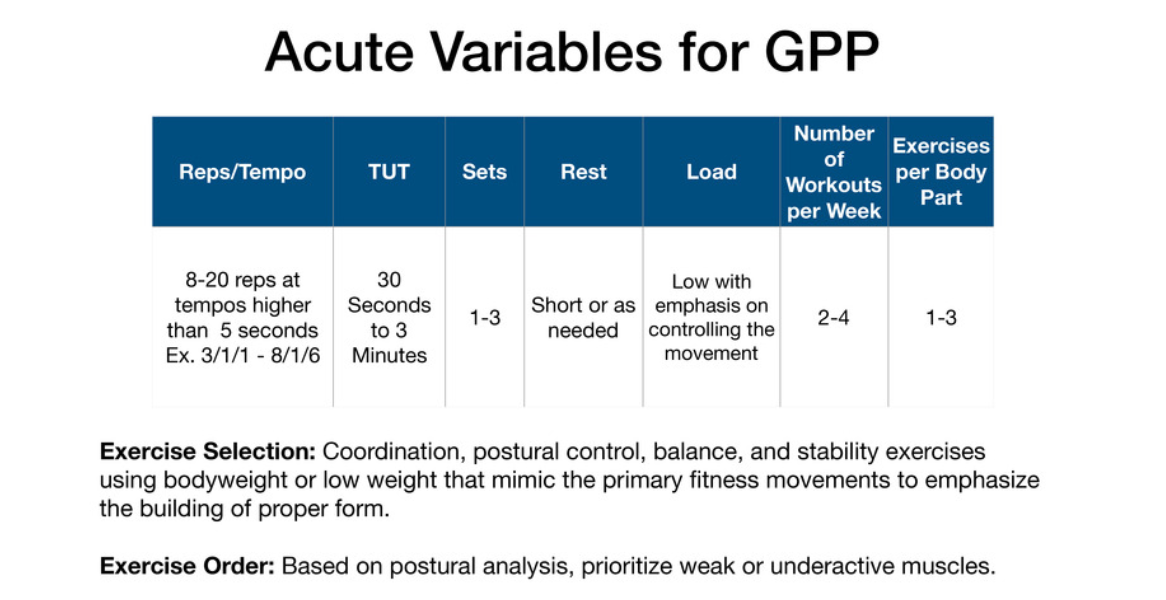
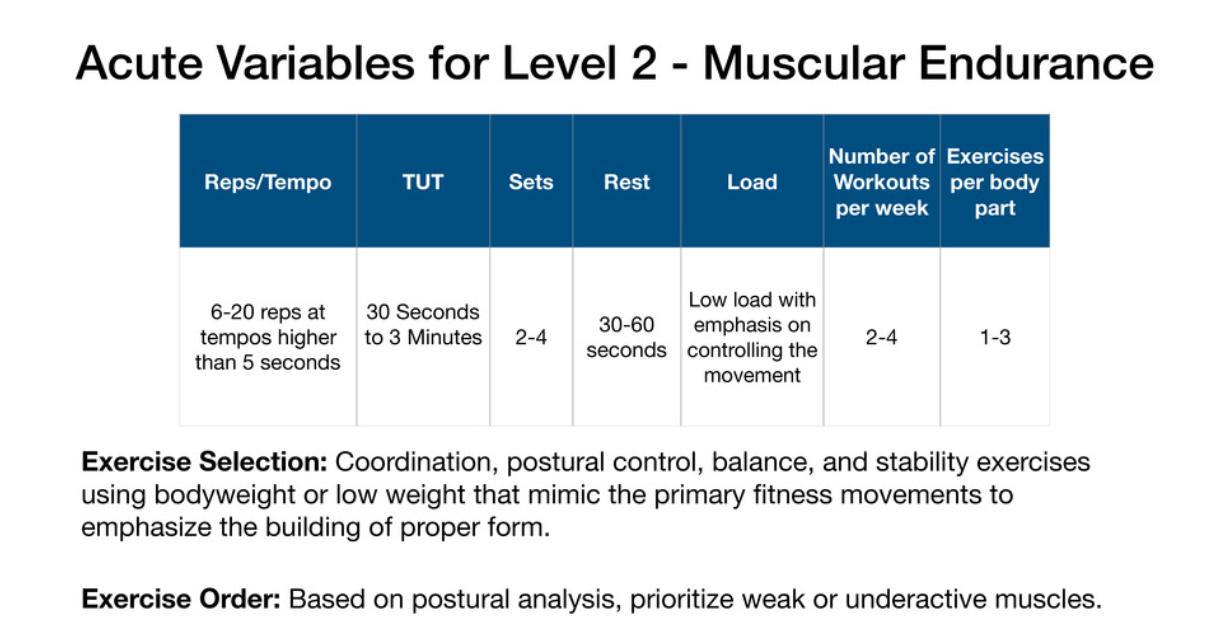
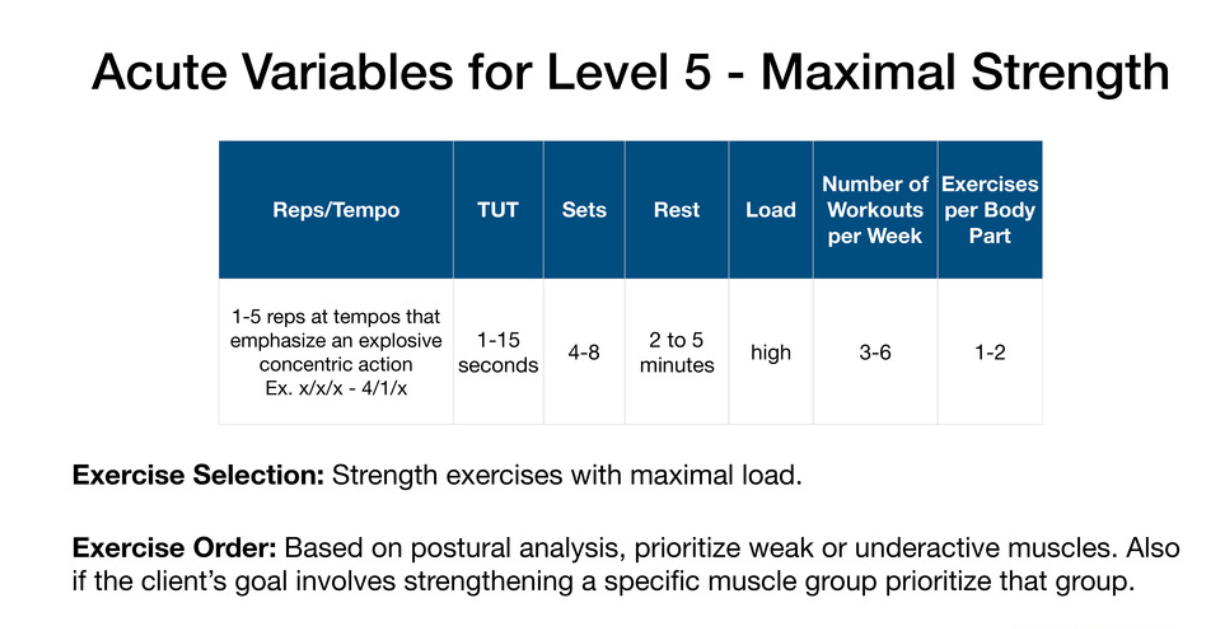
PART 4: Acute Variables
Repetitions: The number of times an exercise is performed.
Sets: The number of cycles of repetitions performed.
Intensity: The amount of weight lifted relative to the person's maximum.
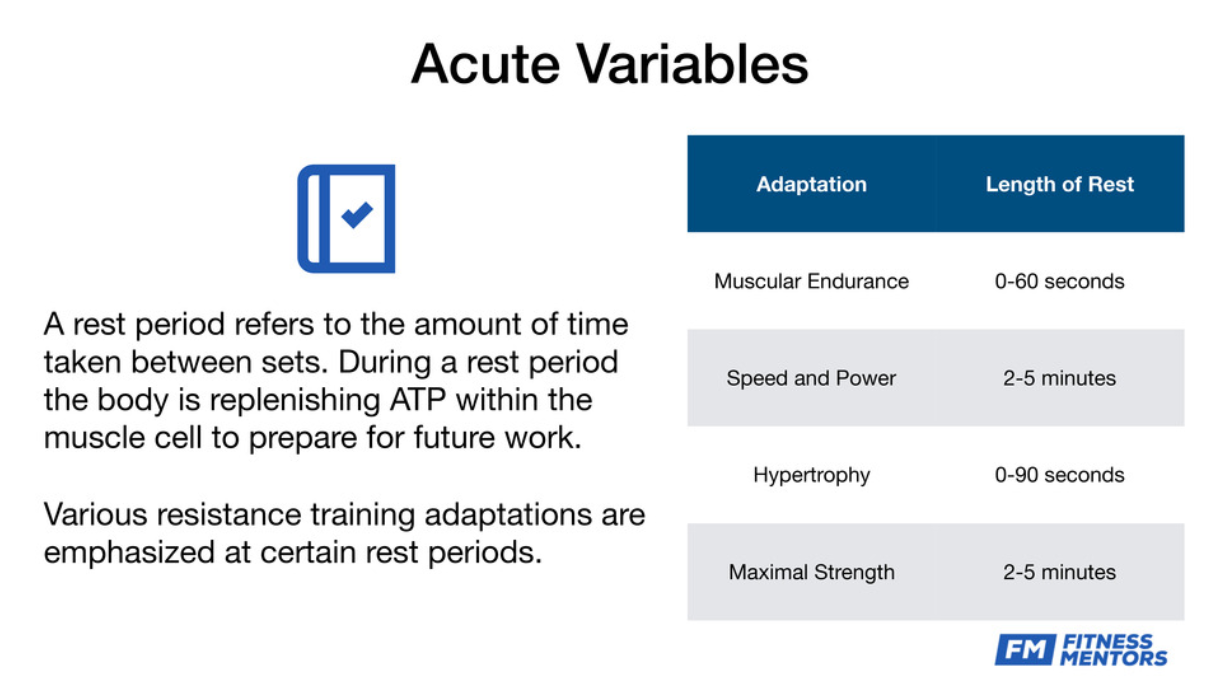
Rest Period: The time taken to recover between sets.
Volume: The total amount of weight lifted in a training session (sets x reps x load).
Frequency: The number of training sessions per week.
Tempo: The speed of repetitions during exercising.
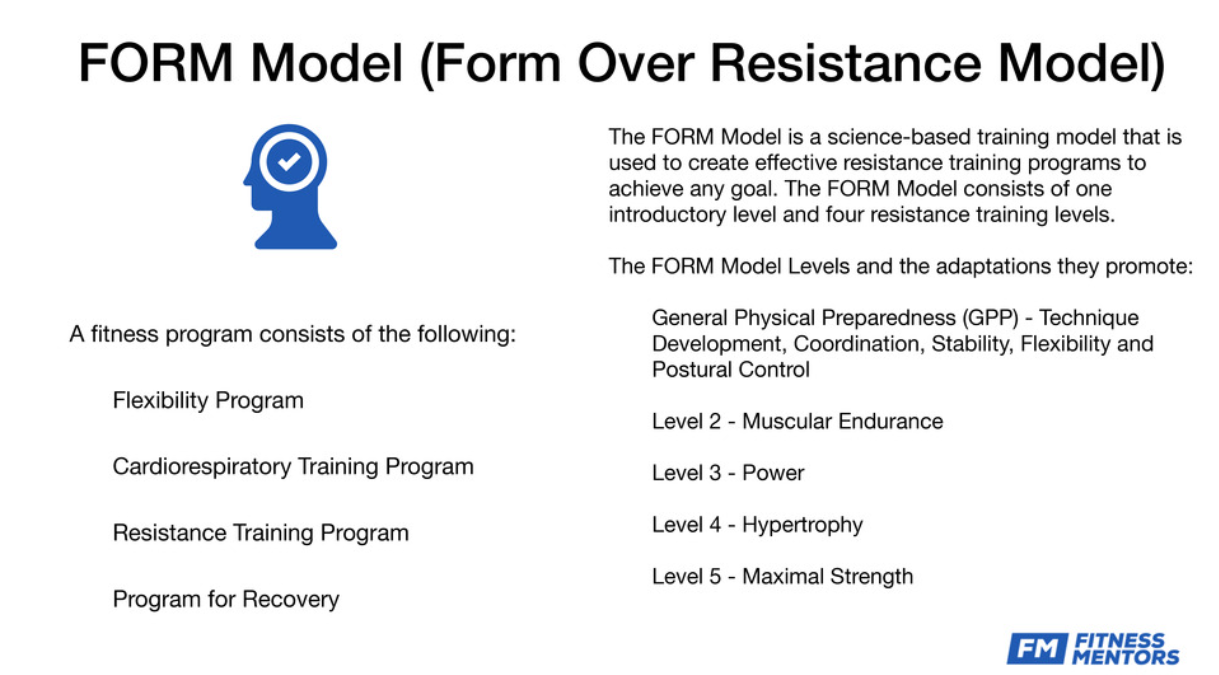
PART 5: Five Levels of the FORM Model
Fitness: General physical fitness and wellness levels.
Organization: Systematizing the approach to training and exercise.
Resources: Availability of tools and equipment required for training.
Motivation: Understanding personal and external motivations behind exercise.
Measurement: Assessing and analyzing fitness progress.
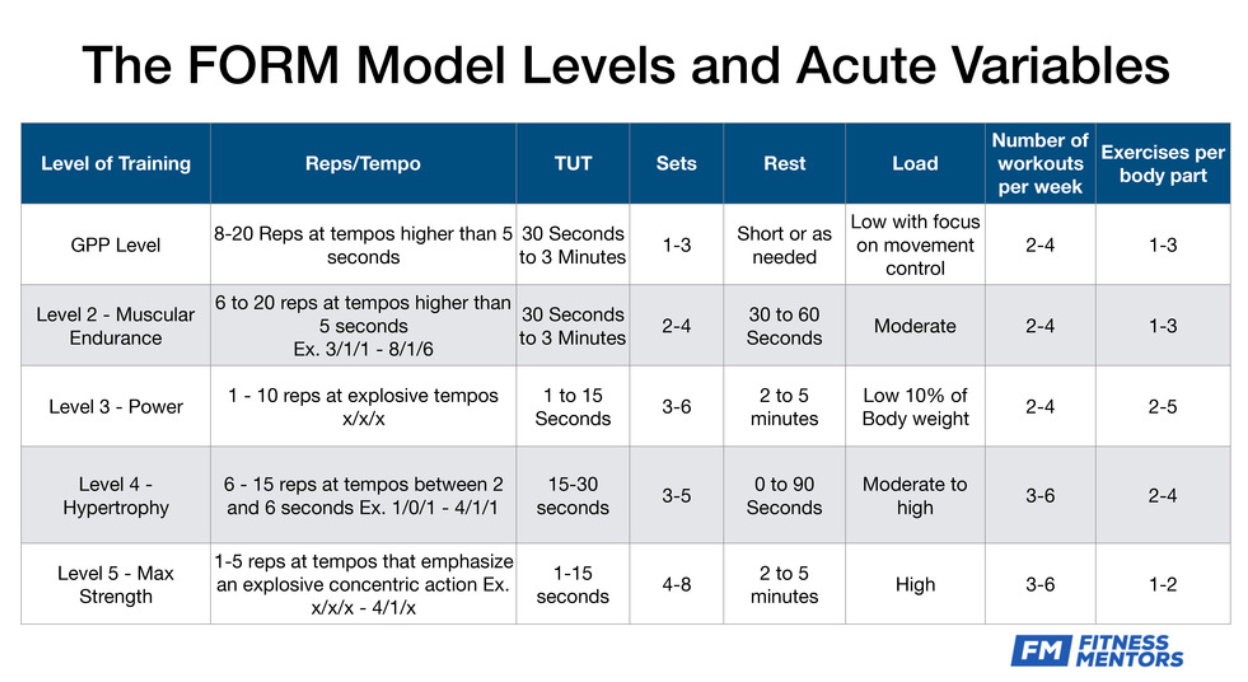
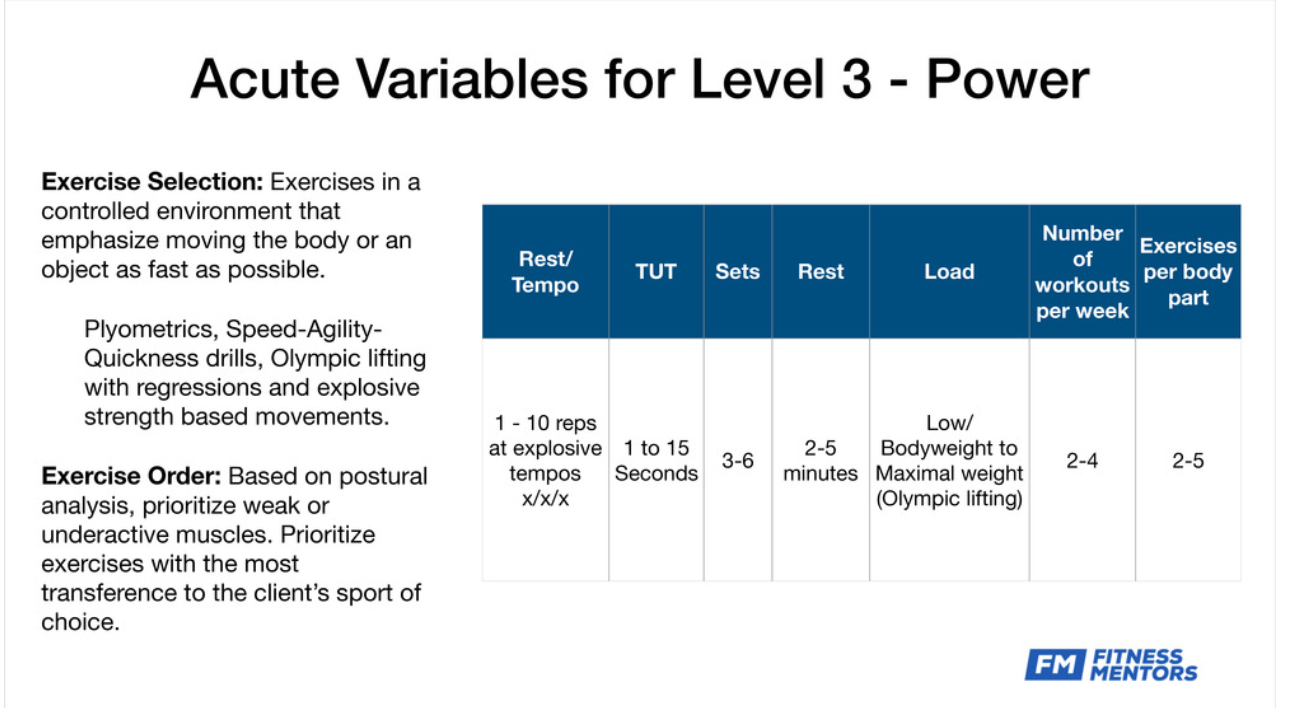
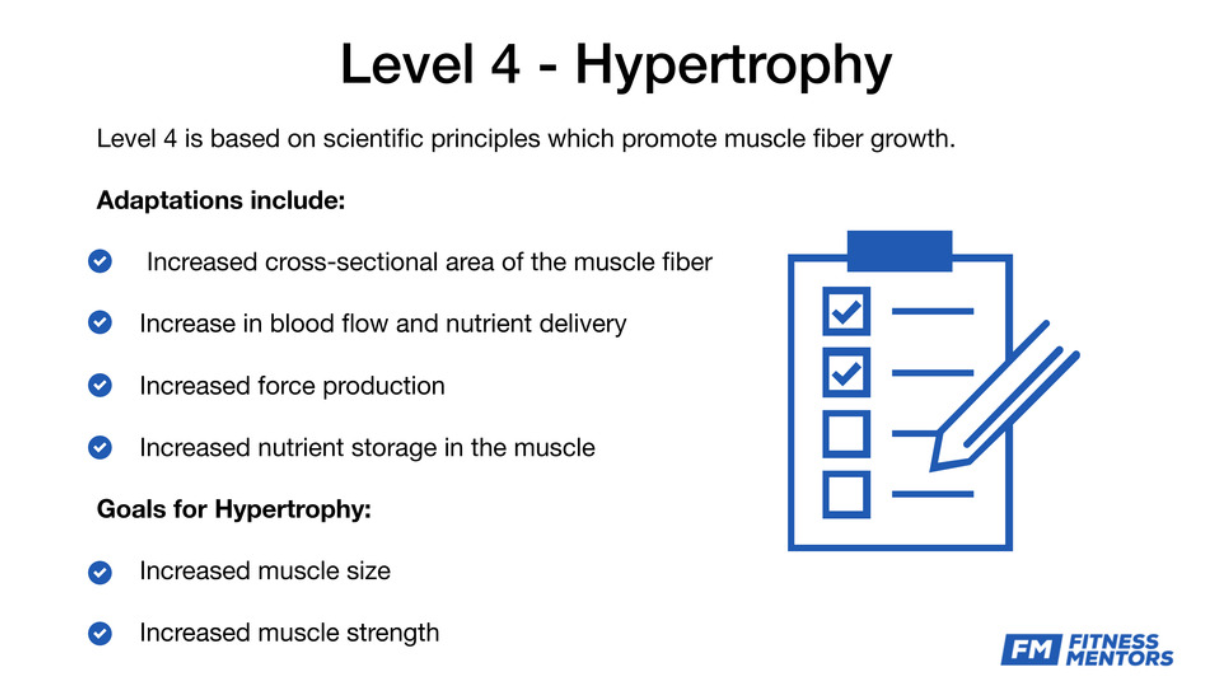
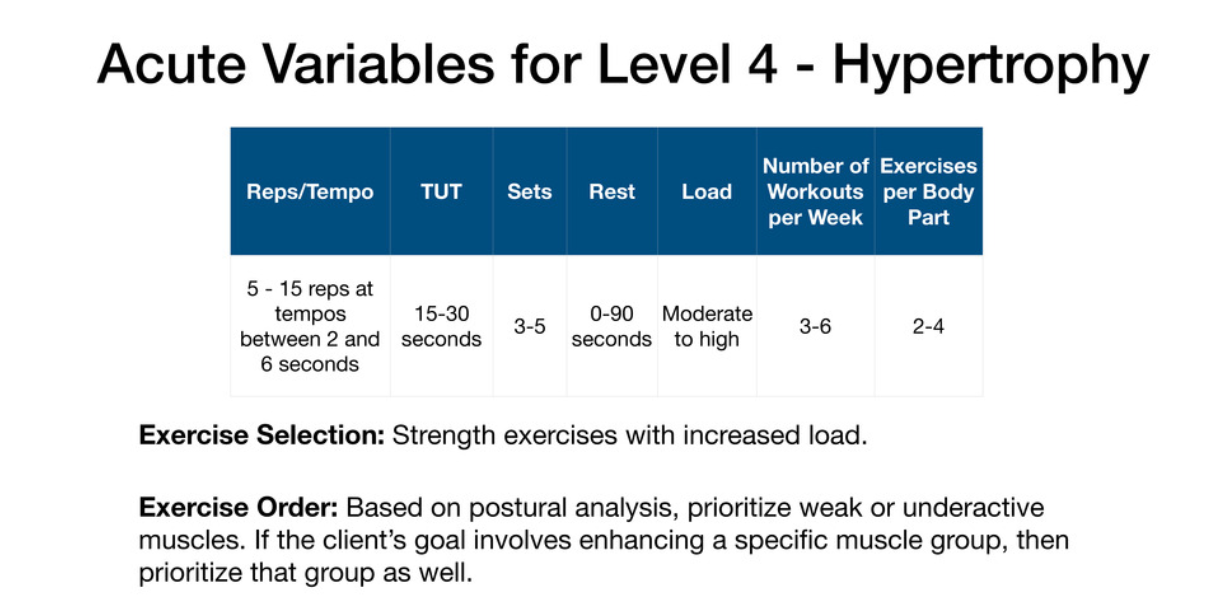
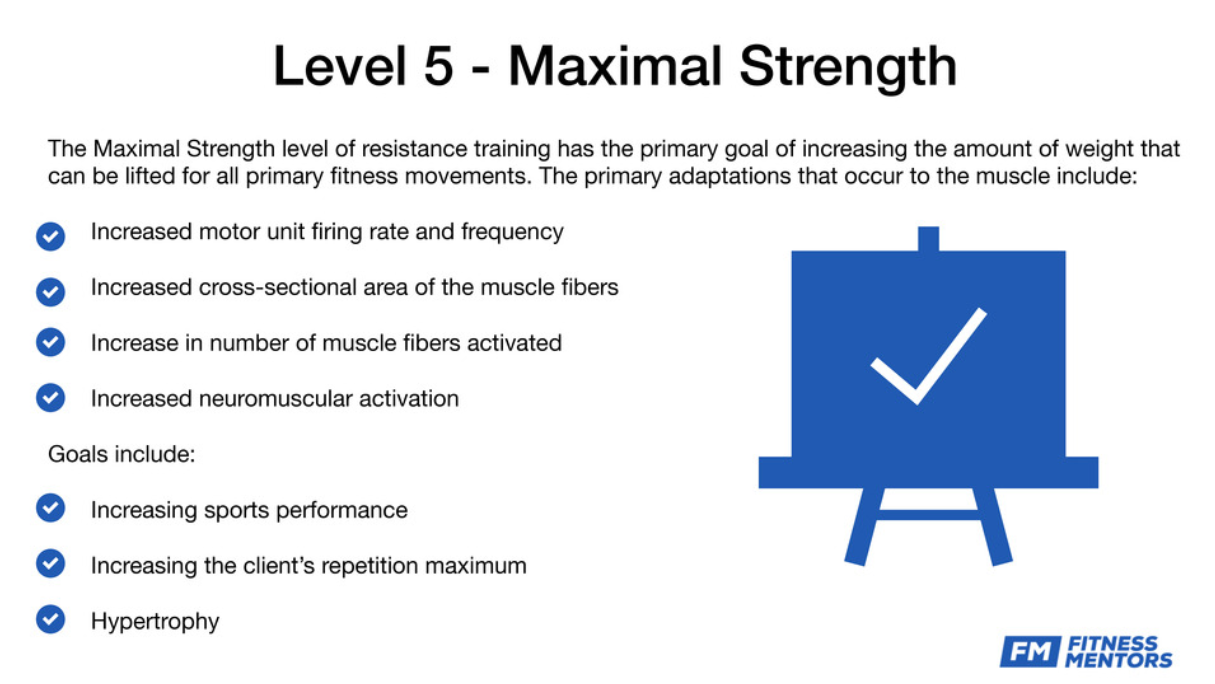
PART 6: Table 4-2 – The FORM Model Levels and Associated Acute Variables
Note: Memorization of the specific table requires the actual Table 4-2 reference which is not provided in the notes.
PART 7: Three Questions Pertinent to Building a Fitness Program
What are the specific goals of the program?: Defining clear objectives for what the program aims to achieve.
What is the current fitness level of the individual?: Assessing baseline fitness to tailor the program accordingly.
What are the available resources and constraints?: Considering equipment, time, and any physical limitations during program design.
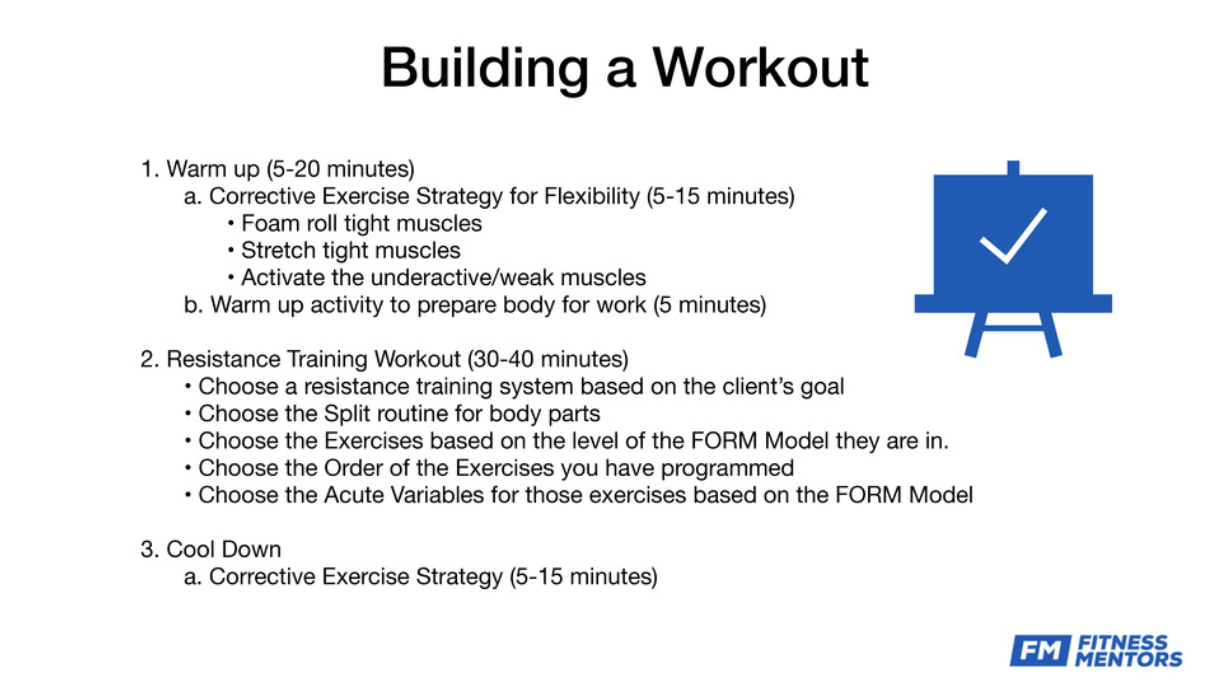
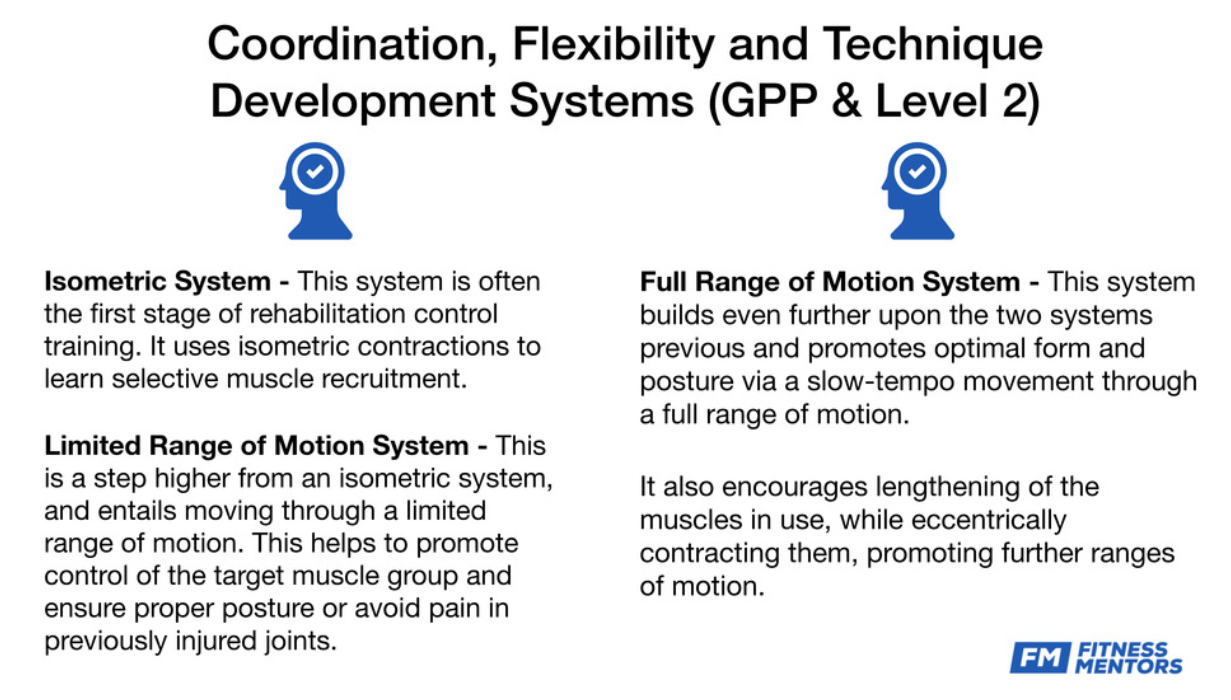
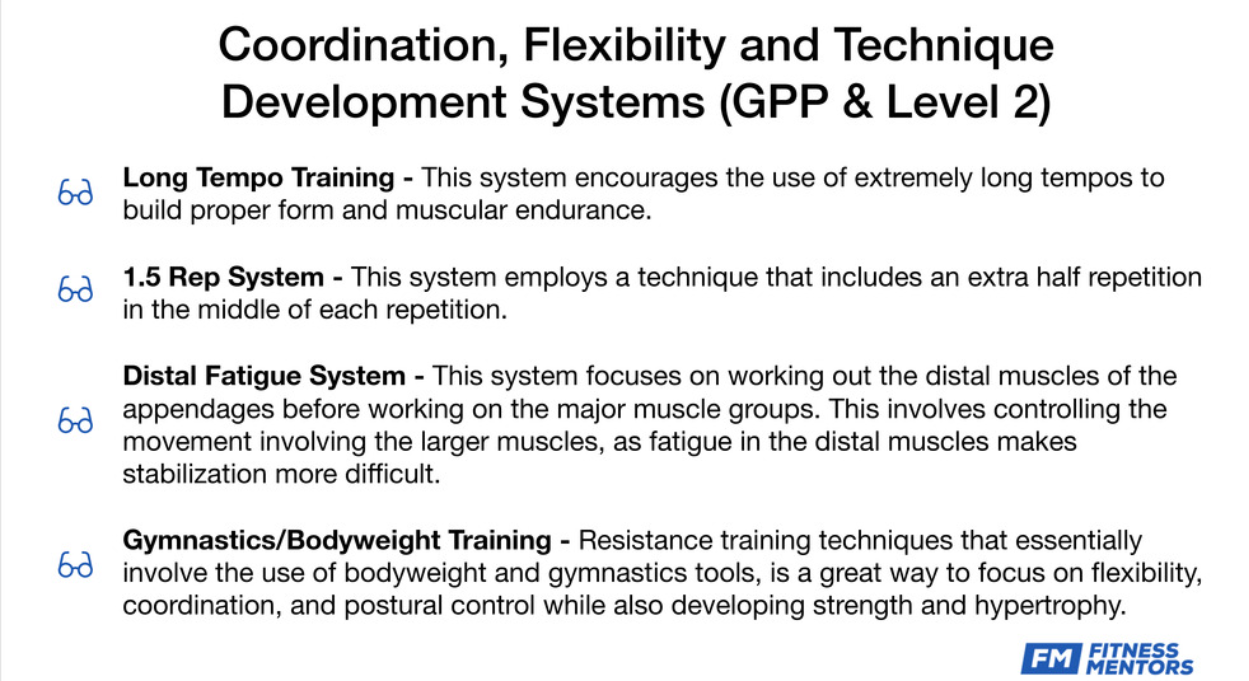
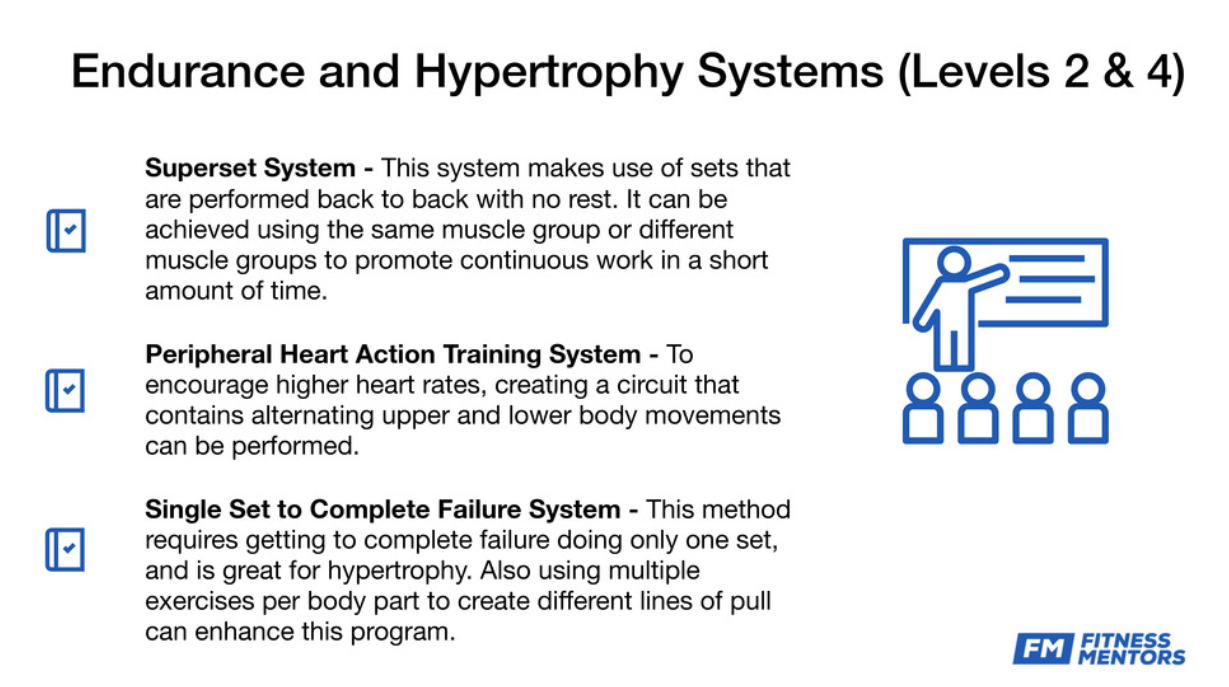
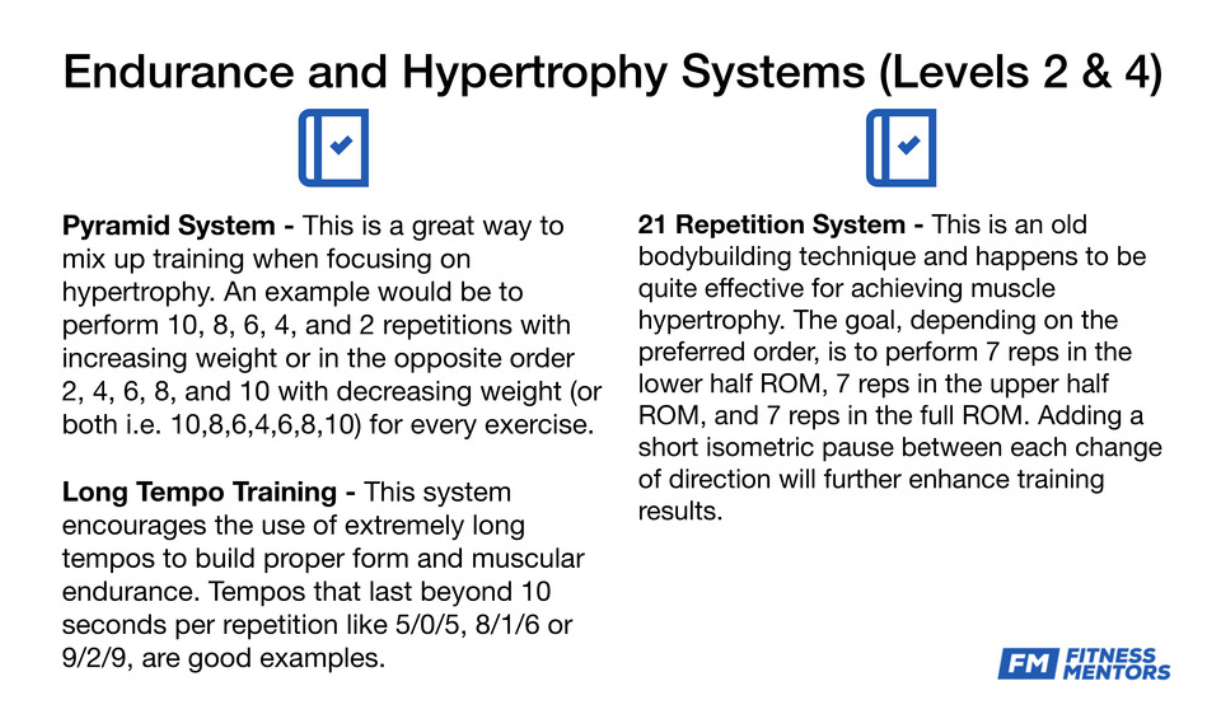
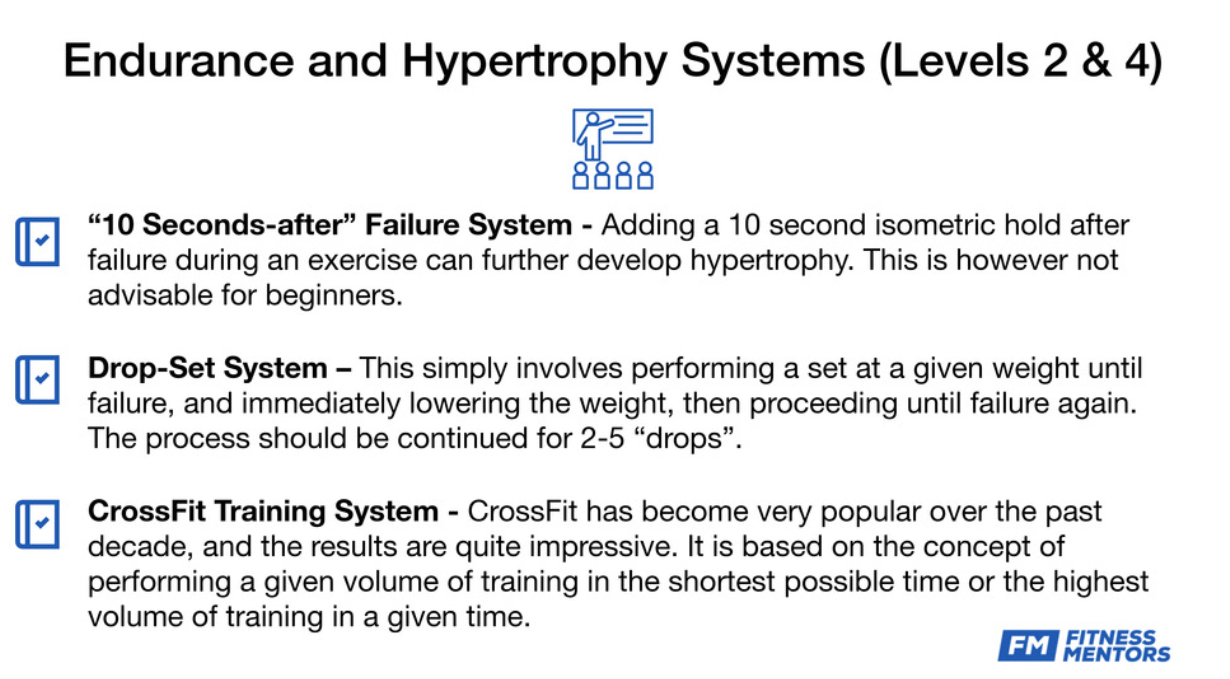
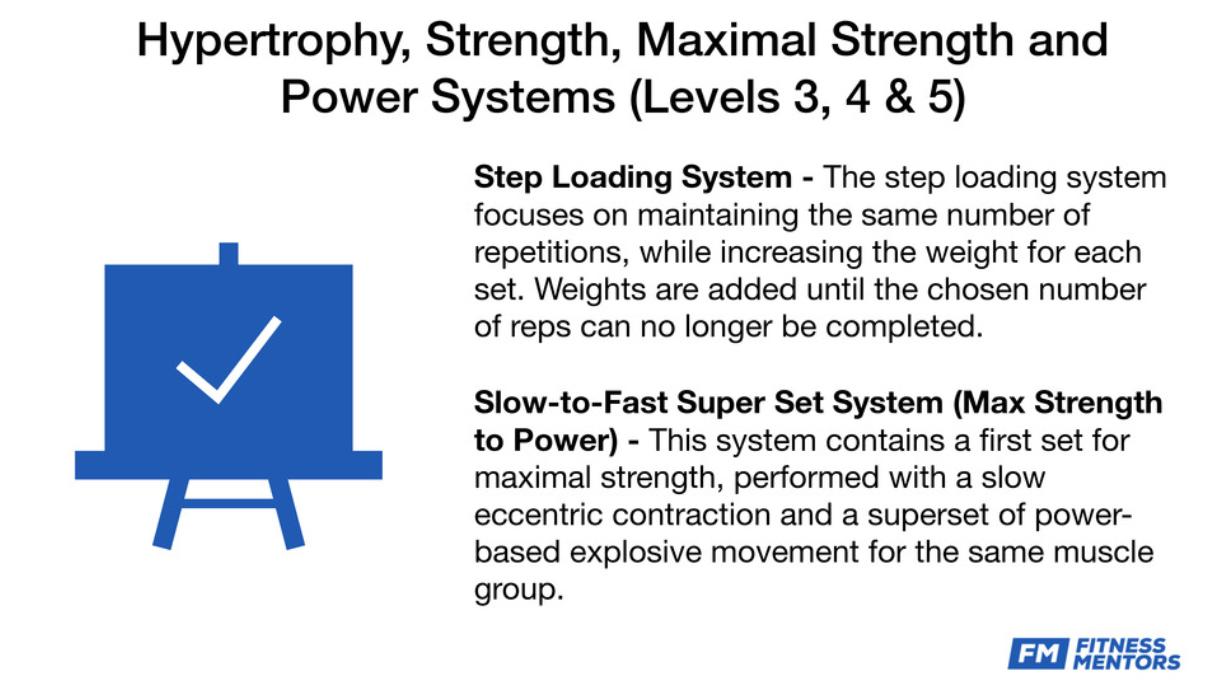
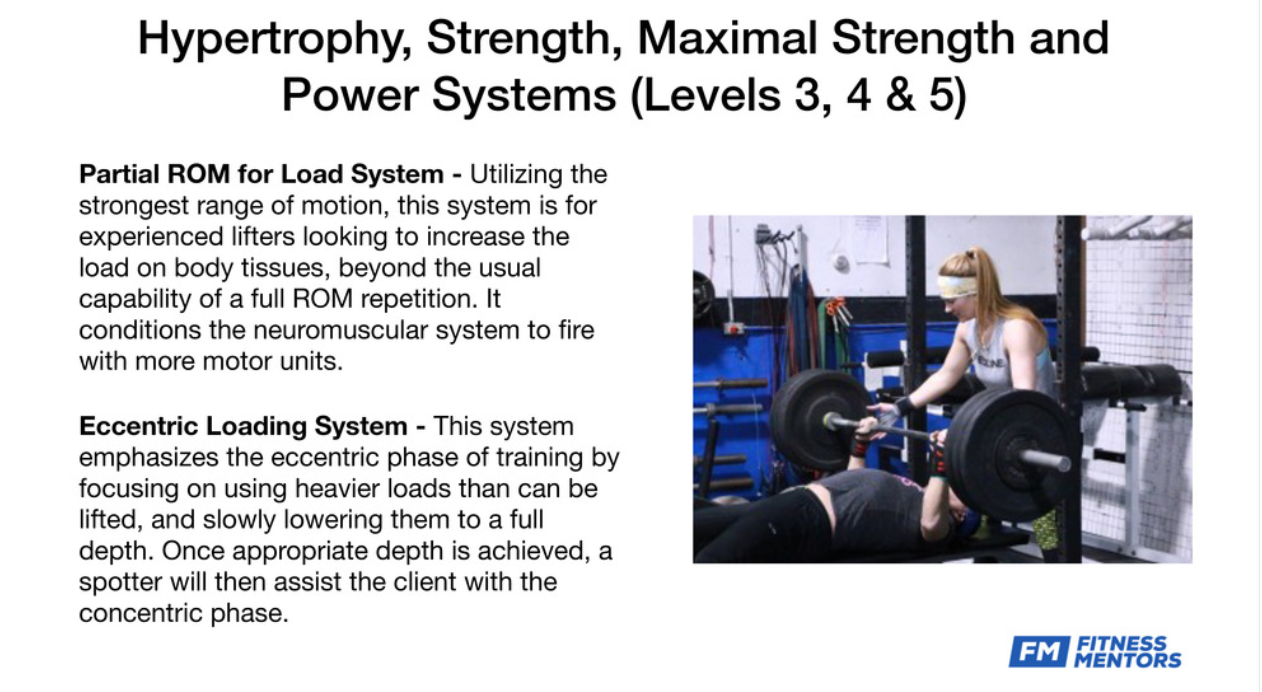
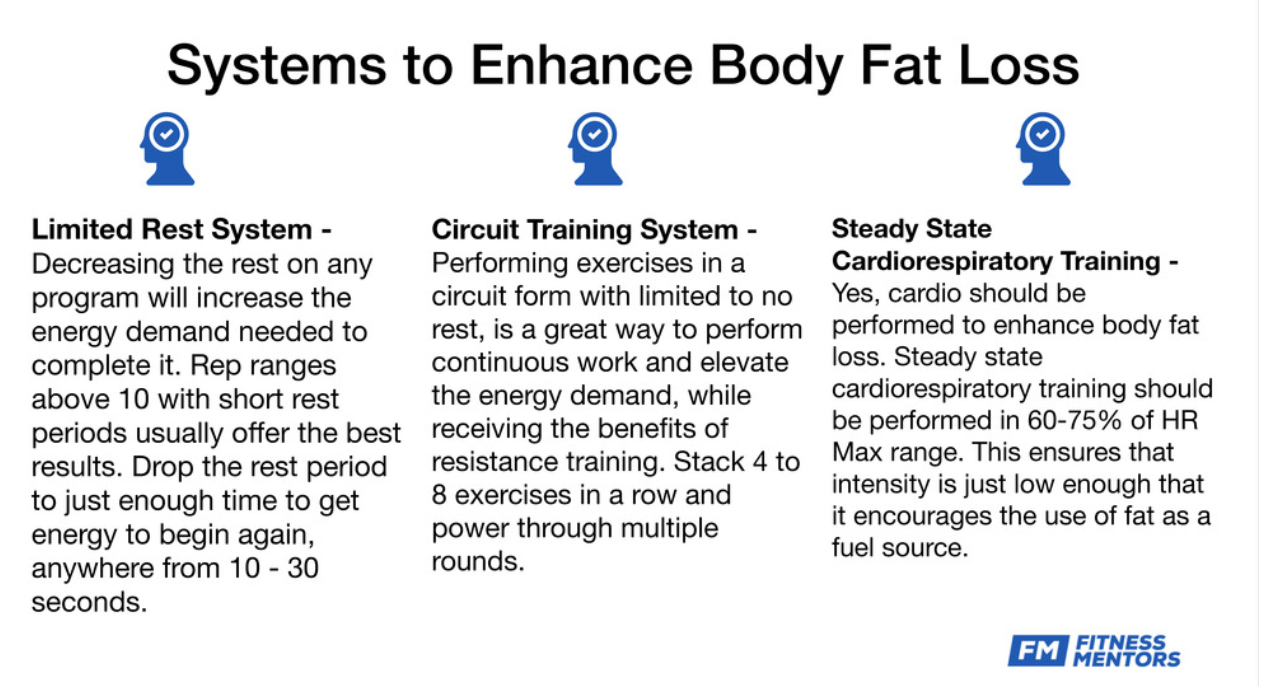
PART 8: Three Favorite Endurance and Hypertrophy Resistance Training Systems
Superset Training: Performing two exercises back-to-back with little to no rest in between, promoting endurance and hypertrophy.
Pyramid Training: Gradually increasing weight and decreasing reps across sets, which allows for both endurance and strength adaptations.
Circuit Training: Utilizing multiple exercises in a sequence, focusing on minimal rest to enhance cardiovascular endurance and muscle growth.
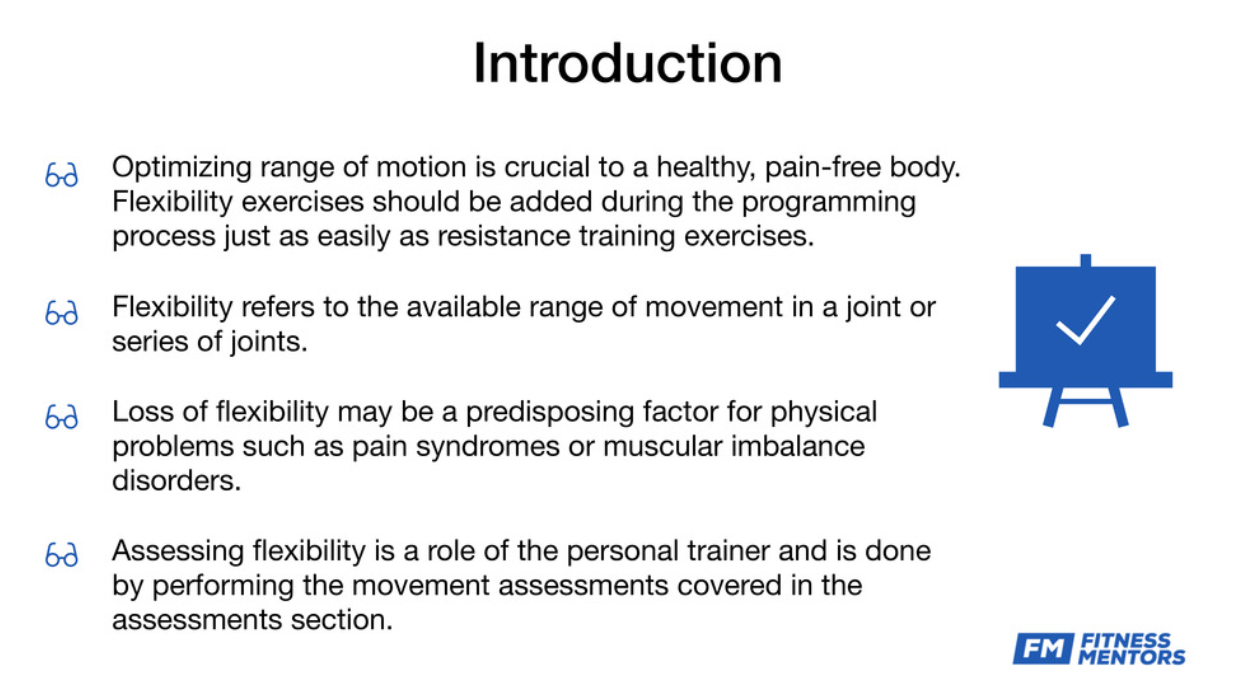
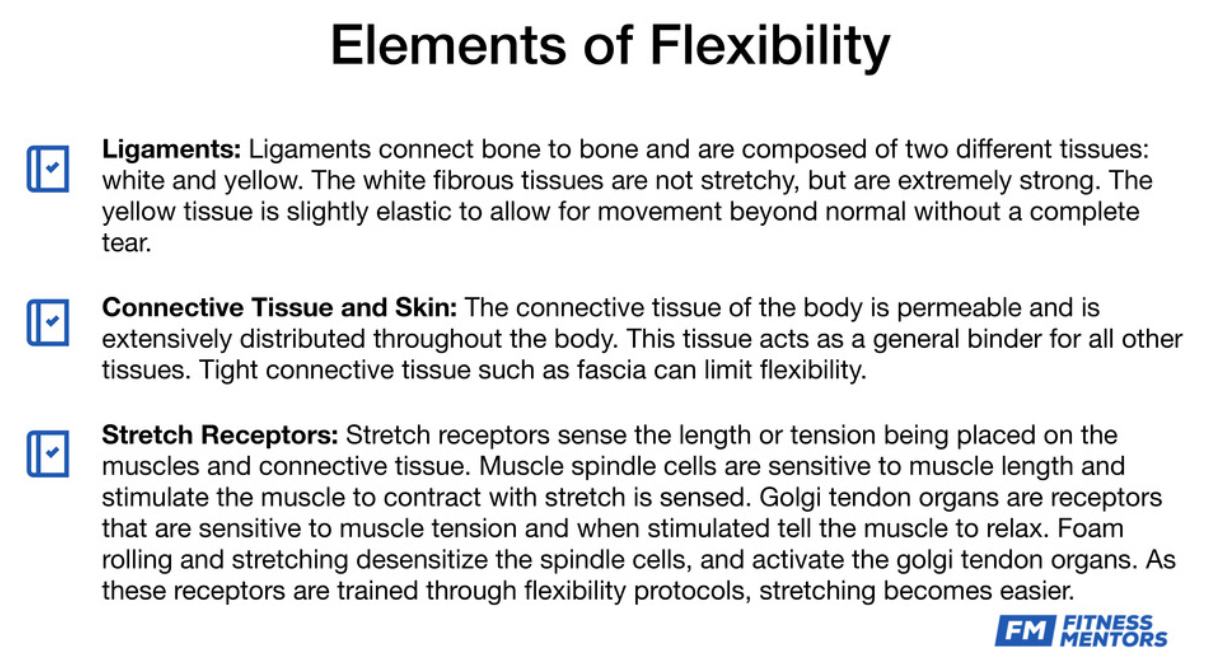
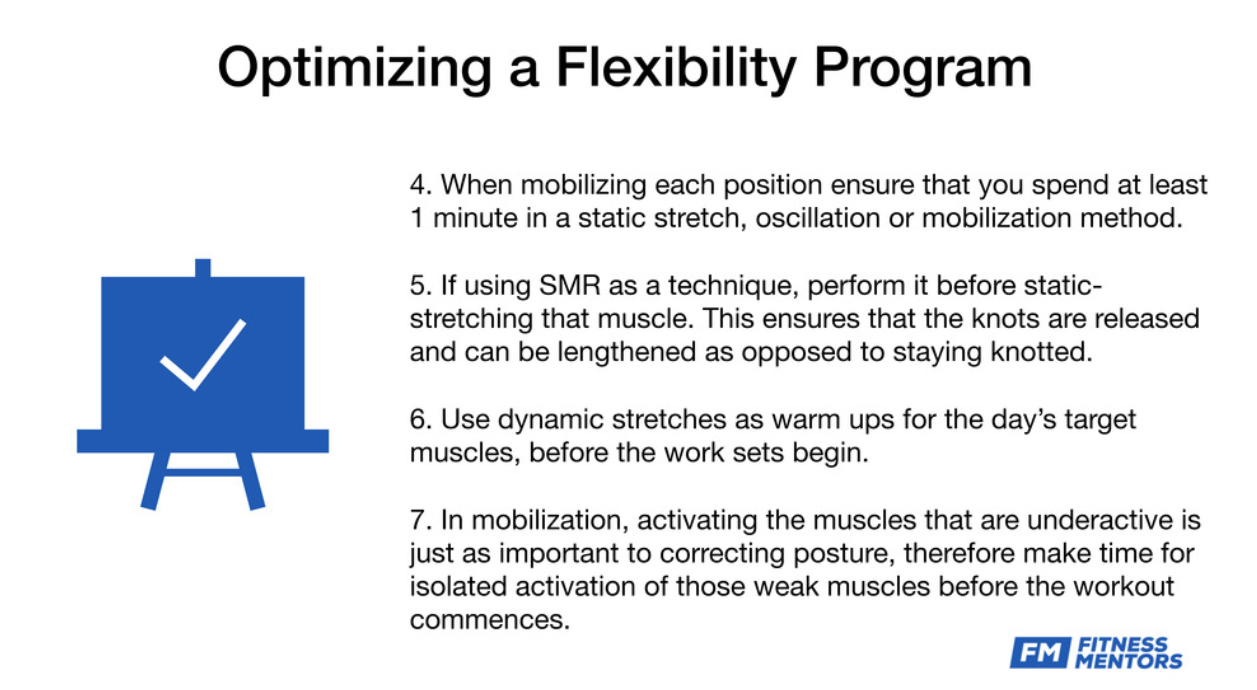
PART 1: Elements that Affect Flexibility:
Age: Flexibility typically decreases with age due to changes in connective tissues.
Gender: Females generally have greater flexibility compared to males due to anatomical differences.
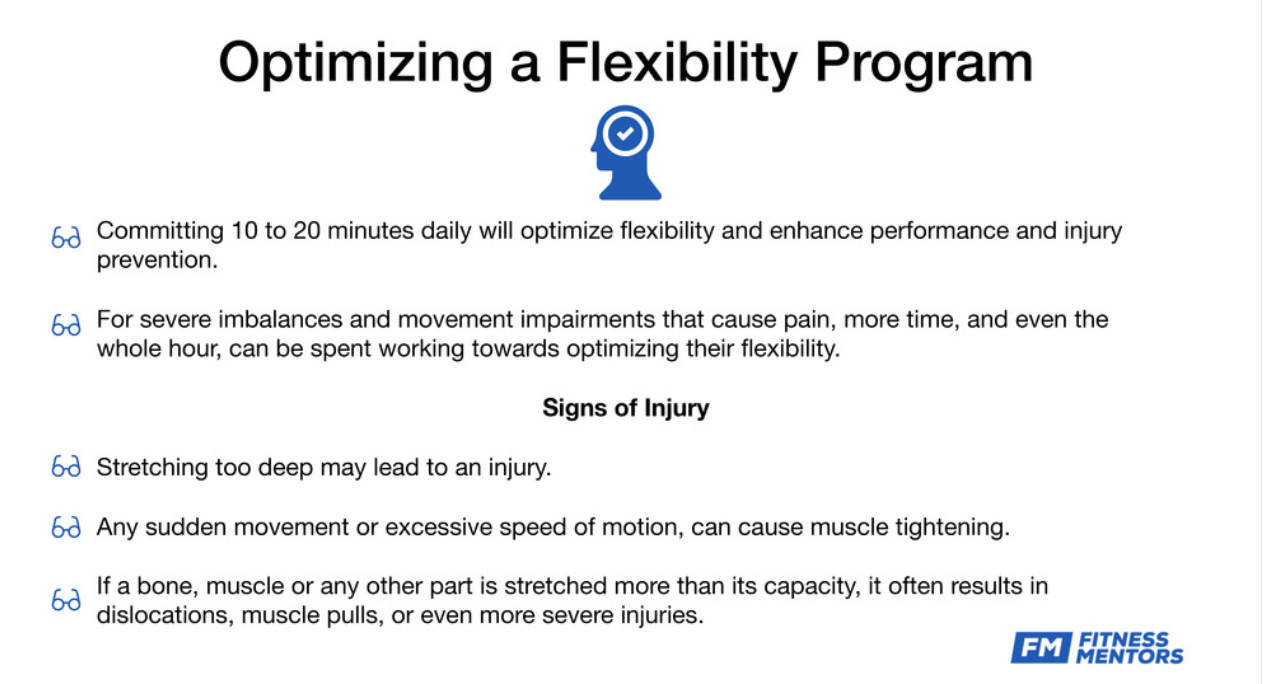
Activity Level: Regular stretching and physical activity can enhance flexibility.
Muscle Temperature: Warmer muscles tend to be more flexible.
Joint Structure: The design of the joints and the type of connective tissues can influence flexibility.
PART 2: Internal Limiting and External Limiting Factors of Flexibility:
Internal Limiting Factors:
Muscle Tissue: The elasticity of the muscle fibers affects flexibility.
Joint Structure: The bony architecture of joints limits flexibility.
External Limiting Factors:
Environmental Temperature: Warmer environments can enhance muscle flexibility.
Equipment: Use of props and tools during stretching can impact flexibility training.
PART 3: Stretching Techniques:
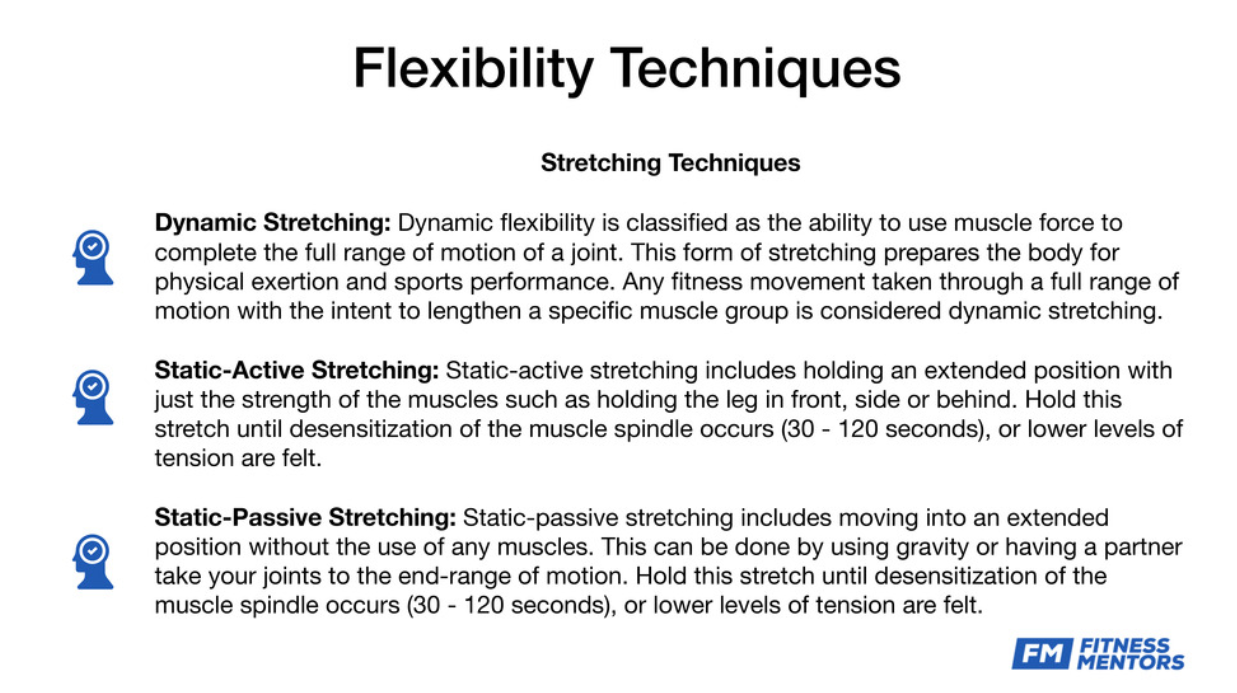
Static Stretching: Involves holding a stretch position for an extended time to elongate the muscle.
Dynamic Stretching: Involves controlled movements that gently take you to the limits of your range of motion.
Ballistic Stretching: Involves bouncing movements to push the muscles beyond their normal range, though it's generally not recommended due to injury risk.
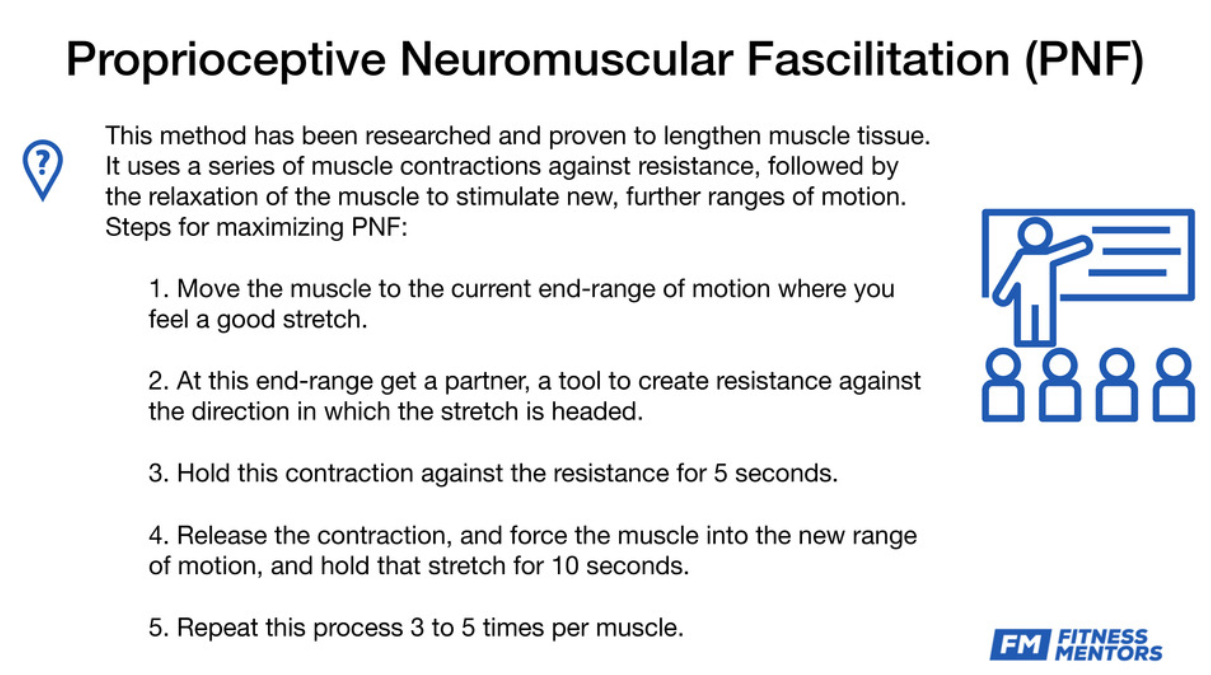
Proprioceptive Neuromuscular Facilitation (PNF) Stretching: Combines stretching and contracting of the muscle group being targeted to enhance flexibility.
Active Stretching: Involves actively controlling the stretch position using the strength of opposing muscles.
Passive Stretching: Relies on an external force (like a trainer or object) to assist in achieving a stretch.
PART 4: Tissue and Joint Mobilization Techniques:
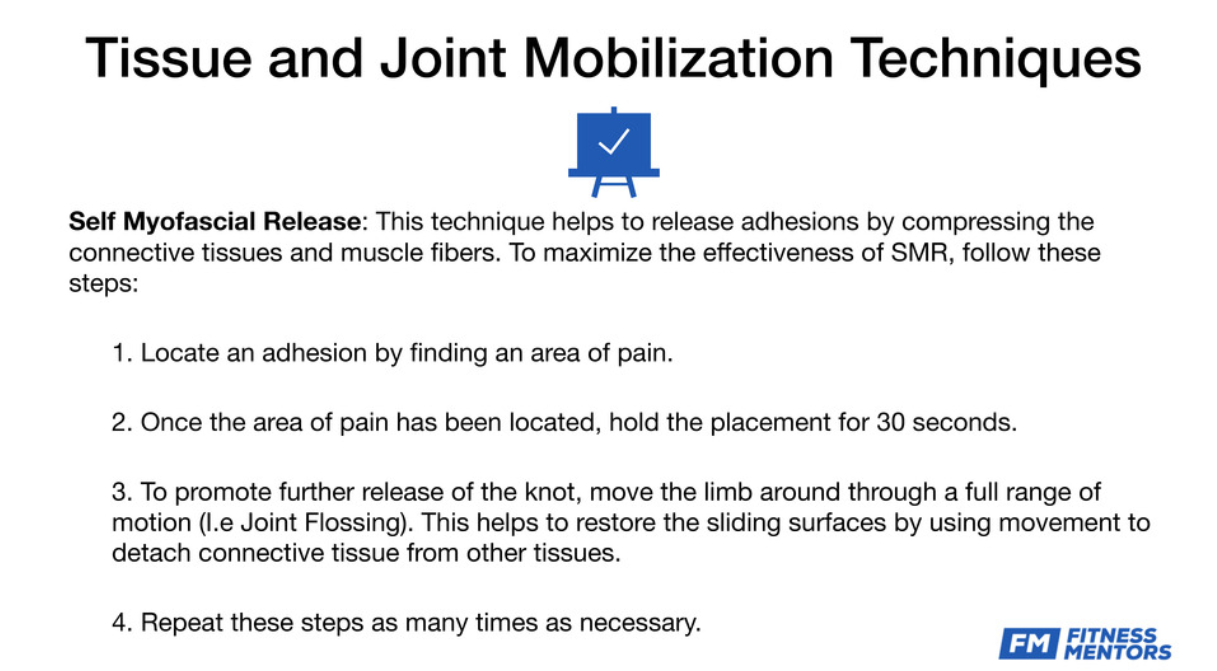
Soft Tissue Mobilization: Involves techniques like massage to relieve muscle tension and improve flexibility.
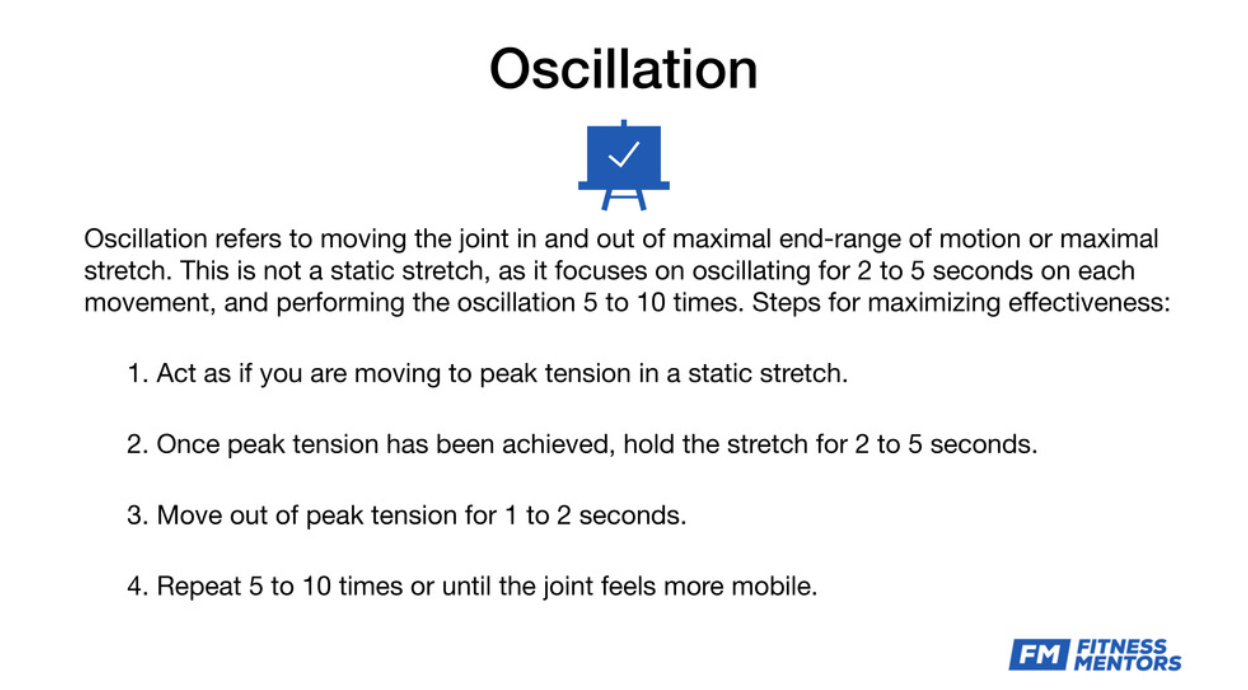
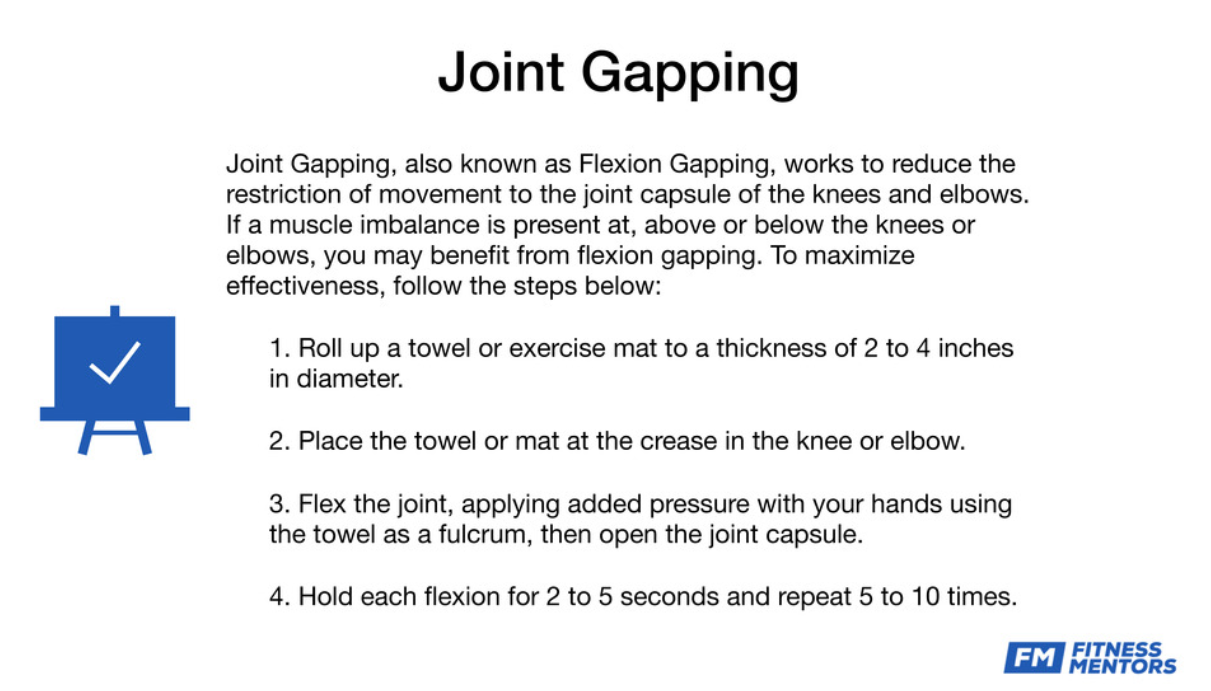
Joint Mobilization: Involves oscillatory movements or sustained pressure applied to joints to improve range of motion.
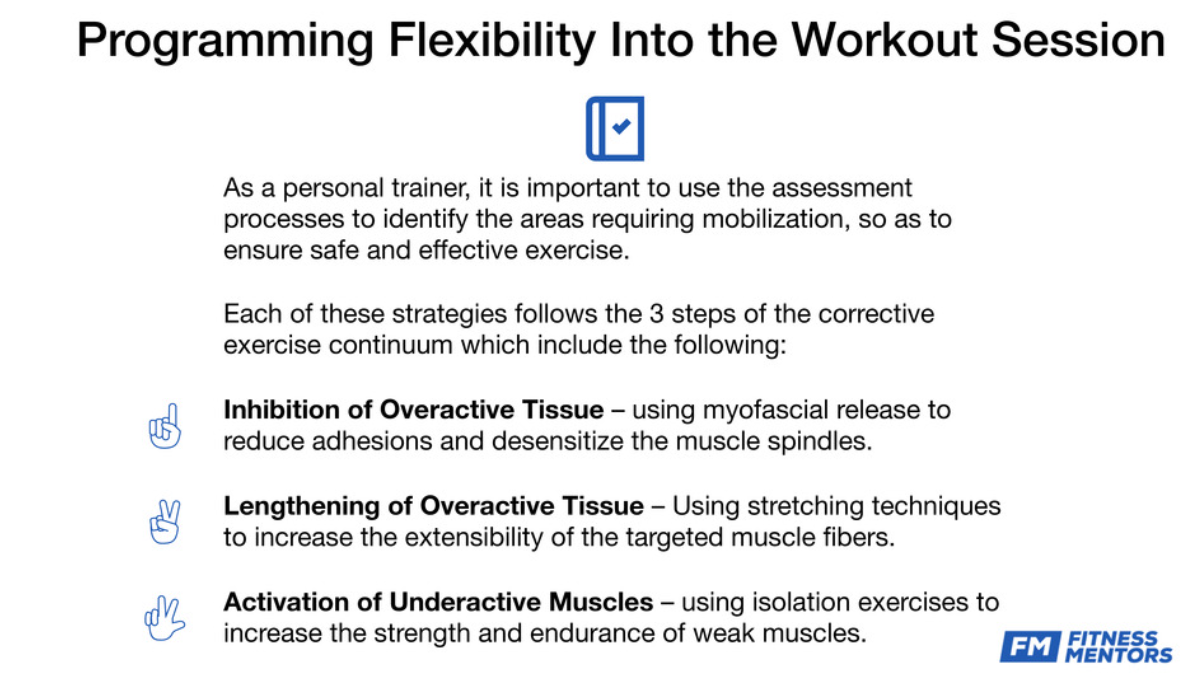
Myofascial Release: A specialized technique aimed at relieving tension in the fascia and connective tissues surrounding muscles.
Graston Technique: A form of manual therapy that utilizes specialized instruments to detect and treat areas of soft tissue restrictions.
Active Release Technique (ART): A manual therapy system that treats soft tissue by targeting specific muscle, tendon, ligament, fascia, and nerves.
PART 5: Corrective Exercise Strategy for Feet Turning Out:
Feet Turn Out: Stretch the calves and strengthen the ankle dorsiflexors to improve alignment and function during the overhead squat assessment.
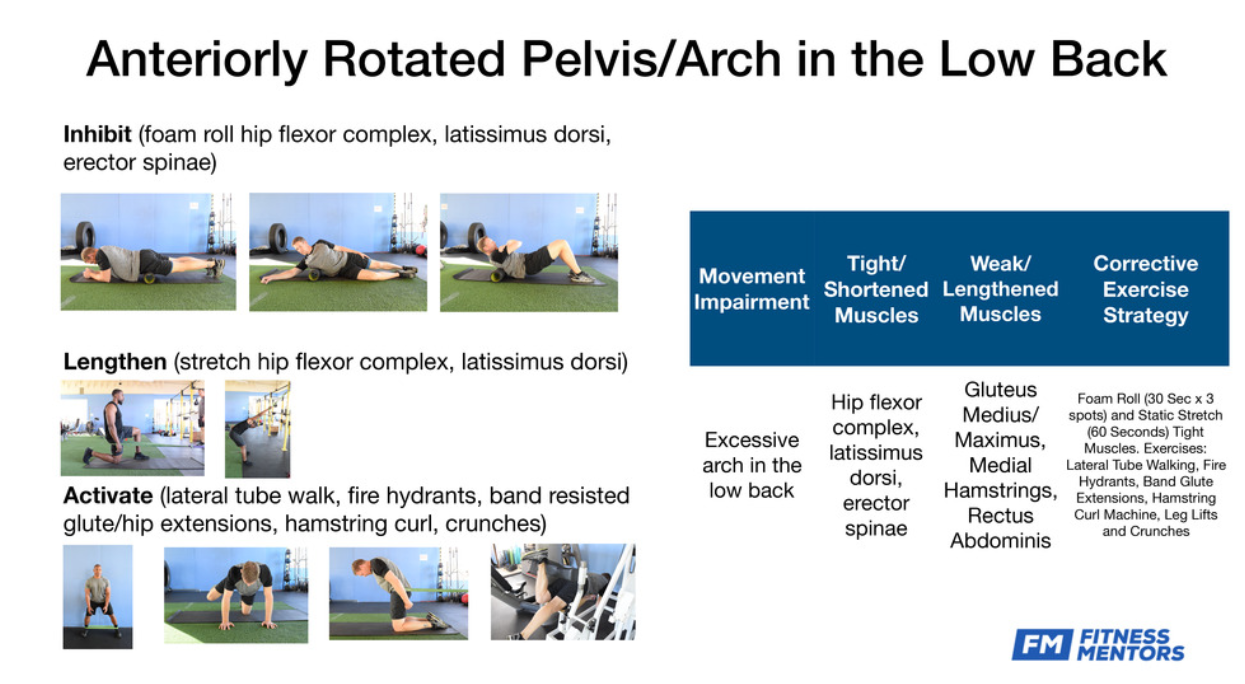
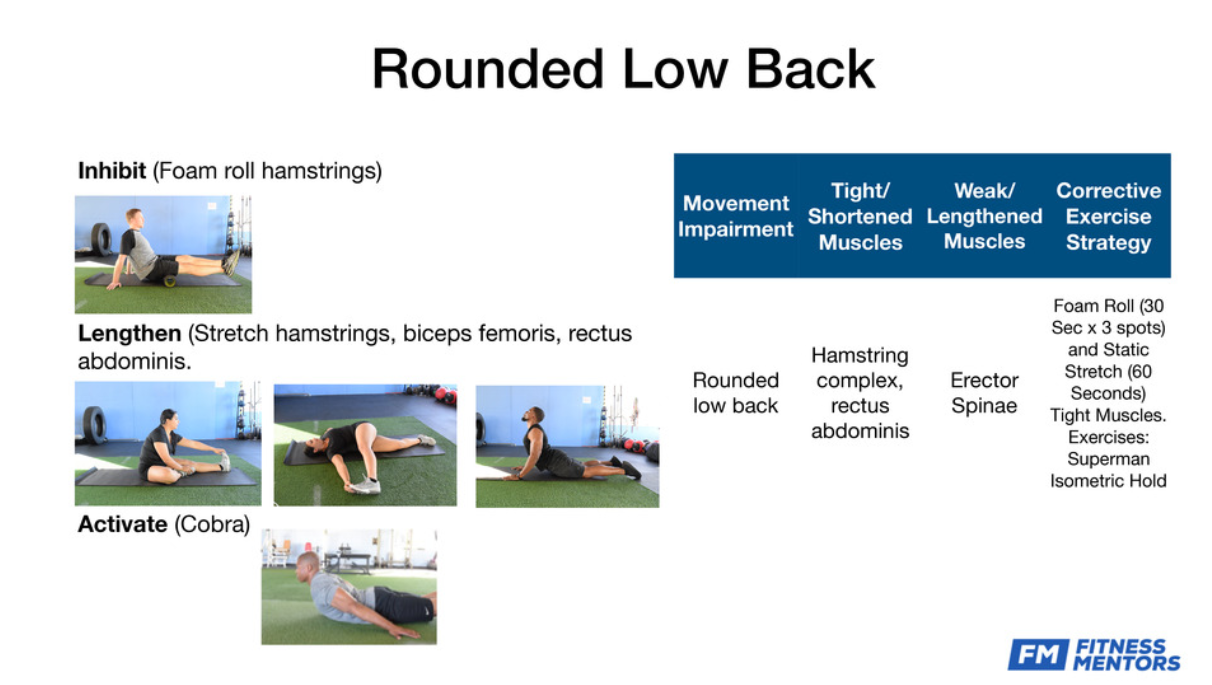
PART 6: Weak Muscles and Corrective Exercise Strategy for Excessive Arch in Low Back:
Weak/Lengthened Muscles: Typically, the abdominals and hip extensors are lengthened and weak in individuals with excessive arching in the low back.
Corrective Exercise Strategy: Implement exercises to strengthen the abdominals (such as planks) and stretch the hip flexors and lower back (such as hip flexor stretches).