QUIZ 1: Isolation and Matrices
 Call Kai
 Learn
Learn Practice Test
 Spaced Repetition
 Match
Match Flashcards
 Knowt Play
1/30

There's no tags or description
Looks like no tags are added yet.
Name | Mastery | Learn | Test | Matching | Spaced | Call with Kai |
|---|
No analytics yet
Send a link to your students to track their progress
31 Terms
What is the purpose of isolation?
Controls moisture
Retracts tissue
Provides additional patient comfort
May prevent aspiration/swallowing of dental materials
Improves bonding of adhesives
What are the benefits of retracting tissue in isolation?
Better access
Protect against trauma
What can happen with poor isolation?
Poor isolation may lead to poor outcomes
Majority of procedures in dentistry are technique sensitive
Completing procedures with poor isolation can result in failed restorations/recurrent caries
What are the types of isolation?
Rubber dam
Isovac/dryshield
Cotton rolls
Dry angles
Optragate
Cord
What is the rubber dam used for?
Considered the gold standard of isolation
Can be used for both maxillary and mandibular arches
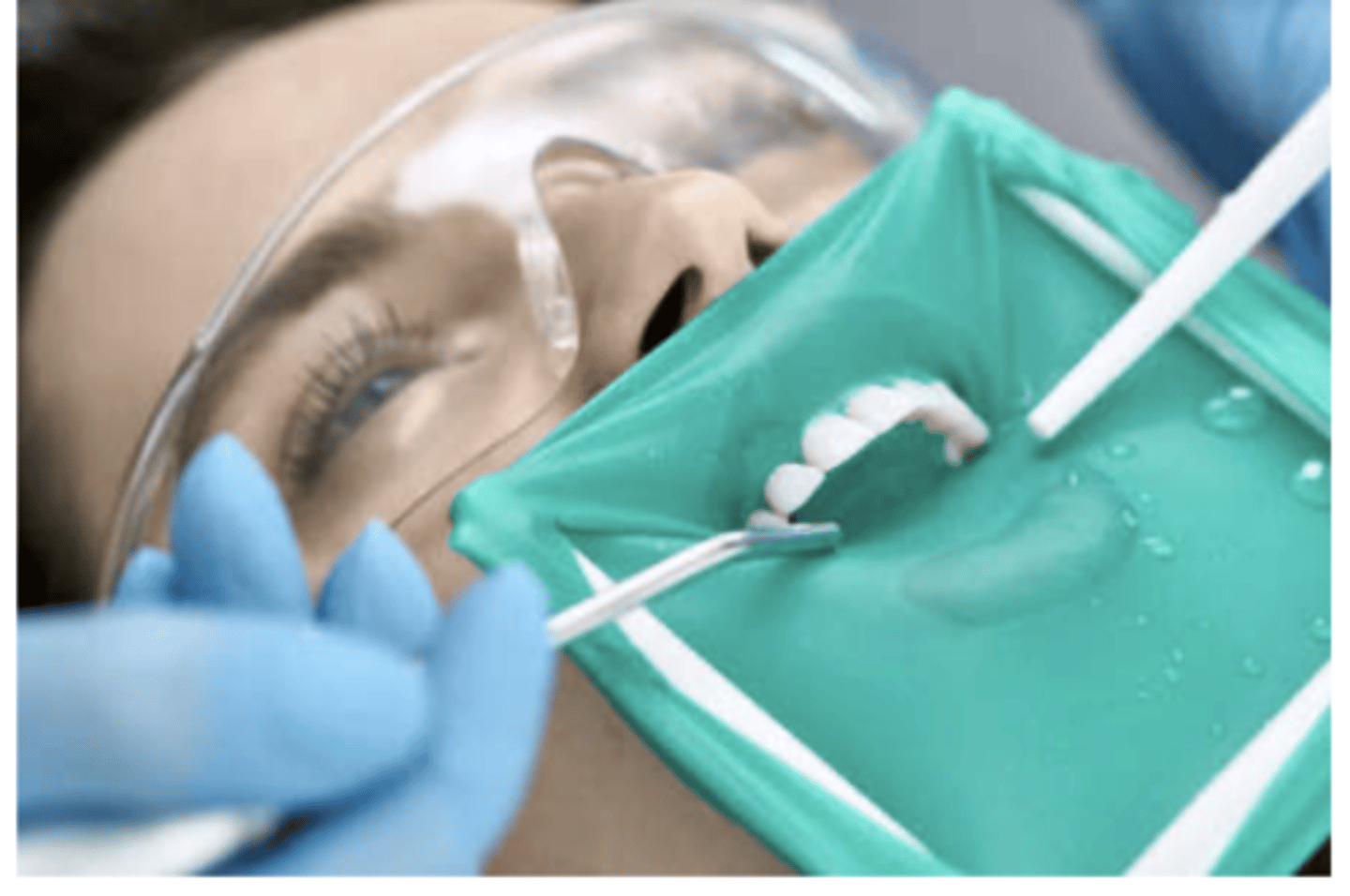
What are the advantages of rubber dams?
Great to use when only 2 handed dentistry is available
Provides better visibility
Retracts soft tissue --> improves access
Prevents aspiration/swallowing of materials
What are the disadvantages of rubber dams?
Takes time to be applied correctly
Communication with patient may be challenging
Insecure clamps can be aspirated / swallowed
May not be able to use on patients that breathe through their mouth or have respiratory issues
What materials are required for rubber dams?
Rubber dam
Punch
Forceps
Retainers (clamps)
Youngs Frame
Floss
Plastic instrument
What are the steps to apply a rubber dam?
1. Anesthetize the patient (optional)
2. Use template to mark hole location
3. Punch the holes
4. Retainer is selected, ligated, and positioned on forceps
5. Place the retainer on most posterior tooth
6. Stretch the rubber dam over the clamp
7. Ligate at the anterior tooth
8. Place holes over top of teeth
9. Floss the interproximal spaces to expose teeth
10. Invert the rubber dam with plastic instrument
11. Place the frame
What are the advantages of Isovac/Dryshield?
Helpful when an assistant is not available
Easy to Use
Efficient
Works as a bite block
Multiple sizes
Can be used for both
maxillary and mandibular arches
Connects to your high volume
suction
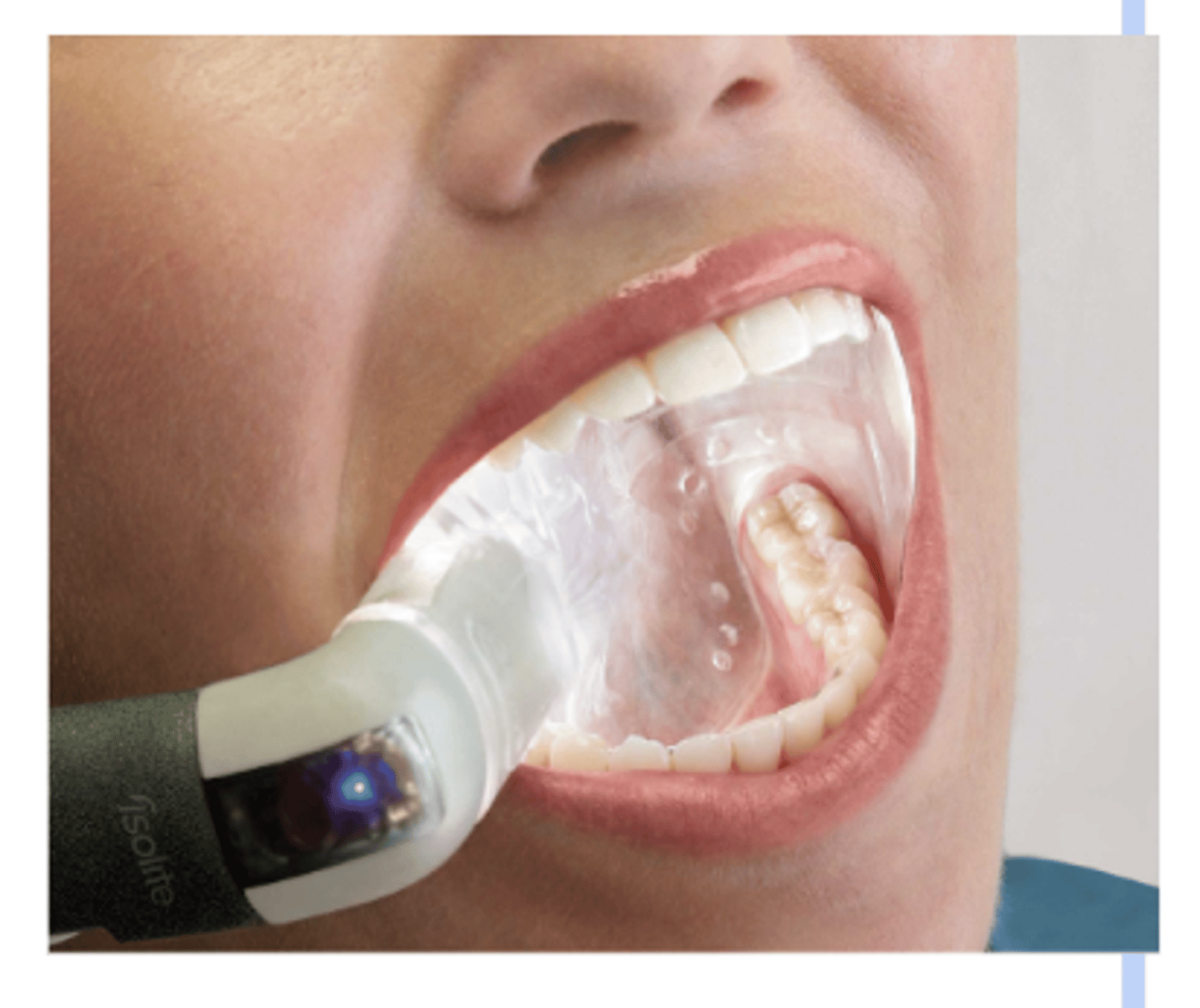
What are the disadvantages of Isovac/Dryshield?
Loud
Some patients dislike
What are the benefits of cotton rolls?
absorbent, used as an adjunct
helpful for a brief period of time --> may need to be replaced to maintain isolation
helps retract tongue, lip, and cheek
can be used for mx (buccal) and md arch (buccal and lingual)
What are cotton roll holders?
assist in keeping cotton rolls in place in the md arch?
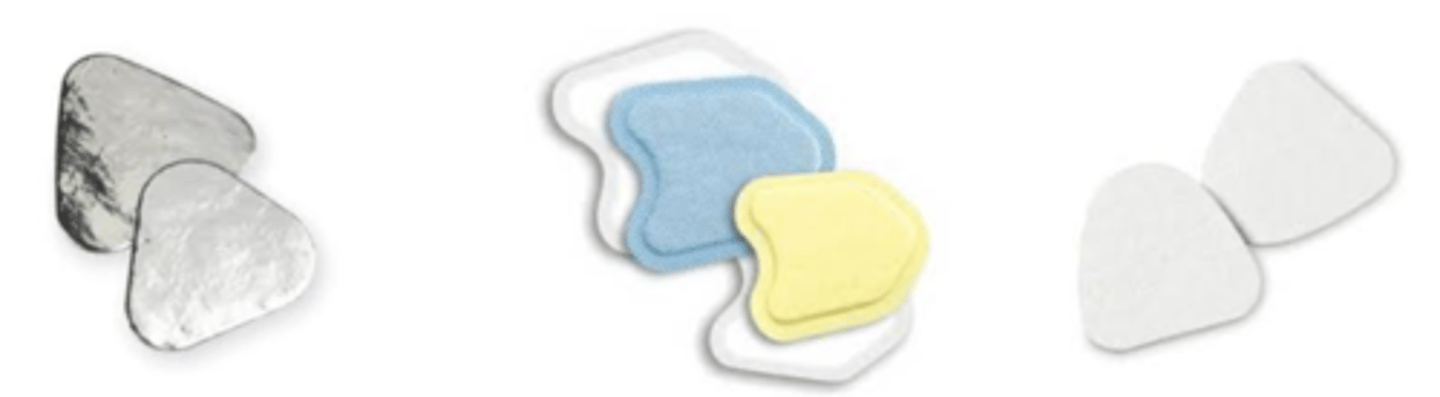
What is the function of dry angles/shields?
blocks the parotid gland
protects and retracts buccal tissue
can be used for mx and md arches
silver backing on some products provide additional reflection of light on teeth
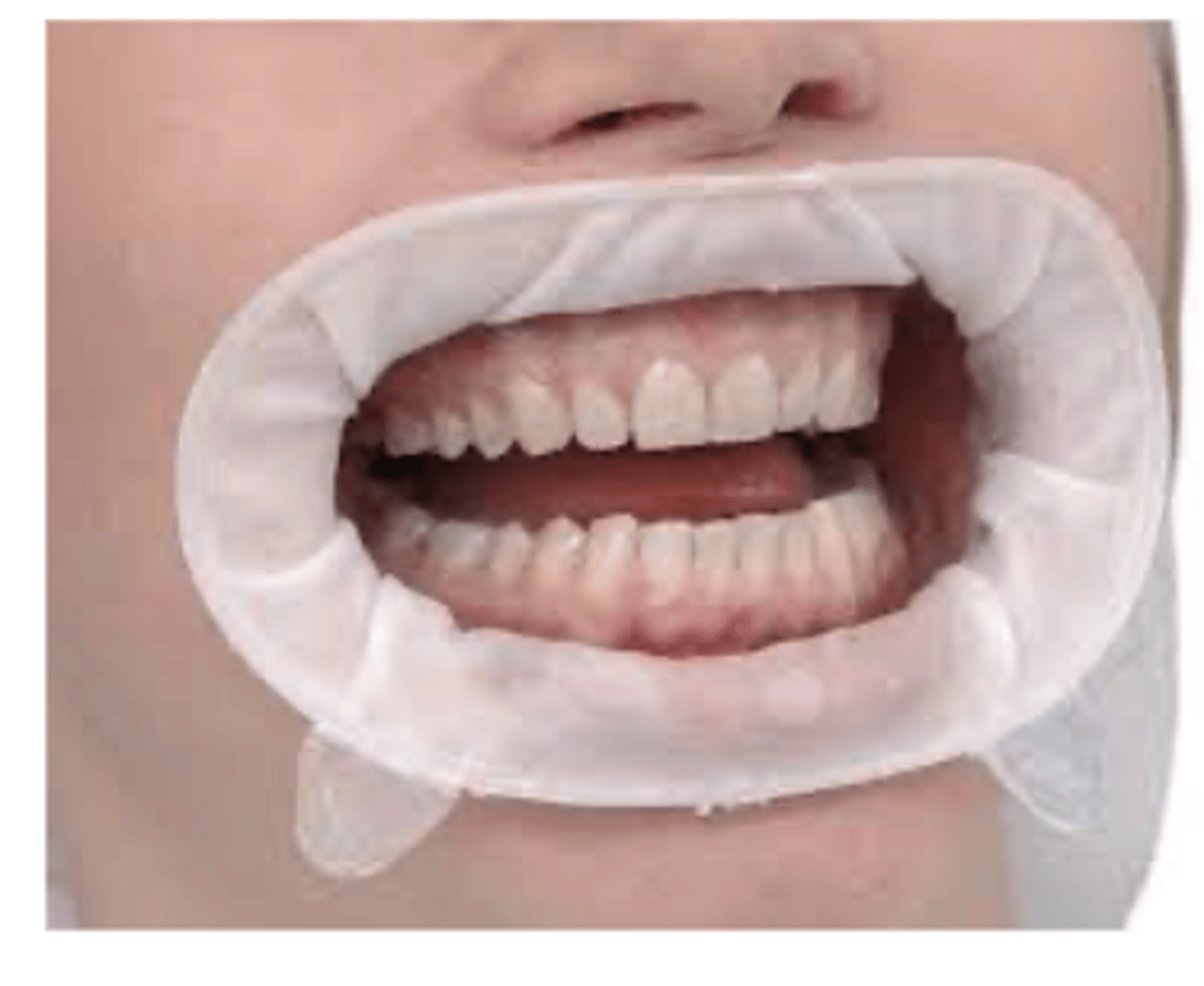
What are the functions of the optragate?
retracts lips --> helpful for those with strong lips
anterior teeth
improves visibility
What is the function of a gingival retraction cord?
used for retraction of gingival tissue away from the tooth
helpful in getting a better apical margin
What are situations in which gingival retraction cards are beneficial for?
Class V restoration
What is a matrix?
device applied to a prepared tooth before placing restorative material in the tooth
What are the functions of a matrix?
Used to assist in the shaping/contouring the restoration
Separates teeth while placing restorations
Helps provide additional isolation
Prevents material overflow / overhangs
Why do we use a matrix on Class II and III preparations? (interprox)
Class II and Class III preparations (interprox have areas of tooth structure that need a wall (marginal ridge) built back up
Matrix controls the placement and contouring of restorations
Prevents overhangs if placed correctly
What are the things to look for in a matrix?
Rigid
Allows for building of proximal contact and other anatomical features
Adapts to the tooth
Will prevent excess material
Can be removed easily after placement of restoration
What are the types of matrices?
Matrix Band/Toffelmire
T-band
Matrix systems
Mylar strip
What are Toffelmire Matrix Band indicated for?
Class II restorations --> interproximal
MO
DO
MOD
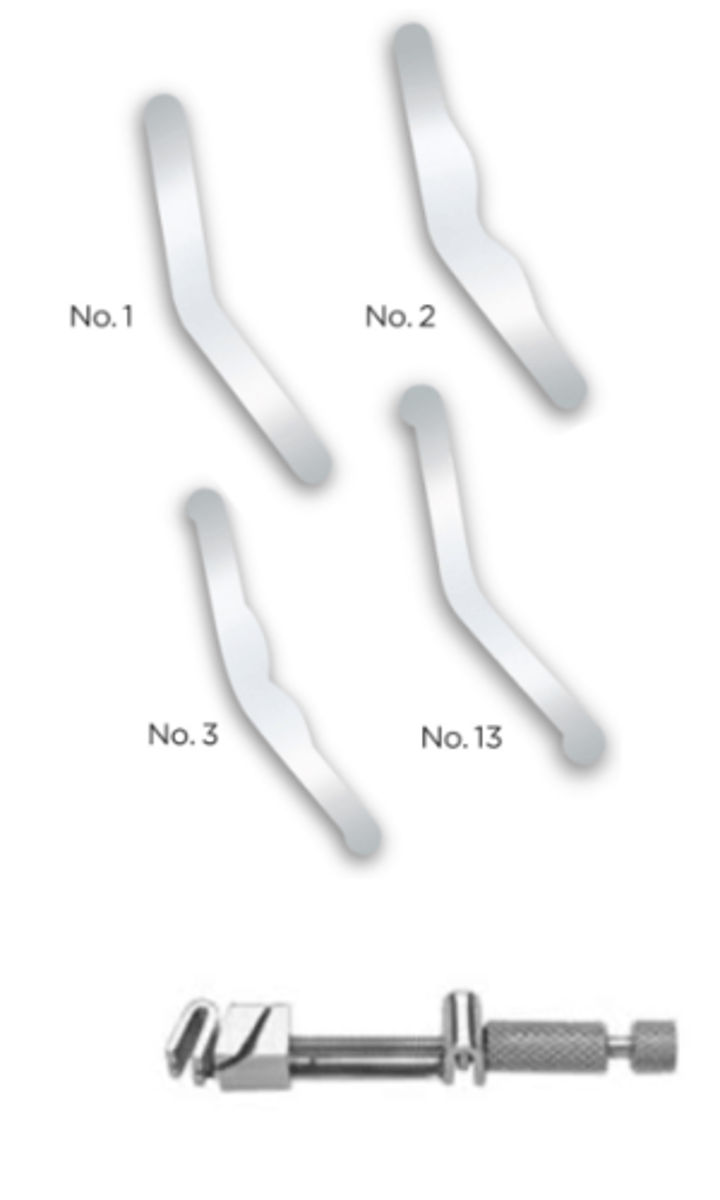
How are Toffelmire Matrix Bands used?
Can be positioned on buccal or lingual aspects of tooth
Stable when placed correctly
Holder easily separates from band for easy removal
What are the materials needed with Toffelmire Matrix Bands?
Matrix band --> many styles and thicknesses
Toffelmire holder
Wedge
Burnisher
Forceps
What are T Bands indicated for?
Class II restorations --> interproximal
MO
DO
MOD
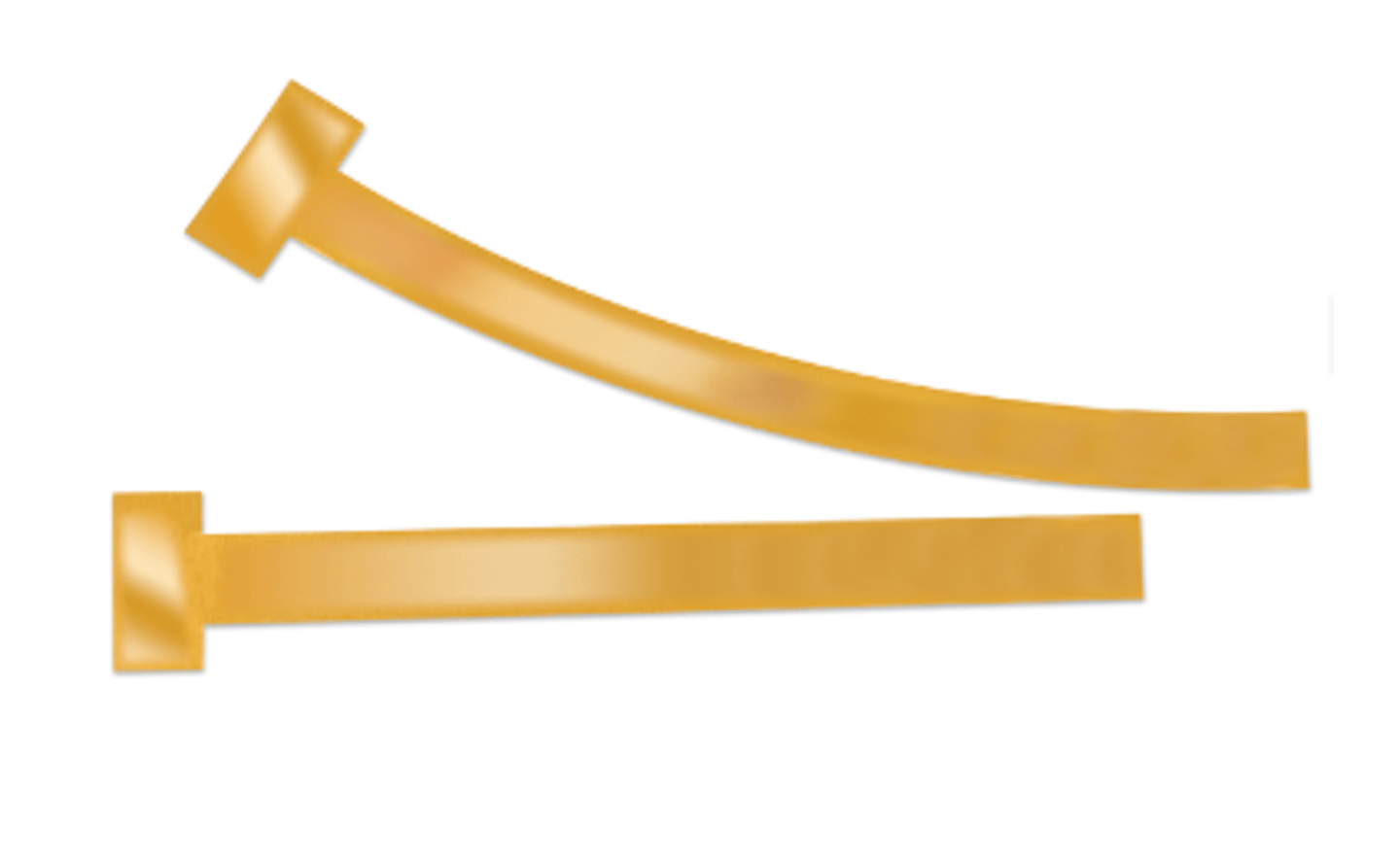
What are the characteristics of T Bands?
Fast and easy to assemble
Not as stable
Used more in pediatrics
What are the indications for Matrix System?
Class II and III restorations
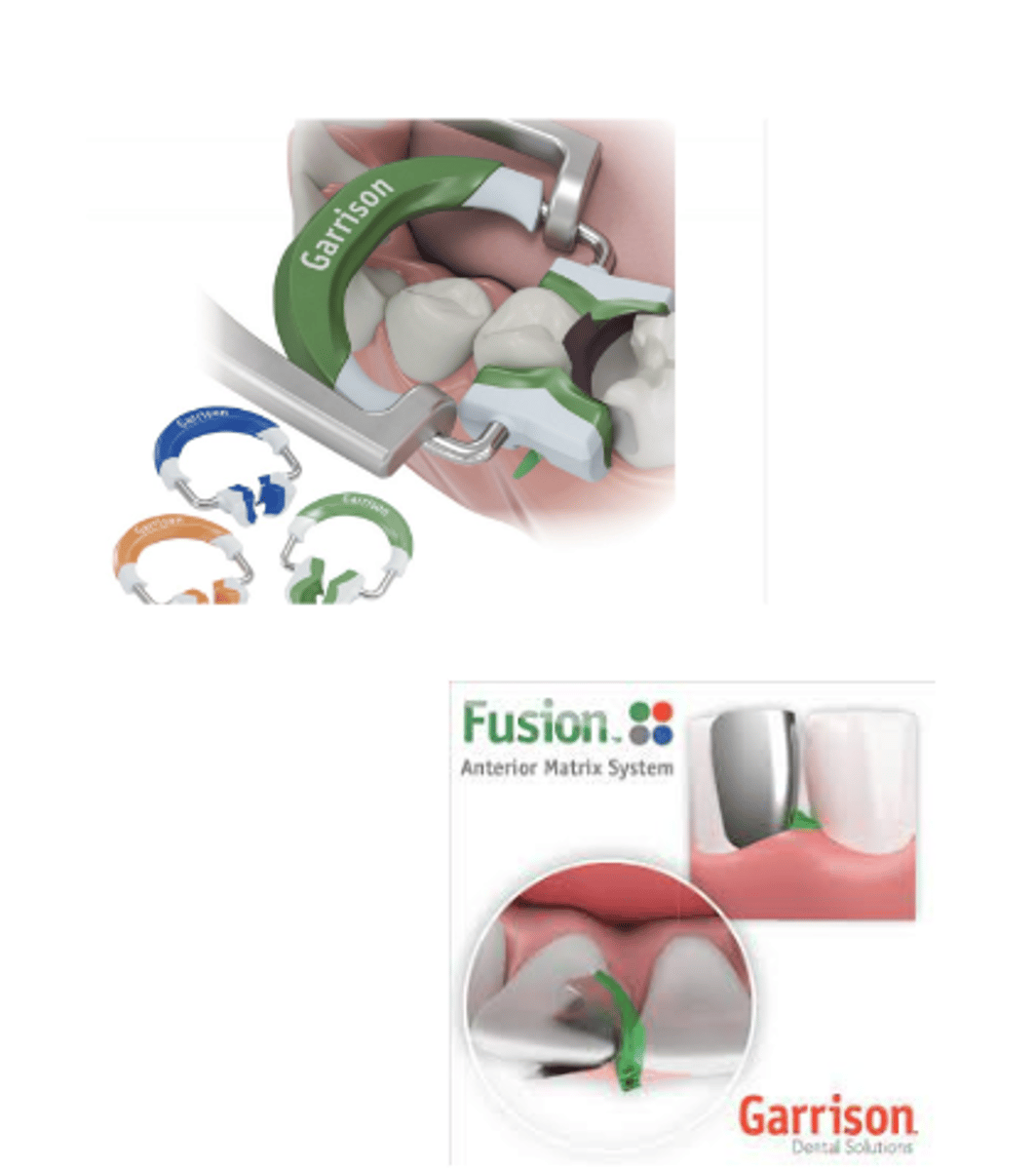
What are the benefits of Matrix Systems?
helps create tight contacts
designed to help with anatomy/contour
What are Mylar Strips typically used for?
Composite restorations
Class III and IV restorations (anterior teeth)
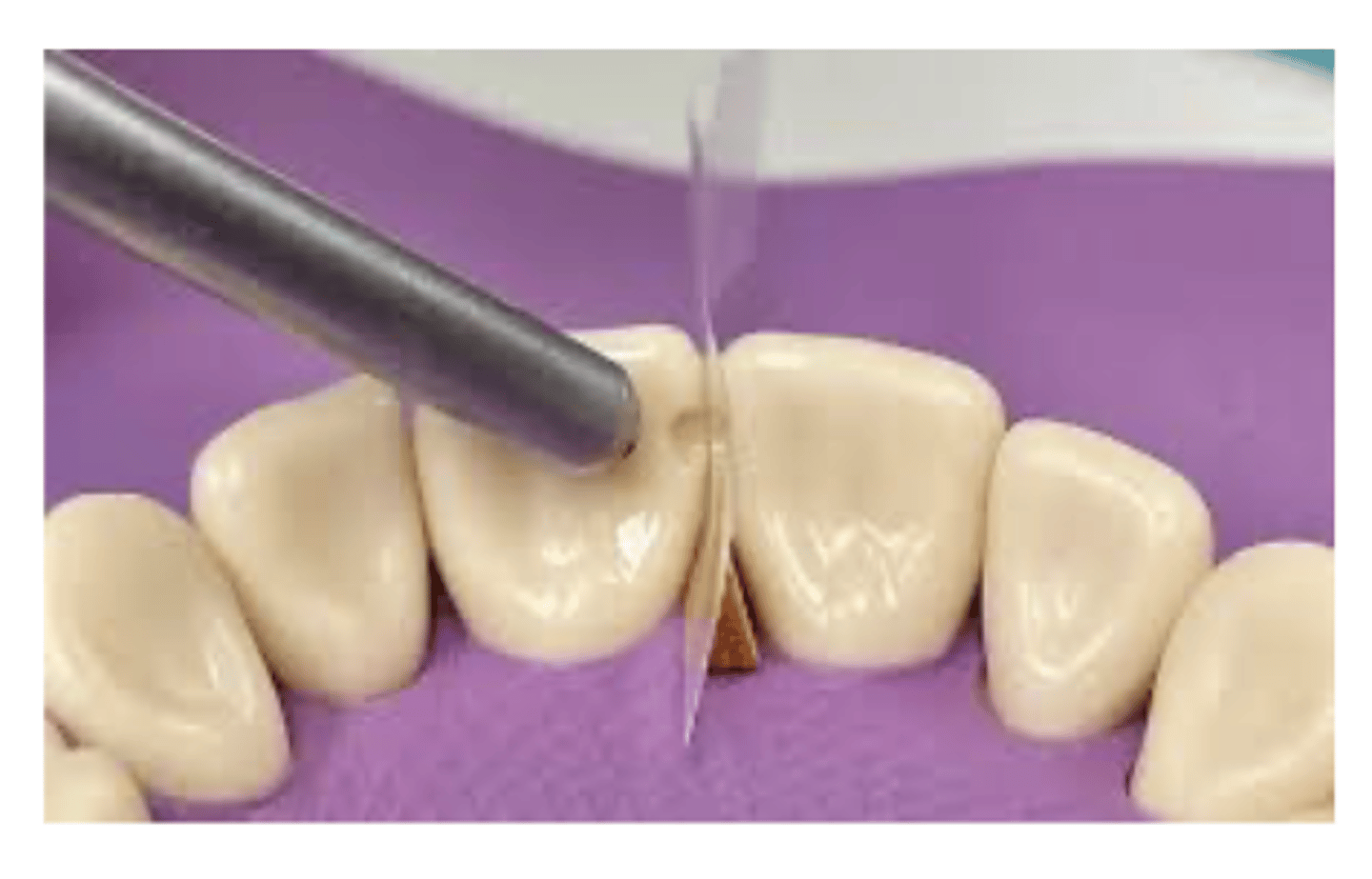
What materials do you need with Mylar Strips?
wedge and forceps