StemUp: A level STEM General Practical
 Call Kai
 Learn
Learn Practice Test
 Spaced Repetition
 Match
Match Flashcards
 Knowt Play
1/27

There's no tags or description
Looks like no tags are added yet.
Name | Mastery | Learn | Test | Matching | Spaced | Call with Kai |
|---|
No analytics yet
Send a link to your students to track their progress
28 Terms
What is an independent variable? (2)
- Variable that is changed in an experiment.
- Tests its effect on the dependent variable.
What is a dependent variable? (2)
- Variable that is measured in an experiment.
- Affected by the independent variable.
What are controlled variables? (2)
- Variables are factors that are kept constant during an experiment.
- These ensure that any any changes in the dependent variable are due to the independent variable only.
What is the mean of a data set? (2)
- Average.
- This is the sum of all values divided by the number of values in the data set.
What are qualitative observations? (2)
Observations that deal with descriptions
What are quantitative observations? (1)
Quantitative observations are numerical values.
What is accuracy? (2)
- Accuracy describes how close a reading is to the true value.
- A value is considered accurate if it is close to the true result.
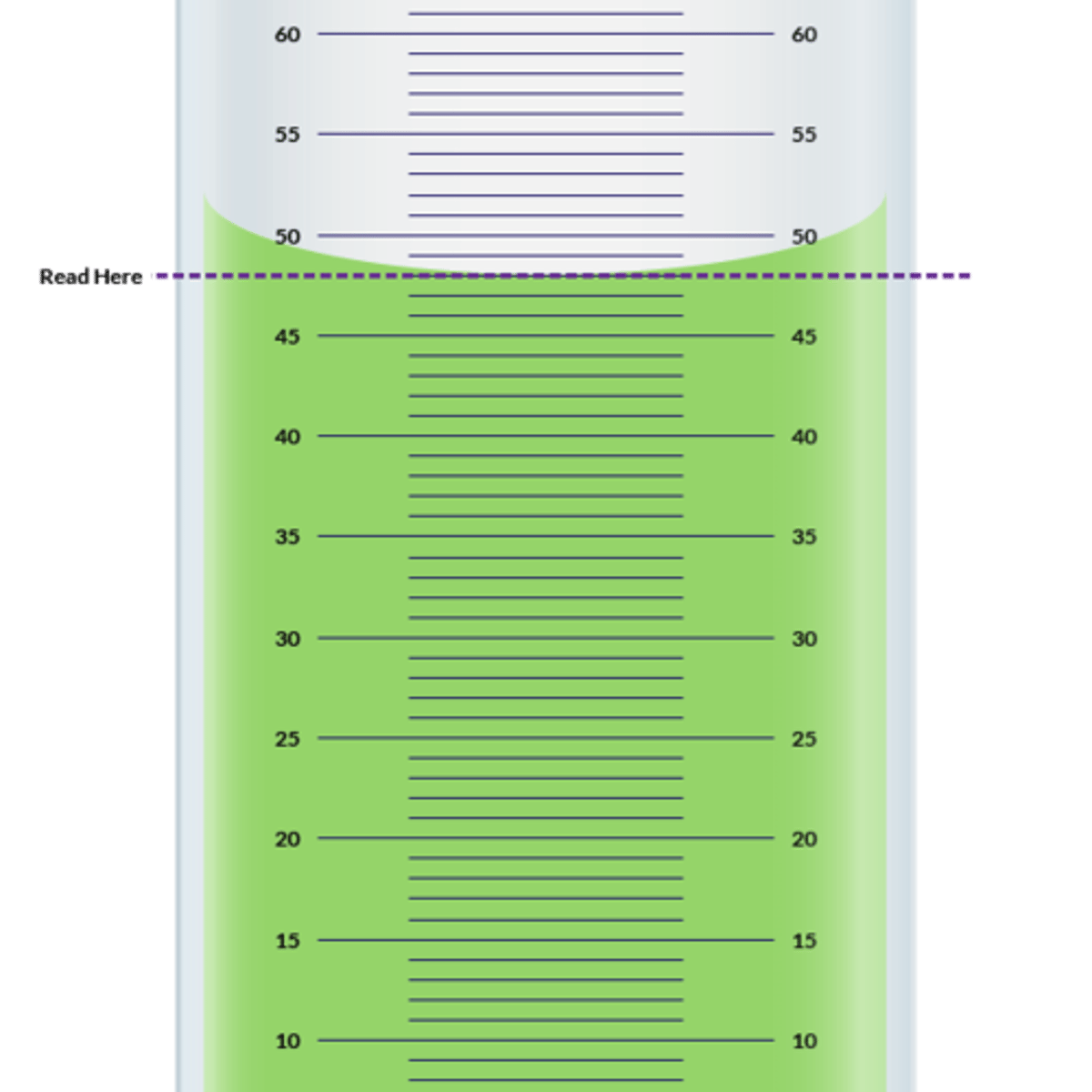
How do you interpret volumes? (1)
- When reading volume from a measuring cylinder or syringe, take the measurement from where the meniscus is.
How do you reduce random errors in measurements? (3)
- Take multiple measurements and calculate an average.
- Use more precise instruments.
- Increase sample size.
What is the uncertainty in a measurement? (2)
- Uncertainty is the range within which the true value is expected to lie.
- This is given by the precision of the instrument used and the repeatability of the measurements.
How do you calculate the percentage uncertainty of a measurement? (1)
(Absolute uncertainty / Measurement value) x 100
What should you include when drawing a graph in an experiment? (4)
- Labelled axes (with units).
- Title.
- Line of best fit.
- Data points plotted (with error bars if applicable).
What is the purpose of a control experiment? (3)
- Used to compare results.
- To confirm that the effect on the dependent variable is due to the independent variable
- This ensures that results were obtained without any interference from other factors.
How do you ensure an experiment is reliable? (3)
- Repeat the experiment multiple times.
- Maintain consistent controlled variables.
- Use precise instruments.
What are systematic errors? (2)
- Consistent, repeatable errors.
- They are caused by faulty equipment or flawed experimental design.
How can systematic errors be minimised? (3)
- Calibrate instruments.
- Use appropriate methods.
- Cross-check results with different methods.
Why is it important to calibrate instruments before taking measurements? (3)
- Ensures that they provide accurate reading
- This is done by comparing them to a known standard
- Systematic errors are reduced
What is a colorimeter? (2)
- A colorimeter is apparatus that measures light absorbance or light transmission.
- It is used to measure colour change.
What questions are asked in a risk assessment? (3)
- What could harm you?
- What harm could it cause you?
- What actions could be put in place to prevent / treat harm?
How is length measured? (2)
- Ruler.
- Tape measure.
What needs to be considered when measuring length? (2)
- The scale needs to be considered.
- High enough precision of equipment should be ensured.
How is temperature measured? (2)
- Thermometer.
- Data logger.
How is volume of a gas measured? (1)
Gas volume is measured using a gas syringe.
How is volume of a solution measured? (2)
- Measuring cylinder.
- Syringe.
How is time measured? (1)
stop watch
How is mass measured? (1)
balances/scales
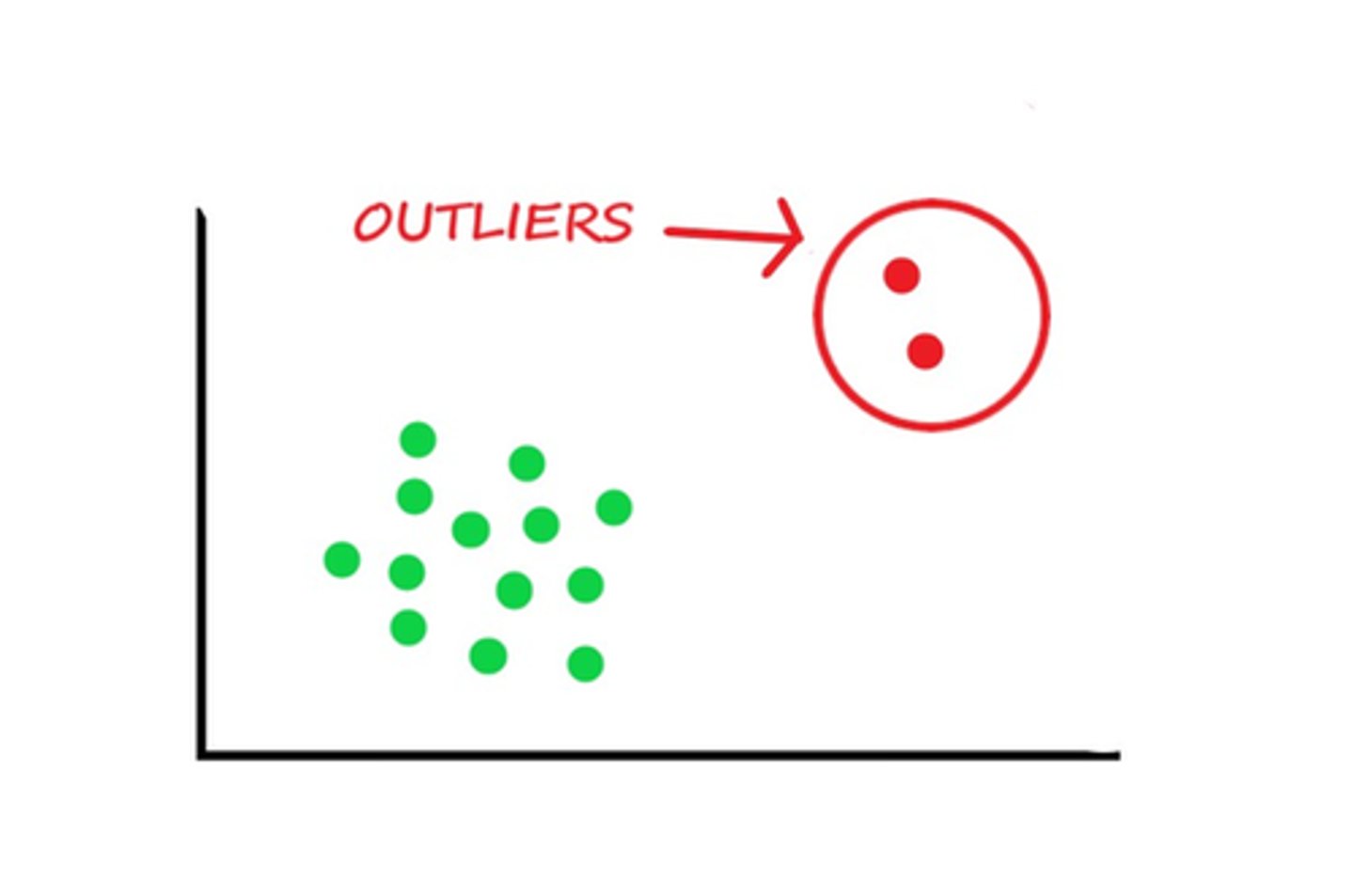
What is an anomaly? (2)
An outlier in a set of results
What is standard deviation? (2)
- Standard deviation measures the spread of data around the mean value.
- This is useful when comparing consistency between different data sets.