NSG 5220 Week 10 Final Online Practice Exam NSG 5220 Healthcare Informatics Exam Questions and Answers | 100% Pass Guaranteed | Graded A+ |
 Studied by 0 people
 Call Kai
 Learn
Learn Practice Test
 Spaced Repetition
 Match
Match Flashcards
 Knowt Play
1/32

There's no tags or description
Looks like no tags are added yet.
Name | Mastery | Learn | Test | Matching | Spaced |
|---|
No study sessions yet.
33 Terms
what are the steps of the nursing process
1) assessment
2) diagnosis
3) planning
4) implementation
5) evaluation
6) documentation
what is nursing informatics
A specialty that integrates:
nursing science
computer science
information science
To manage and communicate:
data
Information
knowledge
what is a nurse informaticist
a nurse who practices at the intersection of technology and clinical practice who:
-is an expert clinician
-has extensive clinical practice background
-is a master of utilizing the nursing process
why nurse informatics?
Nurses already have the knowledge of the medical profession. Therefore, training nurses in the technical skills is easier than teaching a technical professional all of the ins and outs of the healthcare system.
informatics role focuses on
all aspects of leveraging technology in health IT, within the nursing scope of practice.
That includes settings such as acute care, ambulatory care, research, academia, and more.
That means that nurses with a focus on the adoption, implementation, design, and use of health IT are working in informatics roles.
ex: professor who is focusing on
educating about the IT aspects in healthcare
ex: a nurse working in research, looking at
outcomes related to electronic health records (EHRs)
ex: nurses working in a vendor role or a consulting role to
implement systems, or to design and develop systems, to make sure that organizations are getting the best use of their IT.
primary role of a nurse informaticist
would be to help staff implement and improve EHRs
Now that the healthcare system has gone through the adoption of EHRs and implementation, nurse informaticists are refining and making sure that EHR use is
sufficient for nurses and that we're able to see the outcomes from the data that are in those systems and beyond.
what year were medical providers required to move from a paper EHR to an electronic EHR
2015
if medical providers did not move from paper to electronic records by the deadline, what would happen
Medicare reimbursements would be reduced by 1% in the first year, 2% in the second year, and 3% in the third year
what is meaningful use
a certified EHR technology that:
-captures the right data to improve pt outcomes
-improve quality, safety, efficiency, and reduce health disparities
-engage pts and family
-improve care coordination, population, and public health
-maintain privacy and security of PHI
what is the health information technology for economic and clinical health (HITECH) act
a part of the 2009 recovery act that outlines a three stage incentive plan for adopting meaningful use criteria
what are the three main components of meaningful use specified in the american recovery and reinvestment act
-the use of a certified EHR in a meaningful manner such as e-prescribing
-the use of certified EHR technology for electronic exchange of health information to improve quality of health care, like communication between other facilities
-the use of certified EHR technology to submit clinical quality and other measures, like research
meaningful use compliance would result in
-Better clinical outcomes
-Improved population health outcomes
-Increased transparency and efficiency
-Empowered individuals
-More robust research data on health systems
medicare and medical EHR incentive program basics (2011)
To encourage eligible professionals(EPs) & hospitals to:
Adopt
Upgrade
Demonstrate
meaningful use of certified EHR technology
what were the three stages of meaningful use
1) data capture and sharing (2011-2012)
2) advance clinical processes (2014)
3) improved outcomes (2016)
what meaningful use criteria were focused on in stage 1
•Stage 1 (basic info)- demographics, allergies, smoking status, etc.
-electronically capturing health info in a standardized format
-using that info to track key clinical conditions
-communicating that info for care coordination processes
-initiating the reporting of clinical quality measures and public health info
-using info to engage pts and their families in their care
what meaningful use criteria were focused on in stage 2
•Stage 2 - e-prescribing, lab results
-more rigorous health information exchange (HIE)
-increased requirements for e-prescribing and incorporating lab results
-electronic transmission of pt care summaries across multiple settings
-more patient controlled date
what meaningful use criteria were focused on in stage 3
•Stage 3 - research, improving QIP
-improving quality, safety, and efficiency, leading to improved health outcomes
-decision support for national high priority conditions
-patient access to self management tools
-access to comprehensive pt data through patient centered HIE
-improving population health
what did the 2015 meaningful use requirements for modified stage 2 and stage 3 focus on
advanced use of the EHR technology to support:
-health information exchange and interoperability (HL7 interface)
-advanced quality measurement
-maximize clinical effectiveness and efficiencies
what is HL7
Health Level 7, standards that aid in the exchange of data among hospital systems
how to successfully automate
-Customization for each user
-Acceptance by Nurses/M.D.s who will use the EHR
-Implement other resources to streamline or support
what are resources used to streamline EHR and support end user
-collection of data such as demographics, ethnicity, and smoking status
-computerized physician order entry (CPOE)
-automated vital signs/Pyxis machines
-clinical reminders within EHR
-HL7 interface
informatics cardinal rule
one entry, many uses A cardinal rule in informatics is one entry of a piece of data, many uses. Thus within a given patient's record, any entered data is available for use any place in the record that it is needed. Every time a piece of data is re-entered, the likelihood of errors increases
Advantages of using informatics in health care delivery are
c. the ability to achieve and maintain high standards of care.
d. access to standard plans of care for many health problems.
e. improved communication of the patient's health status to the health care team.
Clinical Decision Support & Meaningful Use
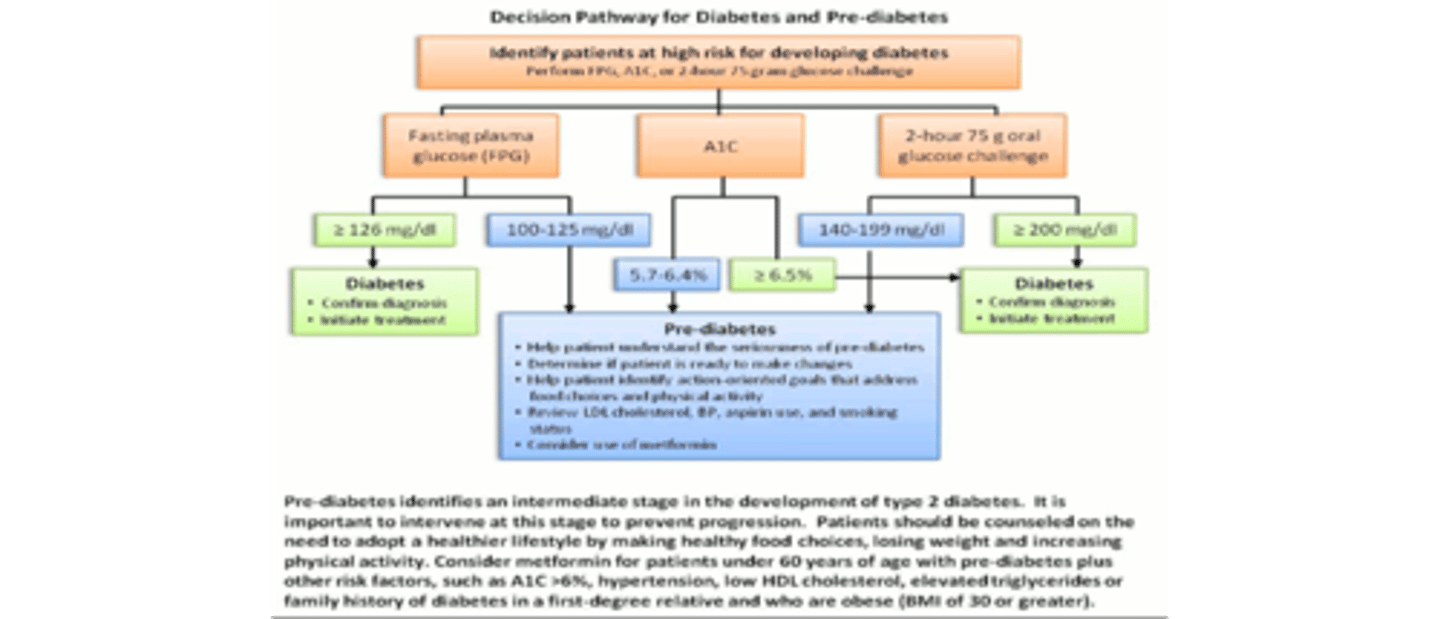
If same decision pathways are used, then all patients are getting the same care
ex. decision pathway for diabetes and prediabetes
what are the jobs nurse informaticists have
-evaluate and select the technology (EHR) to be used based on workflows by asking: what do you do every day, where do you go for pt info, what does/doesnt need to be documented, what could be automated that isnt
-act as a liaison between end users and IT experts
-design and/or deliver EHR training
what certifications are used for nursing informatics
-american nurses credentialing center (ANCC) board certification in nursing informatics
-Certified Professional in Health Information & Management Systems (CPHIMS) program through HIMSS
Nurses who are working more broadly often want to have the CPHIMS certification because it shows expertise across healthcare IT, as opposed to just nursing informatics
what are the major functional areas for informatics nurses listed by the american nurses association
-administration, leadership, and management
-analysis
-compliance and integrity management
-consultation
-coordination, facilitation, and integration
-development
-education and professional development
-policy development and advocacy
-research and evaluation
Nursing Informatics Programs:(BSN typically needed first)
lBiomedical Informatics @Stanford University
lHealth Informatics @UC Davis
lOnline Health Informatics @USF
lMS in Health Informatics & Online Graduate Certificate in Health Informatics @University of South Florida
EBP and nursing informatics
What is Evidence-Based Practice?
lThe nursing science behind: why nurses “do what they do”
lProvides the most up-to-date standards of care
lImproves safety and quality
How can we use this in nursing informatics?
lAutomation of the documentation to evaluate interventions