II. mesopotamian civilization (4300-331 BC)
 Call Kai
 Learn
Learn Practice Test
 Spaced Repetition
 Match
Match Flashcards
 Knowt Play
1/29

There's no tags or description
Looks like no tags are added yet.
Name | Mastery | Learn | Test | Matching | Spaced | Call with Kai |
|---|
No analytics yet
Send a link to your students to track their progress
30 Terms
mesopotamian civilization
4300-331 bc. CRADLE OF CIVILIZATIONS. domestication of animals, trade and coinage, legal government, potter's wheel, wagon wheel. alphabet, architecture, mathematics and astronomy, monotheism and monogamy
land between two rivers
mesopotamia (iraq) in the middle of tigris and euphrates
sumerian
6k-4k bc. contributed the cuneiform and ziggurat architecture. they invented writing and produced the world's first literature.
epic of gilgamesh
world's FIRST LITERATURE; similarities with noah's ark
glyptic art
carvings or engravings (especially on precious stones)
city of uruk
given its name to a period known as proliterate (glyptic art) b/c of the earliest writing developed
akkadians
first mesopotamian rulers to call themselves kings. first to cast hollow life-size bronze sculptures (stele of naram-sin). empire where sargon 1st belonged
neo-sumerian
contributed the largest ziggurats in mesopotamia at ur
babylonian/ chaldean
4k-700 B.B. period of Hammurabi, nebuchadnezzar II, and the amorites
hammurabi
said to be the greatest king of babylon; king of amorites
code of hammurabi
well-preserved Babylonian law code of ancient Mesopotamia where the phrase "an eye for an eye, tooth for a tooth" came from. consist of 300 STATUES on 51 COLUMNS written in akkadian
nebuchadnezzar II
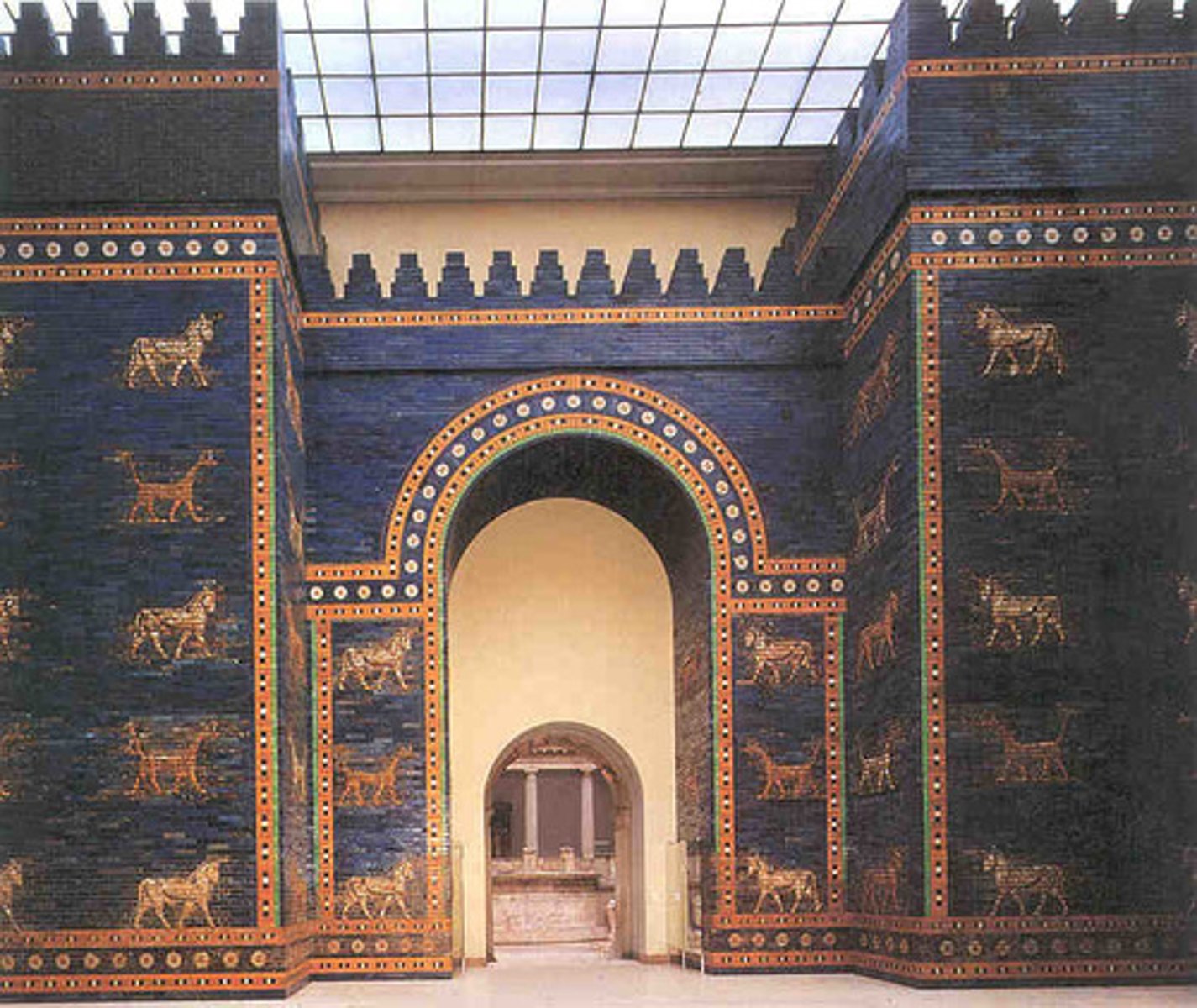
longest king of neo-babylonian who captured jerusalem and the one responsible for the architectural wonders of Babylon, the Ishtar gate
ishtar gate
included in the 7 wonders of the world. eighth gate to the inner city of Babylon in the northern part; entrance gate to the palace of sargon
the amorites
SEMITIC SPEAKING PEOPLE from arabia. ruled mesopotamia and established the capital at babylon
assyrian
700-500 BC. perid wherein palaces were FORTIFIED CITADELS with LAMASSU GUARDIANS
persian period
539-331 bc. period of cyrus the great aka CYRUS II. rose from DEFEAT OF BABYLONIANS w/c resulted to an ENORMOUS EMPIRE
persepolis
CITY OF PERSIANS built by darius I
xerxes
he built a huge palace complex with an audience hall that can accomodate 1000 guests
cuneiform
system of writing; use of characters formed by arrangements of SMALL WEDGE-SHAPED ELEMENTS
sculptures
their art form with LARGE CIRCULAR EYES and CURLY HAIR and BEARD
the lamassu
great stone statue of HUMAN-HEADED WINGED BULL located in the palace of ishtar (palace of sargon ii, khorsabad)
ziggurat
ARTIFICIAL MOUNTAINS made of TIERED RECTANGULAR LAYERS w/c rose from 1-7 in the course of mesopotamian history
palaces
were made of polychrome ornamental brickwork with high plinths and dadoes made of great stone slabs placed on edge and carved with low relief sculpture
ishtar gate
entrance gate to the palace of sargon named after goddess of love, fertility and war. structure is faced with glazed bricks with rows of bulls and dragons, flanked with great towers and lamassu figures, supported a semi-circular arch covered with colored tiles
tower of babel
seven-tiered ziggurat rising from a base of 297 sqft
hanging gardens of babylon
great palace built by nebuchadnezzar for HIS WIFE, AMYTIS
palace complex at persepolis
buil on stone platform, consisted of multi-columed buildings with long double stairway access to platform. it was began by darius and finished by xerxes, used mainly for great receptions by kings. it contained 72 columns and 3 monumental stairways
apadana
audience hall found in palace complex at persepolis
crenellation
the battlements of a castle or other building.
bull capital
their columns were adorned with?