term 2 exam revision
 Call Kai
 Learn
Learn Practice Test
 Spaced Repetition
 Match
Match Flashcards
 Knowt Play
1/74

Earn XP
Description and Tags
economics, history, geography, politics & law
Name | Mastery | Learn | Test | Matching | Spaced | Call with Kai |
|---|
No analytics yet
Send a link to your students to track their progress
75 Terms
climate change
long-term changes in weather patterns (temp, rainfall, extreme weather events)
driven by human activities → increases greenhouse gases
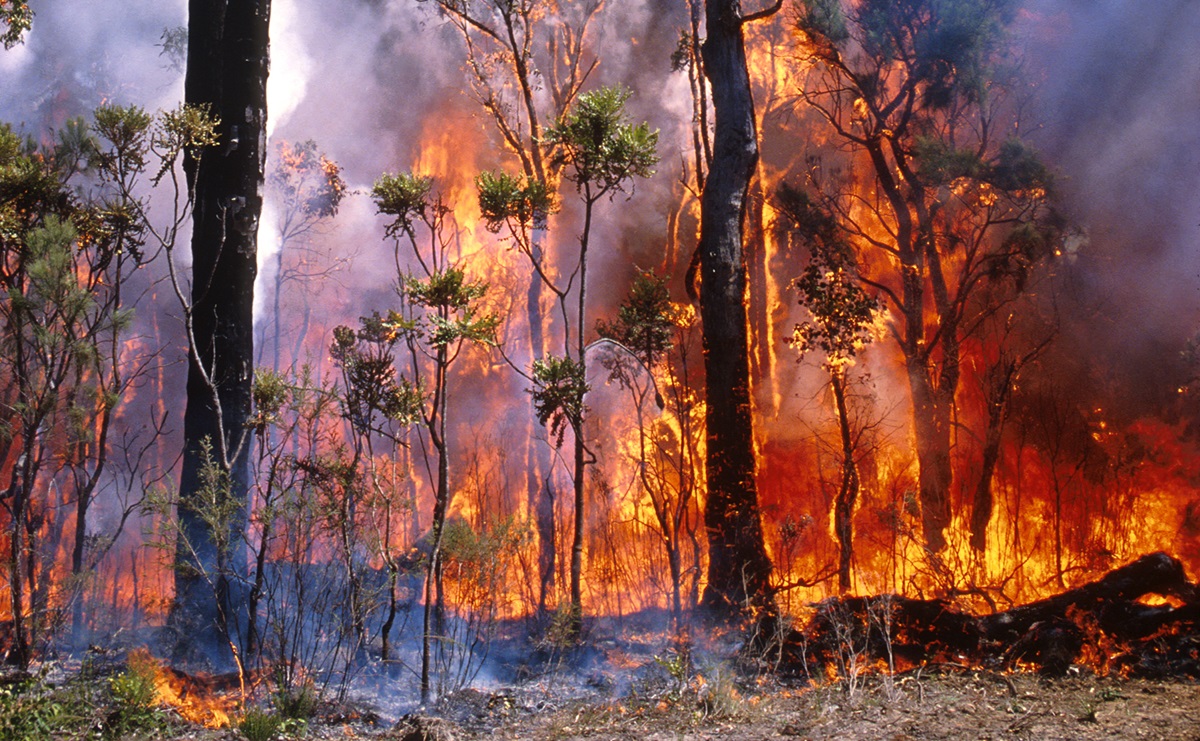
e.g. more heatwaves/bushfires in australia
greenhouse effect
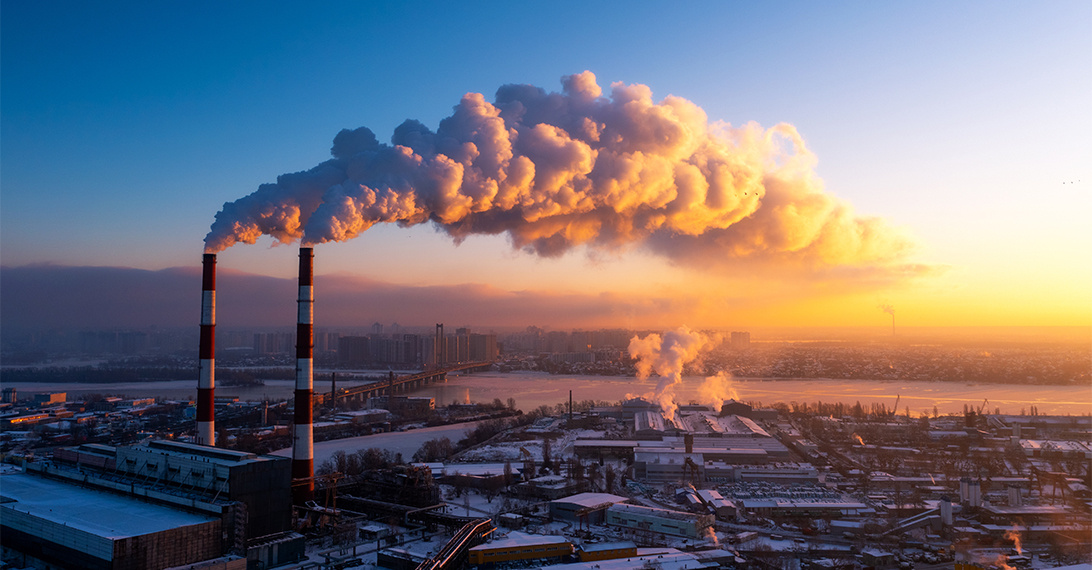
gases in the atmosphere trap heat from the sun
keeps earth warm, but human activities has intensified it
e.g. CO2 from coal increases heat trapping → increases global temp
global warming
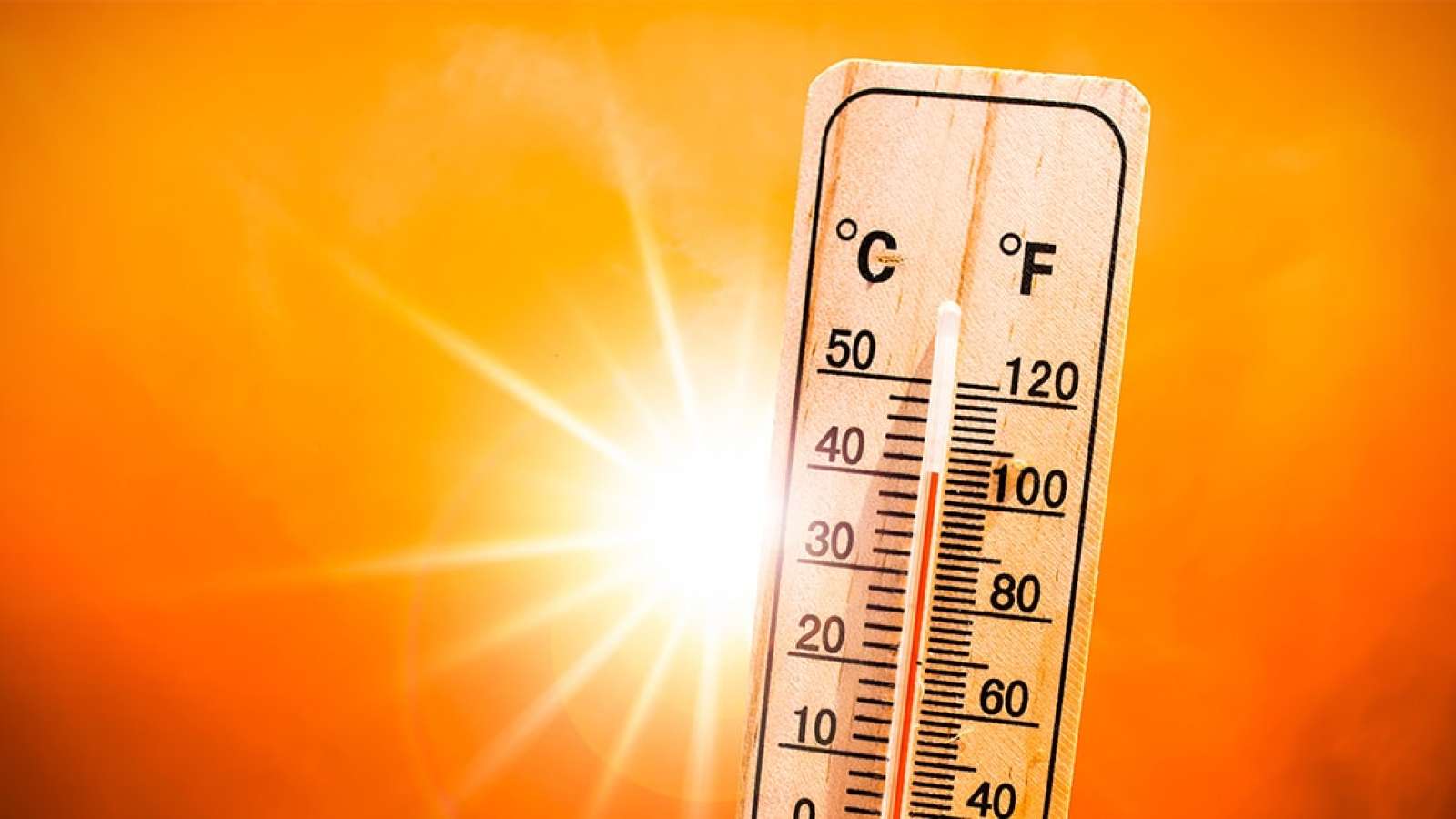
gradual increase in earth’s surface temp
caused by the intensified greenhouse effect (more greenhouse gases in atmosphere)
e.g. last 10 years have been the warmest (record high)
carbon emissions
release of CO2 / carbon gases into the atmosphere
caused by human activities → increases greenhouse effect
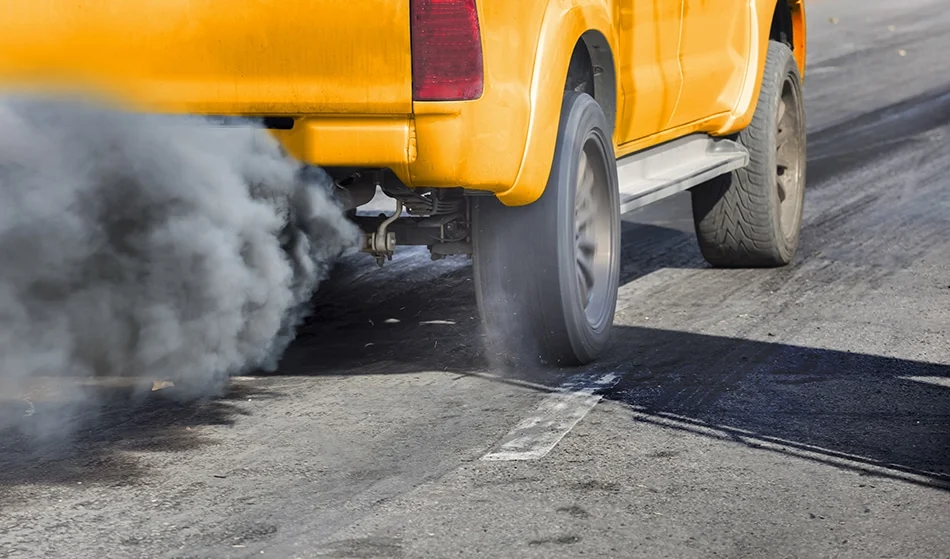
e.g. emissions from vehicles are a major source in australia
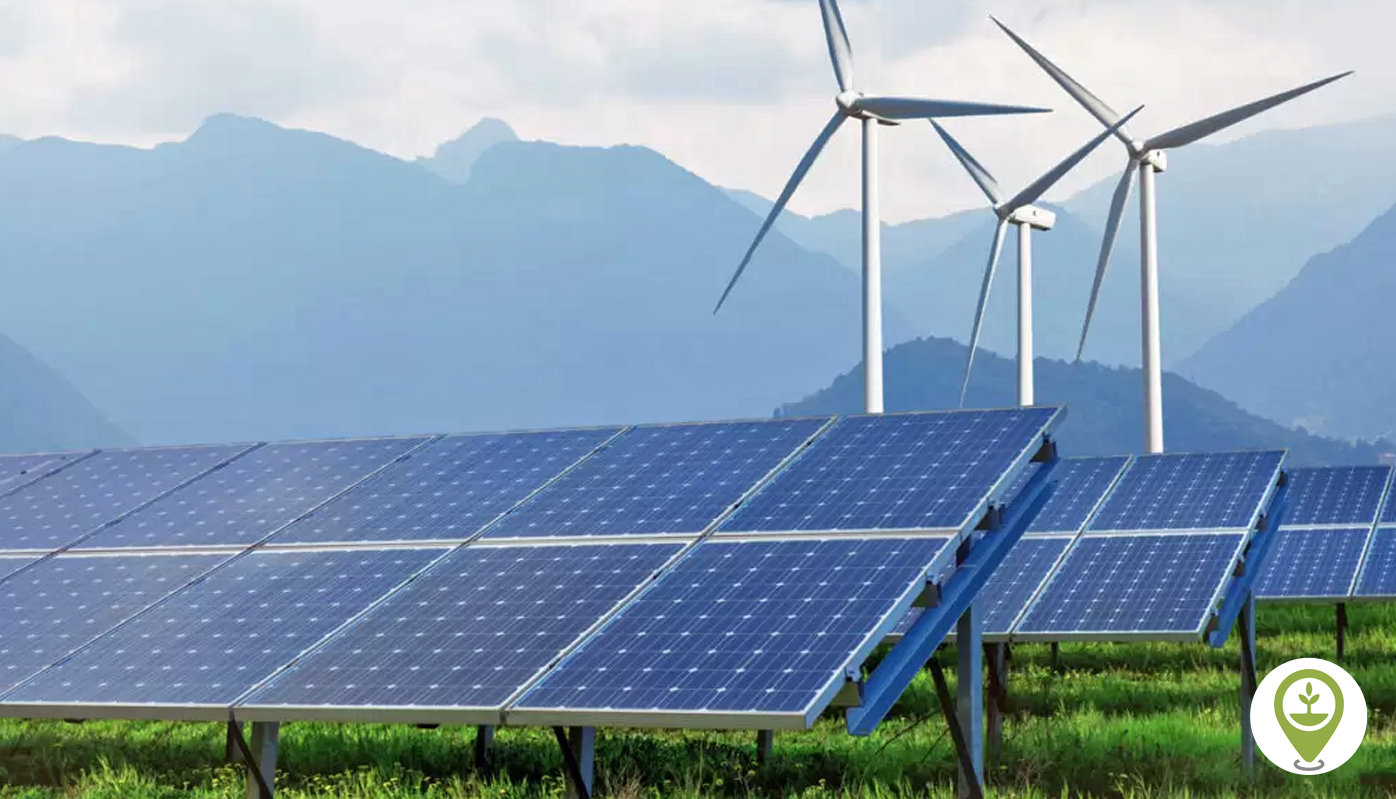
mitigation
actions that reduce the causes of climate change
lowering greenhouse gas emissions → limits impact of climate change
e.g. switching to renewable energy sources (climate change mitigation)
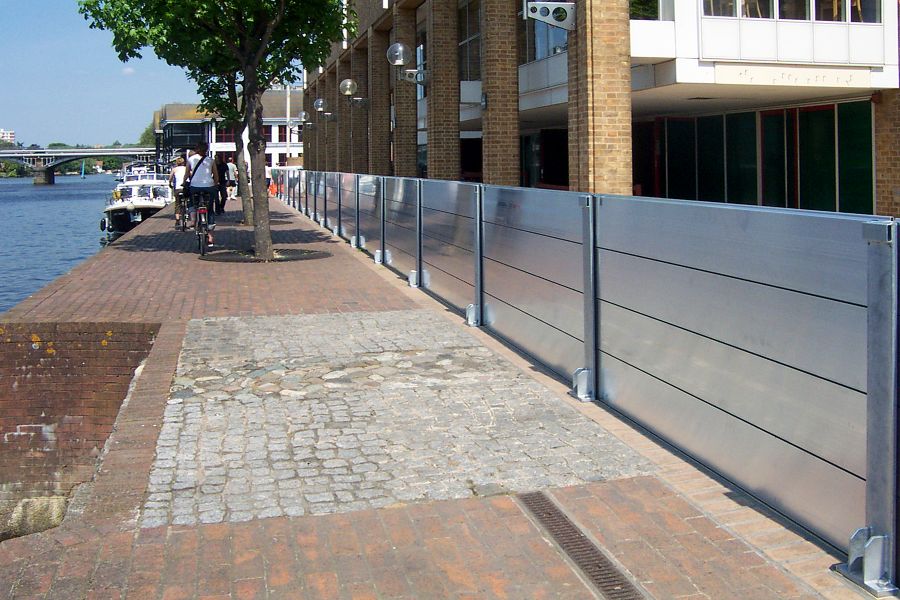
adaptation
controlling human activities → reduce the negative impacts of climate change
some climate change is unavoidable → manage its effects
e.g. flood barriers to protect coastal communities
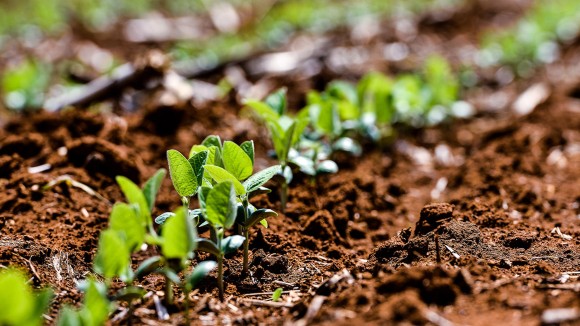
sustainability
using resources to meet current needs without harming future generations
balancing protection of environment, economy, and social wellbeing
e.g. maintain soil health + continue food production (sustainable farming practices)
climate vulnerability
how easily affected a place is on the effects of climate change
judged by exposure to hazards, ability to adapt
e.g. low-lying islands are highly vulnerable to rising sea levels
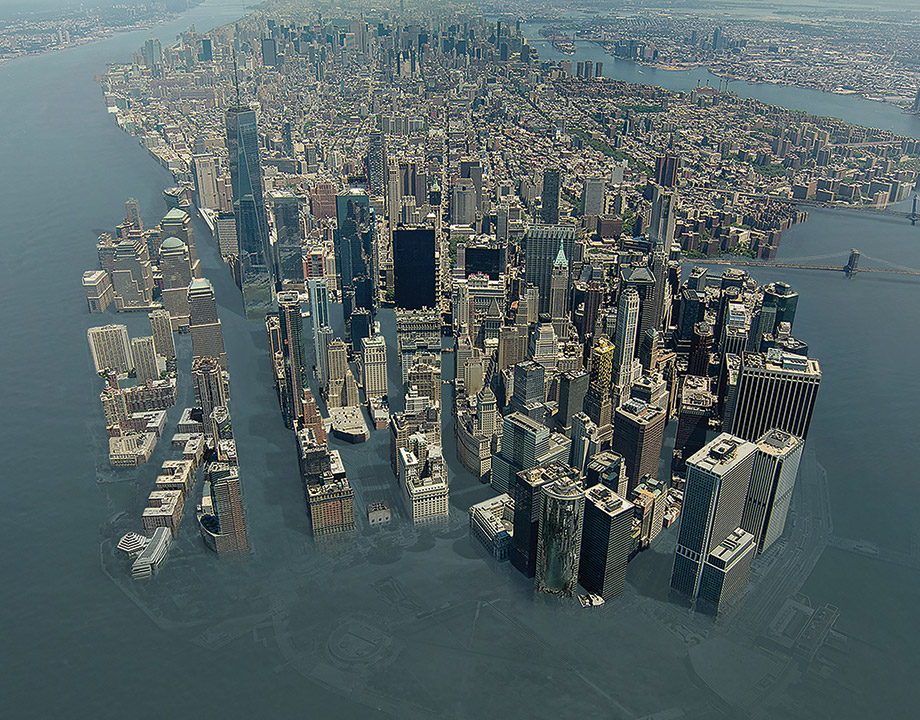
sea-level rise
gradual increase in the levels of oceans
caused by expansion of seawater when it warms → serious risks to coastal environments
e.g. threatens homes/buildings near the coast
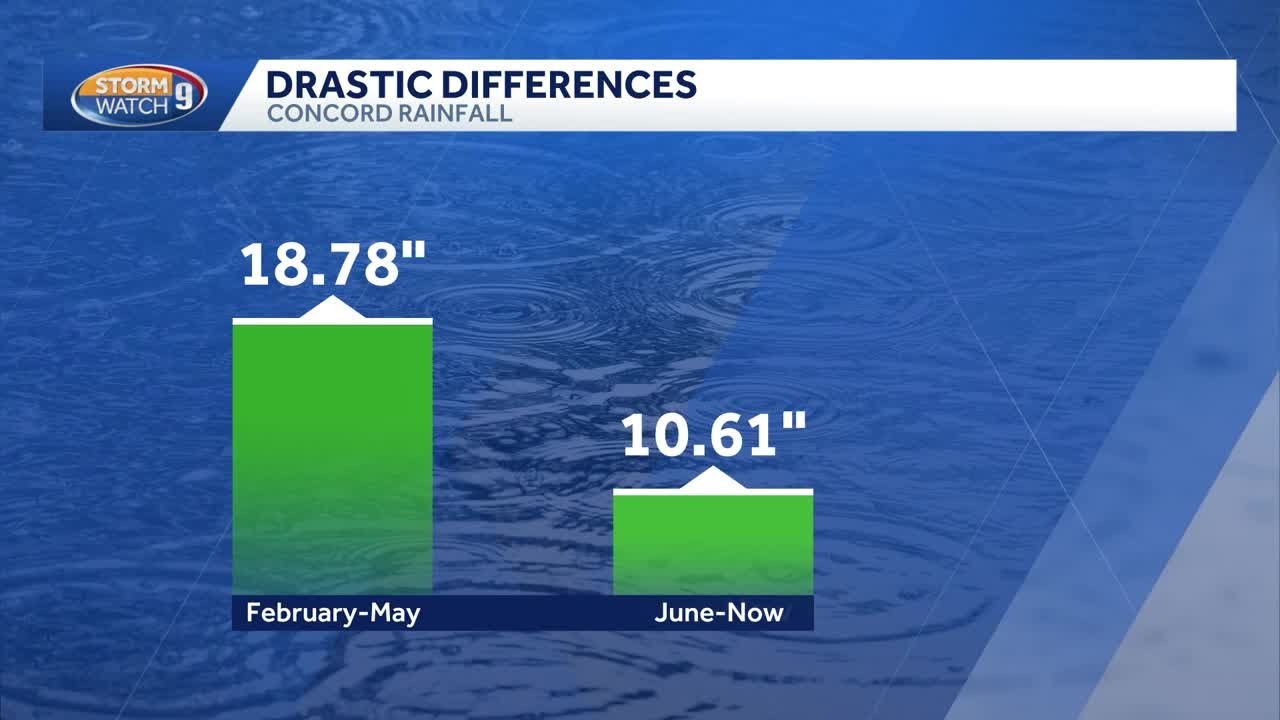
extreme weather events
weather conditions very different from weather patterns (heatwaves, floods)
climate change increases severity of these events
e.g. intense rainfall → increased flooding
location + importance of kakadu
Kakadu National Park → Northern Territory
UNESCO World Heritage Site
biodiverse wetlands + floodplains
jointly managed with Traditional Owners
saltwater intrusion
seawater moves into freshwater wetlands
increases salinity in water + soil
damages freshwater ecosystems + biodiversity
sea level rise (cause)
warming oceans + melting ice increases sea levels
seawater pushed further inland during tides/flooding
low-lying Kakadu wetlands highly vulnerable
climate change (cause)
greenhouse gases warm Earth’s climate
increases storms, flooding + sea-level rise
speeds up saltwater intrusion into wetlands
buffalo grazing damage (cause)
introduced buffalo damaged vegetation + levee banks
weakened natural barriers against seawater
allowed saltwater to move inland easier
storm surges + tides (cause)
storms push seawater further onto land
repeated surges increase salinity over time
freshwater wetlands become salt-affected
evidence/data of saltwater intrusion (kakadu)
northern Australia sea levels rising ~3–4 mm yearly
salinity readings increasing in wetlands
freshwater vegetation declining
environmental effects of saltwater intrusion (kakadu)
freshwater plants die from salt exposure
habitat loss affects fish, birds + insects
biodiversity decreases + ecosystems less resilient
social/cultural/economic effects of saltwater intrusion (kakadu)
Indigenous food sources reduced
cultural connection to Country disrupted
tourism risks from environmental degradation
stakeholders at kakadu
Traditional Owners protect Country/culture
Parks Australia manages wetlands + tourism
scientists monitor ecosystem change
government funds management responses
management responses for saltwater intrusion (kakadu)
saltwater barriers reduce seawater entry
vegetation restoration rebuilds habitats
ranger programs use Indigenous knowledge
monitoring programs track salinity/ecosystem health
mitigation strategies for saltwater intrusion (kakadu)
short-term: monitoring environmental changes
medium-term: restoring habitats/vegetation
long-term: climate adaptation planning + sustainability
evaluation for kakadu case study
some wetlands recovering due to management
sea-level rise continues threatening Kakadu
long-term success requires climate action globally
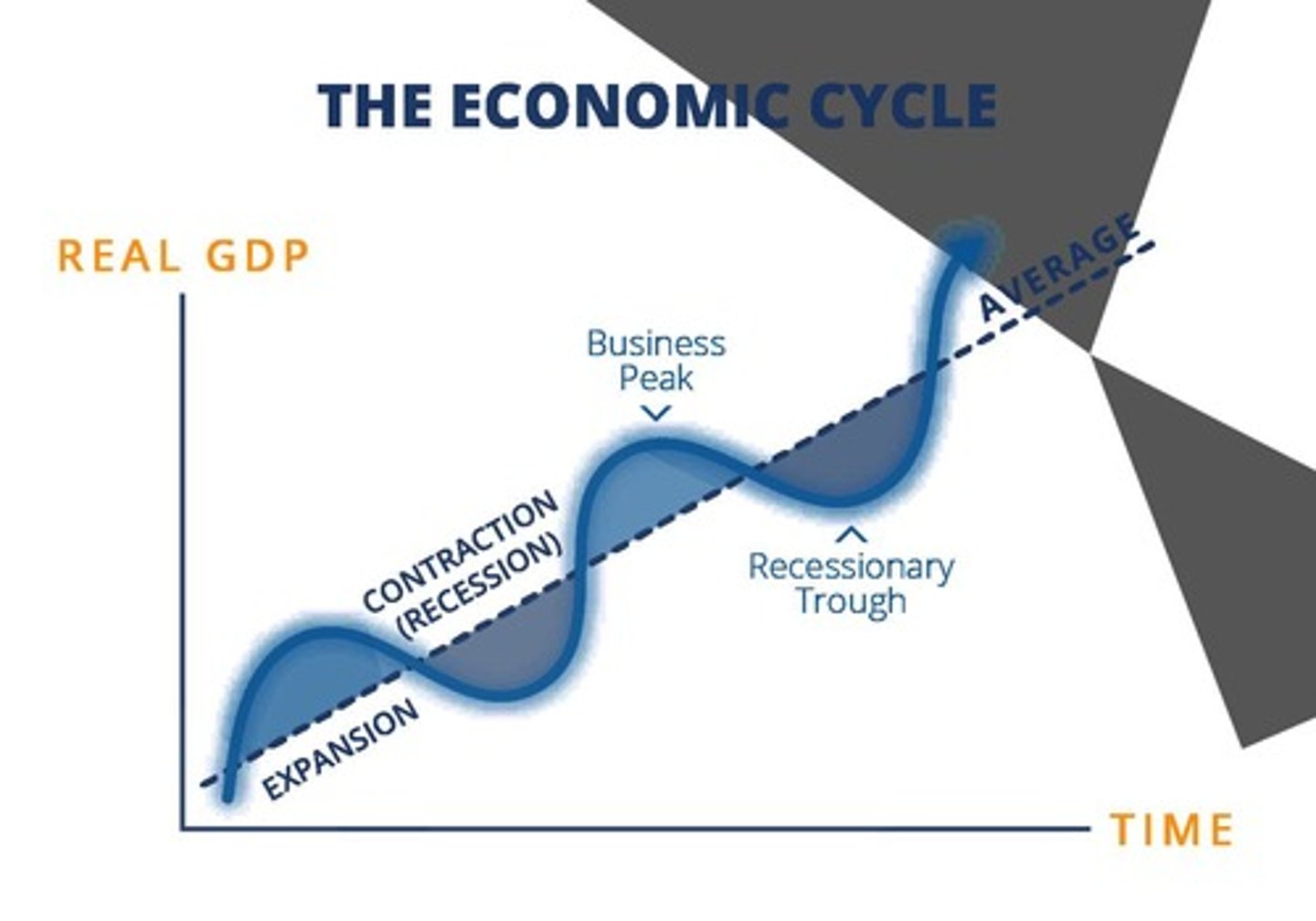
What is the business cycle?
the ongoing pattern of expansion and contraction in economic activity
What are the targets for the economy?
GDP: 2-4%
Inflation: 2-3%
Unemployment: 4-5%
What is the role of the ABS (Australian Bureau of Statistics)?
the ABS collects official data on Australia’s economy, population, and society to help people make informed decisions.
How does economic performance affect living standards?
Strong economic performance → more jobs, higher incomes, improves living standards.
Poor performance → fewer jobs, lower incomes, lowers living standards.
What is macroeconomics, and why do we measure the economy?
the study of the economy as a whole
helps make predictions, better decisions and reduces uncertainty
How do other countries (overseas sector) influence our economy?
when China grows → Australia exports more
if interest rates change in another country → money moves between countries
both global and local factors impact our economy
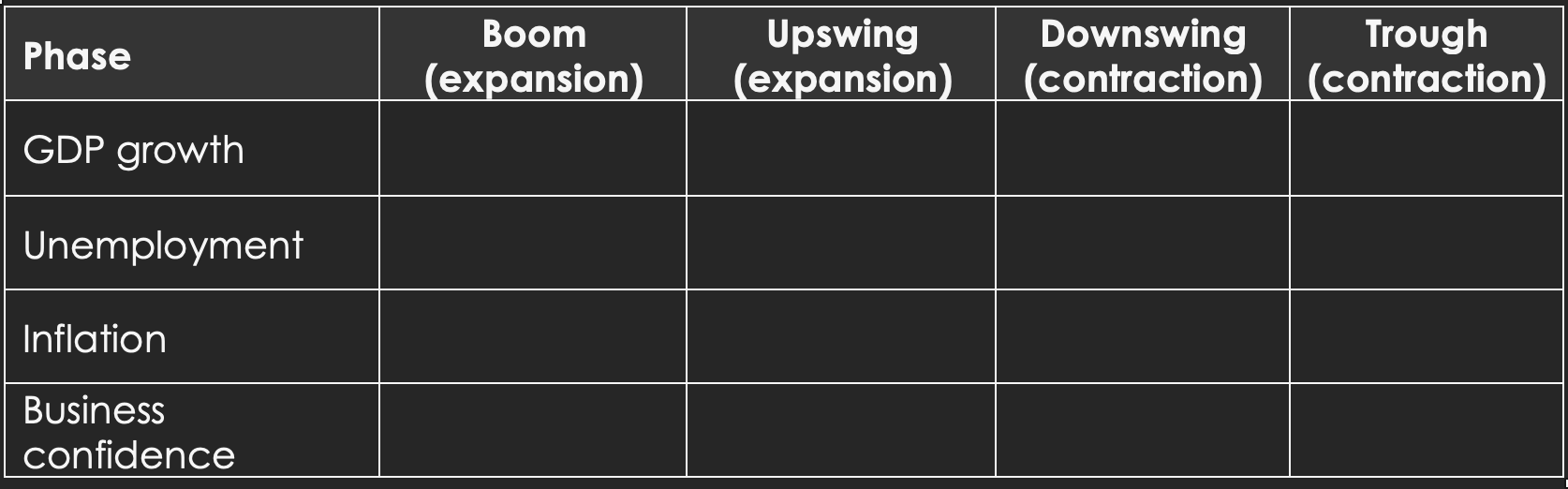
Complete the table (high, low, increasing, decreasing)
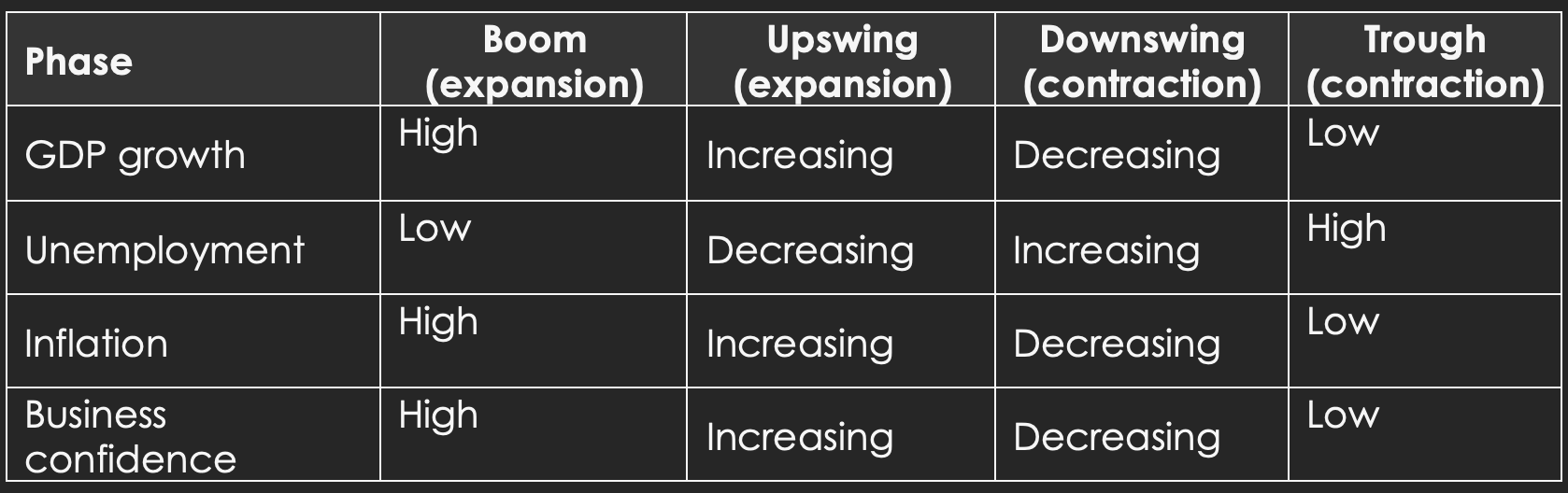
How are economies measured (3 main quantitative indicators)?
economic growth - is the economy producing more goods & services?
unemployment - how many people can’t find work?
inflation - are prices rising too quickly?
What is GDP and why is GDP data gathered?
GDP is the total value of all goods and services produced in a country in one year.
Data is gathered to measure economic performance, track growth, and compare living standards over time.
GDP per capita
GDP divided by population
shows the average output per person and gives an indication of living standards.
Limitations of GDP
it doesn’t measure:
wellbeing
unpaid work
environmental damage
Why does economic growth matter and what does it mean to grow sustainably?
creates jobs, increases income, and improves living standards.
Sustainable growth is steady growth (about 2–4%) that meets current needs without harming future generations
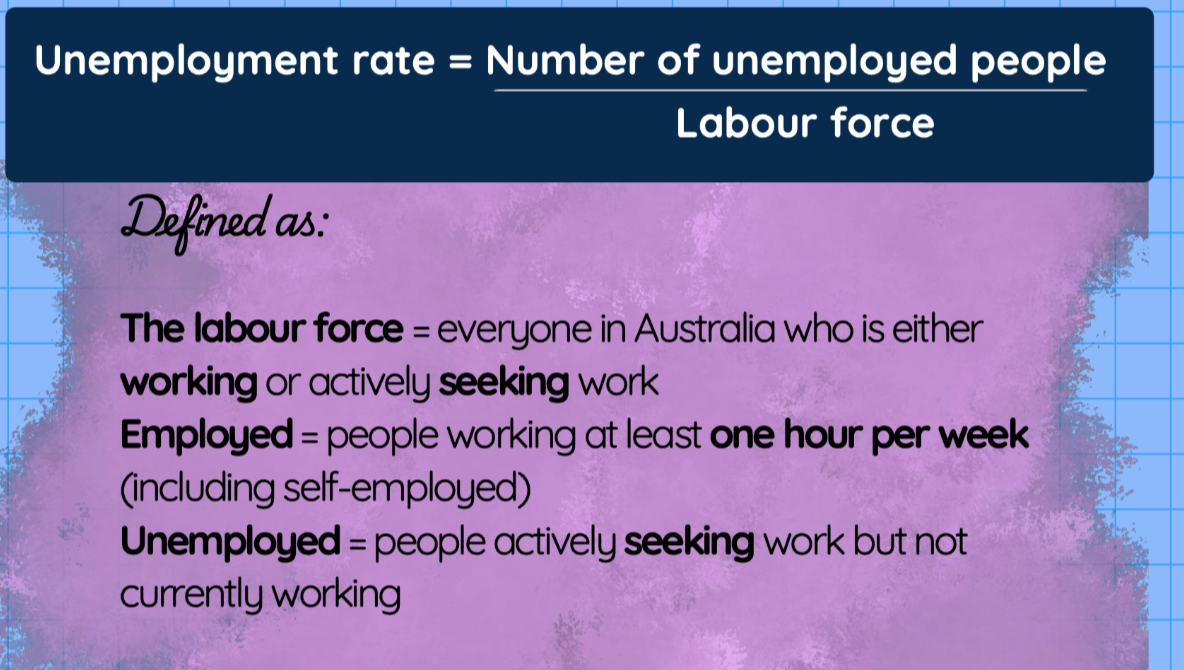
What is unemployment and how do we measure it?
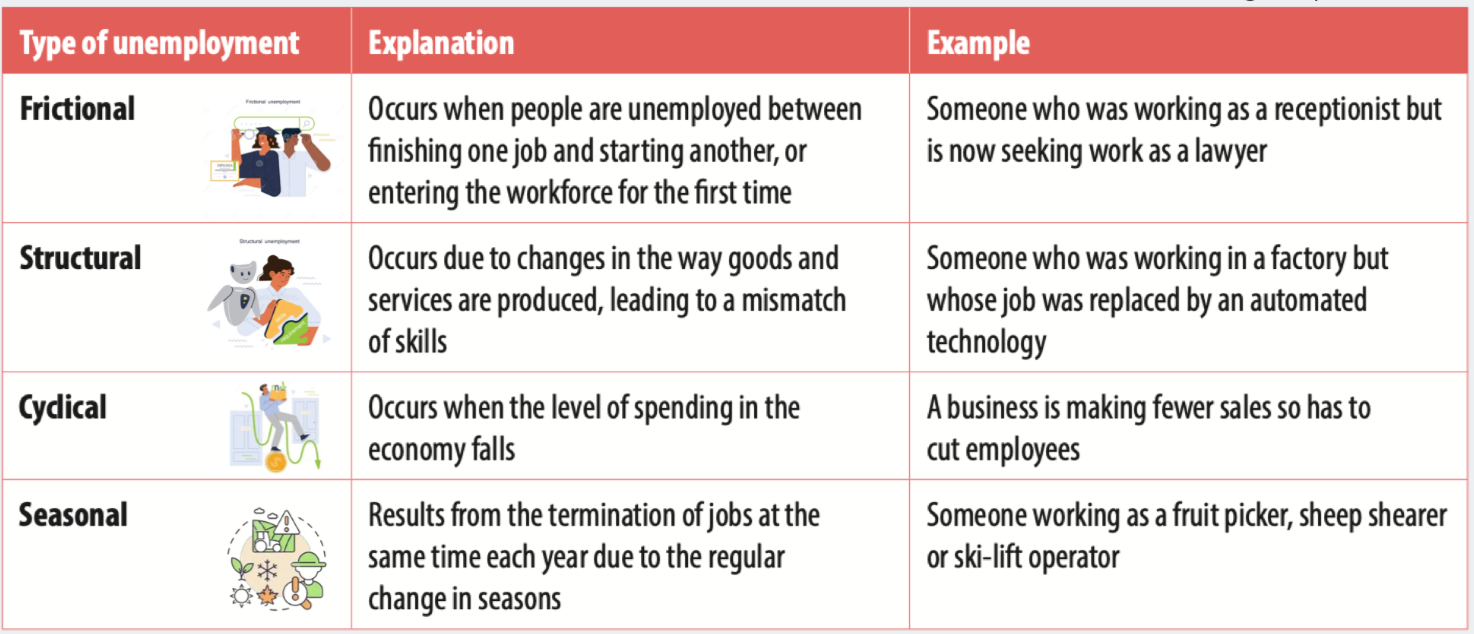
Types of unemployment. When they occur? Give an example.
frictional
structural
cydical
seasonal
Effects of high unemployment
negative
lower standard of living
positive
reduces inflation
What is inflation?
an increase in the prices of goods and services bought by households
Is it bad if prices rise?
no, it is a sign of a healthy economy
because it means there are lots of transactions and its adding value to what we produce and consume
How is inflation measured?
by the ABS, using the CPI (consumer price index)
CPI: a measure of the average change over time in the prices paid by households for common goods and services
Causes of inflation
Demand-pull inflation: demand is higher than supply
👉 Too much money chasing too few goods.
Cost-push inflation: businesses have higher production costs
👉 It costs more to make things, so prices go up.
Effects of high inflation
Decreased purchasing power for consumers
Increase in interest rates
Worsening income inequality
How do businesses respond during an economic downturn?
Reduce output → because demand is falling
Cut costs → to protect profits
Increase marketing/promotions → to attract limited consumers
Invest in innovation → to gain competitive advantage
How do businesses respond during an economic boom?
Increase output → to meet higher demand
Hire more staff / expand operations → to support growth
Boost marketing / promotions → to capture more customers
Invest in innovation → to stay ahead of competitors
What is the United Nations (UN)?
An international organisation created in 1945 after WWII.
Why was the United Nations created?
To prevent future wars after WWII
To promote peace and cooperation between countries
What is the Universal Declaration of Human Rights (UDHR)?
A document created by the United Nations
on December 10, 1948
that covers the basic rights and freedoms of every person
What are the key ideas of the UDHR?
All humans are born free and equal
Everyone has the right to be safe
No one should face discrimination
What was the key objective of the US Civil Rights Movement (1950s)?
African Americans wanted to fight against racial segregation
and have equal rights
Who was Emmett Till?
1955
A 14-year-old African American boy
who was murdered in August 1955 in Mississippi
for allegedly offending a white woman.
Why was Emmett Till’s death significant?
His open casket showed the brutality of racism
The killers were found not guilty
It shocked the nation and helped spark the Civil Rights movement
Who was Rosa Parks?
1955
An African American woman
who refused to give up her bus seat to a white passenger
in Montgomery in December 1955.
What was the Montgomery Bus Boycott?
1956
Lasted 381 days
A protest where Black Americans refused to use city buses
Showed success of the Civil Rights Movement
Showed the power of peaceful protest
Who was Martin Luther King Jr?
1968
A social activist and baptist minister
who promoted non-violent protest
to fight racial segregation
Why was Martin Luther King Jr significant?
Led many civil rights campaigns
Said the “I Have a Dream” speech (1963)
Helped achieve important civil rights laws
Who were the Little Rock Nine?
1957
Nine African American students
who attended Little Rock Central High School
in Arkansas in September 1957
Why was the Little Rock Nine event significant?
They faced violent protests from white students
The Governor Orval Faubus told the National Guard to block them
The President Eisenhower sent federal troops to protect them
What discrimination did Aboriginal and Torres Strait Islander peoples face before the 1960s?
Weren’t counted in the national census
Had limited voting rights
Segregation in schools, pools, etc.
What was the Day of Mourning?
1938
A protest held on 26 January 1938
by Aboriginal activists
who wanted equal rights and citizenship
Who was involved in the Day of Mourning; what was the result?
protest organisers: William Cooper, William Ferguson, Jack Patten
it drew attention to the injustices faced by Aboriginal people
became an annual event for Aboriginals / their supporters
What happened in 1962 for Indigenous Australians?
Aboriginal and Torres Strait Islanders
were given the right to vote in federal elections
Why was the 1962 voting right significant?
It recognised Indigenous Australians as participants in democracy
a step toward equal political rights
What was the Bark Petition and why was it significant?
August 1963
In 1963, Yolngu people protested mining on their land to Parliament
First Aboriginal document recognised by Australian Parliament
Brought national attention to Indigenous land rights
What was the Gurindji Strike and why was it significant?
August 1966
In 1966, Gurindji workers went on strike at Wave Hill station
Protested poor wages and Aboriginal land rights
Led to the PM handing back land to them
(Native Title Act 1993)
What were the Freedom Rides?
1965
In 12-27 February 1965, university students
travelled through rural NSW
to expose discrimination against Aboriginal people
Why were the Freedom Rides significant?
Brought national attention to racism in Australia
Helped build support for change
Led by Charles Perkins (activist)
What was the 1967 Referendum?
May 1967
A vote where 90.77% of Australians
supported changing the Constitution (two sections)
to improve rights for Indigenous people
What did the 1967 Referendum allow?
The federal government would make laws for them (Section 51)
Indigenous Australians to be counted in the national census (Section 127)
What was the Mabo Decision (1992)?
June 1992
A 1992 High Court ruling
recognising that Indigenous Australians
had traditional ownership of land
Why was the Mabo Decision significant?
Rejected the idea that Australia was terra nullius (land belonging to no one)
Recognised Indigenous land rights
Who were the Stolen Generations (1910s to 1970s)?
Indigenous children
who were removed from their families
by government policies (1910s to 1970s)
What was the Bring Them Home Report (1997)?
A 1997 report investigating the Stolen Generations
and the harm caused by child removal policies
What was the National Apology (2008)?
In February 2008, the Australian government (Kevin Rudd)
formally apologised to the Stolen Generations and Indigenous people
What is Reconciliation in Australia?
The process of building respectful relationships
between Indigenous and non-Indigenous people
to address past injustices and
create a more just and equal Australia