Child Witnesses and Victim Testimony in Legal Contexts
 Studied by 0 people
 Call Kai
 Learn
Learn Practice Test
 Spaced Repetition
 Match
Match Flashcards
 Knowt Play
1/49

There's no tags or description
Looks like no tags are added yet.
Name | Mastery | Learn | Test | Matching | Spaced |
|---|
No study sessions yet.
50 Terms
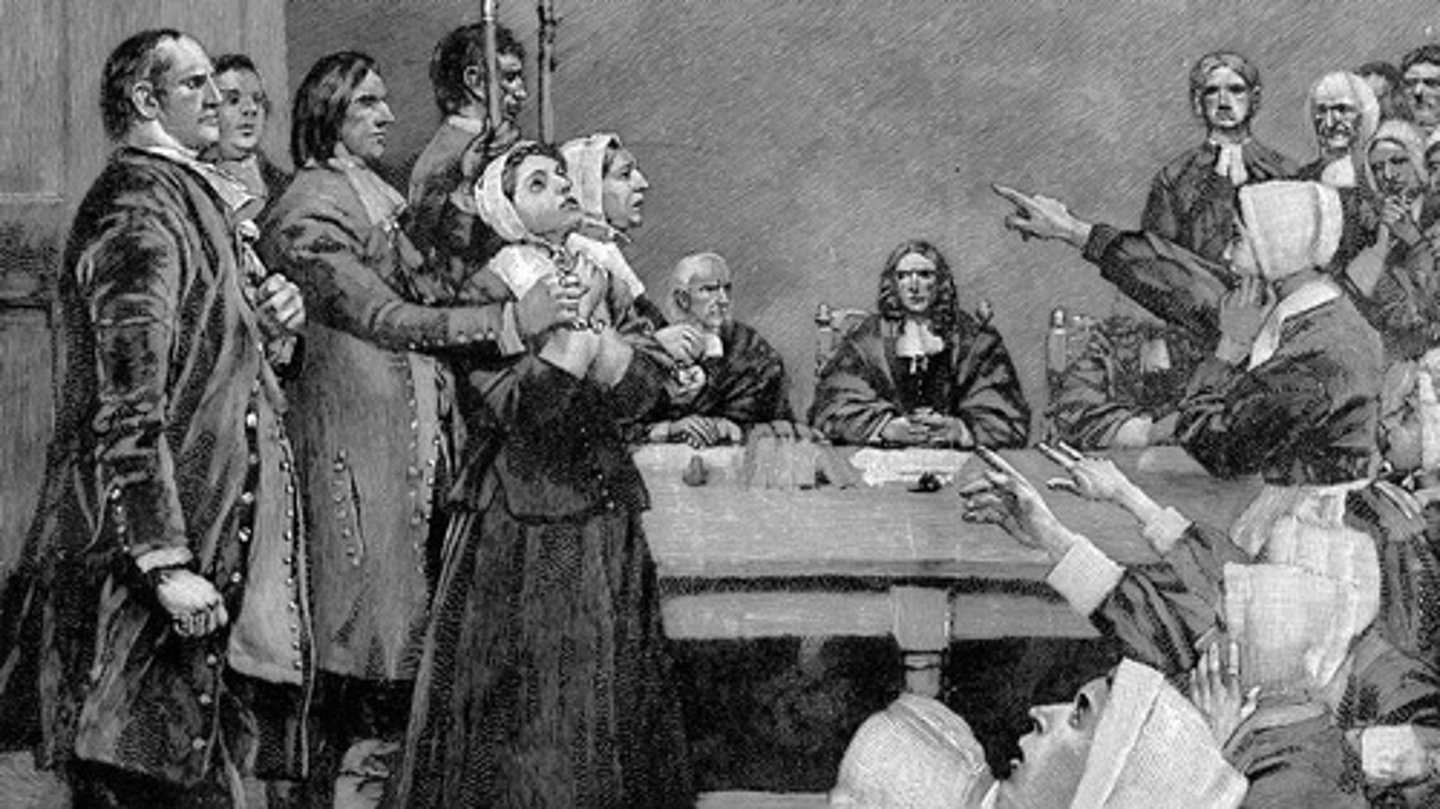
How has the view of children in the justice system changed over time?
It has evolved from believing child testimony without doubt during the Salem Witch Trials to a more skeptical view in the early 1900s.
What was the prevailing attitude towards child witnesses in the early 1900s?
There was a negative attitude, with much doubt about the reliability of their testimony.
Who conducted research indicating children are highly suggestible?
Alfred Binet and Varendonck.
What significant change occurred in the 1970s regarding child memory research?
Expert psychological testimony became more accepted in court, and there was increased interest from social scientists in applied research.
What questioning technique tends to produce more accurate information from children?
Free recall tends to produce more accurate information than direct questioning.
How does the accuracy of children's recall compare to adults when using a free narrative approach?
Children's accuracy is comparable to that of adults.
What type of questions are children more likely to answer incorrectly?
Leading questions, such as 'He touched you, didn't he?'
What is a common response from children to unanswerable wh- questions?
They are more likely to say 'I don't know' than to answer yes/no questions.
What details do younger children tend to report accurately?
Younger children accurately report exterior features like hair but are less accurate for interior features like nose.
What memory issue can harm a child's credibility?
Source misattribution and reporting scripts can lead to omissions or inaccuracies.
What is a significant risk associated with delayed disclosure of events by children?
Children may wait up to 9 months before charges are laid, increasing the risk of suggestibility.
How does language ability relate to children's recall of events?
Language development helps structure memories, and conversations about events can strengthen memory.
What must be tailored to match a child's language ability during interviews?
The language used by legal professionals must be appropriate for the child's understanding.
What social norm issues can affect children's responses in interviews?
Children may be motivated to gain approval from adults and pick up on approval/disapproval cues.
What is social compliance in the context of child witnesses?
Children may trust and want to cooperate with adult interviewers, leading to potential inaccuracies.
What is false memory syndrome?
It is the false belief that one was sexually abused as a child, often arising from suggestive questioning.
What are the factors affecting delayed recall in children?
Age, techniques used, motivation, and time elapsed are key factors.
What is the purpose of anatomically detailed dolls in child interviews?
They are assumed to help children provide information they might not otherwise disclose.
What are some problems associated with using anatomically detailed dolls?
Research does not support their effectiveness, and they lack standardization.
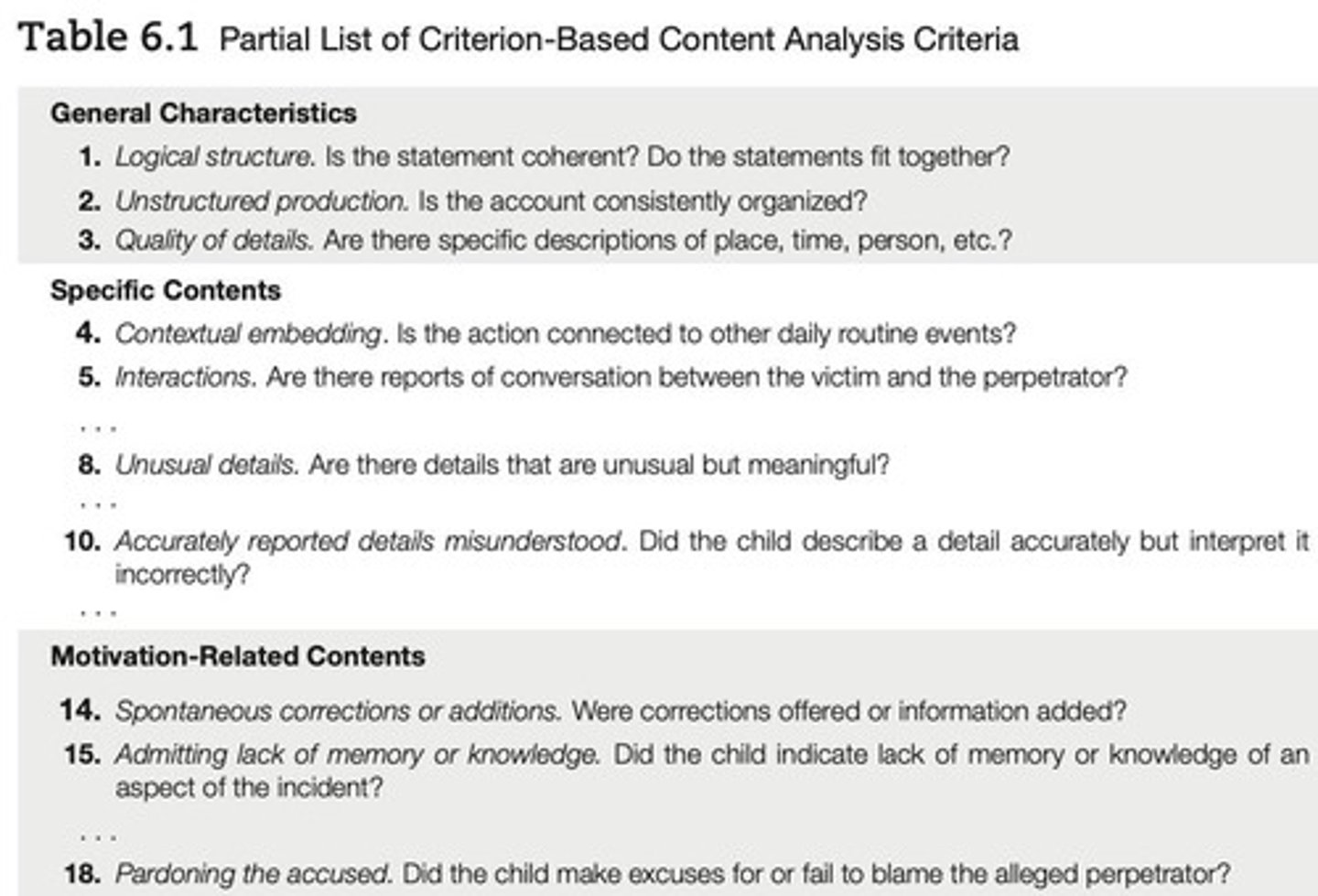
What is the criterion-based content analysis (CBCA)?
It is a method for assessing the validity of children's accounts, based on the assumption that lying requires more cognitive effort than truth-telling.
What did Brown et al. (2007) find regarding human figure drawings in interviews?
They found that drawings led to relatively few new details and increased false touch reporting by children.
What is the NICHD protocol?
It is a structured interviewing technique designed to improve the quality of information obtained from child witnesses.
What is the 'forget-it-all-along' effect?
It is a defense mechanism where individuals unconsciously repress trauma, leading to forgetting the disclosure.
What is the relationship between age and language ability in child witnesses?
Younger children may struggle with complex language in the criminal justice system, affecting their ability to communicate effectively.
What is the impact of repeated suggestions on children's memory?
Repeated suggestions can increase the risk of forming false memories of autobiographical experiences.
What is the role of social cues in child interviews?
Children often respond to social cues from adults, which can influence their answers and behavior during interviews.
What are the limitations of using dolls in child interviews?
No standardized guidelines for manufacturers, making it difficult to assess children's behavior and leading to potential negative interview outcomes.
What is the purpose of Human Figure Drawings in child interviews?
To help children express their experiences, but they may lead to fewer new details and increased false touch reporting.
What is Criterion-Based Content Analysis (CBCA)?
A method for analyzing children's accounts based on the assumption that lying requires more cognitive effort than truth-telling.
What are some critiques of the CBCA?
Lacks standardization, is subjective with low inter-rater reliability, and is influenced by age and language ability.
What is the Step-Wise Interview approach?
A technique where children are first asked free recall questions, followed by specific questions, consistent with how to interview children effectively.
What is Narrative Elaboration?
A technique that organizes stories into categories using cards to elicit additional information from children without increasing fabrication.
What are the key features of the NICHD Protocol?
Structured guidelines, open invitations, prompts to build on responses, and validation through empirical studies.
What is the Elimination Lineup procedure?
A two-step process where children first make a relative judgment and then an absolute judgment to reduce false positive identifications.
What changes were made to child testimony laws in Canada since Bill C-2?
Children under 14 are presumed to have the capacity to testify without needing to take an oath, and their understanding of the promise to tell the truth cannot be tested.
What are some types of child mistreatment?
Physical, sexual, neglect, and emotional abuse.
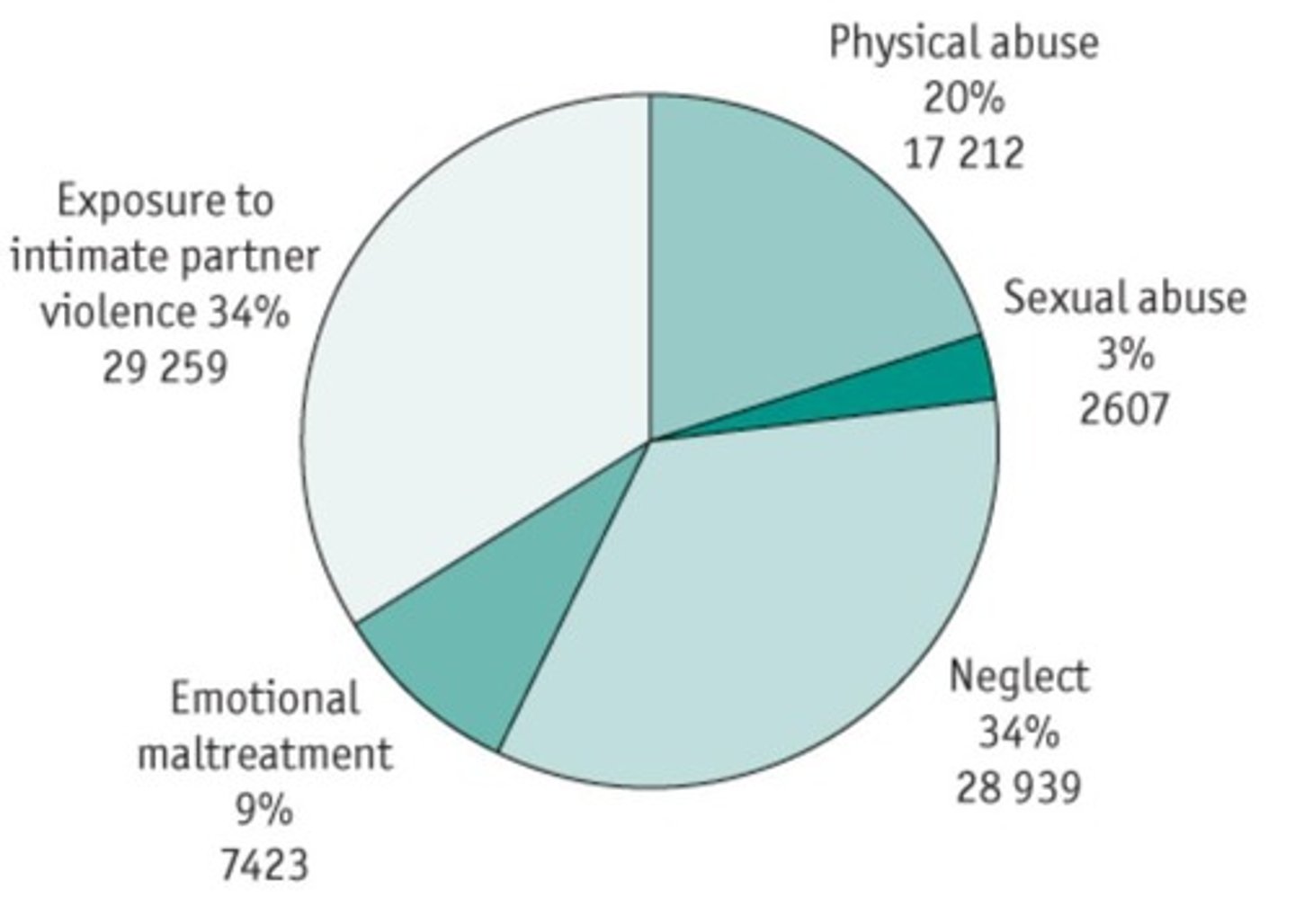
What are common risk factors for child abuse?
Being male for sexual abuse, living without a biological parent, young mothers, poor parent-child relationships, and low socioeconomic status.
What are short-term effects of physical abuse on children?
Reduced perceptual-motor skills, lowered intellectual functioning, and externalizing behavior such as aggression.
What are long-term effects of sexual abuse?
Lowered self-esteem, psychiatric disorders, inappropriate sexuality, and neurobiological dysregulation.
What is the significance of the NICHD Protocol in child interviewing?
It is considered the gold standard for child interviewing due to its structured approach and positive results in obtaining accurate information.
What is the main limitation of the Step-Wise Interview?
The reliance on representative aids like doll play, which lack empirical field studies.
What is the impact of maltreatment on children?
Not all children who experience maltreatment will suffer negative outcomes, but many do face significant challenges.
What is the role of cognitive interviews in child testimony?
They are based on memory retrieval techniques and have been adapted for children, though research findings are mixed.
What is the importance of structured guidelines in child interviewing?
They help reduce suggestibility and bias, leading to more accurate testimonies.
What is the effect of neglect on children?
Failure to provide necessary attention, leading to serious harm and unmet needs.
How do courtroom accommodations assist child witnesses?
They provide physical barriers, allow hearsay, and enable the presence of support persons to create a more comfortable environment.
What is the relationship between age and CBCA scores?
Age and language ability are positively correlated with CBCA scores, affecting the analysis of children's statements.
What is the purpose of using representational aids in diagnosing sexual abuse?
They are intended to help children express their experiences, but can be inaccurate and dangerous.
What does the term 'maltreatment' refer to in the context of child welfare?
Any act or omission that results in harm or potential harm to a child.
What is the significance of free recall in child interviewing?
It allows children to provide information in their own words without leading questions, which can enhance accuracy.
 Note
Note  Flashcards (110)