Core Terms and Designing
 Call Kai
 Learn
Learn Practice Test
 Spaced Repetition
 Match
Match Flashcards
 Knowt Play
1/39

There's no tags or description
Looks like no tags are added yet.
Name | Mastery | Learn | Test | Matching | Spaced | Call with Kai |
|---|
No analytics yet
Send a link to your students to track their progress
40 Terms
Inclusive design
Designing for the widest possible audience
Psychological factors
Such things as mental reaction time, various acquired meaning associated with certain colours, the capabilities and limitations of short-term memory.
Aesthetics
Factors concerned with the appreciation of beauty - this can include how something looks, sounds, feels, tastes and smells.
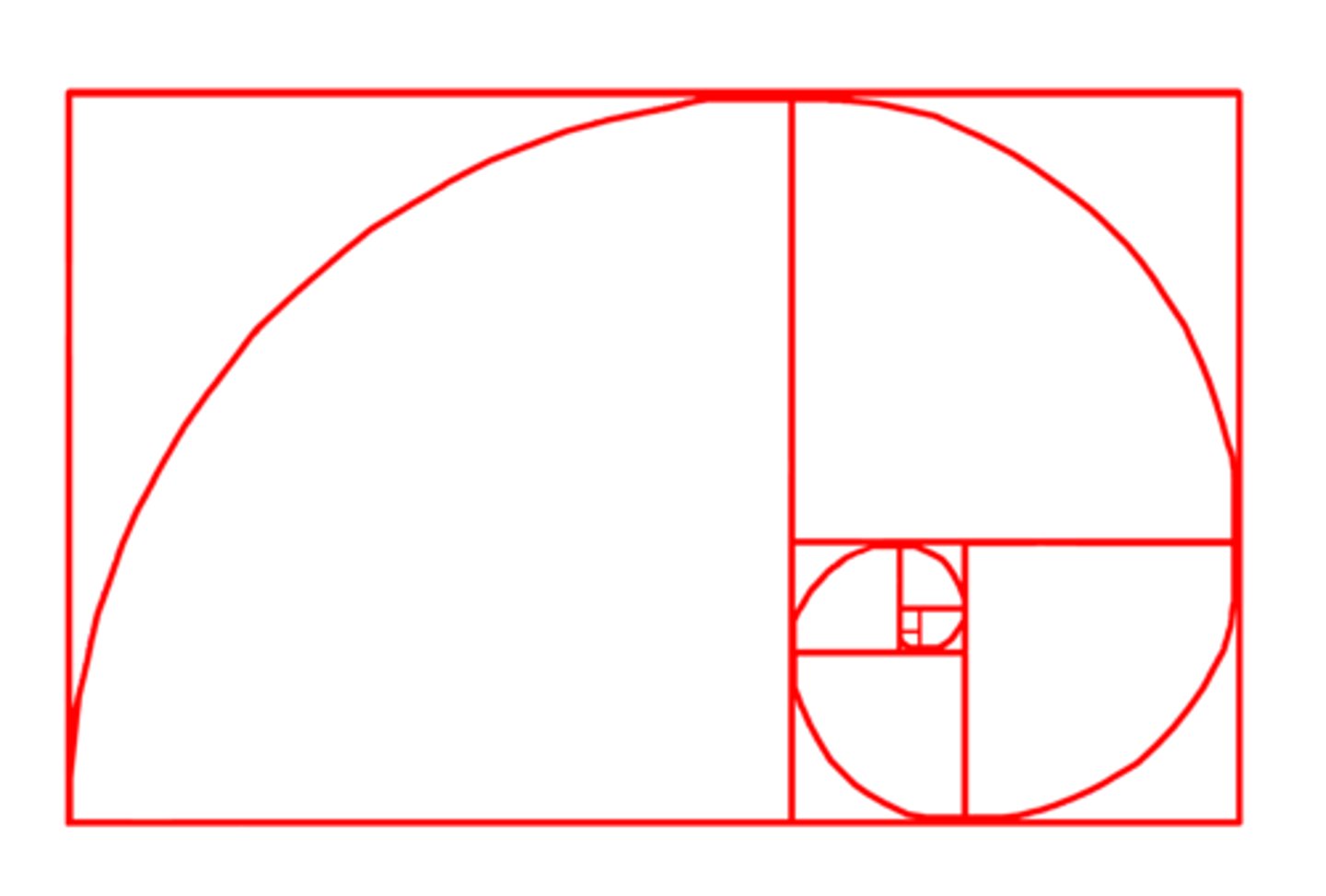
Golden Ratio
A common mathematical ratio, 1:1.61 found in nature that can help create pleasing, natural designs. AKA Golden Mean, Golden Section, the Greek letter Phi.
Circular Economy
An alternative to a traditional linear economy (make, use, dispose) in which we keep resources in use for as long as possible then reuse and regenerate products and materials: cradle - to - cradle method.
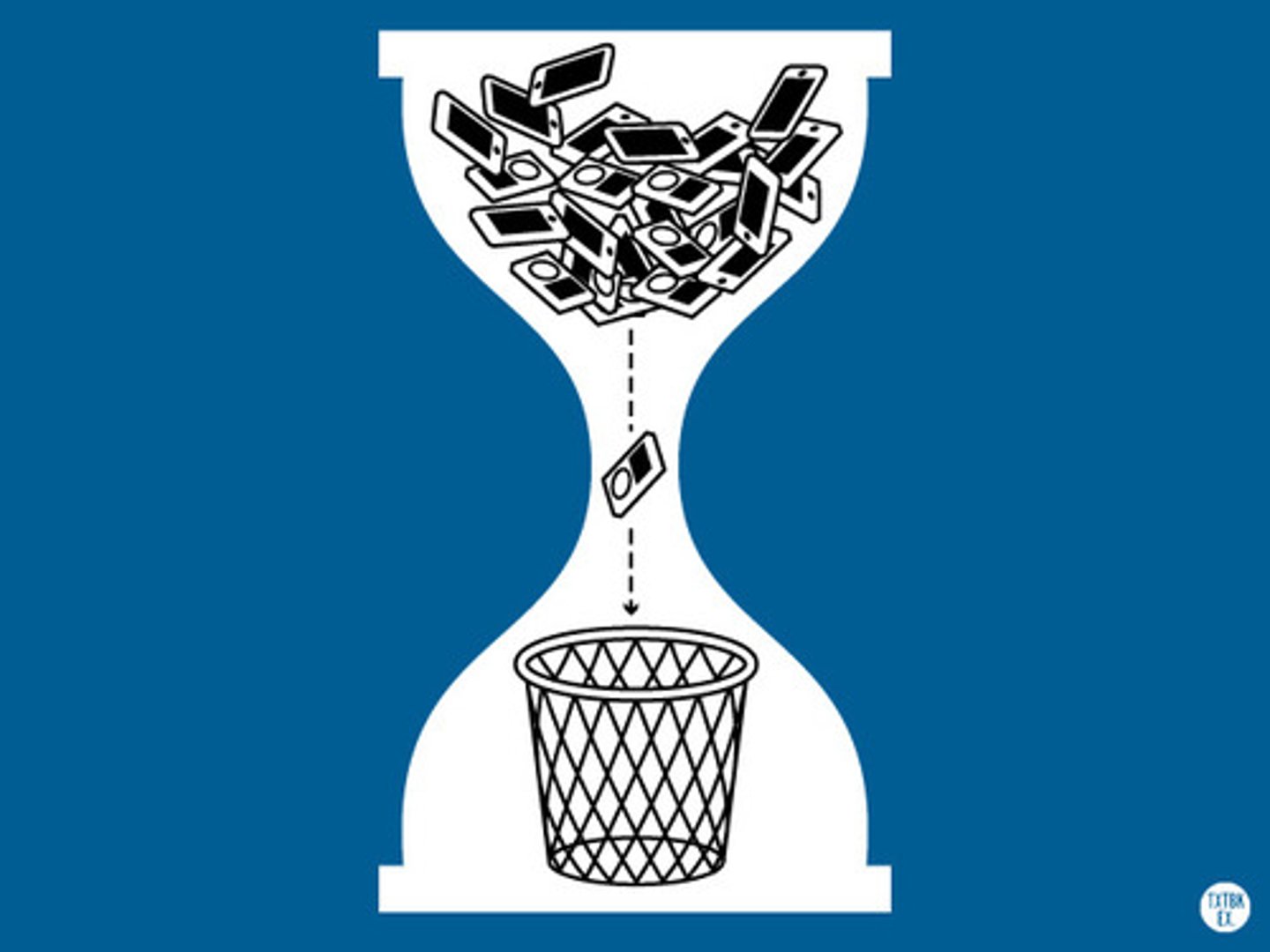
Throwaway society
A society influenced by consumerism and excessive consumption of products

Planned obsolescence
The business practice of deliberately outdating an item before the end of its useful life.
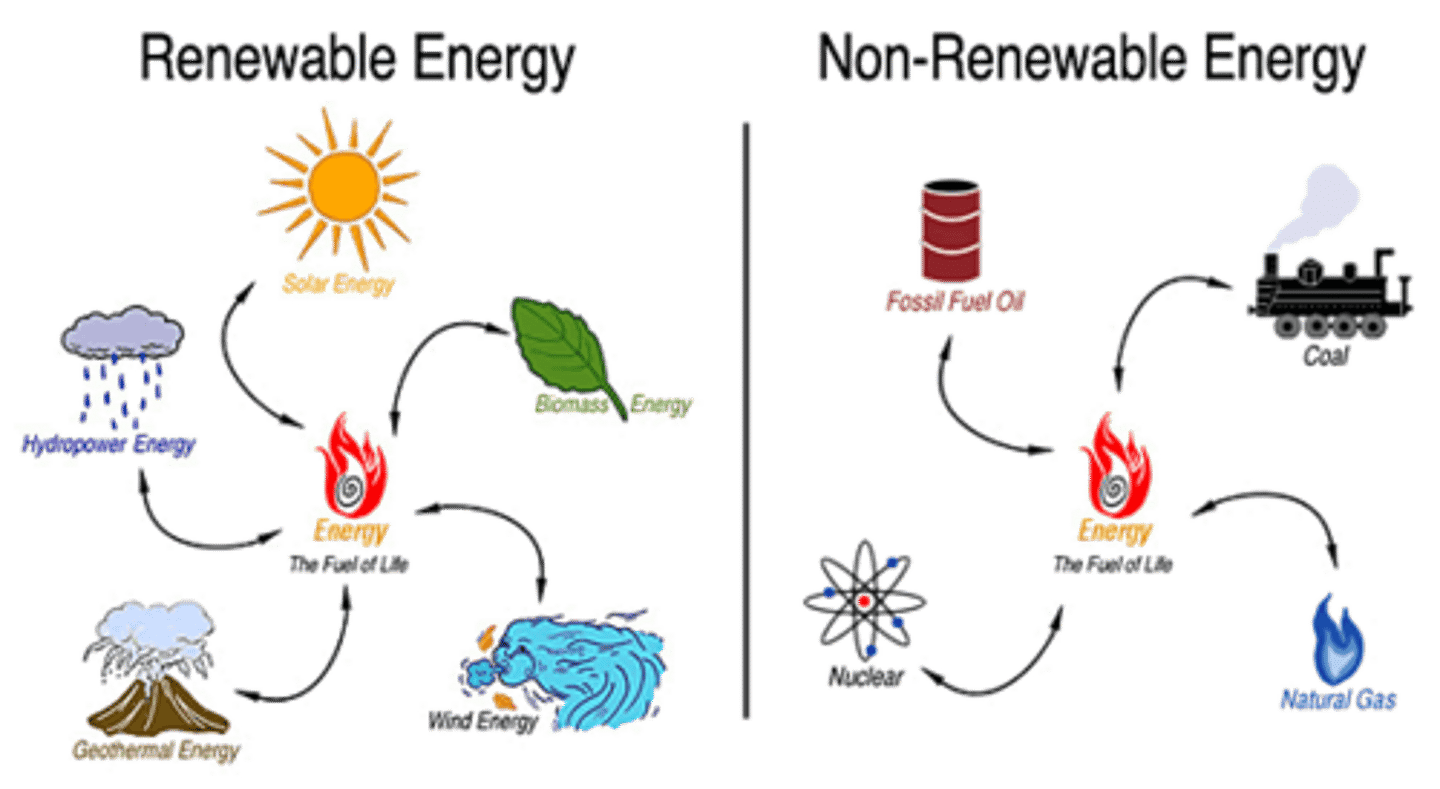
Renewable Energy
Sources can replenished naturally in short period of time.
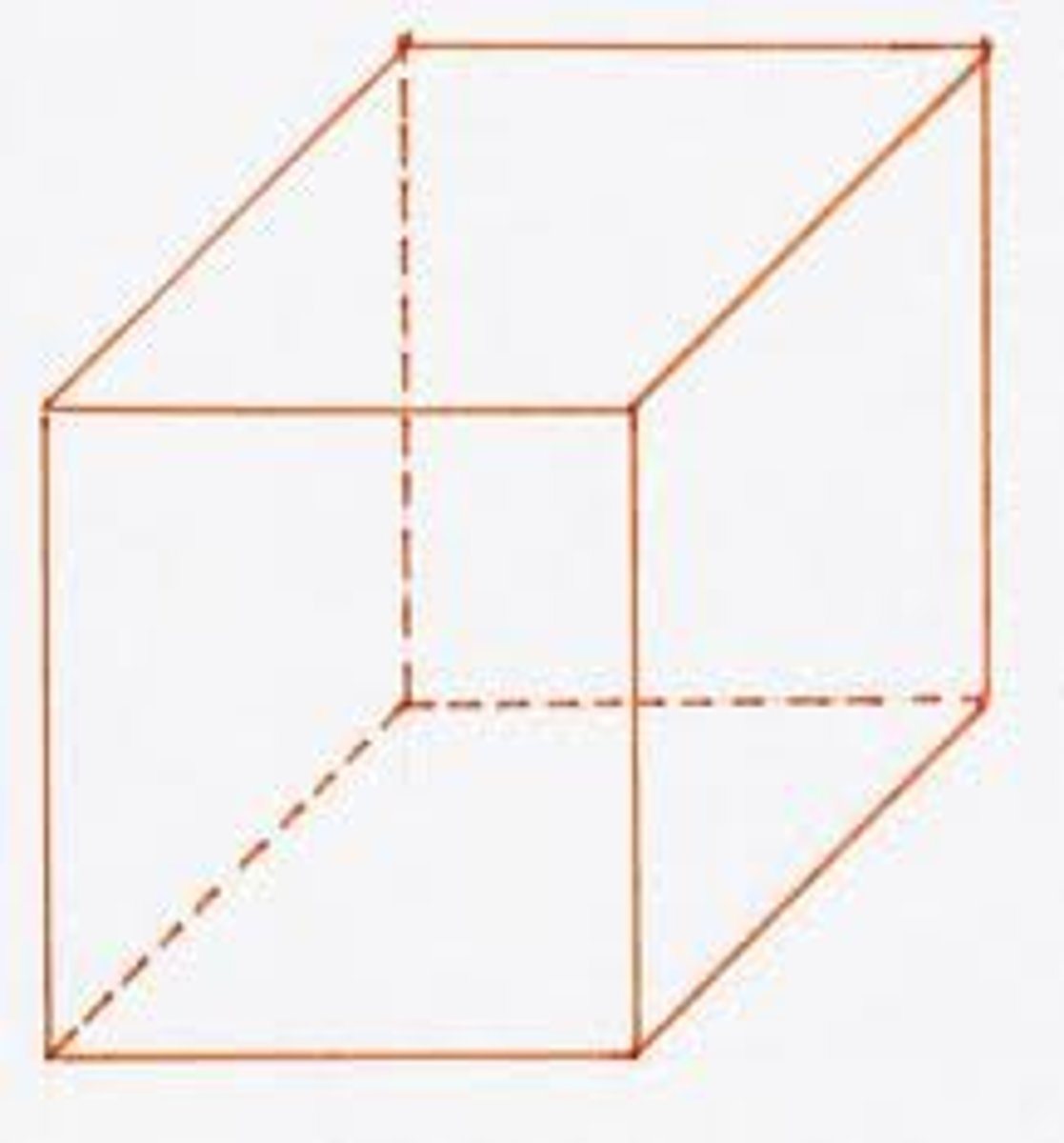
Oblique Drawing
A simple 3D sketching technique with one face of the item square on and other angled lines to give depth.
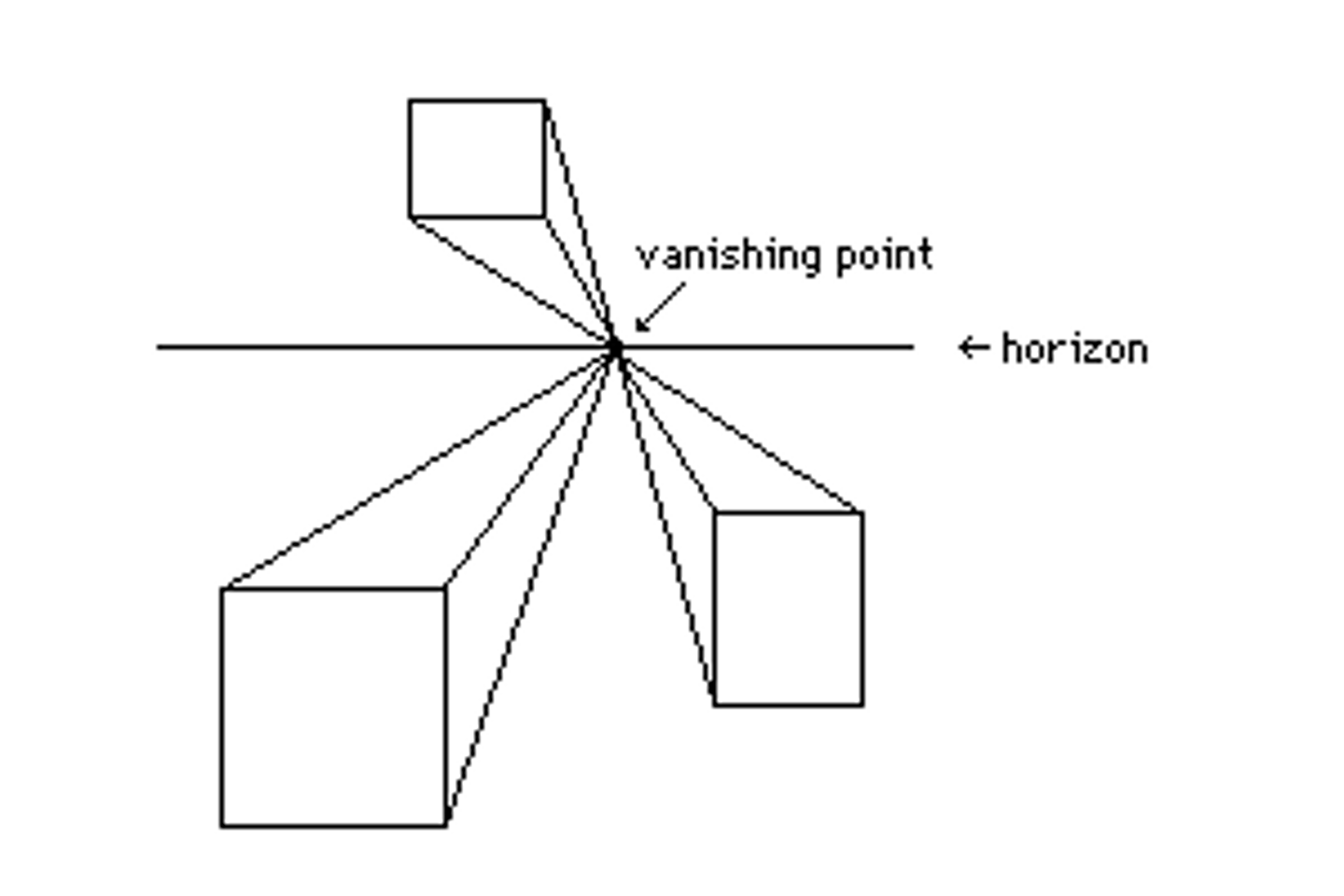
Perspective Drawing
A 3D sketching technique that shows objects in proportion.
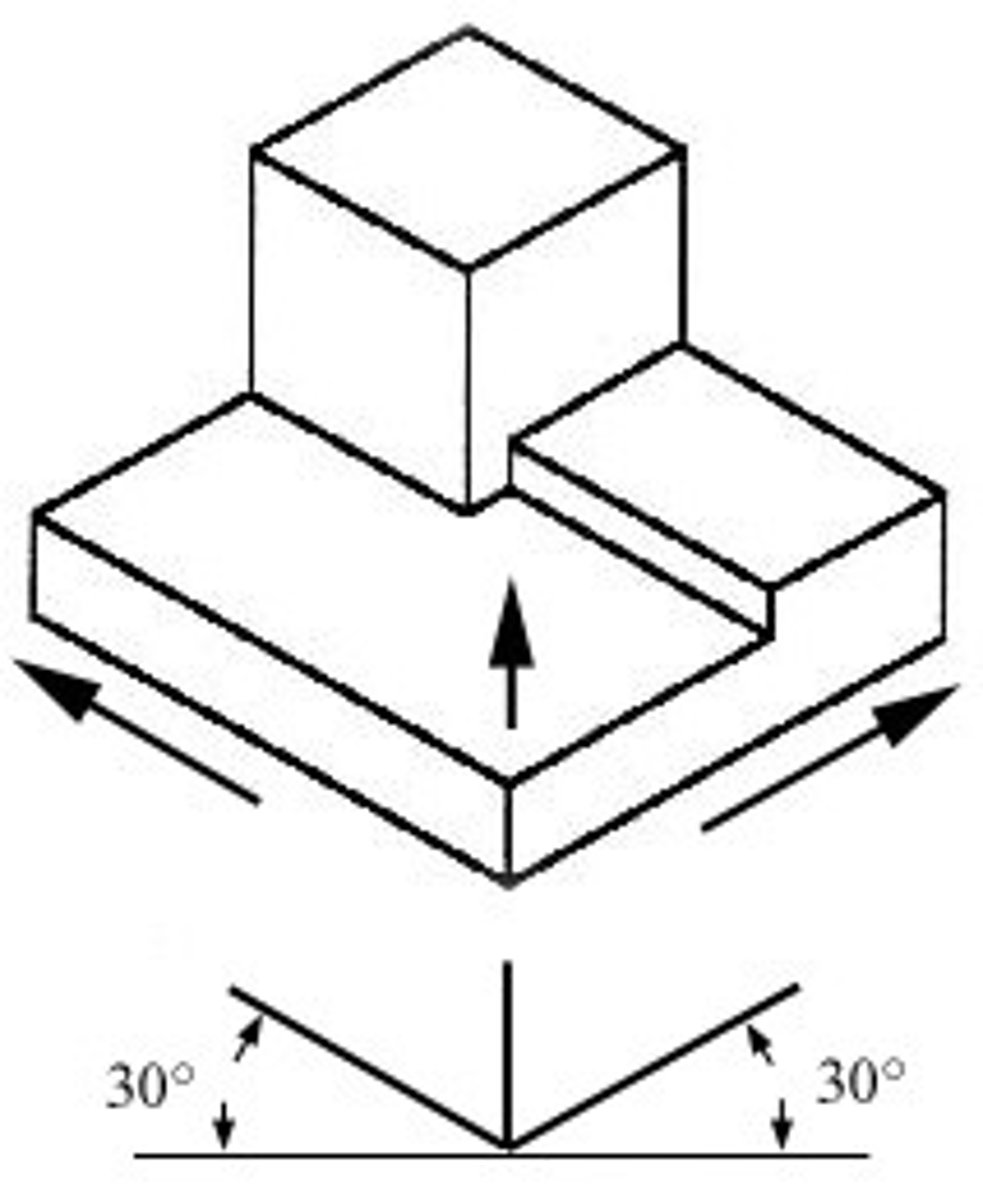
Isometric Drawing
A 3D technique in which parallel lines at 30-degree angles are applied to the sides of the drawn object.
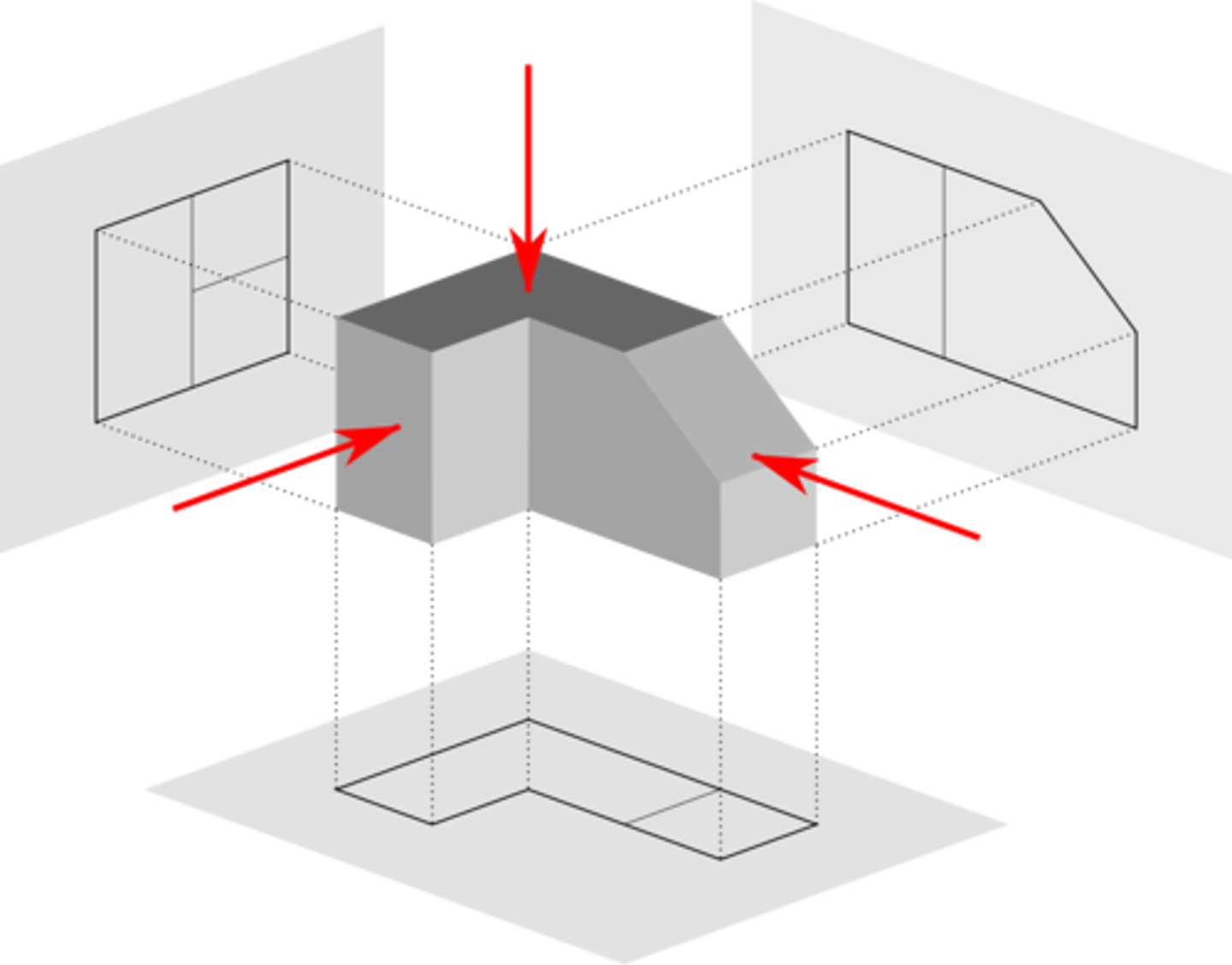
Orthographic Projection
2D sketch that shows different views .i.e. plan, front, side and sectional views.
Iterative design
A design process based on a cyclic process of prototyping, testing, reflecting, analysing, evaluating and refining a product or process. The process occurs over and over again to achieve the optimum design.
User-centred Design Process (UCD)
Sometimes called 'human centred design', is a design strategy or approach, with the aim of making products and systems usable. It focuses on the user interface and how the user interacts with and relates to the product.
Systems Thinking
The understanding of a product or component as part of a larger system of other products and systems. In the iterative design process, consideration of the roles of all components and sub-systems of the product or system.
Micron
One-millionth of a meter or one-thousandth of a millimeter
gsm
Grams per square meter
Ferrous metals
Metals that contain iron.
Alloy
A metal made by combining two or more metallic elements, especially to give greater strength or resistance to corrosion.
Plastic memory
The ability of thermo polymers to return to their original state after reheating.
Mechanism
A series of parts that work together to control forces and motion.
System
The general name of a set of mechanical or electronic parts that work together to produce a desired output.
Arm-length
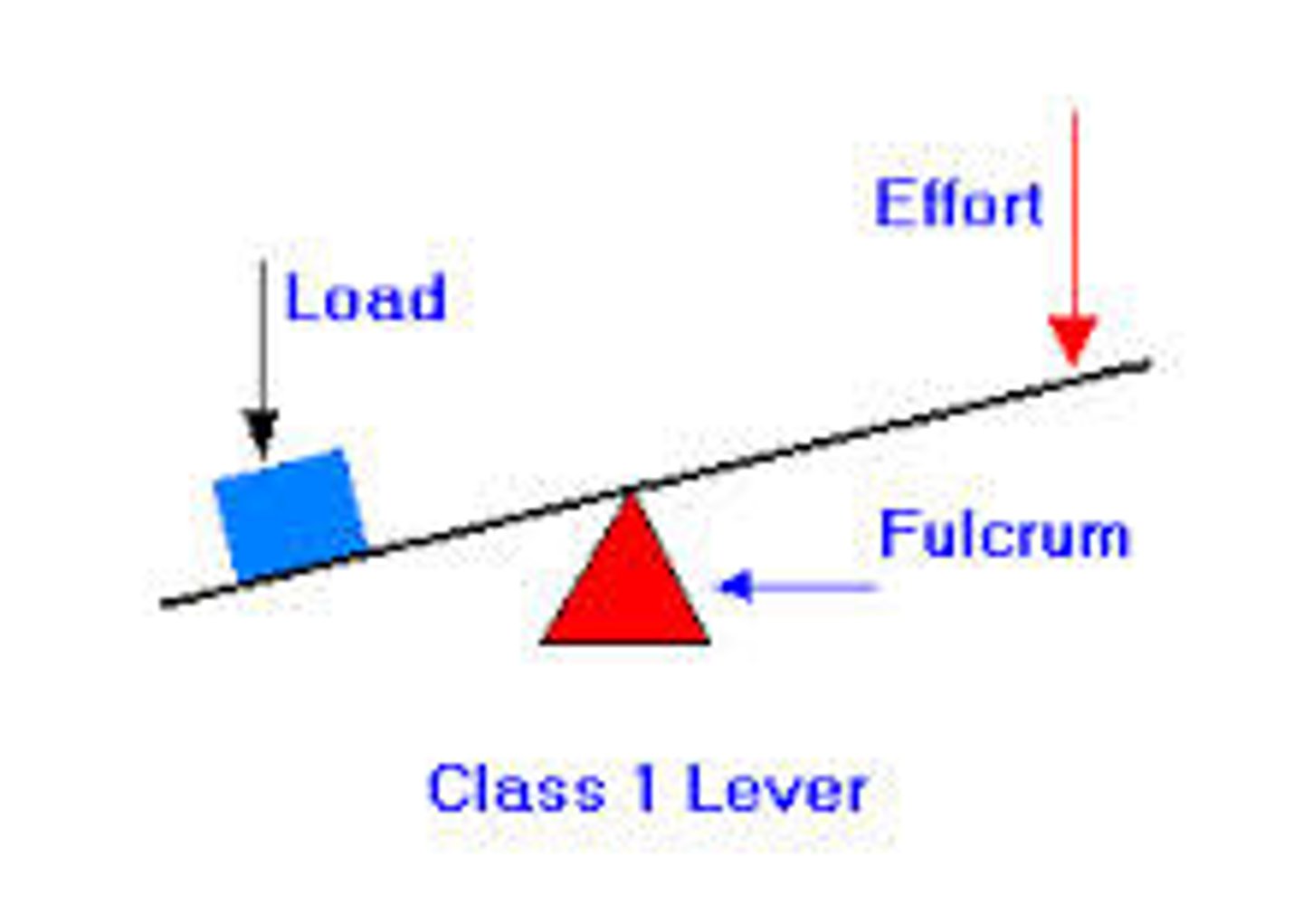
The distance between the force being exerted and the fulcrum.
Fulcrum
The pivot around which a lever turns.
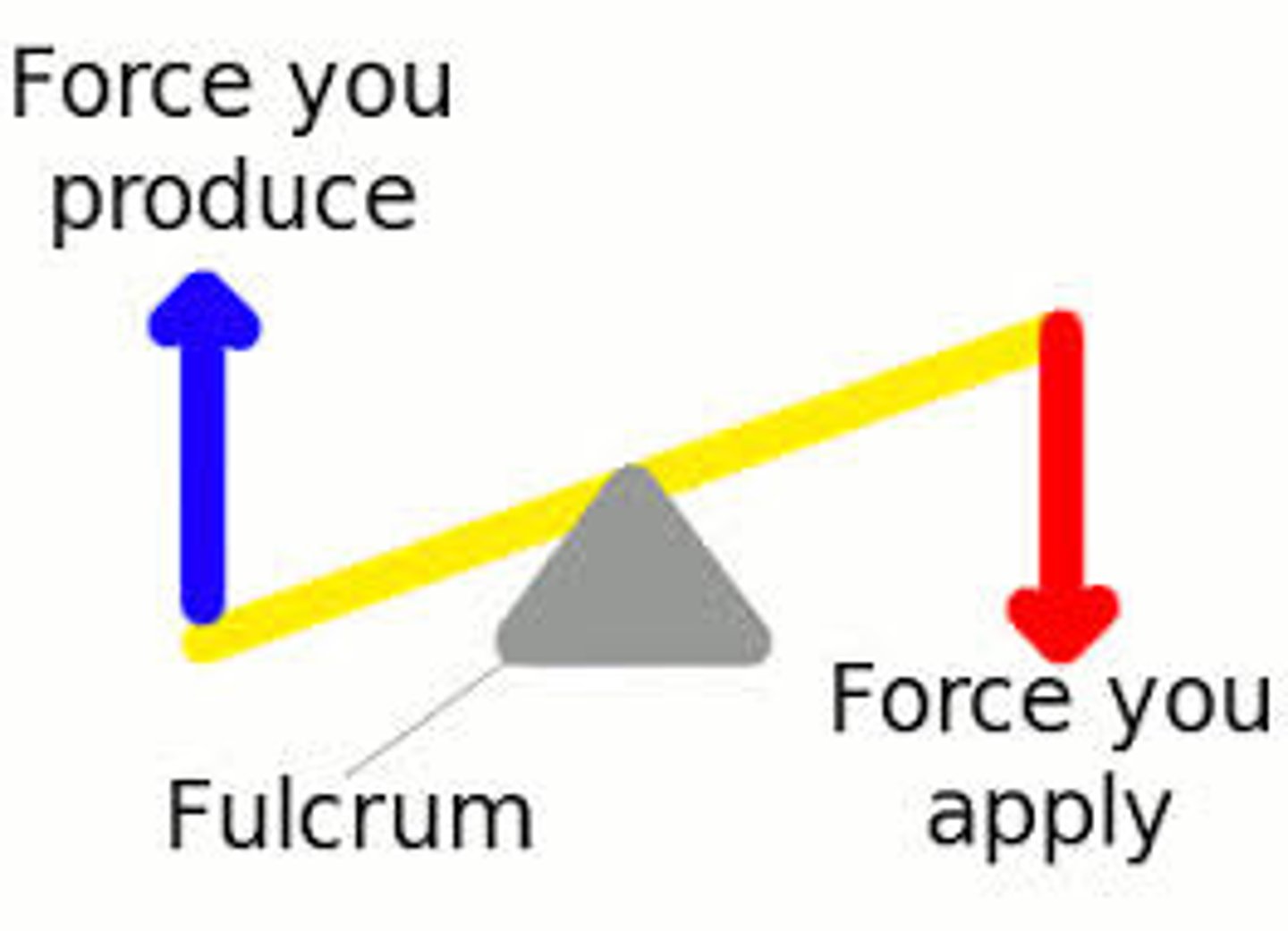
Lever
A rigid bar that is free to move around a fixed point, fulcrum.
Lubrication
A substance that reduces friction between moving parts.
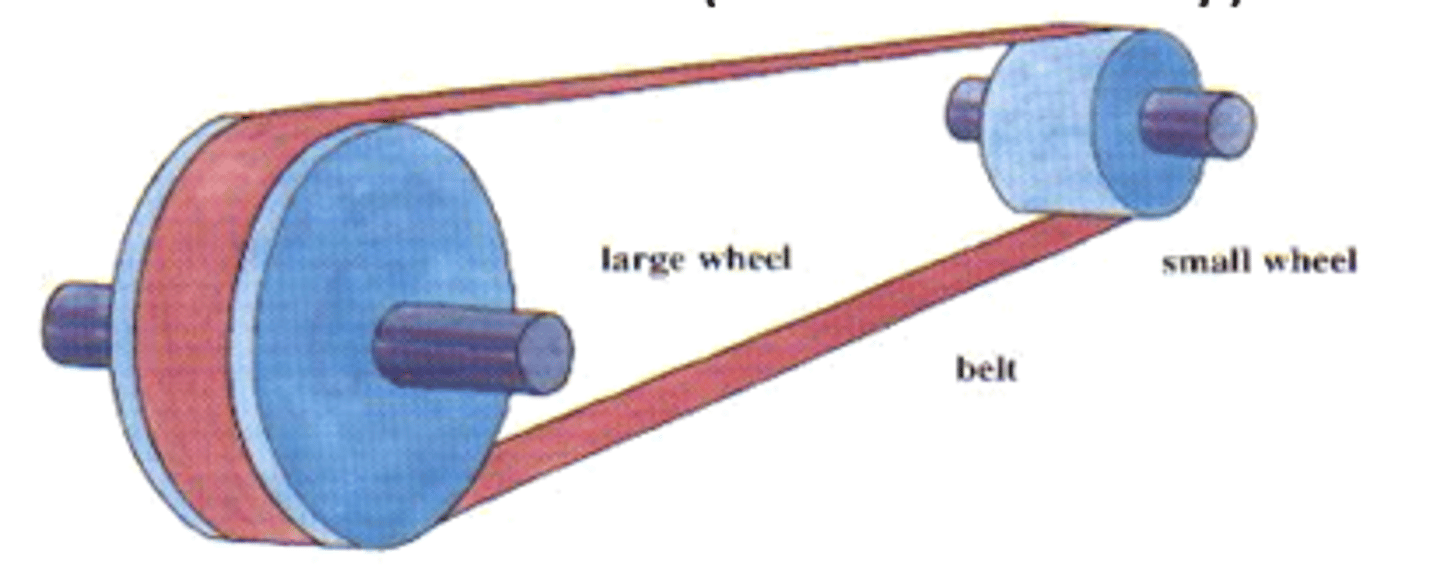
Pulley and belt drive
A method of transferring rotary motion between two shafts.
Linkage
A component used to direct forces and movement to where they are needed.
Subsystem
A section with a specific role within a system.
System Diagram
A diagram of the interconnections and flow of signals in an electronic system.
Embedding
Customising a microcontroller to be permanently placed within a product.
Microcrontroller
A programmable electronic component that adds functionality to a product.
Program
A set of instructions to tell a microcontroller how to carry out a task.
Sensor
A component that produces a signal in response to a specific physical quantity.
Signal
A electrical voltage that is used to represent information.
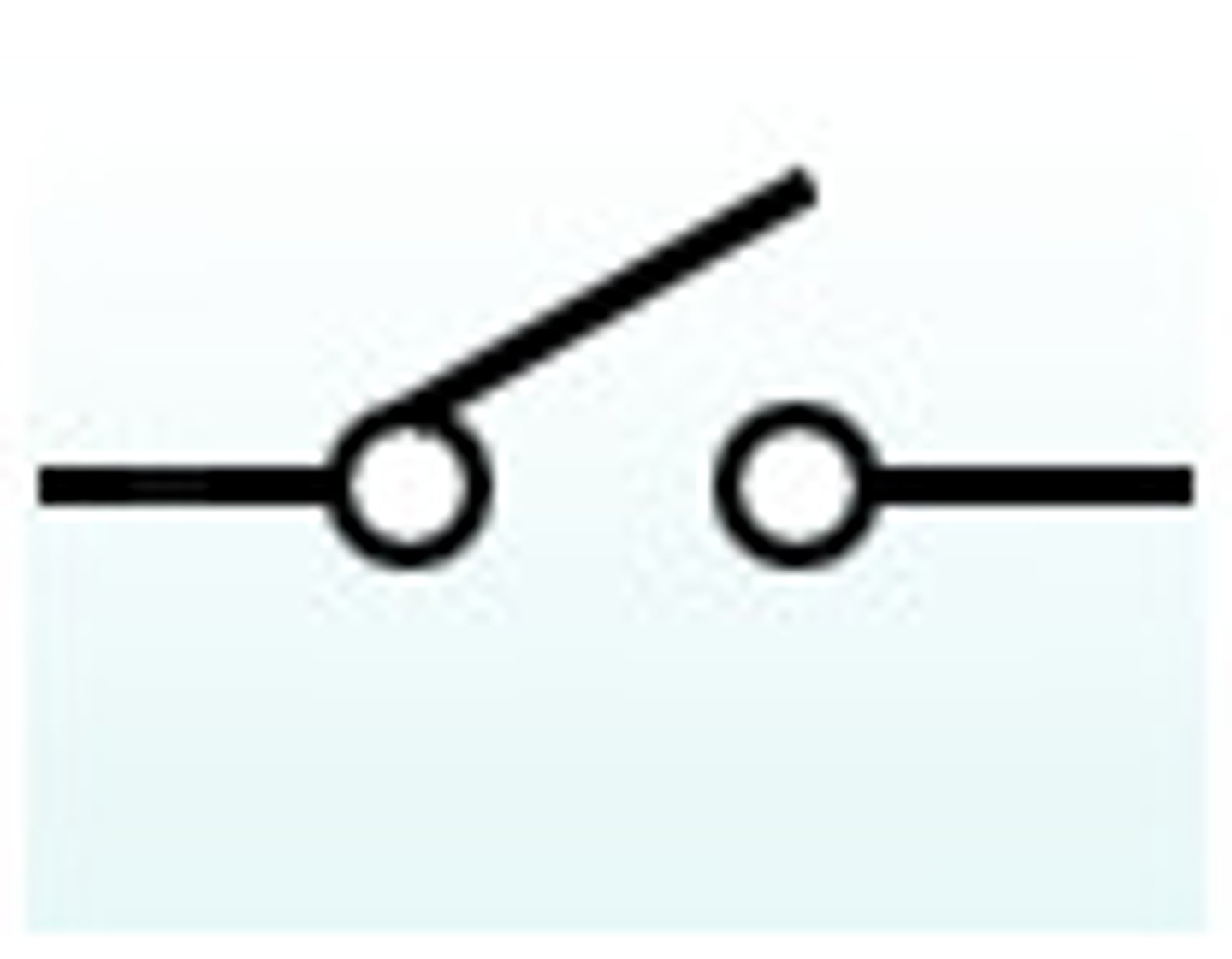
Latching switch
A switch that stays on (or off) after a button is released.
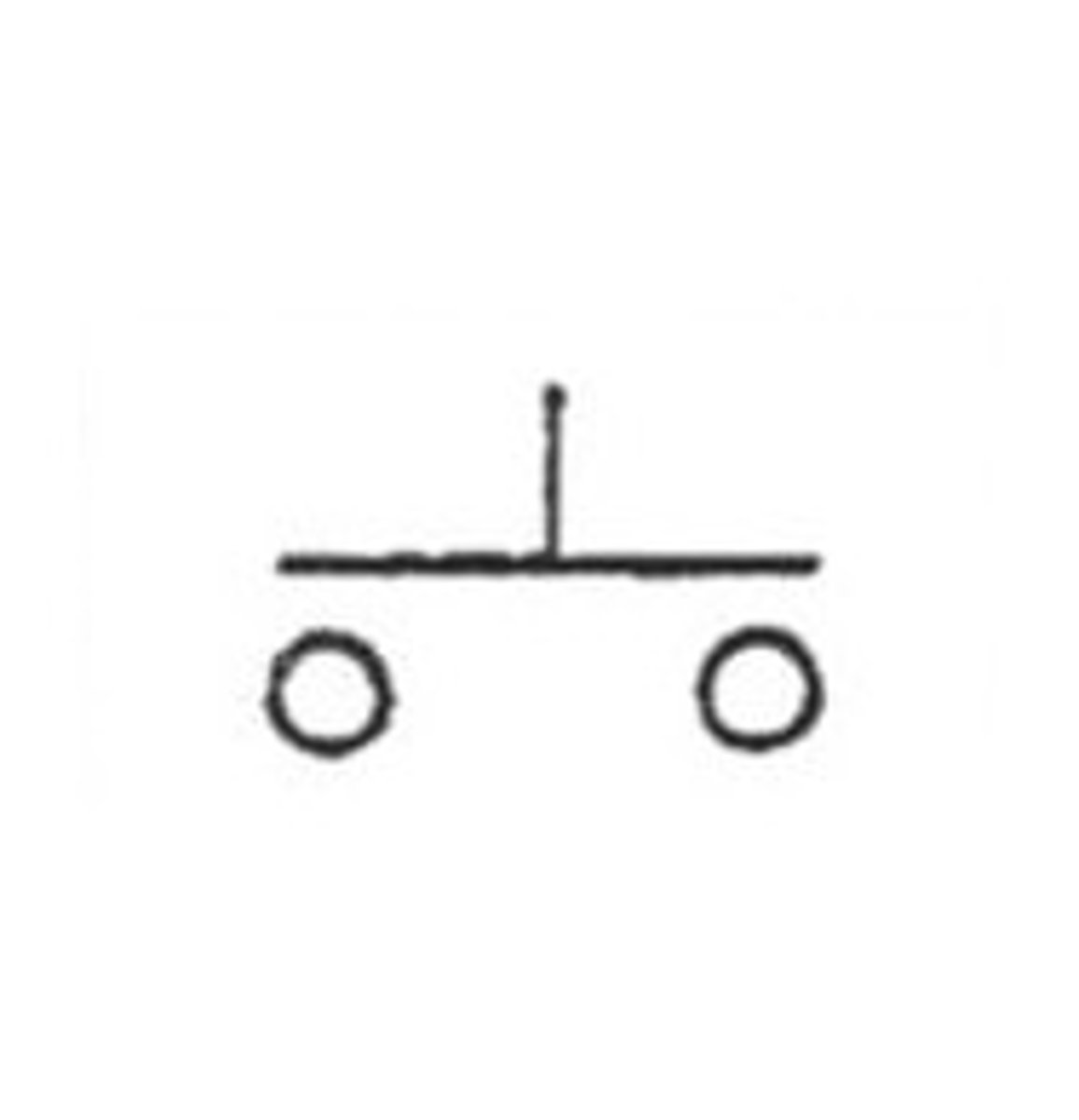
Momentary switch
A switch that will only close when activated (held pressed).
Cloud Computing
A network of online servers that store and manage data.
Internet of Things (IoT)
Where electronic devices connect within the existing internet infrastructure to send and receive data without human intervention.
Nanotechnology
Technology on a microscopic scale