Classics 51B Final
 Call Kai
 Learn
Learn Practice Test
 Spaced Repetition
 Match
Match Flashcards
 Knowt Play
1/84

There's no tags or description
Looks like no tags are added yet.
Name | Mastery | Learn | Test | Matching | Spaced | Call with Kai |
|---|
No analytics yet
Send a link to your students to track their progress
85 Terms
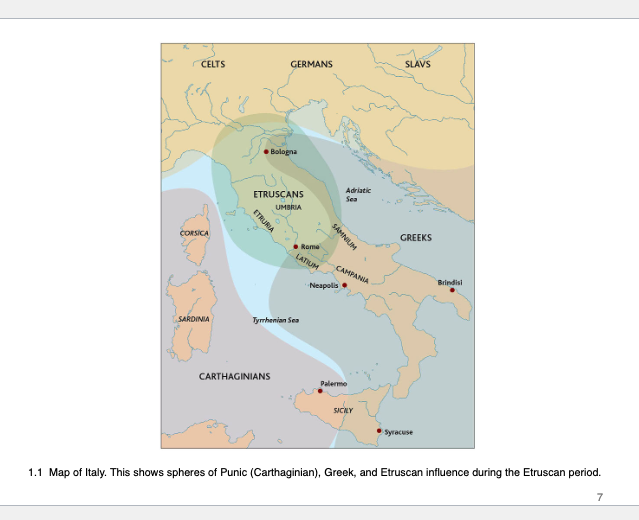
Map of Italy, Etruscan period
Period: Early Rome / Etruscan period
Where: Rome in Latium, Etruscans north, Greeks south, Carthaginians west
Main idea: Rome developed between Etruscan, Greek, and Punic influences
Why study: Early Roman culture was not isolated. It borrowed from surrounding peoples.
Trap: Not a Roman Empire map. Rome is still just one city.
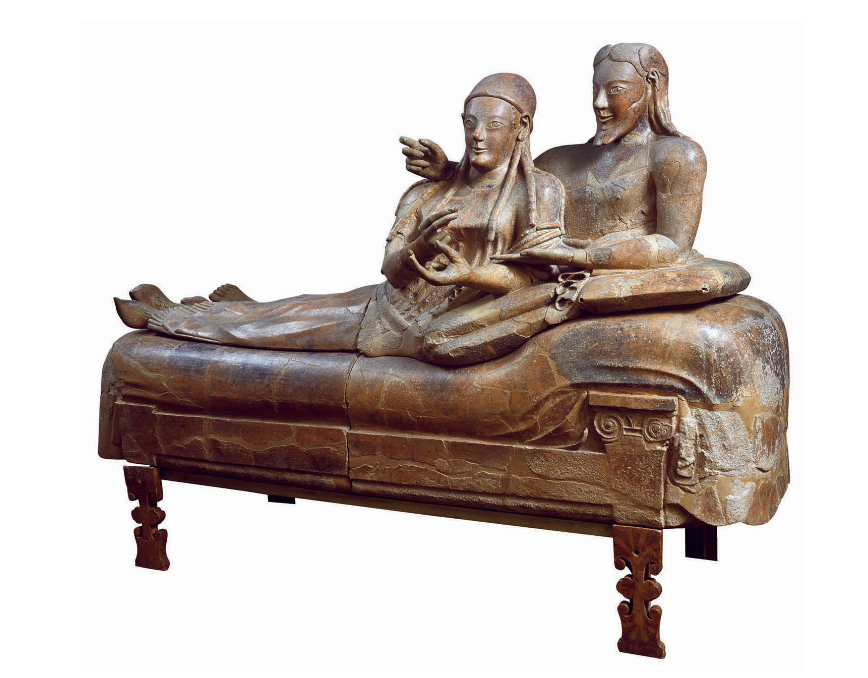
Terracotta Sarcophagus
Date: late 6th c. BCE
Culture: Etruscan
Place: Cerveteri, Italy
Material: Terracotta
Visual cue: Reclining couple on couch
Style: Greek Archaic smiles + Etruscan body/posture
Main idea: Funerary object showing Etruscan tomb/banquet culture
Trap: Not Roman, not Greek. Etruscan.
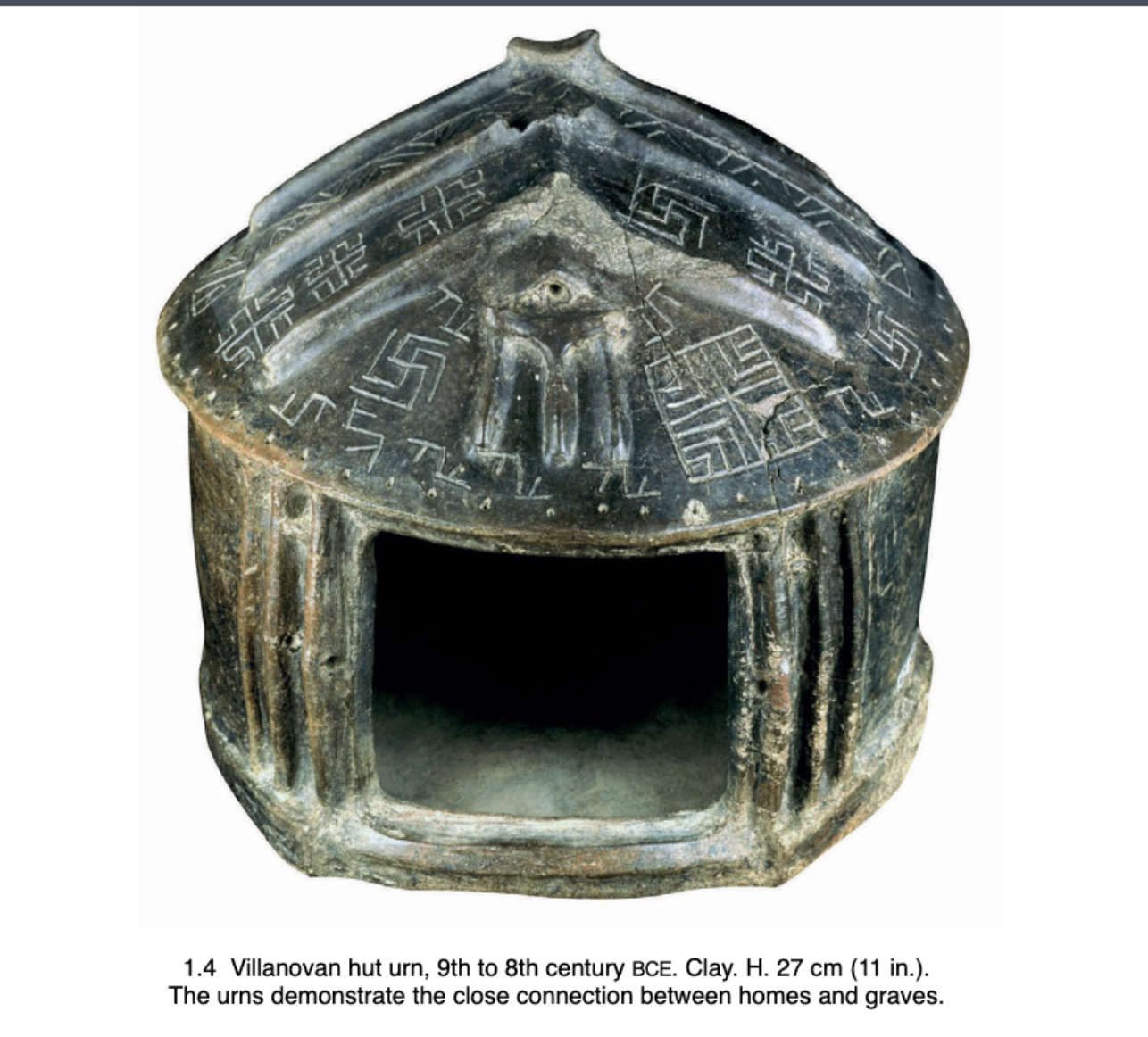
Villanovan hut urn
Date: 9th–8th c. BCE
Culture: Villanovan / early Italy
Material: Clay
Visual cue: Mini hut shape
Function: Funerary urn
Main idea: Links homes + graves
Trap: Not a real hut, it’s an urn
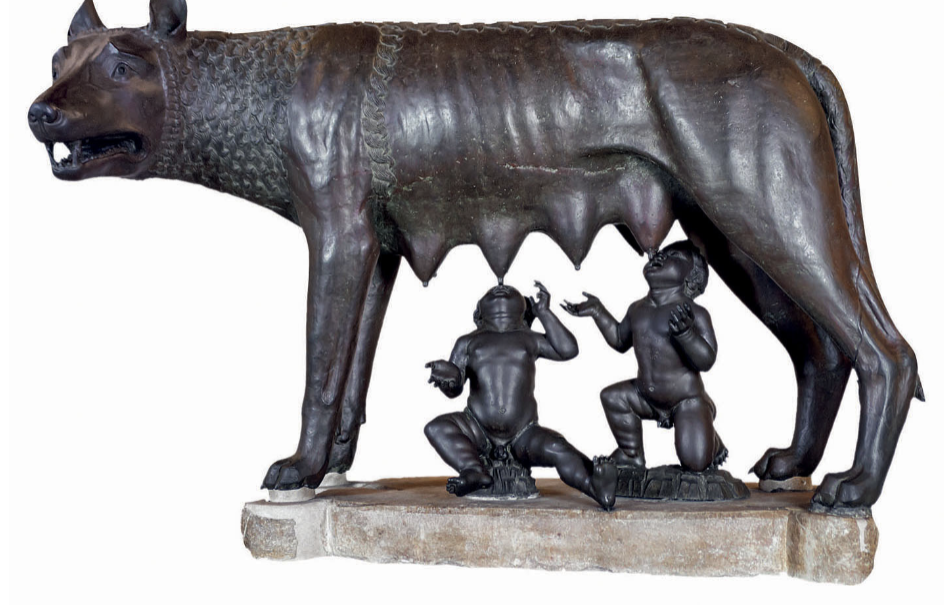
Capitoline Wolf
Date: wolf = 11th–12th c. CE; twins added later
Subject: Romulus + Remus
Culture/context: Roman founding myth
Visual cue: She-wolf nursing twins
Main idea: Mythic origin of Rome
Trap: Image is iconic for ancient Rome, but the wolf itself is medieval
Reges
Date: 753–509 BCE
Meaning: “Kings”
Period: Roman Kingdom
Main idea: Rome before the Republic
Key influence: Etruscan culture
Remember: monarchy → overthrown → Republic begins
Trap: Not emperors. Kings come way before Augustus.
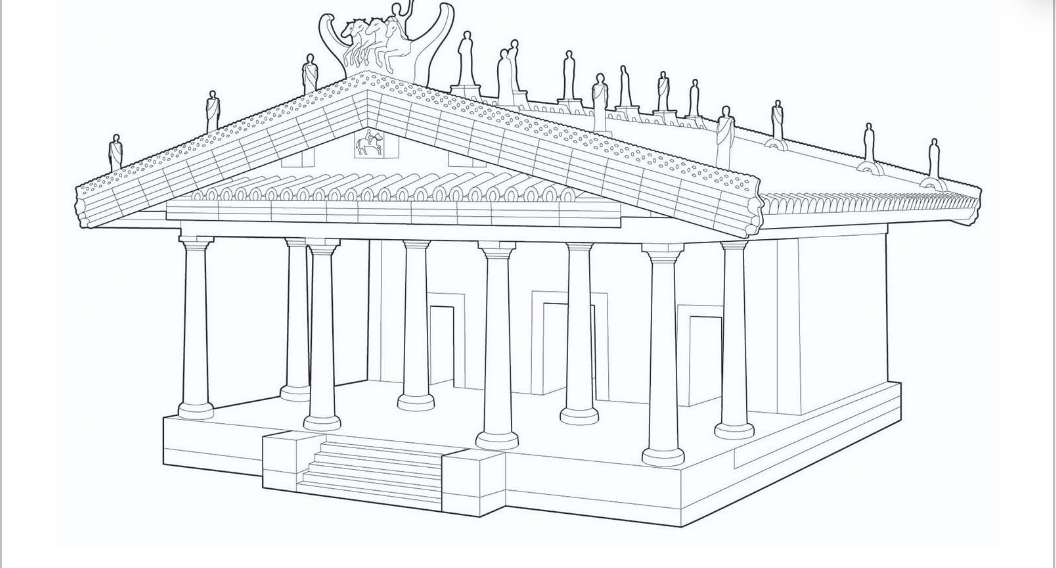
Tuscan Temple
Culture: Etruscan / early Roman
Date: c. 500 BCE
Visual cue: Deep porch, front-facing stairs, wide roof
Decoration: Terracotta roof statues / akroteria
Example: Portonaccio Temple at Veii
Main idea: Etruscan temple model influenced early Roman temples
Trap: Not Greek-style all-around columns. More front-focused.
Akroteria = decorative roof statues/ornaments placed on the top corners or peak of a temple roof.
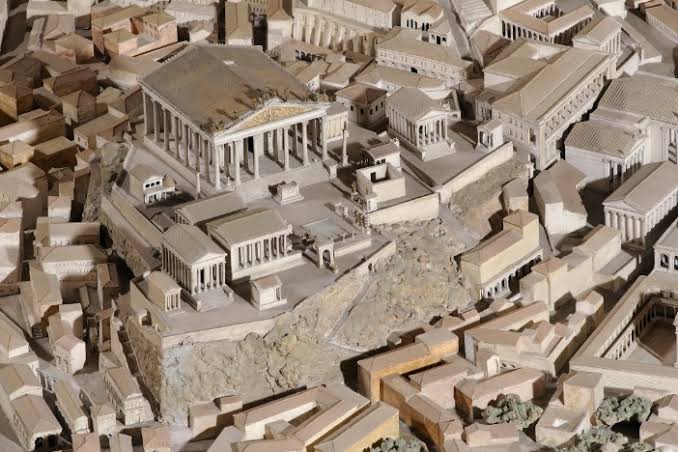
Temple of Jupiter Optimus Maximus
Date: late 6th c. BCE
Period: Roman Kingdom / early Rome
Place: Capitoline Hill
Gods: Capitoline Triad: Jupiter, Juno, Minerva
Style: Tuscan/Etruscan temple type
Main idea: Major state temple, shows Etruscan influence on early Rome
Trap: Jupiter Optimus Maximus = “Jupiter Best and Greatest,” not just any Jupiter temple
Roman Triumph
Period: Republic → Empire
Meaning: Victory procession for a general/emperor
Visual cue: Chariot, captives, spoils, soldiers, public parade
Purpose: Celebrate conquest + show Roman power
Key idea: Military victory becomes public/political spectacle
Related terms: manubial buildings, spoils, triumphal arches
Trap: Triumph = event/procession, not just an arch.
Roman Concrete
Period: Especially Republic → Empire
Material: Mix used for walls, vaults, domes
Visual cue: Often hidden under brick, stone, marble, or travertine
Why important: Allows huge interiors, vaults, domes, flexible shapes
Examples: Mausoleum of Augustus, Domus Aurea vaults, Tomb of Eurysaces
Trap: Roman buildings may look stone/marble, but core can be concrete.
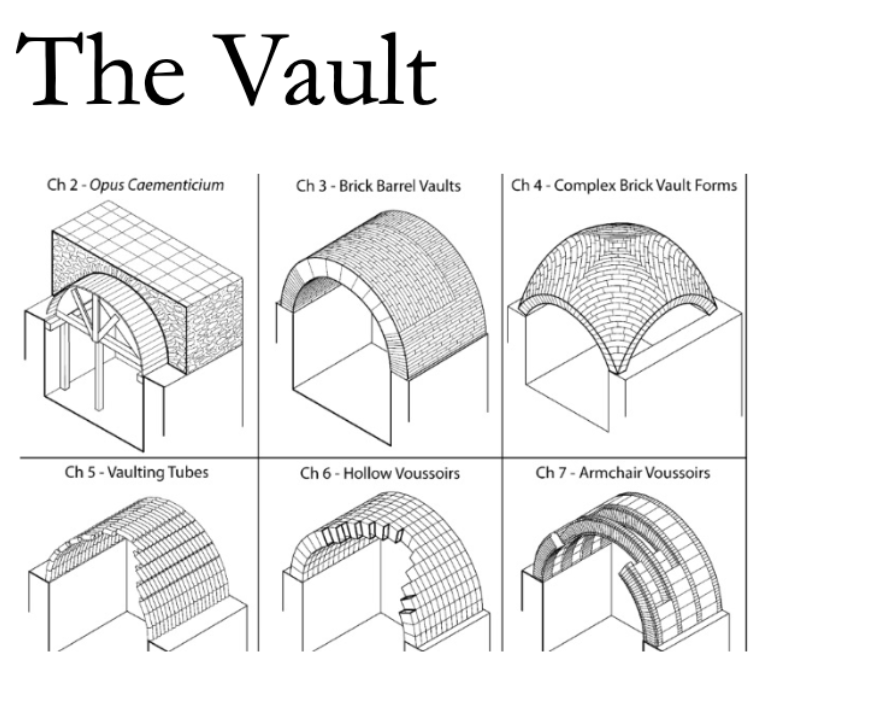
Vault
Meaning: Arched ceiling/roof structure
Material: Brick or Roman concrete
Visual cue: Curved ceiling spanning space
Types: Barrel vault, groin/complex vault
Why important: Allows large covered interiors
Related: Concrete, arches, domes
Trap: Vault = ceiling/roof form, not just an arch.
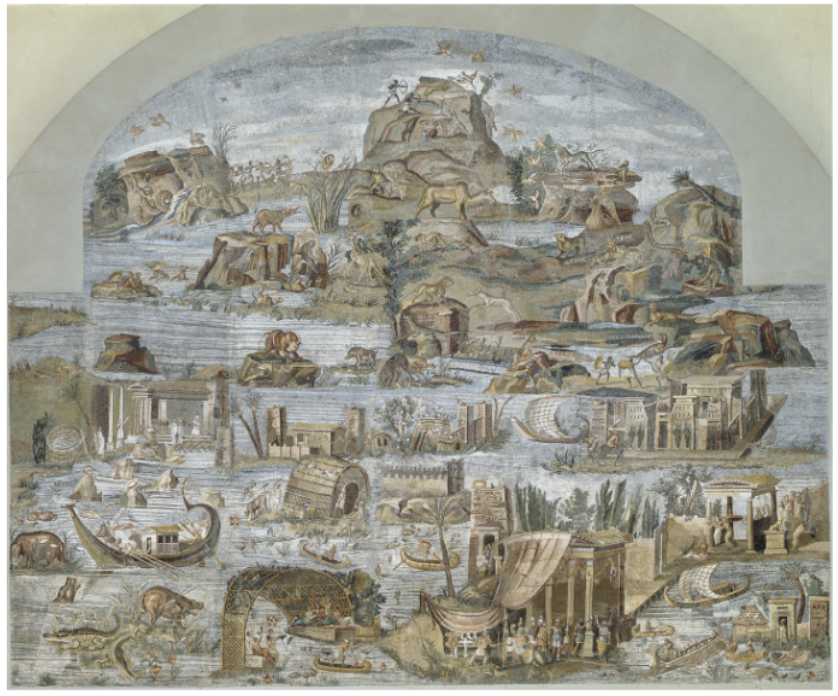
Praeneste Nile Mosaic
Date: late 2nd–early 1st c. BCE
Place: Praeneste, Italy
Medium: Mosaic
Visual cue: Nile/Egyptian landscape scene
Main idea: Hellenistic influence in Roman Italy
Why study: Shows Roman interest in exotic/Egyptian imagery
Trap: Not Egyptian-made. Roman/Italian mosaic using Nile imagery.
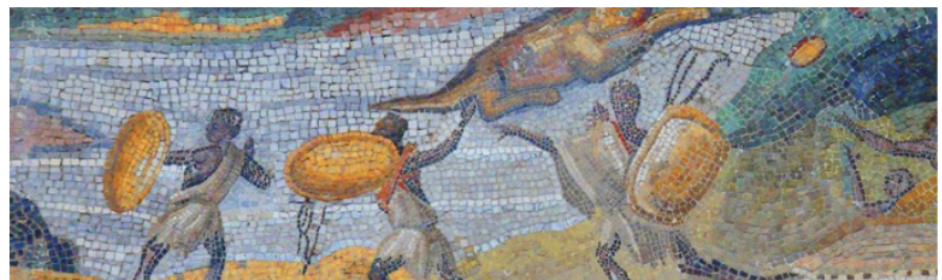
Tesserae
Meaning: Small pieces used to make mosaics
Material: Stone, glass, ceramic, etc.
Visual cue: Tiny colored cubes/tiles
Used in: Floor/wall mosaics
Main idea: Many tesserae form one image
Quick cue: “Mosaic pixels”
Commemorative Painting
Meaning: Painting made to record/celebrate an event
Usually: Victory, triumph, public achievement
Visual cue: Narrative scene, battle/procession/event
Purpose: Preserves memory + promotes status
Main idea: Art as public memory/propaganda
Trap: Not just decoration. It commemorates something.
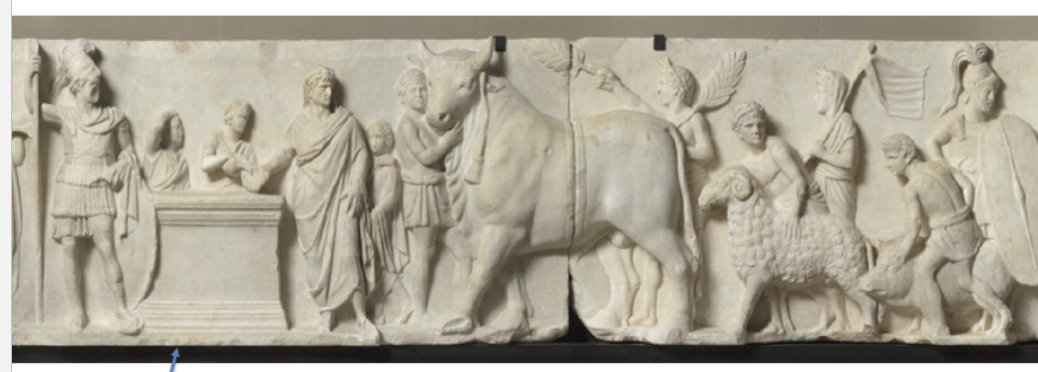
Suovetaurilia
Meaning: Sacrifice of pig, sheep, bull
Offered to: Mars
Object: Paris Reliefs
Date: late 2nd–early 1st c. BCE
Context: Manubial buildings, Campus Martius
Visual cue: Procession of sacrificial animals
Main idea: Roman ritual sacrifice + military/religious power
Trap: It’s the ritual, not the monument itself.
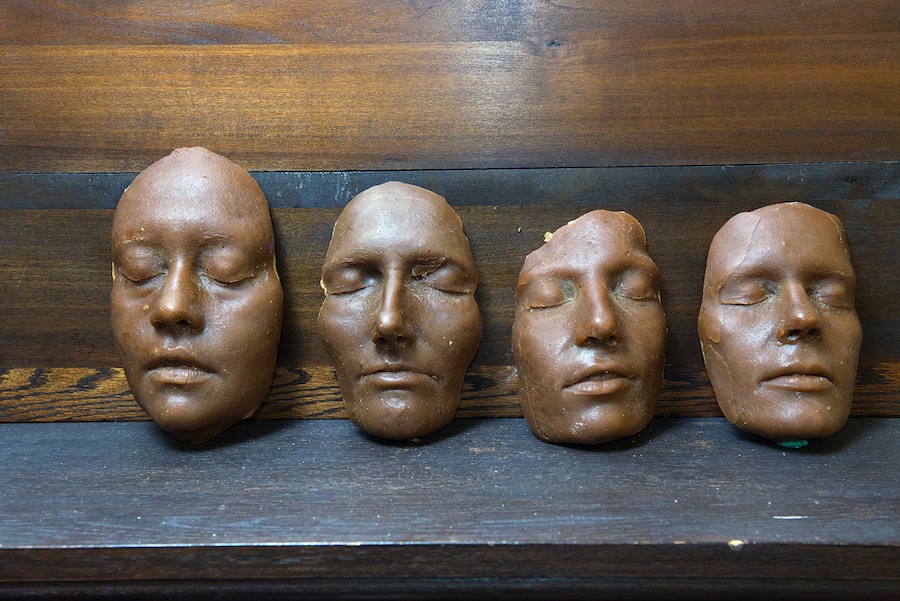
Roman Imago / Wax Imagines
Meaning: Ancestral portrait masks
Material: Wax, cheap, easy to mold, realistic detail
Used in: Elite Roman funerals
Visual cue: Realistic ancestor faces
Main idea: Family status + ancestry
Related: Republican portraiture, verism
Trap: Not regular portraits. They’re ancestor masks.
Domus
Meaning: Roman elite house
Example: House of the Faun, Pompeii
Date: late 2nd c. BCE
Visual cue: Atrium + peristyle plan
Main idea: House shows wealth/status
Famous detail: Alexander Mosaic
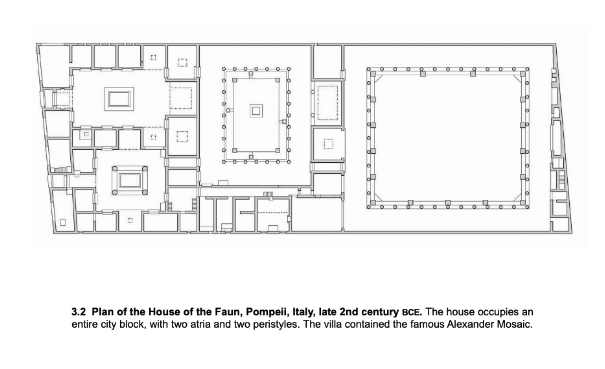
Key Rooms (Fauces, Atrium, Impluvium, Tablinium, Triclinium, Taberna, Peristyle)
Fauces: entrance hallway
Atrium: main central room
Impluvium: rainwater pool in atrium
Tablinum: office/reception room
Triclinium: dining room
Taberna: shop/front room
Peristyle: columned garden/courtyard
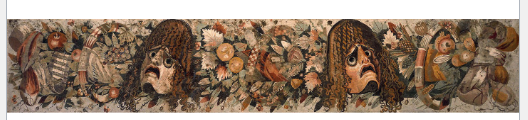
Mosaic from House of the Faun
Date: late 2nd c. BCE
Place: Pompeii
Medium: Floor mosaic
Visual cue: Theatrical masks, garlands, fruit
Material unit: Tesserae
Main idea: Elite domestic decoration
Trap: Mosaic = made of tiny pieces, not painted floor.
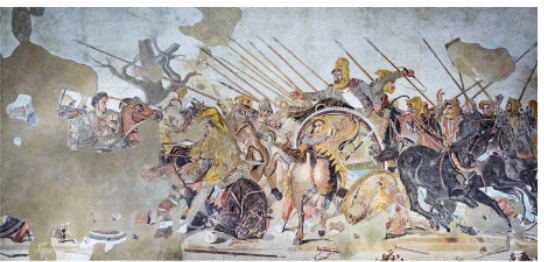
Alexander Mosaic
Date: late 2nd c. BCE
Place: House of the Faun, Pompeii
Medium: Mosaic, tiny tesserae
Technique: Opus vermiculatum
Scene: Alexander vs. Darius III
Battle: Issus, 333 BCE
Main idea: Elite Roman interest in Greek/Hellenistic history
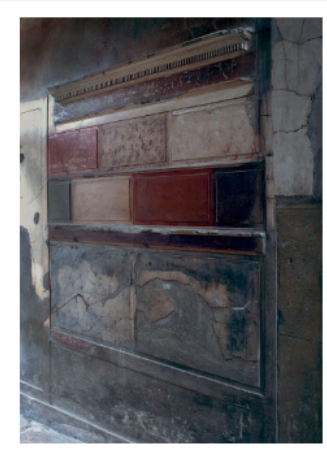
First Style Wall Painting
Date: 2nd c. BCE
Example: Samnite House, Herculaneum
Characteristics: imitation stone blocks, raised stucco, marble-like colors
Visual cue: Wall looks like expensive cut stone/masonry
Stucco: plaster-like material shaped on wall
Main idea: Fake luxury marble/stone
Trap: Not real marble. Paint + stucco imitate it.
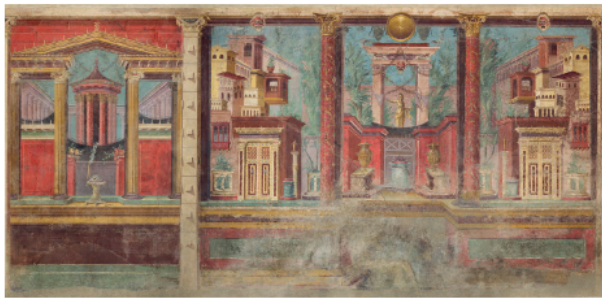
Second Style
Date: 1st c. BCE
Characteristics: illusionistic depth, fake architecture, opens the wall
Visual cue: columns, arches, landscapes, 3D space
Megalographic: large-scale human figures
Examples: Villa at Boscoreale; Dionysiac Frieze, Villa of the Mysteries
Main idea: Wall becomes an illusionistic world/scene
Trap: Not fake stone blocks like First Style.
Otium / Negotium
Otium
Meaning: Leisure / free time
Associated with: Villas, philosophy, art, elite relaxation
Main idea: Cultivated leisure, not just laziness
Negotium
Meaning: Business / public duties
Associated with: Politics, work, law, civic life
Main idea: Active public life
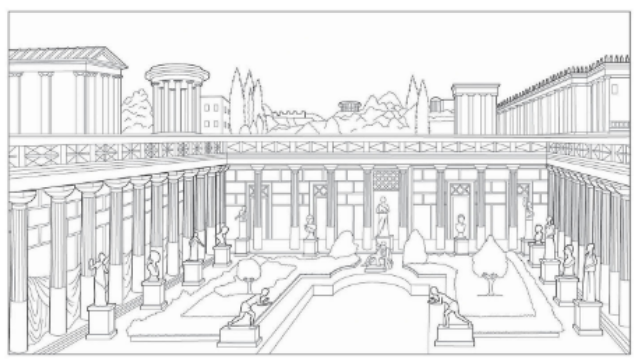
Villa of the Papyri
Date: buried 79 CE
Place: Herculaneum
Type: elite Roman villa
Key features: library, papyrus scrolls, peristyle garden, statues
Style: many sculptures were Neo-Attic
Main idea: elite otium: leisure, learning, Greek culture
Modern link: Getty Villa modeled after it
Trap: Famous for carbonized papyri + sculpture collection. Not just a normal house.
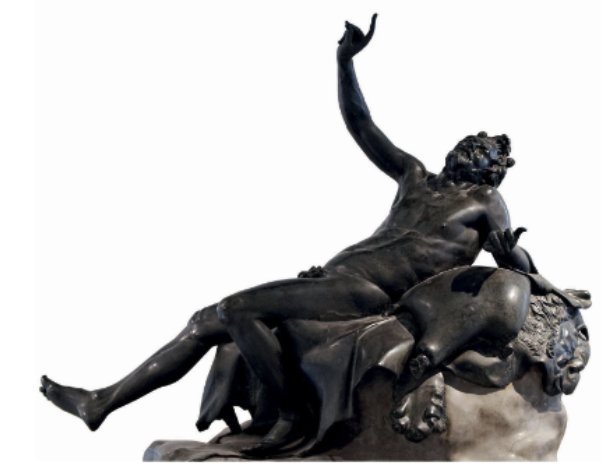
Drunken Satyr, Villa of the Papyri
Date: 2nd c. BCE
Place: Villa of the Papyri, Herculaneum
Material: Bronze
Visual cue: Reclining drunk satyr on wineskin
Style/theme: Hellenistic, Dionysiac
Main idea: elite otium + Greek cultural taste
Trap: Roman villa object, but Greek/Hellenistic style.
Priesthoods (Flamen/Flamines, Pontifex/Pontifices)
Flamen / Flamines: priests for specific gods
Example: Flamen Dialis = priest of Jupiter Optimus Maximus
Pontifex / Pontifices: oversaw public religion
Role: advised magistrates, sacred law, kept records
Main idea: Roman religion was tied to state/politics
Trap: Priests were not separate from public life. Religion = civic duty.
Consular Imagery
Date: Republic, example 54 BCE coin
Visual cues: attendants + fasces
Fasces: bundle of rods = Roman authority/power
Represents: consuls/magistrates, Republican state power
Trap: Fasces are not “emperor” symbols only; they come from earlier Roman authority.
Built Environment: Religious (3 Temples, Regia, Domus Publica, Shrine, Auguraculum, Juno Moneta, Concord)
Temple of Castor: Dioscuri/Castor + Pollux, Forum
Temple of Saturn: Saturn, state treasury
Temple of Vesta: sacred hearth/fire, Vestal Virgins
Regia: priestly/ritual office, linked to kingship
Domus Publica: official residence of Pontifex Maximus
Shrine of Venus Cloacina: Venus + purification/sewer association
Auguraculum: space for augury/divination
Temple of Juno Moneta: Juno, warning/memory, mint association
Temple of Concord: civic harmony/concord
Built Environment - Juridicial (Basilicas, Carcer)
Meaning: Legal/civic spaces
Basilicas: law courts, business, public meetings
Examples: Basilica Sempronia, Fulvia, Porcia
Carcer: prison/jail
Main idea: Roman public space organized law + civic administration
Trap: Roman basilica originally = civic/legal hall, not Christian church.
Built Environment - Civic/Political (Curia, Rostra, Comitium)
Curia Hostilia: Senate house
Rostra: speaker’s platform
Comitium: public assembly/voting space
Main idea: Forum spaces for politics, speeches, and civic power
Trap: Curia = Senate building; Comitium = assembly space; Rostra = speech platform.
Laudatio funebris: elite Roman funeral speech praising the dead person’s ancestors, virtues, and public achievements.
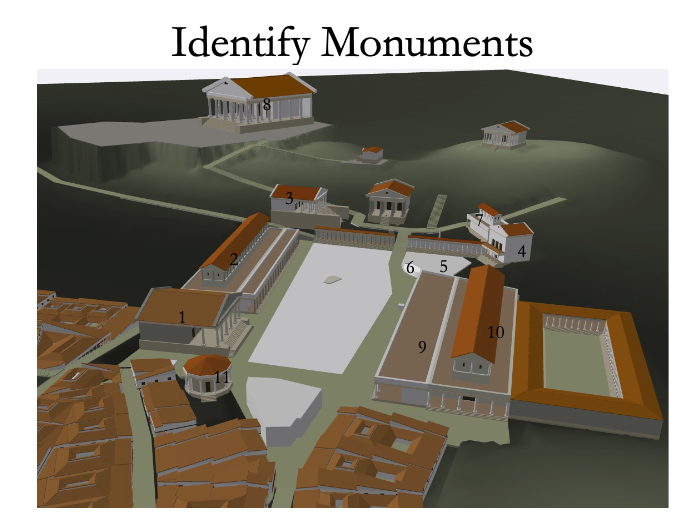
Roman Forum
Main idea: Forum = religion + law + politics in one space
Trap: Don’t treat Forum as only “political.” It mixes sacred, civic, legal, and commercial space.
# | Monument |
|---|---|
1 | Basilica Sempronia |
2 | Basilica Opimia |
3 | Basilica Porcia |
4 | Basilica Aemilia / Fulvia |
5 | Comitium |
6 | Rostra |
7 | Shrine of Venus Cloacina |
8 | Temple of Jupiter Optimus Maximus |
9 | Tabernae Veteres area |
10 | Aedes Castorum / Temple of Castor |
11 | Temple of Vesta |
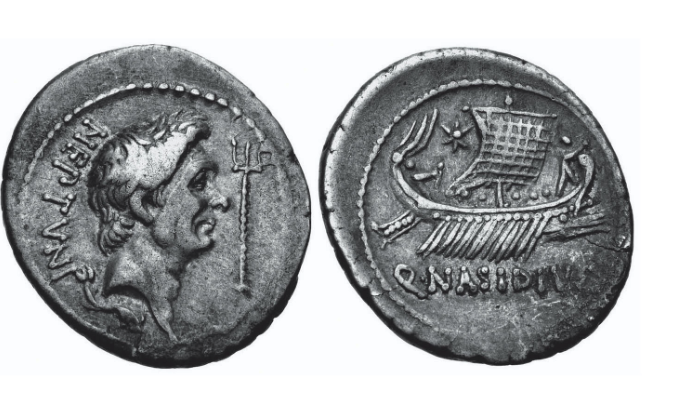
Pompey the Great Coin
Date: 44–43 BCE
Minted by: Sextus Pompey
Shows: his father, Pompey the Great
Visual cue: portrait head + naval imagery
Main idea: Family memory + political legitimacy
Trap: Minted by Sextus Pompey, not Pompey himself.
Gaius Iulius Caesar
Dates: 100–44 BCE
Role: Late Republic general/dictator
Family: daughter Iulia/Julia, born 83 BCE
Key alliance: First Triumvirate with Pompey + Crassus
Main idea: Breaks Republican norms, leads toward Empire
Famous date: assassinated 44 BCE
Trap: Caesar is not the first emperor. Augustus is.
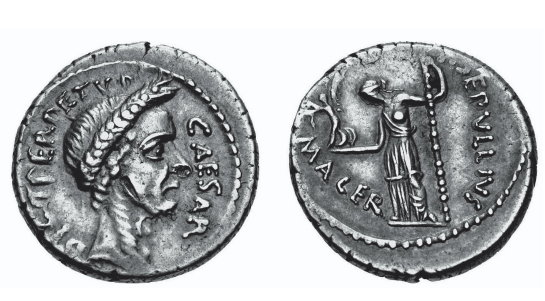
Coin of Julius Caesar
Date: 44 BCE
Evidence type: Numismatic
Obverse: Caesar’s portrait
Reverse: Venus Victrix
Symbol: Corona civica
Main idea: Caesar links himself to Venus + divine ancestry
Why important: Living Roman on coin = breaks Republican tradition
Trap: Caesar is dictator, not emperor.
First Triumvirate
Date: 60–53 BCE
Members: Pompey (Military) + Crassus (Money) + Caesar (Politics)
Type: informal political alliance
Caesar: elected consul in 59 BCE
Marriage tie: Iulia marries Pompey in 59 BCE
Breakdown: Iulia dies 54 BCE; Crassus dies 53 BCE
Main idea: Elite alliance destabilizes Republic
Trap: Not official like the Second Triumvirate.
Theater of Pompey
Date: 55 BCE
Builder: Pompey the Great
Type: first permanent stone theater in Rome
Key feature: temple of Venus Victrix attached
Main idea: entertainment + religion + political self-promotion
Why important: Pompey uses public building to display power/status
Trap: Not just a theater. The temple helped make it acceptable.
Terminology: cavea (seating), scaenae frons (backdrop/top), proscaenium (front edge), scaena (stage)
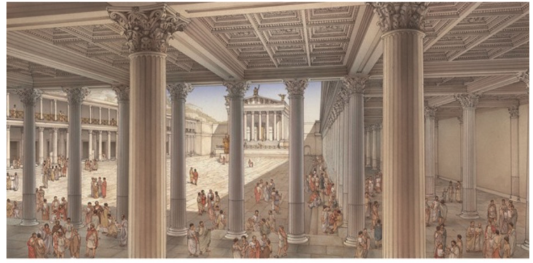
Caesar’s Forum
Date: 46 BCE
Builder: Julius Caesar
Type: forum/public space
Location: adjacent to the Forum Romanum, near the Curia Julia
Plan: long narrow open space with porticoes
Key monument: Temple of Venus Genetrix
Main idea: monumental competition + political self-promotion
Trap: Not the old Forum Romanum. It is Caesar’s separate expansion.
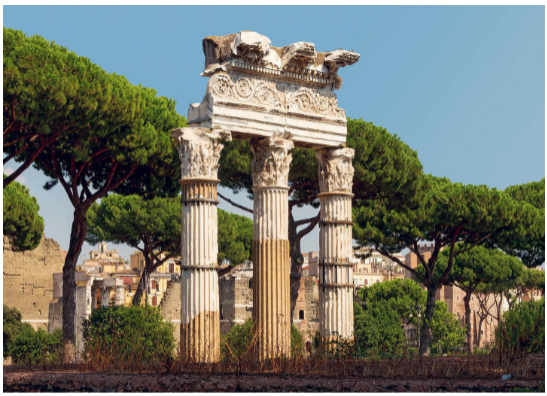
Temple of Venus Genetrix
Date: 46 BCE
Builder: Julius Caesar
Location: Caesar’s Forum
God: Venus Genetrix = Venus as ancestral mother
Main idea: Caesar claims divine ancestry through Venus
Material: imported exotic marble + white Italian marble
Why marble matters: luxury, conquest, status, global reach
Trap: Not just religious. It’s Caesar’s political self-promotion.
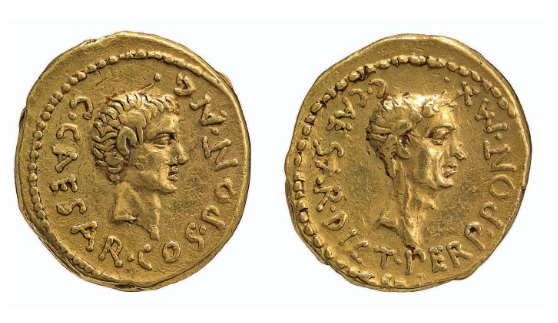
Octavian + Julius Caesar Coin
Date: 43 BCE
Material: Gold
Shows: Octavian + Julius Caesar
Purpose: Octavian claims Caesar as adopted father
Main idea: Legitimacy through inheritance
Political message: Octavian = Caesar’s heir/successor
Trap: Octavian is not yet Augustus.
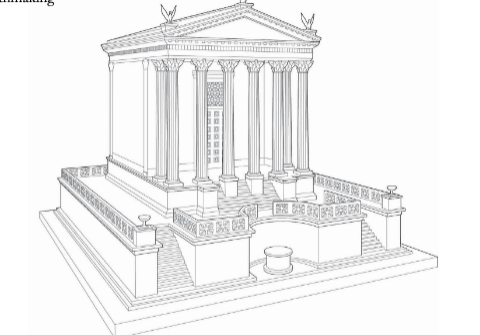
Temple of Divus Iulius
Date: dedicated 29 BCE
Builder/context: Octavian after Caesar’s death
Location: Roman Forum
God/person: Deified Julius Caesar
Main idea: Turns Caesar into a god, boosts Octavian’s legitimacy
Political message: Octavian = heir of Divus Iulius
Related: Octavian gold coin with Caesar; Romulus-style mythmaking
Trap: Caesar was not emperor, but after death he becomes Divus Iulius.
DIVI F(ILIUS)
Meaning: “son of the deified one”
Used by: Octavian / Augustus
Refers to: Julius Caesar as Divus Iulius
Main idea: Octavian claims divine legitimacy through Caesar
Seen on: Octavian coins, back is female personification (28 BCE)
Trap: Not “son of a god” generally. Specifically Caesar after deification.
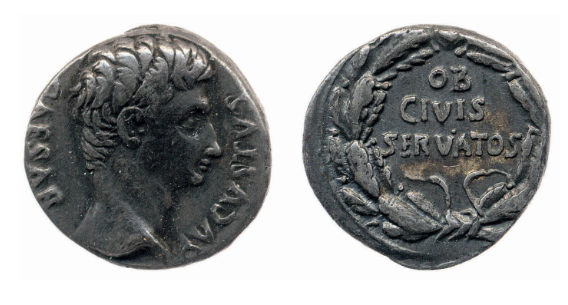
Corona Civica (Denarius)
Date: 27 BCE
Person: Octavian becomes Augustus
Front: profile of Caesar Augustus
Back: oak wreath / corona civica: civic crown, for saving lives
Text meaning: “For having saved the citizens”
Main idea: Augustus claims he ended civil war and saved Rome
Trap: Corona civica = civic crown/oak wreath, not a military laurel.
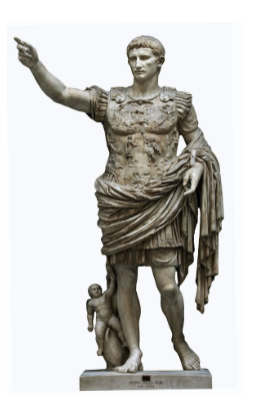
Prima Porta
Augustus of Prima Porta
Date: copy from 19 BCE type
Person: Augustus
Style: idealized, youthful, Classical
Pose: contrapposto
Visual cue: raised arm, cuirass, Cupid at leg
Main idea: Augustus as military leader + divine descendant of Venus
Trap: Not realistic/veristic. He is made to look timeless and ideal.
Polychromy
Meaning: Many colors
Use: sculpture/architecture was often painted
Main idea: Ancient marble was not always plain white
Trap: White marble today ≠ original appearance
Pax Romana
Meaning: Peace
Roman goddess/personification
Augustan theme: peace after civil war
Related: Ara Pacis = “Altar of Augustan Peace”
Trap: Pax is political, not just “peaceful vibes”
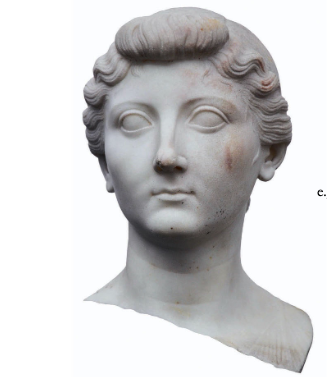
Portrait of Livia
Meaning: Ruler presents family as political image
Augustus: uses family, heirs, marriage, morality
Main idea: Dynasty becomes public propaganda
Related: Livia, Ara Pacis procession
Date: early 1st c. CE
Person: Livia, wife of Augustus
Style: Classicized, idealized
Visual cue: nodus at forehead, bun at back
Main idea: female virtue + Augustan family image
Trap: Not realistic/veristic
Nodus
Meaning: Hair knot/roll at forehead
Associated with: Livia / Augustan women
Main idea: modesty, virtue, elite femininity
Trap: Not Flavian piled curls
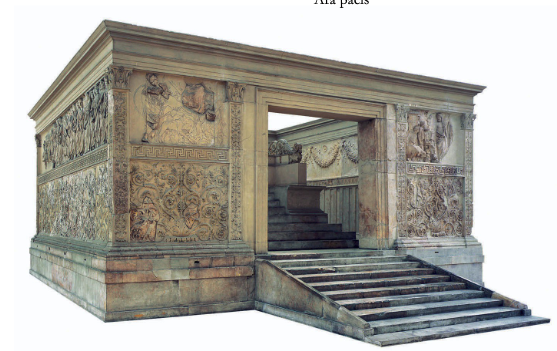
Ara Pacis Augustae
Date: 13–9 BCE
Person: Augustus
Location: Campus Martius, near via Flaminia
Meaning: Altar of Augustan Peace
Main idea: peace, family, piety, imperial order
Trap: It is an altar/enclosure, not a normal temple
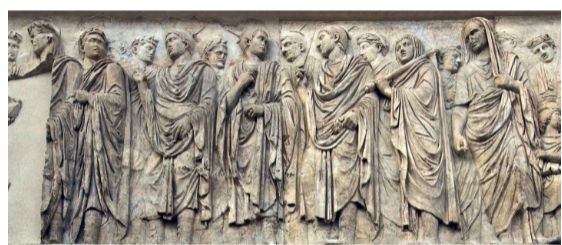
Ara Pacis Processional Frieze
Date: 13–9 BCE
Shows: Augustus, priests, imperial family
Visual cue: procession of elite figures
Key figure: Agrippa = hooded figure
Main idea: family + religion + state power
Trap: Not random Romans. It is imperial propaganda
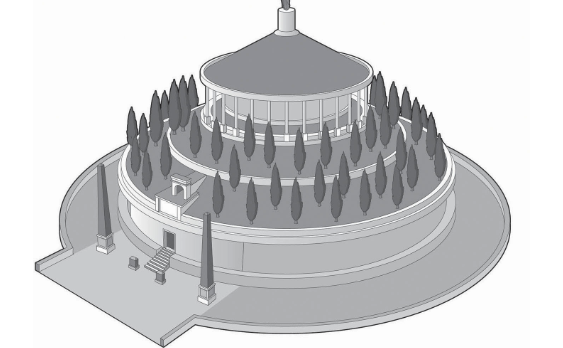
Mausoleum of Augustus
Date: built 25 BCE
Type: dynastic tomb
Material: concrete core, travertine/marble facing
Visual cue: huge circular tomb
Main idea: Augustus makes his dynasty permanent
Trap: Tomb, not temple
Res Gestae
Meaning: “The things accomplished”
Author: Augustus
Type: public record of achievements
Main idea: Augustus controls his legacy
Trap: Not neutral history. It is self-presentation
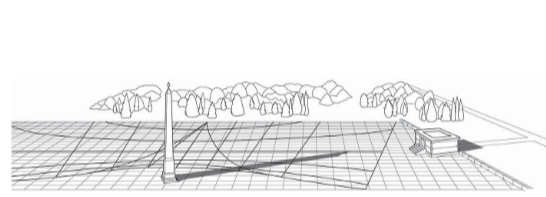
Horologium Augusti
Type: giant solar/time monument
Feature: obelisk casts shadow
Function: measures time/year
Context: Augustus as Pontifex Maximus/calendar authority
Main idea: Augustus controls time/order
Trap: Not just decoration
Fasti
Meaning: Roman calendar/lists of official days
Use: religious/civic timekeeping
Main idea: state control of time
Related: Horologium, Augustus, Pontifex Maximus
Trap: Calendar = political/religious tool
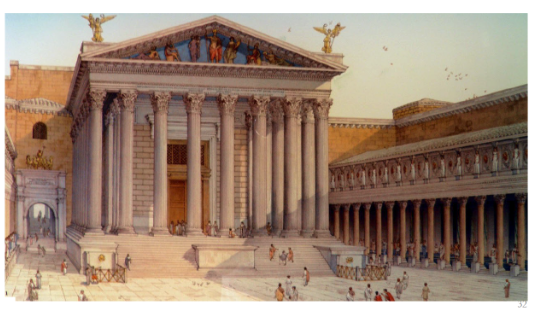
Forum of Augustus
Date: 2 BCE
Builder: Augustus
Key temple: Mars Ultor
Meaning: “Mars the Avenger”
Main idea: vengeance for Caesar + Augustan legitimacy
Trap: Different from Caesar’s Forum
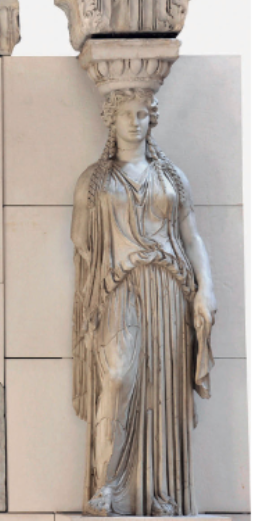
Caryatid
Meaning: female figure used as architectural support
Source reference: Erechtheion in Athens
Main idea: Augustus borrows Greek prestige
Trap: Not normal column
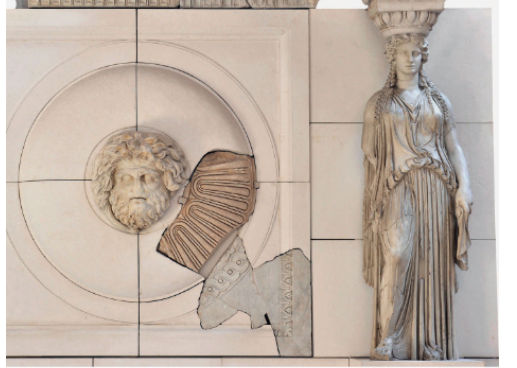
Clipeate Protome
Meaning: head/bust inside a shield-like roundel
Where: Forum of Augustus attic
Main idea: decorative elite/heroic imagery
Trap: Clipeus = shield
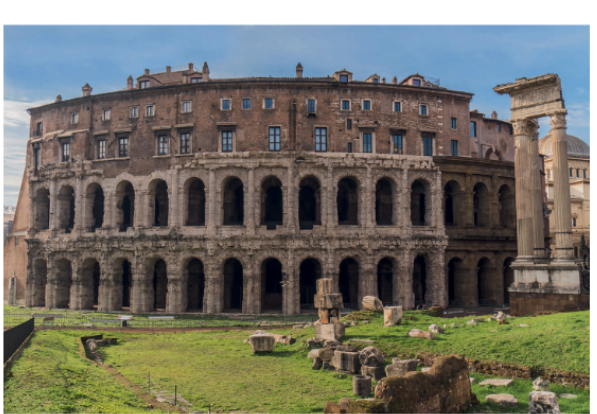
Theater of Marcellus
Date: dedicated 12 BCE
Builder: begun by Caesar, completed by Augustus
Named for: Marcellus, Augustus’ nephew
Type: theater
Main idea: Augustan completion of Caesar’s projects
Trap: Not Theater of Pompey
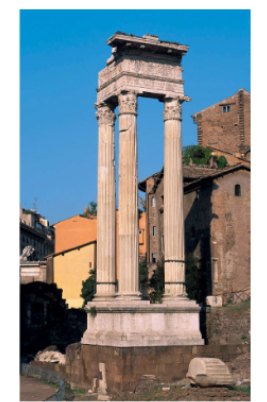
Temple of Apollo Sosianus
Temple of Apollo Sosianus
Date: 1st c. BCE
Location: Campus Martius
Material: marble
Main idea: transition from Republic to Empire
Related: Augustan rebuilding/material upgrade
Trap: Remember Apollo = important Augustan god
Julio-Claudians
Dates: 27 BCE–68 CE
Members: Augustus, Tiberius, Caligula, Claudius, Nero
Style: often idealized/classicizing
Main idea: first imperial dynasty
Trap: Ends with Nero
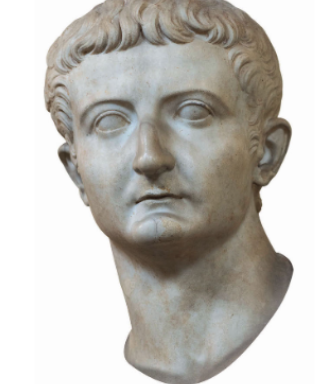
Tiberius
Dates: 14–37 CE
Dynasty: Julio-Claudian
Visual cue: follows Augustan idealized style
Main idea: continuity with Augustus
Trap: Not related to Augustus by blood, but looks dynastic
Relation: stepson and adopted son of Augustus
Name origin: Tiberius was his birth praenomen; later Tiberius Julius Caesar after adoption into Augustus’ family
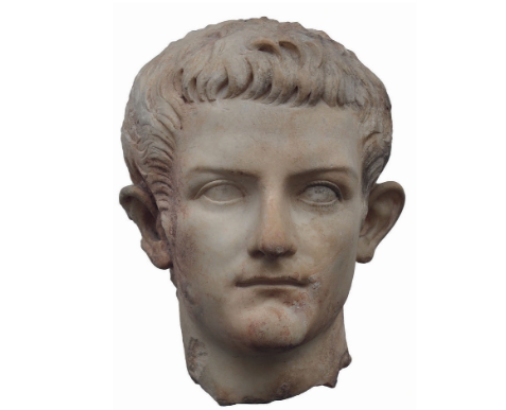
Caligula
Dates: 37–41 CE
Dynasty: Julio-Claudian
Visual cue: youthful idealized portrait
Main idea: continuity from Tiberius + youthful contrast
Trap: Still Julio-Claudian idealizing style
Relation: great-grandson of Augustus; successor of Tiberius
Name origin: “Caligula” = “little boots,” nickname from soldiers because he wore miniature military boots as a child
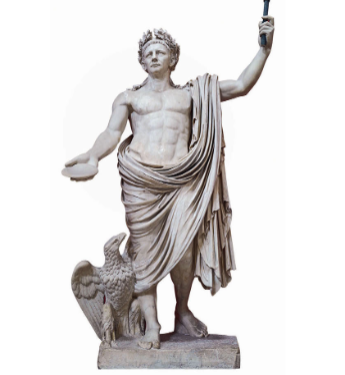
Jupiter as ?
Date: c. 50 CE
Person: Claudius
Pose/body: idealized divine/Classical body
Face: older, looser, more realistic
Main idea: emperor shown with divine authority
Trap: Mixes ideal body + aged face
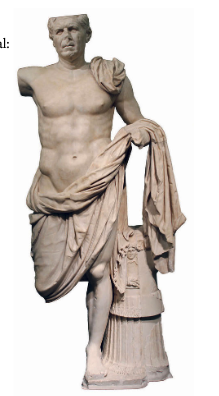
Classicizing + verism
Date: 75–50 BCE
Visual cue: ideal Greek body + veristic Roman head
Main idea: Greek heroic body, Roman Republican identity
Trap: Mixed style, not purely Greek or purely Roman
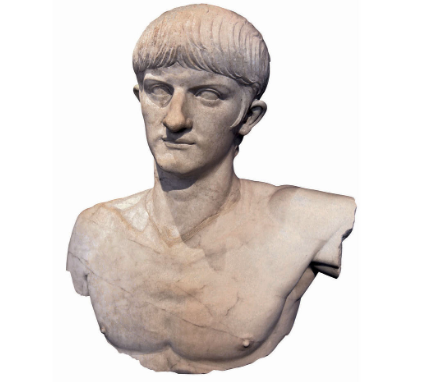
Nero (54-68 CE)
Dates: 54–68 CE
Dynasty: Julio-Claudian
Early portraits: Augustan idealism/youth
Later portraits: stylistic rupture
Main idea: Nero breaks from Julio-Claudian image tradition
Trap: Early Nero and later Nero look very different
elation: adopted son and successor of Claudius; great-great-grandson of Augustus through the family lineName origin: born Lucius Domitius Ahenobarbus; became Nero Claudius Caesar after Claudius adopted him
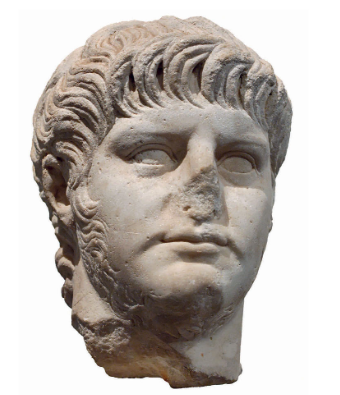
Later __
Later Nero
Date: 1st c. CE
Visual cue: stepped/sickle-shaped bangs, fuller face, light beard
Main idea: breaks Julio-Claudian portrait norms
Term: stylistic rupture
Trap: Don’t confuse with early Nero
Cameos
Meaning: carved layered gems
Material: often sardonyx
Use: luxury imperial imagery
Main idea: small object, big propaganda
Image? Combine with Gemma Augustea/Gemma Claudia
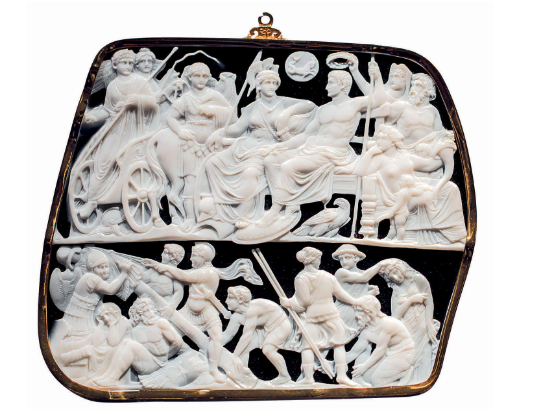
Gemma Augustea
Date: c. 14 CE
Material: sardonyx cameo
Subject: Augustan imperial victory/order
Main idea: luxury object promotes Augustus’ rule
Trap: Not a coin. It is a carved cameo
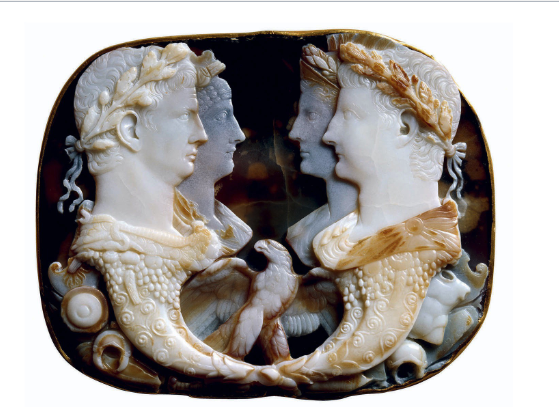
Gemma Claudia
Subject: Claudius + Agrippina marriage
Type: cameo
Main idea: dynasty and marriage as imperial image
Trap: figures can be ambiguous/mythologized
Sacrifice
Latin idea: sacrum facere
Meaning: “to make something sacred”
Definition: making something property of the gods
Main idea: ritual exchange with gods
Trap: Not just “killing an animal”
Religio / Pax Deorum
Religio: proper religious practice/obligation
Pax Deorum: peace with the gods
Main idea: Rome’s success depends on correct ritual
Trap: Roman religion is civic/state duty, not just belief
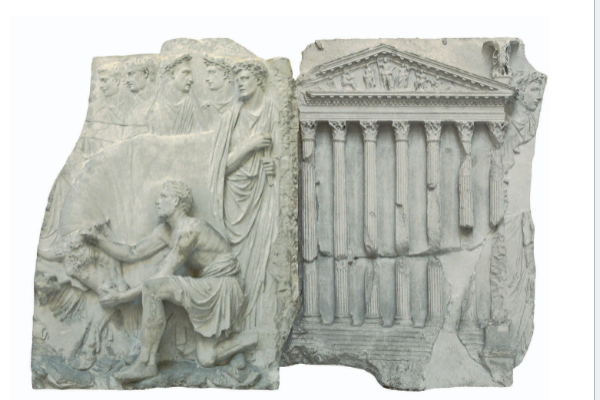
Villa Medici Sacrifice Relief
Date: 1st c. CE
Material: marble
Shows: sacrifice in front of temple
Main idea: public ritual + religio
Trap: Focus on ritual action, not just temple
Lar/Lares
Meaning: household/protective spirits
Associated with: home, family, crossroads
Visual cue: small dancing/youthful figures
Related: lararium
Trap: Lares ≠ Genius
Spoliation
Meaning: taking materials from older ruins/buildings and reusing them
Visual cue: old pieces reused in new monument/building
Main idea: reuse of physical material
Example: Arch of Constantine uses earlier imperial reliefs
Trap: Not memory erasure. That’s damnatio memoriae.
Damnatio Memoriae
Meaning: official condemnation/erasure of memory
Visual cue: erased face/name, recarved image, removed inscriptions
Main idea: punish someone by attacking their public memory
Example: Geta erased from Severan Tondo
Trap: Not reuse of materials. That’s spoliation.
Palimpsest
Meaning: multiple layers of human activity over time
In archaeology: layers are reused, overwritten, merged
Main idea: one site/object preserves many histories
Trap: Not spoliation. Palimpsest = layered history.
Imperium
Meaning: official power/authority to command
Held by: consuls, praetors, generals
Symbol: fasces
Main idea: political/military authority
Trap: Fascism later co-opts fasces/imperium imagery.
Fasces
Meaning: bundle of rods, often with axe
Represents: magistrate/consular authority
Related: imperium
Modern co-option: Fascism
Trap: For Kingdom-period Roman identity quiz answer was beards, not fasces.
Genius
Meaning: protective spirit/life force
In household: Genius of the paterfamilias
Visual cue: central male figure in lararium
Main idea: family authority and continuity
Trap: Genius ≠ Lares
Vicus / Vicomagister
Vicus: neighborhood/crossroads district
Vicomagister: local official for neighborhood cult
Main idea: religion organized local urban life
Related: Lares at crossroads
Trap: Not just household religion
Agathodaimon Serpent
Meaning: protective/good spirit serpent
Location: household shrine/altar
Main idea: prosperity + protection
Trap: Not random snake decoration
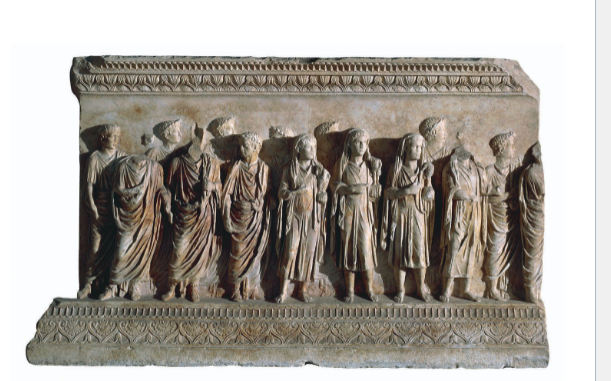
Vicomagistri Altar
Date: 1st c. CE
Shows: figures carrying emperor’s Lares and Genius
Main idea: Augustus links household cult to imperial cult
Trap: Domestic religion becomes political
Augustan Appropriation: The Household
Meaning: Augustus absorbs household religious symbols
Uses: Lares, Genius, local cult
Main idea: emperor becomes part of everyday religion
Trap: “Private” household religion becomes imperial/public
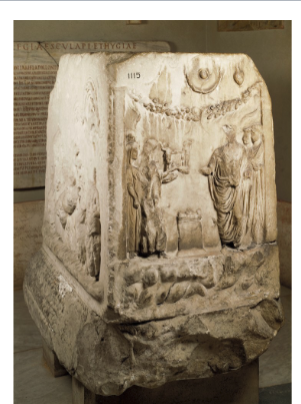
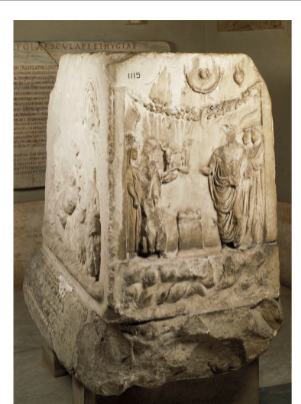
Altar of Augustus Pontifex Maximus
Representational Ambiguity
Meaning: figure can be read as human, divine, or dynastic
Used in: Julio-Claudian imagery
Main idea: ambiguity makes rulers seem mythic/divine
Trap: Don’t force one meaning when image is intentionally layered
Domus Aurea
Date: 64–68 CE
Builder: Nero
Meaning: “Golden House”
Main idea: imperial luxury/excess
After Nero: damaged/erased through damnatio memoriae
Image? Combine with octagonal hall/painted vaults
Famous features: painted vaults, frescoes, mosaics, octagonal hall
Fouirth Style Wall Painting
Date: later 1st c. CE
Characteristics: mix of illusionism, framed panels, fantasy architecture
Visual cue: busy, theatrical, layered wall design
Main idea: combines earlier wall-painting styles
Trap: More complex/crowded than Third Style